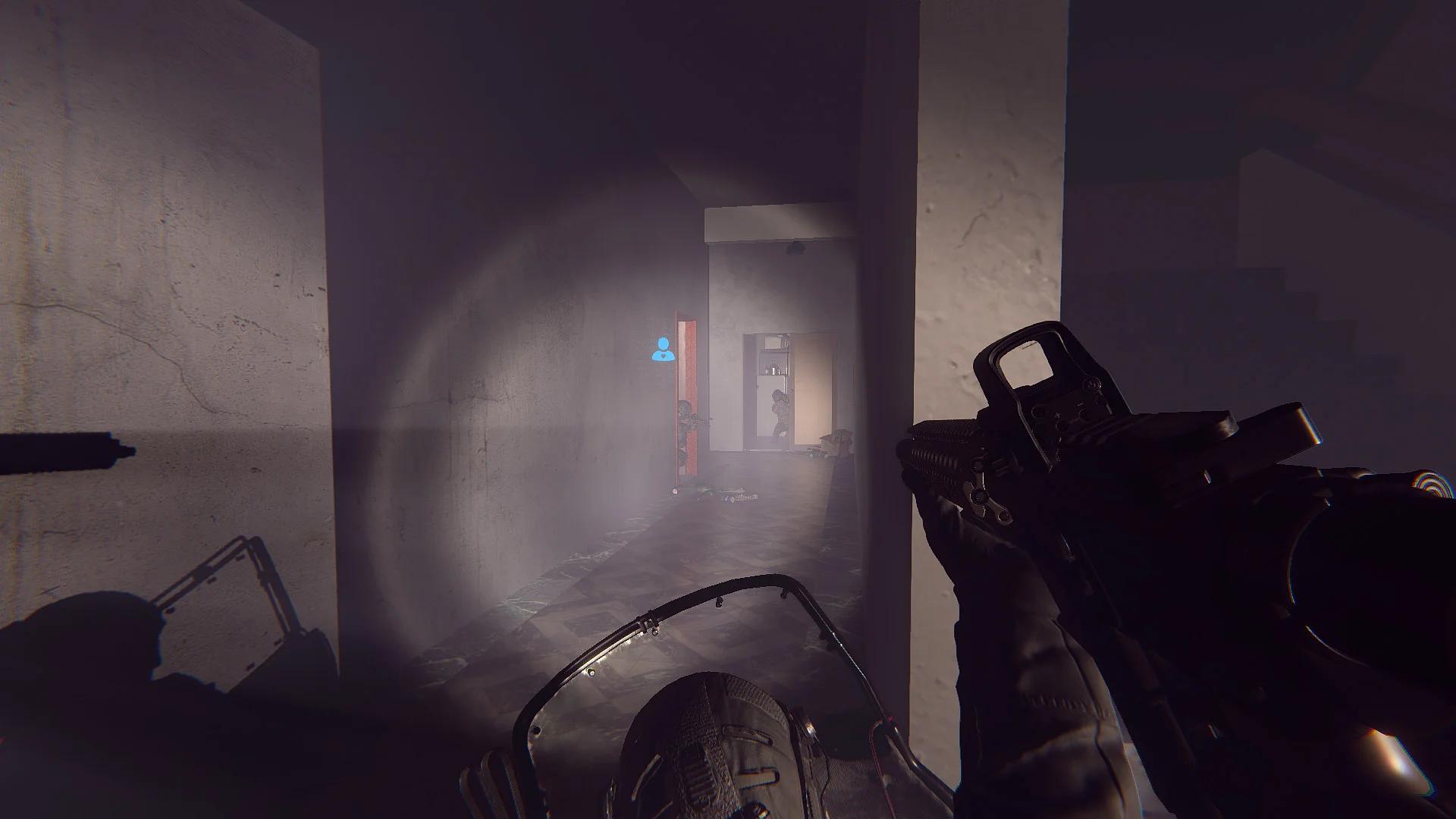
Why We Recommend This Game
Zero Hour carves out a distinct niche in the tactical shooter space by committing hard to realism. Maps are built to real-life scale rather than inflated video game proportions, which means sightlines feel authentic, movement decisions carry weight, and rushing without a plan gets punished fast. If you've ever wished Rainbow Six Siege felt a little more grounded and a little less arcade-adjacent, this is worth your attention. The core loop pits attackers against defenders across objective-based rounds — defuse the bomb or rescue the hostage on one side, protect those same objectives on the other. Rounds are short and decisive, making sessions naturally structured into punchy bursts. A single match demands genuine communication, role clarity, and intel sharing, so a good headset and a willing squad dramatically improve the experience. The learning curve is steep but fair. New players will die often at first — Zero Hour does not hand-hold. Resource management adds a layer most arcade shooters skip: you work with what you have, and poor decisions compound across rounds. Mastery comes from reading maps, coordinating breach timing, and suppressing panic under pressure. The skill ceiling is high, and reaching it is genuinely satisfying. This game is a perfect fit for players who enjoy close-quarters team strategy with meaningful resource constraints. Replayability comes from the team dynamic rather than content volume. The same map plays completely differently depending on defender positioning, attacker coordination, and round-to-round adaptation. There's real depth in the cat-and-mouse between sides, and organised play with a regular squad extends longevity considerably. Sessions can run anywhere from 20 to 60 minutes depending on match length and round count, making it flexible for both quick plays and longer dedicated sessions. The Bangladesh-based settings give it a visual identity that stands apart from the Western military aesthetics dominating the genre.
Best For
- Tactical FPS fans who want realism and coordination over run-and-gun action
- Players who enjoy close-quarters team strategy with meaningful resource constraints
- Groups of friends looking for a communicative, high-tension competitive shooter
Not For
- Solo players or those without a reliable squad — matchmaking with strangers yields inconsistent results
- Players new to tactical shooters who want a gentle on-ramp
- Anyone seeking a casual, low-stakes shooting experience
Multiplayer & Game Modes
10 online
ZERO HOUR does not support crossplay, supports up to 10 players online.
Features
Play Modes
Multiplayer • PvP • Online Multiplayer • LAN Multiplayer
Player Count
- 0
- Online
- 1-10
- LAN
- 1-10
- Team Sizes
- 5v5
Additional Details
PC (Steam) tactical FPS focused on 5v5 matches (Attackers vs Defenders) with objective modes (bomb/hostage). Supports Online PvP and LAN PvP. No couch/local multiplayer and no split-screen. No official cross-play (PC-only release on Steam).
Edition and Platform Information
Important details about which version to buy and where to play.
Platform Recommendations
Available on PC via Steam. LAN multiplayer support makes it viable for local network play alongside standard online modes.
Accessibility Features
No notable accessibility features have been documented. The game's high skill floor and communication dependency may present challenges for players with hearing impairments or those unable to use voice chat.
Screenshots
Click any screenshot to view in full size
Games Similar to ZERO HOUR
If you enjoyed ZERO HOUR, you'll love these similar games. We've handpicked titles based on gameplay style, difficulty, atmosphere, and what players like you are enjoying. Whether you're looking for something with a similar vibe, more challenge, or the same multiplayer features, these recommendations have you covered.
Competitive & PvP
4Head-to-head competitive games for players who enjoy the competitive elements found in ZERO HOUR.

Round-based 5v5 with tight comms, gadgets, and map knowledge. Winning hinges on coordinated executes, intel denial, and disciplined gunfights.
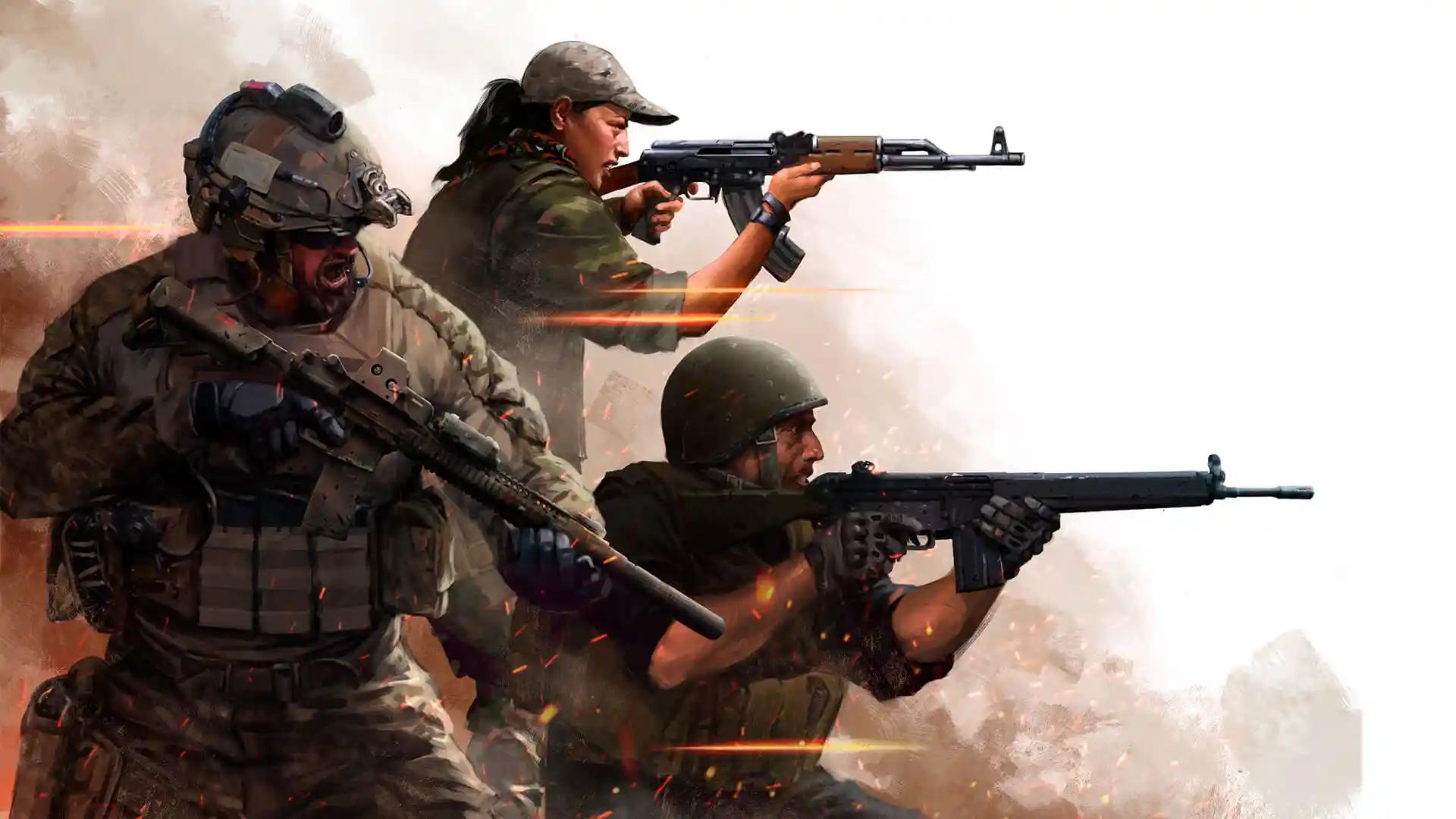
Hard-hitting PvP with realistic lethality, limited HUD, and strong objective play. Rewards careful movement, sound cues, and team utility.
Large-scale tactical PvP built around squads, leaders, and logistics. Communication, positioning, and combined-arms support decide matches.
Pure competitive round economy and crisp aim duels. Utility timing, trades, and disciplined defaults mirror tactical shooter fundamentals in faster form.
Deeper Systems & Mastery
3Games with deeper mechanical complexity than ZERO HOUR, rewarding players who enjoy mastering intricate systems and advanced strategies.
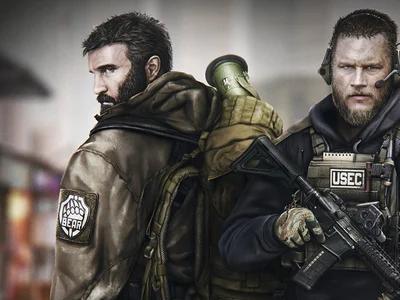
Deep extraction FPS with high stakes: ballistics, armor, meds, ammo types, and economy. Mastery comes from preparation, routing, and survival instincts.
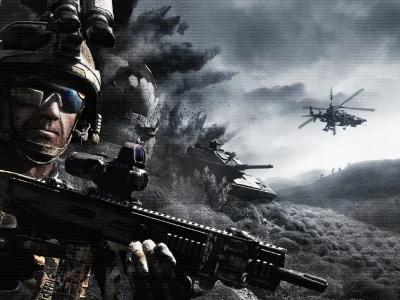
Mil-sim sandbox with complex controls, vehicles, ballistics, and massive scenarios. Rewards planning and coordination more than twitch reflexes.
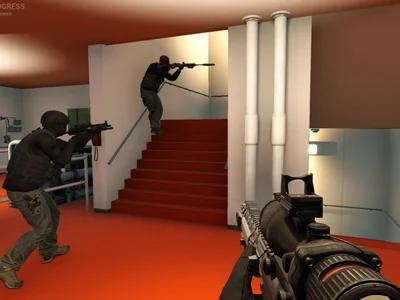
Methodical tactical FPS with flexible loadouts, careful room-clearing, and punishing lethality. Learning angles, entries, and coordination is the game.
Great for Co-op
3Cooperative multiplayer games that emphasize teamwork and shared objectives, building on the social aspects of ZERO HOUR.
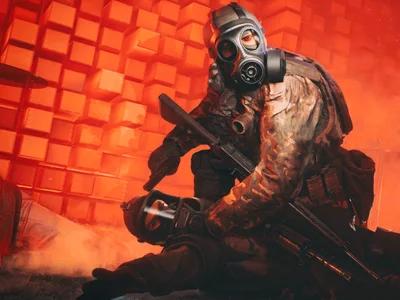
SWAT-style co-op raids where pacing is deliberate: stack up, clear rooms, arrest suspects, and manage civilians. Great for coordinated friend squads.
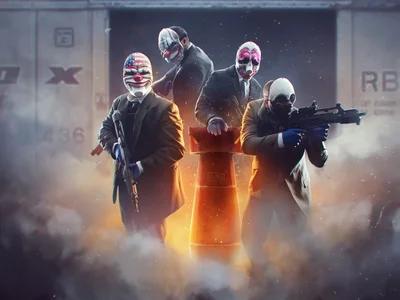
Objective-driven co-op heists with loadout roles and loud/stealth options. Short bursts of teamwork, planning, and clutch revives keep it social.

Top-down tactical breach-and-clear you can run co-op. Planning routes, syncing actions, and managing limited resources captures the same methodical feel.
Similar Vibe, Easier
2Games that capture the essence of ZERO HOUR with a gentler learning curve and more forgiving difficulty, perfect for newcomers to the genre.
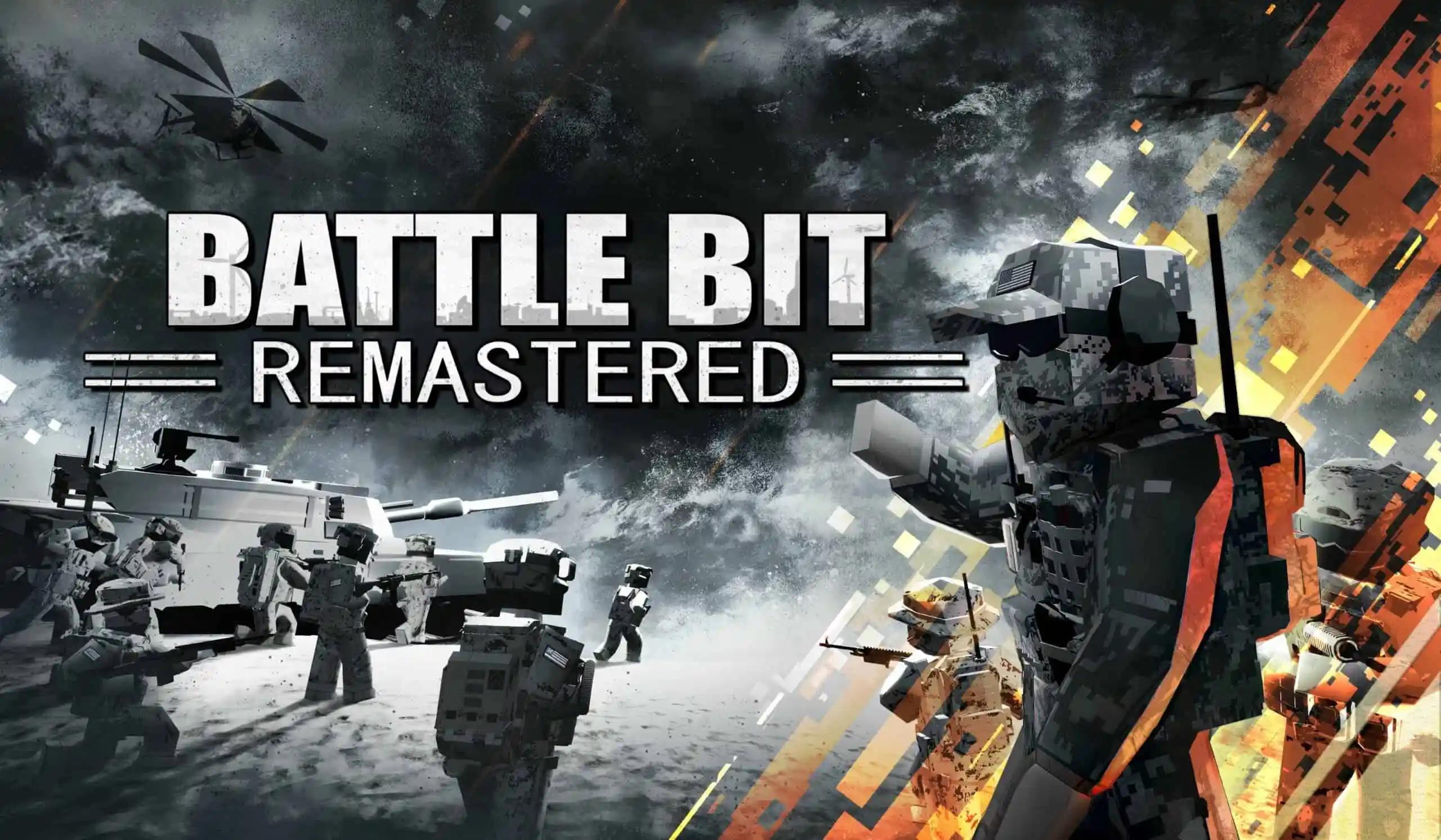
Large-team FPS with quick respawns and approachable gunplay, but still rewards squad play and positioning. Easier to jump into than strict mil-sims.
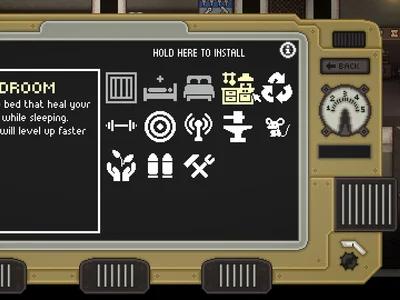
Extraction tension in a top-down format that’s easier to read and learn. Scavenging, loadouts, and risk management echo tactical FPS stakes.
Frequently Asked Questions
Common questions about this game answered by our team.
How hard is Zero Hour for new players?
It's challenging. Real-life map scale and resource management punish hasty play. Expect a steep learning curve, especially without experienced teammates. Patience and communication are essential from the start.
Do I need friends to enjoy it?
A coordinated squad makes a huge difference. While solo queue is possible, the game's tactical depth shines with a regular group using voice comms. Solo play can feel frustrating without team cooperation.
How long are typical sessions?
Individual matches run roughly 20–45 minutes depending on round count. The format suits both quick sessions and longer dedicated play, especially with a regular group.
How does it compare to Rainbow Six Siege?
Zero Hour is more grounded and stripped-back — no operator gadgets or fantasy scaling. It prioritises realism and communication over hero-style mechanics, appealing to players wanting raw tactical play.
Is there good replayability?
Yes, especially with a consistent squad. The same maps play very differently based on strategy and adaptation. High skill ceiling and dynamic team interplay keep matches feeling fresh across many hours.