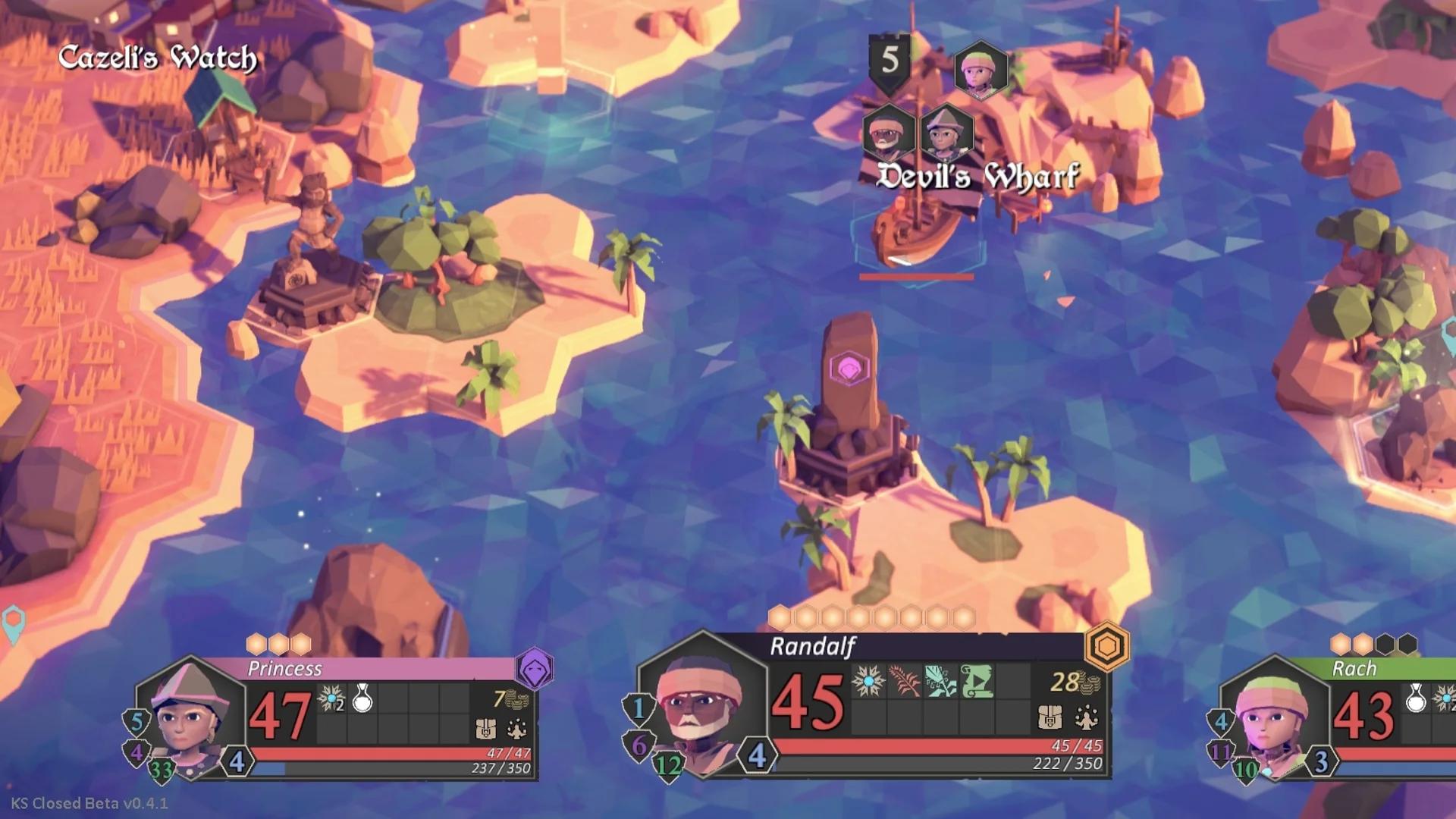
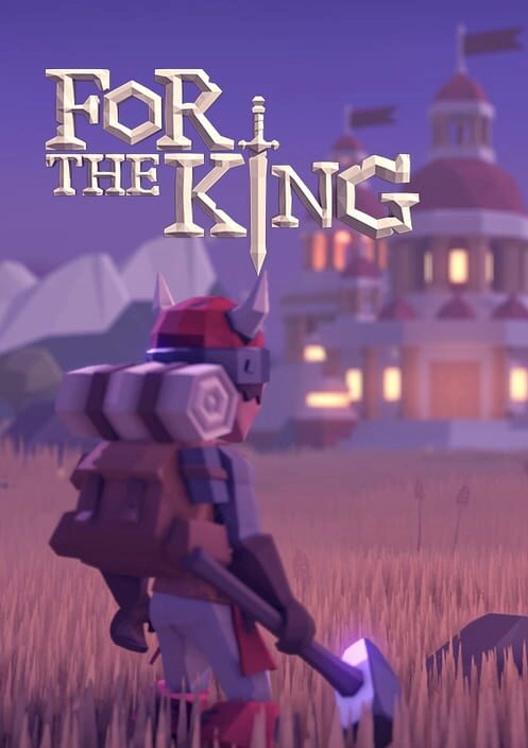



For The King brings tabletop strategy to Switch with hex-map exploration and dice-driven combat. Each player manages a distinct character, making every turn a group discussion about movement, camping, and resource allocation. Procedural maps and unlockable classes provide strong replay value for teams that enjoy roguelike challenge and tactical planning over pure action.

For The King
Best if you want a dice-driven tactical RPG that plays like a digital board game, where every turn is a calculated gamble and each campaign feels fresh thanks to procedural maps and roguelike unpredictability.
On This Page
Why We Recommend This Game
For The King nails the feel of gathering around a table with friends to tackle a dangerous campaign, translating tabletop adventure into a turn-based strategy RPG where luck and planning collide. You'll move a party of three adventurers across a hex-grid map, choosing routes, managing supplies, and engaging in dice-roll combat that rewards smart positioning and resource management. The gameplay loop is satisfyingly tactical: decide whether to split your party to cover ground faster or stick together for safety, weigh the risk of pushing through the night versus setting camp, and balance immediate needs against long-term survival. Combat uses a slot-based system where attacks and abilities occupy spaces on a timeline, letting you chain effects and coordinate with teammates. Success depends on stat checks and dice rolls, so even well-planned strategies can crumble on bad RNG—or succeed against the odds. This creates tense moments where groups debate whether to use precious consumables or risk a crucial roll, lending every decision weight. The roguelike structure means death is permanent and maps reset, but each run unlocks new character classes, items, and lore entries that expand future options. The learning curve is gentle thanks to clear UI and turn-based pacing, but mastery takes time. You'll need to learn which stats matter for different situations, how to optimize party composition, and when to pursue side objectives versus beeline for main goals. Sessions typically run 20–30 minutes per major objective, making it easy to fit into evening play without demanding marathon commitments, though full campaigns can stretch several hours across multiple sittings. Co-op is where For The King shines brightest. Online or local network play lets up to three players control the party, turning every movement and combat choice into a group discussion. The shared stakes create natural camaraderie, and procedural generation ensures no two campaigns play alike. Solo play works but feels lonelier, as you'll control all three characters yourself—still engaging, but missing the collaborative energy. The heavy RNG won't suit everyone. Bad rolls can end promising runs abruptly, and the difficulty can spike without warning. But for players who enjoy adapting to chaos, managing probabilities, and laughing off catastrophic failures, the randomness becomes part of the charm. Multiple difficulty modes let you tune the challenge, and the steady drip of unlocks rewards persistence even through defeat.
Best For
- Fans of board-game-style RPG hybrids who enjoy tactical planning around dice rolls
- Co-op groups wanting strategic, turn-based campaigns with meaningful choices
- Players who appreciate roguelike variety and don't mind losing progress to bad luck
Not For
- Anyone frustrated by RNG-driven outcomes that can undo careful planning
- Players seeking deep narrative or character development
- Those preferring action-oriented or real-time combat over methodical turn-based strategy
Multiplayer & Game Modes
3 local • 3 online
For The King does not support crossplay, supports up to 3 players online, features co-op campaign mode.
Features
Play Modes
Single Player • Multiplayer • Co-op • Online Multiplayer • Local Couch Co-op • LAN Multiplayer • Shared Screen
Player Count
- Local
- 1-3
- Online
- 1-3
- LAN
- 1-3
- Team Sizes
- Co-op party of up to 3
Additional Details
Supports 1–3 players. Co-op is available as online, LAN, and local (couch) co-op. Local co-op is shared-screen (not split-screen). No official cross-play between platforms is documented. Online play on consoles requires the platform’s online subscription (e.g., PlayStation Plus / Nintendo Switch Online / Xbox network subscription, as applicable).
Edition and Platform Information
Important details about which version to buy and where to play.
Platform Recommendations
Switch version supports online co-op but lacks local couch play—you'll need LAN or online for multiplayer. Performance is solid in handheld mode, though text can be small on the Switch Lite.
Accessibility Features
Turn-based pacing removes time pressure, and clear icons with tooltips explain mechanics well. The board-game structure teaches gradually, making it approachable for strategy newcomers. Colorblind players may struggle with some status effect indicators.
Screenshots
Click any screenshot to view in full size
Featured In Our Articles
We've included this game in 2 articles.
This indie RPG translates tabletop adventuring into cooperative hex-based campaigns with deep class synergies and dice-based events. While RNG-heavy combat and slower handheld pacing keep it from the top rankings, strategy fans who embrace probability planning will find exceptional replay value. The lack of local co-op is a notable omission for Switch, but online play performs solidly.
Frequently Asked Questions
Common questions about this game answered by our team.
How difficult is it?
Fair but punishing due to roguelike design and dice-driven outcomes. Multiple difficulty settings let you adjust challenge, but bad luck can wipe parties even on easier modes. Expect to fail campaigns while learning optimal strategies.
How long does a full campaign take?
A complete run typically takes 3–6 hours depending on difficulty and side objectives, but the game structures naturally into 20–30 minute sessions between major goals, making it easy to play in chunks.
Is it good solo or better co-op?
Both work, but co-op elevates the experience significantly. Solo means controlling all three characters yourself, which is engaging but lacks the collaborative decision-making and shared tension that makes co-op sessions memorable.
How much does RNG affect outcomes?
Heavily. Dice rolls determine combat hits, stat checks, and event outcomes. Smart play improves your odds substantially, but bad streaks can derail runs. Part of the appeal is adapting to chaos rather than guaranteeing success.
What's the replay value like?
Excellent. Procedural maps, unlockable classes, multiple campaigns, and difficulty modes ensure variety. Each run feels different, and persistent unlocks reward continued play even through defeats.


