
Most of the co-op games people actually talk about assume you have a machine that can handle them. Our group mostly does not. Over years of LAN sessions on everyday laptops and online nights with friends who never bought gaming PCs, we have learned which games survive that constraint and which ones fall apart at the setup screen. This list is the result of that: ten co-op picks that run cleanly on integrated graphics and actually reward playing together, not just sharing a screen.
I scored each game on replayability, co-op design quality, how well it runs on budget hardware, and session stability, weighting all four criteria equally. Low-end compatibility was the entry gate; the rest determined the order.
For the full picture on games that run on modest hardware, see our Best Low-End PC and Laptop Games guide. This article focuses specifically on co-op and multiplayer experiences that hold up when the whole group is on everyday machines.
Quick Picks
Best for LAN parties: Left 4 Dead 2
Best for couch co-op: Lovers in a Dangerous Spacetime
Best for long-term groups: Terraria
Best for casual evenings: Overcooked! 2
Best two-player puzzle co-op: Portal 2
The Top 10 Co-Op Games for Low-End PCs and Laptops
Every game here has been tested on real budget hardware. The ranking reflects how well each one balances smooth performance on integrated graphics with co-op design that actually rewards playing together.

We still fire up Left 4 Dead 2 at almost every LAN session. Every single time. It does not matter that most of us have played every campaign dozens of times over, because the AI Director reshuffles the tension so consistently that no two runs feel identical. Four players, one flashlight between you, and someone always forgets to pick up the adrenaline. The Source engine age is the reason it runs so cleanly on integrated graphics, and the co-op design is why nothing else has replaced it. Skill gaps barely matter. What matters is whether the person in front of you covers the corner.

- Released
- 20092009
- Genre
- ShooterShooter
- Platforms
- Linux, macOS, PCLinux, macOS, PC

One ship, four stations, and a constant argument about who should be on the guns. That is Lovers in a Dangerous Spacetime. The co-op design is built entirely around dividing roles under pressure: one person steers, another fires, someone else scrambles to the shields when an asteroid hits. I ran this on an older office laptop with Intel UHD graphics and it did not break a sweat. The local-first focus is the honest trade-off here. Online works, but this is a game that clicks hardest when you can see the other person panic.

- Released
- 20152015
- Genre
- ShooterShooter
- Platforms
- Linux, macOS, PC, PS4, Switch, Xbox OneLinux, macOS, PC, PlayStation 4, Nintendo Switch, Xbox One

Terraria is the game I keep recommending to groups who ask what to play on a shared server over several weeks. The progression loop is deep enough that everyone finds a role naturally: one person builds the base, another goes mining, someone preps for the next boss. My group has run three separate worlds over the years and each one played out differently. Runs comfortably on almost any hardware, the install is small, and there are two hundred hours of content before you run out of new things to find. That ratio of depth to hardware demand is hard to beat.

- Released
- 20112011
- Genre
- PlatformerPlatformer
- Platforms
- Android, iOS, Linux, macOS, PC, PS4, Switch, Xbox OneAndroid, iOS, Linux, macOS, PC, PlayStation 4, Nintendo Switch, Xbox One
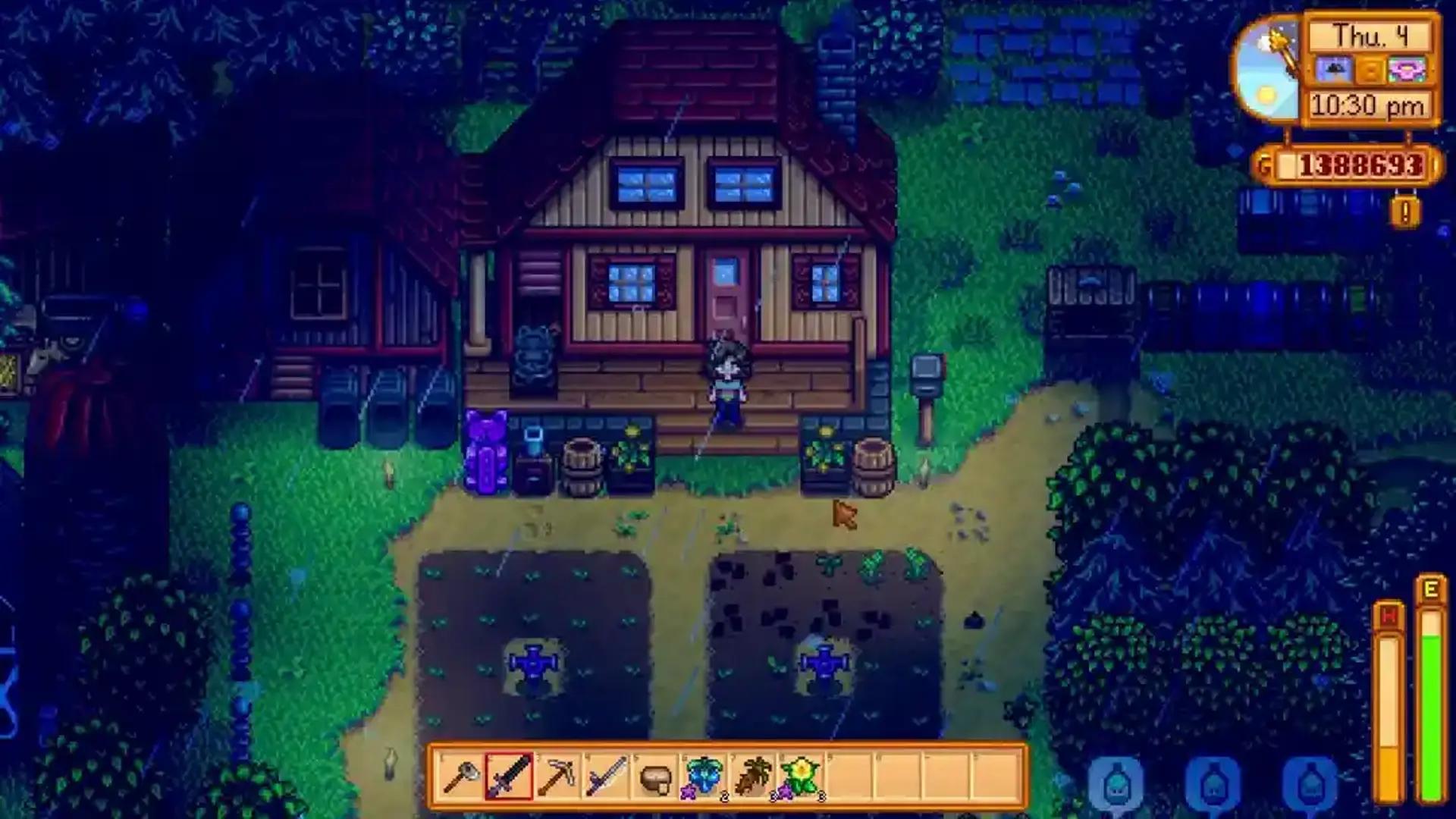
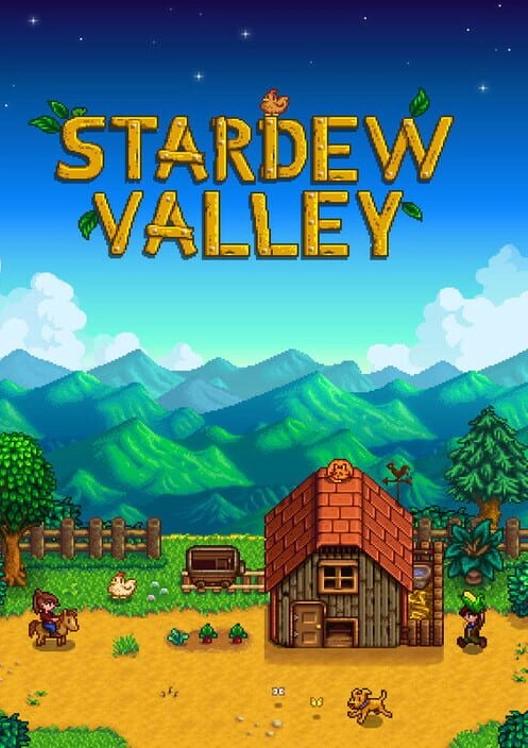
Stardew Valley is the calmest thing on this list, and sometimes that is exactly what a group needs. My wife does not play many games, but she played this one with me on the couch without needing a tutorial or a controller lesson. The co-op splits naturally: someone handles the farm while someone else mines or fishes, and the days tick over without anyone feeling lost. The hardware demands are essentially nothing. An eight-year-old laptop handles it fine. The teamwork is gentler than the rest of these picks, which is the point, not a flaw.
- Released
- 20162016
- Genre
- RPGRPG
- Platforms
- Android, iOS, Linux, macOS, PC, PS4, Switch, Switch 2, Xbox OneAndroid, iOS, Linux, macOS, PC, PlayStation 4, Nintendo Switch, Nintendo Switch 2, Xbox One

The premise sounds ridiculous and it is: you build the level together, everyone tries to reach the flag, and the goal is to make it hard enough that your friends fail but easy enough that you can still get through. We played this at a LAN session expecting twenty minutes and it ran for two hours. It runs on basically any hardware, which is part of why it keeps showing up in this context. It is not traditional co-op in the campaign sense, but as a group game for modest machines, very few things generate this much noise for this little cost.

- Released
- 20162016
- Genre
- ShooterShooter
- Platforms
- Android, iOS, Linux, macOS, PC, PS4, Switch, Xbox OneAndroid, iOS, Linux, macOS, PC, PlayStation 4, Nintendo Switch, Xbox One

Portal 2's co-op campaign is purpose-built around two people solving problems together, and it is still one of the most tightly designed experiences in that narrow category. Both players need portals. Both players need to think. There is no carrying a partner through this one. I played the campaign with a friend over a single long evening, and watching the moment a solution clicks for both of you simultaneously is something most puzzle games never manage. The age works in its favour here: it runs on practically anything. The honest limitation is that once you know the solutions, the magic is spent.

- Released
- 20112011
- Genre
- PlatformerPlatformer
- Platforms
- Linux, macOS, PC, SwitchLinux, macOS, PC, Nintendo Switch
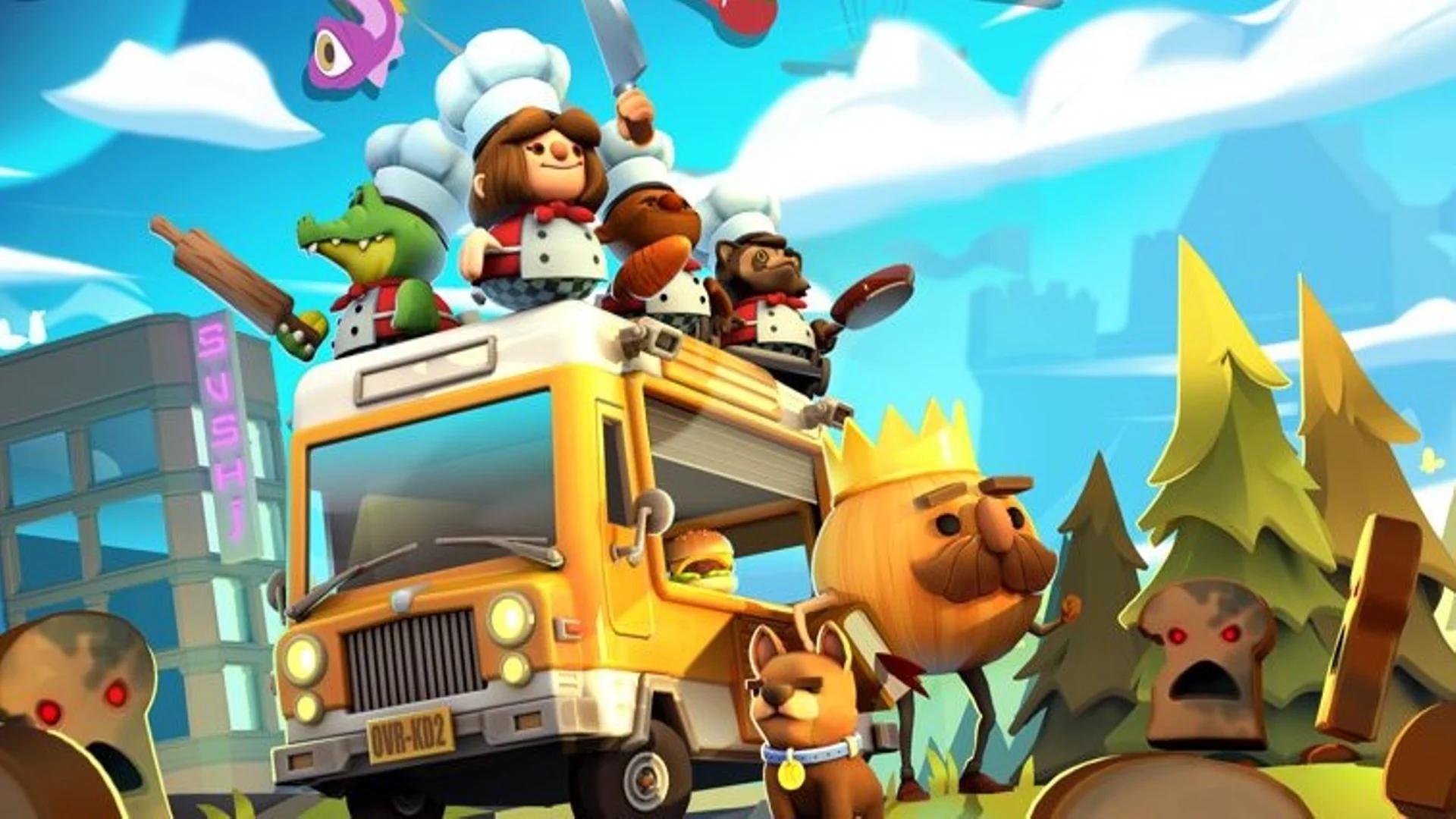
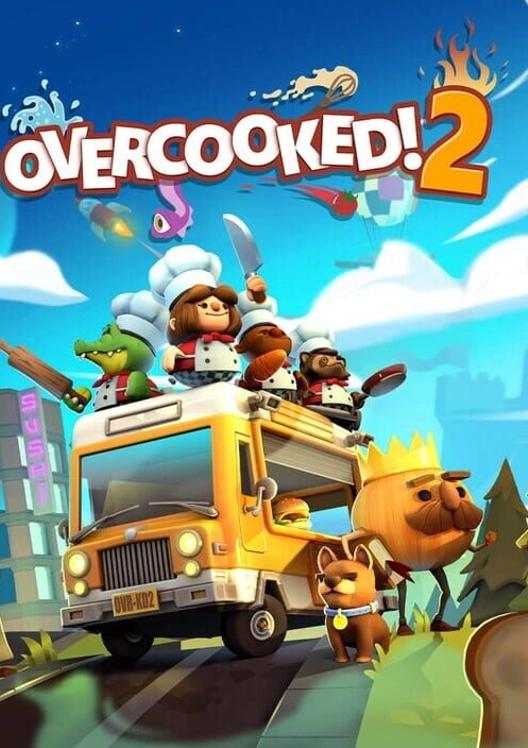
Overcooked! 2 has broken more of my group's composure than any other game on this list. Kitchen layouts shift mid-level, orders pile up, and someone always throws the wrong dish into the window. This is the one I reach for when friends come over for a casual evening, because it needs no explanation and produces laughs within the first five minutes. Runs fine on most laptops, though the later stages push harder than the lighter 2D games here. Online works, but the game is built for the same room. Bring patience. You will need it.
- Released
- 20182018
- Genre
- SimulationSimulation
- Platforms
- Linux, macOS, PC, PS4, Switch, Switch 2, Xbox OneLinux, macOS, PC, PlayStation 4, Nintendo Switch, Nintendo Switch 2, Xbox One
If you want solo-friendly options on the same kind of hardware, our Best Single-Player Games for Low-End PCs and Laptops guide covers the full range without the co-op requirement.

Spelunky 2 is the punishing one. Someone on the group will die to something embarrassing in the first five minutes, and it will probably be me. The co-op stories this game generates are unlike anything else here: a last-minute revive before the level ends, someone accidentally setting off a bomb that kills the entire party, a run that goes further than you have any right to expect. Runs cleanly on low-end hardware given its 2D presentation. Not for every group. If your friends enjoy a real challenge and find failure funny rather than frustrating, this earns its spot.

- Released
- 20202020
- Genre
- PlatformerPlatformer
- Platforms
- PC, PS4, PS5, Switch, Xbox One, Series X|SPC, PlayStation 4, PlayStation 5, Nintendo Switch, Xbox One, Xbox Series X/S
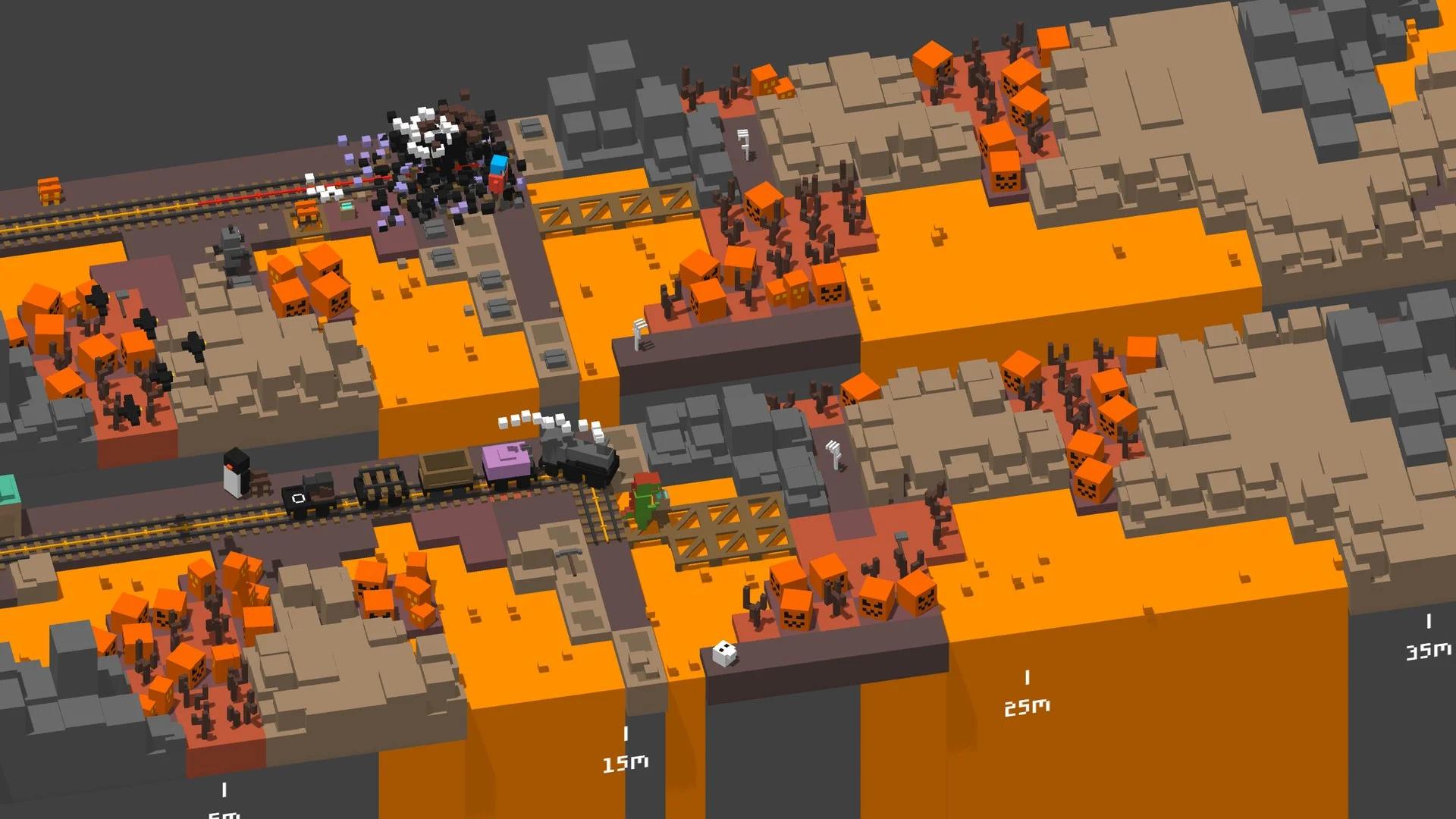
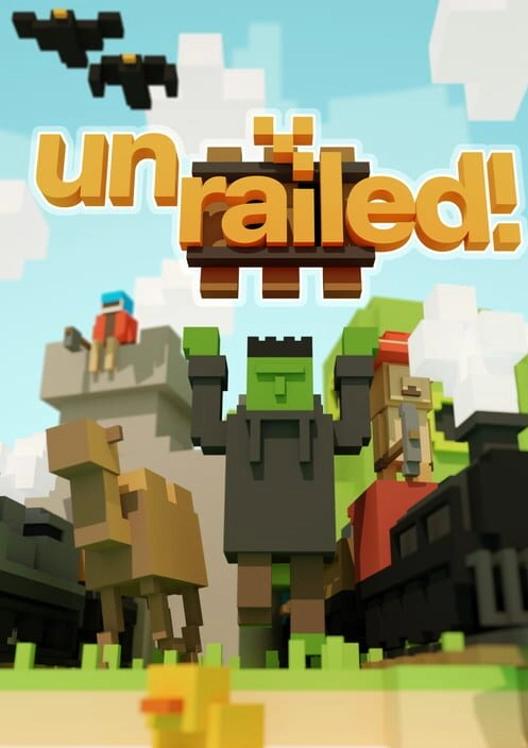
Unrailed! looks like a simple toy and plays like a controlled emergency. The train moves forward, the track needs to be built ahead of it, and every player has to gather resources, chop trees, and lay rail in real time before the train hits the end of the line. I almost skipped this one because the screenshots do not sell it at all. Ten minutes in, the whole table was yelling. It is not a visually impressive game, which is part of why it runs so well on modest hardware. The co-op loop is clean, tense, and works with groups of two to four.
- Released
- 20192019
- Genre
- IndieIndie
- Platforms
- Linux, macOS, PC, PS4, Switch, Xbox OneLinux, macOS, PC, PlayStation 4, Nintendo Switch, Xbox One

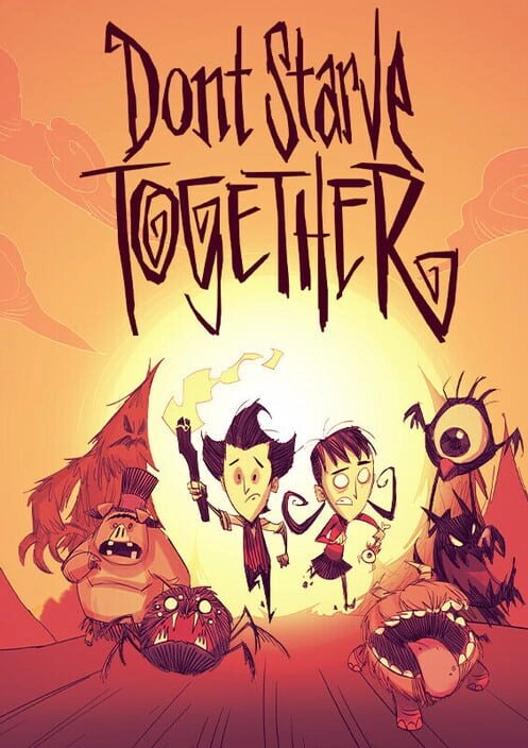
Don't Starve Together rewards groups that actually plan. Someone gathers food, someone builds camp defenses, someone researches before winter hits. When it works, the shared survival feels genuinely earned. When it falls apart, it usually falls apart fast and with great drama. The art style is striking enough that it regularly pulls in players who would not otherwise try a survival game. Hardware demands are reasonable, though long-running worlds on older machines can get uneven. The steep learning curve is the real barrier: new players need a patient group to show them what winter actually costs.
- Released
- 20162016
- Genre
- SimulationSimulation
- Platforms
- Android, iOS, Linux, macOS, PC, SwitchAndroid, iOS, Linux, macOS, PC, Nintendo Switch
Honorable Mentions
These games did not crack the top ten due to heavier hardware demands, narrower co-op appeal, or shallower replay depth. Worth knowing about if the main list does not fit your group.
BattleBlock Theater is a polished co-op platformer from the Castle Crashers studio, and it runs on hardware so old it barely qualifies as a computer. Two players work through handcrafted levels together, though the line between helping and sabotaging a friend is thinner than the designers probably intended. I would play this on any laptop without hesitation. The reason it sits here rather than the main list is that the teamwork, while fun, is less role-driven and less replayable than the ten games above. It is a great evening game. It just does not have the staying power of the ranked picks.
Project Zomboid is the one I keep meaning to put more time into. The co-op survival loop is genuinely deep: shared scavenging routes, base defense rotations, managing injuries and food together across a persistent world. Every session produces a story. It is more accessible on low-end hardware than most modern 3D survival games, though it asks more of your machine than the 2D picks. What kept it out of the main list is the onboarding: this game does not explain itself kindly, and a new group without at least one experienced player will lose their first server quickly. Worth the investment if the group commits.
Deep Rock Galactic is the game my regular online group keeps coming back to after Helldivers 2 sessions. The class structure gives everyone a clear role: one player drills, one scouts, one builds platforms, one controls the perimeter. When all four roles are covered and the team is communicating, the mission design rewards it completely. The reason it is here rather than the main list is hardware: it is noticeably heavier than the 2D-dominant top ten, and integrated graphics at minimum settings will show it. On a modest dedicated GPU or a newer integrated chip it runs fine. Know your machine before you download.
Castle Crashers is twenty minutes from install to playing with four people, and that friction-free start is its best quality. Four players beat through levels together, level up their characters, and generally cause cheerful chaos without needing to explain anything to anyone. I have dropped this into a group of mixed-skill players and watched it work immediately. The reason it sits in the honorable mentions is that the teamwork never gets deeper than that. You pile into fights together rather than solving role-based challenges. For casual sessions and mixed groups it is excellent. For friends who want coordination to matter, the main list serves them better.
Moving Out 2 is a physics-comedy co-op game about hauling furniture, which sounds narrow but plays surprisingly well with the right group. Players split routes naturally, throw couches through windows together, and generally discover that sofas are heavier than expected. The humor lands consistently in the first few sessions. Hardware demands are manageable, and the visual clarity makes it easy for non-gamers to follow. What held it back from the main list is replay depth: once you have cleared the levels, the reason to return is mostly replaying favorites rather than discovering new things. A strong pick for families and casual evenings.
Frequently Asked Questions
Common questions from players on budget hardware trying to get co-op sessions working reliably.
Can you play co-op games on integrated graphics?
Yes, and this entire list was built around that constraint. The best starting points are 2D games like Terraria, Stardew Valley, and Lovers in a Dangerous Spacetime, which run smoothly on Intel UHD and AMD Vega graphics without any settings adjustments. 3D picks like Overcooked! 2 and Left 4 Dead 2 run fine on low presets and older resolutions.
Is 8GB RAM enough for multiplayer co-op on a budget laptop?
For most games on this list, yes. Close browser tabs and background apps before launching, and 8GB will handle a session without trouble. If you are the host for an online session in something heavier like Don't Starve Together, 16GB makes a noticeable difference to late-session stability when the world gets large.
Which games here work best for local co-op on a single laptop?
Lovers in a Dangerous Spacetime and Overcooked! 2 are built for it. Both support shared-screen local co-op, both read clearly on a laptop display, and neither requires two separate setups. Ultimate Chicken Horse also works locally and handles mixed controller and keyboard input without fuss.
What causes lag in co-op sessions: my machine, my connection, or the host?
Usually the host's machine or connection is the first thing to check if the whole group stutters at once. If only one player experiences issues, it is more likely their network or background load. In games like Don't Starve Together, a large long-running world can also put strain on the host's CPU even if the game ran fine early on.
Do any of these games support cross-platform co-op?
Left 4 Dead 2, Terraria, and Stardew Valley all support cross-platform play between Steam users on PC. Portal 2 requires both players on Steam. Ultimate Chicken Horse and Overcooked! 2 also support online co-op through Steam, though cross-platform console support varies by title. Check each game's Steam page for current platform details.
Conclusion
The best co-op on a budget machine is not about compromise. Left 4 Dead 2 at rank one is not a consolation prize: it is genuinely one of the best co-op games ever made, and the hardware requirements are a bonus. Work through the list from the top and you will find something for every kind of group.
For more on what runs well on modest hardware, our Best Survival Games for Low-End PCs and Best Multiplayer Games for Low-End PCs guides cover adjacent ground worth knowing.
Ready for more tailored picks? Try our Recommendations Engine for suggestions that match your play style.