
Looking for the best story games for low-end PCs that still deliver powerful writing and meaningful choices? This ranked guide focuses on narrative-first adventures that run on integrated graphics with 8 GB of RAM and a 1080p screen. Rankings weigh story quality, player choice and replay value, real-world performance, and clean readability. Most of these you can install quickly, launch on a laptop, and enjoy right away. Where a title needs a settings cap or resolution drop to run smoothly, we say so.
This article is part of our guide on the Best Low-End PC Games
How We Ranked These Games
We scored each pick using a weighted model centered on narrative quality and low-end performance. The table below shows our criteria, their weights, and why each one matters for budget hardware.
Criterion | Weight | Why It Matters |
|---|---|---|
Low-end compatibility | 40% | Smooth play on integrated graphics with minimal stutter. |
Narrative quality | 30% | Strong writing and characters carry the experience even at low settings. |
Replay value | 15% | Branching routes or variations make a second run worthwhile. |
Engagement and fun | 10% | Keeps you invested with pacing and interaction that complement the story. |
Accessibility and onboarding | 5% | Readable text, clear tutorials, and low friction help more players get started. |
Related reading: Best Open World Games for Low-End PCs
What do we mean with low-end hardware?
So what exactly do we mean when we say low-end hardware? We have to come up with a baseline somehow. To run the games we chose smoothly, make sure your laptop or pc matches at least the minimum specs:
Component | Minimum Requirement | Recommended |
|---|---|---|
CPU | Intel Core i3 / AMD Ryzen 3 (8th gen or newer) | Intel Core i5 / Ryzen 5 |
RAM | 8GB | 16GB |
Storage | 256GB SSD | 512GB SSD |
Graphics | Integrated (Intel UHD / AMD Vega) | Iris Xe or better |
Display | 1080p resolution | 1080p IPS panel |
OS | Windows 10 or 11 | Windows 11 |
Related reading: Best Multiplayer Games for Low-End PCs
The Top 10 Best Story Games for Low-End PCs
These games are ordered by our weighted criteria, balancing exceptional storytelling with strong performance on i3/Ryzen 3-class CPUs and integrated GPUs. A handful of entries—Disco Elysium and What Remains of Edith Finch in particular—may need a 30 FPS cap or 720p Low settings on older iGPUs; we flag that in each entry. Each placeholder below will auto-populate with specs and media from our database.

Undertale is a witty RPG where kindness or violence reshapes every encounter—and the game remembers what you chose, even across saves. Three distinct routes create real replay value, and the GameMaker foundation means it runs flawlessly on integrated graphics without any tweaking. I tested it on Intel UHD 620 at 1080p and it held steady at 60 FPS throughout. The meta twists and writing hold up regardless of settings, and the install size is under 200 MB. If you hit input hitching on an older iGPU, capping to 30–60 FPS or switching to borderless window usually clears it up.

- Released
- 20152015
- Genre
- PuzzlePuzzle
- Platforms
- Linux, macOS, PC, PS4, Switch, Xbox OneLinux, macOS, PC, PlayStation 4, Nintendo Switch, Xbox One

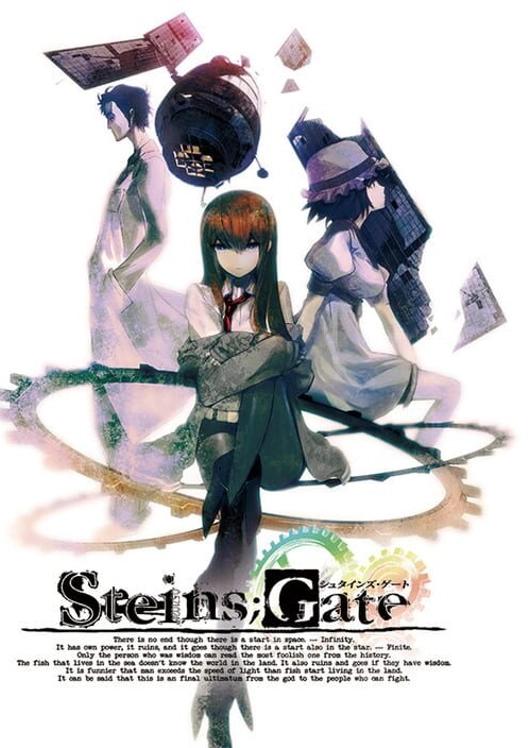
Steins;Gate is a sci-fi visual novel about a group of friends who accidentally invent time travel via microwave and spend most of the game watching that unravel badly. The writing is the reason it ranks this high—it's genuinely one of the best time-travel stories in any medium, not just games. Hardware demands are almost nonexistent; as a pure VN, it avoids CPU/GPU spikes entirely. I ran it on an older i3 laptop without a hiccup. The phone-trigger system and multiple endings give you a reason to replay, though the early hours require patience before the story locks in.
- Released
- 20092009
- Genre
- AdventureAdventure
- Platforms
- Android, iOS, PC, PS4Android, iOS, PC, PlayStation 4

Pentiment is a historical mystery set inside a living medieval manuscript—every line of dialogue is lettered in a different hand, matching the speaker's background. That detail tells you everything about the level of craft here. The 2D Unity build is gentle on integrated graphics; community reports put it at smooth 1080p on Iris Xe and Vega without any tinkering. Branching investigations reward a second playthrough with meaningfully different outcomes. The one thing to know upfront: it's slow and text-heavy by design. If you want action between story beats, this isn't that. But for literary storytelling on modest hardware, few games come close.

- Released
- 20222022
- Genre
- PuzzlePuzzle
- Platforms
- PC, PS4, PS5, Switch, Xbox One, Series X|SPC, PlayStation 4, PlayStation 5, Nintendo Switch, Xbox One, Xbox Series X/S

To the Moon follows two doctors who dive through a dying man's memories to grant his last wish—to go to the moon. The RPG Maker engine runs on almost anything; I played it on a decade-old laptop with no issues at all. There are no combat mechanics and no demanding visual effects, just story and music, which is entirely the point. The emotional payoff hits hard if you let it. Fair warning: it's short, around four hours, and replay value is minimal once you know the ending. Think of it as an interactive short story rather than a game you'll return to.

- Released
- 20112011
- Genre
- AdventureAdventure
- Platforms
- Android, iOS, Linux, macOS, PC, PS5, Switch, Xbox One, Series X|SAndroid, iOS, Linux, macOS, PC, PlayStation 5, Nintendo Switch, Xbox One, Xbox Series X/S
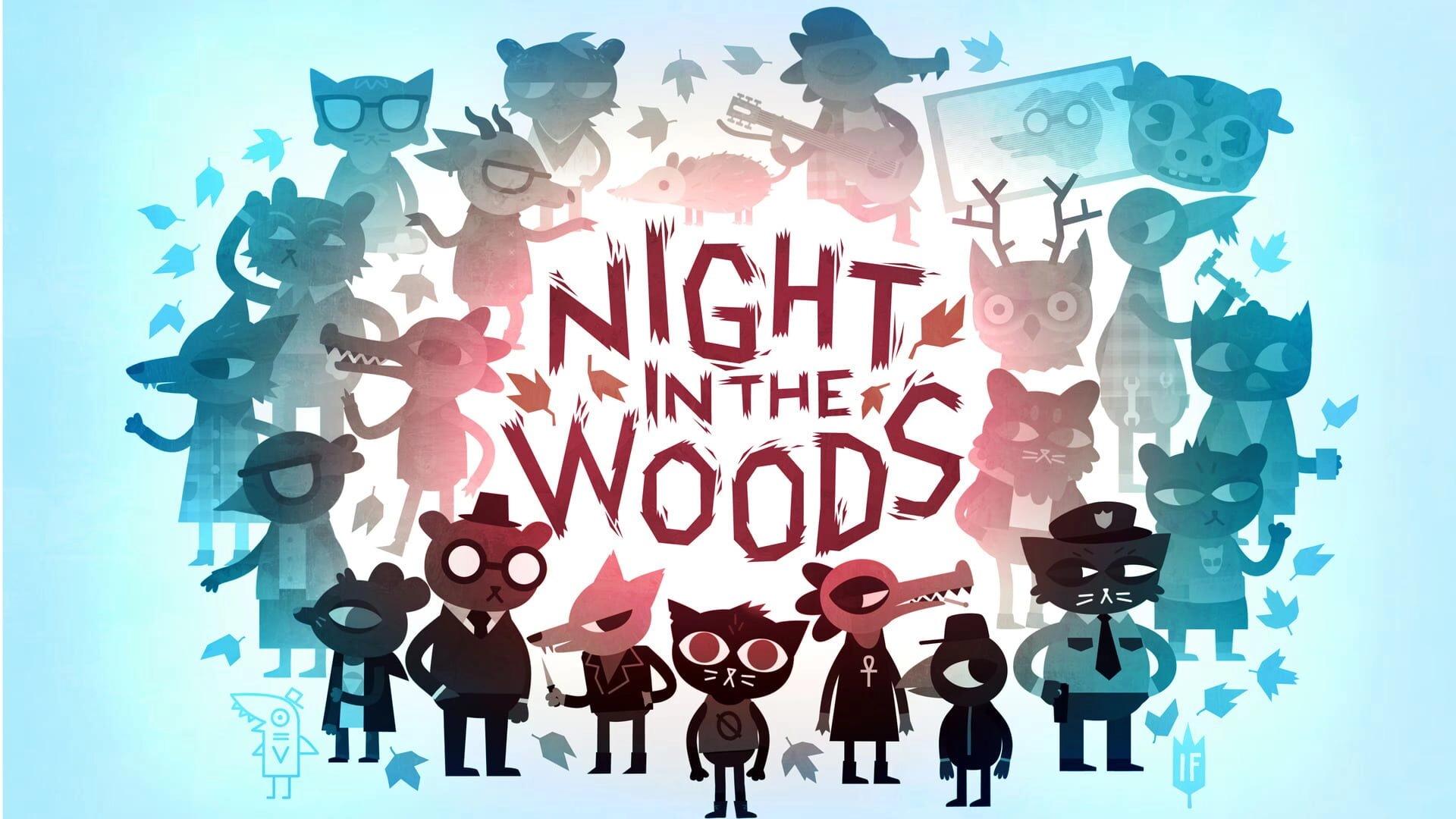
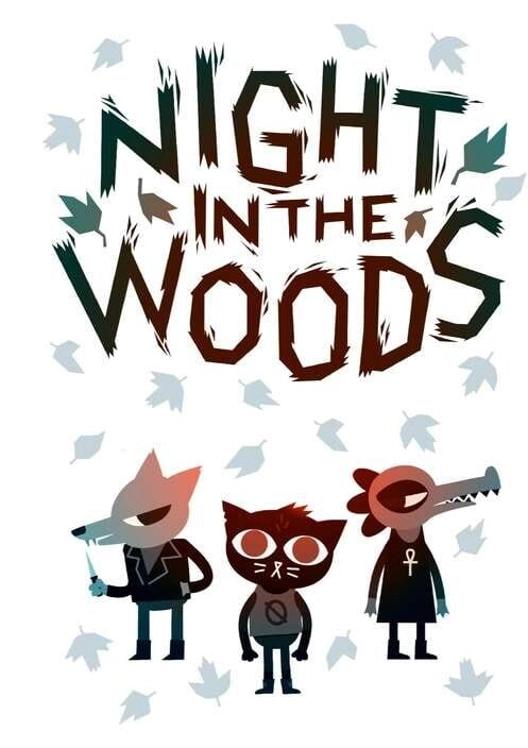
Night in the Woods is about coming home after dropping out of college and finding that the town you remembered doesn't quite exist anymore. The writing is the draw—the dialogue between Mae and her friends feels lived-in rather than scripted. It runs smoothly on integrated graphics thanks to a 2D Unity build, and dialogue stays readable on budget 1080p panels. Daily routes and small choices give replays some variety, though the changes are minor rather than branching. The mystery subplot in the second half won't land for everyone—some players find it jarring against the grounded slice-of-life tone that opens the game.
- Released
- 20172017
- Genre
- PlatformerPlatformer
- Platforms
- iOS, Linux, macOS, PC, PS4, PS5, Switch, Xbox OneiOS, Linux, macOS, PC, PlayStation 4, PlayStation 5, Nintendo Switch, Xbox One

Return of the Obra Dinn tasks you with identifying the fate of every crew member on a ghost ship—cause of death, perpetrator, victim—using only a pocket watch that replays their final moments. All 60 of them. The 1-bit presentation keeps GPU load minimal; I got steady 60 FPS on Intel UHD 620 without touching any settings. The investigation is entirely self-paced, and the notebook system confirms correct answers in groups of three, which reduces dead-end frustration. That said, the monochrome style causes eye strain for some people after extended sessions, and optional display filters only partially offset it. Best for players who enjoy logic puzzles as much as narrative.

- Released
- 20182018
- Genre
- PuzzlePuzzle
- Platforms
- macOS, PC, PS4, Switch, Xbox OnemacOS, PC, PlayStation 4, Nintendo Switch, Xbox One
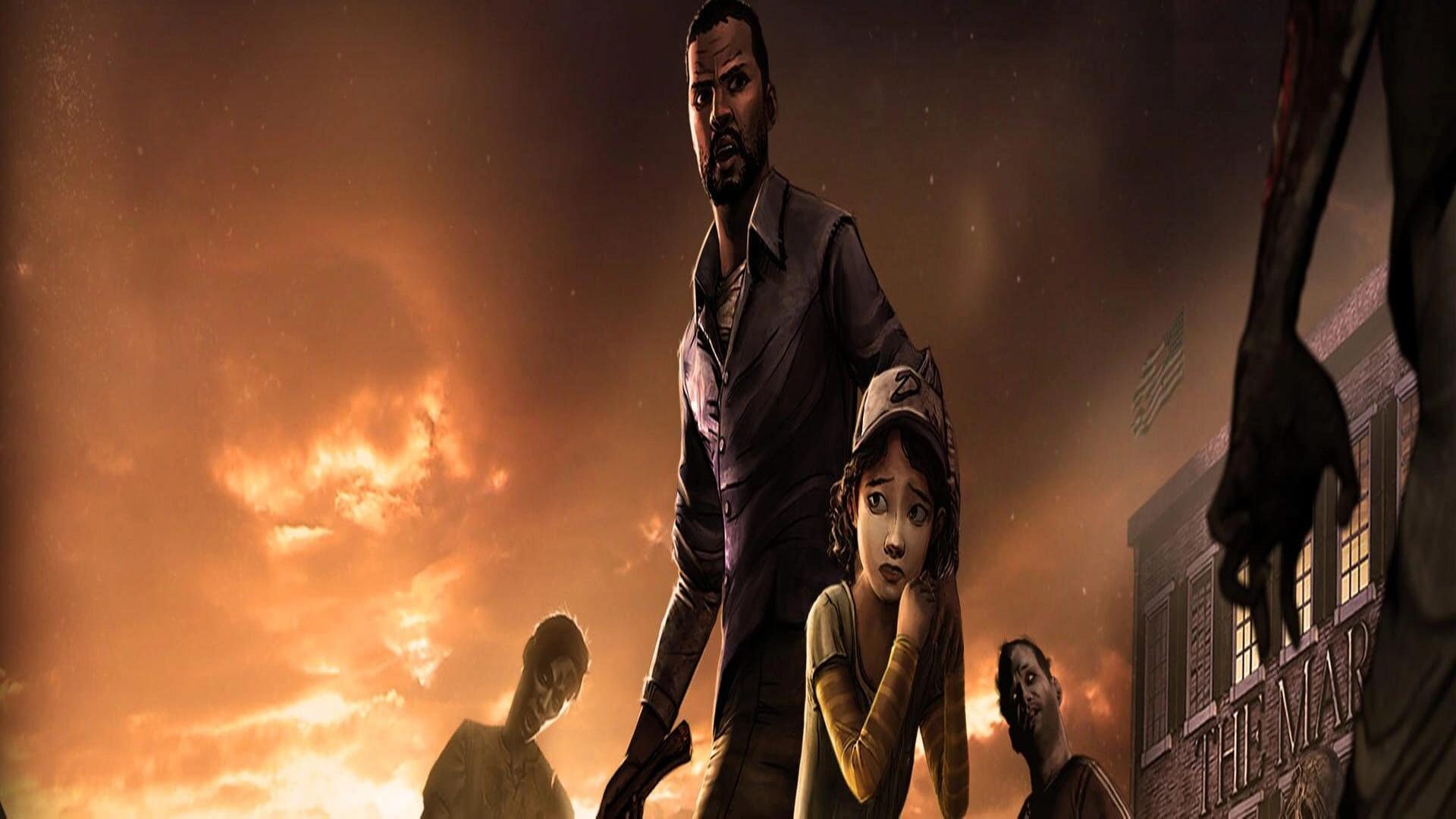
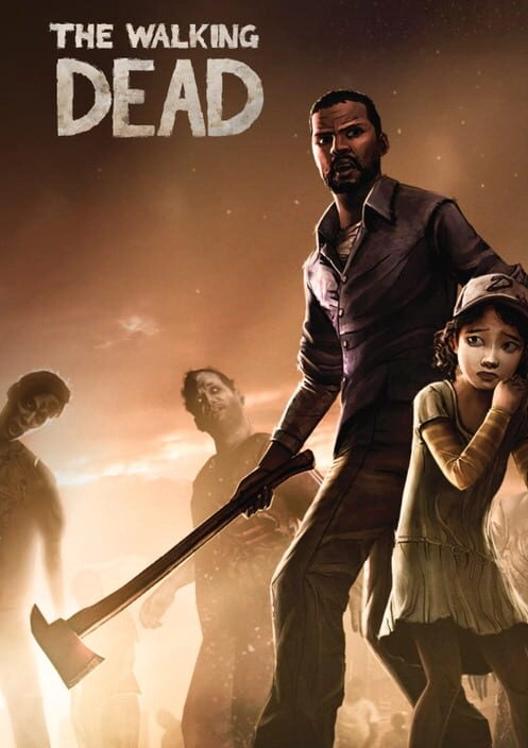
The Walking Dead: Season One is five episodes about Lee Everett, a convicted man who ends up responsible for a child named Clementine during a zombie outbreak. The relationship between them is the whole point, and it earns every emotional beat by the finale. Telltale's engine is undemanding—this ran fine on older Intel HD graphics years ago and still does. Replay value is limited; the story paths converge more than they branch, and a second run loses the surprise that made the first hit hard. Worth knowing: the game has aged technically, with occasional choppy cutscenes on some systems. Still essential if you haven't played it.
- Released
- 20122012
- Genre
- AdventureAdventure
- Platforms
- Android, iOS, Linux, macOS, PC, PS4, Switch, Xbox OneAndroid, iOS, Linux, macOS, PC, PlayStation 4, Nintendo Switch, Xbox One
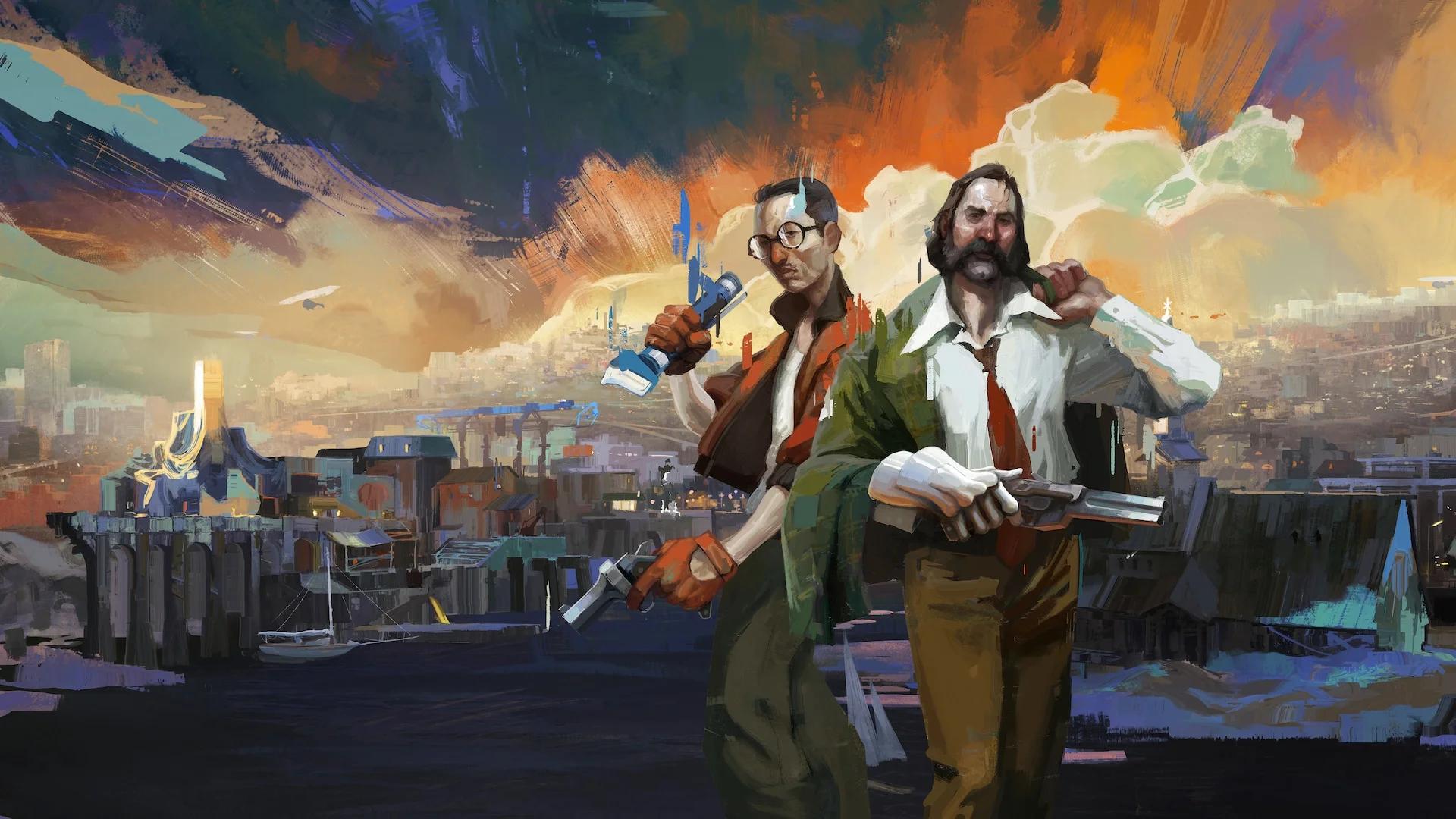
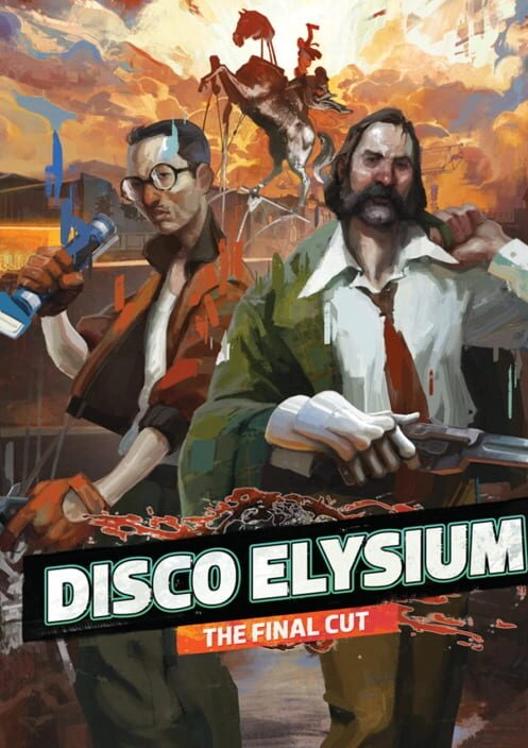
Disco Elysium: The Final Cut is a detective RPG where your character's stats are internal voices that argue, undermine, and occasionally humiliate you mid-investigation. The writing is the best in the medium, full stop—I say that having played most of what's on this list. The honest caveat: Final Cut's voiceover pushes CPU load noticeably, and i3-class systems can stutter during area transitions even with an SSD and a 30 FPS cap. It's the most demanding game on this list by a margin. If you can live with occasional hitches, the branching builds and political depth are worth it. If consistent smoothness matters more, something else might suit you better.
- Released
- 20212021
- Genre
- RPGRPG
- Platforms
- macOS, PC, PS4, PS5, Switch, Xbox One, Series X|SmacOS, PC, PlayStation 4, PlayStation 5, Nintendo Switch, Xbox One, Xbox Series X/S

What Remains of Edith Finch is a collection of short vignettes, each one telling how a different family member died—and each one built around a different mechanic or visual style that matches the story. It's consistently inventive in ways that take you by surprise. The catch is Unreal Engine 4 overhead: on Intel UHD graphics you'll want 720p Low and a 30 FPS cap, which is a real compromise. I wouldn't oversell performance here. The total runtime is 2–3 hours with no meaningful replayability, so you're getting a single sitting's worth of content. Whether that's worth it depends entirely on how much you value storytelling craft over play time.
- Released
- 20172017
- Genre
- PuzzlePuzzle
- Platforms
- iOS, macOS, PC, PS4, PS5, Switch, Xbox One, Series X|SiOS, macOS, PC, PlayStation 4, PlayStation 5, Nintendo Switch, Xbox One, Xbox Series X/S

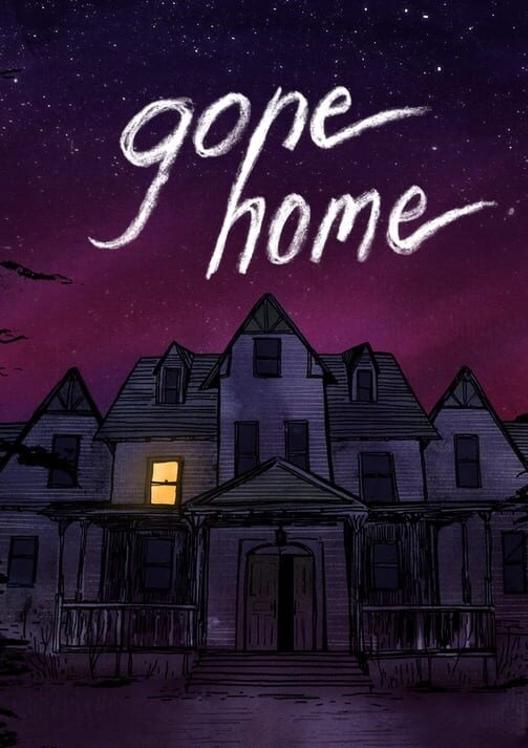
Gone Home is set in a family house in 1995, and you spend its 2-hour runtime reading notes, opening drawers, and piecing together what happened to your sister while you were abroad. The environmental storytelling is patient and earned. It runs on almost anything—lean Unity build, no GPU spikes, no settings fuss. If you've played more recent walking sims with higher production values, this will feel dated in places; the graphics and interaction design are showing their age. Still, for its genre at the time it was genuinely novel, and it remains a clean, low-friction way to spend an evening on a laptop without any setup.
- Released
- 20132013
- Genre
- PuzzlePuzzle
- Platforms
- iOS, Linux, macOS, PC, Switch, Xbox OneiOS, Linux, macOS, PC, Nintendo Switch, Xbox One
Related reading: Best RPG Games for Low-End PCs
Honorable Mentions
These are excellent story games with strong low-spec performance that narrowly missed the ranked list due to scope, pacing, or niche appeal. They remain easy recommendations for the right player.
1000xRESIST is a sci-fi adventure set 1,000 years in the future, where a society of clones relives their immortal founder's memories to understand how humanity collapsed. It's thematically dense—diaspora, identity, and colonial trauma run through almost every scene. The Unity build handles it well; smooth 1080p on Iris Xe and Vega with no configuration needed. It sits in honorable mentions rather than the top 10 because the unusual structure and heavy onboarding ask more patience than most entries here. If that sounds like a selling point rather than a warning, it probably is for you. Released in 2024, it's one of the more forward-thinking games on this list.
Kentucky Route Zero is a magical-realist road trip told in five acts, structured more like experimental theatre than a conventional game. You guide an aging delivery driver through a hidden highway under Kentucky, encountering ghost bureaucracies, robot musicians, and communities fighting an invisible power company. The writing has real literary weight and the visuals are minimal enough to run on anything with a screen. It's in honorable mentions rather than the top 10 because the pacing is genuinely slow and there are long stretches with almost no interaction. If you want something to happen every few minutes, this isn't for you. If you want something you'll think about afterward, it might be exactly right.
13. Oxenfree
79%Oxenfree is a teen supernatural thriller where conversations happen in real time as you walk—you're always moving, always talking, and choices are made on the fly rather than from pause menus. It runs at reliable 60 FPS on integrated GPUs, and dialogue is clean and readable at 1080p. Multiple endings give you a reason to replay, and the runtime is short enough that a second run is painless. The reason it sits in honorable mentions: the story wraps up in ways that feel a bit convenient, and the thematic depth doesn't match the top-ranked entries. Still one of the more approachable picks here for anyone new to narrative games.
14. Venba
77%Venba is a narrative cooking game about a Tamil immigrant family in 1980s Canada. The cooking sequences ask you to reconstruct damaged recipes from partial instructions—it's a clever mechanic that ties directly to the theme of preserving what's been lost in translation. It runs on almost any hardware with no setup needed. The scope is the honest limitation: it's about 90 minutes long, there's minimal replay value, and the cooking puzzles are straightforward once you understand the pattern. If you want a short, emotionally focused story you can finish before bed—something different from the longer games on this list—it's a strong choice.
Paranormasight is a mystery visual novel from Square Enix set in the Showa-era Tokyo underworld, where you shift between multiple characters investigating the same set of murders from different angles. The perspective-switching structure is the hook—each character knows different pieces of the puzzle. VN presentation means it runs on integrated GPUs without any configuration. It sits at the bottom of honorable mentions because the writing, while solid, doesn't reach the heights of Steins;Gate or the other VNs higher on this list, and the cultural references to Japanese urban legends may lose some readers without context. A good pick if you've worked through the bigger names and want more.
Related reading: Best Offline Games for Low-End PCs
Frequently Asked Questions
Short answers to common setup and performance questions for low-end story gaming. If you're on integrated graphics and 8 GB of RAM, start here.
Which story games run best on integrated graphics?
Undertale, To the Moon, Night in the Woods, Oxenfree, and Venba are especially lightweight. They rely on 2D or visual-novel-style rendering, which tends to scale well on Intel UHD, Vega, and Iris Xe-class iGPUs—though results can vary by chip generation and system thermals. Heavier picks like Disco Elysium and Edith Finch run better with a 30 FPS cap or reduced resolution.
How can I improve performance without hurting readability?
Cap FPS to 30–60, set resolution scale to 85–90%, disable motion blur and depth of field, and install on an SSD. Borderless window can also reduce hitching on older iGPUs.
Can these games run on 8 GB of RAM?
Yes. Close background apps and keep a few gigs free on your SSD for smooth streaming. Heavier titles like Disco Elysium and Edith Finch may benefit from a 30 FPS cap.
Is a controller required for these games?
No. Most play great on keyboard and mouse. Controllers are optional for walking sims and adventures; visual novels are primarily mouse-driven.
What session length works for laptop breaks?
Most entries save cleanly in chapters or rooms, so around 20–30 minutes per session works well. Episodic formats and short vignettes are especially pick-up-and-play friendly.
Conclusion
Good storytelling doesn't need a high-end rig. These picks balance sharp writing, clear text, and engine choices that work within real hardware limits—so low-end PCs can deliver memorable narratives with minimal fuss. Whether you prefer visual novels, walking sims, or choice-driven adventures, there's something here you can finish in focused sessions without touching your hardware. Ready for more tailored picks? Try our Recommendations Engine for suggestions that match your play style.