
Finding survival games that actually run on integrated graphics used to mean wading through a lot of disappointment. I've tested every title on this list on iGPU hardware with 8GB RAM, and the picks below hold up where it counts—stable frames, real survival tension, and installs that won't eat your SSD. Each game was judged on performance at low settings, quality of survival pressure, replay value, and how forgiving the onboarding is. You'll find practical settings that keep frames up and storage costs down, plus honest caveats for CPU-heavy events or online-only designs.
This article is part of our guide on the Best Low-End PC Games
How We Ranked These Games
We prioritized smooth play on integrated graphics without losing that vital survival tension. The table shows what mattered most and why it helps players on budget hardware.
Criterion | Weight | Why It Matters |
|---|---|---|
Low-end compatibility | 40% | Stable 30–60 FPS on iGPUs at 720p–1080p, minimal stutter, and small installs. |
Survival design and tension | 25% | Scarcity, risk, and smart systems that keep pressure high without fancy graphics. |
Replay value | 15% | Procedural worlds, permadeath, and mod support extend long-term play. |
Accessibility and onboarding | 10% | Clear tutorials, readable UI, and difficulty options make starting smoother. |
Engagement and fun | 10% | Moment-to-moment feel—exploration, combat, and discovery that stay satisfying. |
Related reading: Best Open World Games for Low-End PCs
What do we mean with low-end hardware?
So what exactly do we mean when we say low-end hardware? We have to come up with a baseline somehow. To run the games we chose smoothly, make sure your laptop or pc matches at least the minimum specs:
Component | Minimum Requirement | Recommended |
|---|---|---|
CPU | Intel Core i3 / AMD Ryzen 3 (8th gen or newer) | Intel Core i5 / Ryzen 5 |
RAM | 8GB | 16GB |
Storage | 256GB SSD | 512GB SSD |
Graphics | Integrated (Intel UHD / AMD Vega) | Iris Xe or better |
Display | 1080p resolution | 1080p IPS panel |
OS | Windows 10 or 11 | Windows 11 |
Related reading: Best Multiplayer Games for Low-End PCs
The Top 10 Best Survival Games for Low-End PCs
Ranked by the criteria above, these games balance real iGPU performance with survival pressure and staying power. Each one has been tested on integrated graphics, and the settings recommendations below come from actual play—not spec sheets.
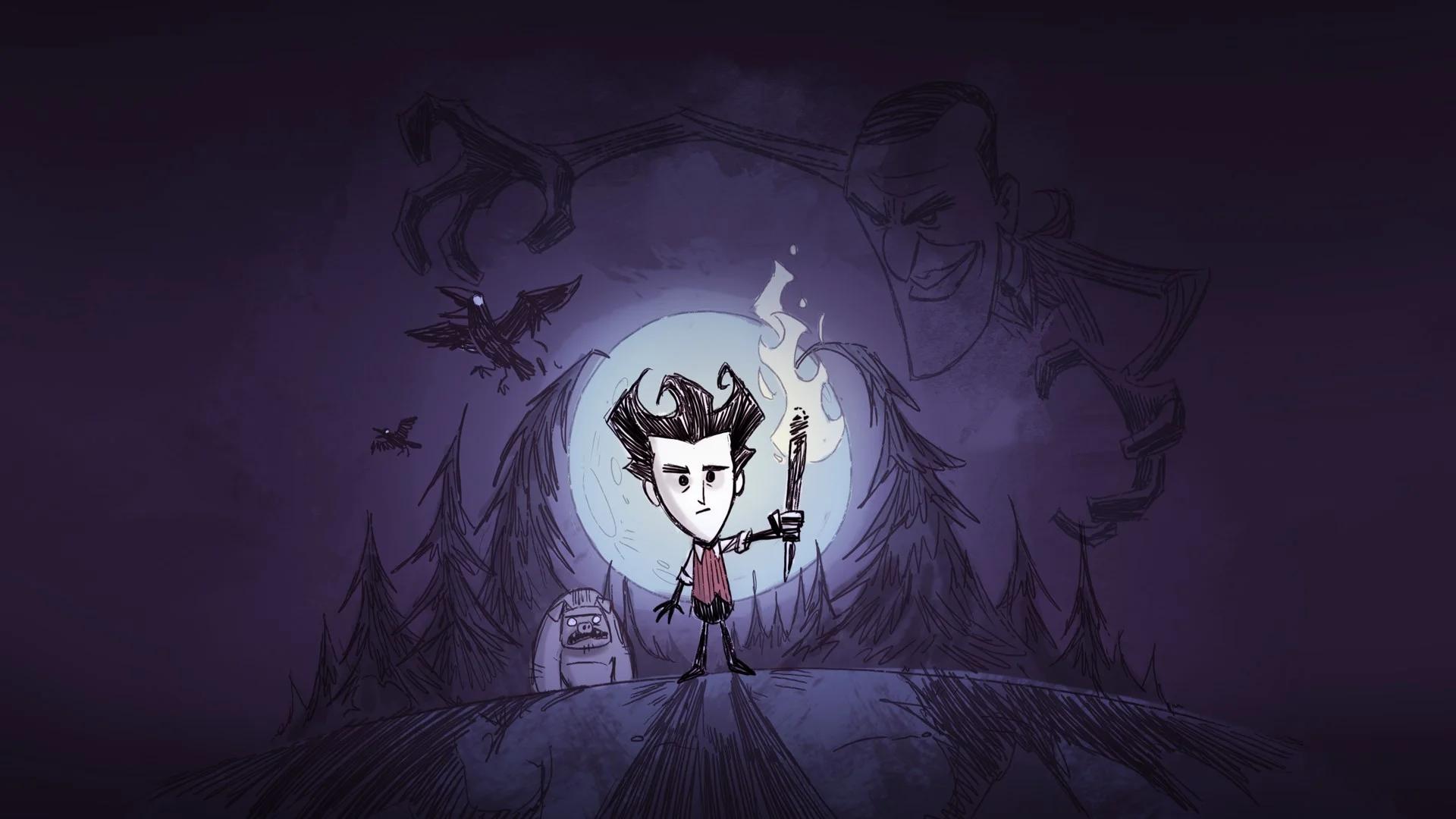
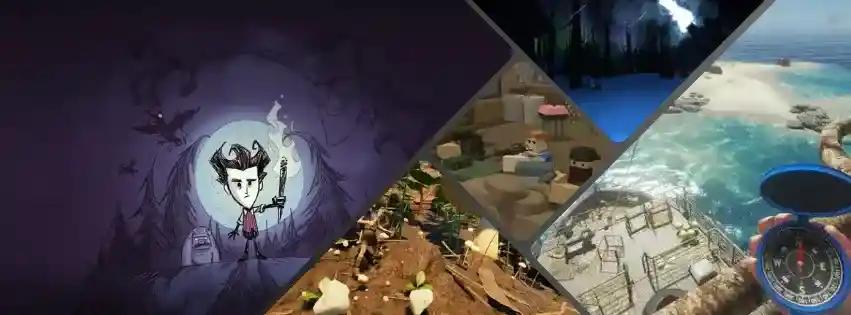
Don't Starve is pure permadeath survival—hunger, sanity, and the seasons constantly push back, and there's no catching your breath when all three hit at once. I've put well over 100 hours into it across different worlds and the pressure never quite becomes routine. It runs without complaint on budget laptops: 720p–1080p with shadows off and low textures gives 60+ FPS on iGPUs from start to finish. The tiny install and DX9/OpenGL support mean compatibility is essentially a non-issue. Fully offline, no server worries, and the procedural worlds and deep crafting mean each run feels meaningfully different. Few games create this much survival tension with this little hardware.

- Released
- 20132013
- Genre
- SimulationSimulation
- Platforms
- Linux, macOS, PC, PS4, Switch, Xbox OneLinux, macOS, PC, PlayStation 4, Nintendo Switch, Xbox One
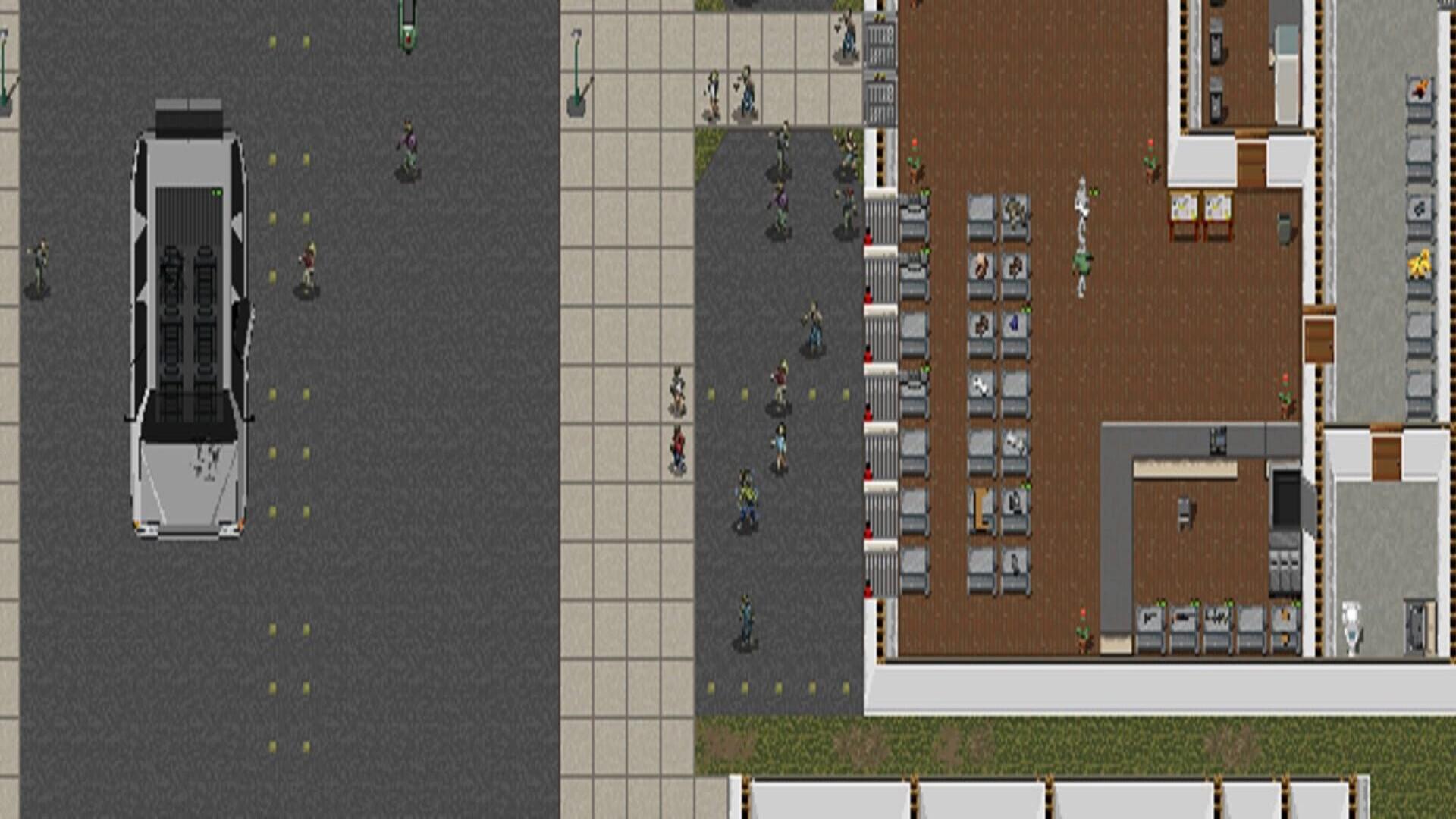
Cataclysm: Dark Days Ahead is a turn-based roguelike survival sim with staggering depth: nutrition, injuries, crafting, mutations, vehicles, NPCs, and factions. It's free, open-source, and runs on almost any hardware while outclassing many commercial 3D sims in systemic detail. I've seen more emergent storytelling in one CDA run than in entire campaigns of more polished games. Performance is trivial—tiles or ASCII at any resolution will hit 60+ FPS on decade-old hardware. The learning curve is genuinely steep, though, so expect your first few characters to die in embarrassing ways before the systems click.

- Released
- 20132013
- Genre
- RPGRPG
- Platforms
- Linux, macOS, PCLinux, macOS, PC
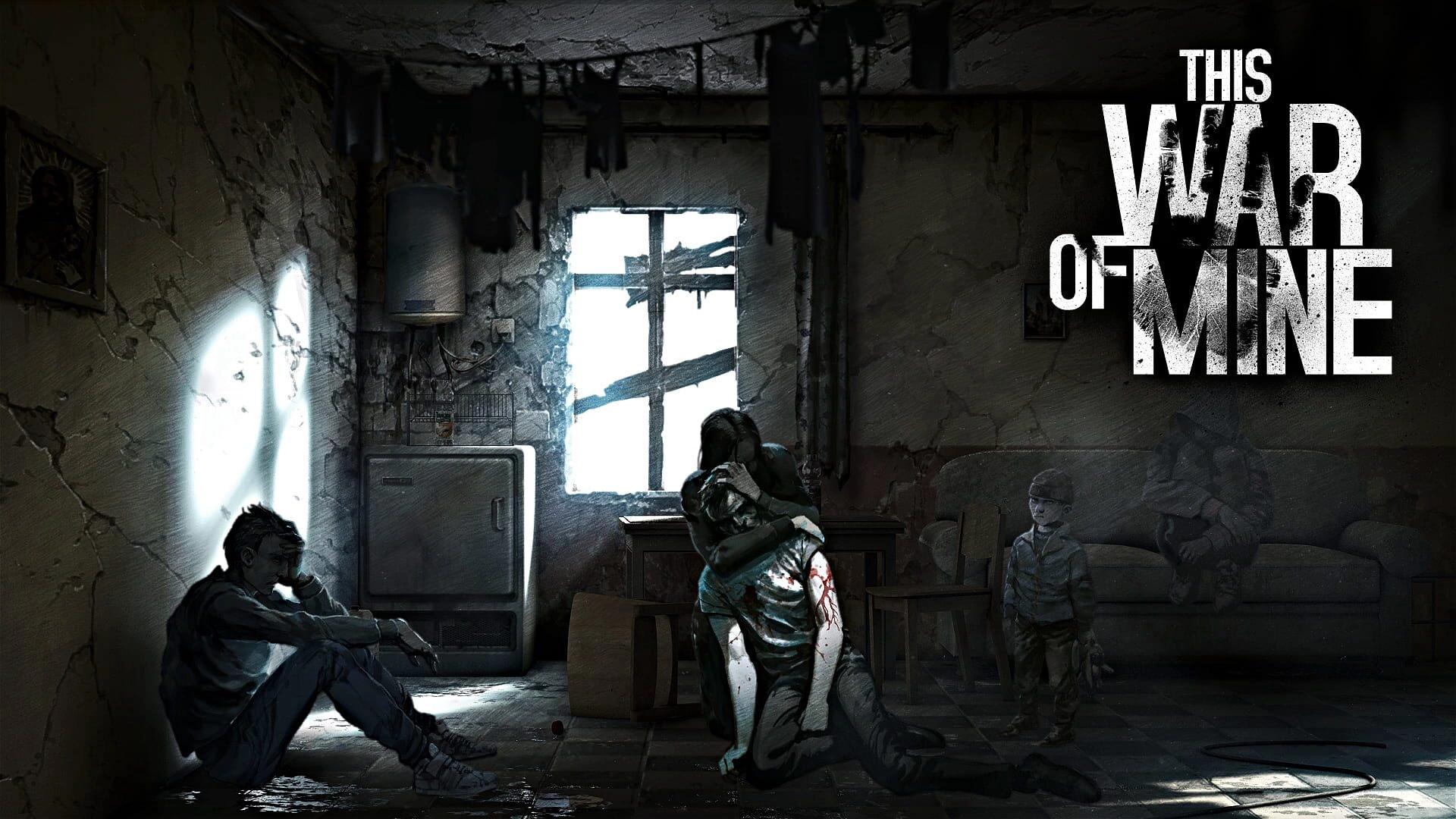
This War of Mine puts you in a besieged city where scavenging, injuries, and moral choices drive every single day. Played it for the first time with a friend watching over my shoulder—neither of us said much by the end. Performance is a non-issue: 1080p low gives a locked-feeling 60 FPS throughout on UHD/Iris-class iGPUs, modest install, stable across all game phases. The trade-off is replay value; once you've lived through a siege or two the procedural variation feels thin compared to sandbox entries higher on this list. Still, for tension and onboarding on a budget machine, it belongs here.
- Released
- 20142014
- Genre
- SimulationSimulation
- Platforms
- Android, iOS, Linux, macOS, PC, PS4, Xbox OneAndroid, iOS, Linux, macOS, PC, PlayStation 4, Xbox One
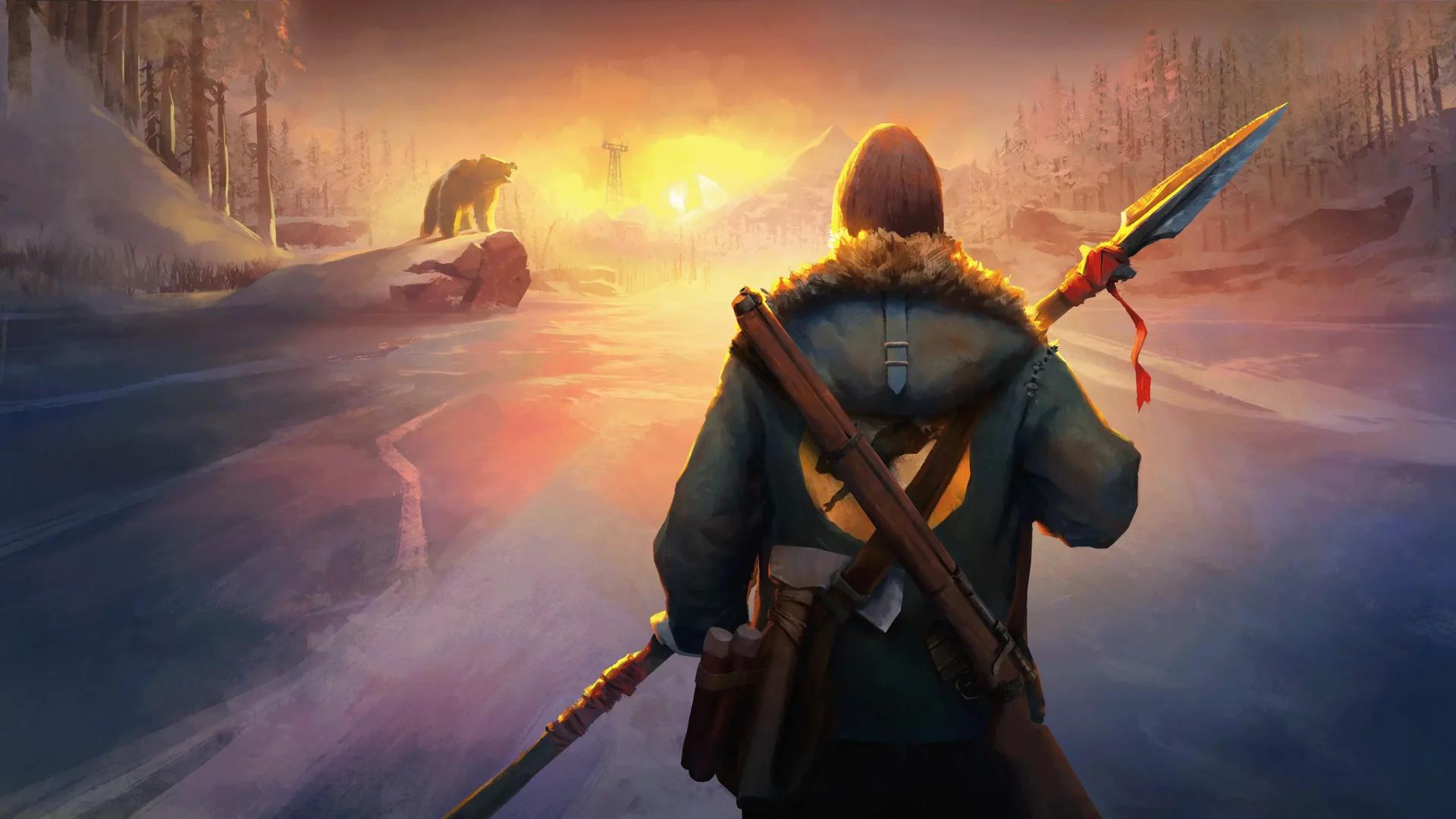
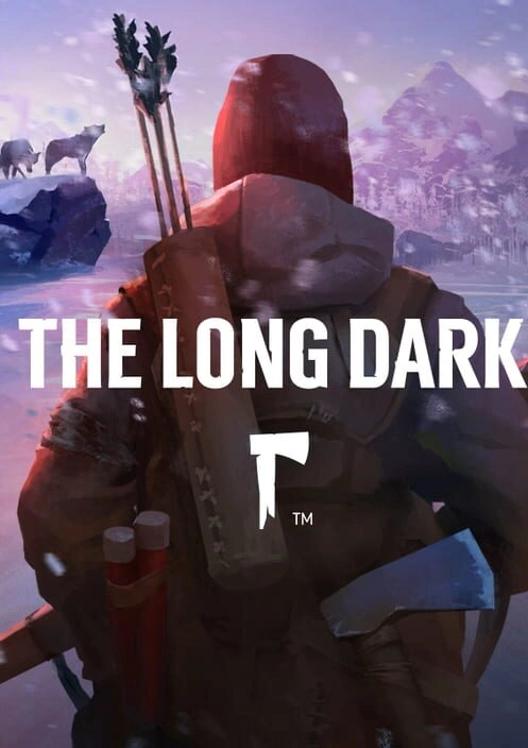
The Long Dark is harsh wilderness survival where cold, calories, and wildlife create constant, methodical pressure. Nothing in this genre does slow-burn tension better, in my view. Unity DX11 is reliable here: 720p–900p very-low with SSAO off gives around 45–60 FPS early, settling near 40–55 in mid/late areas, and it plays entirely offline. The flexible difficulty modes help players tune the experience without gutting the atmosphere. That said, progress in Survival mode is unforgiving—losing a well-stocked character to a blizzard you miscalculated stings in a way some players won't enjoy.
- Released
- 20172017
- Genre
- ShooterShooter
- Platforms
- Linux, macOS, PC, PS4, PS5, Switch, Xbox One, Series X|SLinux, macOS, PC, PlayStation 4, PlayStation 5, Nintendo Switch, Xbox One, Xbox Series X/S
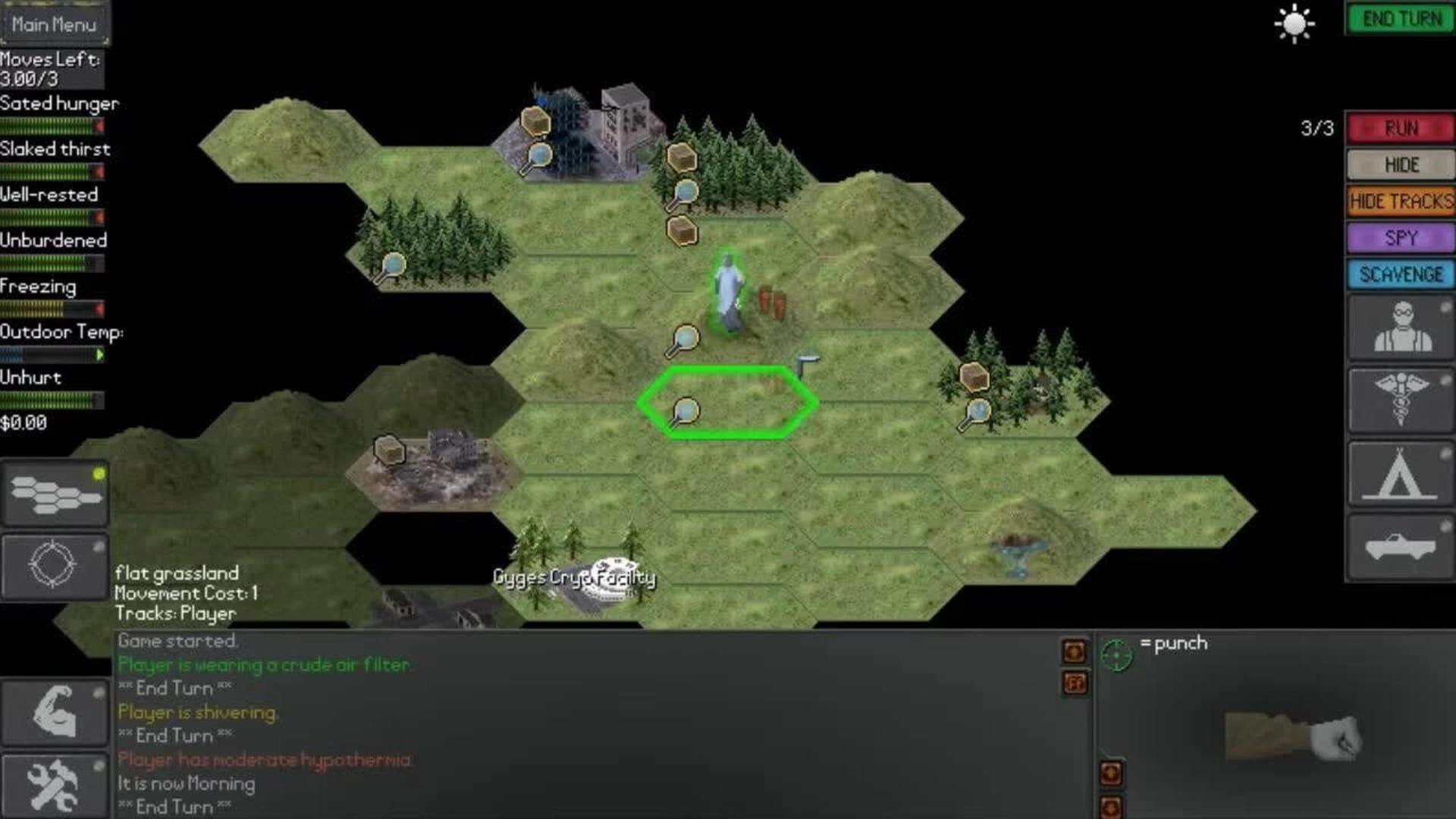
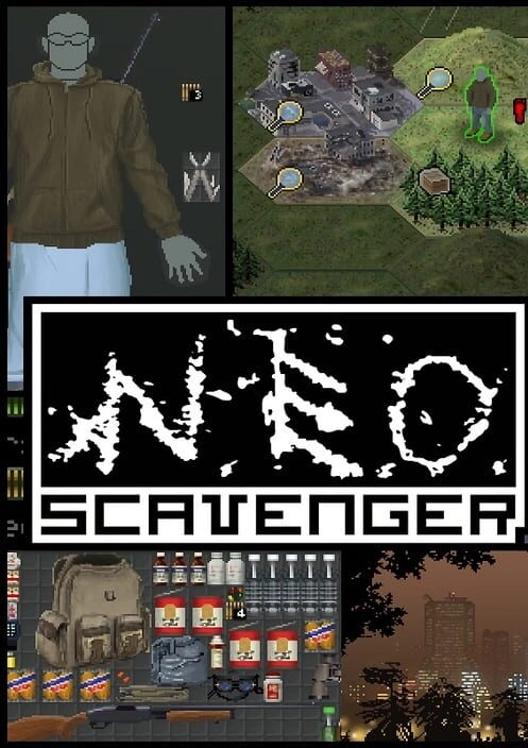
NEO Scavenger mixes hex-based tactics with gritty post-apocalyptic survival where every scrap matters. Tiny, runs on nearly anything, and delivers sharper systemic tension than games ten times its size: injuries, exposure, and crafting all have real weight. Turn-based pacing and a traits-and-flaws system drive replayability without touching the CPU or GPU in any meaningful way. I find the early runs brutal—the game doesn't hold your hand and combat goes badly fast if you pick the wrong starting skills—but that friction is exactly what makes it click. Perfect for laptops that struggle with modern 3D survival games.
- Released
- 20142014
- Genre
- RPGRPG
- Platforms
- Linux, macOS, PCLinux, macOS, PC
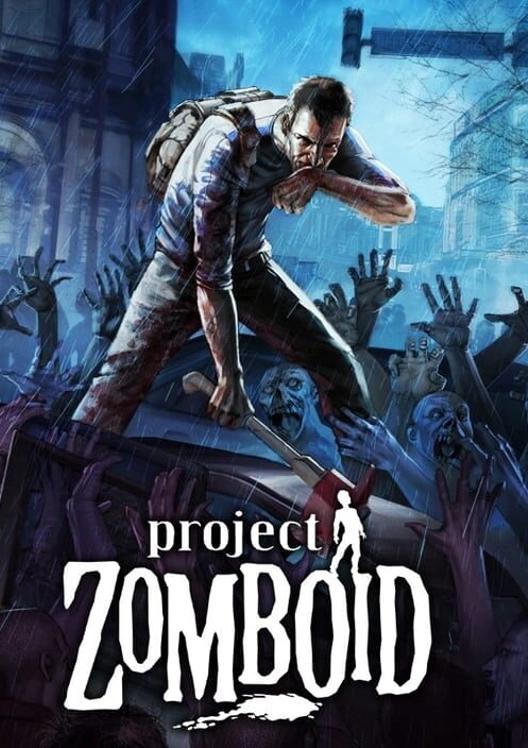
Project Zomboid is the deepest zombie survival sim on this list—hunger, injuries, base defense, vehicles, skill progression, and permadeath, all in one isometric package. The OpenGL/Vulkan scaling is solid on iGPUs: 900p/720p low with the camera zoomed in gives ~45–60 FPS early, ~35–50 mid, and ~30–45 late. The caveat worth taking seriously: large zombie hordes hit the CPU hard. Dropping zombie population to 0.5–0.7x in the sandbox settings is often the difference between playable and not on budget hardware. I'd also say the onboarding is rough—new players should expect to die confused at least twice before the systems start making sense.
- Released
- 20132013
- Genre
- RPGRPG
- Platforms
- Linux, macOS, PCLinux, macOS, PC
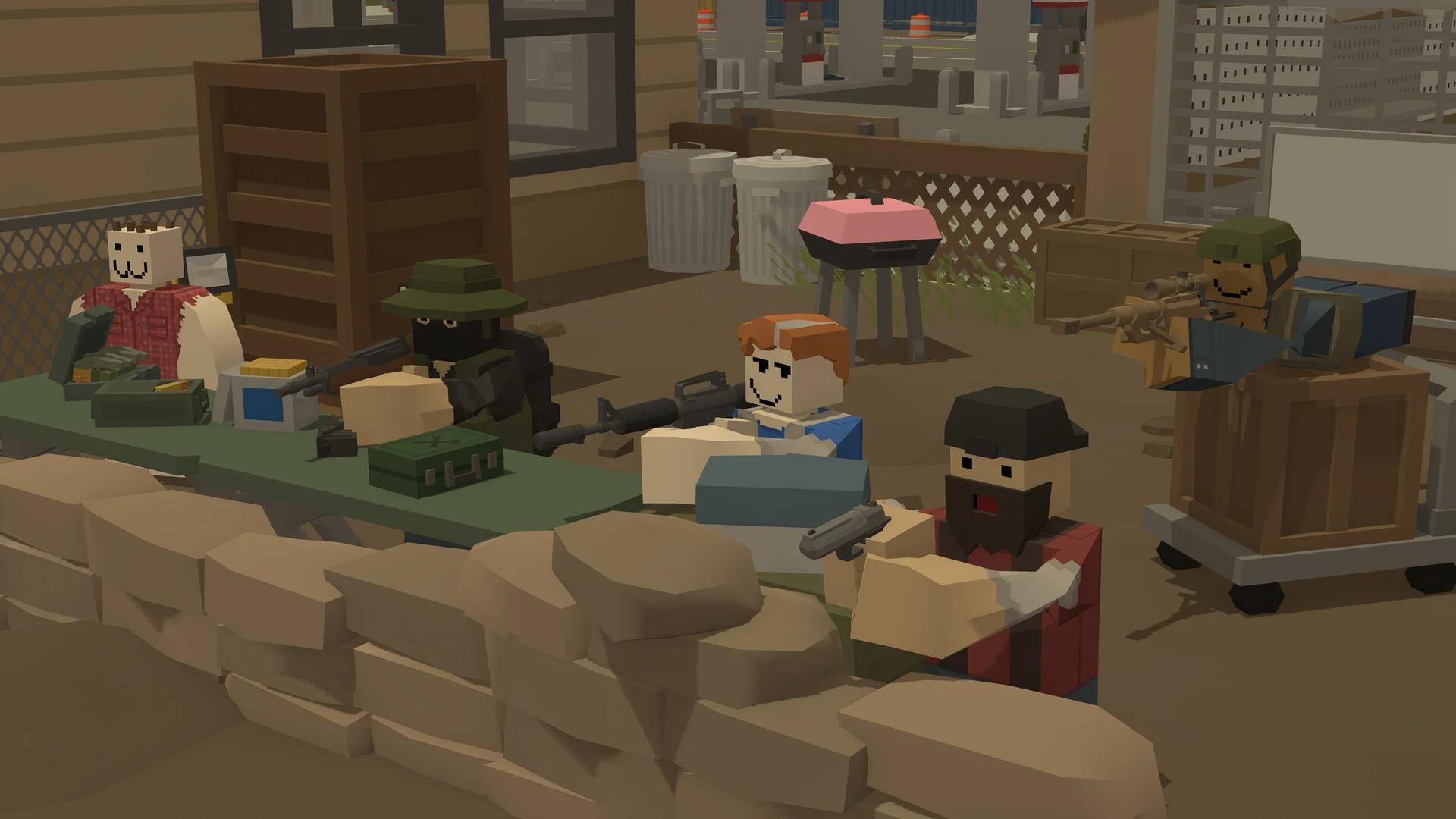
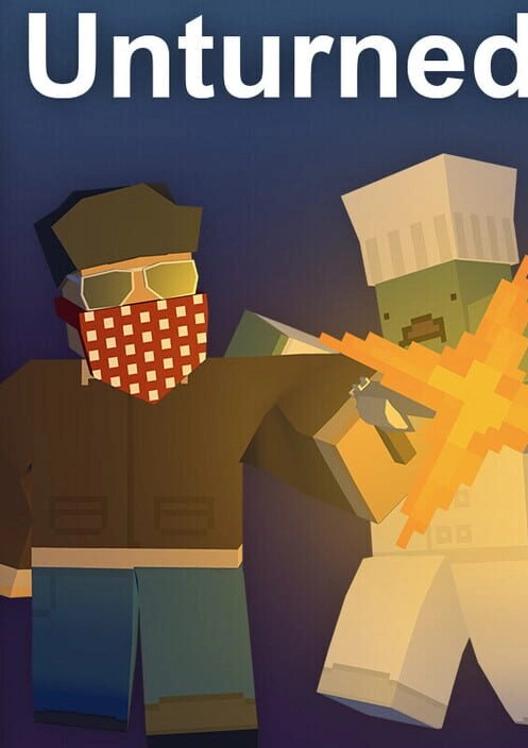
Unturned is free, blocky, and runs on practically anything with iGPU graphics—on UHD/Iris, 720p–1080p low gives ~60–90 FPS early, ~50–70 mid, and ~45–60 late. Strong workshop support and flexible server options mean the experience scales from casual to serious. That said, survival pressure on default public servers can feel thin compared to entries higher up this list—private or PvE servers with custom settings are where it finds its footing on low-end CPUs. The active community is a genuine plus, and younger players tend to take to it quickly.
- Released
- 20172017
- Genre
- ShooterShooter
- Platforms
- Linux, macOS, PC, PS4, Switch, Xbox OneLinux, macOS, PC, PlayStation 4, Nintendo Switch, Xbox One

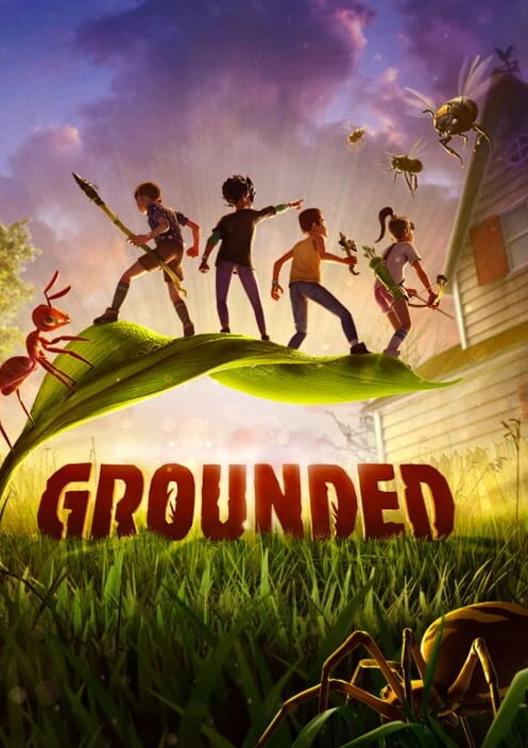
Grounded shrinks you to backyard scale—ants are terrifying, spiders are worse, and the survival systems are friendlier than most entries on this list without feeling soft. It's well-optimized for low-end machines with FSR: 720p–900p low, FSR enabled, shadows low gives ~40–60 FPS early, ~35–50 mid, and ~30–45 late in dense grass areas. The arachnophobia mode is a genuine differentiator for players who need it. Co-op is the intended way to play, though, and solo sessions can feel a bit quieter than the game expects—worth knowing if you're planning to go it alone.
- Released
- 20222022
- Genre
- RPGRPG
- Platforms
- PC, PS4, PS5, Switch, Xbox One, Series X|SPC, PlayStation 4, PlayStation 5, Nintendo Switch, Xbox One, Xbox Series X/S
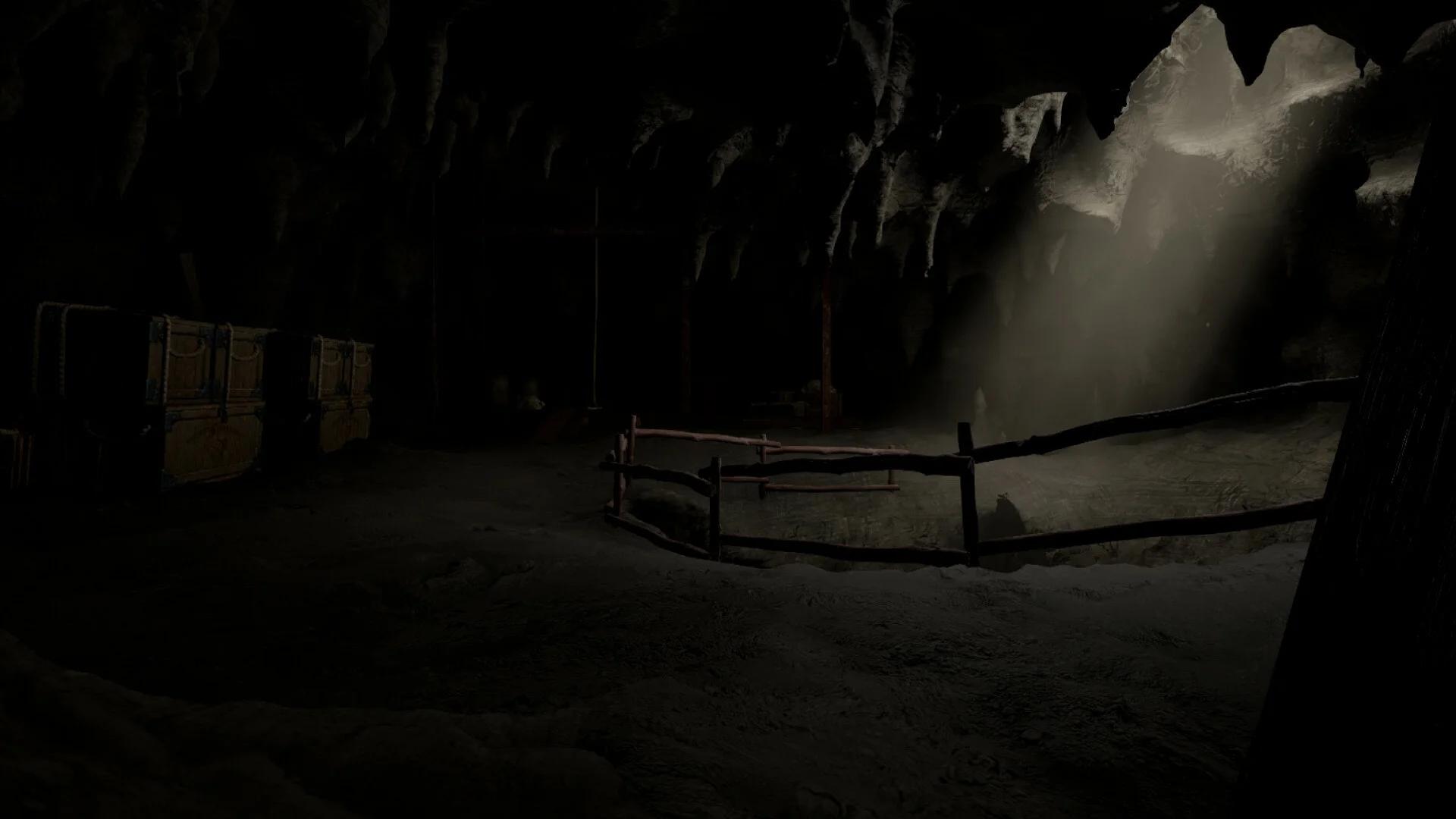
Arid is desert survival with a focus on water scarcity, heat management, and vehicle upkeep. It offers a different tension profile from the forest, tundra, and zombie entries dominating this list—and it runs well for it. At 720p–900p low with FSR, UHD/Iris iGPUs hold ~45–60 FPS. Small install, light patches, fully offline. The trade-off is content breadth: Arid is a leaner experience than the deeper sandboxes above it, and players chasing long-term replay value may feel the ceiling sooner than expected.

- Released
- 20212021
- Genre
- SimulationSimulation
- Platforms
- PCPC

Stranded Deep is island-hopping survival with sharks, storms, and raft-building. The ocean setting gives it a different feel from the forest and tundra entries—hydration and navigation matter more than base complexity. On UHD/Iris, 720p–900p low gives ~45–60 FPS early, ~40–55 mid, and ~35–50 late during storm sequences. Offline support and a small install make it easy to carry on a tight SSD. The caveat: the game was in Early Access for years and some players report save bugs or uneven progression pacing in later islands, so backup saves frequently.

- Released
- 20152015
- Genre
- SimulationSimulation
- Platforms
- Linux, macOS, PC, PS4, Switch, Xbox OneLinux, macOS, PC, PlayStation 4, Nintendo Switch, Xbox One
Related reading: Best Story Games for Low-End PCs: Top Picks
Honorable Mentions
These picks are great fits for budget hardware but narrowly missed the main list due to heavier CPU moments, online reliance, or gentler survival pressure. Still well worth your time with the right settings.
11. V Rising
74%V Rising blends survival with action-RPG combat, sun exposure as a genuine mechanic, and castle-building. Solo or small private sessions work well on iGPUs: around 900p low gives ~45–60 FPS. Crowded public servers with complex bases are a different story—frames drop noticeably and budget CPUs struggle to keep up, which is why it sits in the honorable mentions. The 1.0 offline mode improves low-end viability considerably. If you can stay off public servers, it's a strong pick; if you're planning to play with strangers on a shared world, manage expectations.
The Forest is tense survival-horror with cannibals, crafting, and an optional story that plays well solo or in co-op. It runs acceptably on iGPUs at 720p–900p low, but enemy swarms and foliage can cause CPU spikes, especially late game. That variability and its reliance on frequent AI attacks push it just outside the main list for low-end stability. Still, its small install, DX9/DX11 fallbacks, and strong survival pressure make it a great pick if you want scares with your scavenging and are comfortable tweaking settings.
13. Valheim
74%Valheim's Viking exploration-survival is at its best in co-op, with procedural worlds and boss-gated biome progression that keeps the mid-game feeling purposeful. The Vulkan renderer is worth enabling immediately—it typically adds 10–15% FPS over DX11 on iGPUs, which matters when you hit the later biomes. Large bases and crowded boat trips can pull frames into the 30s on budget hardware, and survival pressure overall is gentler than most entries above it. Those are the two reasons it lands in honorable mentions. Still a strong choice if exploration and building matter more to you than constant scarcity.
14. Raft
74%Raft offers a chill, approachable survival loop on a drifting base with story beats and co-op. Performance is solid on iGPUs at 900p low with stable ocean scenes, though very large, object-heavy rafts can reduce FPS later on. It just misses the top ten because survival tension is comparatively light and late-game building can strain budget systems. For families or newcomers seeking a guided ocean adventure that still respects low-end hardware, it’s a strong alternate pick—especially if you keep raft complexity in check.
Green Hell is brutally realistic jungle survival with sanity, parasites, and medical micromanagement. It can run on iGPUs at 720p low with ~35–50 FPS, but dense foliage and weather events cause dips, and the steep learning curve limits approachability. Those factors keep it out of the main list for low-end stability. If you want the most demanding survival sim feel and can accept some frame drops on budget hardware, its systemic depth is outstanding—just plan on conservative settings and patience during stormy stretches.
Related reading: Best Horror Games for Low-End PCs
Frequently Asked Questions
Common questions about low-end PC survival gaming, performance tuning, and getting integrated graphics to behave.
How can I boost FPS in survival games on an iGPU?
Drop to 720p–900p and use 70–80% resolution scale or FSR where available. Disable shadows, turn off ambient occlusion, and set textures to low. Cap frames at 45–60 to reduce thermal throttling, kill motion blur and AA, and pick Vulkan or DX11 over DX12 wherever the game offers a choice.
Which settings profile works best for low-end PCs?
A solid starting point: 720p–900p, FSR or 70–80% resolution scale, shadows off or low, ambient occlusion off, textures low, foliage density low, view distance medium. If the game lets you reduce NPC or zombie counts, do it—that single slider often matters more than visual settings on a budget CPU.
Can 8GB RAM handle modern survival games?
Yes, with discipline. Close browsers and launchers before launching, use low textures, and keep background apps to a minimum. Stick to games on this list with DX11 or Vulkan options—they stream assets more efficiently and stutter less under memory pressure.
Is online multiplayer tougher on low-end PCs?
Usually. Server tick rates, large player bases, and active AI all push CPU load higher. On iGPUs, solo play or small private servers are the safer call. Avoid crowded public hubs in games like Project Zomboid or Unturned during peak hours if frames are already marginal.
What are the best survival games for low-end PCs right now?
Don't Starve, Cataclysm: Dark Days Ahead, and This War of Mine sit at the top because they combine genuine survival tension with hardware demands that even decade-old integrated graphics can handle comfortably. For 3D options, The Long Dark and Project Zomboid are the strongest choices once you apply the right settings tweaks.
Conclusion
Survival games don't need high-end GPUs to feel tense and rewarding—I've lost track of time in Don't Starve on hardware that struggles with Chrome tabs. The right picks give you steady frames, meaningful scarcity, and long-term replay without eating your storage. Use the settings presets above, prefer DX11 or Vulkan, and dial down population or weather density when CPU spikes hit. Whether you want narrative weight like This War of Mine, sandbox depth like Project Zomboid, or something you can pick up in fifteen minutes like Unturned, there's a fit here. Ready for more tailored picks? Try our Recommendations Engine for suggestions that match your play style.