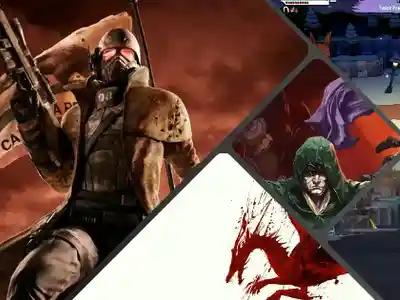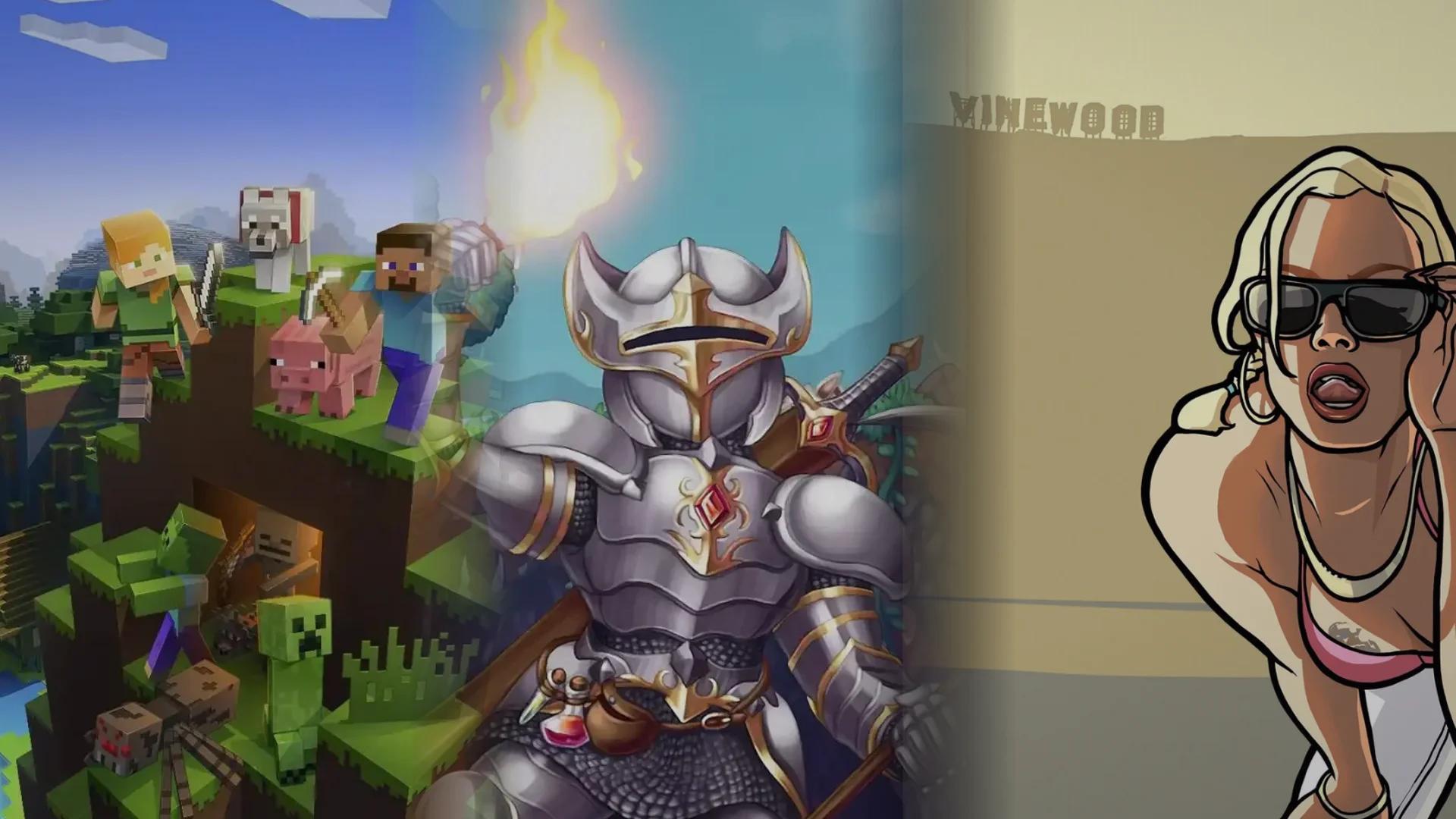

Running open-world games on a laptop without a dedicated GPU used to mean picking between old classics you had already finished or newer releases that turned into slideshows. That gap has closed. I have tested every game on this list on integrated graphics setups ranging from Intel UHD 620 to Iris Xe, specifically because that is the hardware half my LAN party group shows up with. Every pick here delivers real open-world freedom without demanding a GPU you do not have.
I scored each game across five criteria: hardware compatibility, open-world design, content depth, how much fun I had playing it, and onboarding. All five weighted equally. Games that ran poorly on truly weak hardware dropped regardless of quality.
For the full picture on open-world gaming across all hardware tiers, see our Best Open-World Games in 2026 guide. This article focuses specifically on titles that run on integrated graphics and modest CPUs.
Quick Picks
Best for very weak hardware: Grand Theft Auto: San Andreas
Best for co-op groups: Minecraft
Best for RPG fans: Fallout: New Vegas
Best for pure sandbox chaos: Just Cause 2
Best GTA alternative: Sleeping Dogs
The Top 10 Best Open World Games for Low-End PCs
From top to bottom, these games balance performance on modest hardware with genuine open-world depth. Where version choice or stability mods matter, we say so directly.

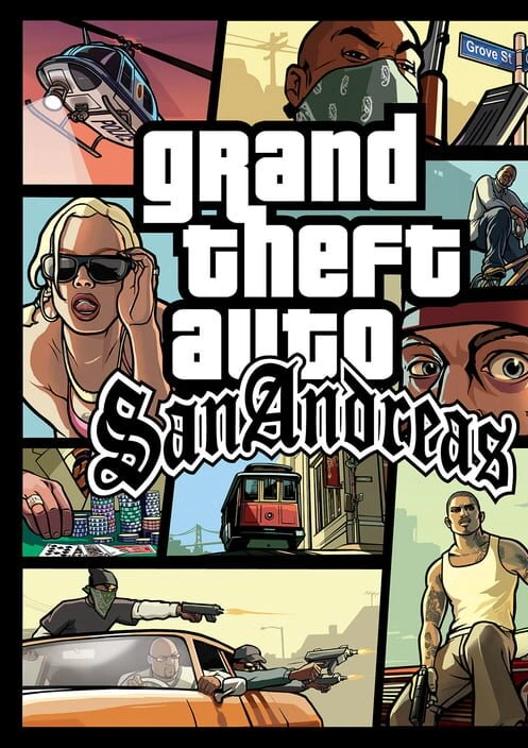
San Andreas was the first game I ran home from school to play. That history counts for something, but it is not why it sits at number one. It sits here because I have tested dozens of open-world games on integrated graphics machines and nothing else matches this combination of world scale, mission variety, and hardware forgiveness. Three cities, countryside, flying, swimming, gang territory, RPG-lite character stats. On an Intel UHD 620, it holds a steady 60 fps without touching a single setting. No caveats. No edition warnings. If someone asks what open-world game to get for a weak laptop, this is still the answer.
- Released
- 20042004
- Genre
- ShooterShooter
- Platforms
- Android, iOS, macOS, PC, PS4Android, iOS, macOS, PC, PlayStation 4
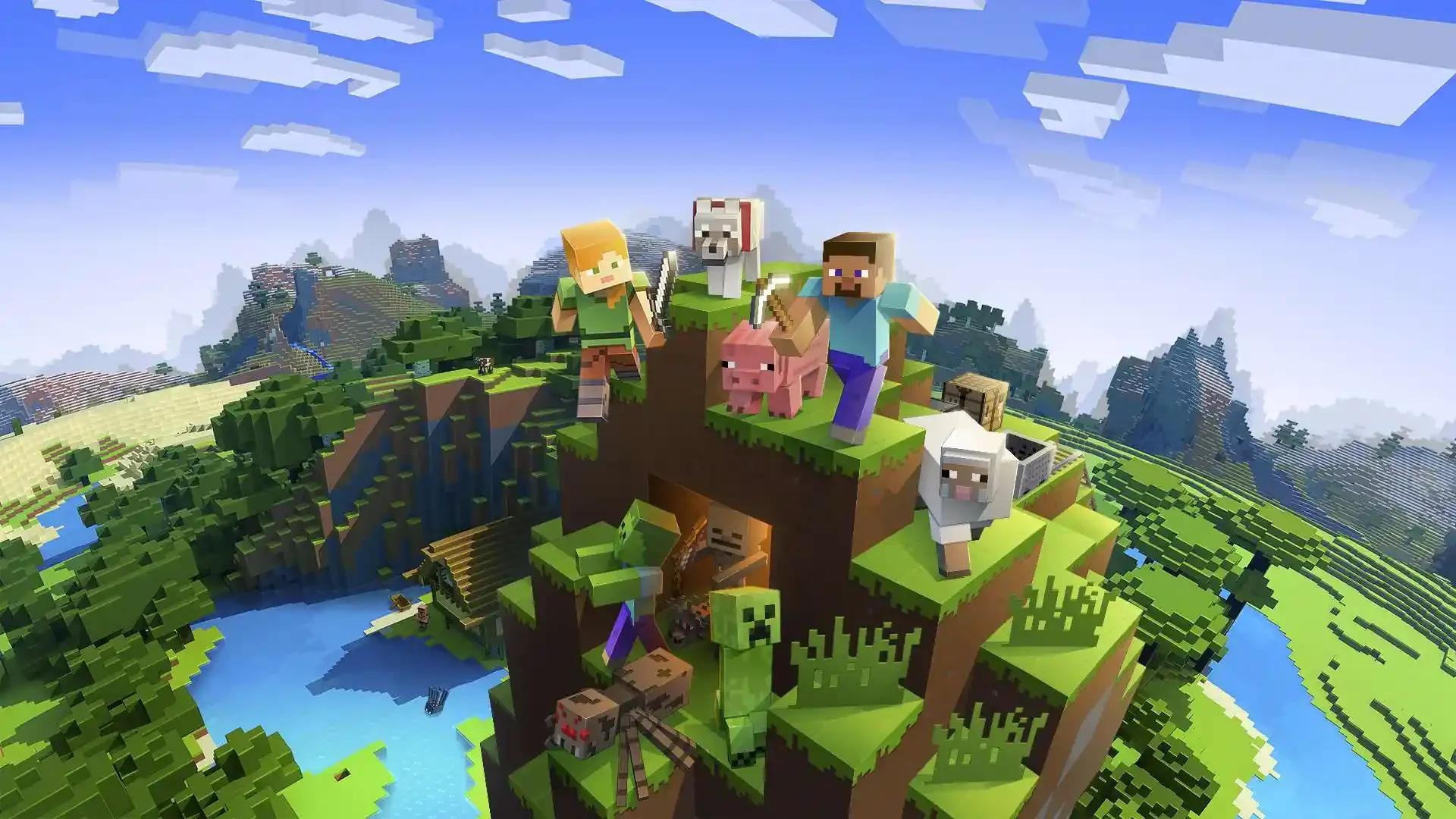
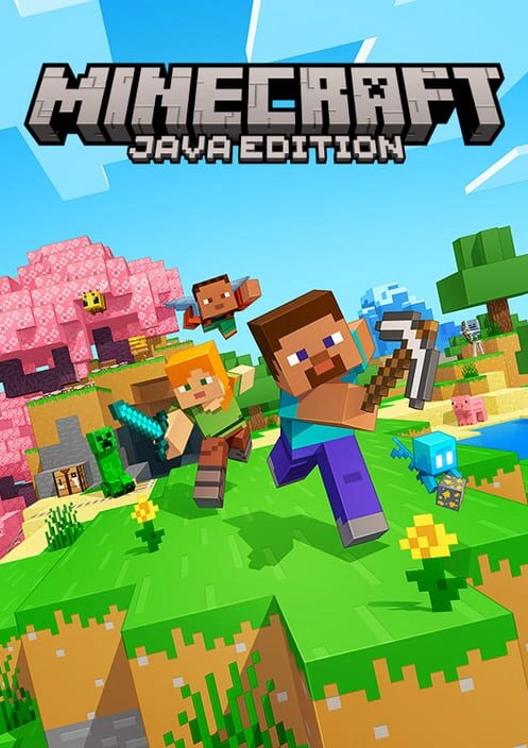
Minecraft sits permanently in our LAN party rotation for one simple reason: someone always has a machine that cannot run anything else on the list, and Minecraft runs on it. Bedrock is the version to install on weak hardware. It scales better on integrated graphics, handles controllers cleanly, and eliminates the Java edition's CPU overhead. The open-world argument is real too. No scripted mission funnel, no boundaries, no end unless you choose one. My kids play it on Switch and ask questions about my PC sessions, which tells you something about how universal this game is.
- Released
- 20112011
- Genre
- SimulationSimulation
- Platforms
- Linux, macOS, PCLinux, macOS, PC
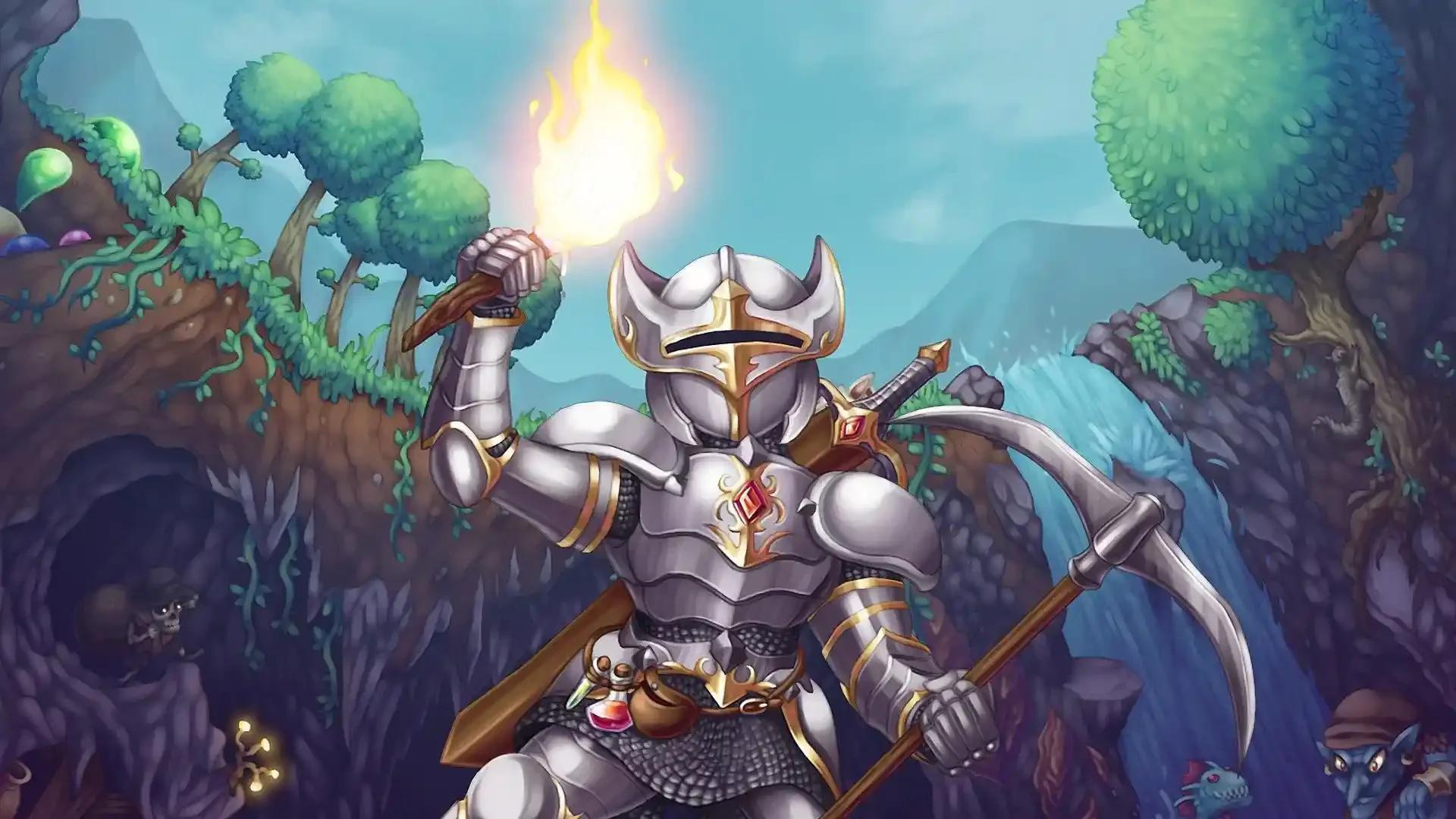
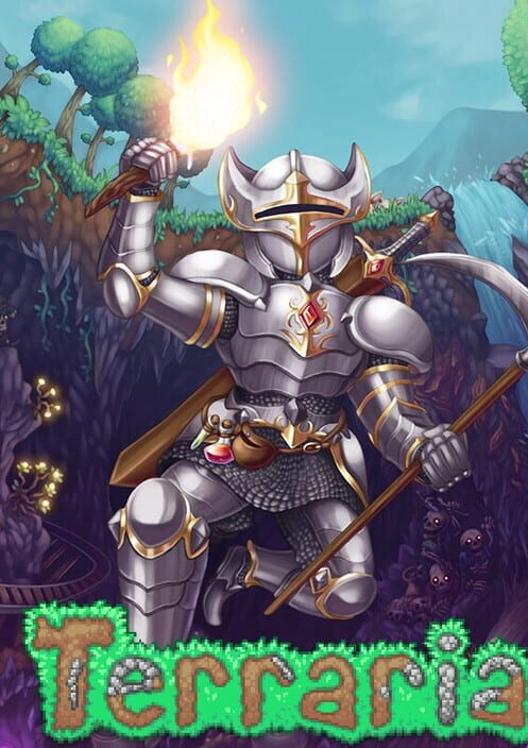
Terraria is 2D. That is the first thing people push back on when I put it this high. Here is what they are missing: the sandbox freedom here rivals anything in three dimensions. You can spend 200 hours in one world and still not exhaust it. Boss progression gives the exploration structure without turning it into a to-do list. I tested it on a basic Intel UHD 620 laptop and it ran at a locked 60 fps at every setting maxed. Multiplayer works cleanly too. For a group that has one member on genuinely ancient hardware, Terraria is the rare pick where nobody gets left behind.
- Released
- 20112011
- Genre
- PlatformerPlatformer
- Platforms
- Android, iOS, Linux, macOS, PC, PS4, Switch, Xbox OneAndroid, iOS, Linux, macOS, PC, PlayStation 4, Nintendo Switch, Xbox One

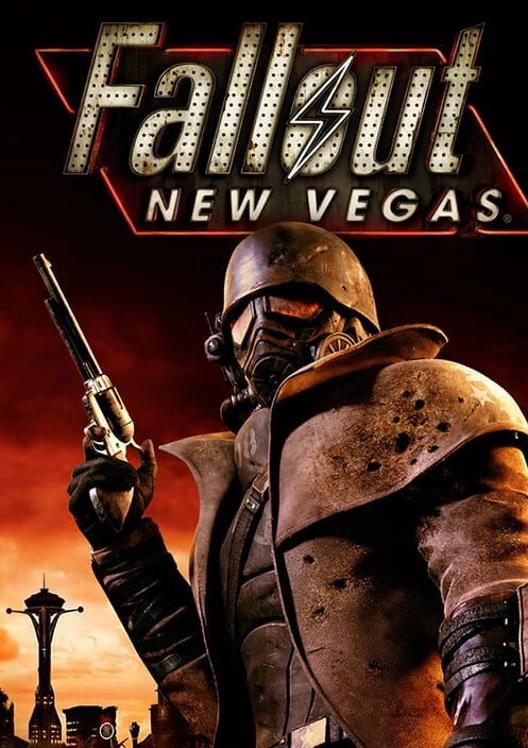
New Vegas is the best-written open-world game on this list. I have replayed it three times on different builds and still found faction quests I had missed. The Mojave is not a pretty world in 2026, but the writing makes you forget that. Install the 4GB patch and NVSE stability fixes before you start because the base game will crash on you at the worst moments. With those in place, it holds up fine on older integrated graphics at medium settings. The onboarding is rough for newcomers used to modern hand-holding. Push through the first hour. The game opens up into something genuinely special.
- Released
- 20102010
- Genre
- ShooterShooter
- Platforms
- PCPC
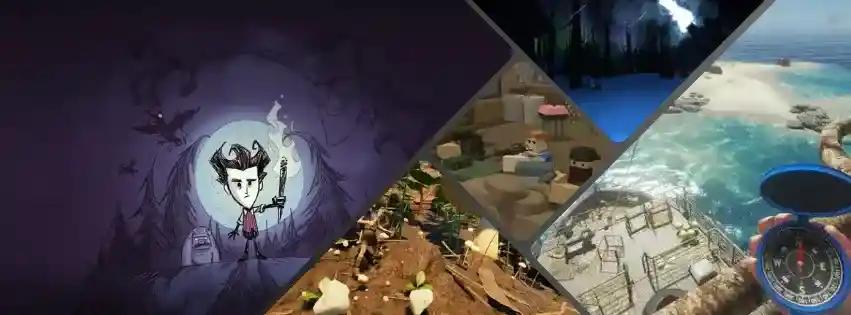

Mount and Blade: Warband is the kind of game where you tell yourself you will just do one more battle before bed and then it is 1 AM and you are sieging a castle with 200 soldiers you recruited from a tournament six hours ago. The progression is completely self-directed: trade, fight as a mercenary, marry into nobility, build your own faction. There is no tutorial that holds your hand through any of it, which is a real barrier early on. That low accessibility score in the ranking is honest. But for a game that demands almost nothing from your hardware while delivering this much campaign depth, the investment pays off.

- Released
- 20102010
- Genre
- ShooterShooter
- Platforms
- Linux, macOS, PC, PS4, Xbox OneLinux, macOS, PC, PlayStation 4, Xbox One
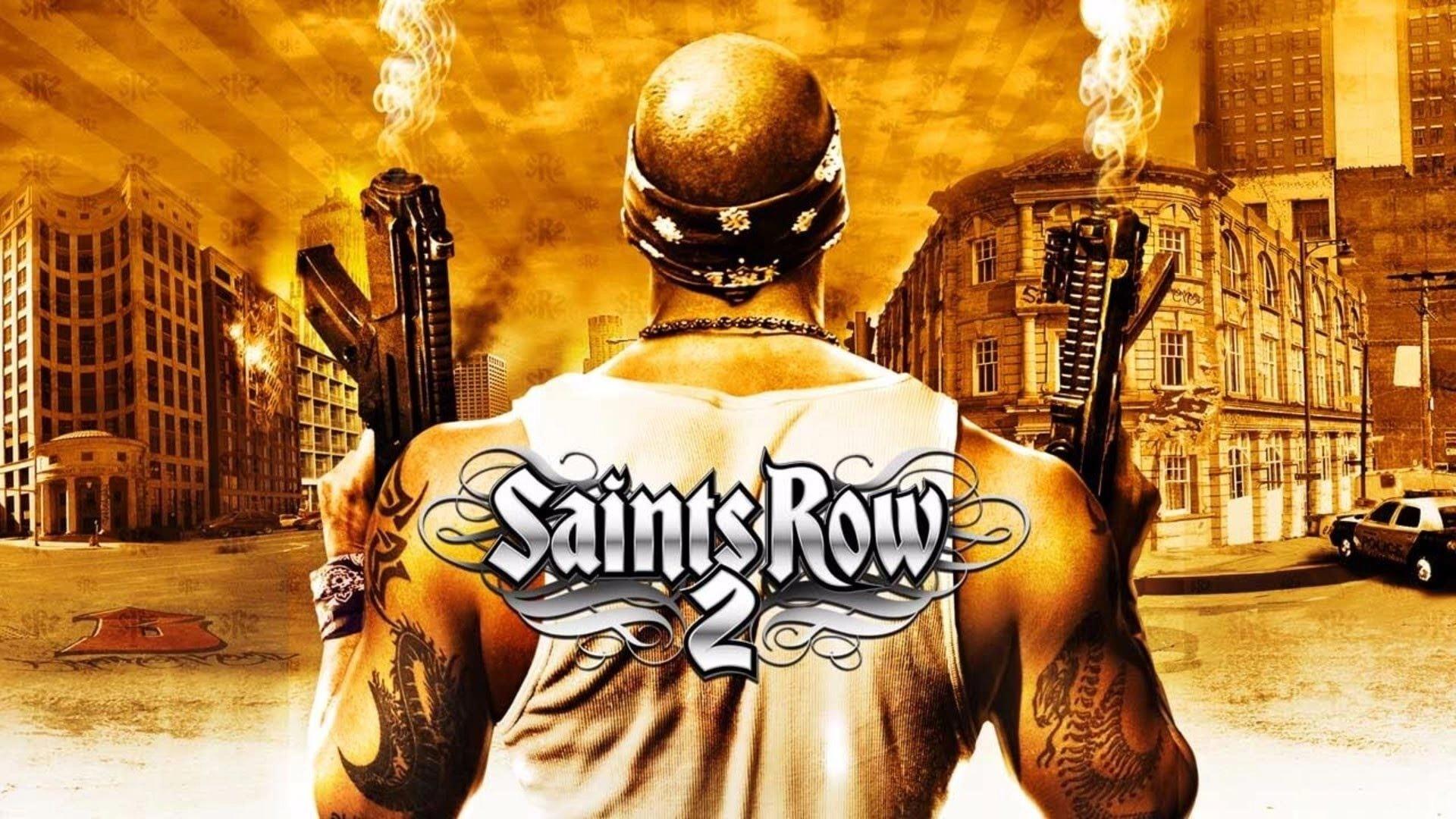
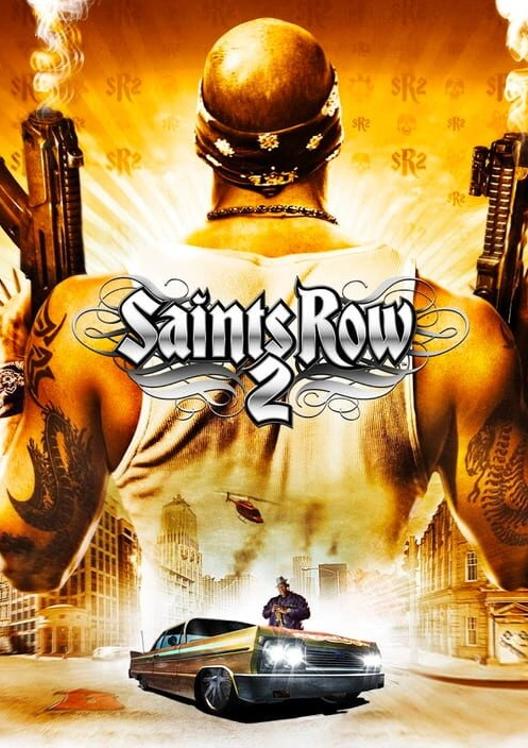
Saints Row 2 has one of the best sandbox personalities in the genre. Stilwater is genuinely fun to exist in, the activities are varied, and the customization runs deeper than you expect. The catch is that the PC port needs work before it behaves. Install the Gentlemen of the Row community fix before you touch anything else. It addresses memory handling, frame rate issues, and controller input problems the base game never resolved. Online co-op as originally designed is effectively gone due to the old GameSpy infrastructure shutting down, so treat this as a solo sandbox. That framing is accurate, not a workaround.
- Released
- 20082008
- Genre
- ShooterShooter
- Platforms
- Linux, PCLinux, PC

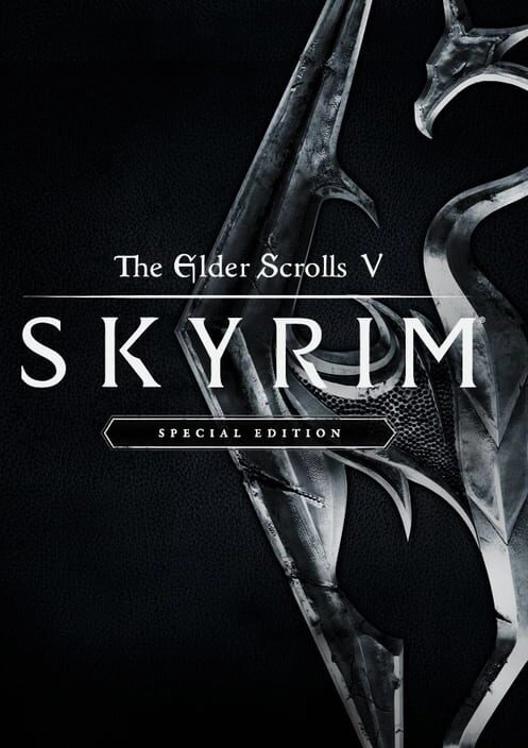
Skyrim is one of the first open-world games that made me feel like a world actually existed independent of me. You walk into a dungeon and the story inside it has nothing to do with your main quest. That world density is why it belongs on this list. The low-end caveat is real, though. Special Edition pushes integrated graphics harder than the original 2011 release. If you are on Intel UHD 620-class hardware, track down the original Legendary Edition instead. It runs noticeably smoother on tight specs. For anyone on Iris Xe or better, the Special Edition is fine with shadows and draw distance pulled back.
- Released
- 20162016
- Genre
- RPGRPG
- Platforms
- PC, PS4, PS5, Switch, Xbox One, Series X|SPC, PlayStation 4, PlayStation 5, Nintendo Switch, Xbox One, Xbox Series X/S
If you want open-world RPGs without the hardware ceiling, our Best Open-World RPGs in 2026 guide covers the full spectrum across all hardware tiers.
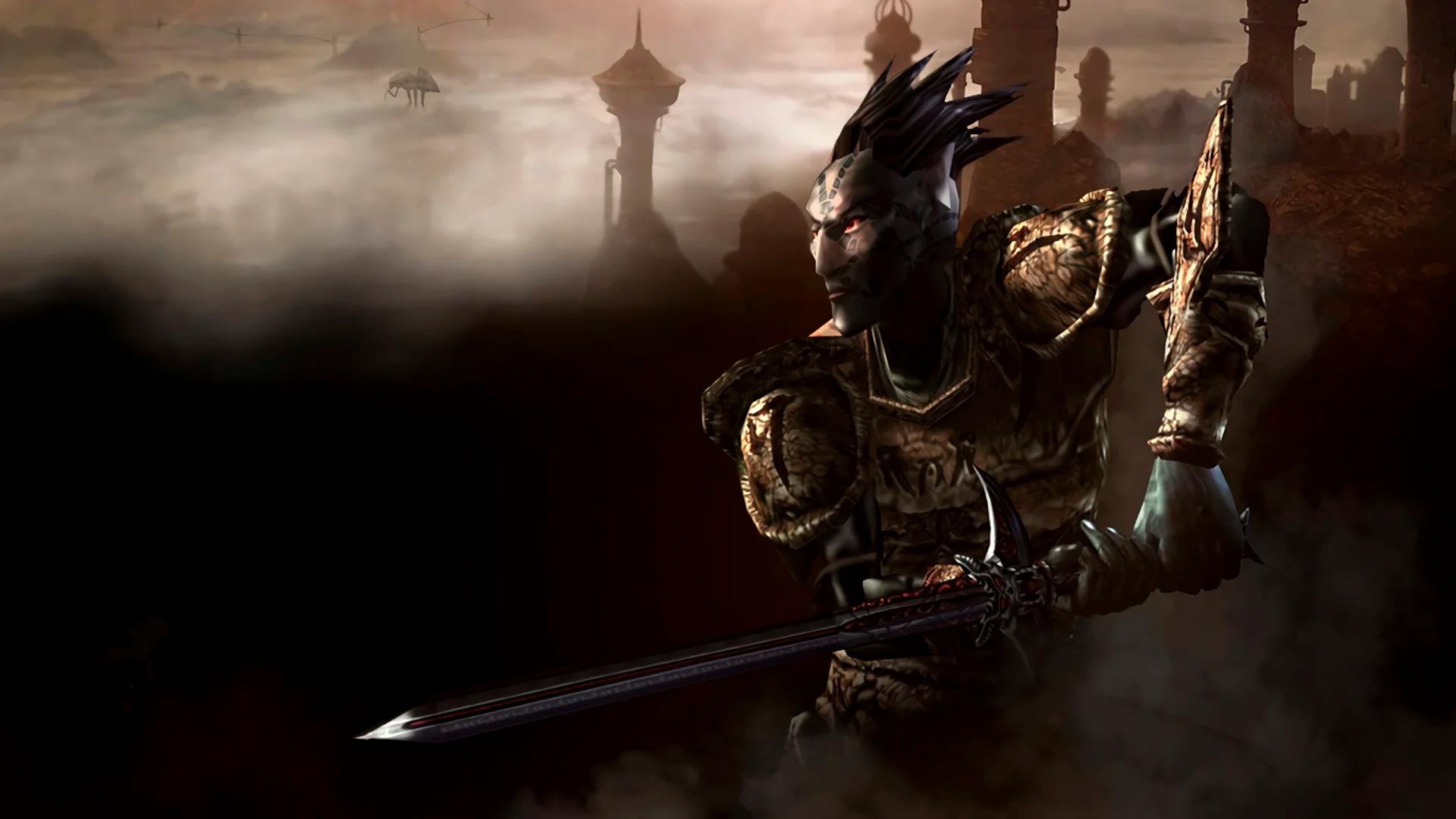
Morrowind will not tell you where to go. It will give you a journal entry with written directions and expect you to follow them on foot across an alien landscape you have never seen before. That design is confrontational by modern standards. I respect it enormously. The hardware requirements are almost laughably low. I ran it on a machine that struggled with browser tabs and it held 60 fps without complaint. The world is genuinely unlike anything else in the genre: alien mushroom forests, volcanic ashlands, a culture that feels built rather than assembled from fantasy tropes. If you bounced off it before, try it with the OpenMW engine rebuild.
- Released
- 20022002
- Genre
- RPGRPG
- Platforms
- PCPC
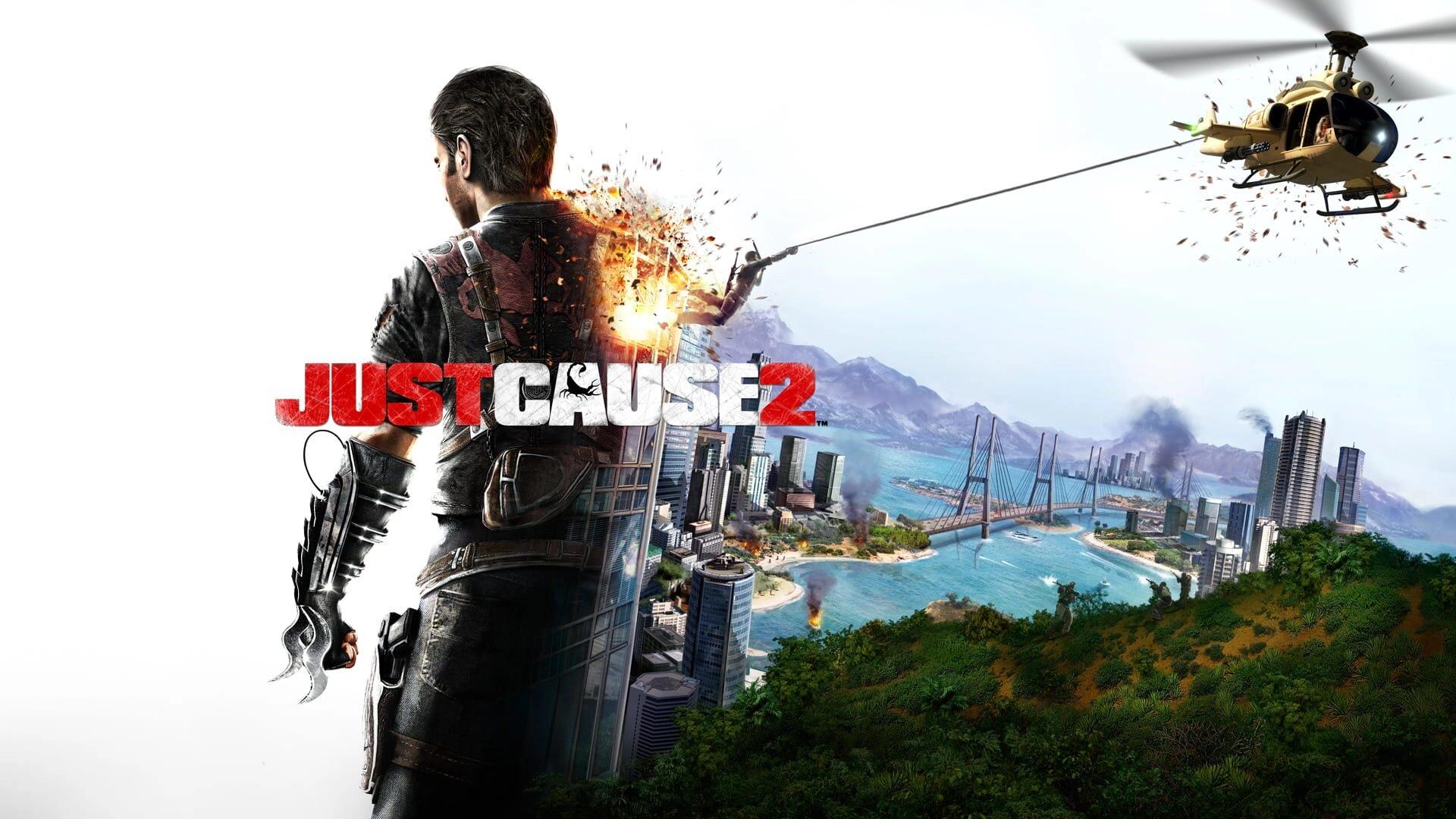
Just Cause 2 is not a game with a great story or meaningful choices. It is a game where you attach a car to a helicopter with a grappling hook and watch what happens next. That is the entire pitch. The island of Panau is enormous and every corner of it supports the same glorious nonsense. I have launched off a mountain with a parachute more times than I can count and it still does not get boring. Content depth is the honest weak spot here. Mission design is repetitive. But as a low-stress sandbox for short evening sessions on older hardware, nothing on this list is more immediately fun.
- Released
- 20102010
- Genre
- ShooterShooter
- Platforms
- Linux, PCLinux, PC

Sleeping Dogs is the most underrated game on this list. The melee combat system is better than anything Rockstar has built: timed counters, environmental finishers, a progression system that actually changes how fights feel. Hong Kong is a compact city but it is dense with life and character in a way that larger GTA maps often are not. The hardware floor is the reason it sits at ten. It needs a bit more than the oldest machines on this list can offer comfortably. On budget hardware from the last five or six years, though, it runs without drama on medium settings and delivers 15 to 20 hours of a very good crime story.

- Released
- 20122012
- Genre
- ShooterShooter
- Platforms
- PCPC
Honorable Mentions
These games earned serious consideration but missed the main list for specific, concrete reasons. If their caveats do not apply to your setup, move them up your personal ranking.
Far Cry 2 is one of the most systems-driven shooters ever made and most people bounced off it because of that. Fire spreads through dry grass and will reroute your entire plan. Enemies remember patrol routes. Your weapons jam at inconvenient moments. I find that friction genuinely compelling in a way checklist-heavy open worlds are not. The reason it sits here rather than in the main list is the mission structure. Repetitive checkpoint assaults dominate the mid-game and they wear you down. For players who want emergent challenge over cinematic polish, it is well worth the asking price and scales cleanly on older hardware.
The Phantom Pain gives you more ways to approach a military outpost than most games give you to approach an entire campaign. Balloon extraction, fulton recovery, buddy AI, weather patterns, time of day. Every system talks to every other system. I played it on a modest setup and the FOX Engine held up better than I expected. What keeps it off the main list is the structure. This is a mission-based stealth sandbox, not a wandering open world. You fly to an objective, execute it, return to base. The world exists as a stage rather than a place to explore. Outstanding if that design suits you. Worth flagging if you came here for GTA-style freedom.
Subnautica is the only game on this entire list that made me genuinely uncomfortable. Not because anything went wrong. Because the deeper biomes are designed to make you feel small and far from safety, and they succeed completely. The handcrafted world is a real achievement. Every depth zone has its own visual identity and its own sense of threat. The practical reason it sits here rather than in the top ten is storage. Subnautica streams its world aggressively and a slow HDD will produce visible stuttering as biomes load. On an SSD it is a different experience entirely. If your weak PC has a decent SSD, move it up your personal list.
14. Valheim
77%My regular group has been running a Valheim server for over a year. It is genuinely one of the best co-op survival sandboxes available: procedural worlds that feel handcrafted, sailing that creates real anticipation, boss progression that gives the whole group something to work toward. The hardware caveat is honest and worth stating clearly. Early game on modest hardware is fine. Once your settlement grows and you have multiple buildings and a large farm, older CPUs start to struggle. If your group is playing on weak machines, keep base sizes modest and avoid the late-game biomes without testing first. It belongs here for the co-op group, not the solo player on a five-year-old budget laptop.
No Man's Sky has had one of the most remarkable second acts in gaming. The version that exists now bears almost no resemblance to the one that launched to disappointment. Base building, multiplayer, narrative missions, underwater exploration. It has grown into a genuinely broad survival and exploration game. The reason it sits here is the hardware floor. On Intel UHD 620-class machines, it is a borderline experience. I tested it and the frame drops in dense planet environments are real. On Iris Xe or newer budget hardware it performs acceptably. If your machine is on the stronger end of low-end, it earns a place. On truly weak hardware, start with something higher on this list first.
Frequently Asked Questions
Common questions about hardware specs, version choices, and settings for running open-world games on modest machines.
What counts as a low-end PC for this list?
We targeted systems with integrated graphics at the Intel UHD 620 to Iris Xe level, 8GB RAM, and either a SATA SSD or HDD. Games that required anything beyond that to stay at a playable frame rate were marked with explicit caveats or moved to honorable mentions. If your machine has a modest discrete GPU, most picks here will run without any adjustments at all.
Bedrock or Java: which Minecraft edition should I use on weak hardware?
Bedrock. It scales better on integrated graphics, has smoother controller support, and avoids the RAM and CPU overhead that Java editions accumulate over long sessions. Java remains an option if modding is your priority, but you will need to restrict render distance and install a performance mod like Sodium to get stable frame rates on genuinely weak machines.
Do I really need mods to play Fallout: New Vegas and Saints Row 2?
For New Vegas, the 4GB patch and NVSE are not optional on modern systems. The base game will crash. For Saints Row 2, the Gentlemen of the Row community fix resolves frame rate issues, memory problems, and controller input bugs that were never patched officially. Both are straightforward to install. Look up the current versions on Nexus Mods and the PCGamingWiki pages for each game before you start.
What settings should I adjust first on integrated graphics?
Resolution scale and shadow quality recover the most frames. Drop those two first. After that, turn off ambient occlusion, reduce draw distance, and lower foliage density. Cap your target to 30 or 45 fps to prevent the GPU from working harder than it needs to. Most integrated graphics setups respond well to these adjustments without the game looking significantly worse.
Why is Terraria on a list of open-world games if it is 2D?
Because the sandbox freedom, exploration volume, and procedurally generated worlds match what most readers are looking for from the genre, regardless of perspective. The ranking criteria did apply a small penalty to its open-world design score compared to fully contiguous 3D worlds. Even with that, the combination of near-zero hardware demands, hundreds of hours of content, and clean multiplayer puts it solidly in the top three.
Conclusion
The best open-world games for weak hardware are not consolation prizes. San Andreas, Minecraft, and Terraria belong on any honest list of great open-world games, low-end or otherwise. The hardware floor just makes the choice easier.
If survival is your priority, our Best Survival Games for Low-End PCs guide goes deeper on that angle, and our Best RPG Games for Low-End PCs covers the role-playing options in more detail. Ready for more tailored picks?
Try our Recommendations Engine for suggestions that match your play style.