
Most open-world games give you a map full of icons and call it freedom. The best ones give you a horizon and trust you to walk toward it. That distinction is what this list is built around. I have played every game here, and the ranking reflects one question above everything else: does the world itself feel worth exploring, or does it just feel large? Those are not the same thing, and the gap between them is where most open-world games quietly fall apart.
Each game was scored on the quality of its open-world design and exploration, how alive and reactive the world feels, and how confidently it can be recommended as a top-tier open-world experience right now. Overall game quality and breadth of content factored in too, but the world itself carries the most weight.
Quick Picks
Best for pure exploration: Elden Ring
Best for atmosphere and immersion: Red Dead Redemption 2
Best for story-driven roaming: The Witcher 3: Wild Hunt
Best for urban open worlds: Cyberpunk 2077
Best 2025 release: Kingdom Come: Deliverance II
The Top 10 Best Open-World Games in 2026
Ten games that earn the label. No filler, no legacy inclusions kept out of habit.
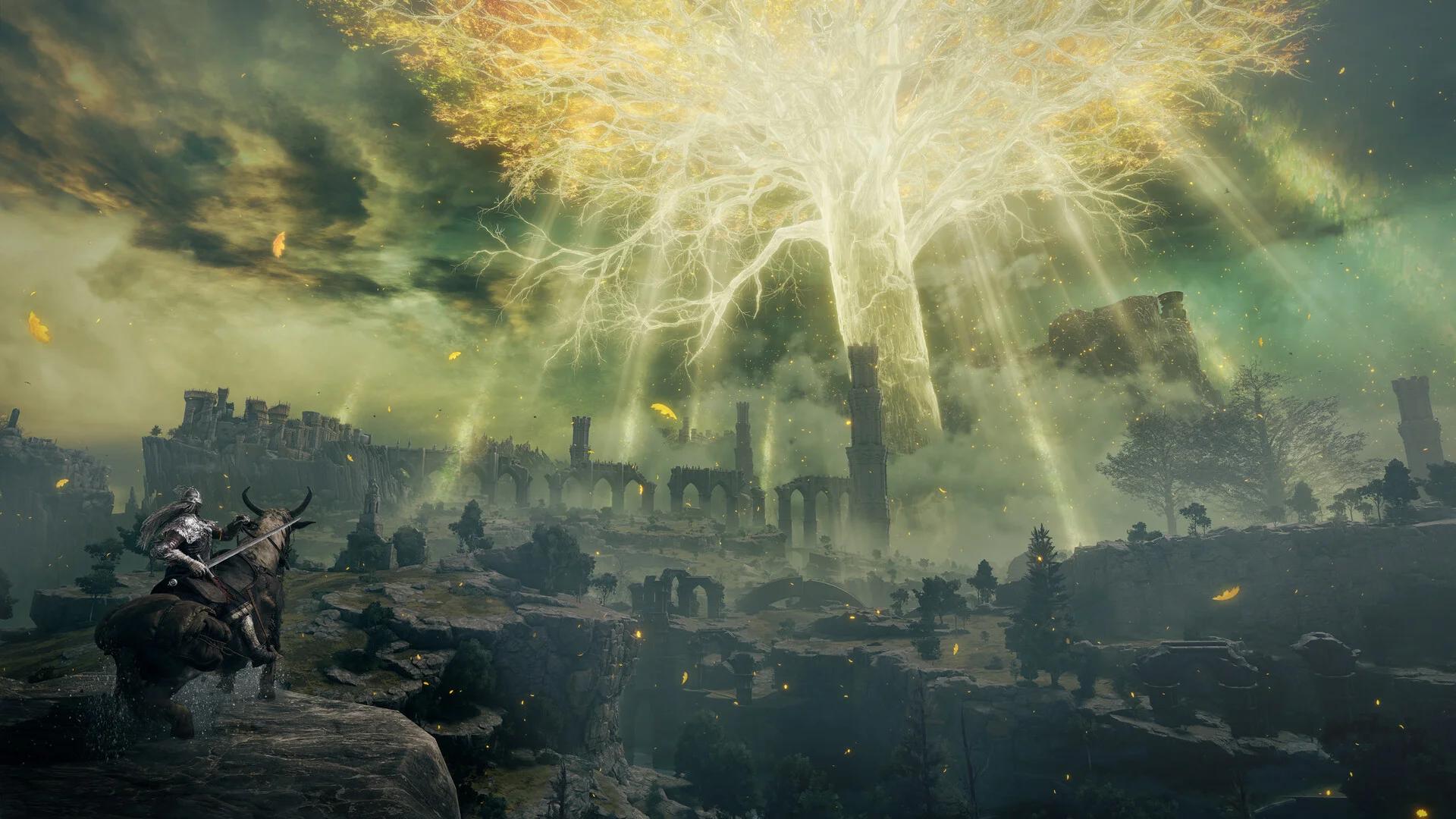
I started Elden Ring meaning to explore for an hour. Three hours later I was still on foot, following a crumbling cliff road toward something I could not name, and I had completely forgotten there was a main quest. That is what separates this from every other open world on this list: the map gives you nothing. No waypoints nudging you forward. Just landforms on the horizon and the creeping sense that something interesting is always one more ridge away. The Shadow of the Erdtree expansion added another layer of that same quality. It is genuinely demanding and the opening hours are not gentle. If that is a dealbreaker, a few entries lower on this list are better places to start. But as a piece of open-world design? Nothing released this decade comes closer to perfect.

- Released
- 20222022
- Genre
- RPGRPG
- Platforms
- PC, PS4, PS5, Switch 2, Xbox One, Series X|SPC, PlayStation 4, PlayStation 5, Nintendo Switch 2, Xbox One, Xbox Series X/S
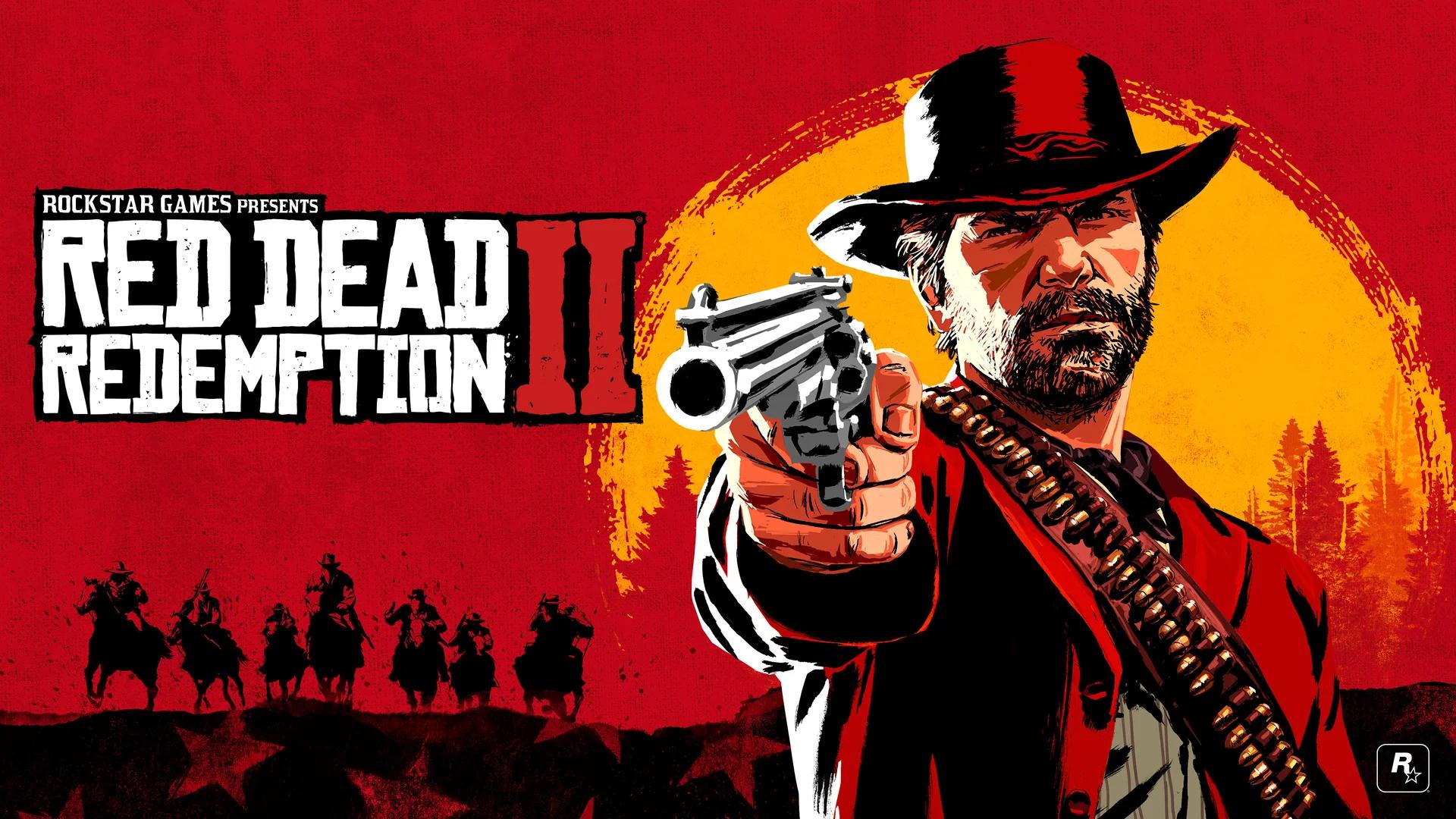
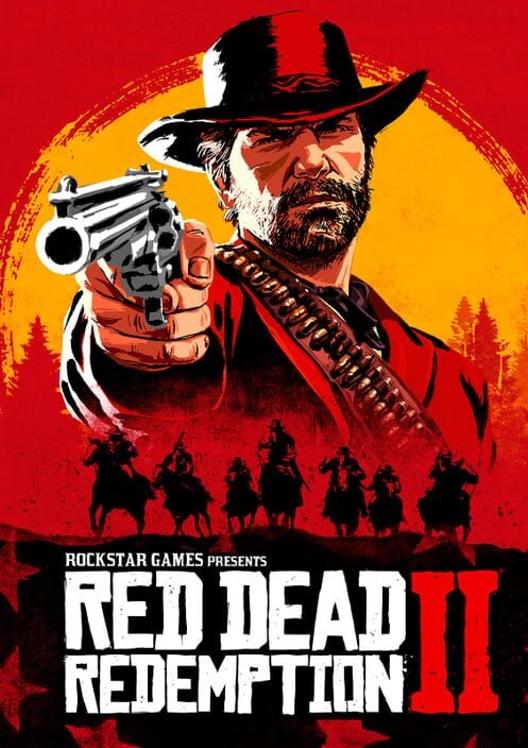
Red Dead Redemption 2 is one of the few games I have actively slowed down to enjoy. Not because the story demanded it, but because the world kept producing things I had not asked for: a stranger with a bad plan, an egret standing perfectly still in the morning fog, a campfire conversation I stumbled into by accident. I finished RDR1 years ago and came into the sequel with some expectations. It exceeded all of them on atmosphere and surprised me on story. The pacing is slow by design, and if you need constant mission momentum to stay engaged you will feel it by chapter three. For everyone else, this is the most convincing living world games have produced.
- Released
- 20182018
- Genre
- ShooterShooter
- Platforms
- PC, PS4, Xbox OnePC, PlayStation 4, Xbox One
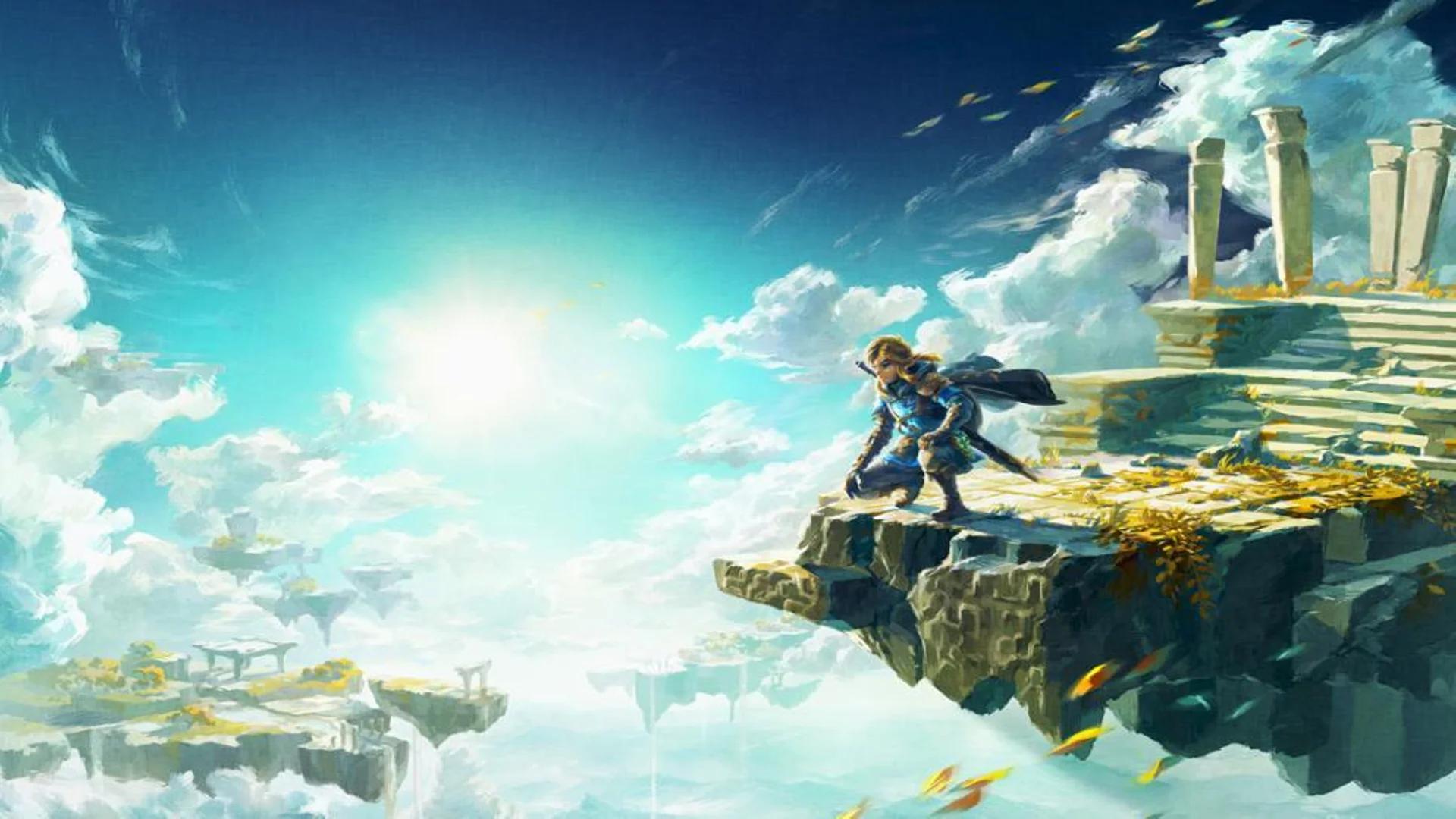
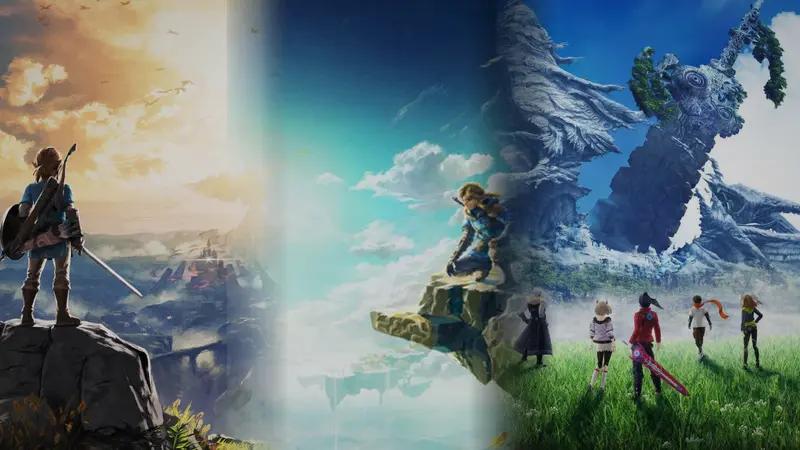
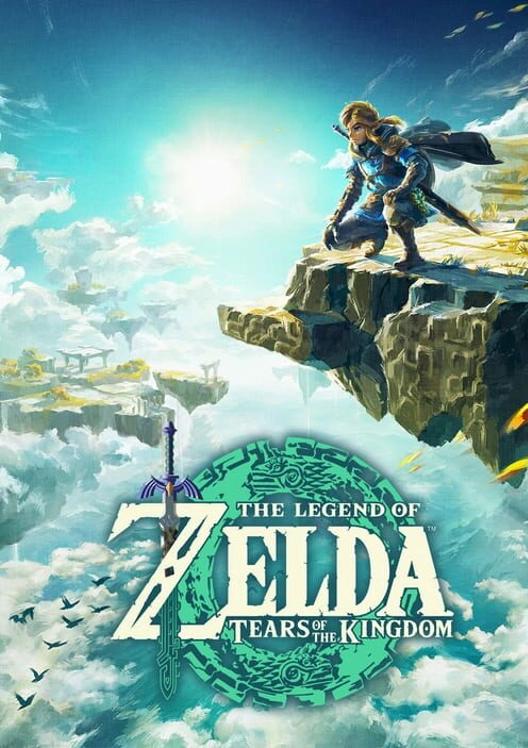
Tears of the Kingdom does something I have not seen another open world attempt at this scale: it stacks three versions of the same space on top of each other and makes all three worth exploring. The surface, the sky islands, the depths underneath. What keeps it from the very top of this list is that Elden Ring's world feels like it was discovered, while Hyrule here feels engineered, which it obviously is, but you notice it more. That said, the Ultrahand building system turns traversal into a problem-solving sandbox that rewards genuine creativity rather than checklist completion. This is the Zelda recommendation for anyone who has not played the series, and it holds up even if you have.
- Released
- 20232023
- Genre
- PuzzlePuzzle
- Platforms
- SwitchNintendo Switch
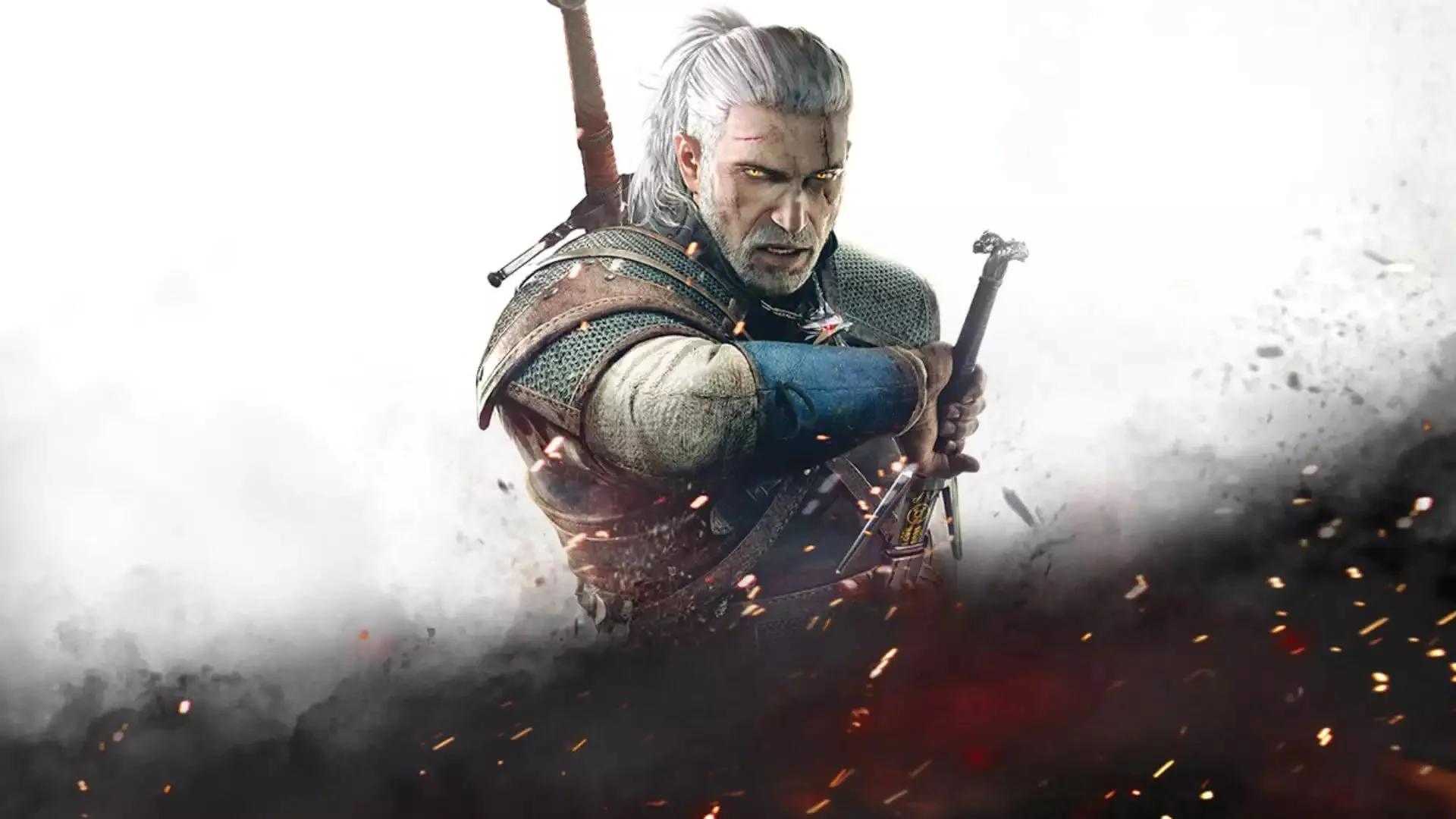
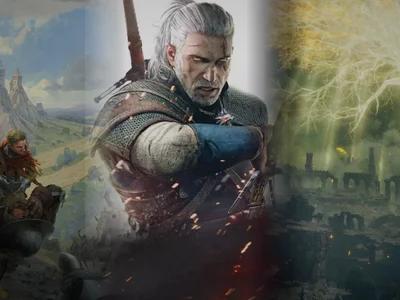
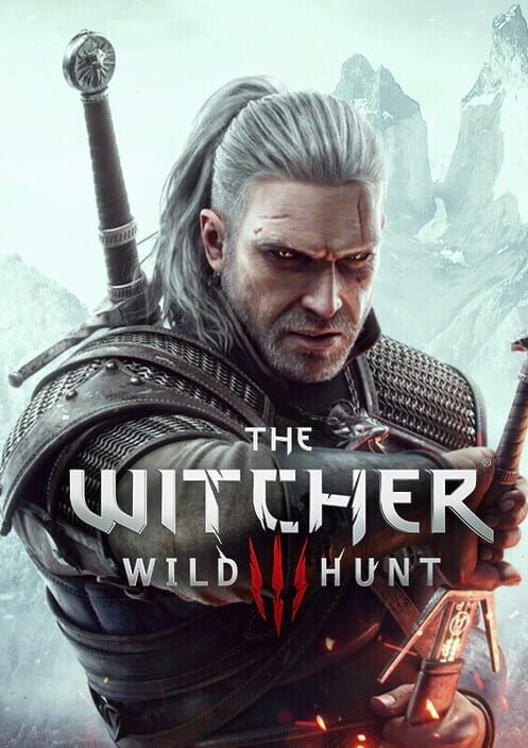
I put about 80 hours into The Witcher 3 and I am fairly sure I missed a third of it. The side quests are not filler content padded out to extend playtime. They are actual stories with actual consequences, some of them better written than the main arc. The Complete Edition with both expansions included is a ludicrous amount of content for the current price. What holds it from ranking higher is that the world itself, technically impressive in 2015, now shows its age compared to the exploration leaders above it. But for story-rich open-world roaming, nothing has genuinely surpassed it in a decade. That is a remarkable thing to be able to say about any game from 2015.
- Released
- 20152015
- Genre
- RPGRPG
- Platforms
- PC, PS4, PS5, Switch, Xbox One, Series X|SPC, PlayStation 4, PlayStation 5, Nintendo Switch, Xbox One, Xbox Series X/S
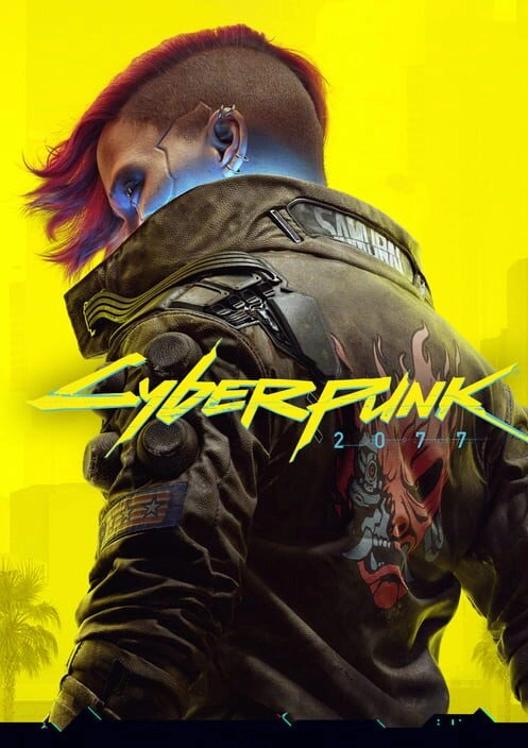
I avoided Cyberpunk for a long time because of the launch. Eventually picked it up post-2.0 on the strength of what the community was saying, and the community was right. Night City is one of those rare open worlds where simply walking around has texture. Neon, crowds, vertical geography, a dozen radio stations you will cycle through more than you expect. The 2.0 overhaul rebuilt the skill system from scratch, and Phantom Liberty adds a spy-thriller district that is arguably the best-written section in the whole game. It is more of an immersive urban sandbox than a freeform systemic one, meaning the world reacts to you through narrative more than through simulation. That is worth knowing before you go in.
- Released
- 20202020
- Genre
- ShooterShooter
- Platforms
- macOS, PC, PS4, PS5, Switch 2, Xbox One, Series X|SmacOS, PC, PlayStation 4, PlayStation 5, Nintendo Switch 2, Xbox One, Xbox Series X/S
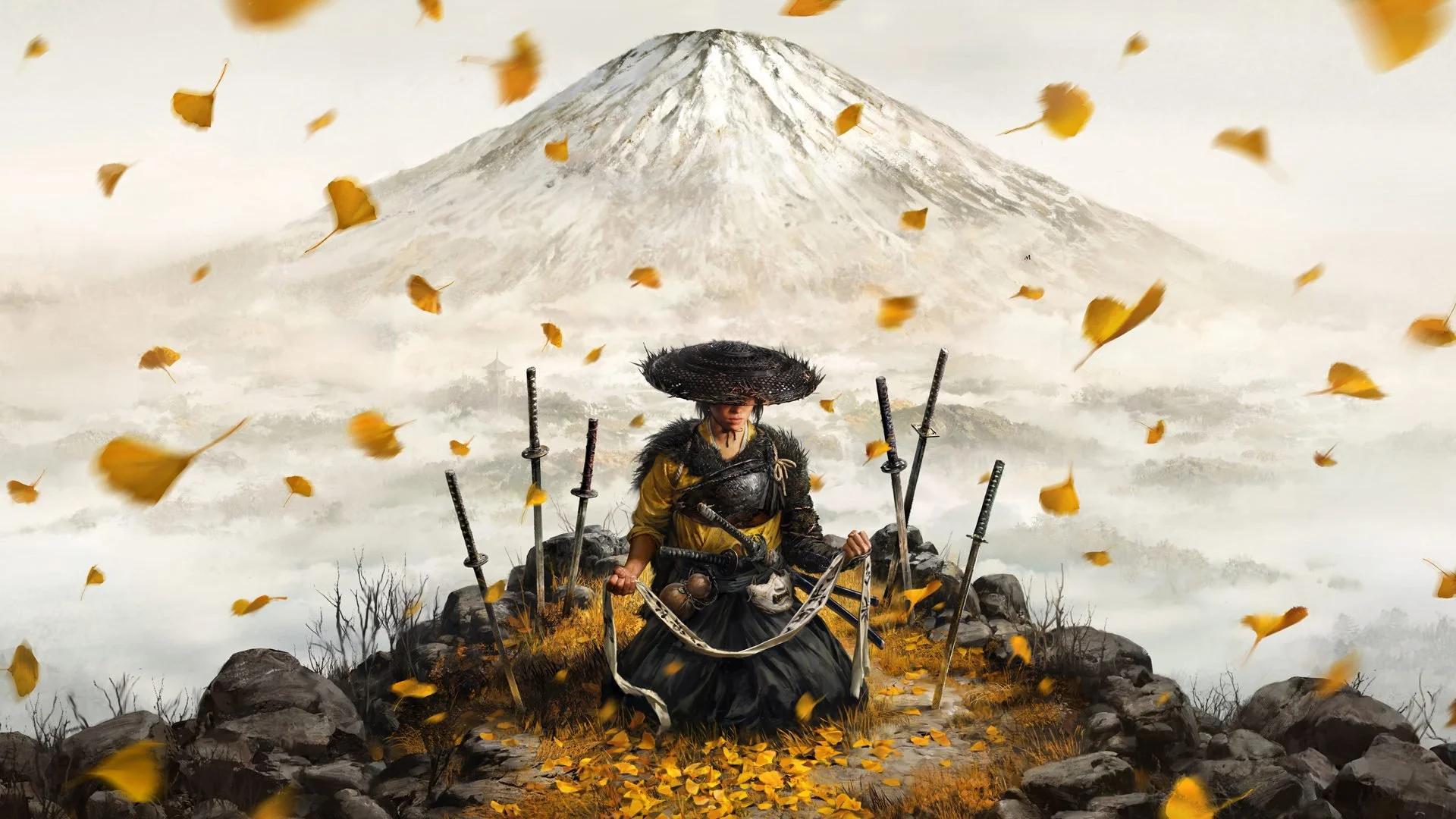
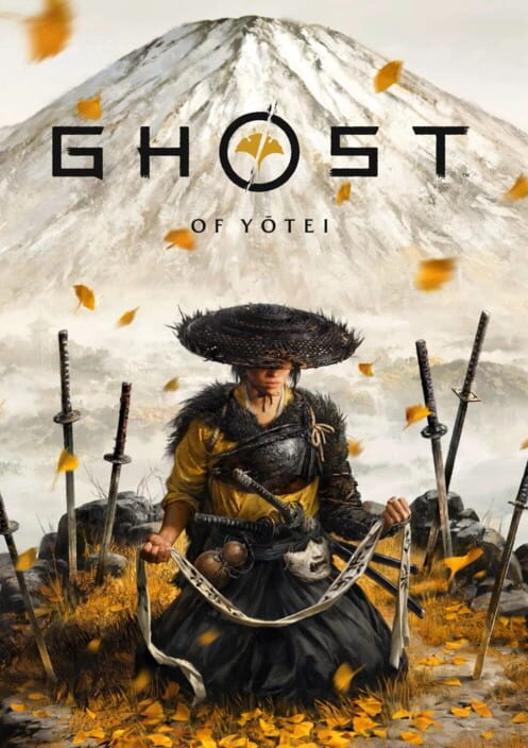
Ghost of Tsushima was one of my favourite games of the PS5 era, so I came to Ghost of Yotei with high expectations and a lot of goodwill toward the team. What Yotei does is take everything that worked about Tsushima's wind-guided exploration and expand the canvas considerably, set against Hokkaido in a later period with a different protagonist and a more personal revenge structure. It is a bigger, more confident game, and it lands in this list as the current flagship for anyone who wants a prestige historical open world. Whether it fully surpasses Tsushima is a conversation worth having. But under the logic of recommending the best current version of this kind of experience, Yotei is it.
- Released
- 20252025
- Genre
- RPGRPG
- Platforms
- PS5PlayStation 5
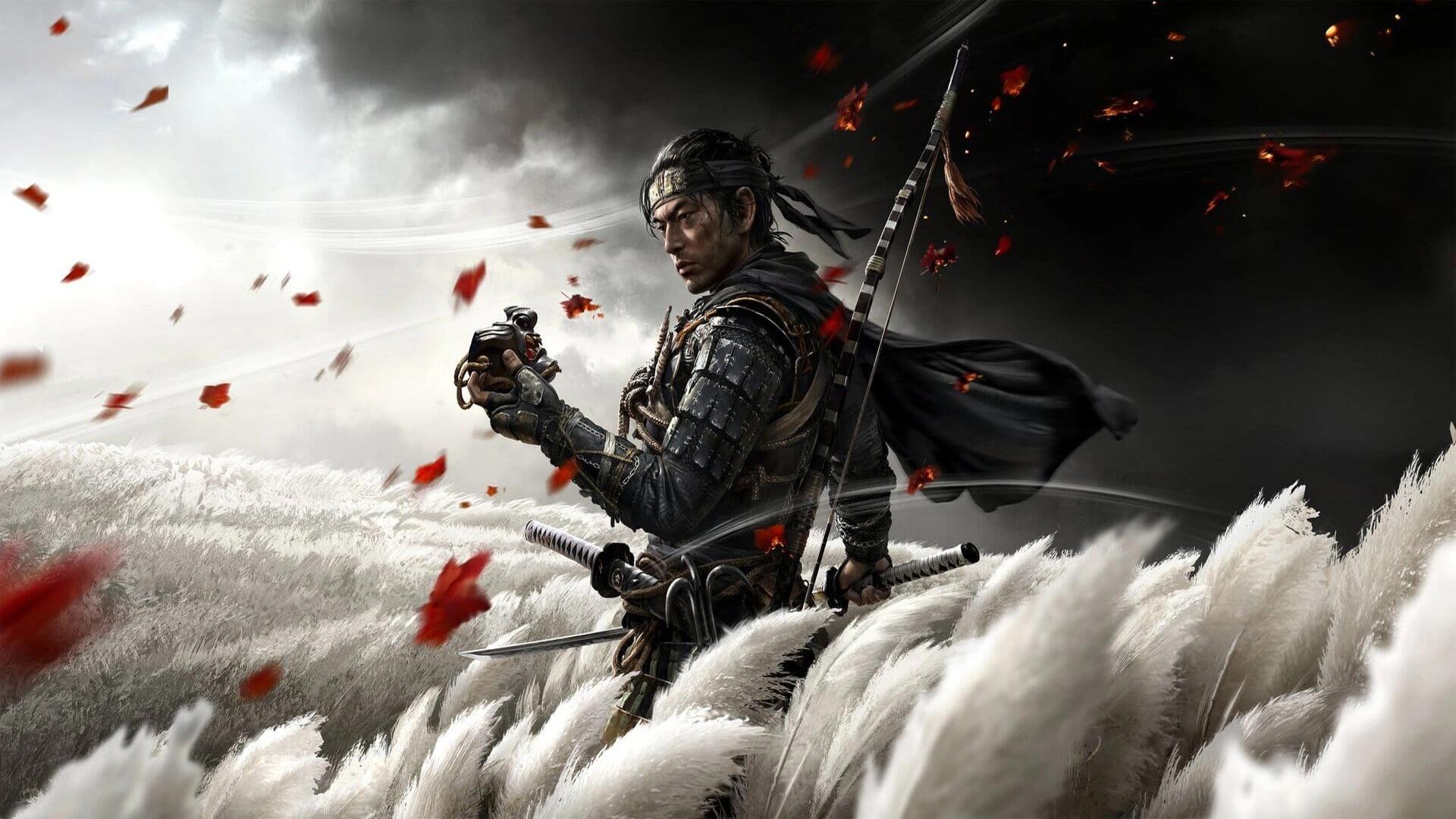
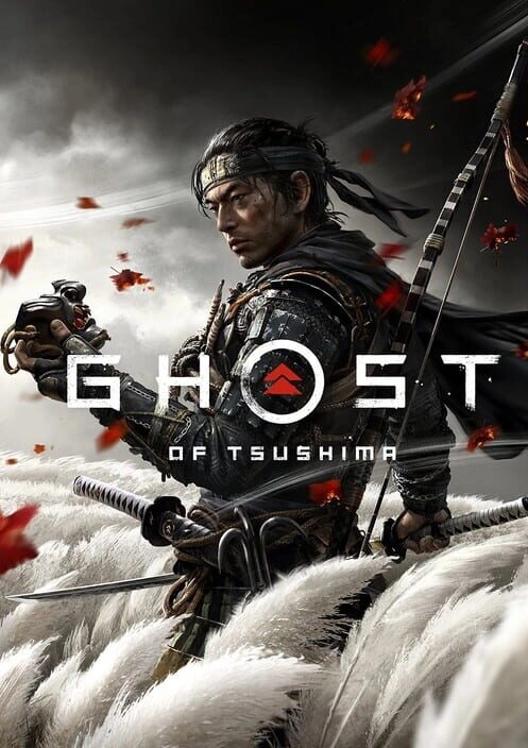
Ghost of Tsushima Director's Cut is still one of the best arguments for visual world design in the genre. The guiding wind mechanic sounds like a small thing. In practice it completely changes how you relate to the landscape, because you are always moving toward something rather than staring at a minimap. I played this on a QD-OLED and the contrast between black bamboo forests and golden light is genuinely something. It ranks below Yotei because that game builds on this one, not because Tsushima has gotten worse. If you have not played either, Yotei is the current recommendation. If you played Yotei first and want more of the same, come back to Tsushima without hesitation.
- Released
- 20202020
- Genre
- RPGRPG
- Platforms
- PS4, PS5PlayStation 4, PlayStation 5
If you want to know which of these hold up on a handheld or a budget machine, check out our Best Open World Games for Low-End PCs and Laptops guide for the performance-focused breakdown.
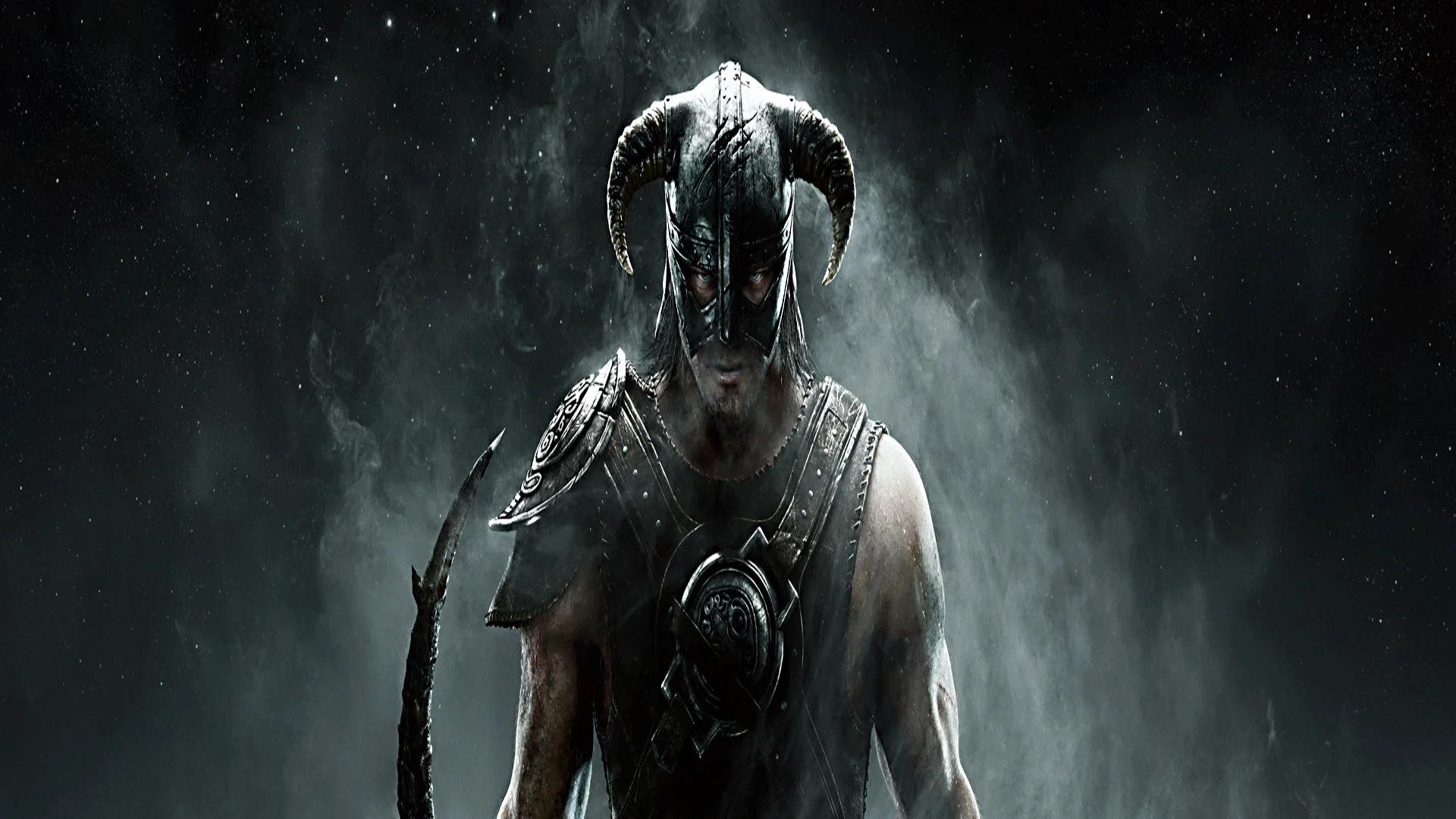
Skyrim is fifteen years old and it still does one thing better than almost anything else on this list: it makes you feel like the world was there before you arrived and will carry on after you leave. You can join a guild, ignore the main quest for thirty hours, and the game does not punish you for it or nudge you back. The Anniversary Edition is the version to get, though the mod situation on console is genuinely useful if you want quality-of-life improvements. The combat has not aged well, and anyone coming from Elden Ring will find it flat. But as a place to inhabit and wander, Skyrim remains one of the most forgiving and inviting open worlds ever built.
- Released
- 20112011
- Genre
- RPGRPG
- Platforms
- PCPC
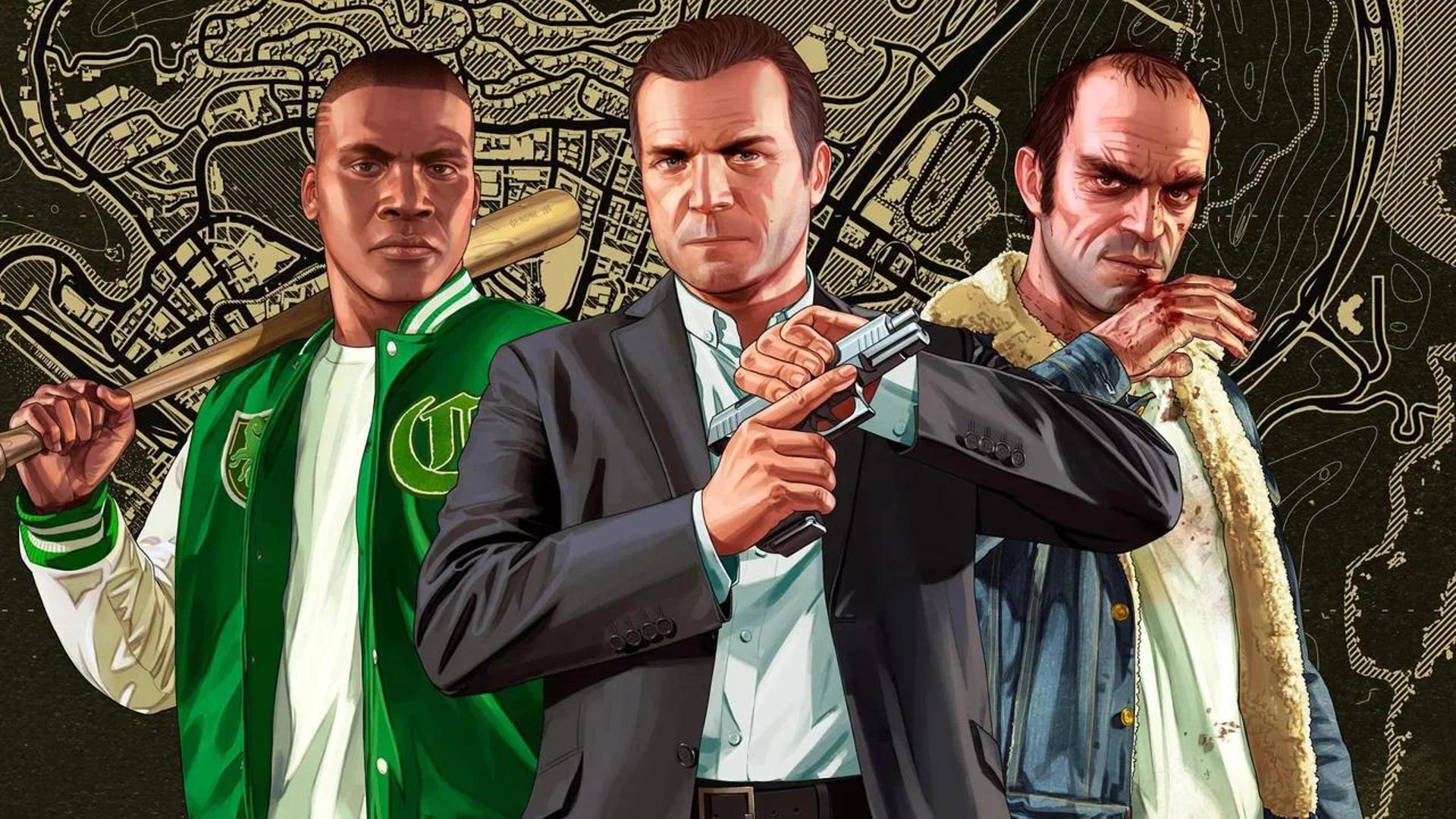
GTA V is twelve years old and Los Santos is still one of the most readable city sandboxes in gaming. Every district has a distinct personality. The physics systems mean that even just driving around produces unexpected moments. I grew up with the PS2-era GTAs and spent a lot of time with GTA V's story mode when it launched. The three-protagonist structure still works. What has changed is that newer open worlds have raised the bar on world reactivity, and Los Santos, for all its density, does not respond to you the way RDR2's frontier does. It earns its spot on this list through sheer staying power and the quality of its sandbox systems. GTA VI will change this conversation entirely when it arrives, but until then, Los Santos holds.
- Released
- 20132013
- Genre
- ShooterShooter
- Platforms
- PC, PS4, PS5, Xbox One, Series X|SPC, PlayStation 4, PlayStation 5, Xbox One, Xbox Series X/S
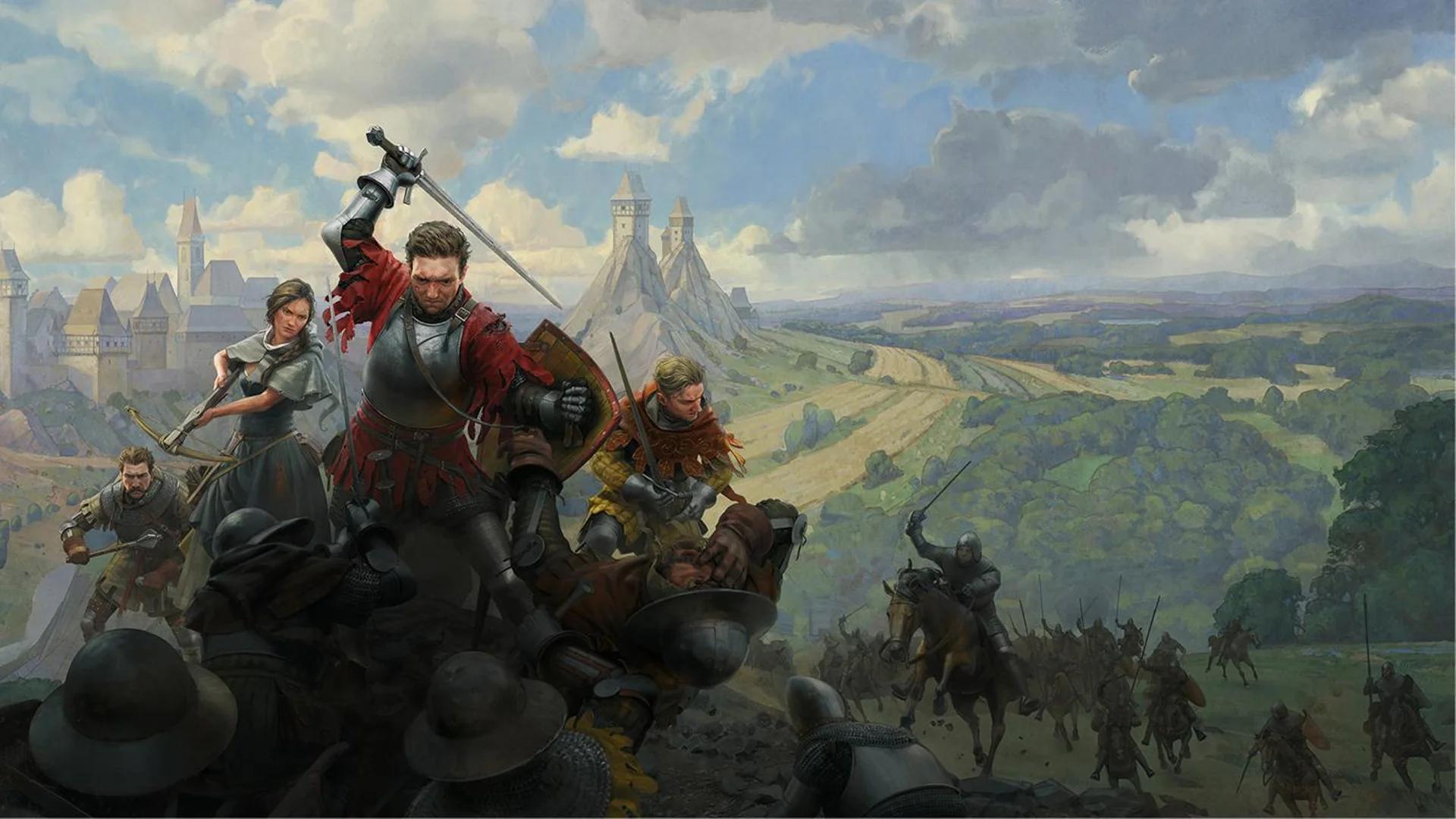
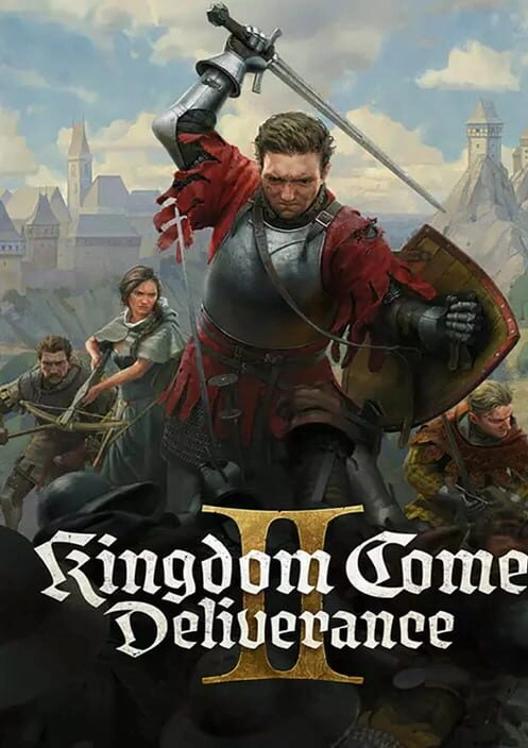
Kingdom Come: Deliverance II is the most grounded open world on this list. No magic, no robots, no supernatural plot scaffolding. Just Bohemia in 1403, rendered with an almost uncomfortable level of historical care. Henry's story picks up immediately from the first game, and the world simulation goes deep enough that your reputation in one town actually follows you. I enjoy history in games for the same reason I enjoy Ghost of Tsushima: the setting does work that pure fantasy has to invent from scratch. The onboarding is slower than anything else here and the combat requires patience to learn. But if you want an open world that feels genuinely different from the rest of this list, this is the one.
- Released
- 20252025
- Genre
- RPGRPG
- Platforms
- PC, PS5, Series X|SPC, PlayStation 5, Xbox Series X/S
Honorable Mentions
Five games that came close. Each one has a specific audience that should absolutely look past the top ten.
Final Fantasy VII Rebirth has the side content density of a full open-world game and the production values of a film franchise. The regional structure is more segmented than the genre leaders above it, which is the honest reason it landed here rather than in the top ten. Each region is large and worth exploring, but you move between them in a way that feels guided rather than free. If you are an FF7 fan or simply want a spectacular modern JRPG with a lot of world to cover, the recommendation is easy. Just go in knowing it plays more like a collection of expansive zones than a single unified open world.
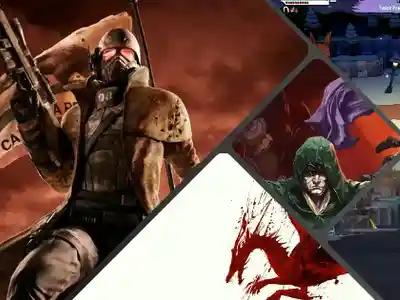
New Vegas is a game where a conversation can matter more than a gunfight, and the Mojave desert is built around that priority. The faction system still has no real equivalent in the genre: your choices have political weight, and the world's various factions remember what you did and respond accordingly. I know this sits awkwardly on a list trying to stay current, but its exclusion would be conspicuous. The main reason it missed the top ten is accessibility. The engine is dated, the combat has never been good, and first-time players in 2026 will hit friction that newer games simply do not have. If that is not a barrier for you, the role-play depth is still unmatched.
Horizon Forbidden West is the game I would hand to someone who wants a polished, approachable, visually spectacular open world without the learning curve of Elden Ring or the slow burn of Red Dead. The biome variety is real: you go from burned-out desert to flooded ruins to dense jungle inside the same playthrough. I have spent time with the Complete Edition and the glider traversal changes the relationship with the environment significantly. It missed the main list because the world, for all its beauty, does not surprise you the way the leaders do. Discovery feels managed. But managed well, and with a generosity that many harder games lack.
Ancient Greece is still one of Ubisoft's most convincing playgrounds. Odyssey committed to the RPG direction fully and the result is an enormous map with enough variety to stay interesting across the hundred-plus hours most players will put in. I have spent time with most of the modern Assassin's Creed games and Odyssey holds up as the most purely enjoyable to simply roam. The reason it missed the ten is that it is Ubisoft to its core: icons everywhere, activities designed to fill time, and a world that sometimes feels like it was built for the map rather than the other way around. Worth your time, but not quite at the standard of the games above it.
Death Stranding is the only game on this list where the terrain itself is the antagonist. You are not fighting enemies most of the time. You are fighting rivers, slopes, and the weight of whatever you are carrying. The Director's Cut adds enough quality-of-life improvements to make it the definitive version. I understand why this does not sit in the top ten. It is genuinely divisive and a difficult thing to recommend broadly when the same slot could go to something with wider appeal. But if you have exhausted the mainstream open worlds and want something that approaches exploration from a completely different angle, nothing else on any list feels like this.
Openworld Games by Platform or Type
In this article I covered just the best open-world games overall, independent of platform, budget, or type. If you're looking for something more specific, I also wrote some guides covering open-world games for PC, PS5 Switch and more. You can find them here:

Frequently Asked Questions
The questions that come up most often about open-world games and this list.
What makes a game count as a true open world?
The core requirement is meaningful freedom to explore without the game forcing you down a linear path. Large levels and hub areas do not qualify. A genuine open world lets you ignore the main objective, wander in a direction you chose yourself, and find something worth finding. The games on this list all pass that test.
Should I play Ghost of Tsushima or Ghost of Yotei first?
They are separate stories with separate protagonists, so you do not need Tsushima to understand Yotei. If you have time for both, Tsushima is a strong setup for the tone and traversal style. If you only have time for one, Yotei is the current recommendation because it builds on everything Tsushima established.
Is Cyberpunk 2077 actually worth playing now?
Yes, and I say that as someone who avoided it for years after launch. The 2.0 update rebuilt the skill system, fixed the majority of the technical issues, and the Phantom Liberty expansion adds a substantial new district. The version you can buy and play today is not the version that launched in 2020.
Which open-world game on this list is best for someone with limited time?
Ghost of Tsushima or Cyberpunk 2077. Both have strong main stories you can follow without drowning in side content, and both respect that you might want to put the controller down after two hours and pick it back up a week later without losing the thread. Elden Ring and Red Dead are excellent but demand more patience.
Is The Witcher 3 still worth starting in 2026?
Yes. The Complete Edition with both expansions included is one of the best value propositions in gaming right now. The next-gen update improved visuals and added some quality-of-life changes. The combat is not the best on this list, but the quest writing still has no equal in the open-world RPG space.
Conclusion
The ten games on this list cover dark fantasy, historical westerns, feudal Japan, medieval Bohemia, dystopian cities, and post-apocalyptic deserts. The one thing they share is that their worlds feel worth exploring beyond the next marker. If you are working through this list and want to take it to a specific platform or budget, our Best Open World Games on PlayStation Plus guide covers what is available through subscription right now, and our Best Open World Games for Steam Deck guide handles the portable angle.
Ready for more tailored picks? Try our Recommendations Engine for suggestions that match your play style.