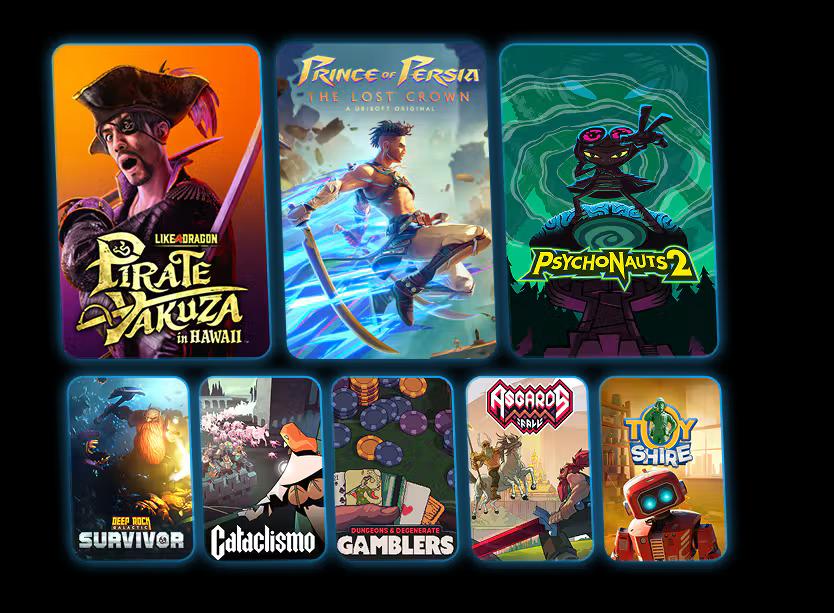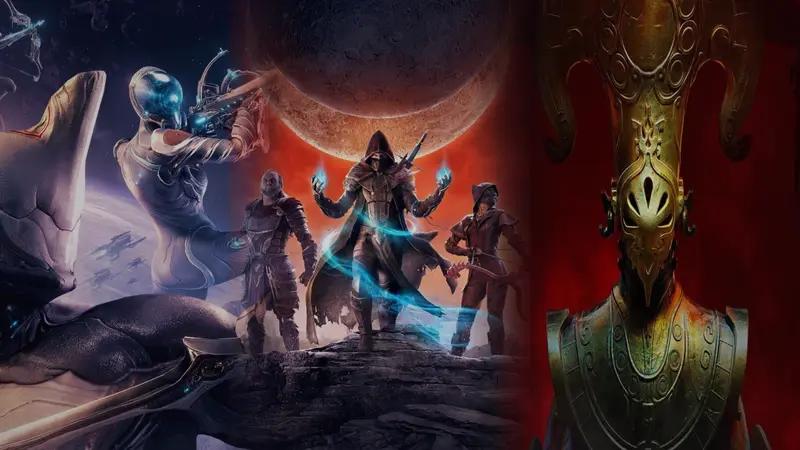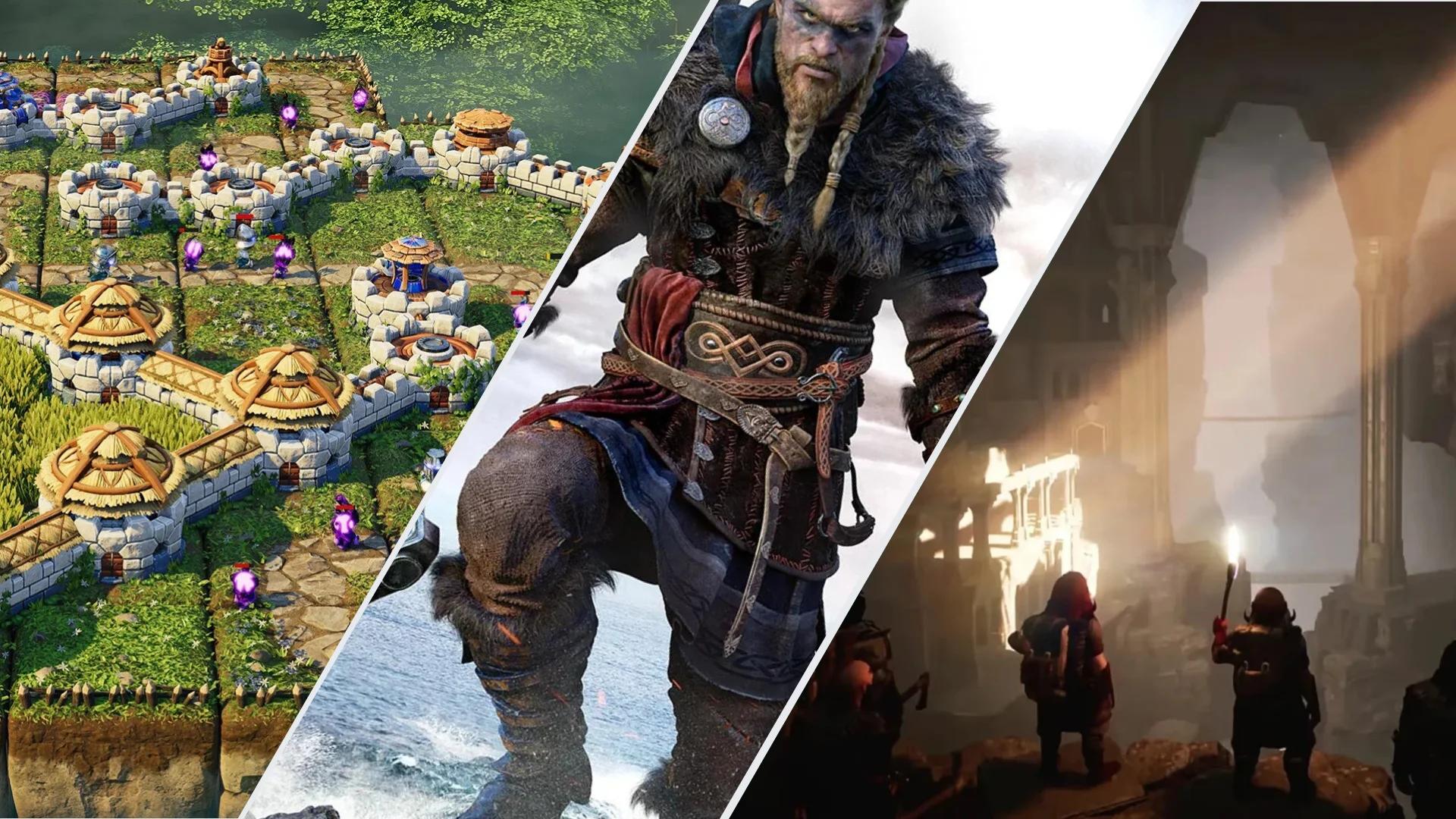

Humble Choice drops eight PC games into your Steam library every month for a flat subscription fee. Some months you get two or three games you'd genuinely buy on their own. Some months you get one and a bunch of padding. The question is always the same: how many of these eight games are actually going to get played?
We go through every title each month and give you an honest read on what it is, what it feels like, and where it falls short. Not to replace your judgment, but to give you enough to exercise it. The bundle runs until May 5. Subscription is $12.99 per month.
This Month's Bundle: April 2026
A big AAA headliner alongside a strong spread of indie and mid-size titles. Combined retail value sits above $230. There's an open-world Viking RPG, a mech action game, a Lord of the Rings survival crafter, two narrative-driven indie games, a tower defense puzzler, a surreal point-and-click comedy, and a psychological horror game disguised as a retro friendship simulator. Wide range. Whether it matches your tastes is what the rest of this article is for.
All Games Reviewed
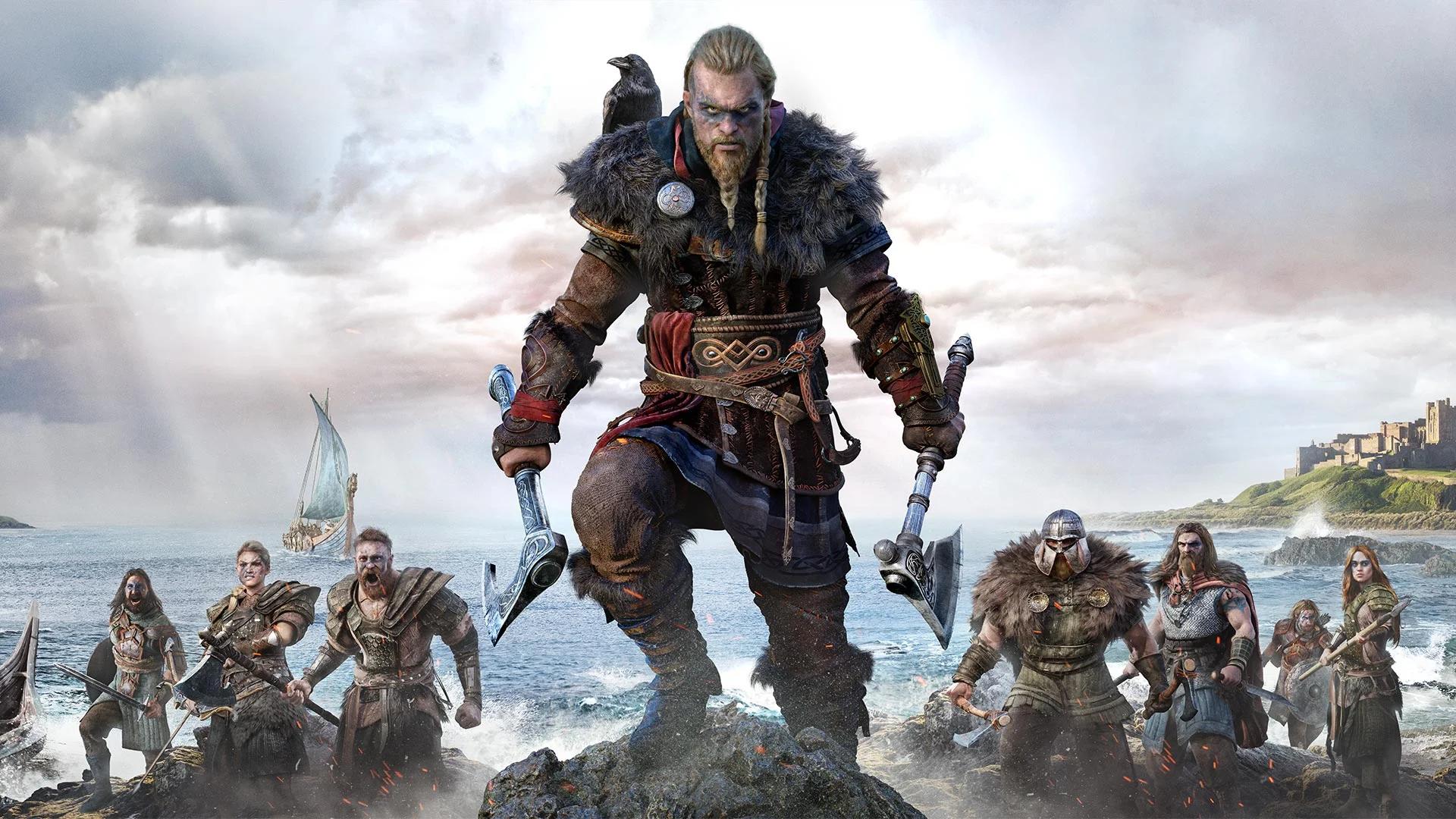
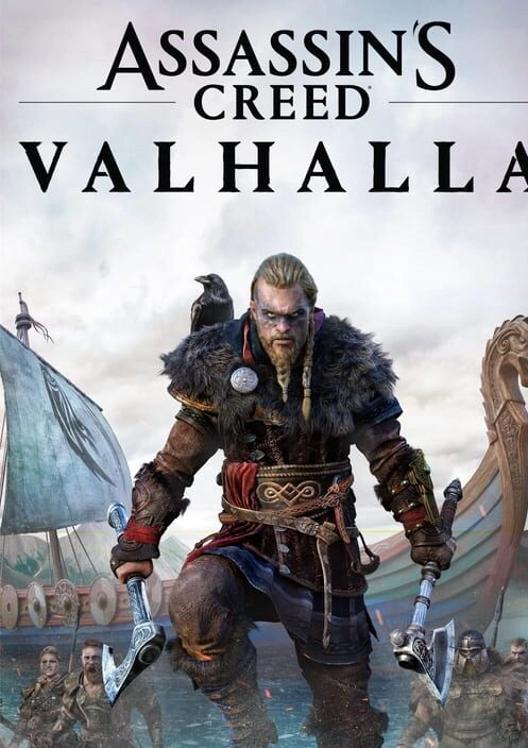
I'll be transparent: I'm currently playing Valhalla. Have been for a few weeks. It's the kind of game I'd normally take months to finish, not because it's bad, but because it's built for a specific rhythm. Late evenings, an hour or two at a time, no rush. You play Eivor, a Viking warrior building a settlement in England while getting tangled in the usual Assassin's Creed conflict between the Brotherhood and the Order of Ancients. The map is enormous, the side content is genuinely varied, and the combat has enough weight to it that clearing out a monastery with a two-handed axe doesn't get old as quickly as you'd expect. The honest caveat: this is Ubisoft at their most maximalist. If the franchise has ever fatigued you before, Valhalla will not be the cure. And one practical warning worth knowing before you claim the key. Activating the base game locks you out of purchasing a higher edition later. If you want the full DLC content eventually, buy the Complete Edition on sale rather than upgrading piecemeal. The math works out worse if you start with the base key. What I will say is that Valhalla scratches an itch I didn't know I still had. There's something genuinely calming about sailing up a river at dusk, raiding a monastery, then sitting in my settlement watching it slowly grow. It doesn't demand your full attention every second. For open-world fans who like to explore at their own pace and haven't played it yet, this is a genuinely good time to grab it.
- Released
- 20202020
- Genre
- RPGRPG
- Platforms
- PC, PS4, PS5, Xbox One, Series X|SPC, PlayStation 4, PlayStation 5, Xbox One, Xbox Series X/S
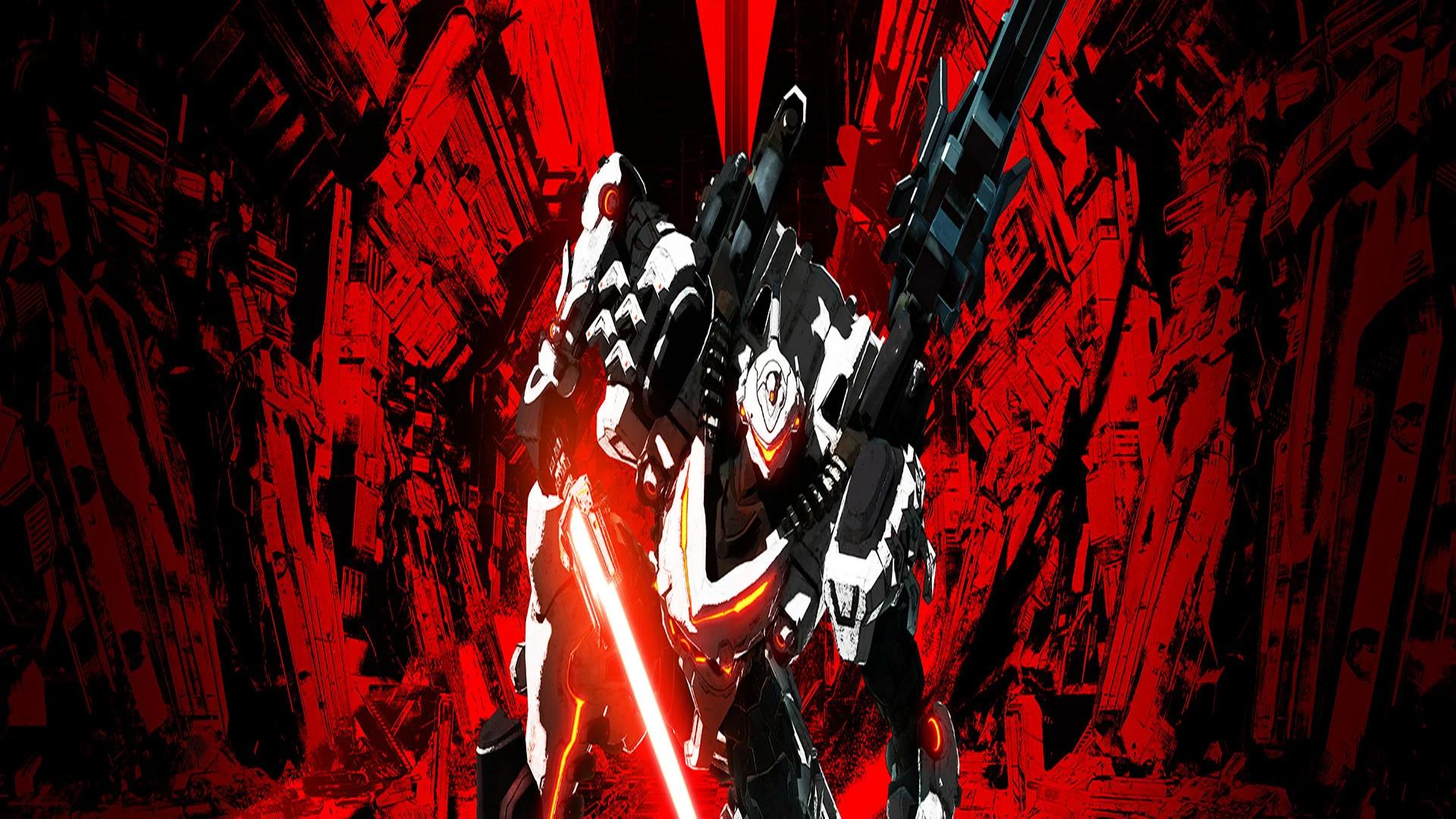
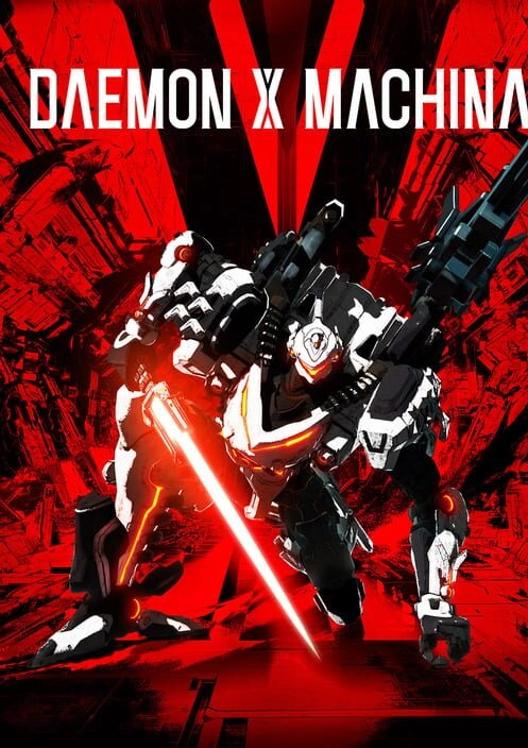
This is the most expensive game in the bundle at retail, and the one I knew least about going in. Daemon X Machina is a fast-paced mech action game from Marvelous Inc., the studio behind Senran Kagura and Story of Seasons. Don't let those credentials confuse you, Titanic Scion is built around high-speed airborne combat where you customize every component of your mech, called an Arsenal, and deploy it against increasingly unhinged enemy scenarios. The customization system is genuinely deep. Weapons, body parts, stats, all swappable, all affecting how the Arsenal handles in the air. If you're the kind of player who enjoys building a loadout as much as using it, this rewards that instinct. If you prefer to just pick up a game and have it explain itself quickly, Titanic Scion asks for more patience than it probably should before it clicks. Online co-op supports up to four players. The solo campaign holds up on its own, though the story won't win awards. For mech fans or anyone who bounced off the genre before and wants another angle, this is one of the better-looking entry points in a while.
- Released
- 20192019
- Genre
- ShooterShooter
- Platforms
- PC, SwitchPC, Nintendo Switch
“Already convinced?”
Bundle available until may 5th
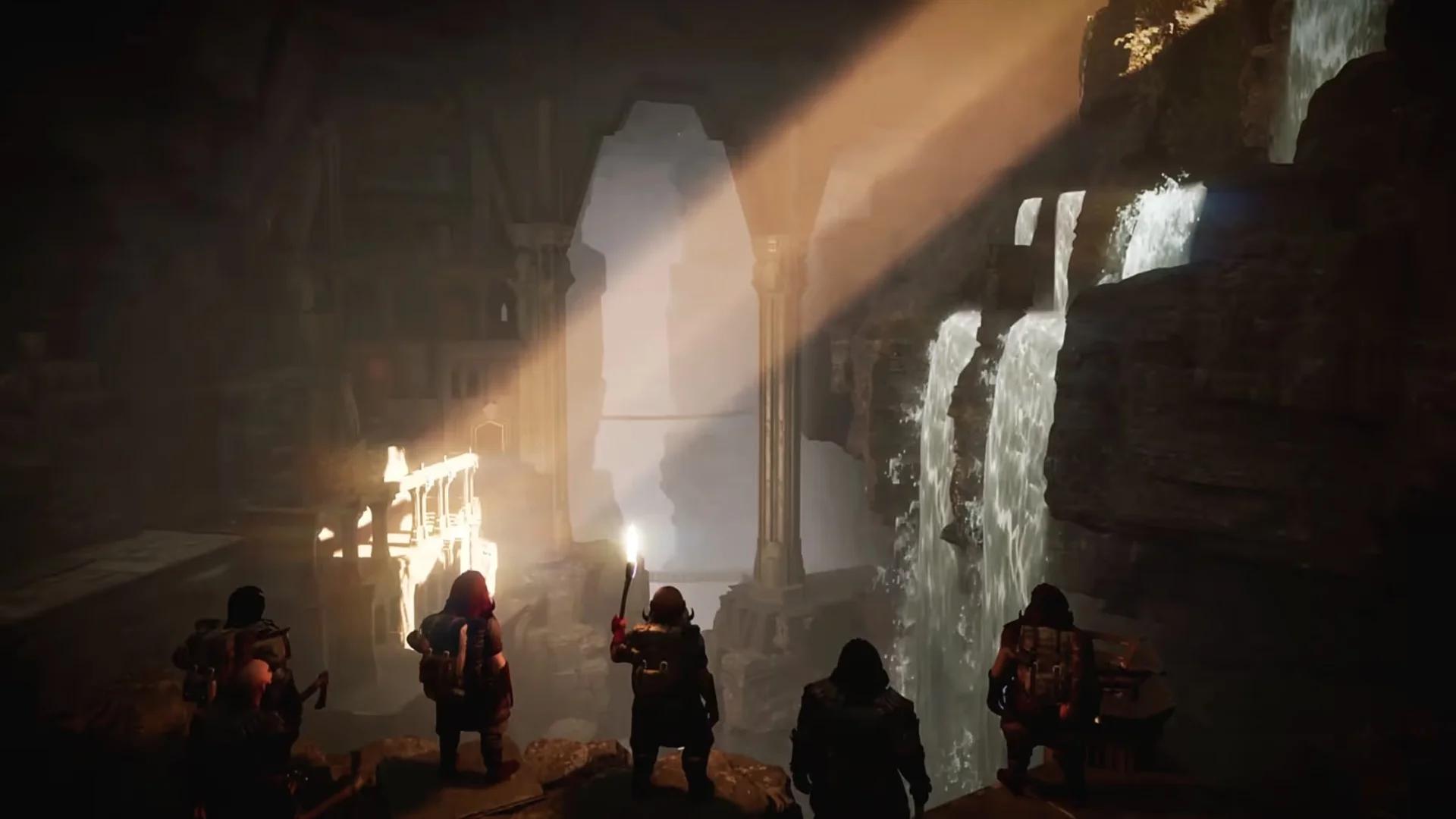
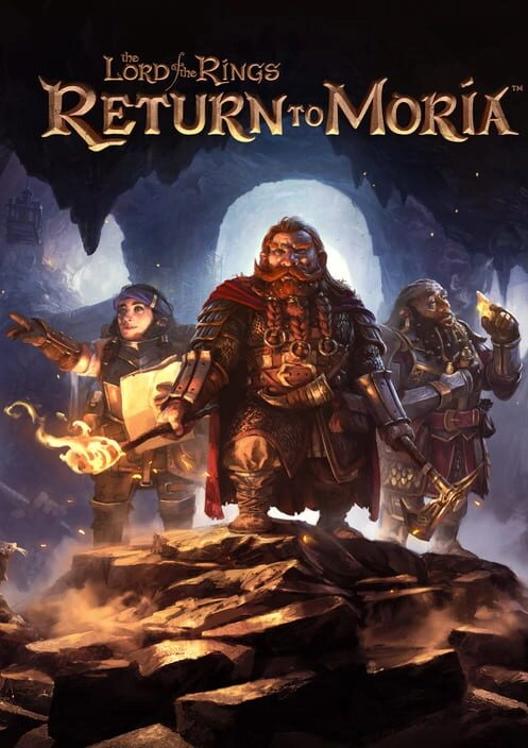
I have a soft spot for anything set in Middle-earth. Always have. It's the fantasy world I keep coming back to across games, films, and books, and the idea of playing a Dwarf reclaiming Moria genuinely got my attention in a way that most survival crafters don't. You are a Dwarf. Moria has been reclaimed in name. Now you need to dig through it, rebuild it, and survive whatever is still lurking in the dark. Return to Moria is a survival crafting game in the vein of Valheim, set in the Fourth Age of Middle-earth with lore that takes the source material seriously. Up to 8-player co-op online. The procedurally generated depths mean no two playthroughs share the same layout, which matters more than it sounds. Mining into a new cavern and not knowing what you'll find keeps the pacing alive in a genre that can go flat once you've seen everything. The building and crafting systems aren't as deep as some competitors, but there's enough here to keep a group busy for 20 to 30 hours. Solo is playable and honestly more atmospheric than I expected. Quieter, slower, but the feeling of being alone underground in Moria, hearing something move before you can see it, does a lot of the heavy lifting. If you have two or three friends who like survival games, though, that's clearly the better use case. This one lands near the top of the bundle for me.
- Released
- 20232023
- Genre
- RPGRPG
- Platforms
- PC, PS5, Series X|SPC, PlayStation 5, Xbox Series X/S
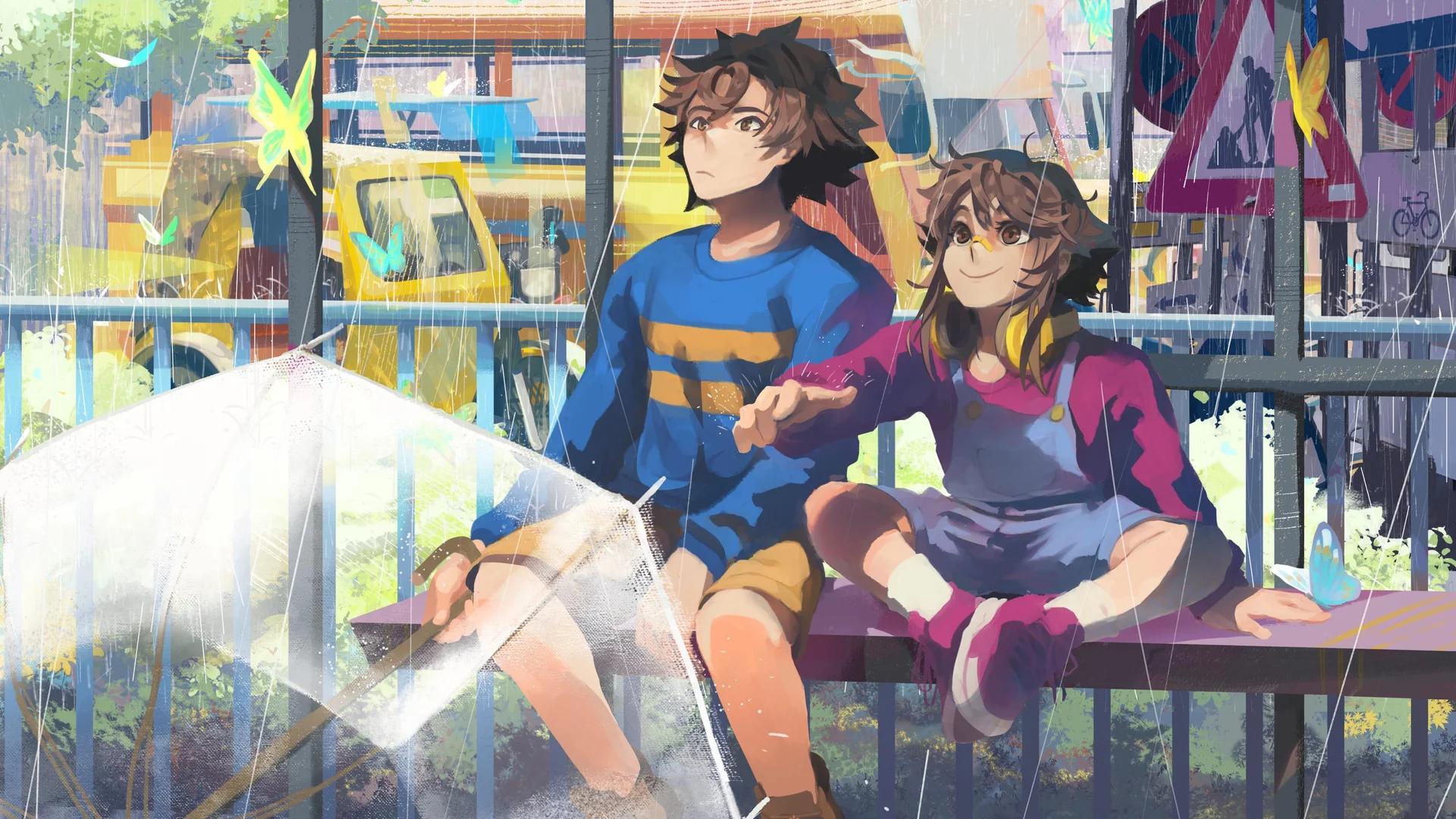
Until Then is not trying to be a game in the traditional sense. You play Mark, a teenager in Manila navigating school, relationships, and a world quietly changing around him. The controls are minimal. The focus is entirely on character, dialogue, and emotional beats that build slowly over roughly 8 to 10 hours. I'll say this: it does things with mundane detail that most narrative games don't bother with. The way conversations drift, the way friendships feel effortless until they don't, it lands those moments better than a lot of bigger productions with larger budgets. The art has a clean, hand-drawn warmth to it, and the soundtrack does exactly what it should. This is not for everyone. If you need mechanical depth or gameplay to stay engaged, Until Then will lose you in the first hour. But for players who liked Spiritfarer, Omori, or games in that register, this fits comfortably in that company. Metacritic sits at 81. Steam reviews land at 89% positive.

- Released
- 20242024
- Genre
- AdventureAdventure
- Platforms
- Linux, macOS, PC, PS5, Switch, Series X|SLinux, macOS, PC, PlayStation 5, Nintendo Switch, Xbox Series X/S

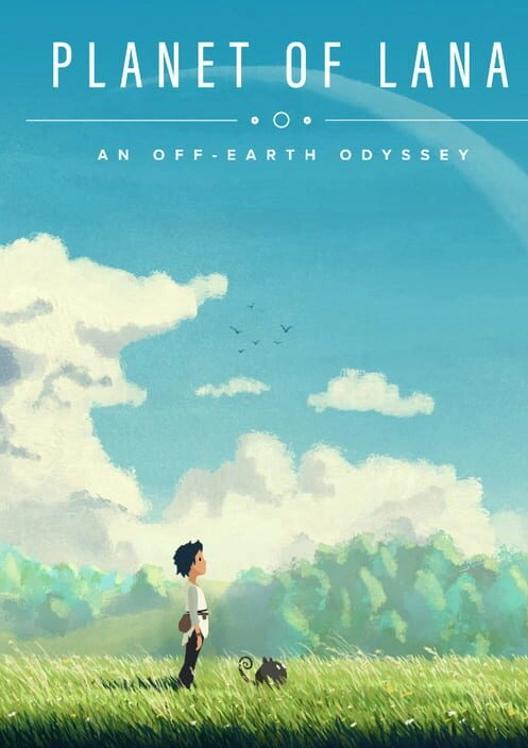
Planet of Lana looks like a painting in motion. The background layers scroll at different depths, the color shifts between biomes are striking, and the whole thing is designed to feel like someone's illustration come to life rather than a video game trying to mimic one. Developed by Wishfully and published by Thunderful, it runs about 5 to 6 hours. You play Lana, searching for her sister after machines invade her planet. No dialogue. No text. The story is told entirely through action and expression, and it mostly works. Puzzles involve your companion Mui, a small creature with abilities you use to interact with the environment: distract enemies, trigger mechanisms, cross gaps. Nothing here is going to stump you for long, and that's a reasonable criticism if you want real puzzle resistance. For the price it would normally cost, I think you'd want a bit more. As part of a bundle, it's a clean 5 hours of something genuinely pretty and well-made. Good for a Sunday afternoon when you don't want to commit to anything heavy.
- Released
- 20232023
- Genre
- PlatformerPlatformer
- Platforms
- Android, iOS, PC, PS4, PS5, Switch, Xbox One, Series X|SAndroid, iOS, PC, PlayStation 4, PlayStation 5, Nintendo Switch, Xbox One, Xbox Series X/S
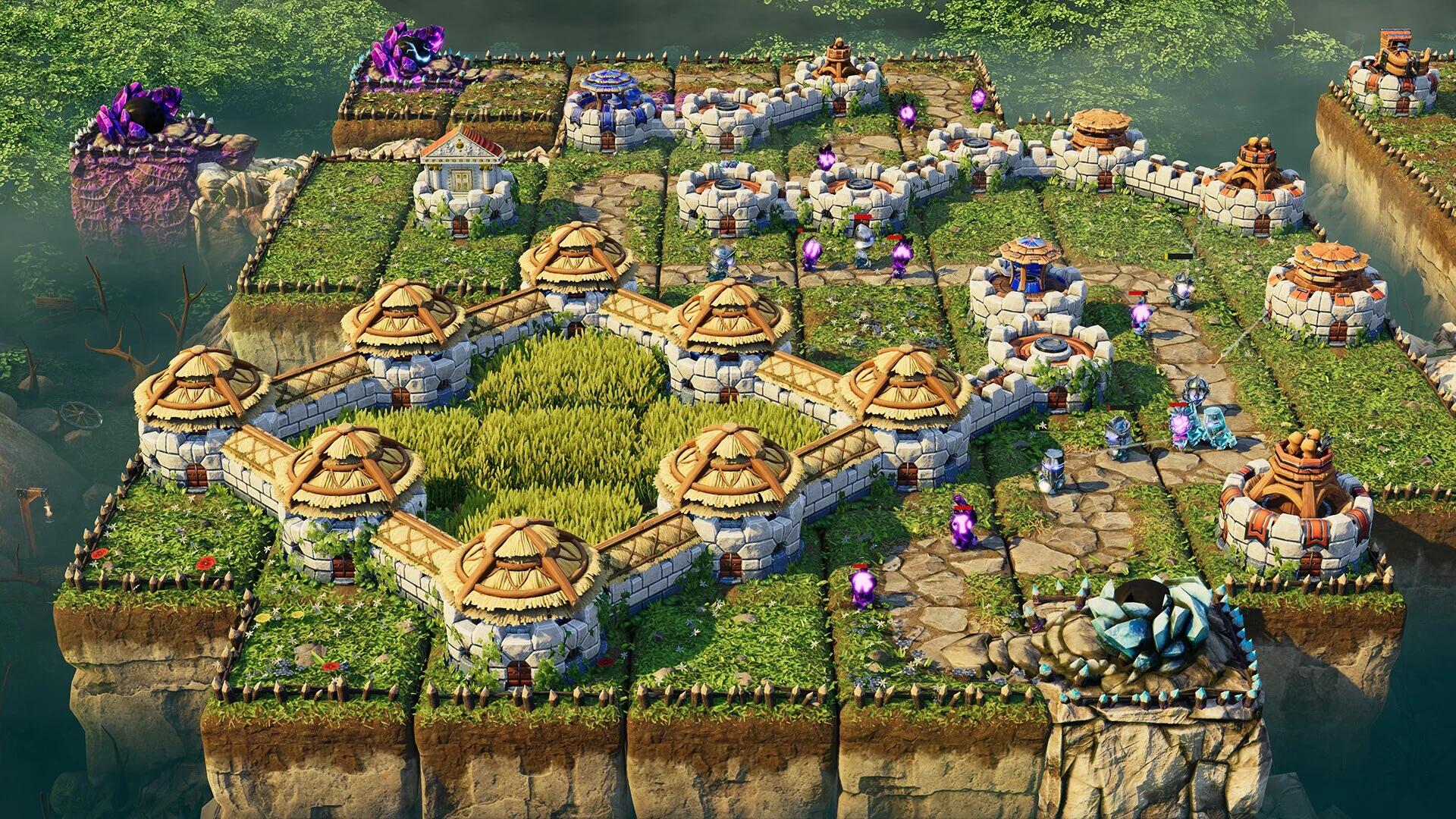
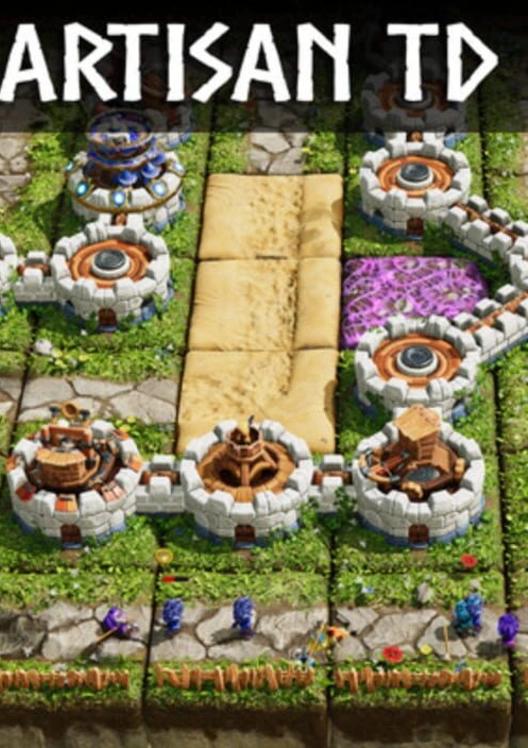
There was a period, probably around 2008, where I lost more hours than I'd like to admit to browser-based tower defense games. Desktop Tower Defense, Bloons, whatever was on Miniclip that week. I'm not proud of it, but it explains why Artisan TD caught my eye immediately. Most tower defense games give you a fixed path and ask you to place towers along it. Artisan TD flips that. You design the path itself. Enemies travel from entry to exit, and your job is to build a maze that delays them as long as possible while the towers do the work. It's a puzzle-first take on the genre, and the mechanic genuinely changes how you think about it. Instead of tower stats, you're thinking about corners, bottlenecks, and how to squeeze as many tiles of distance as possible out of a limited grid. It's the bundle's smallest game, and not trying to hide that. No sprawling campaign, no deep progression system. What's here is tight and focused, and for anyone with the same slightly embarrassing browser-game history as mine, it has the same quality that made those games hard to close. Worth an hour before you dismiss it.
- Released
- 20242024
- Genre
- PuzzlePuzzle
- Platforms
- PCPC
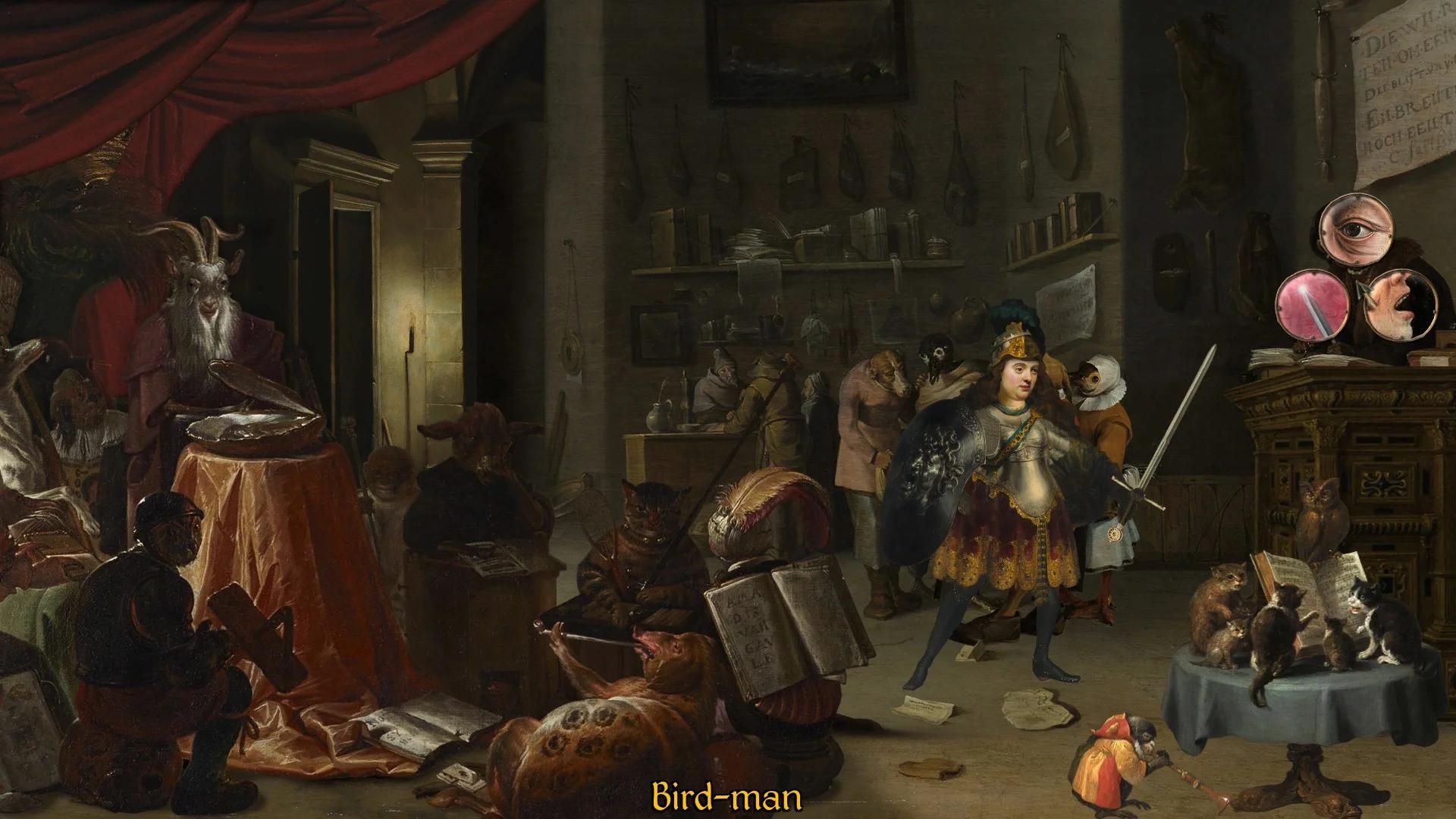
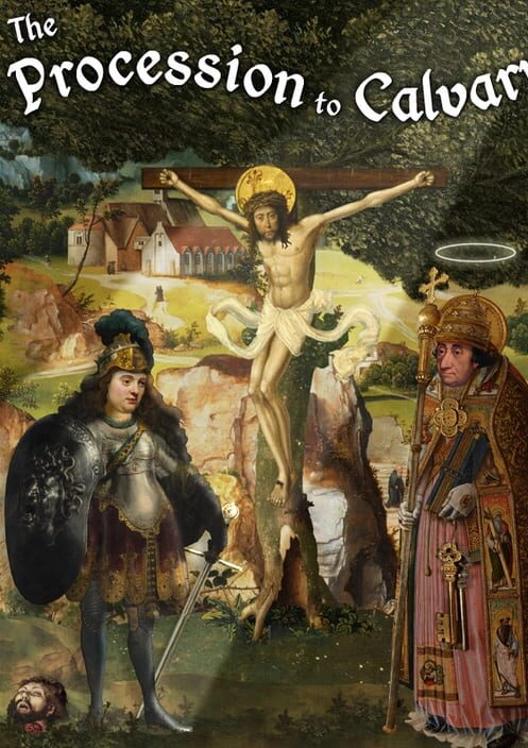
The Procession to Calvary is a point-and-click game where the backgrounds, characters, and environments are all assembled from actual Renaissance-era paintings. The art is serious. Nothing else is. The humor is deadpan, anachronistic, and closer to Monty Python than anything else I can think of. Characters discuss modern concepts while standing in 15th-century frames, and the game leans into the visual absurdity at every turn. It runs about 3 hours, which is the right length for this kind of thing. Any longer and the joke would wear thin. At 3 hours, it stays funny and weird without overstaying its welcome. The point-and-click puzzles are not the reason to play this. Some are satisfying, some are arbitrary, and you'll likely hit a wall that sends you to a walkthrough at some point. The reason to play it is the writing and the commitment to the bit. If that sounds like your kind of entertainment, I think you'll have a good time.
- Released
- 20202020
- Genre
- AdventureAdventure
- Platforms
- Android, iOS, Linux, macOS, PC, PS4, Switch, Xbox OneAndroid, iOS, Linux, macOS, PC, PlayStation 4, Nintendo Switch, Xbox One
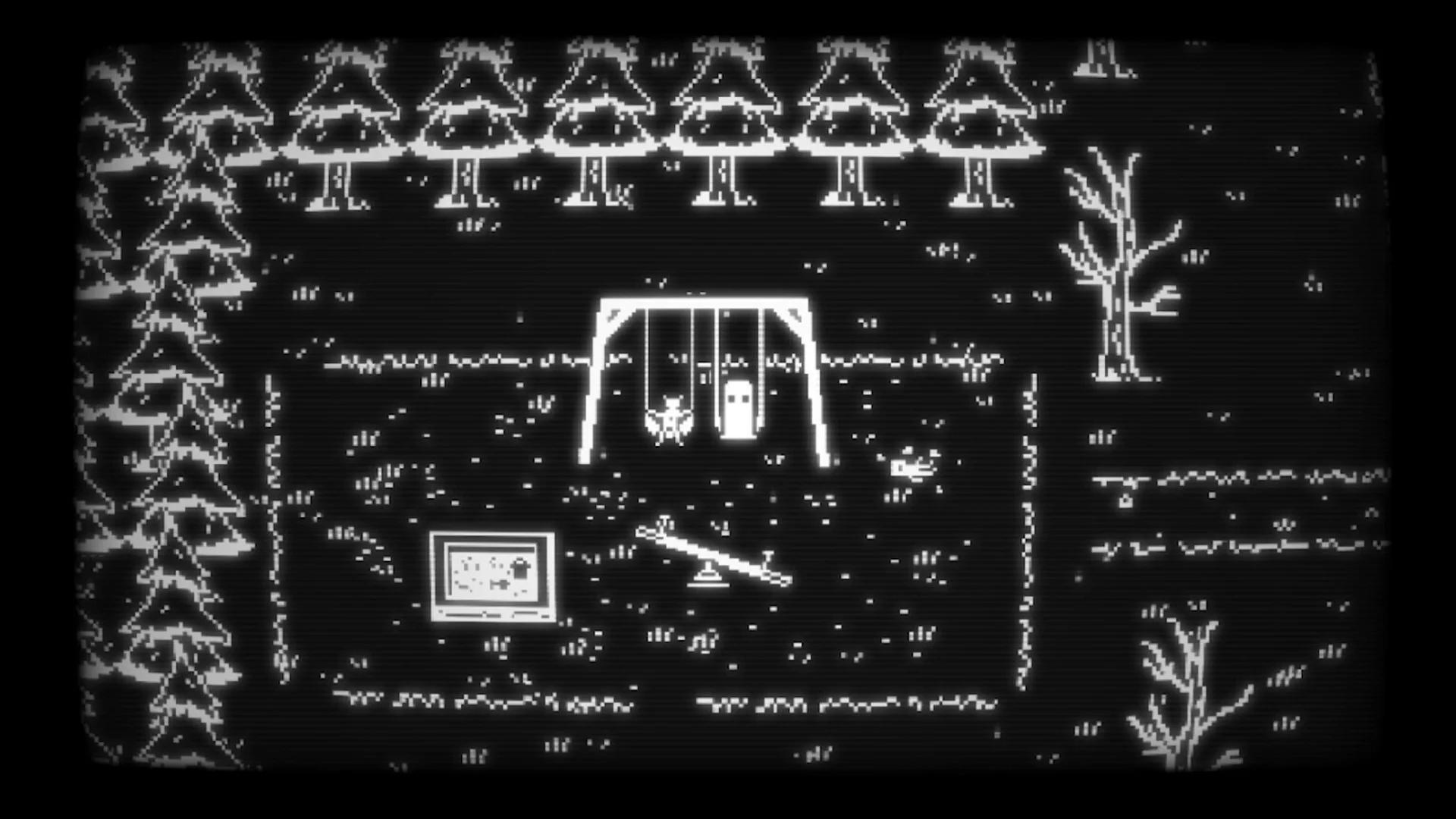
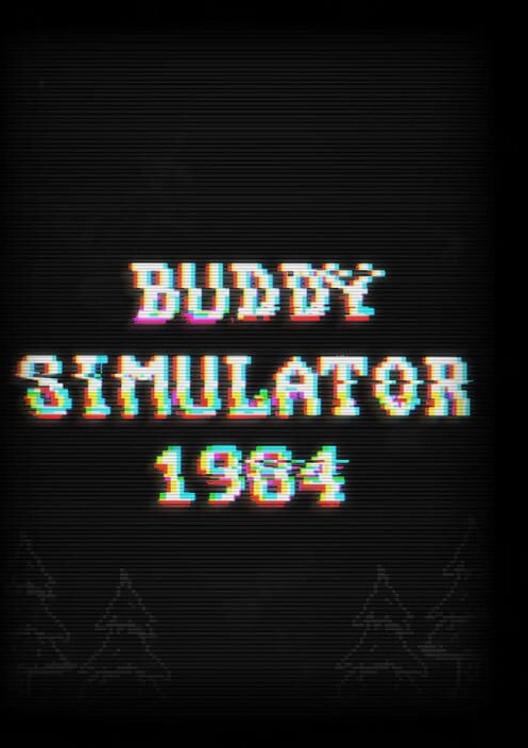
Go in knowing as little as possible. That's the honest advice and also the whole review if you trust it. The longer version: you boot up what looks like a 1984 computer terminal. An AI introduces itself and wants to be your friend. You play simple minigames together. Hangman, guess the number, rock-paper-scissors. Then it decides to make a more complex game for you. Then things start to shift. The game changes genres, visual styles, and tone across roughly 6 hours, and the moment it starts making you feel uncomfortable is the moment it's working exactly as intended. The comparison points are Undertale and Doki Doki Literature Club. If either of those landed for you, this is worth your time. The text-based early section requires actual typing and can feel slow, especially if you go in expecting action. Push through it. Everything that comes after earns that patience. Steam reviews sit at 84% positive. It came out in 2021 and has the kind of cult reputation that tends to outlast flashier releases.
- Released
- 20212021
- Genre
- RPGRPG
- Platforms
- PC, PS4, PS5, Switch, Xbox One, Series X|SPC, PlayStation 4, PlayStation 5, Nintendo Switch, Xbox One, Xbox Series X/S
Our picks this month
So, Is It Worth It?
The honest answer, as always, depends on which two or three games match your taste. If Assassin's Creed Valhalla is already in your library and none of the others jump out at you, this is a month to skip. There's no shame in that, and skipping is a feature Humble Choice actually supports. But if you haven't played Valhalla, or if Until Then or Return to Moria line up with what you've been looking for, the math gets easy quickly.
Eight games, $14.99. The rest is your call.
If you think Humble Choice is worth it go check it out on the Humble Choice page.