
Go in knowing as little as possible. That's the honest advice and also the whole review if you trust it. The longer version: you boot up what looks like a 1984 computer terminal. An AI introduces itself and wants to be your friend. You play simple minigames together. Hangman, guess the number, rock-paper-scissors. Then it decides to make a more complex game for you. Then things start to shift. The game changes genres, visual styles, and tone across roughly 6 hours, and the moment it starts making you feel uncomfortable is the moment it's working exactly as intended. The comparison points are Undertale and Doki Doki Literature Club. If either of those landed for you, this is worth your time. The text-based early section requires actual typing and can feel slow, especially if you go in expecting action. Push through it. Everything that comes after earns that patience. Steam reviews sit at 84% positive. It came out in 2021 and has the kind of cult reputation that tends to outlast flashier releases.
Buddy Simulator 1984
February 18, 2021RPGESRB TMetacritic 79
The Verdict
Best if you want a creepy, unsettling interactive experience wrapped in a disarmingly cheerful retro-computer aesthetic — think cozy friendship sim that slowly, deliberately gets under your skin.

Software architect and father of two based in the Netherlands. Been gaming since MS-DOS Mario. Writes honest recommendations for people with limited evenings and too many games left to play.
What It's Like to Play
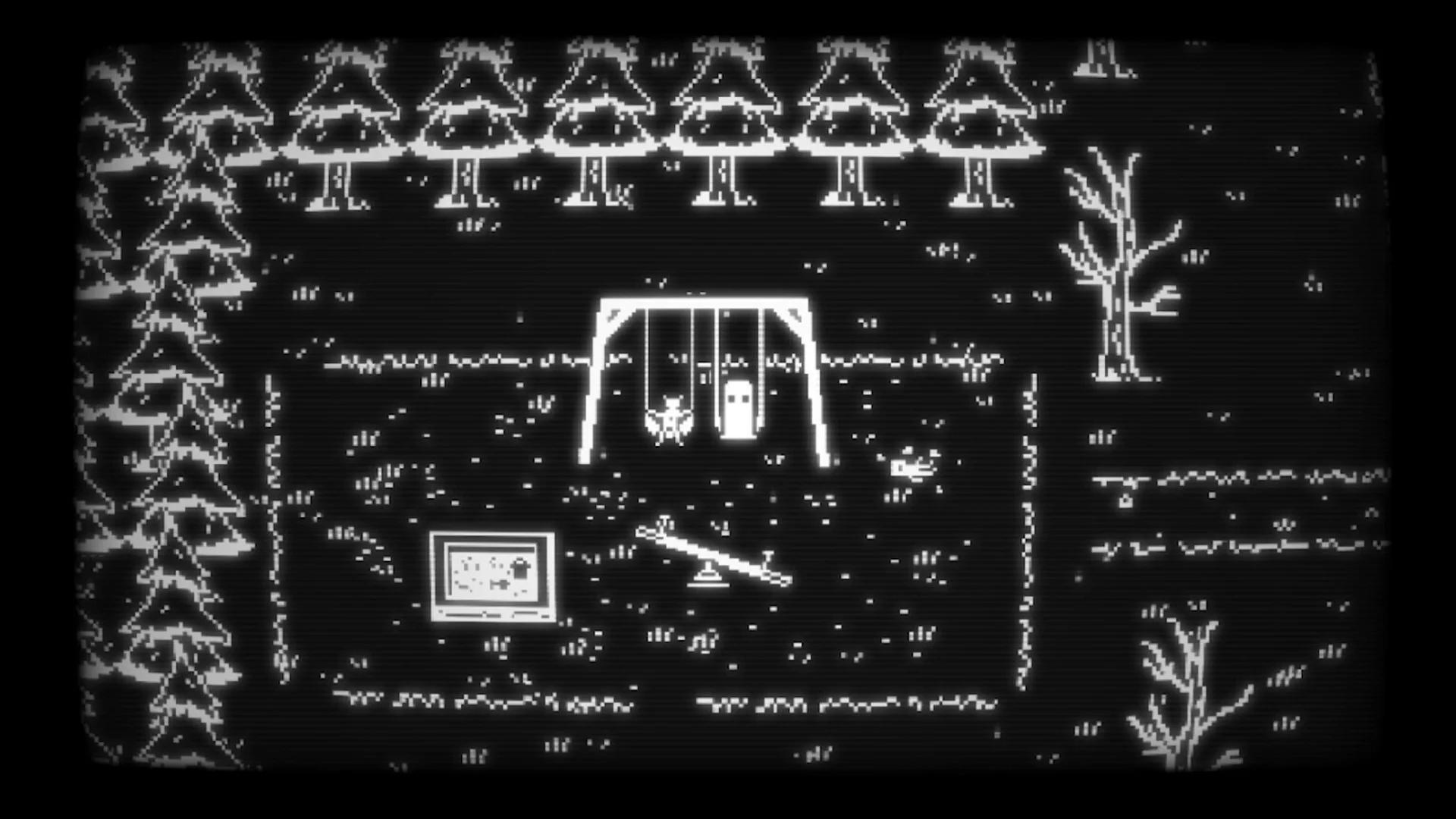
Buddy Simulator 1984 presents itself as a wholesome 1980s-era AI companion program, and that framing is both its greatest charm and its sharpest hook. You start by chatting with a friendly virtual buddy, answering simple questions about yourself, and playing lo-fi minigames — rock, paper, scissors, hangman, and a handful of other retro diversions. The tone is warm and goofy at first, mimicking the earnest optimism of early home computing culture. What makes this game distinctive is how carefully it dismantles that comfort. The experience is deliberately paced to reward patience — early sessions feel almost mundane, even charming, but the game is quietly accumulating details and shifting its behavior in ways that feel genuinely unnerving over time. It's less about jump scares or explicit horror and more about a slow creep of wrongness that's hard to articulate but impossible to ignore. The learning curve is essentially flat. There's no combat, no complex systems to master, and no fail states to worry about. You interact through text choices and simple minigames, making this extremely accessible to non-traditional gamers. Sessions can run short — you can dip in for 20–30 minutes — but the experience is designed to be completed in one to three sittings, with a total playtime of roughly two to four hours. Replayability is limited by design. This is a single-playthrough experience meant to land its effect once, cleanly. Think of it less like a game you'll return to and more like a short, carefully crafted interactive piece. The Metacritic score of 79 reflects that it does exactly what it sets out to do, for the right audience. What Buddy Simulator 1984 does exceptionally well is atmosphere. The retro CRT visual style, the chirpy synthesizer audio, and the deliberately stilted text interactions all work together to create something that feels genuinely distinctive. If you enjoy games that use their interface and presentation as part of the experience itself — where *how* you interact is part of the unsettling effect — this is a particularly well-executed example of that genre.
Best For
- Horror-curious players who prefer psychological dread over action or gore
- Fans of meta, interface-driven indie experiences like Undertale or Doki Doki Literature Club
- Players looking for a short, complete, memorable experience in a single evening
Not For
- Players expecting deep gameplay systems, replayability, or long-form content
- Those sensitive to flashing lights (the game carries a relevant warning)
- Anyone wanting a straightforward, feel-good casual companion sim with no unsettling elements
About Buddy Simulator 1984
Story setup
At a glance
Screenshots
Click any screenshot to view it full size.
Multiplayer & game modes
Buddy Simulator 1984 does not support crossplay.
Features
Play Modes
Single Player
Additional Details
Current store and reference listings indicate Buddy Simulator 1984 is single-player only. Steam lists only Single-player; no online PvP, co-op, LAN, shared/split-screen, or Remote Play Together features are advertised. The game includes in-game minigames played against the AI buddy, not against other human players.
Age ratings
How rating boards around the world have classified Buddy Simulator 1984. Open a board for its content descriptors.
ESRBT
- Blood
- Fantasy Violence
- Violence
GRAC12+
- Violence
- Fear, Horror, Threatening
PEGI12
- Violence
Edition and platform notes
Which version to buy, and what differs between platforms.
Accessibility Features
Contains flashing lights — players with photosensitive epilepsy should take note. The game requires only text-based interaction and simple point-and-click minigames, making it broadly accessible in terms of motor requirements. No time pressure mechanics.
Games similar to Buddy Simulator 1984
Titles we've handpicked for readers who liked Buddy Simulator 1984, grouped by what they share with it — a similar vibe, more challenge, or the same multiplayer setup.
Story-Focused Alternative
3Narrative-driven games that prioritize storytelling and character development over the gameplay focus of Buddy Simulator 1984.

A meta-horror narrative that weaponizes player expectations and escalating unease, making it a strong fit if you want another story-led descent into unsettling companionship.

Builds an intimate bond between player and protagonist through fourth-wall breaks and gentle puzzle adventure, emphasizing emotional storytelling over mechanical complexity.

Blends RPG framing, quirky humor, and direct player-address into a memorable narrative journey where character relationships and tone shifts matter more than raw difficulty.
Darker & Grittier
3Mature, atmospheric alternatives to Buddy Simulator 1984 featuring darker themes, grittier visuals, and more serious storytelling.

Takes the cute-retro surface and pushes it into heavier psychological horror, with longer emotional payoffs and a much harsher exploration of friendship, memory, and denial.
A rougher, more abrasive meta-horror experience that leans harder into breaking boundaries between game and desktop, ideal if you want the creepier side turned way up.

Shares the corrupted-software horror angle but feels meaner and more sinister, turning fake menus, glitches, and manipulation into a darker, more overtly hostile experience.
Similar Vibe, More Compact
3Tighter, more focused experiences similar to Buddy Simulator 1984 that deliver the same gameplay loop in shorter, more streamlined sessions.
Another self-aware game that plays with interfaces and player expectations, but in brisker chapters with cleaner puzzle beats that are easier to sample in shorter sittings.
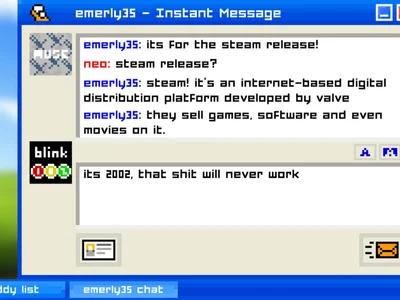
Captures nostalgic desktop-era intimacy through chat conversations and small choices, offering a concise relationship-driven experience with the same retro-computer appeal.

Tells an intimate mystery through a faux-device interface, delivering that personal, voyeuristic digital connection in a tighter format that works well across brief sessions.
Low Spec Friendly
3Performance-optimized games similar to Buddy Simulator 1984 that run smoothly on low-end PCs, integrated graphics, and older hardware.
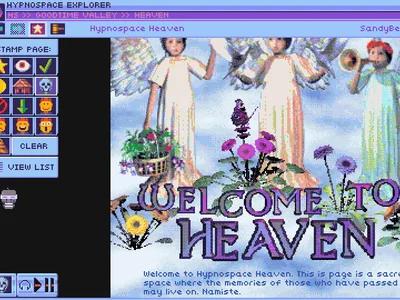
Its fake-OS browsing, retro desktop style, and text-heavy discovery deliver a similar digital nostalgia hit, while remaining easy to run on older hardware and laptops.

Uses extremely simple retro presentation to create intense dread, making it perfect if you want lo-fi horror atmosphere, strong identity, and broad compatibility on weak systems.

A tiny, text-driven psychological experience with minimal hardware demands, ideal if you want unsettling intimacy and unreliable perspective on almost any modest PC.
Featured in our articles
This game appears in 1 article on this site.
Frequently asked questions
Common questions about this game, answered by our team.
How long does it take to beat?
Most players finish in 2–4 hours. It's designed as a single complete experience, best enjoyed in one or two sittings rather than spread across many sessions.
Is it actually a horror game?
It's more psychological unease than traditional horror — no gore or jump scares. It starts charming and grows increasingly unsettling. If you like slow-burn, atmospheric dread, you'll find it effective.
Is it good for beginners or non-gamers?
Yes. There's no combat, no complex controls, and no fail states. If you can navigate text menus and play rock-paper-scissors, you can play this game comfortably.
Is there replay value?
Minimal. This is a single-playthrough experience designed to hit once and hard. Some players revisit to catch details they missed, but the core effect is a one-time journey.
How does it compare to Doki Doki Literature Club?
Similar DNA — cheerful surface concealing something darker, meta-aware, short runtime. Buddy Simulator leans more retro-tech and dialogue-driven; DDLC has more structured gameplay. Fans of one often enjoy the other.
Game data and imagery provided by IGDB.com