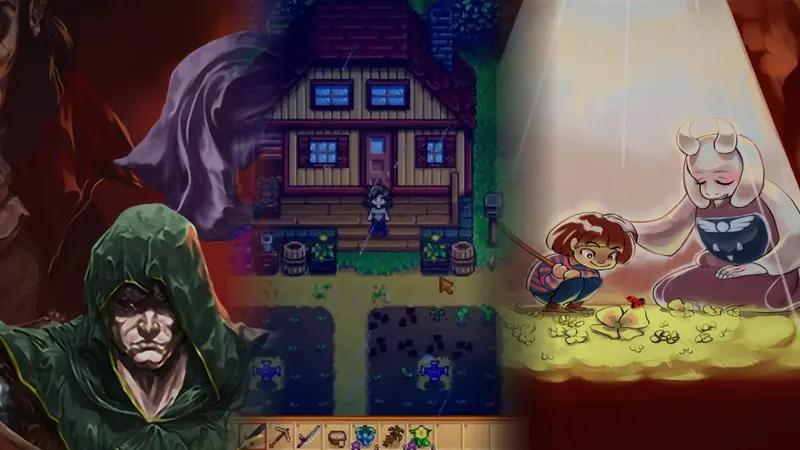





A heartfelt RPG where mercy matters and every encounter rewrites what combat can be. Created by a solo developer, it runs effortlessly on integrated graphics thanks to GameMaker roots and minimalist pixel art. Multiple routes and secret-packed replays turn a short campaign into a lasting memory—culturally significant without asking for horsepower, delivering emotionally impactful storytelling on any laptop.

Undertale
Best if you want an RPG that rewards mercy over violence, built around innovative combat-as-conversation mechanics that subvert genre expectations—and runs flawlessly on any PC made in the last decade.
On This Page
Why We Recommend This Game
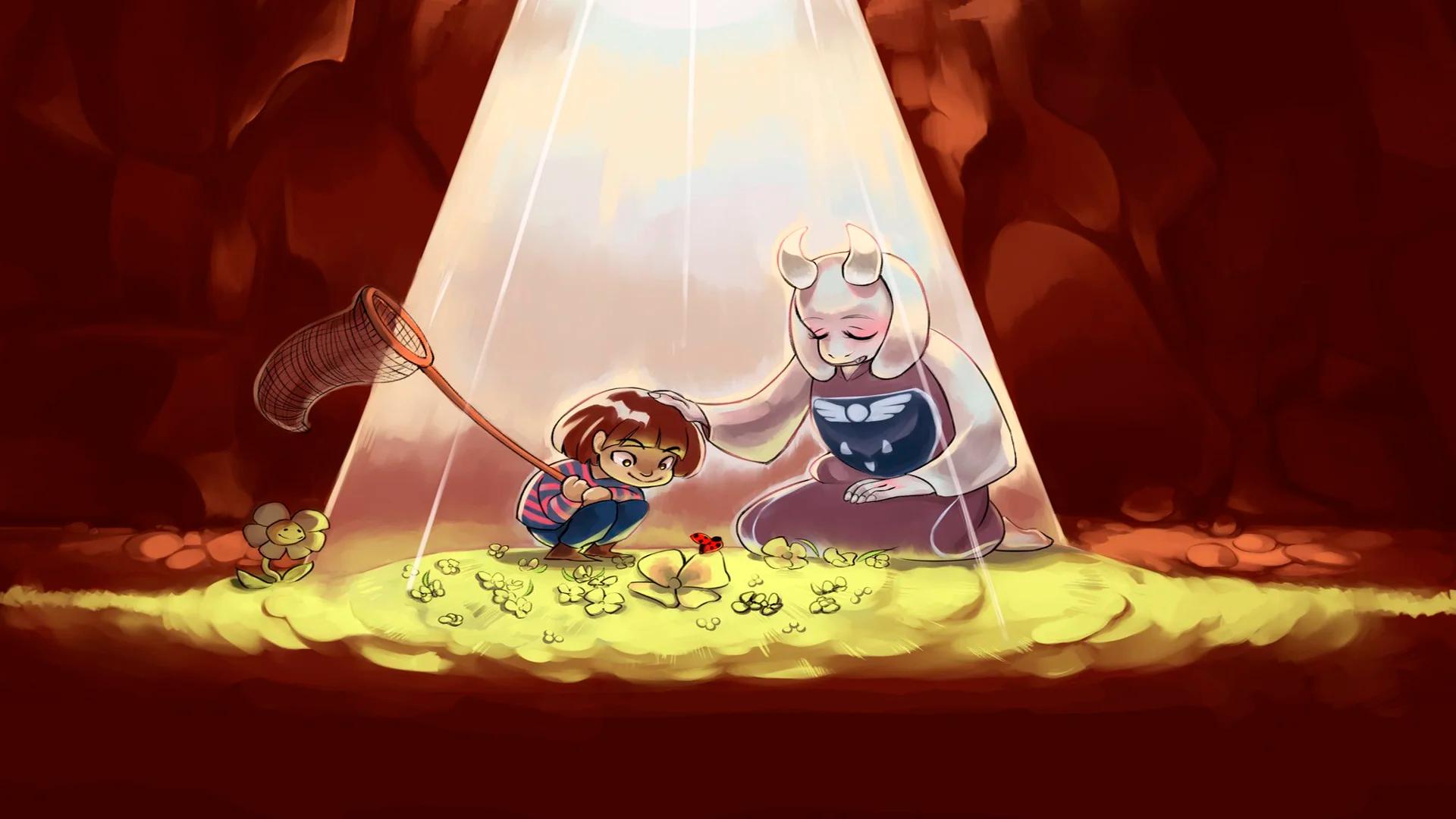
Undertale redefines what combat can mean in an RPG. Every encounter blends bullet-hell dodging with dialogue choices that let you spare, flirt with, or fight enemies. The hook is how your approach permanently shapes the world: spare everyone and encounters become puzzles about understanding behavior patterns; kill indiscriminately and the game darkens in tone and difficulty. This binary creates three fundamentally different routes—pacifist, neutral, genocide—each with distinct boss fights, dialogue, and mechanical twists that make replays feel essential rather than optional. The learning curve is gentle but rewards experimentation. Early fights teach you to read attack telegraphs and discover non-violent solutions through trial and error. Sessions naturally break into 20–30 minute chunks between save points, making it ideal for quick evening runs. Combat difficulty spikes during key encounters—bullet patterns demand memorization and reflexes—but generous checkpoints mean retries are instant. The pacifist route asks for patience and pattern recognition; the harder genocide route tests endurance and precision. What sets Undertale apart is how it remembers. Delete your save, reinstall, start fresh—it knows. This meta-awareness turns replay into a moral choice rather than content completion. The writing leverages this brilliantly, rewarding curiosity without punishing experimentation until you commit to extremes. Pixel art keeps performance rock-solid on integrated graphics while its soundtrack—chiptune melodies that shift with context—punches far above its fidelity. Depth emerges through discovery: hidden rooms, secret phone calls, branching dialogue trees that shift based on gear, spared enemies, or obscure item combinations. A first playthrough takes six to eight hours, but subsequent routes reveal how deeply systems interlock. The game withholds fast-travel and quality-of-life features intentionally, making backtracking part of the emotional pacing rather than padding. It's lean, deliberate design that respects your time while asking you to sit with consequences. Perfect for fans of narrative-driven RPGs where choices have permanent mechanical and story consequences.
Best For
- Players who love games that subvert and comment on genre conventions
- Fans of narrative-driven RPGs where choices have permanent mechanical and story consequences
- Anyone seeking a deeply replayable indie experience that runs on ultra-low-spec hardware
Not For
- Players expecting traditional power-fantasy combat or loot progression
- Those frustrated by bullet-hell dodging segments mixed into turn-based RPG structure
- Anyone seeking granular difficulty options or assist modes for challenging boss encounters
Multiplayer & Game Modes
Undertale does not support crossplay.
Features
Play Modes
Single Player
Additional Details
Undertale is a single-player-only RPG with no official multiplayer features. No online, LAN, co-op, PvP, split-screen, or hotseat modes are supported.
Edition and Platform Information
Important details about which version to buy and where to play.
Platform Recommendations
Built in GameMaker, it runs effortlessly on Windows PCs with integrated graphics from 2010 onward. Console ports (PS4, Switch, Xbox) add HD Rumble and trophy support but offer identical content. The tiny install footprint (under 200MB) and offline-only design make it ideal for laptops or handhelds.
Accessibility Features
High-contrast pixel art aids readability, and simple keyboard/controller inputs keep the barrier low. However, there are no difficulty toggles, colorblind modes, or granular text scaling. Bullet-hell segments require precise timing and visual tracking, which may challenge players with motor or visual impairments.
Screenshots
Click any screenshot to view in full size
Featured In Our Articles
We've included this game in 4 articles.
Undertale's witty writing and meta twists shine at any fidelity—your moral choices permanently alter encounters, and the game remembers everything. Three distinct routes create real replay value, while GameMaker roots ensure flawless performance on integrated graphics. The tiny install and readable fonts work perfectly on 1080p laptops, delivering branching narratives and bullet-hell RPG innovation without hardware demands.
A landmark narrative RPG purpose-built for low-end systems with a tiny footprint and ultra-light visuals that run on practically any Windows PC. Entirely offline with branching routes and multiple endings that create replay value without demanding hardware. Its inventive combat and story choices stay engaging at low fidelity—you lose nothing by turning settings down, rare for modest machines.
This genre-defying RPG delivers reactive storytelling where your choices—mercy or violence—permanently reshape the world. Its GameMaker engine and pixel art keep it running smoothly on any integrated GPU, while branching routes and meta-narrative twists create genuine replay value. Tiny install, broad controller support, and an iconic soundtrack make it a low-spec essential for narrative-focused players.
Frequently Asked Questions
Common questions about this game answered by our team.
How hard is it?
Moderate overall. Pacifist route emphasizes puzzle-solving and pattern reading; genocide route demands precision dodging and repetition. Key boss fights can take multiple attempts to learn, but instant retries and frequent saves minimize frustration.
How long to beat?
First playthrough: 6–8 hours. Each of the three main routes takes 4–7 hours, with subsequent runs faster thanks to skippable dialogue and route knowledge. Full completion with secrets: 15–20 hours.
Is it good for RPG beginners?
Yes, if you can handle bullet-dodging. Mechanics are clearly tutorialized, menus are simple, and the game teaches non-violence as viable strategy. The writing is welcoming, though bullet-hell segments may surprise genre newcomers.
Do I need to replay it multiple times?
Not required, but highly recommended. The three routes—pacifist, neutral, genocide—offer radically different encounters, bosses, and endings. The game is designed around replay, with meta-narrative elements that only emerge across runs.
Does it work on a laptop or low-end PC?
Absolutely. It was built to run on nearly anything—integrated graphics, older CPUs, minimal RAM. Performance is locked and stable, and the pixel art ensures clarity at any resolution. Perfect for laptops or budget machines.