
The Steam Deck changed something specific about how I think about open-world games. On a couch with a big TV, an open world is about scale. On a handheld, it becomes something more personal. You are carrying the world in your hands, playing in twenty-minute gaps or a long train ride, and suddenly what matters is not just how big the world is but whether the game respects the way you are actually playing it. Some of the most famous open-world games on PC fall apart on Deck for reasons that have nothing to do with frame rate. Text too small to read. Launchers that fight you. Session structures that punish interruption. This list exists to cut through that.
How We Ranked These Games
World quality and Steam Deck playability carry equal weight in this ranking, because a brilliant open world that runs badly or reads like an eye chart is not a good Deck recommendation no matter how many awards it won. Portable session fit and content depth each add to the score, since the best handheld games reward short sessions without punishing you for stopping, and they give you enough to keep returning to. Technical polish and friction make up the final part, which is where launcher nonsense, battery drain, and stability issues show up. A game with Rockstar launcher friction gets penalized. A game that runs quietly for three hours on a single charge gets rewarded.
The Top 10 Best Open World Steam Deck Games
Every game here delivers genuine open-world exploration on handheld hardware without demanding compromises that undermine the experience.
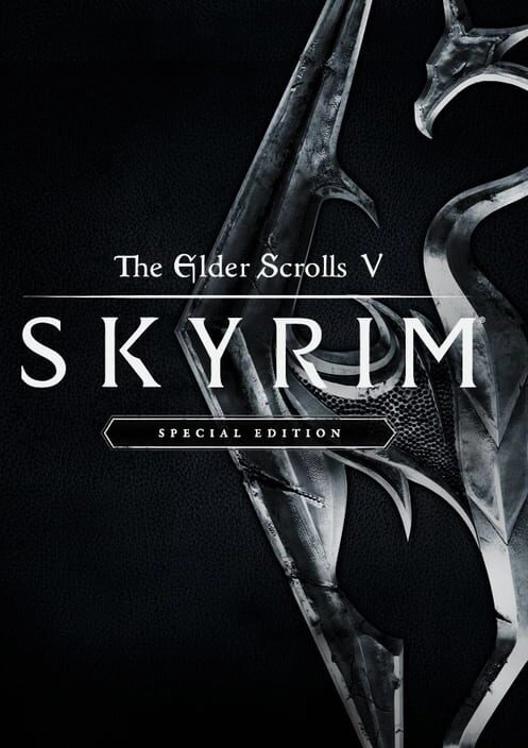
I have started Skyrim on three different platforms over the years and I always end up doing the same thing: ignoring the main quest entirely and just walking toward a mountain. That wandering instinct is exactly what the Steam Deck was built for. The game runs beautifully on handheld, controller support is native and comfortable, and the stop-start session structure means you can play for twenty minutes or three hours and it gives you the same thing either way. Text is readable, load times are short, and there is genuinely no friction between picking up the Deck and being deep inside Whiterun politics within ninety seconds. Still the right answer at number one.
- Released
- 20162016
- Genre
- RPGRPG
- Platforms
- PC, PS4, PS5, Switch, Xbox One, Series X|SPC, PlayStation 4, PlayStation 5, Nintendo Switch, Xbox One, Xbox Series X/S

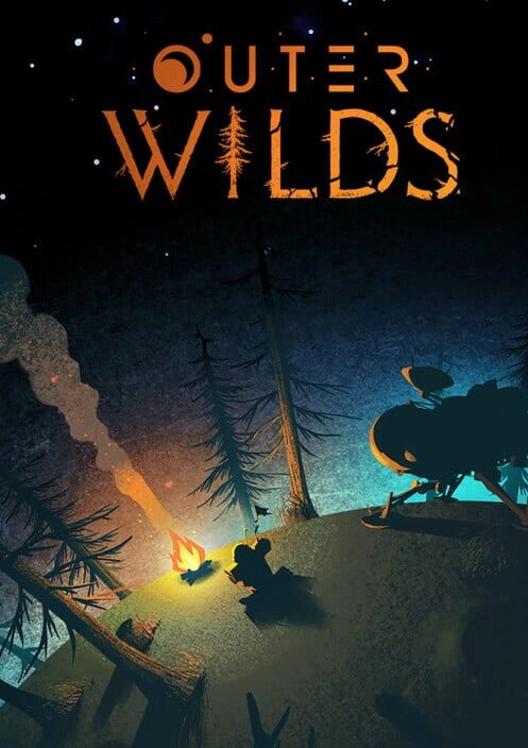
Most open-world games tell you where to go. Outer Wilds tells you nothing, and that is the entire point. You crash-land your wooden rocket, pull out your instruments, and start figuring out why the sun keeps exploding. I went in knowing almost nothing and spent the first hour genuinely confused before something clicked. That moment of understanding is something I have not felt in a game in a long time. It runs perfectly on Deck, text is clear, sessions have a natural rhythm tied to the game's looping structure, and there is no combat to stress about. Fantasy is usually my genre but this one quietly became one of my favourites.
- Released
- 20192019
- Genre
- PuzzlePuzzle
- Platforms
- PC, PS4, PS5, Switch, Xbox One, Series X|SPC, PlayStation 4, PlayStation 5, Nintendo Switch, Xbox One, Xbox Series X/S

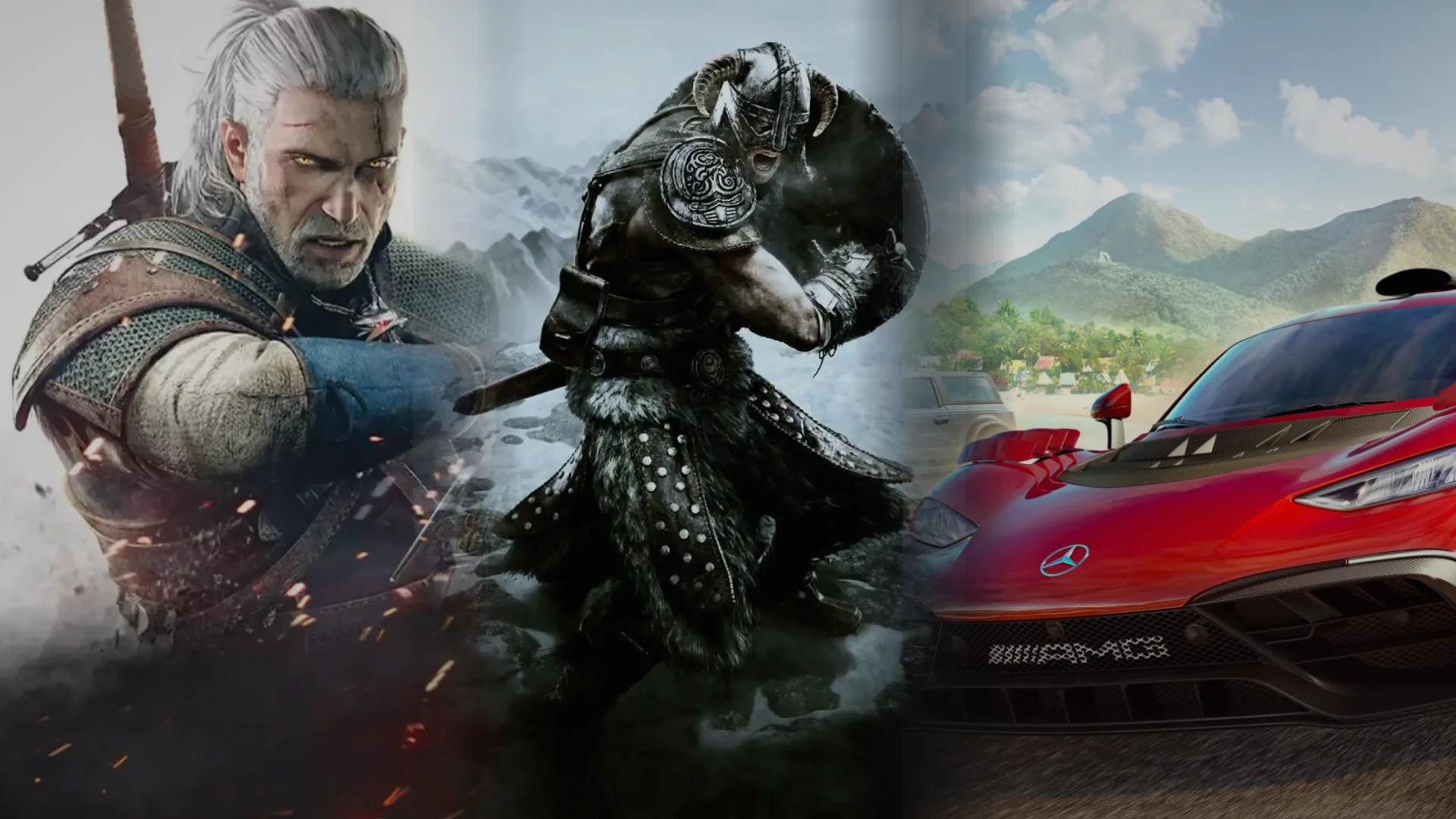
The Witcher 3 side quests are better than most games' main quests. That is not hyperbole. A Piece of Advice, The Bloody Baron, Cabaret, the list goes on. Each one is a self-contained story with actual consequences, and on Deck you can do one or two in a sitting and feel like you spent your evening well. The newer update is more demanding than the original, so expect to tune settings rather than run everything maxed out, but 30 FPS on medium settings is a very comfortable place to play this. Drop to the next game on the list if you want zero friction. Come here if you want the richest fantasy world on this entire ranking.

- Released
- 20152015
- Genre
- RPGRPG
- Platforms
- PC, PS4, PS5, Switch, Switch 2, Xbox One, Series X|SPC, PlayStation 4, PlayStation 5, Nintendo Switch, Nintendo Switch 2, Xbox One, Xbox Series X/S
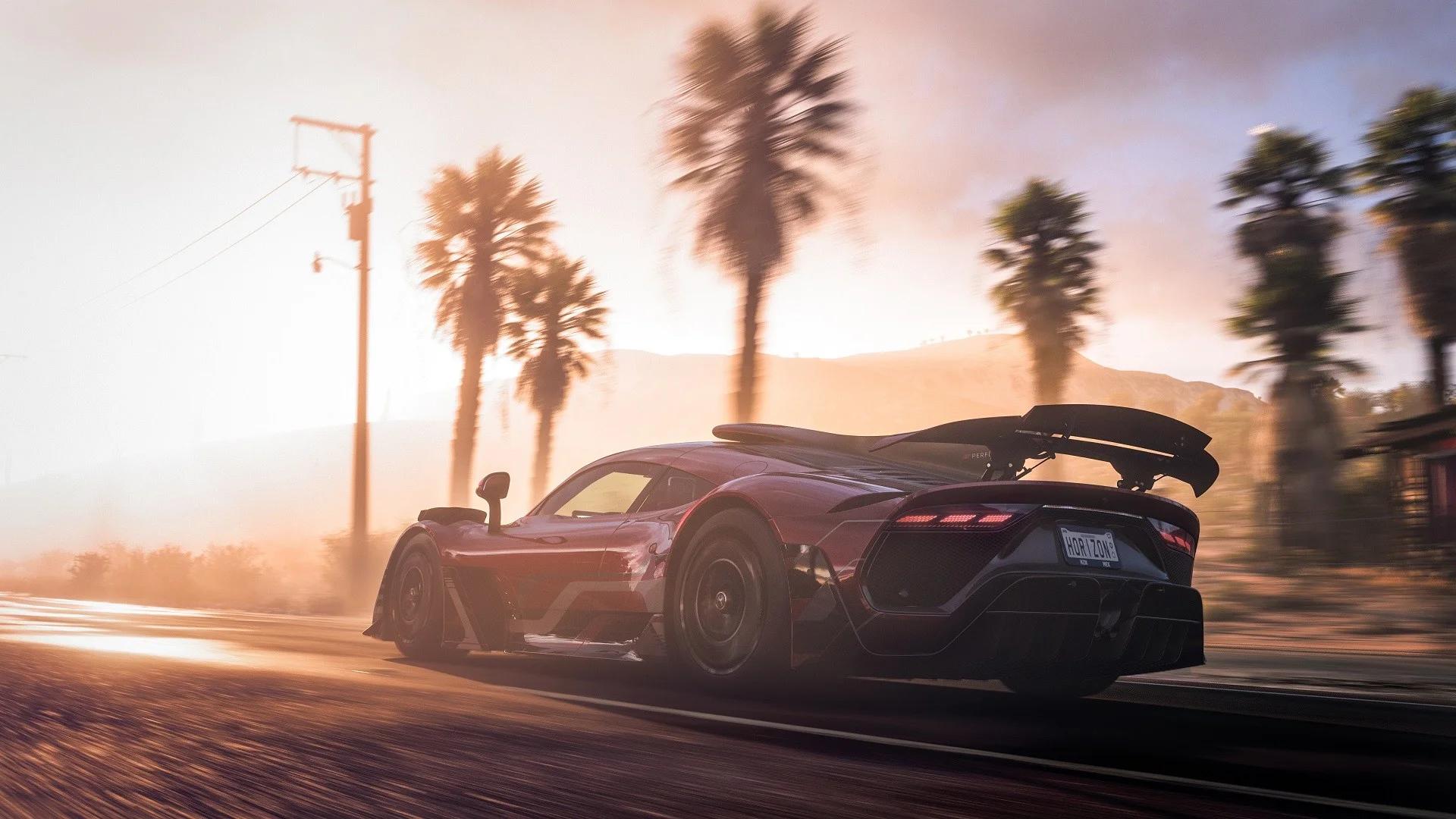
I have spent more hours in Gran Turismo 7 than I care to admit, but Forza Horizon 5 does something GT does not: it lets you just drive. No license tests, no grinding for credits, just an enormous open map of Mexico and the freedom to go anywhere. On Deck this is practically perfect. Events take five minutes. Free-roam asks nothing of you. The suspend-and-resume is instant. I would put this above a few higher-ranked games for pure handheld friendliness, but the open world itself is shallower than what Skyrim or Witcher 3 offer, which is why it sits at four. For short sessions and the most pick-up-and-play energy on this list, nothing else comes close.

- Released
- 20212021
- Genre
- RacingRacing
- Platforms
- PC, PS5, Xbox One, Series X|SPC, PlayStation 5, Xbox One, Xbox Series X/S
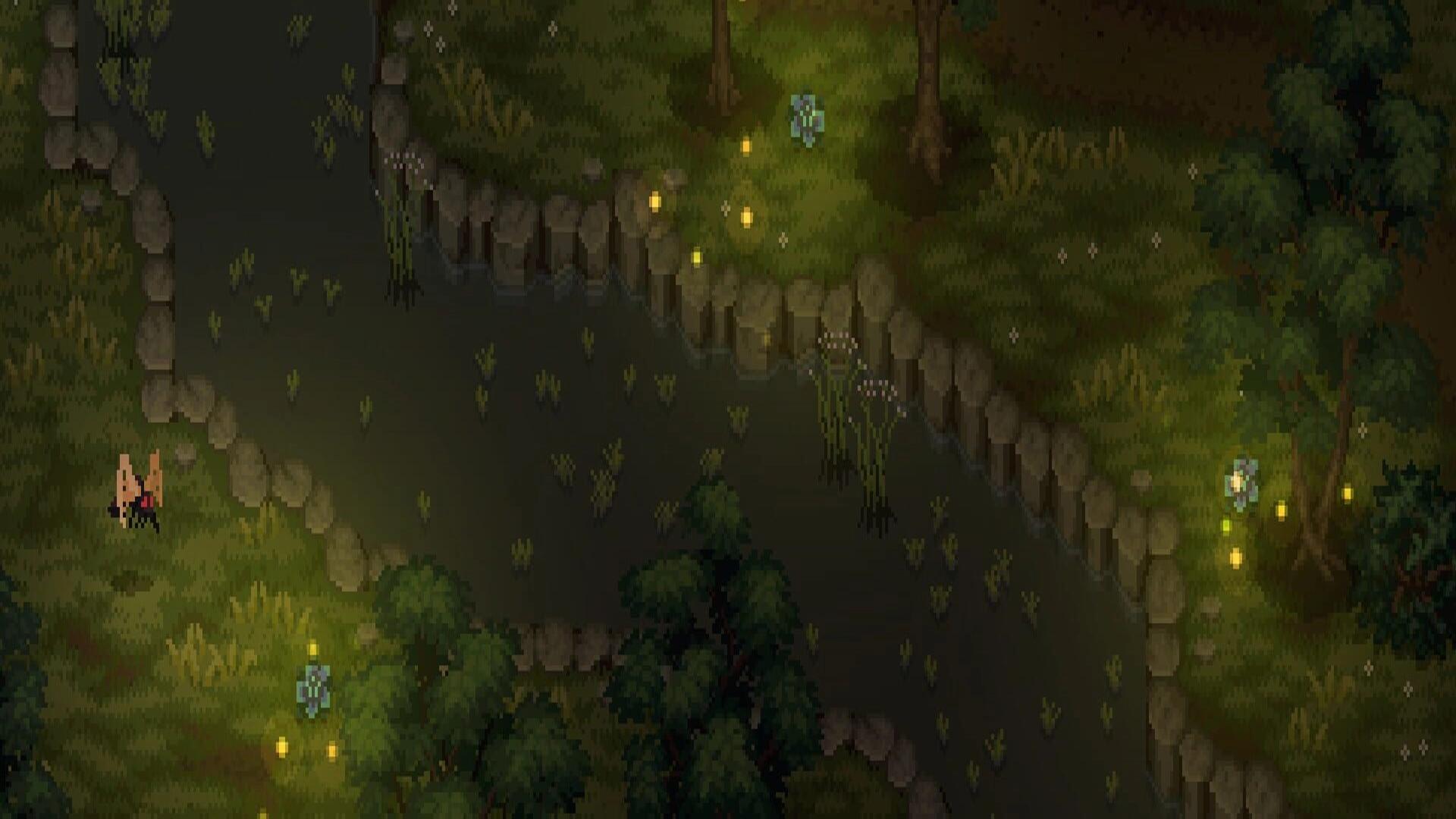
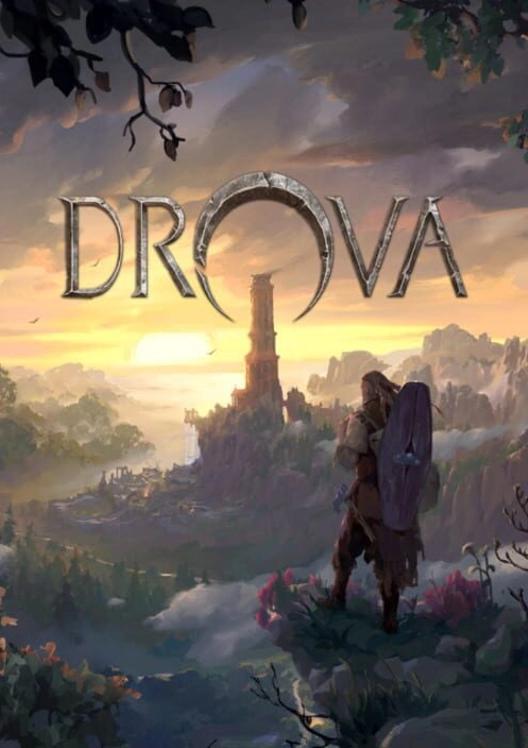
Drova does not look like much in screenshots. Pixel art, relatively compact world, no massive marketing campaign. I nearly overlooked it. Then I started reading about how it actually plays on Deck, checked the battery reports, and understood why it kept appearing in portable recommendations. It runs for hours on a single charge, the text is clear, controls are dialled in, and the dark fantasy world rewards the kind of unhurried exploration that suits handheld play. Think old-school Gothic or Piranha Bytes energy, where the world pushes back and exploration feels earned. If you want a Steam Deck open-world game that genuinely fits the hardware rather than just tolerates it, this is your pick.
- Released
- 20242024
- Genre
- RPGRPG
- Platforms
- Android, iOS, Linux, macOS, PC, PS5, Switch, Xbox One, Series X|SAndroid, iOS, Linux, macOS, PC, PlayStation 5, Nintendo Switch, Xbox One, Xbox Series X/S
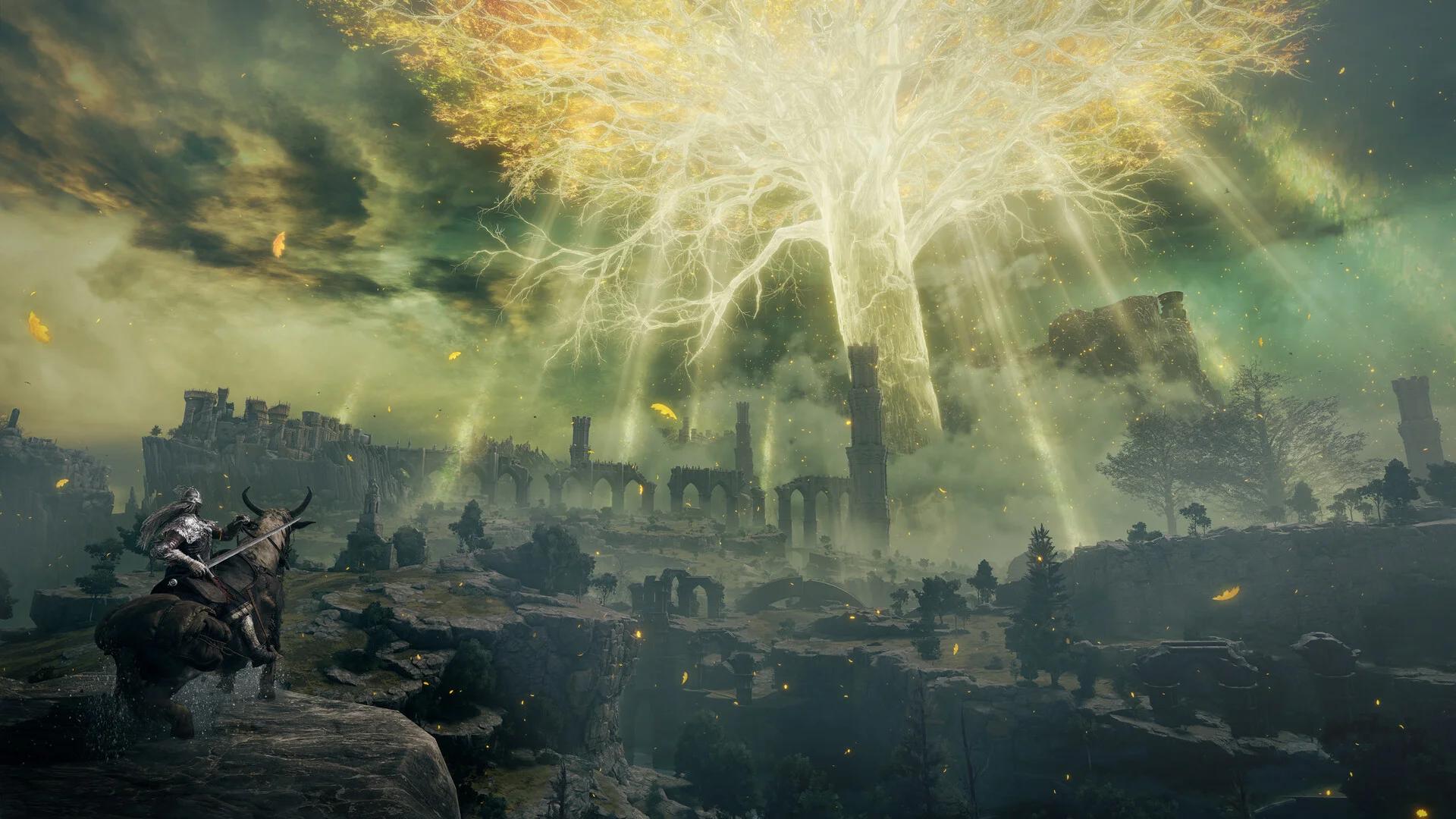
Elden Ring is the best open world I have played in years, and I say that as someone who bounced off Dark Souls twice before giving the series a proper chance. The Lands Between is designed around the feeling that something interesting is always visible just over the next hill, and that instinct does not diminish on a smaller screen. It is heavier on the hardware than everything above it on this list, and sessions that end mid-boss can be frustrating. But the Sites of Grace serve as natural stopping points, the controller feel is excellent, and I found myself doing one dungeon before bed more often than I expected. Patience with the settings pays off here.

- Released
- 20222022
- Genre
- RPGRPG
- Platforms
- PC, PS4, PS5, Switch 2, Xbox One, Series X|SPC, PlayStation 4, PlayStation 5, Nintendo Switch 2, Xbox One, Xbox Series X/S
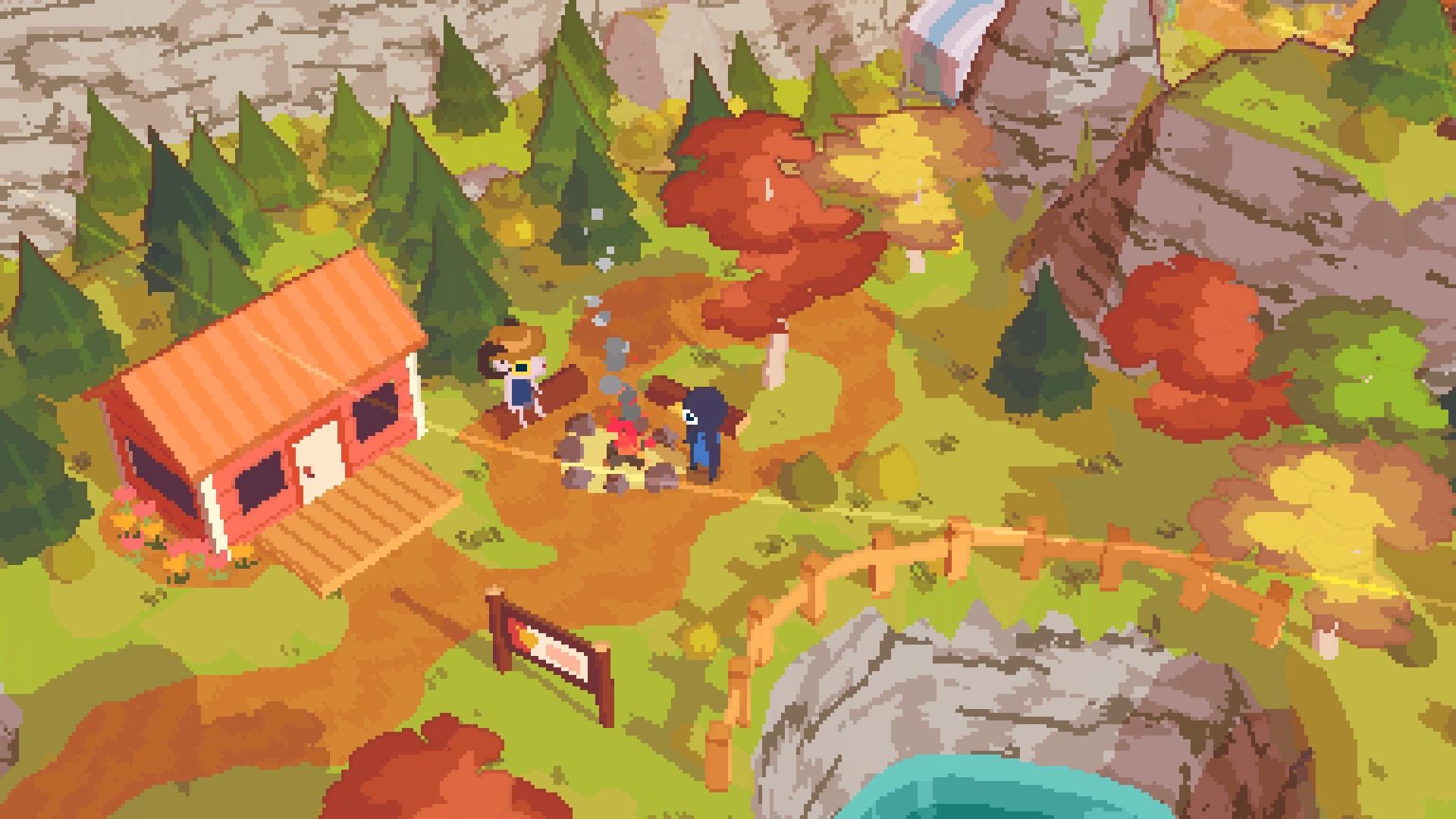
Two hours long. Runs on a calculator. Barely any combat. A Short Hike has no right to be this good. You play a bird trying to reach the top of a mountain, and along the way you collect feathers, talk to campers, fish badly, and race on the beach. That is the whole game. I played it in one sitting on a Sunday afternoon and felt genuinely better afterwards, which is not something I can say about most games four times its size. On Deck it is essentially perfect. The battery barely moves. Text is readable at a glance. It is the palette cleanser between longer games, and every list about open-world handheld play is better with it included.

- Released
- 20192019
- Genre
- AdventureAdventure
- Platforms
- Linux, macOS, PC, PS4, Switch, Xbox OneLinux, macOS, PC, PlayStation 4, Nintendo Switch, Xbox One
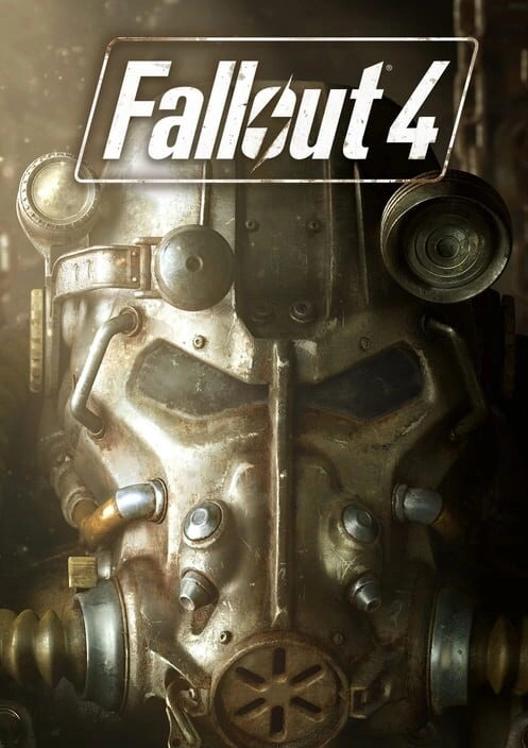
The Commonwealth is the most comfortable Bethesda sandbox for handheld play that most people have not revisited recently. I went back to Fallout 4 on Deck expecting the rougher edges to show their age, and instead I found myself three hours into a settlement I had not planned to build, listening to Diamond City Radio, and completely losing track of time. The V.A.T.S. combat translates well to controller, the map is dense with things worth investigating, and the save-anywhere structure means no interrupted session costs you real progress. It does not have The Witcher 3's writing or Elden Ring's world design, but as a pick-up-and-explore experience on portable hardware, it earns its spot comfortably.
- Released
- 20152015
- Genre
- ShooterShooter
- Platforms
- PC, PS4, PS5, Xbox One, Series X|SPC, PlayStation 4, PlayStation 5, Xbox One, Xbox Series X/S
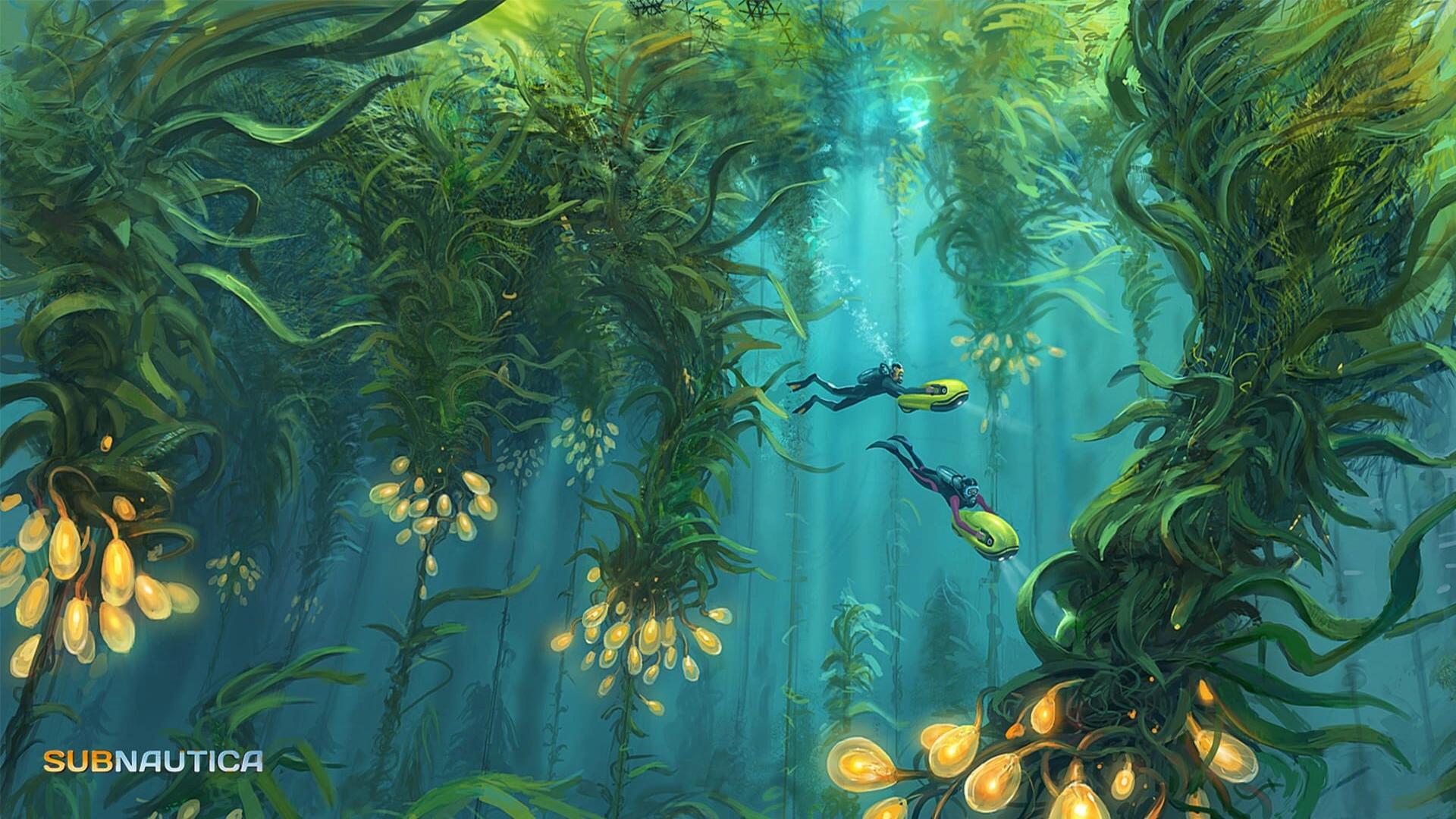
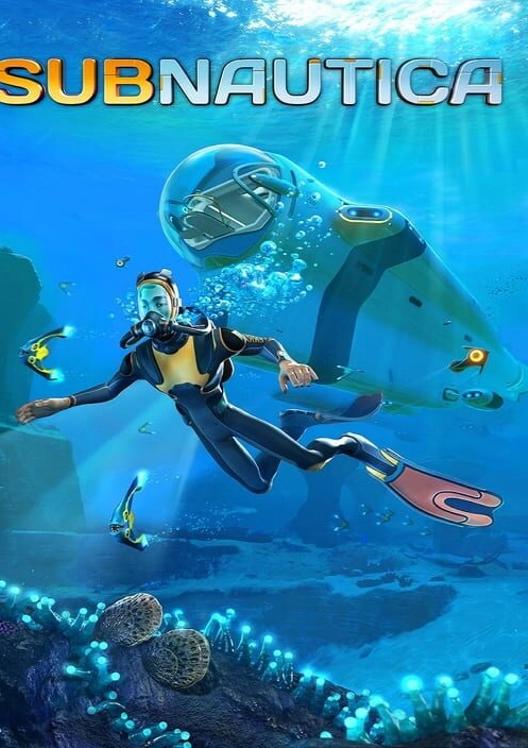
Every other open world on this list puts you on land. Subnautica sends you straight to the bottom of an alien ocean, removes the minimap, and asks you to work out what is down there mostly by listening and looking. It is the most atmospheric thing on this ranking. I found playing it on Deck actually made the immersion stronger rather than weaker, the small screen creating a kind of claustrophobic focus that suited the underwater setting. The one honest warning is early-game base building, which can drag slightly in short sessions before you have mobility upgrades. Push through that and the world that opens up is unlike anything else in this list.
- Released
- 20182018
- Genre
- AdventureAdventure
- Platforms
- Android, iOS, macOS, PC, PS4, PS5, Switch, Switch 2, Xbox One, Series X|SAndroid, iOS, macOS, PC, PlayStation 4, PlayStation 5, Nintendo Switch, Nintendo Switch 2, Xbox One, Xbox Series X/S
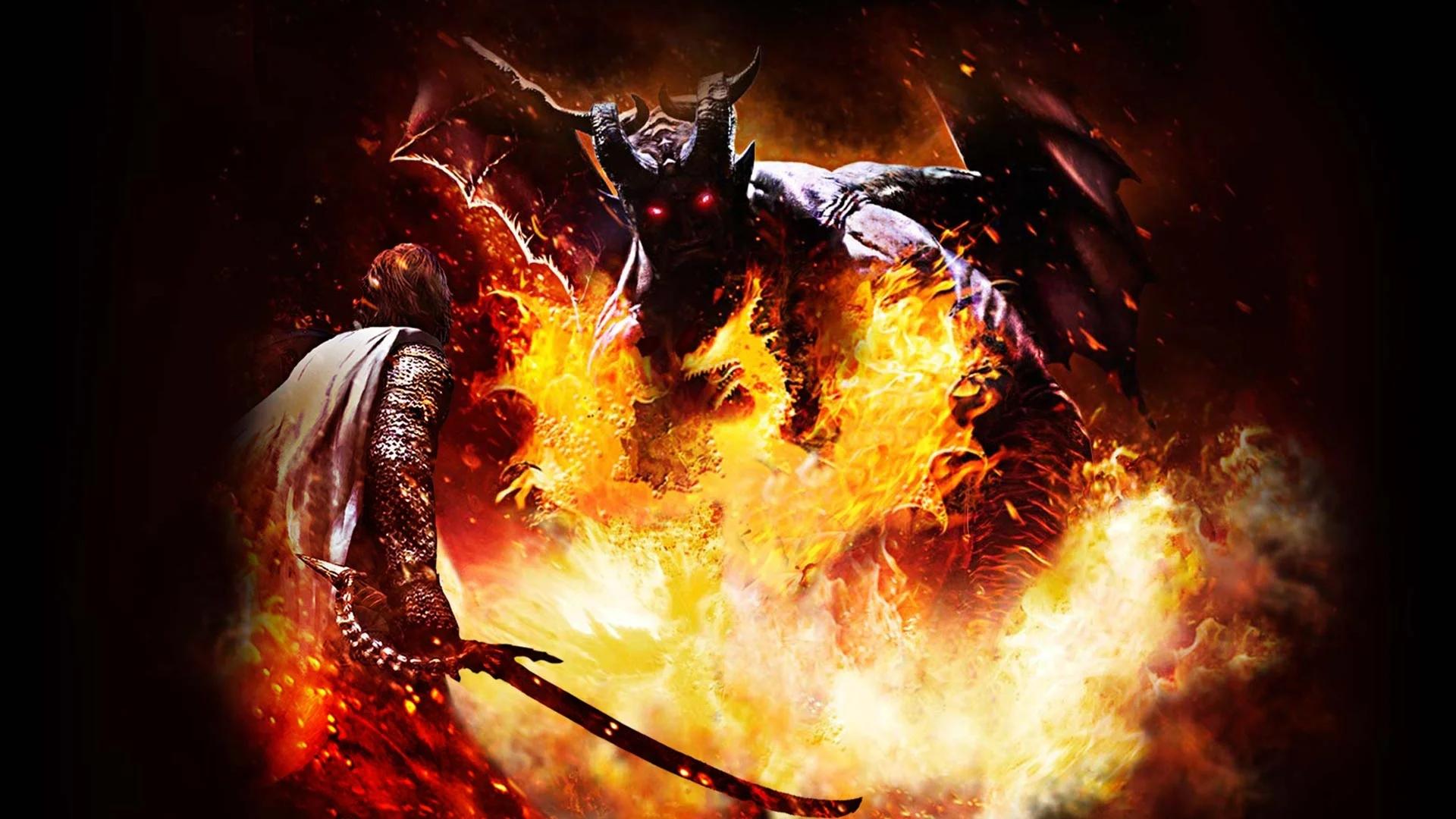
Dragon's Dogma 2 exists, but I am not recommending it here, and that decision was easy once I tested both on Deck. The sequel struggles with performance in ways the original simply does not. Dark Arisen runs cleanly, looks sharp on the small screen, and delivers that specific old-school adventure game feeling where walking somewhere without fast travel still feels like an event. The pawn system, where AI companions are shared across players' games, adds texture to exploration in ways that are hard to describe but immediately noticeable. It is not the biggest or most prestigious world on this list. It is the most charming, and on handheld that counts for more than a benchmark.

- Released
- 20132013
- Genre
- RPGRPG
- Platforms
- PC, PS4, Switch, Xbox OnePC, PlayStation 4, Nintendo Switch, Xbox One
Honorable Mentions
These five games came close, and a few of them are genuinely excellent. They missed the top ten for specific, practical reasons rather than because they are bad recommendations.
Sleeping Dogs is a game I have wanted on consoles for years and the Deck version is genuinely the best portable argument for it. Hong Kong is a compact, dense city that suits handheld pacing better than Los Santos or Night City, the martial arts combat is satisfying in short bursts, and the game runs without complaint. It missed the top ten because the world does not have quite the exploration depth of the ranked entries, but for anyone who has never played it, this is a nearly ideal introduction. It is also genuinely cheaper than most games on this list. That matters.
No Man's Sky is the open world you return to rather than commit to. You land on a planet, mine for a while, upgrade your ship, warp to the next system, and an hour disappears. My group tried it as a shared-world session once and spent the whole evening in different corners of the same planet doing completely different things. On Deck the technical performance is the one reservation, it can run warm and the settings need attention, but the solo exploration loop is strong enough to justify the honourable mention. If you want endless planetary variety without a quest list telling you what to prioritize, nothing else here offers it.
Los Santos is still one of the most interactive sandbox cities ever built, and the single-player campaign holds up better than people remember. The Rockstar launcher is the reason this sits in the honourable mentions rather than the main list. It adds friction that the best Deck games simply do not have, an extra login step, occasional update prompts, a layer between you and playing that you feel every time. Stick to story mode rather than GTA Online for the cleanest portable experience, and the city itself will keep you busy for a long time. Just know going in that setup is slightly more annoying than it needs to be.
Web-swinging across Manhattan is one of the few traversal systems in gaming that genuinely never gets old. Spider-Man Remastered runs well on Deck, the mission structure is friendly to short sessions, and there is something about playing a superhero game on a small screen during a commute that feels exactly right. It fell just outside the top ten because the open world itself is relatively shallow as a simulation, Manhattan is beautiful but there is less genuine discovery here compared to the exploration-driven games ranked above it. Come for the swinging. The world underneath is more backdrop than playground, but the swinging is very, very good.
Night City is one of the most densely realised open worlds in recent memory, and the fact that it runs on Steam Deck at all still slightly surprises me. The gap between what Cyberpunk 2077 demands and what the Deck can comfortably deliver is wider than any other game on this list, and that is the honest reason it lands here rather than in the top ten. Battery drains faster, settings need careful balancing, and the small screen loses some of the visual impact that makes the city so striking on a large display. Worth it if you are patient with the setup. Just go in knowing it is one of the more demanding games this hardware can carry.
Frequently Asked Questions
Common questions from players deciding which open-world game to load up on their Steam Deck first.
Do open-world games drain the Steam Deck battery faster than other games?
Generally yes, because open-world games tend to push the GPU and CPU continuously rather than in short bursts. Games like Elden Ring and Cyberpunk 2077 will put real pressure on battery life. The practical fix is to cap your frame rate at 30 FPS and drop to medium settings, which can stretch a session to around two and a half hours on most of the games in this list. Lighter picks like A Short Hike and Drova will run much longer, sometimes four hours or more.
Is Steam Deck Verified status important when choosing an open-world game?
It is useful as a starting signal, but not the whole story. Verified just means Valve tested the game and it met their baseline criteria. Some Verified games still have text readability issues or awkward UI on the small screen. A few non-Verified games play better in practice than some Verified ones. Use the rating as a filter, not as a guarantee, and check community reports for anything demanding.
Which open-world game on this list is best for short sessions?
Forza Horizon 5 and Fallout 4 are the easiest to pick up for fifteen to thirty minutes and put back down. Forza because every event is self-contained and the free-roam has no stakes. Fallout 4 because the save-anywhere system means you never lose progress. A Short Hike technically takes only a couple of hours total, so every session is a short session. Outer Wilds and Elden Ring are less forgiving of interruption, not because they punish you mechanically but because the immersion they require takes a few minutes to rebuild each time.
Can you mod Skyrim on Steam Deck and does it affect performance?
You can, and plenty of players do, but it adds friction. Light mods via the in-game Bethesda launcher work reasonably well. Anything heavier using SKSE or external mod managers requires desktop mode setup and some patience. Stick to the base game or very light mods if you want a smooth out-of-the-box experience. Heavy graphical overhauls will push the hardware harder than the stock game and shorten battery life noticeably.
Is Cyberpunk 2077 actually worth playing on Steam Deck given how demanding it is?
Yes, with caveats. At 800p with balanced or performance settings, Night City looks genuinely impressive on the small screen and the game runs well enough to be enjoyable. You will not get the PC Ultra experience, but that is not really what the Deck is for. Where it struggles is battery life, which drops faster than most games here, and occasional thermal noise under heavy load. If you are fine with those trade-offs, it is one of the most distinctive open worlds on the platform. If you want something that runs quietly and lasts longer per charge, start elsewhere on this list.
Conclusion
What makes an open-world game work on Steam Deck is not the same thing that makes it work on a PC hooked up to a 55-inch screen. Scale still matters, but session rhythm, readability, and how gracefully the game handles interruption matter just as much. Every game on this list earns its spot by delivering real open-world freedom without making you fight the hardware to get it. Whether you want a 200-hour fantasy epic or a two-hour island hike, there is something here worth loading up on your next commute. Ready for more tailored picks? Try our Recommendations Engine for suggestions that match your play style.