
The Steam Deck changes the co-op equation in ways I did not fully appreciate until I started playing with mine regularly. It is not just a portable console. Docked to a TV it becomes a living room co-op machine with zero setup friction, and handheld with Remote Play Together it lets you run sessions with friends without either of you needing a gaming PC. The games on this list were picked because they make the most of that flexibility, not because they happen to be popular multiplayer titles that technically run on the hardware.
How We Ranked These Games
Co-op quality and Steam Deck playability each carried the most weight of the total score, because a game that plays brilliantly on PC but stutters in handheld mode or a game with clunky co-op that happens to run well both miss the point. Multiplayer flexibility, session fit, and content depth divided the remaining weight, with a small slice for overall polish. The core question for every entry was simple: is this one of the best co-op experiences specifically for Steam Deck owners, or does it just happen to be a good game with a multiplayer mode?
The Top 10 Best Co-Op Steam Deck Games
These ten earned their spots by combining strong cooperative design with genuine handheld usability. The ranking reflects both qualities, not just one.
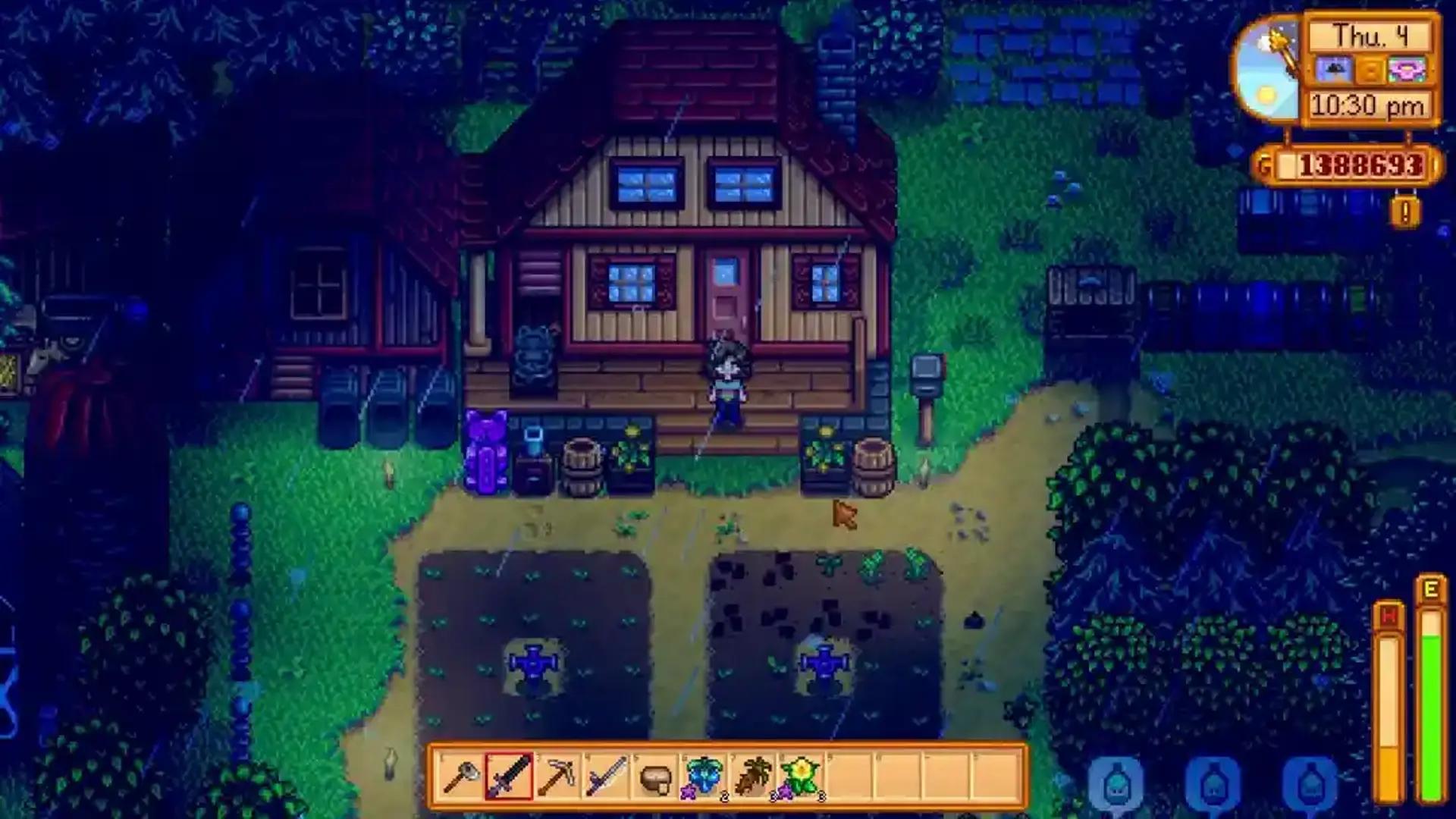
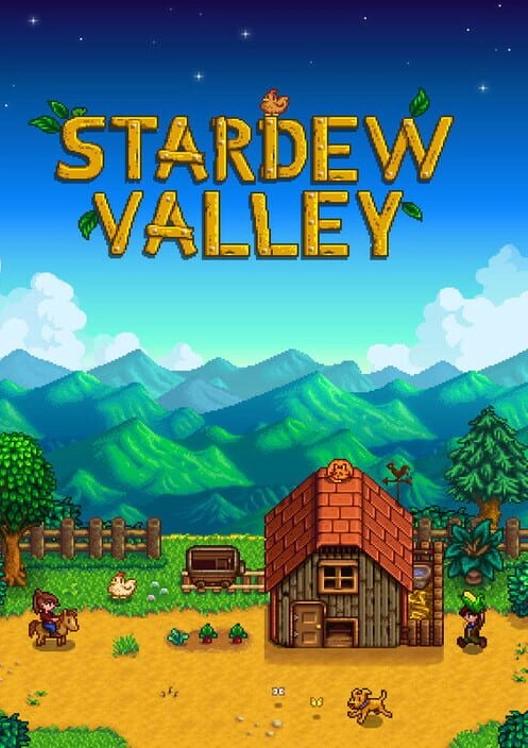
I was skeptical about Stardew in co-op for a long time. It felt like a solo game I happened to love. Then I watched It Takes Two pull my wife into gaming for the first time, and I started thinking differently about what makes a non-gamer stay engaged. Stardew checks every box: nothing on screen requires explanation, the progression is gentle, and there is always something satisfying happening. Online and local options both work without fuss, the battery drain is forgiving, and the screen is perfectly readable handheld. It is not the most mechanically demanding co-op on this list, but it is the one most people will actually finish together.
- Released
- 20162016
- Genre
- RPGRPG
- Platforms
- Android, iOS, Linux, macOS, PC, PS4, Switch, Switch 2, Xbox OneAndroid, iOS, Linux, macOS, PC, PlayStation 4, Nintendo Switch, Nintendo Switch 2, Xbox One

Portal 2 is fifteen years old and I cannot think of a better two-player puzzle game. The co-op campaign is completely separate from the single-player story, designed from scratch around two people who have to talk to each other or nothing works. I have played through it twice and the second run still had moments where I genuinely did not know what to do until my partner saw it from their angle. On Steam Deck specifically, it runs without any friction whatsoever. No launcher fights, no compatibility quirks, just instant play. The replay value is limited once you know the solutions, but getting there is worth every minute.

- Released
- 20112011
- Genre
- PlatformerPlatformer
- Platforms
- Linux, macOS, PC, SwitchLinux, macOS, PC, Nintendo Switch
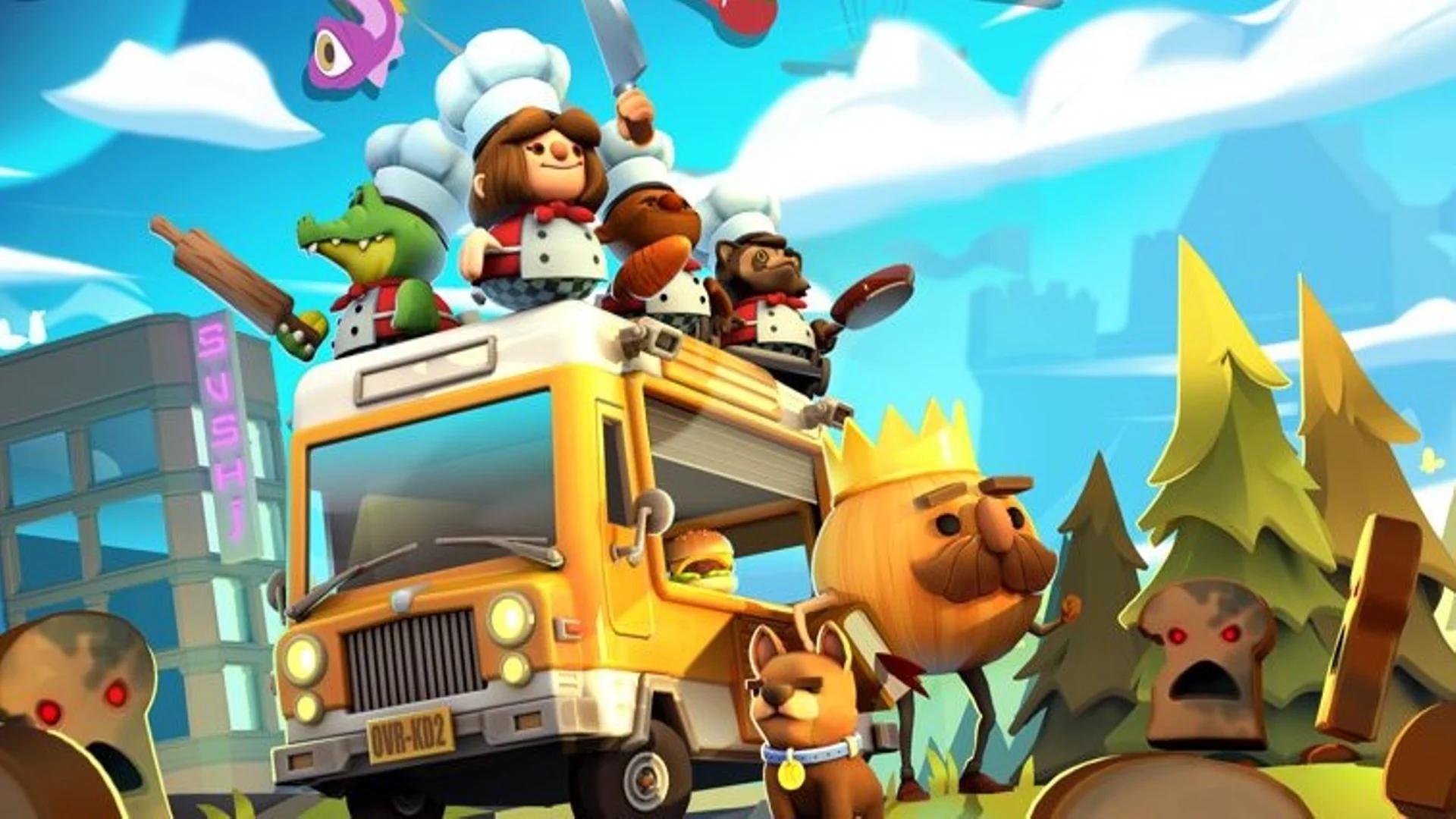
Overcooked! 2 does something very specific: it turns communication failures into the entertainment. You burned the pizza because someone was carrying the wrong ingredient across a moving platform and nobody said anything. That is not a problem with the game. That is the game. I have run this at LAN parties on modest hardware and it holds up every time, and on Steam Deck docked to a TV it is one of the cleanest local co-op experiences available. Sessions run about 20 to 30 minutes before natural stopping points appear, which is the right length when you are fitting games around an actual evening.
- Released
- 20182018
- Genre
- SimulationSimulation
- Platforms
- Linux, macOS, PC, PS4, Switch, Switch 2, Xbox OneLinux, macOS, PC, PlayStation 4, Nintendo Switch, Nintendo Switch 2, Xbox One
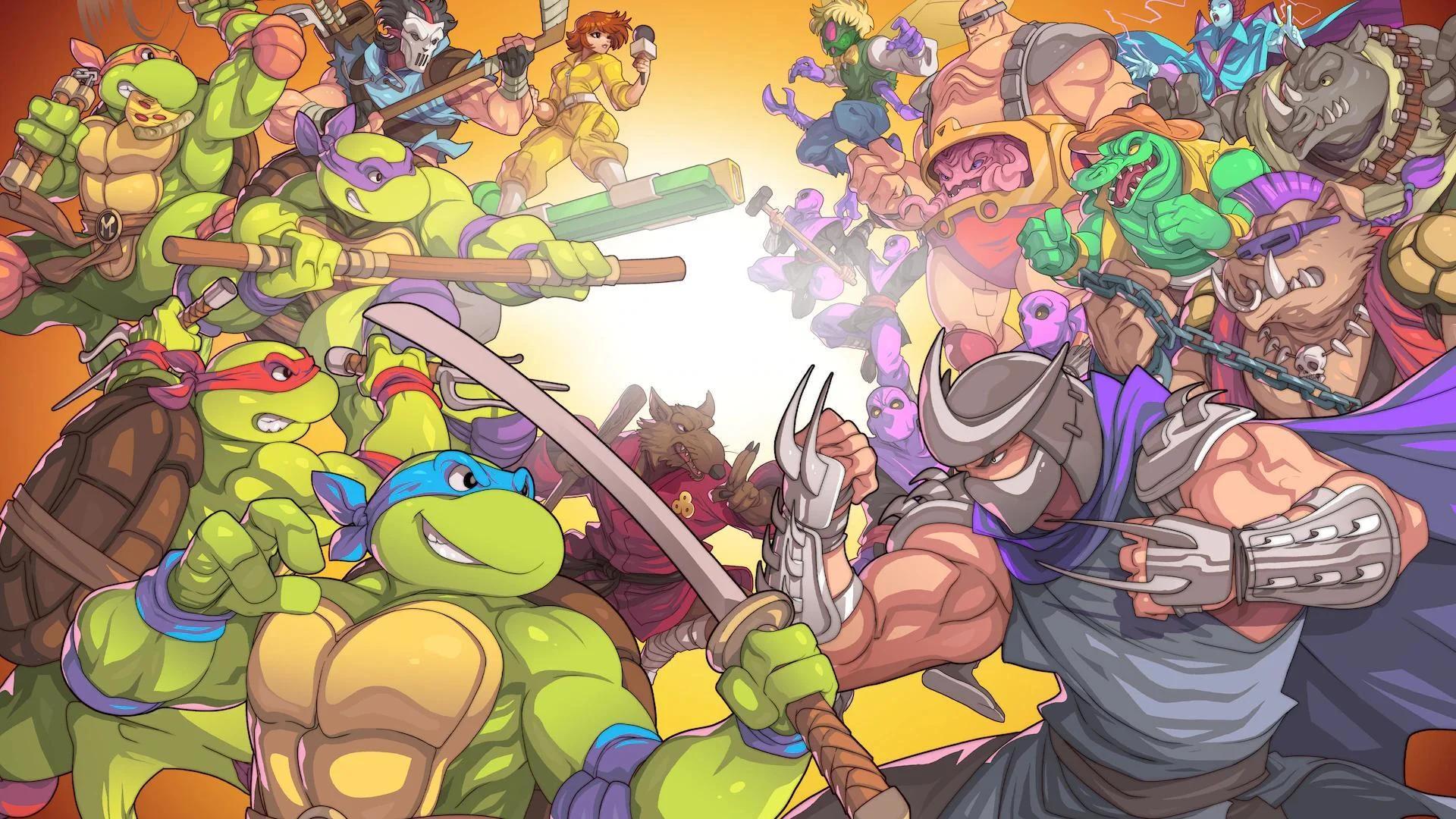
There is a version of this game that exists purely as nostalgia bait, and then there is the actual game, which is considerably better than that framing suggests. Six-player co-op in a side-scrolling brawler that reads perfectly on a small screen, with controls simple enough that anyone can contribute within seconds of picking up a controller. I played this with a group that included someone who does not normally touch games, and they lasted the whole session. The campaign is not long, maybe four to five hours, so do not expect it to be your go-to for months. But for a docked Deck evening with a group, it is close to ideal.
- Released
- 20222022
- Genre
- ActionAction
- Platforms
- Android, iOS, Linux, PC, PS4, PS5, Switch, Xbox One, Series X|SAndroid, iOS, Linux, PC, PlayStation 4, PlayStation 5, Nintendo Switch, Xbox One, Xbox Series X/S
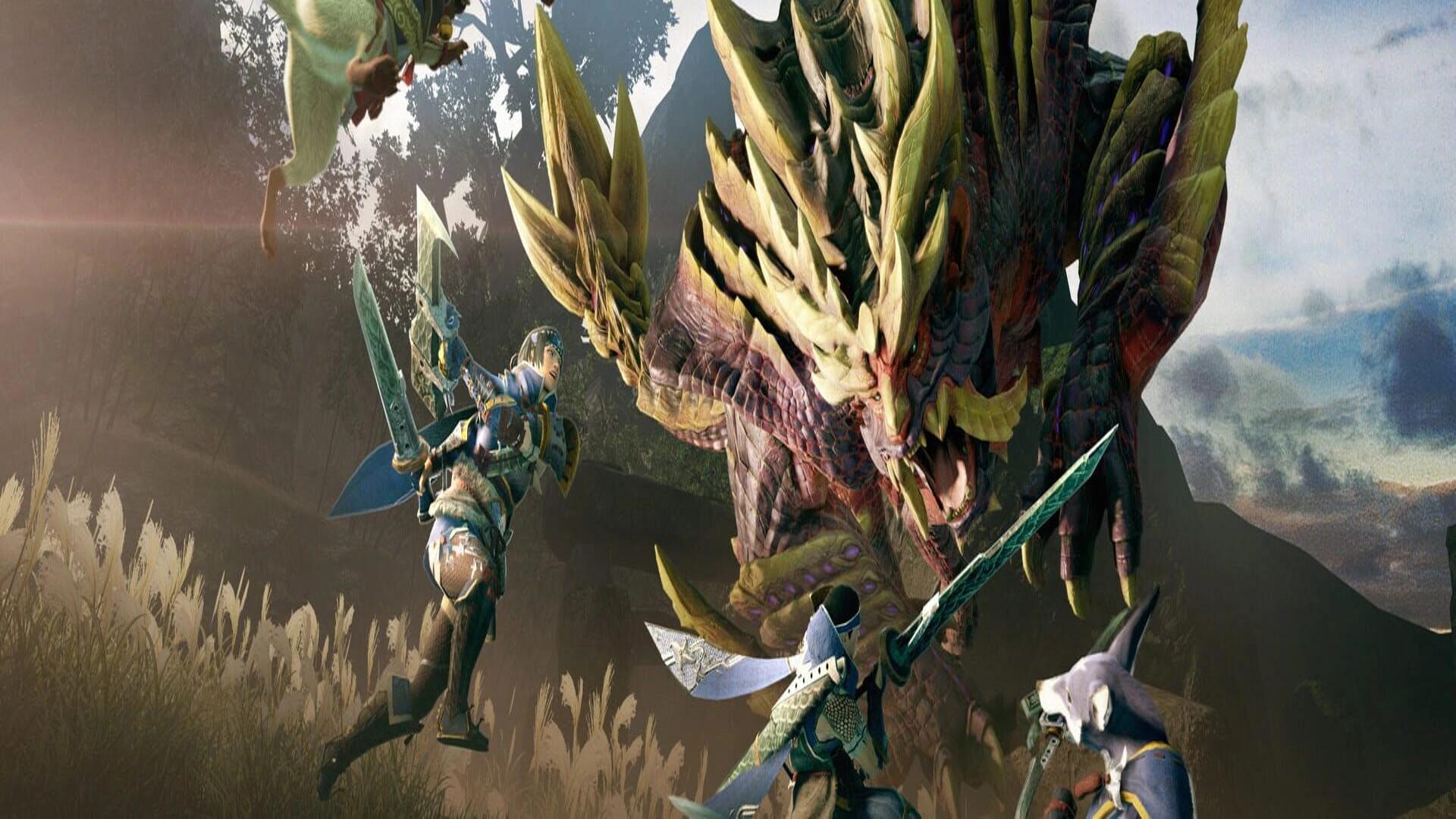
Monster Hunter Rise is the version of the series that finally clicked for me in terms of session length. Each hunt runs 20 to 40 minutes, which is exactly what you want when you cannot guarantee a three-hour block. My group picked this up after we burned through our Helldivers 2 rotation and wanted something with more structure per run and less randomness in the difficulty curve. The co-op design is built around four distinct weapon roles that reward playing together intelligently rather than just pointing everyone at the same monster. Steam Deck performance is strong, the controls translate well, and the long-term progression gives you a reason to keep coming back week after week.

- Released
- 20212021
- Genre
- RPGRPG
- Platforms
- PC, PS4, PS5, Switch, Xbox One, Series X|SPC, PlayStation 4, PlayStation 5, Nintendo Switch, Xbox One, Xbox Series X/S
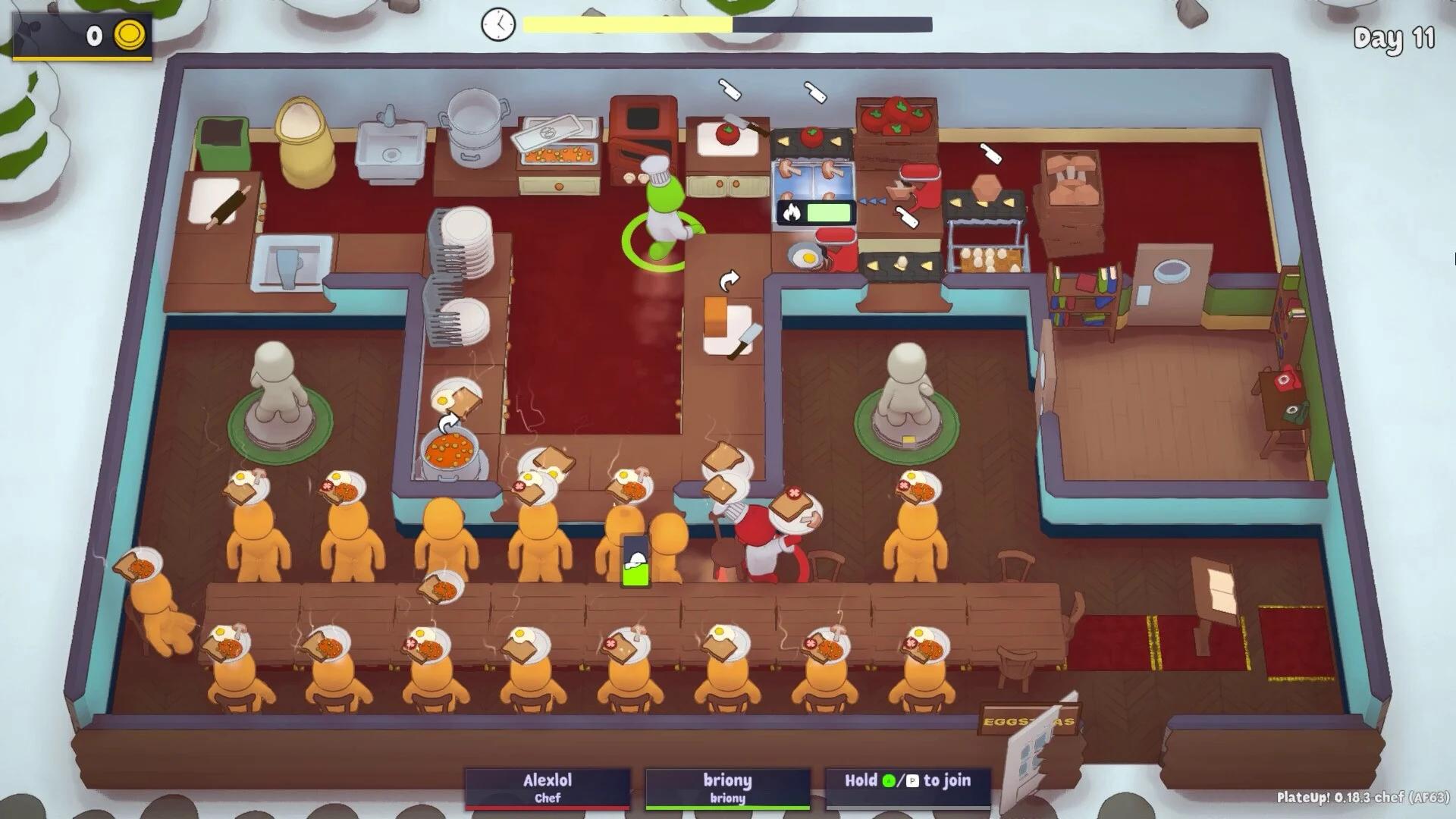
PlateUp! is what happens when someone takes Overcooked's core tension and adds a restaurant management layer that lets you optimise between the chaos rounds. You are not just cooking during service, you are also arguing about where to put the fryer before service starts, and whether the dishwasher placement was a mistake. That planning phase is what makes it more interesting for repeat sessions than Overcooked, though it also means the learning curve is steeper. I ran this docked with a second controller and it felt completely native to that setup. If your group has already exhausted Overcooked and wants something in the same zone with more strategic texture, this is the obvious next stop.
- Released
- 20222022
- Genre
- SimulationSimulation
- Platforms
- PC, PS4, PS5, Switch, Xbox One, Series X|SPC, PlayStation 4, PlayStation 5, Nintendo Switch, Xbox One, Xbox Series X/S

Broforce is loud, destructible, and completely readable on the Steam Deck screen, which turns out to be a combination that works extremely well handheld. The whole map is a physics sandbox that you and your co-op partner slowly reduce to rubble, which sounds like it should get old but somehow does not for quite a while. I have run this at LAN sessions on low-end laptops and it performs without complaint, so on Deck it is practically effortless. No onboarding required. Someone picks up a controller, you explain nothing, and within 30 seconds they are exploding something. It is not a deep game. It does not try to be.
- Released
- 20152015
- Genre
- ShooterShooter
- Platforms
- Linux, macOS, PC, PS4, Switch, Xbox OneLinux, macOS, PC, PlayStation 4, Nintendo Switch, Xbox One
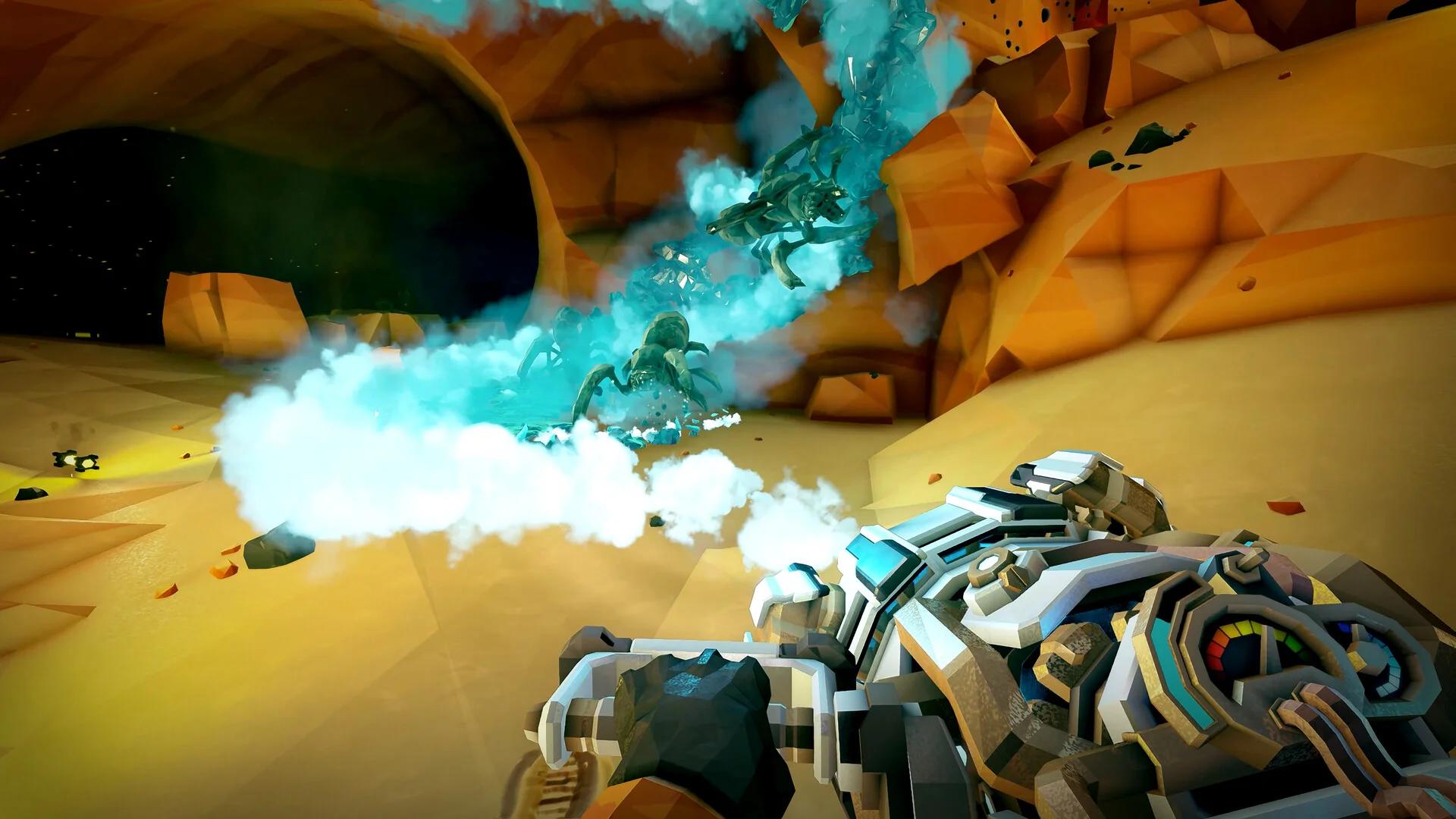
Four classes, four roles, and if your squad is running without an Engineer on a cave map that requires vertical traversal, you will know about it by the third minute. Deep Rock is the kind of co-op game where the design actively punishes ignoring your role and actively rewards the opposite, which is rare. My group moved here from Back 4 Blood and the step up in teamwork depth was immediately obvious. The Steam Deck playability is strong rather than elite, which is the honest reason it sits at eight instead of higher. Online only, no local option, and the UI is slightly cramped on the handheld screen. None of that is a dealbreaker, but it is worth knowing.
- Released
- 20202020
- Genre
- ShooterShooter
- Platforms
- PC, PS4, PS5, Xbox One, Series X|SPC, PlayStation 4, PlayStation 5, Xbox One, Xbox Series X/S
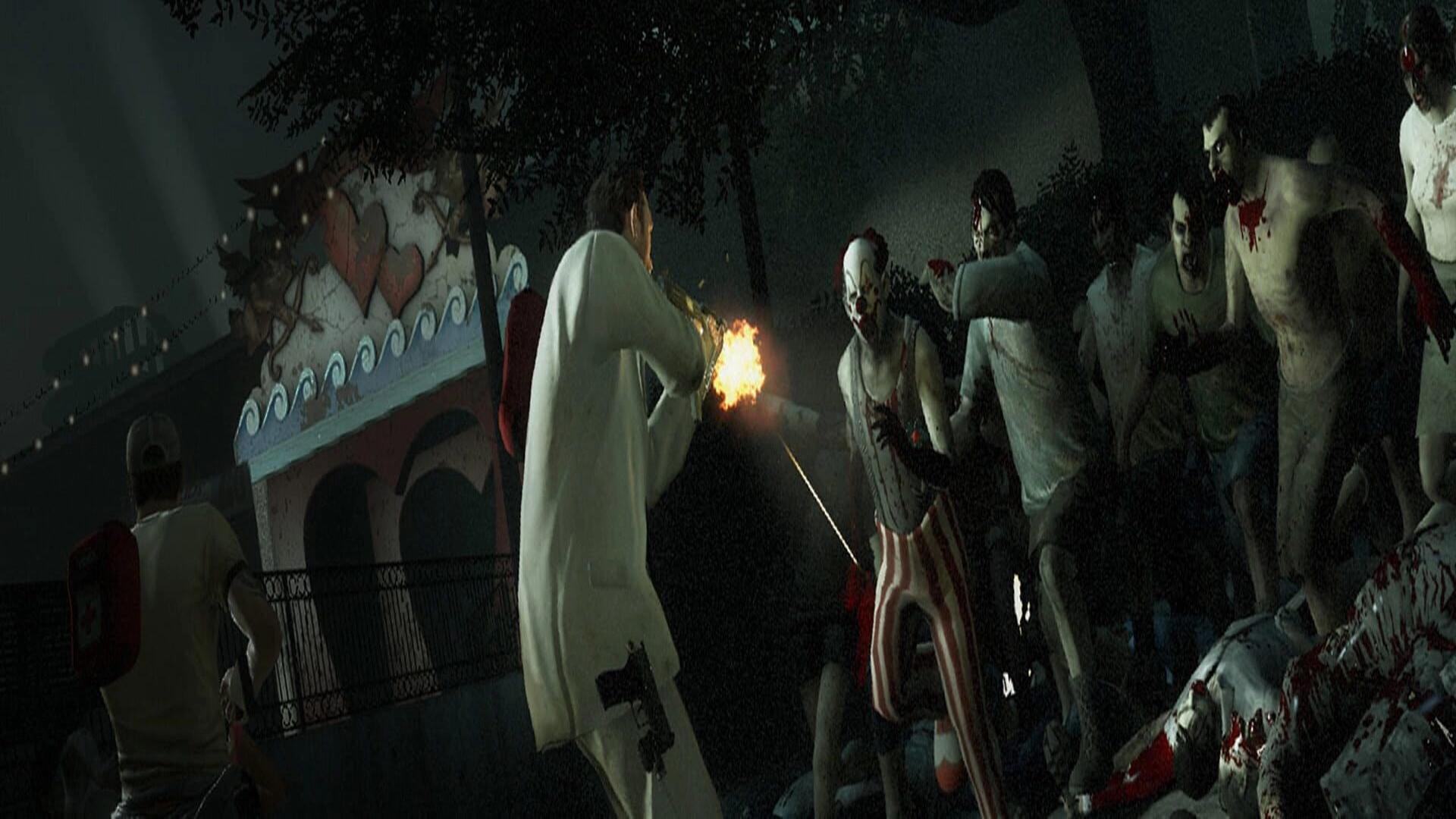
Left 4 Dead 2 is a game my group has been returning to for years, and the reason it keeps coming back is that the AI director makes every campaign run feel slightly different. You can run the same chapter ten times and the pacing shifts enough that it does not feel like repetition. On Steam Deck it runs like a dream, which should surprise nobody given the hardware requirements, but the frame rate stability in chaotic four-player moments is genuinely impressive for a handheld. It dropped to nine rather than higher because it lacks local co-op and the multiplayer flexibility score reflects that. For online sessions with a regular group, though, it is still one of the best pick-up shooters on the platform.
- Released
- 20092009
- Genre
- ShooterShooter
- Platforms
- Linux, macOS, PCLinux, macOS, PC

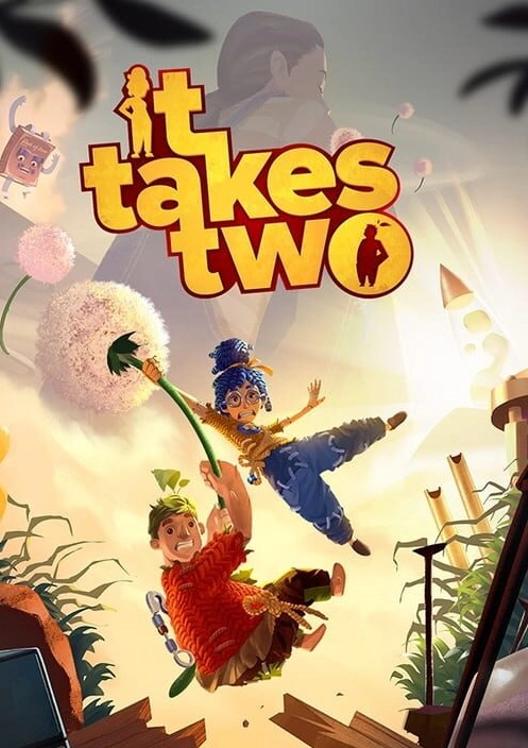
The co-op quality score here is the highest on this list. I played It Takes Two with my wife over several evenings and it is the only game besides Animal Crossing that held her attention from start to finish. The reason is that every chapter introduces completely different mechanics, so you never have time to get bored of any single idea before the game has already moved on to the next one. It sits at ten rather than higher purely because of Steam Deck friction. The EA App launcher adds setup steps that do not exist for native Steam titles, and the handheld performance is good rather than excellent. None of that changes what it is: still the benchmark for two-player co-op campaigns.
- Released
- 20212021
- Genre
- PlatformerPlatformer
- Platforms
- PC, PS4, PS5, Switch, Switch 2, Xbox One, Series X|SPC, PlayStation 4, PlayStation 5, Nintendo Switch, Nintendo Switch 2, Xbox One, Xbox Series X/S
Honorable Mentions
These five games narrowly missed the main list, each for a specific reason, but every one of them is worth your time if the fit is right for you.
Lovers in a Dangerous Spacetime is a co-op game built around a single shared ship that two players have to run together, jumping between weapons, shields, and engines as the situation demands. The visual clarity is excellent on a small screen, and docked to a TV with a second controller it feels purpose-built for that setup. It missed the main list because the online flexibility is limited compared to the top ten, and the content depth runs out faster than most entries above it. For a local-first docked session with someone who does not normally play games, though, this is one of the friendliest entry points on Steam Deck.
Split Fiction is from the same studio as It Takes Two and carries the same design philosophy: two players, constant mechanical invention, no filler. It is the stronger visual spectacle of the two and the set pieces are more ambitious. The reason it landed in honorable mentions rather than the main list is purely a Steam Deck performance question. It is a 2025 game with more demanding visuals, and the handheld experience is good rather than the near-perfect fit of the older titles above it. If you have already finished It Takes Two and want the obvious next two-player campaign, this is exactly that.
Core Keeper is what happens when you take the Terraria format and make it more immediately accessible to a group. The top-down perspective reads well on Deck, the co-op progression is genuinely shared rather than parallel, and the content depth is substantial enough to justify long-term sessions. It missed the top ten because it is online-only with no local option, and the Steam Deck playability rating is strong rather than excellent. For groups who want a long-running shared world to dig through, especially if Terraria's early-game chaos was too much of a barrier, this is the more welcoming version of that experience.
Fantasy is my default genre and Fantasy Life i sits in a space I find genuinely appealing: relaxed action-RPG systems wrapped around the kind of crafting and quest loop that works perfectly in short handheld sessions. The 2025 release date means the community is still active and the content feels current. It narrowly missed the main list because the co-op quality score, while solid, does not reach the heights of the more tightly designed co-op-first entries above it, and the Steam Deck playability is strong rather than exceptional. If you want a cozy co-op RPG that fits portable play naturally and does not demand 40 hours before it gets good, this belongs on your radar.
Don't Starve Together has been on my radar for years partly because the art style is distinct enough that it has never looked like anything else on the market. The survival loop is genuinely co-op dependent in a way that matters: one person foraging while another builds camp and a third scouts ahead is not just efficient, it is how you stay alive past the first winter. The honest reason it missed the main list is the onboarding. The first few sessions are rough even for experienced co-op players, and on Steam Deck the UI is slightly cramped for the amount of information it is trying to show. For groups patient enough to get past that wall, the long-term depth here is hard to match.
Frequently Asked Questions
A few questions that come up regularly when people are trying to figure out co-op on Steam Deck.
Can you play co-op games on Steam Deck with only one device?
Yes, through Remote Play Together. One person runs the game on their Deck and the other joins remotely via Steam, even without owning the game themselves. It works well for most of the titles on this list, though a solid internet connection on both ends matters more than people expect.
Is local split-screen co-op practical on the Steam Deck handheld screen?
For most games it is awkward. The screen is large by handheld standards, but splitting it between two players makes text and detail genuinely hard to read. Docked to a TV it is a different story entirely. For handheld co-op, online play or Remote Play Together on separate screens is a much better experience.
Do these games require a lot of setup to play co-op on Steam Deck?
Most of them are low friction. Games like Stardew Valley, Overcooked! 2, and Left 4 Dead 2 have straightforward Steam multiplayer that just works. It Takes Two has EA App launcher steps that add a small amount of friction compared to native Steam titles, which is part of why it sits at the bottom of the main list despite having the best raw co-op design.
Which games on this list work best for complete beginners to co-op?
Stardew Valley and Overcooked! 2 are the easiest onramps. Stardew asks almost nothing of new players mechanically, and Overcooked teaches you everything you need within the first two levels. TMNT: Shredder's Revenge is also excellent for beginners because the combat is readable and dying does not punish the group.
Are there good co-op options for two players specifically on Steam Deck?
Several. Portal 2 is the definitive two-player puzzle experience and runs perfectly on the hardware. It Takes Two is built for exactly two players and nothing else. Split Fiction in the honorable mentions is the strongest 2025 addition if you want something newer in the same vein.
Conclusion
A good co-op game on Steam Deck is one you actually reach for when you have a spare evening and a friend available, not one that technically supports multiplayer. Every game on this list clears that bar. Whether you want ten-minute kitchen chaos, a hundred-hour monster hunting grind, or something a non-gamer partner might actually enjoy, the right answer is somewhere on this page. Ready for more tailored picks? Try our Recommendations Engine for suggestions that match your play style.