

Not every survival game that runs on Steam Deck is worth playing on Steam Deck. Some have UI that requires a magnifying glass. Some need a keyboard for anything beyond basic movement. Some sessions run two hours before a natural stopping point appears, which is fine at a desk and a problem on a train. I built this list with those constraints in mind rather than just lifting the highest-rated survival games off a PC chart and calling it done. Every game here has been evaluated on whether it actually works as a handheld survival experience, not just whether it launches.
Games were ranked using a weighted score that prioritises Steam Deck playability and survival depth most heavily, with overall game quality, portable session fit, and accessibility rounding it out. The further down the list you go, the more you are trading handheld comfort for raw survival depth or game quality.
For the full picture on what to play on Steam Deck across all genres, see our Best Steam Deck Games in 2026 guide. This article focuses specifically on survival games that genuinely suit handheld play.
Quick Picks
Best overall handheld survival: The Long Dark
Best for quick sessions: The Flame in the Flood
Best survival horror on Deck: Darkwood
Best approachable pick: Grounded
Best for hardcore survival fans: Project Zomboid
The Top 10 Best Survival Games for Steam Deck
These are the games that earn their spot by combining genuine survival identity with a handheld experience that does not require workarounds to enjoy.

The Long Dark is the one I keep coming back to as the answer when someone asks what to put on their Steam Deck first. Not because it is the flashiest game on this list, but because nothing else here matches the combination of relentless survival pressure and total handheld comfort. You are cold, you are hungry, and the wind is picking up. Every decision matters in a way that feels earned rather than arbitrary. The UI is readable at a glance, the controller mapping is natural, and a session can last twenty minutes or three hours without the game punishing you for either. It earns the top spot cleanly.

- Released
- 20172017
- Genre
- ShooterShooter
- Platforms
- Linux, macOS, PC, PS4, PS5, Switch, Xbox One, Series X|SLinux, macOS, PC, PlayStation 4, PlayStation 5, Nintendo Switch, Xbox One, Xbox Series X/S

I will be honest: I came to Don't Starve Together expecting a co-op game and stayed for the solo survival loop. The sanity system alone changes how you play in ways I did not anticipate. You start avoiding darkness for practical reasons and end up making decisions that feel almost psychological. Seasons shift the pressure constantly, and the art style means the whole thing looks stunning on the Deck screen. Battery draw is low, sessions can be as short or long as you want, and the controller feel is clean. The onboarding is genuinely harsh, though. First few runs you will die in ways that feel arbitrary. Push through that.

- Released
- 20162016
- Genre
- SimulationSimulation
- Platforms
- Android, iOS, Linux, macOS, PC, SwitchAndroid, iOS, Linux, macOS, PC, Nintendo Switch
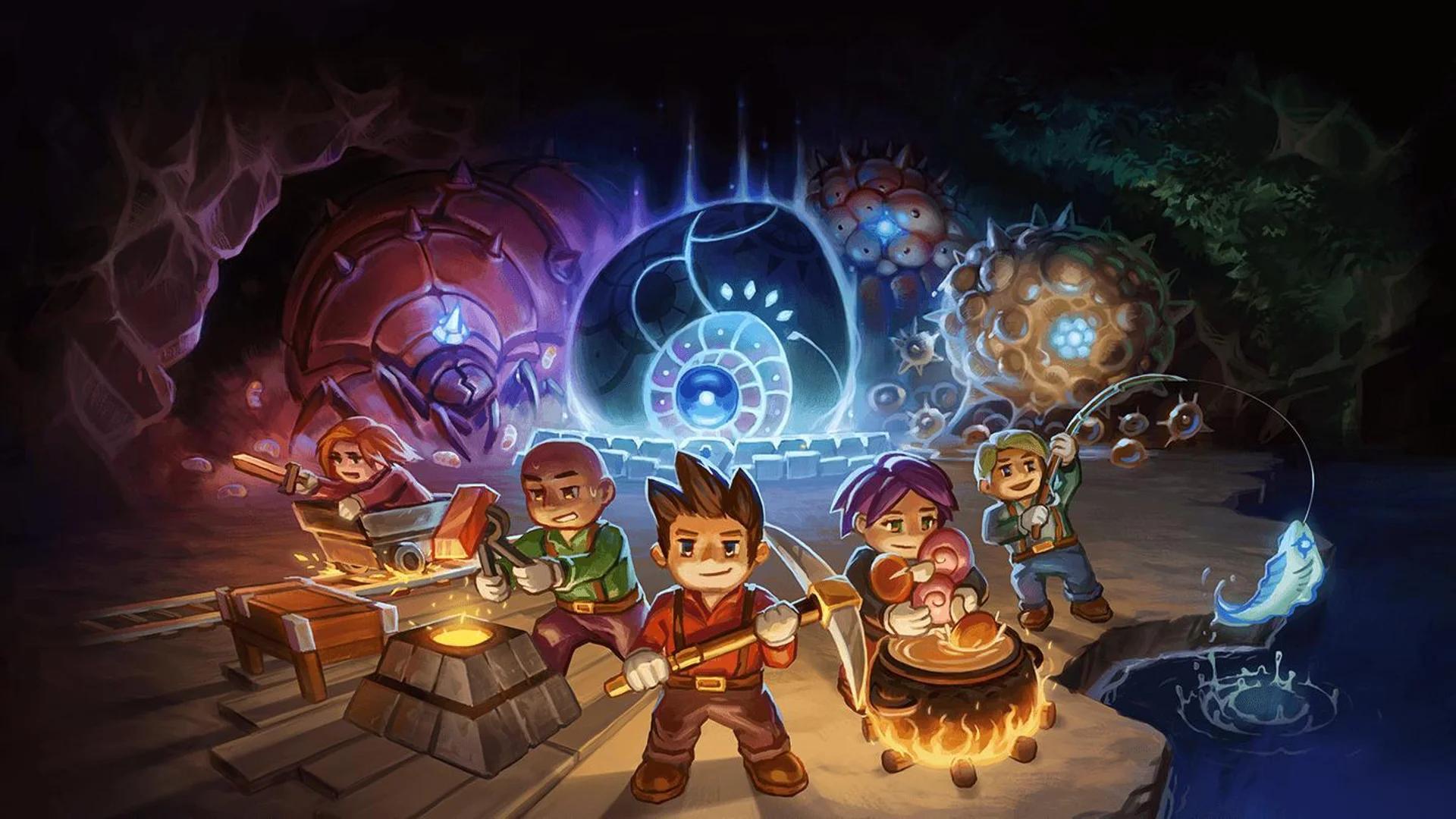
Core Keeper looks like a cozy game and plays like one for the first hour. Then you dig into a new biome without the right gear and something enormous and angry emerges from the dark, and you realise it has been a survival game the whole time. I tried this late one evening expecting to play for twenty minutes. An hour passed while I was still routing a food supply and trying to figure out why my torch placement was inadequate. That loop, where comfort and threat rotate around each other, is exactly what works well in portable sessions. Runs on the Deck beautifully, and the top-down perspective means nothing is ever unreadable.

- Released
- 20242024
- Genre
- RPGRPG
- Platforms
- Linux, PC, PS4, PS5, Switch, Switch 2, Xbox One, Series X|SLinux, PC, PlayStation 4, PlayStation 5, Nintendo Switch, Nintendo Switch 2, Xbox One, Xbox Series X/S
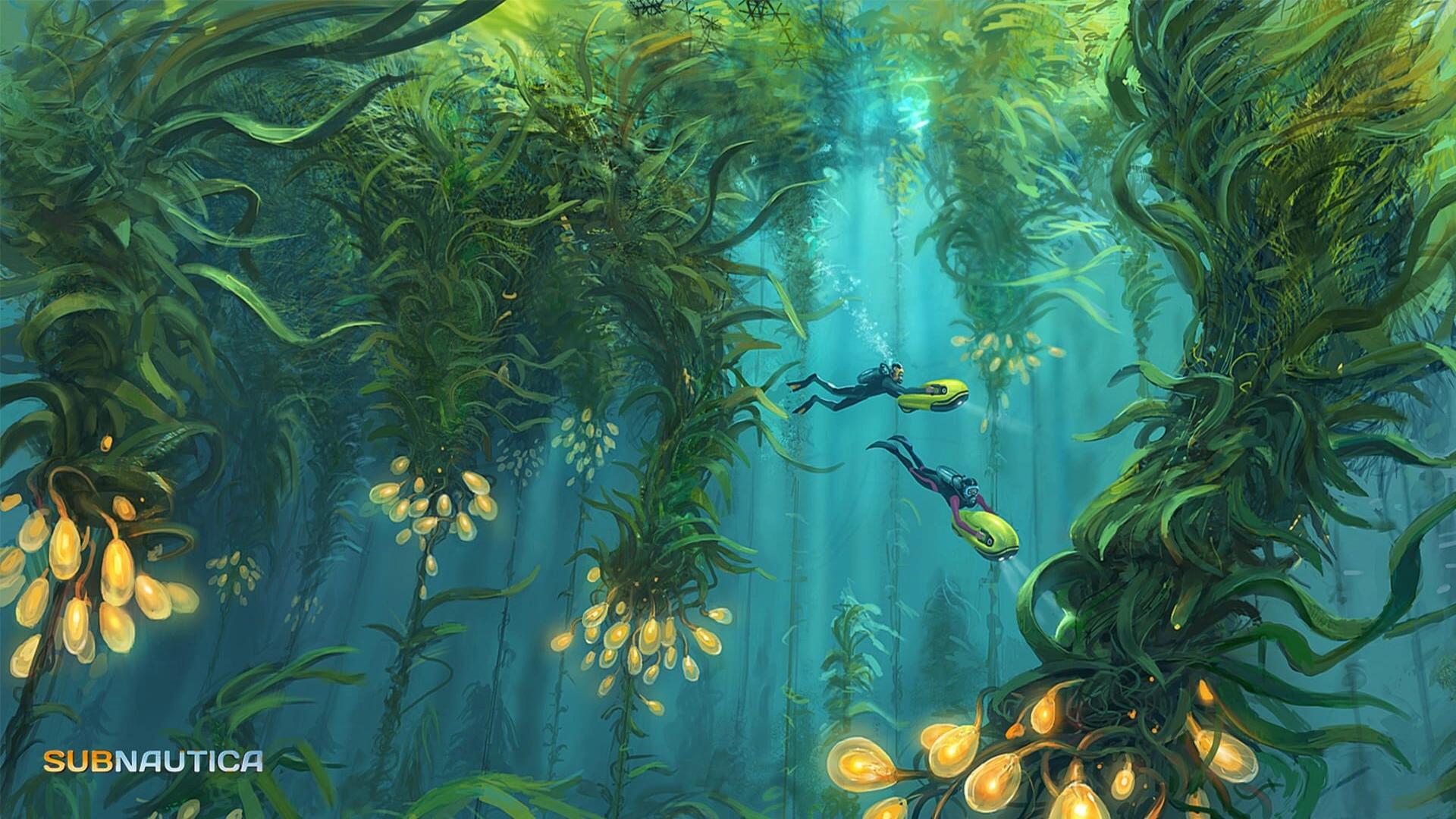
The thing about Subnautica that took me by surprise is how well the tension translates to a smaller screen. On a monitor the ocean feels vast and cinematic. On the Deck it feels claustrophobic in the best way, like you are genuinely stuck out there with limited oxygen and something large moving below you. The survival loop around habitat building and resource diving is compelling enough that sessions structure themselves naturally around each descent. It sits fourth rather than higher because sessions do run long before natural pause points, and the odd frame drop in dense areas reminds you that this is a game working hard on handheld hardware. Still a must-play.

- Released
- 20182018
- Genre
- AdventureAdventure
- Platforms
- Android, iOS, macOS, PC, PS4, PS5, Switch, Switch 2, Xbox One, Series X|SAndroid, iOS, macOS, PC, PlayStation 4, PlayStation 5, Nintendo Switch, Nintendo Switch 2, Xbox One, Xbox Series X/S


Playing Darkwood in bed with headphones in is one of those experiences I would not specifically recommend to anyone who values their sleep. The top-down perspective strips the usual horror-game safety net of seeing what is behind you, which means the nightly barricade phase operates on pure audio and limited sightlines. Scavenging during the day and fortifying at night creates a rhythm that suits portable sessions perfectly. The Deck handles it without complaint, and the low hardware demands mean you get a full session on a single charge. It is the narrowest recommendation on this list — if horror is not your thing, skip it — but for the right player it is exceptional.

- Released
- 20172017
- Genre
- RPGRPG
- Platforms
- Linux, macOS, PC, PS4, PS5, Switch, Xbox One, Series X|SLinux, macOS, PC, PlayStation 4, PlayStation 5, Nintendo Switch, Xbox One, Xbox Series X/S
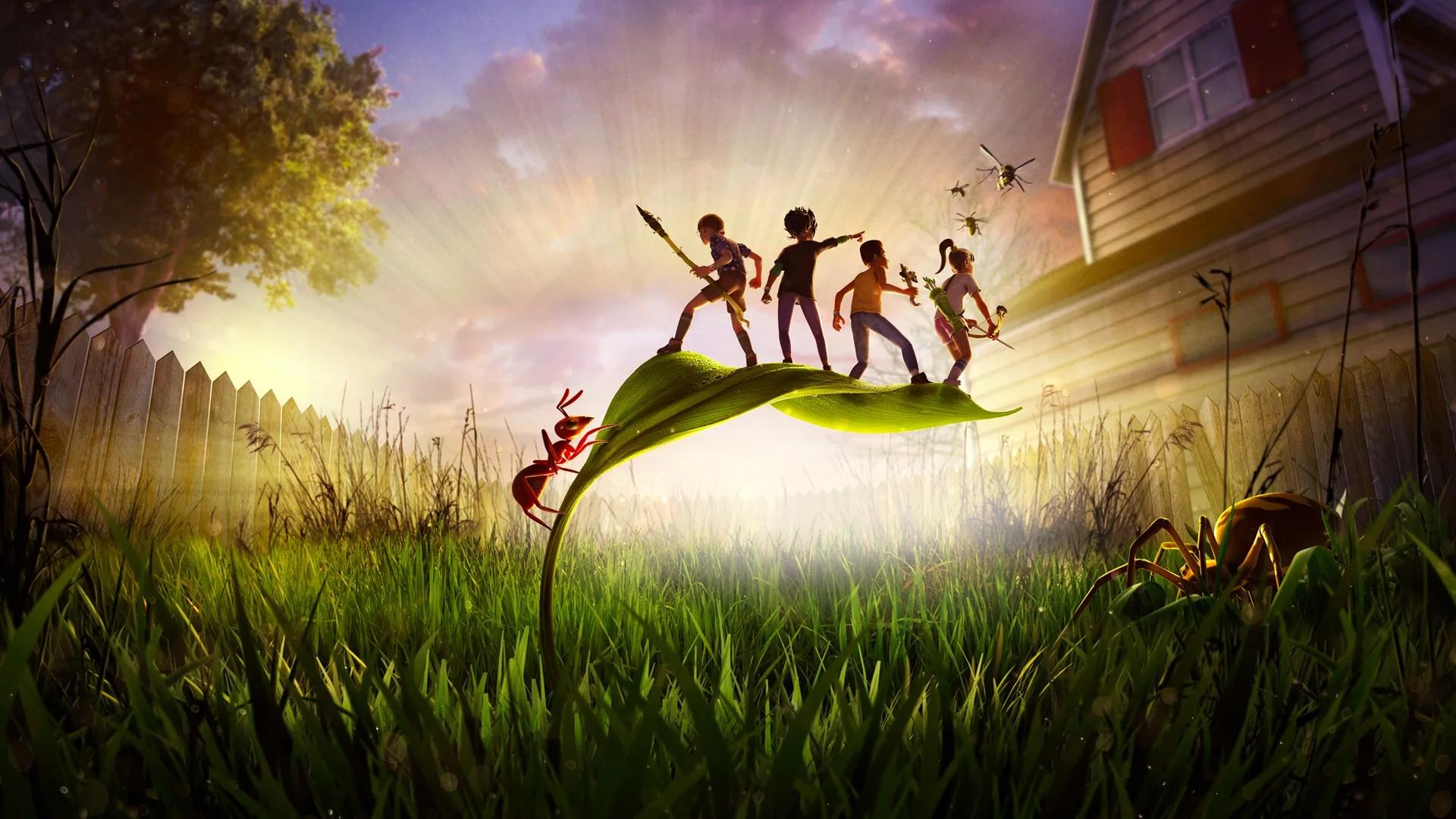
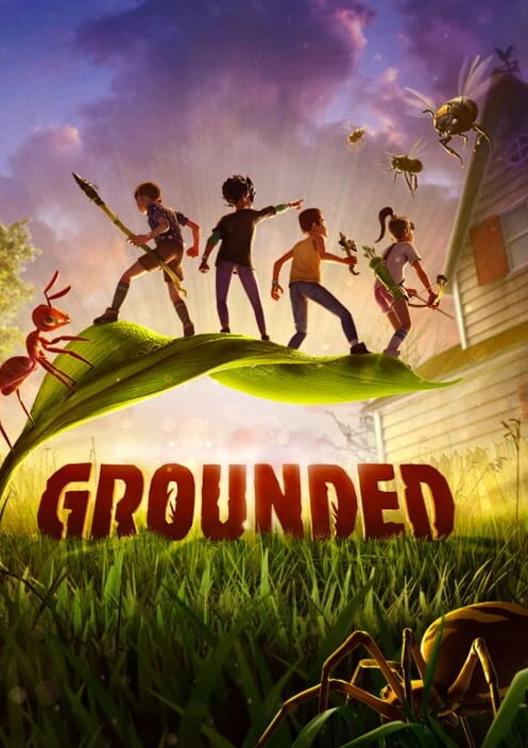
Grounded is the game I would hand to someone who says they have never really clicked with survival games. The miniaturised backyard setting reframes the genre's usual demands into something more immediately readable, and Obsidian built the controls with a pad in mind from the start. You still need to manage food and water, still need to craft shelter, still get genuinely threatened by wolf spiders that are absolutely terrifying at ant scale. But the pacing is forgiving enough that mistakes do not feel punishing, which matters on handheld when you are splitting attention. Survival depth scores slightly lower than the top entries, and rightly so, but as an entry point it is nearly perfect.
- Released
- 20222022
- Genre
- RPGRPG
- Platforms
- PC, PS4, PS5, Switch, Xbox One, Series X|SPC, PlayStation 4, PlayStation 5, Nintendo Switch, Xbox One, Xbox Series X/S
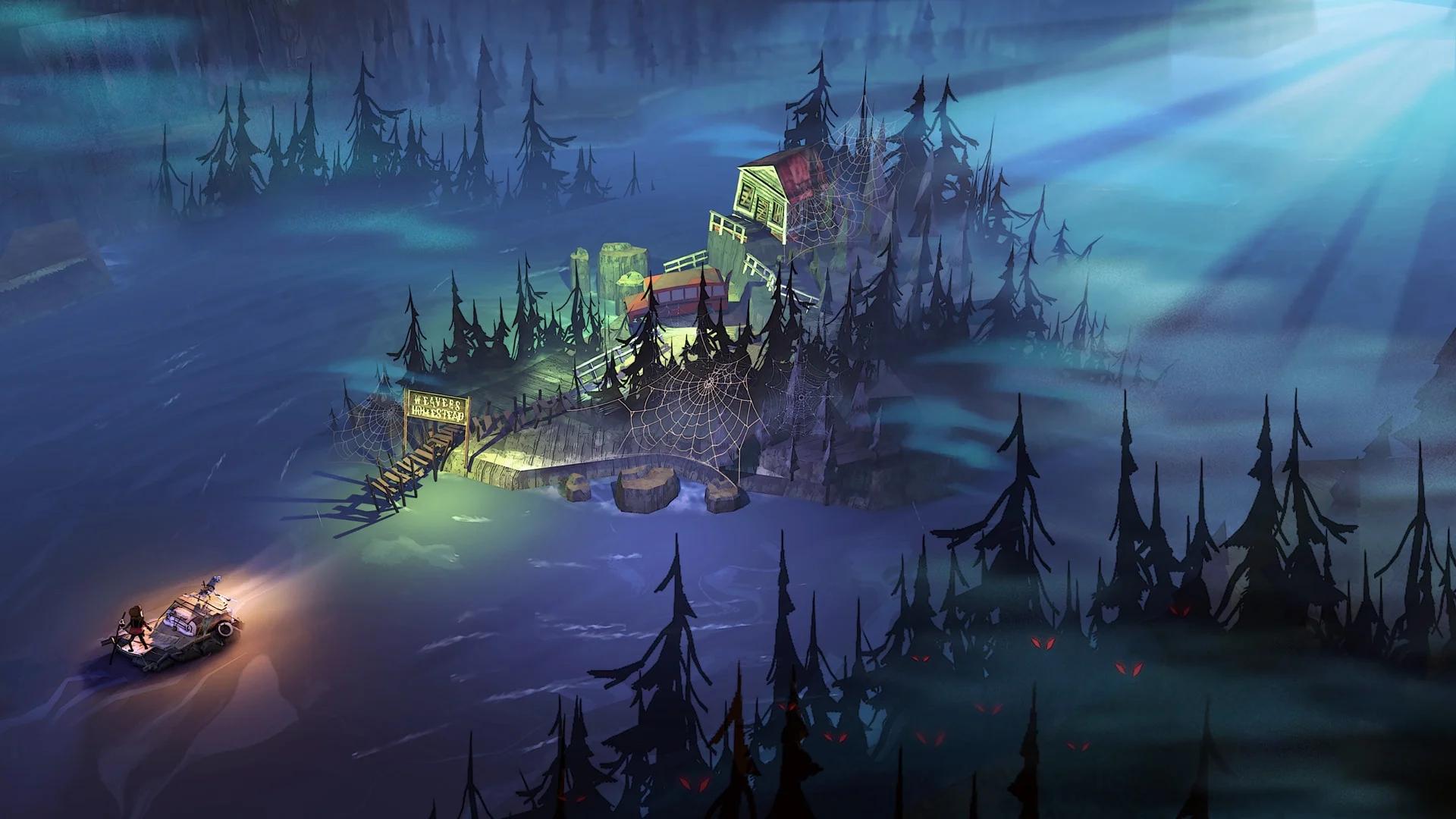
Most survival games on this list ask for an hour minimum before you feel settled. The Flame in the Flood asks for twenty minutes and then kills you with hypothermia, which is somehow the more honest pitch. It is a procedural river journey with a dog, constant hunger and thirst, and a structure that respects your time by design. Each run is self-contained enough that picking it up on a commute or a lunch break makes sense in a way that Valheim or Subnautica simply does not. I ranked it here because the overall game quality sits a notch below the elite tier, but for pure handheld-native survival with no setup friction, nothing on this list beats it.
- Released
- 20162016
- Genre
- AdventureAdventure
- Platforms
- macOS, PC, PS4, Switch, Xbox OnemacOS, PC, PlayStation 4, Nintendo Switch, Xbox One
If you are looking for open-world games on Steam Deck that go beyond survival into exploration and adventure, our Best Open World Games for Steam Deck guide covers the wider field.

Valheim is the game that had my entire friend group playing simultaneously for about three weeks, then everyone stopped at roughly the same time when the Ashlands difficulty curve hit and the novelty of the biome wore off before the payoff arrived. Solo on the Deck it is a different experience, more meditative, more about the food planning and the base progression than the group coordination. It plays well enough in handheld mode that I would not hesitate to recommend it, but do not expect the same battery life or performance smoothness as the lighter entries above. Heavy sessions with lots of building will test the hardware. For the survival crafting sandbox crowd this is still one of the best on Steam.
- Released
- 20262026
- Genre
- RPGRPG
- Platforms
- Linux, macOS, PC, PS5, Switch 2, Xbox One, Series X|SLinux, macOS, PC, PlayStation 5, Nintendo Switch 2, Xbox One, Xbox Series X/S
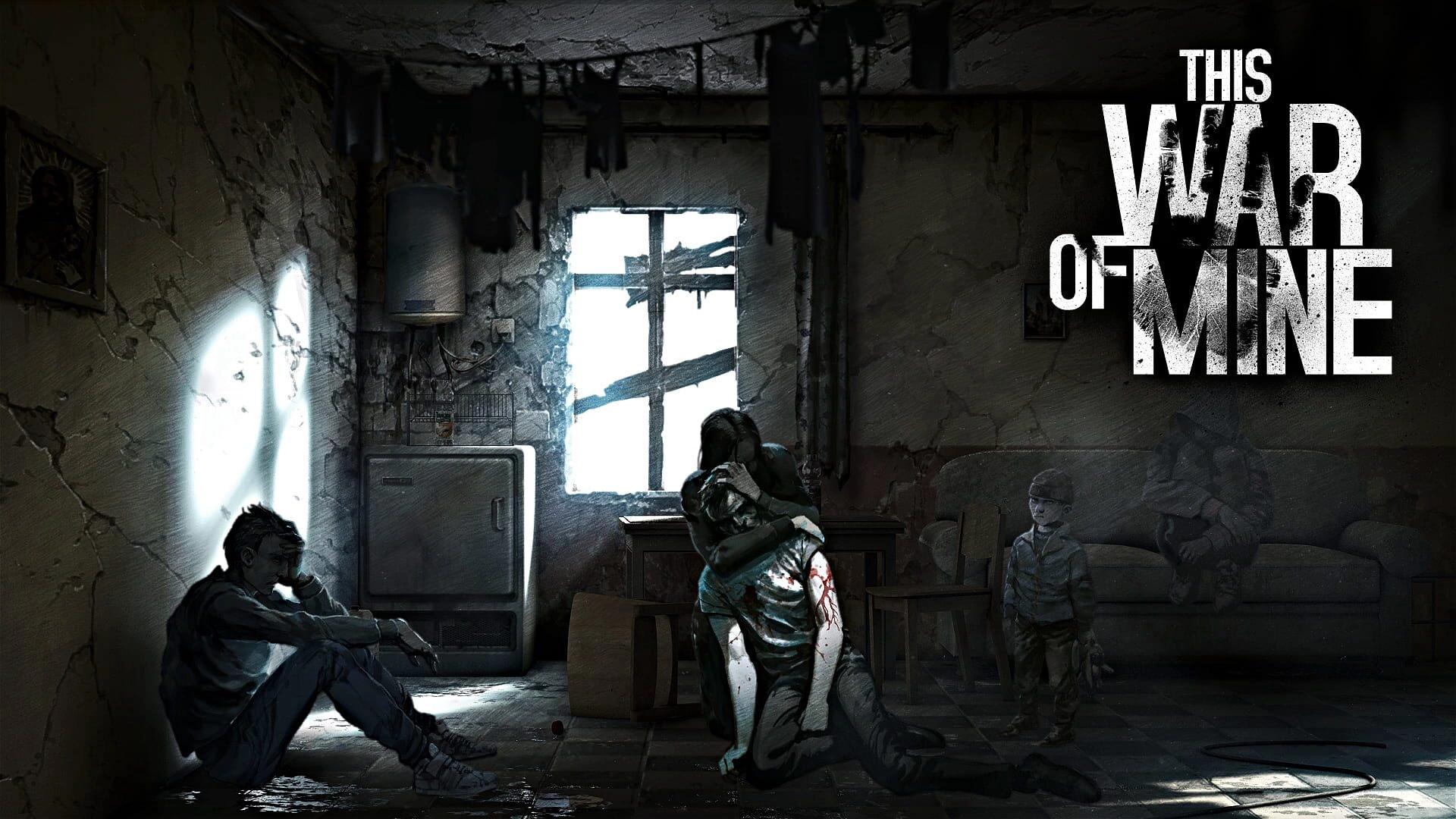
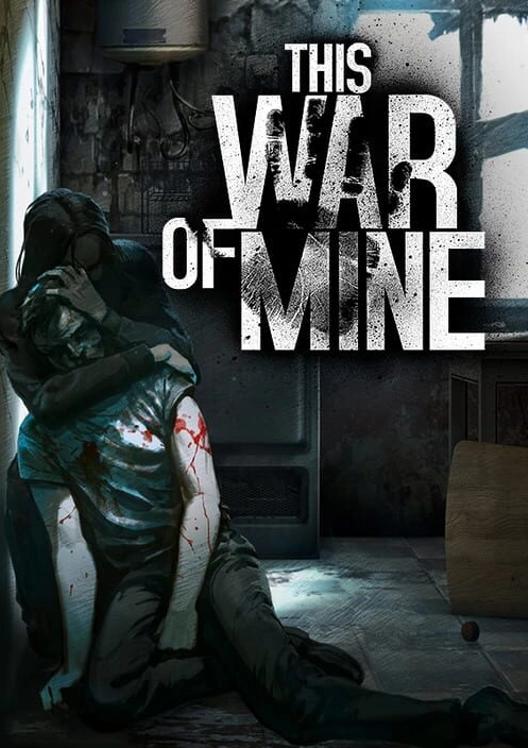
This War of Mine is the only game on this list that made me genuinely uncomfortable in a way I kept thinking about after I stopped playing. Managing civilians through a siege, rationing food, deciding whether to send an injured adult out at night because no one else can go, these decisions have weight that most survival games gesture at without delivering. The interface takes adjustment on Deck, it was built with mouse navigation in mind and the controller translation shows, but the session structure is manageable and the survival identity is among the strongest here. Sits at nine because of that control friction, not because of anything wrong with the game itself.
- Released
- 20142014
- Genre
- SimulationSimulation
- Platforms
- Android, iOS, Linux, macOS, PC, PS4, Xbox OneAndroid, iOS, Linux, macOS, PC, PlayStation 4, Xbox One
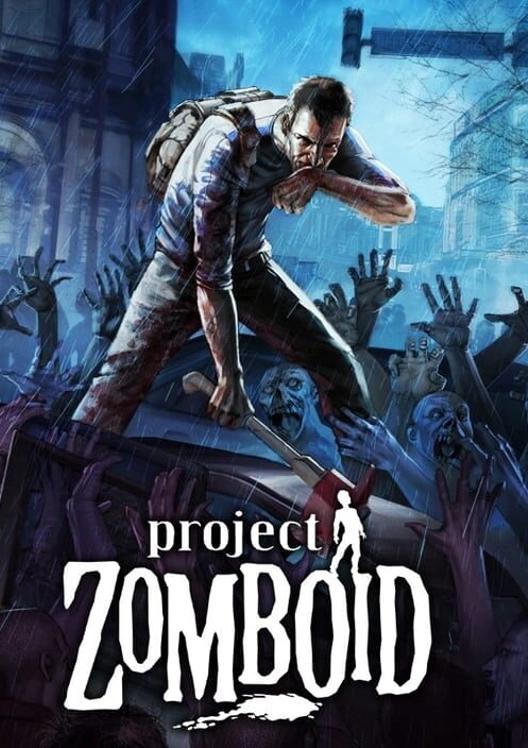
Project Zomboid has the deepest survival simulation on this list by a significant margin. Calorie tracking, infection, exhaustion, fractures, psychological state, the systems stack in ways that feel genuinely systemic rather than cosmetic. On a desktop with keyboard and mouse it is one of my favourite survival games to read about even when I am not playing it. On the Deck it is a different proposition. The isometric interface is text-dense, the controls require real investment to remap into something comfortable, and it lands here at ten rather than three for precisely those reasons. If you are a survival purist who is willing to put in the setup hours, it is worth every bit of that friction. Everyone else should start somewhere higher.
- Released
- 20132013
- Genre
- RPGRPG
- Platforms
- Linux, macOS, PCLinux, macOS, PC
Honorable Mentions
These games narrowly missed the top ten, either because handheld usability falls a step short of the main list or because the competition at the bottom of the top ten was stiff enough to push them out.
The Forest lands cleanly in the honourable mentions because the survival loop, shelter building under constant threat from cannibal tribes, is genuinely compelling and holds up on Deck better than its newer sequel Sons of the Forest. The horror element is more grounded than Darkwood, which makes it a slightly easier recommendation for players who want tension without full psychological horror. It did not crack the top ten because the Deck experience, while good, sits a step below the most polished entries. Still absolutely worth playing if you have been through the main list already.
Set in a collapsing research facility overrun by dimensional anomalies, Abiotic Factor has one of the more original survival premises on Steam. The crafting and resource scavenging feel purposeful rather than routine, and the sci-fi setting gives it personality that the genre's usual forests and post-apocalyptic wastelands lack. It missed the top ten because the Deck experience, while functional, is not quite as polished as the best entries here. Worth watching if you are looking beyond the classics.
Oxygen Not Included is one of the best colony survival games on Steam, full stop. The pressure never lets up because every system, oxygen, heat, food, plumbing, stress, connects to every other system in ways that keep producing new disasters well into a hundred-hour run. It missed the main list because the interface friction on Deck is real. This was designed for a mouse, the information density requires zooming and scrolling that becomes laborious on handheld, and battery draw climbs during complex colony states. For a patient player prepared to sit with the interface learning curve, it is still worth the trouble.
Breathedge sits in a gap between Subnautica and a shorter, more contained experience. Space debris scavenging, oxygen management, and crafting form the core, and the game leans into deadpan humour that makes the survival loop feel lighter without trivialising it. Controller support is strong and the Deck handles it well. It missed the top ten mainly because the overall game quality does not quite match the best entries here, but as a secondary pick for players who have worked through Subnautica and want something in the same register, it is a reasonable next move.
State of Decay 2 is survival built around scavenging runs with real stakes. Permadeath for individual survivors, community resource management, fatigue and injury systems that follow your people between missions, it is more action-forward than most entries here but the survival pressure is genuine. The controller support is solid and the mission structure gives handheld sessions natural pause points. It missed the top ten because the Deck experience sits in the good-but-not-great tier and the overall polish lags behind the best entries. Recognisable name, lower setup friction, decent survival depth. Worth considering if the main list does not have what you are after.
Frequently Asked Questions
Common questions about playing survival games on Steam Deck.
Which survival games run best on Steam Deck out of the box?
The Long Dark, Don't Starve Together, Core Keeper, and The Flame in the Flood all require essentially no tweaking to play comfortably. They have clean controller support, readable UI at the Deck's native resolution, and stable performance without needing manual settings adjustments. If you want zero friction from first launch, start there.
Is Project Zomboid actually playable on Steam Deck?
It is, but with effort. The default controls are a chore until you remap them, and the interface is text-dense enough that small menus require zooming. Players on the Steam Deck community have shared custom controller layouts that make it significantly more comfortable. If you are a survival purist who wants the deepest systems on the list, the setup time is worth it. If you are not already committed to Project Zomboid specifically, start somewhere more handheld-native and come back to it.
Do these games work offline on Steam Deck?
Most of them do. The Long Dark, Subnautica, Darkwood, Grounded, The Flame in the Flood, Valheim, This War of Mine, Project Zomboid, and Breathedge are all fully offline. Don't Starve Together requires an internet connection for multiplayer but can be played solo offline. Core Keeper is offline-friendly for solo play. If you are planning to play without Wi-Fi, you are covered by almost everything on this list.
What is the best survival game on Steam Deck for short sessions?
The Flame in the Flood was practically designed for this. Each run is procedurally generated and structured around river segments that make natural stopping points obvious. You can play for twenty minutes and feel like you completed something. Don't Starve Together and Core Keeper also handle short sessions well because progress saves cleanly and objectives are always visible when you return.
Is Valheim worth playing solo on Steam Deck?
Yes, though the experience is different from playing with a group. Solo Valheim is slower and more deliberate, which actually suits portable play reasonably well. The main caveat is battery life during heavy building sessions and occasional performance dips in the later biomes. If you keep sessions focused on exploration and resource runs rather than large-scale base building while handheld, it holds up well.
Conclusion
The range here is wider than it might look at first glance. From the wilderness minimalism of The Long Dark to the systemic depth of Project Zomboid, from the five-minute tension of a Flame in the Flood river crossing to the hundred-hour colony disasters of Oxygen Not Included, there is a survival game on this list for almost every kind of player. The honest answer to which one is right for you depends on how much handheld friction you are willing to accept in exchange for depth. Start at the top if you want the safest recommendations. Work down if you want the most demanding ones.
If you want to explore more of what the Steam Deck library has to offer beyond survival, our Best Steam Deck RPGs in 2026 guide is a natural next stop, and if you want something faster-paced, Best Shooter Games on Steam Deck 2026 covers that ground thoroughly.
Ready for more tailored picks? Try our Recommendations Engine for suggestions that match your play style.