

Horror games on a handheld have a specific quality that a TV in a bright living room just cannot replicate. The screen is close. The headphones are on. Nobody is walking behind you to break the tension. I started paying attention to this when I realised I was getting genuinely creeped out by games I had bounced off before on a big display, simply because the Steam Deck made them more personal. This list ranks the best horror games available on Steam specifically for that experience, where horror quality and handheld practicality both have to hold up.

How We Ranked These Games
Horror quality and Steam Deck playability together carry 60% of the total weight, split equally, because a game that terrifies you but runs poorly on the Deck is not a handheld recommendation. Overall game quality makes up 20%, since atmosphere alone cannot save a broken loop. Handheld session fit and distinctiveness round out the scoring, rewarding games that suit portable play and bring something different to the list rather than duplicating what is already here.
The Top 10 Best Horror Games on Steam Deck
These are the games that earned both scores. Every entry here is something I would tell a friend to install before a long train journey with headphones.
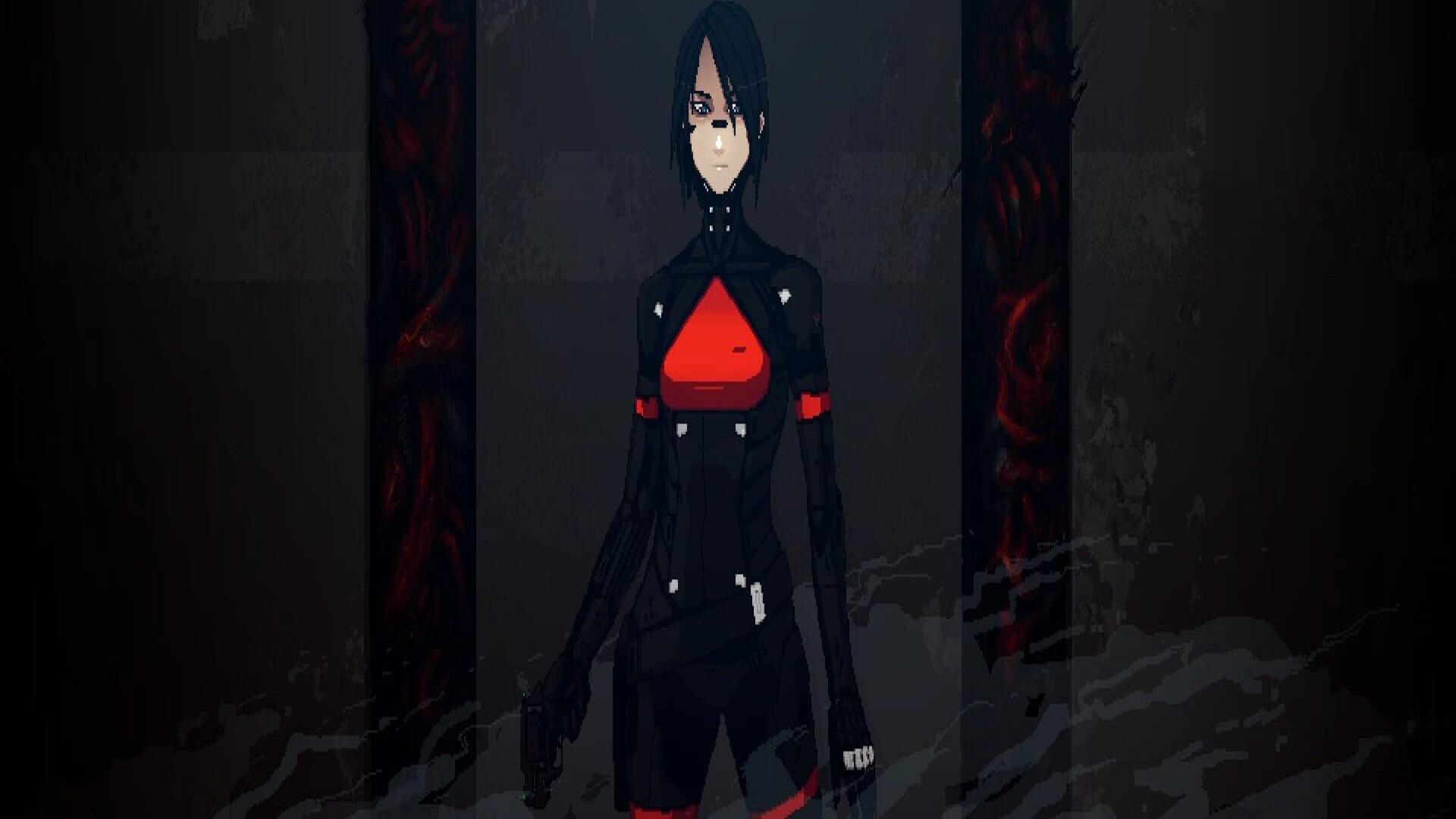
I have a weakness for games that feel like they were made specifically for one device, and SIGNALIS is that game for Steam Deck. The top-down perspective, the lo-fi pixel aesthetic, the crisp text on a small screen, it all clicks in a way that feels deliberate rather than coincidental. Classic survival horror structure means limited resources, deliberate movement, and puzzles that reward attention. The horror here is not jump scares. It is creeping dread that builds across the entire game. Performance is rock solid, suspend-resume works exactly as it should, and the battery barely notices it is running. One of the cleanest top-slot decisions I have made for any list.
- Released
- 20222022
- Genre
- AdventureAdventure
- Platforms
- PC, PS4, Switch, Xbox OnePC, PlayStation 4, Nintendo Switch, Xbox One
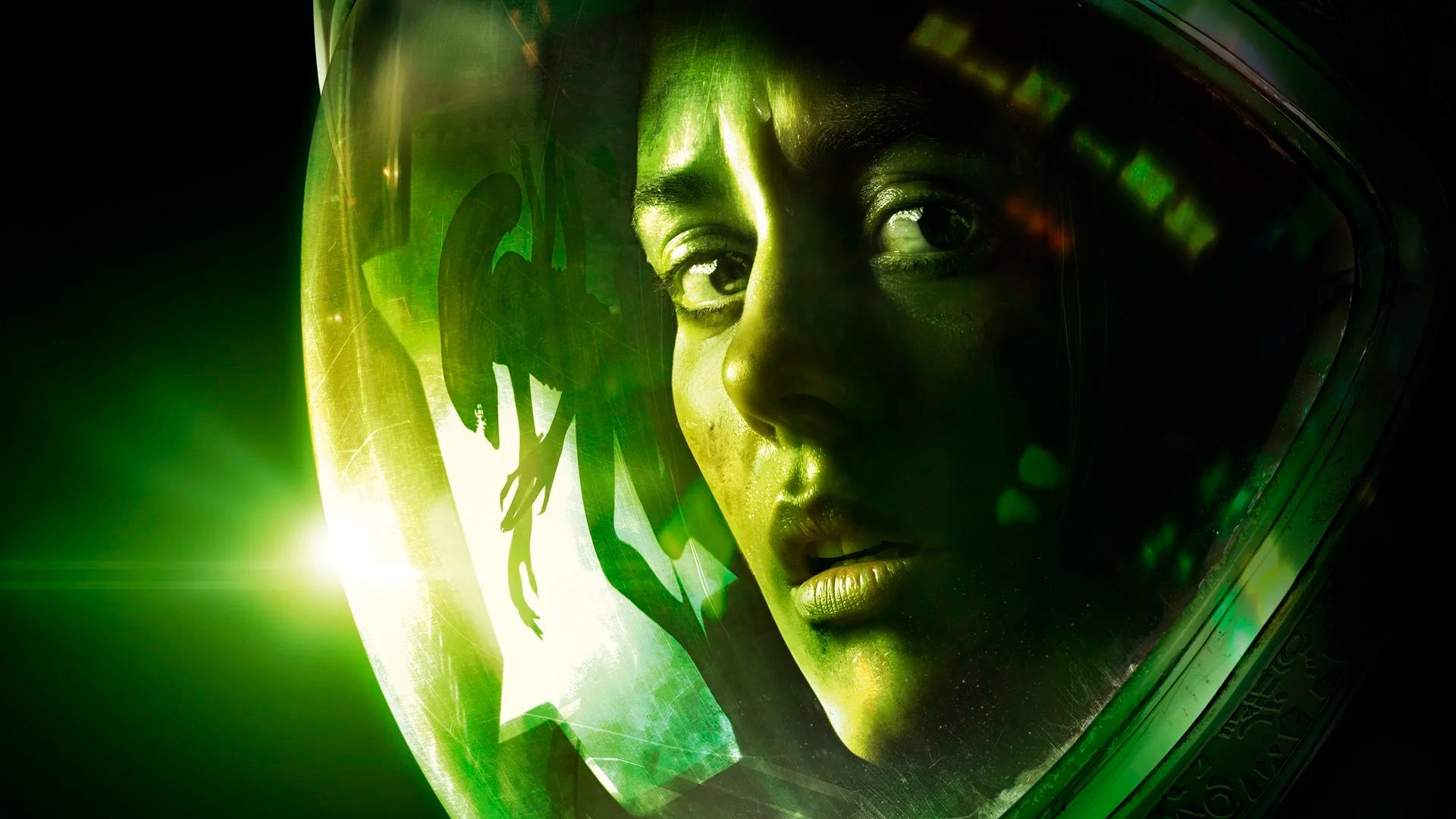
The Xenomorph does not follow a script. That is the thing most people do not understand until they are hiding under a desk for four minutes while it paces the corridor above them, and then it just stays there. I played through a section of this with headphones on the Deck late at night and I genuinely stopped breathing at one point. The sound design is where this game lives, and handheld with headphones is the ideal delivery system. Controller support is excellent, the game runs well, and the readability on the Deck screen is fine throughout. A long game, but structured in a way that lets you treat each area as a session.
- Released
- 20142014
- Genre
- AdventureAdventure
- Platforms
- Linux, macOS, PC, PS4, Switch, Xbox OneLinux, macOS, PC, PlayStation 4, Nintendo Switch, Xbox One
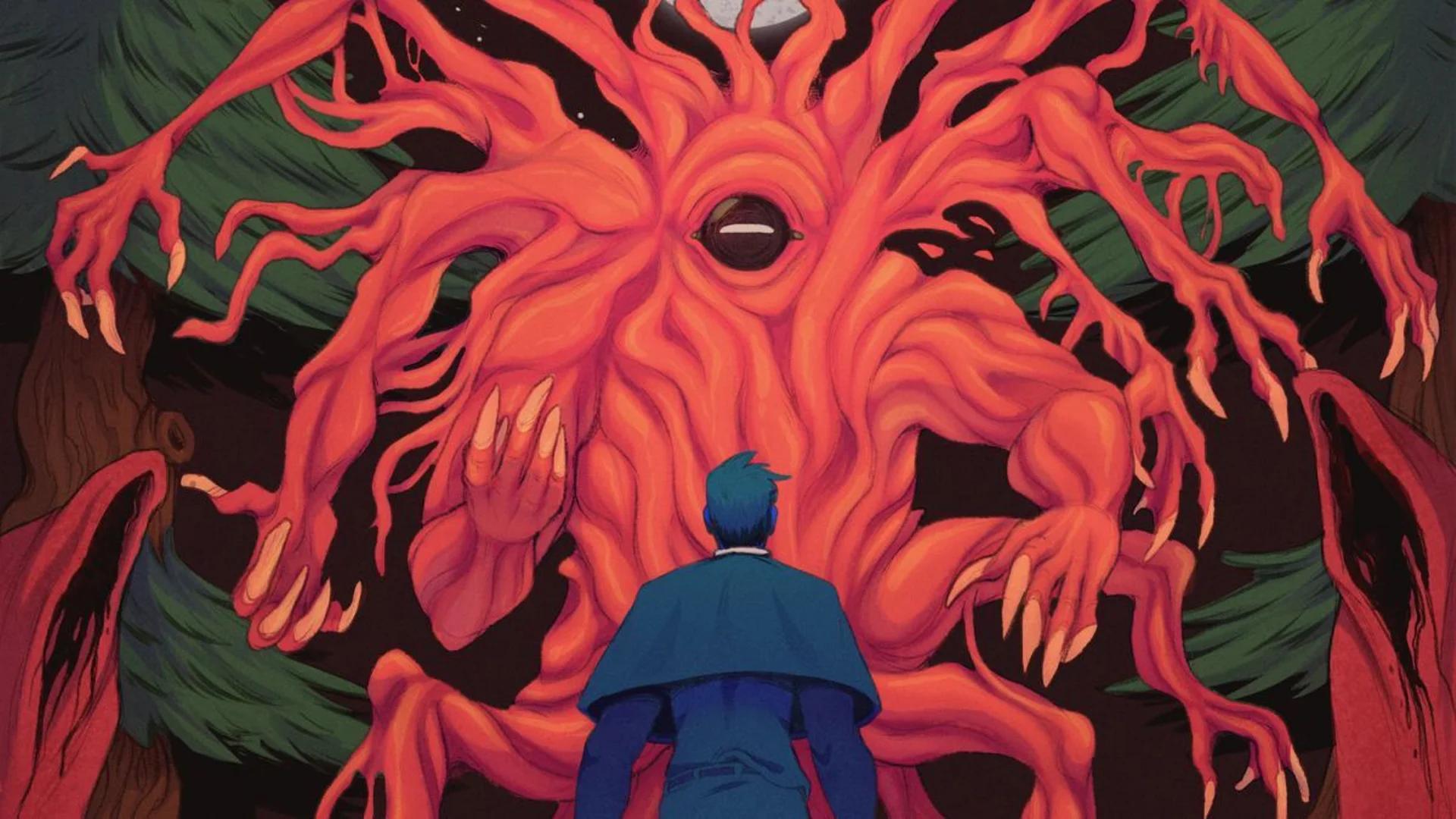
Nothing on this list looks less threatening in a screenshot. Atari-era pixel art, simple animations, a cross you wave at things. Then you turn the sound on and play it in a dark room. FAITH does something that bigger horror games with photorealistic graphics routinely fail to do: it makes your imagination do the heavy lifting, and your imagination is worse than anything a developer could render. I love horror games that find fear in unusual places, and this one finds it in a deliberately primitive aesthetic. Instant sessions, trivial hardware demands, and a horror impact that punches far above its visual weight. The Steam Deck is almost embarrassingly overpowered for it.

- Released
- 20222022
- Genre
- PuzzlePuzzle
- Platforms
- PC, PS5, Switch, Series X|SPC, PlayStation 5, Nintendo Switch, Xbox Series X/S

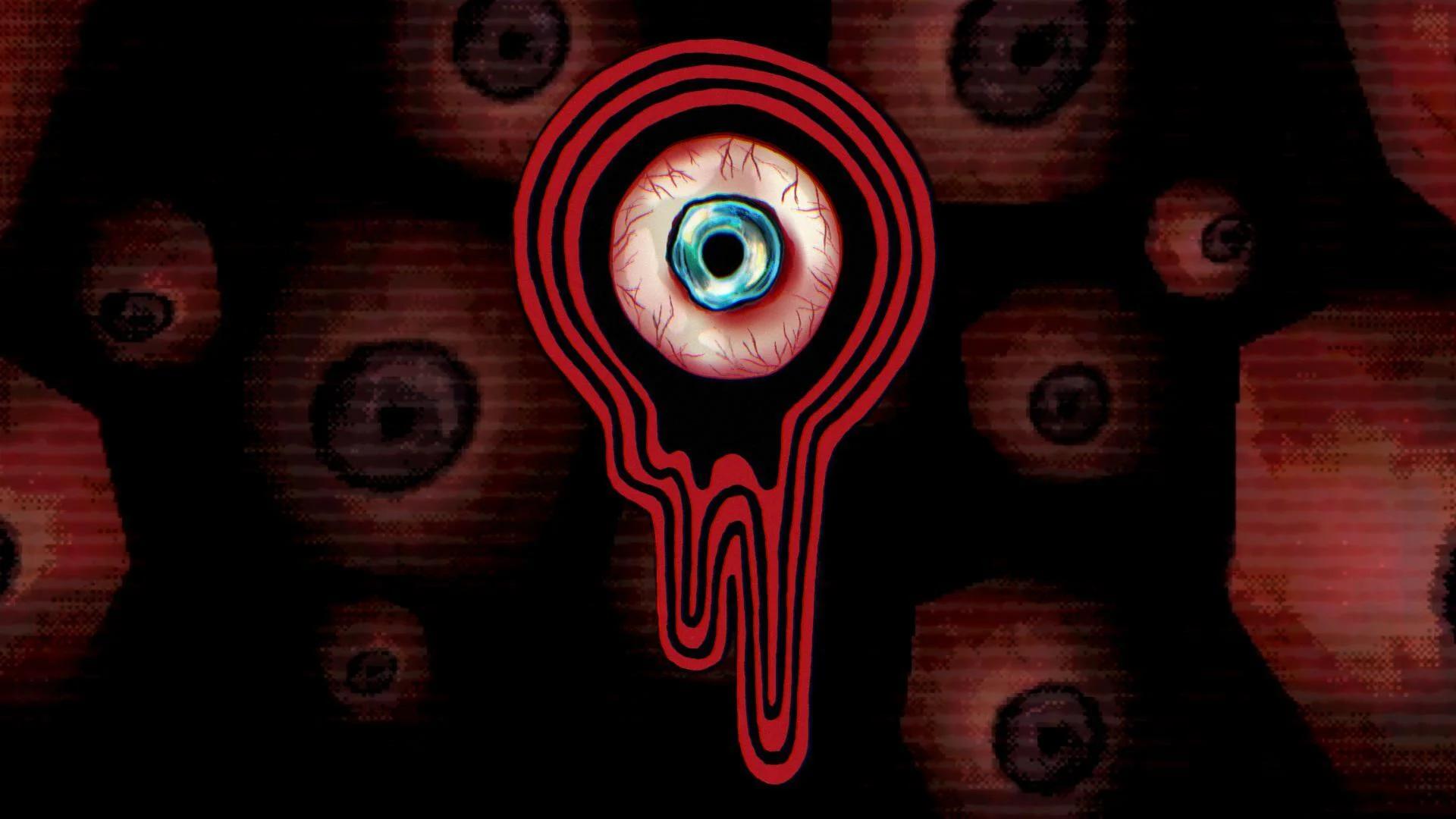
Three hours, give or take. That is the whole game. For someone who fits gaming into late evenings between work and family, a horror experience with a defined endpoint is genuinely appealing. Mouthwashing is a disturbing psychological horror set on a drifting cargo ship, and it commits to its nastiness without apology. The pacing is unusual, the presentation is striking, and the psychological payload at the end stays with you in the way that good horror fiction does. It runs perfectly on Deck, the chapter structure suits handheld sessions naturally, and it is one of those games people are still talking about months after finishing it. Short does not mean slight.

- Released
- 20242024
- Genre
- AdventureAdventure
- Platforms
- PC, PS5, Switch, Series X|SPC, PlayStation 5, Nintendo Switch, Xbox Series X/S
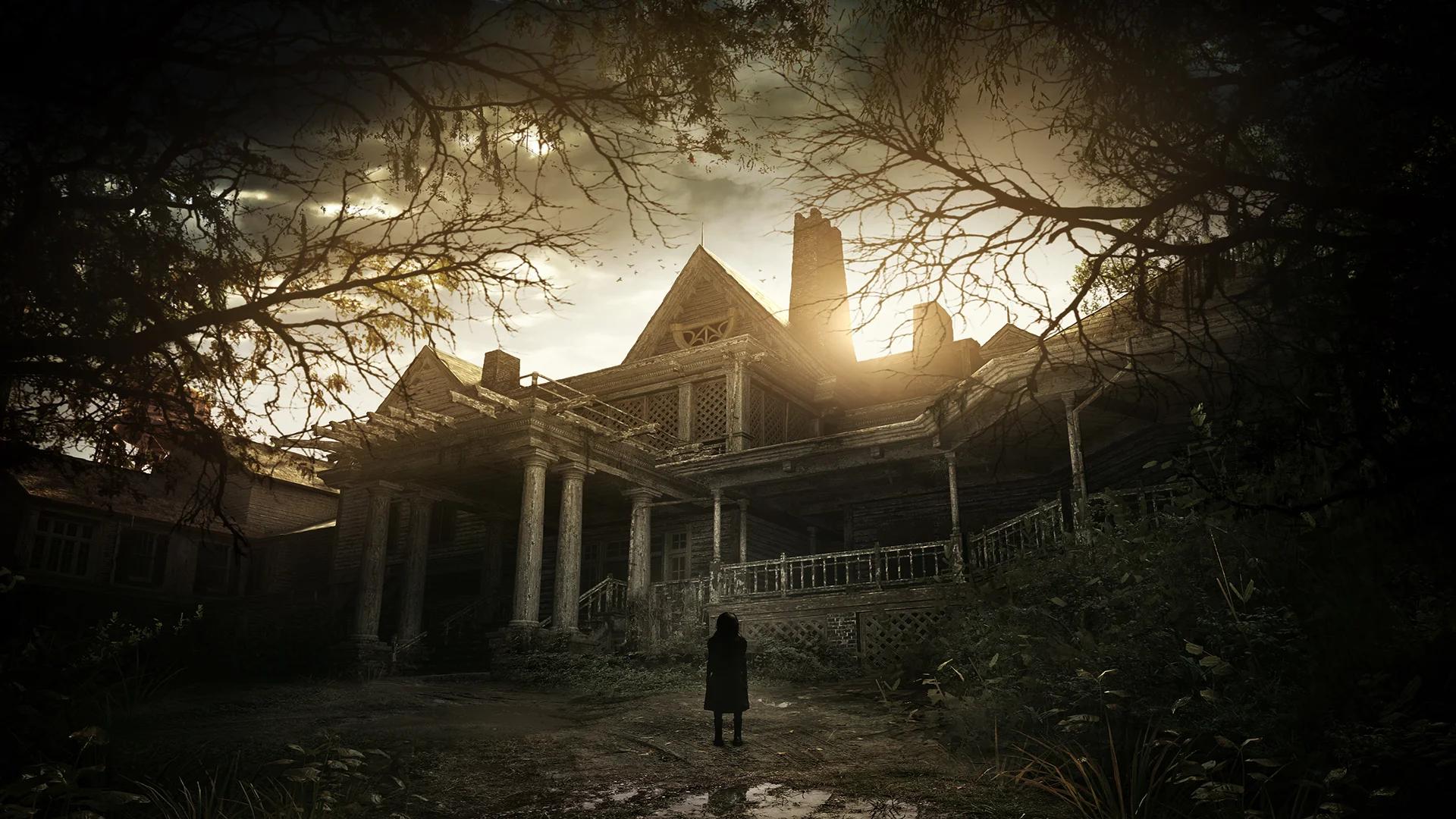
The Resident Evil series went through a long stretch where it prioritised action over fear. RE7 fixed that. First-person perspective, a farmhouse you cannot escape from, and an antagonist who keeps finding you no matter how carefully you move. The Baker family sequences in the first half are some of the most sustained dread in any big-budget horror game of the past decade. I know some people would argue for Resident Evil 4 on Deck instead, and the remake is genuinely excellent, but if pure fear is what you are after rather than action-horror spectacle, RE7 is the stronger argument. It runs well on the Deck and the controller layout feels designed for this kind of slow, deliberate survival horror.
- Released
- 20172017
- Genre
- ShooterShooter
- Platforms
- iOS, macOS, PC, PS4, PS5, Switch 2, Xbox One, Series X|SiOS, macOS, PC, PlayStation 4, PlayStation 5, Nintendo Switch 2, Xbox One, Xbox Series X/S
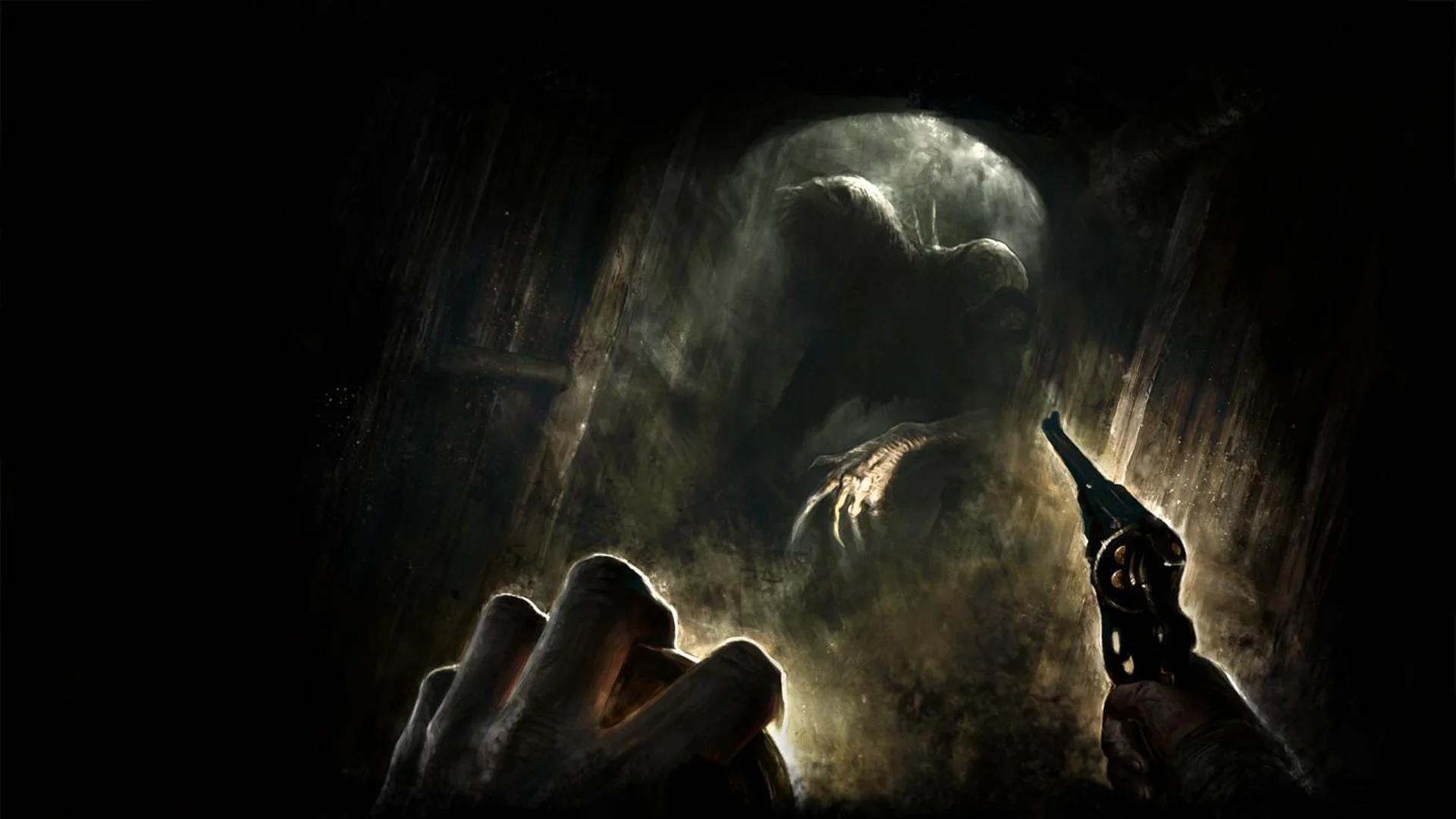
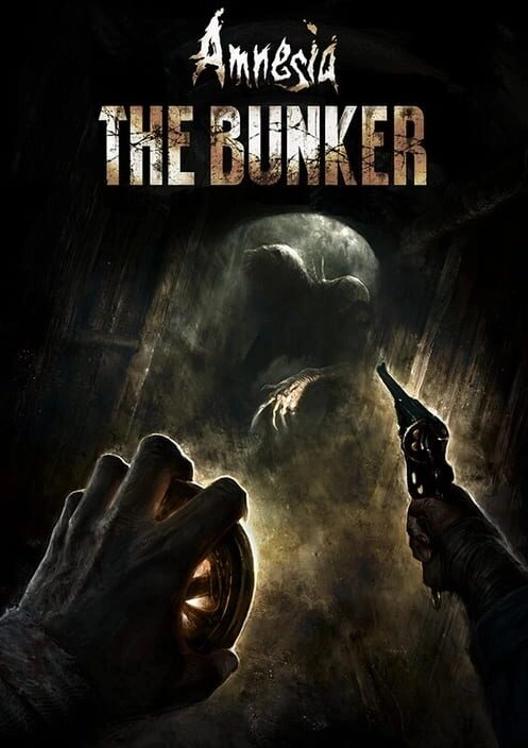
Most horror games script their scares. A door bursts open at a specific moment, a creature appears at a specific point in a specific room. Amnesia: The Bunker throws most of that out. The monster is dynamic, your resources are improvised from whatever the environment gives you, and a generator you have to keep running becomes one of the most stressful objects in any horror game I have played. That systemic approach means no two runs through the same section feel identical. It sits at six rather than higher because the session interruption from its intensity is real, it is not a game you easily put down mid-run without consequences, but for players who want horror that responds to their decisions rather than running on rails, it is exceptional.
- Released
- 20232023
- Genre
- ShooterShooter
- Platforms
- PC, PS4, Xbox One, Series X|SPC, PlayStation 4, Xbox One, Xbox Series X/S
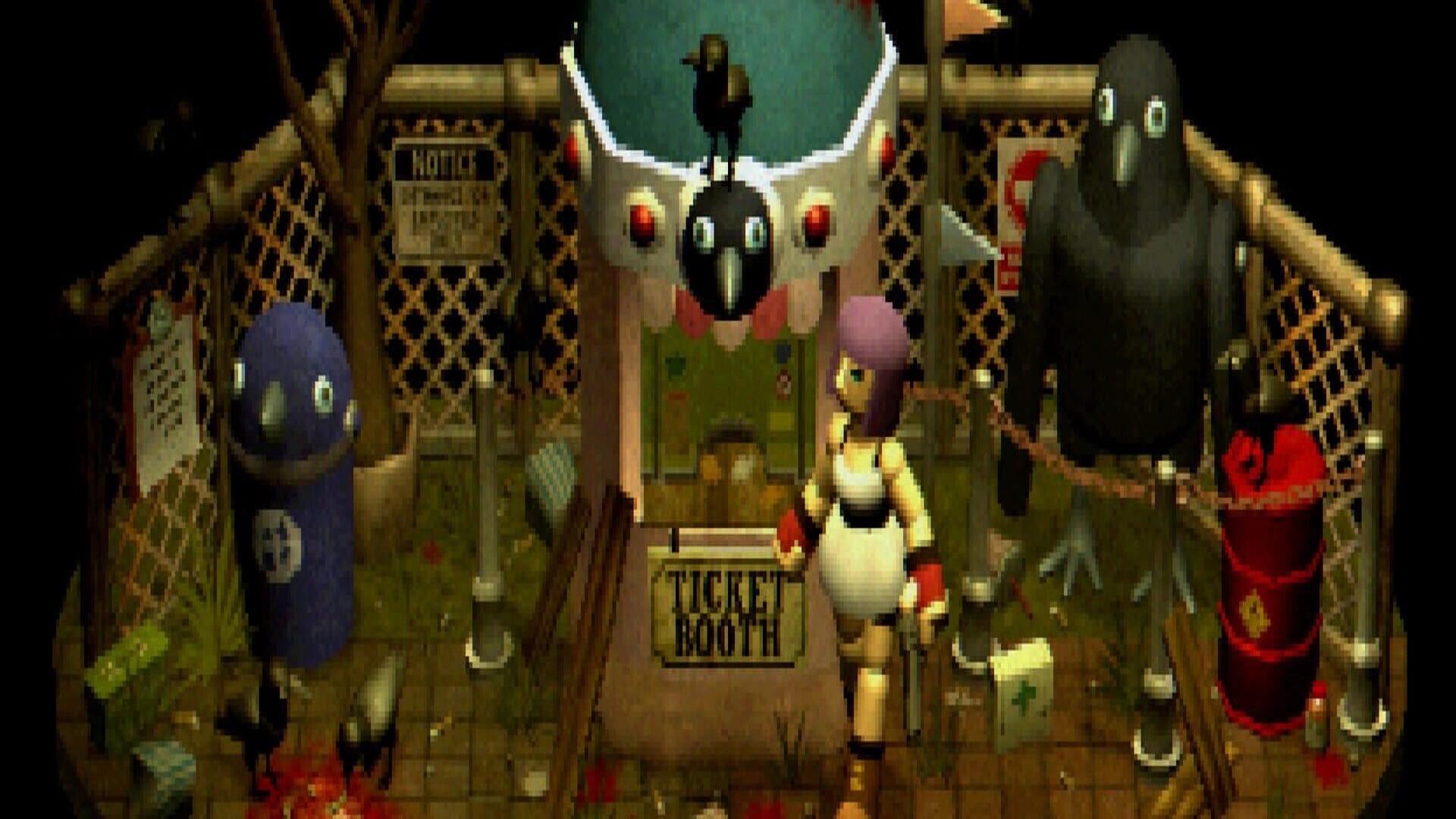
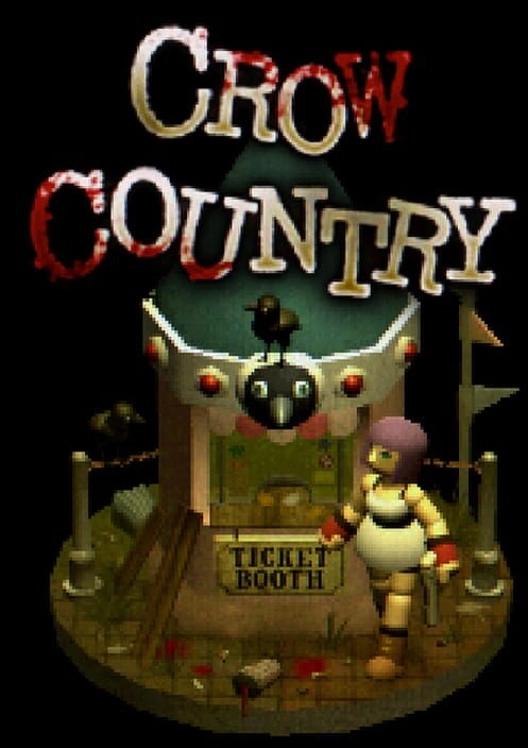
Crow Country is what happens when someone who clearly grew up on classic Resident Evil and Silent Hill decides to make their own version with modern sensibilities around checkpointing and usability. Abandoned theme park setting, inventory puzzles, limited ammunition, creatures that are worth avoiding rather than engaging. The PS1 aesthetic is deliberate and it works. I appreciate that it does not demand you suffer for the nostalgia, the save system is forgiving and the flow between exploration and tension is well judged. On Steam Deck it is close to perfect from a technical standpoint. The horror sits lighter than the upper half of this list, but that is occasionally exactly what you want.
- Released
- 20242024
- Genre
- ShooterShooter
- Platforms
- PC, PS4, PS5, Switch, Series X|SPC, PlayStation 4, PlayStation 5, Nintendo Switch, Xbox Series X/S

Detention is set in 1960s Taiwan under martial law, and the horror is rooted in that specific history and in Taiwanese folk religion. I am drawn to games that use historical or cultural grounding to add weight to their world, and this one earns its dread from something real beneath the supernatural surface. The side-scrolling presentation translates beautifully to the Deck screen, and the simple control scheme means there is almost no friction between you and the atmosphere. It is quieter than most games on this list. The fear is earned gradually through accumulation rather than confrontation. Not everyone will connect with it, but for players who want horror that comes from place and history rather than monsters and combat, Detention is one of the better arguments on Steam.

- Released
- 20172017
- Genre
- AdventureAdventure
- Platforms
- Android, iOS, Linux, macOS, PC, PS4, SwitchAndroid, iOS, Linux, macOS, PC, PlayStation 4, Nintendo Switch
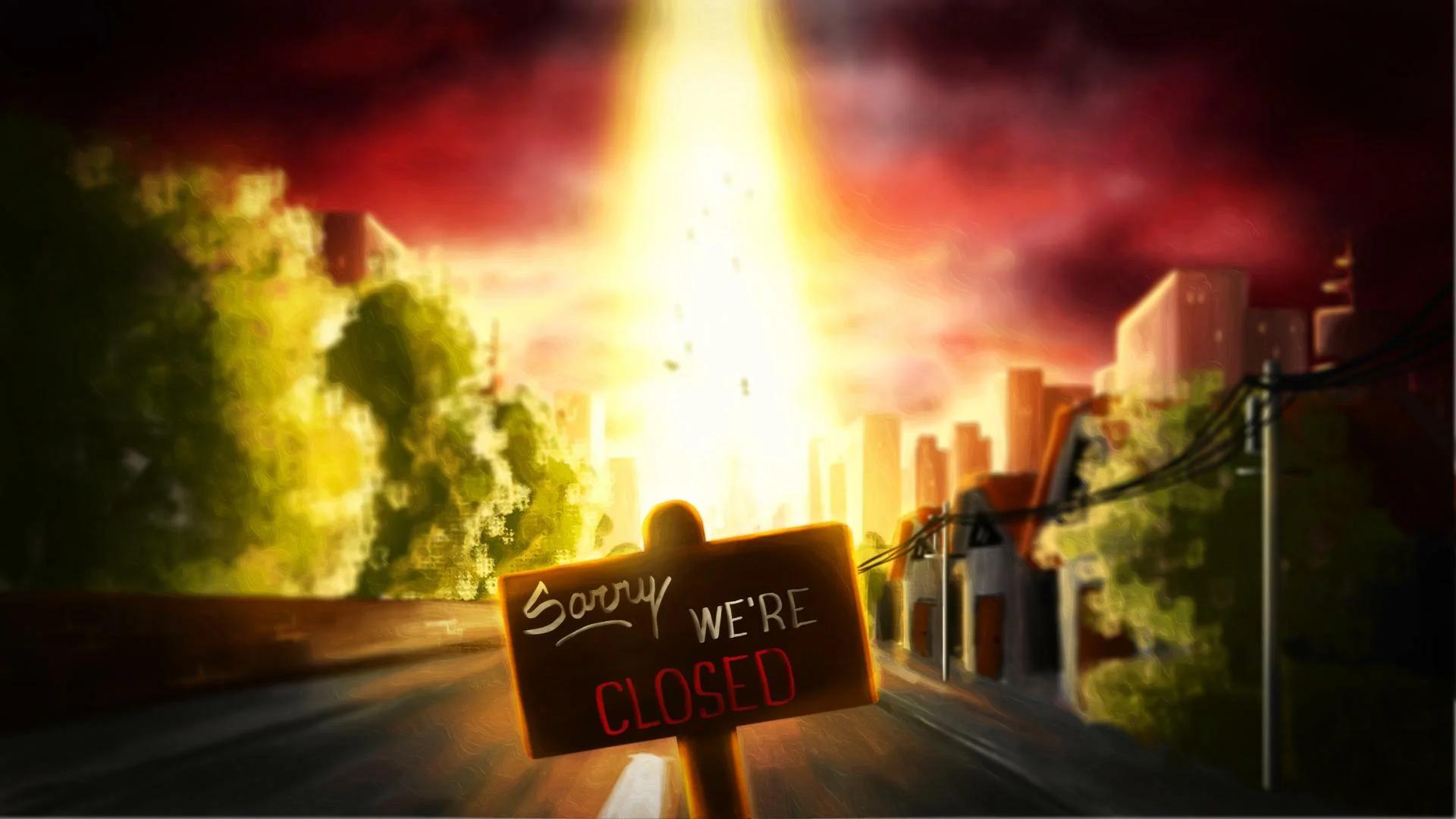
Neon colours, stylized character design, a convenience store setting that gradually stops making sense in the best possible way. Sorry We're Closed arrived in 2025 and it immediately felt like the kind of game that earns a cult following and stays in the conversation. The horror here is psychological and atmospheric rather than combat-intensive, and the compact pacing suits handheld sessions well. It scores slightly lower on raw horror impact than the games above it, but the distinctiveness is genuine. If the rest of this list is feeling too familiar, this is where the list gets strange in a way that rewards the detour.

- Released
- 20242024
- Genre
- ShooterShooter
- Platforms
- PC, PS4, PS5, Switch, Xbox One, Series X|SPC, PlayStation 4, PlayStation 5, Nintendo Switch, Xbox One, Xbox Series X/S
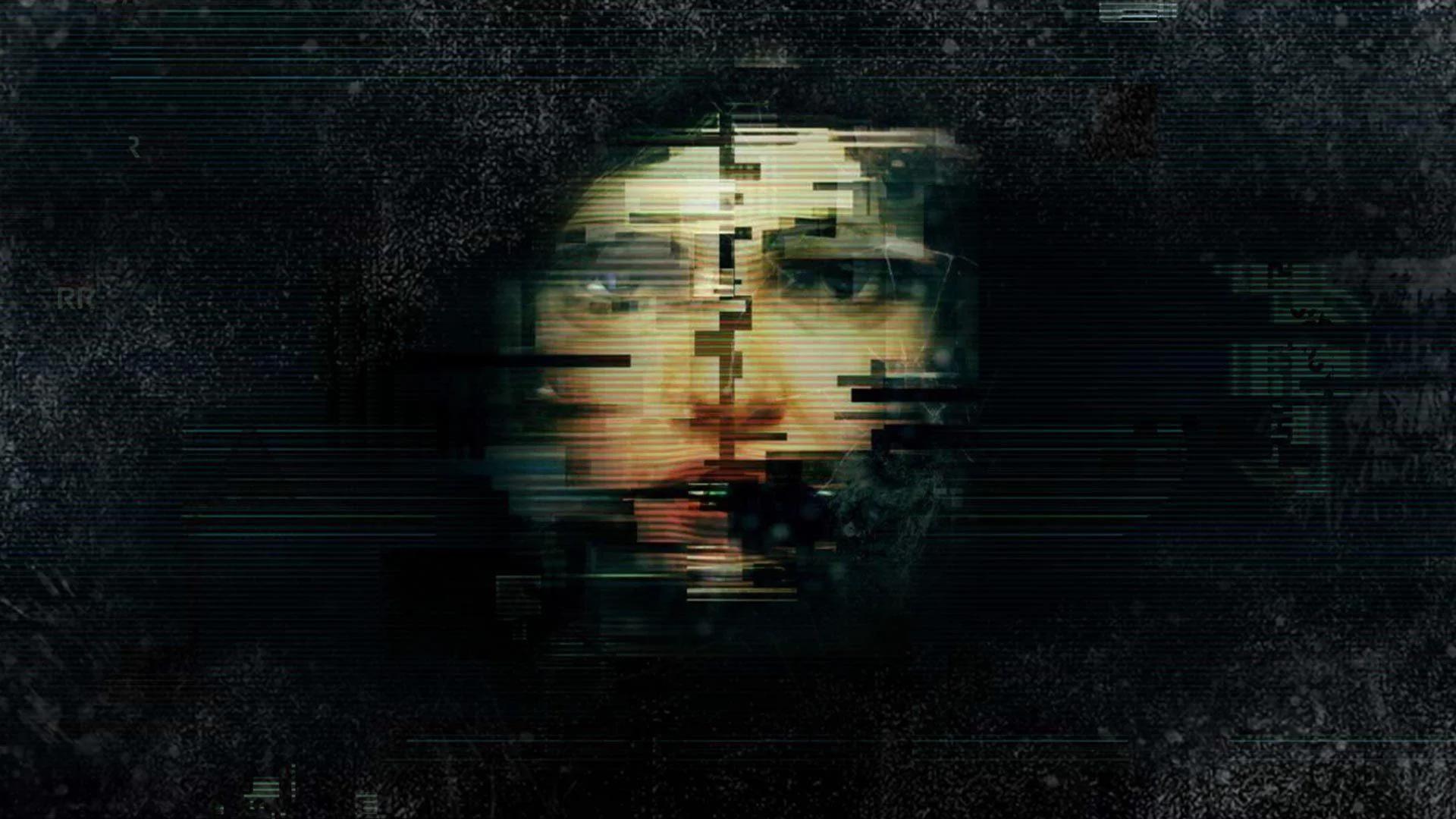
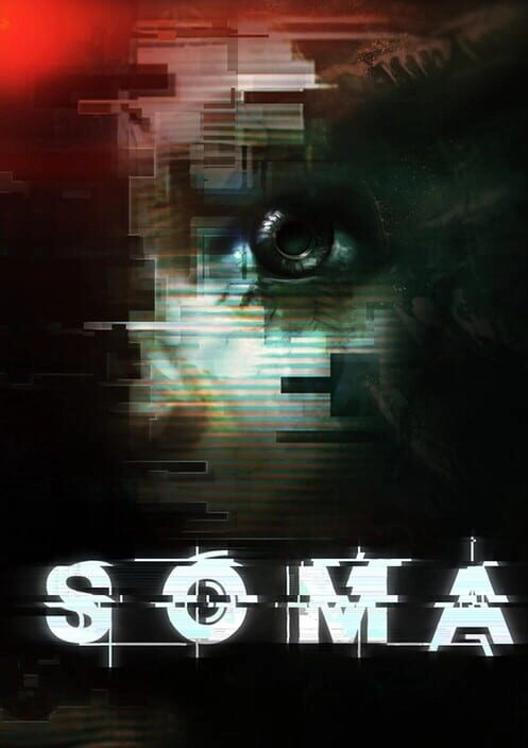
SOMA asks one question and spends twelve hours making you uncomfortable with the answer. Frictional Games built this after Amnesia and deliberately moved away from creature-driven horror toward something more existential. It is set in an underwater research facility and the horror is philosophical as much as environmental. What I value about it for this list is that it has a Safe Mode which removes enemy threat almost entirely, leaving the atmosphere and the story intact. That is not a compromise, it is a design choice that opens the game to players who want dread without the tension of being chased. On Steam Deck it runs cleanly and the first-person exploration suits portable play well. A quiet inclusion at ten, but a confident one.
- Released
- 20152015
- Genre
- PuzzlePuzzle
- Platforms
- Linux, macOS, PC, PS4, Switch, Xbox OneLinux, macOS, PC, PlayStation 4, Nintendo Switch, Xbox One
Honorable Mentions
These five games came close and are worth your time depending on what kind of horror you are after, but each missed the top ten for a specific reason.
11. Darkwood
87%Darkwood belongs here because its horror is genuinely among the most oppressive on this entire list. Top-down perspective, dense forest, nights where you barricade yourself inside and listen to things outside trying to get in. The reason it sits outside the top ten is session intensity. This is not a game that pauses gracefully. The pressure is sustained and the survival loop demands real commitment per session, which makes it a slightly harder handheld recommendation than the games above it. For players who specifically want that relentless, systemic dread and are willing to give it the time it asks for, Darkwood is worth every minute.
Little Nightmares II is one of the best handheld experiences on this entire list from a pure playability standpoint. Short chapters, beautiful grotesque art, strong pacing. The reason it sits outside the top ten is that it sits closer to dark fairy-tale horror-adventure than survival horror proper. The fear comes from visuals and atmosphere rather than from mechanical tension. If you have already worked through the stronger horror picks above and want something more accessible, or if you are playing alongside someone who finds intense horror too much, this is excellent. Just know what you are getting: a very good horror-adjacent platformer rather than a horror game in the deeper sense.
13. Outlast
87%Outlast does one thing. You cannot fight back. You run, you hide, you film everything on a camcorder with a night vision mode that becomes your only source of light in the darkest sections of the game. It is a pure panic delivery mechanism and it is still effective more than a decade after release. The reason it is here rather than in the top ten is that it is narrower than its competition. There is no systemic depth, no resource management, no philosophical weight. Just fear. On Steam Deck it runs well and the controls map cleanly. If the concept of being completely helpless in an asylum appeals to you, Outlast remains one of the cleanest examples of that specific kind of horror.
World War I is not a setting survival horror visits often, and CONSCRIPT makes good use of the fact that it does not need to manufacture dread when the setting provides it for free. Classic inventory management, top-down puzzles, limited ammunition. It launched in 2024 and runs well on Steam Deck without fuss. The reason it missed the top ten is that the horror impact does not quite reach the level of the games ranked above it, even though the mechanical execution is solid. Worth knowing about if you have worked through the main list and want more survival horror in that classic mould, particularly if the World War I angle sounds interesting to you.
Hollowbody landed in 2025 and immediately went onto the list of games worth tracking for Steam Deck horror. PS2-inspired visual style, near-future industrial setting, third-person survival horror with genuine atmosphere. It is here rather than in the top ten primarily because it is newer and less proven over time than the games above it. The bones are right and the handheld fit is strong. If you have exhausted the main list and want something recent that sits clearly in the horror-first category, Hollowbody is the most interesting of the newer releases to check out.
Frequently Asked Questions
Common questions about playing horror games on Steam Deck.
Do horror games actually feel scarier on Steam Deck than on a TV?
For a lot of people, yes. The screen is right in front of your face, and with headphones the audio has nowhere to go but straight into your ears. Games built around sound design, like Alien: Isolation, land noticeably harder in that setup. It is not magic, but the intimacy of handheld play does tend to amplify dread in ways a couch-and-TV setup does not.
What does Steam Deck Verified actually mean for horror games?
Verified means Valve has confirmed the game works well on Steam Deck without any manual setup. It is a useful signal but not the only one. Several games on this list are rated Playable rather than Verified and still run excellently. The more important questions are whether the performance is stable, whether the UI is readable on a seven-inch screen, and whether the controls map sensibly to the Deck's layout.
Are there horror games on this list suitable for shorter sessions?
Several. Mouthwashing is structured in short chapters and is the entire game in about three hours. FAITH: The Unholy Trinity runs in similar bursts. Crow Country checkpoints regularly and has natural stopping points throughout. If you are gaming in thirty to forty-five minute windows, those three are your best starting points on this list.
Is it worth playing older horror classics like Alien: Isolation on Steam Deck in 2026?
Absolutely. Age has not softened Alien: Isolation at all. The Xenomorph AI still feels genuinely intelligent, the sound design still makes you hold your breath before opening a door, and the game performs smoothly on Steam Deck hardware. Some things age poorly. This is not one of them.
Which games on this list are best for players who dislike combat-heavy horror?
SOMA has a safe mode that removes the threat of enemies almost entirely, letting you focus on the story and atmosphere. Detention is almost entirely exploration and puzzle-led with no real combat pressure. Mouthwashing is narrative-first throughout. All three are strong picks for players who want dread and story rather than resource management and shooting.
Conclusion
Horror on a handheld rewards patience. The best games on this list are not just well-suited to the hardware, they are arguably better experienced this way than they would be across a room from a large screen. Whether you want resource-scarce survival horror, existential sci-fi dread, or something that makes you feel briefly like you are losing your mind in a good way, this list has a version of that. Start with SIGNALIS or Alien: Isolation if you want the clearest argument for why this format works. Ready for more tailored picks? Try our Recommendations Engine for suggestions that match your play style.