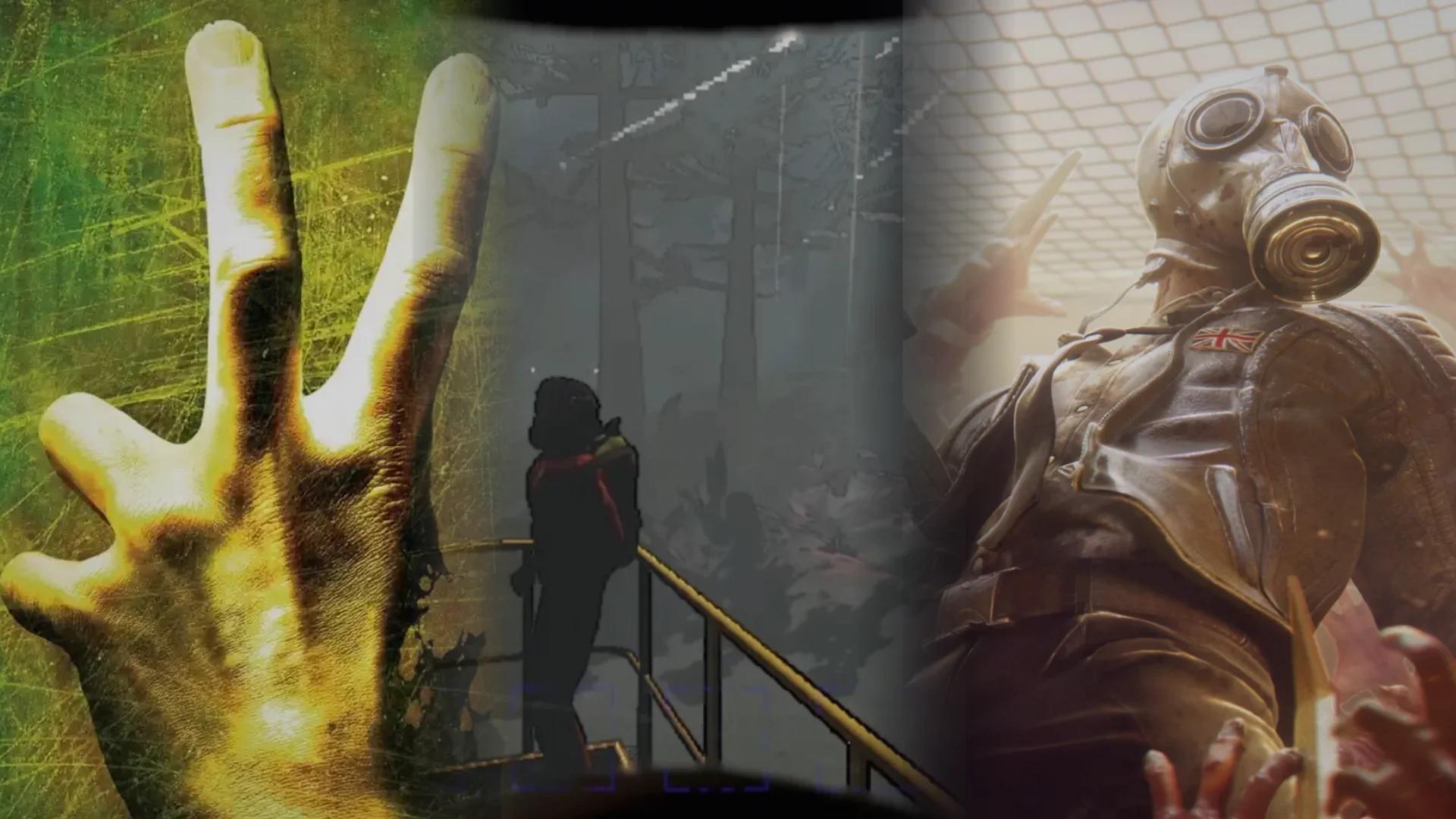

Horror games are the best argument for LAN parties still existing. Playing Phasmophobia through a matchmaking queue with strangers is fine. Playing it in the same room as three friends, one of whom just threw their headset across the table because a ghost walked through them, is something completely different. The physical proximity changes the dynamic in ways that no online session can replicate. We built this list specifically around that context: games that are practical to run at a same-location gathering, that create shared moments rather than isolated ones, and that hold up across a full event night rather than burning out after two rounds.
How We Ranked These Games
LAN party fit carried the most weight because a game that is terrifying but impossible to set up in a group context is not a LAN party game. Horror atmosphere came second, because the genre label has to mean something. Multiplayer quality, accessibility for mixed-skill groups, and technical stability rounded out the criteria. We did not require native LAN support specifically, but games with dedicated server options or reliable private lobby infrastructure ranked higher than those without. The result is a list that mixes co-op survival, extraction horror, asymmetrical slashers, and one entry that will genuinely test your group's patience in the best possible way.
The Top 10 Best LAN Party Horror Games for PC
These ten earned their spots by being genuinely frightening, genuinely playable in the same room, and genuinely worth coming back to across a long night.
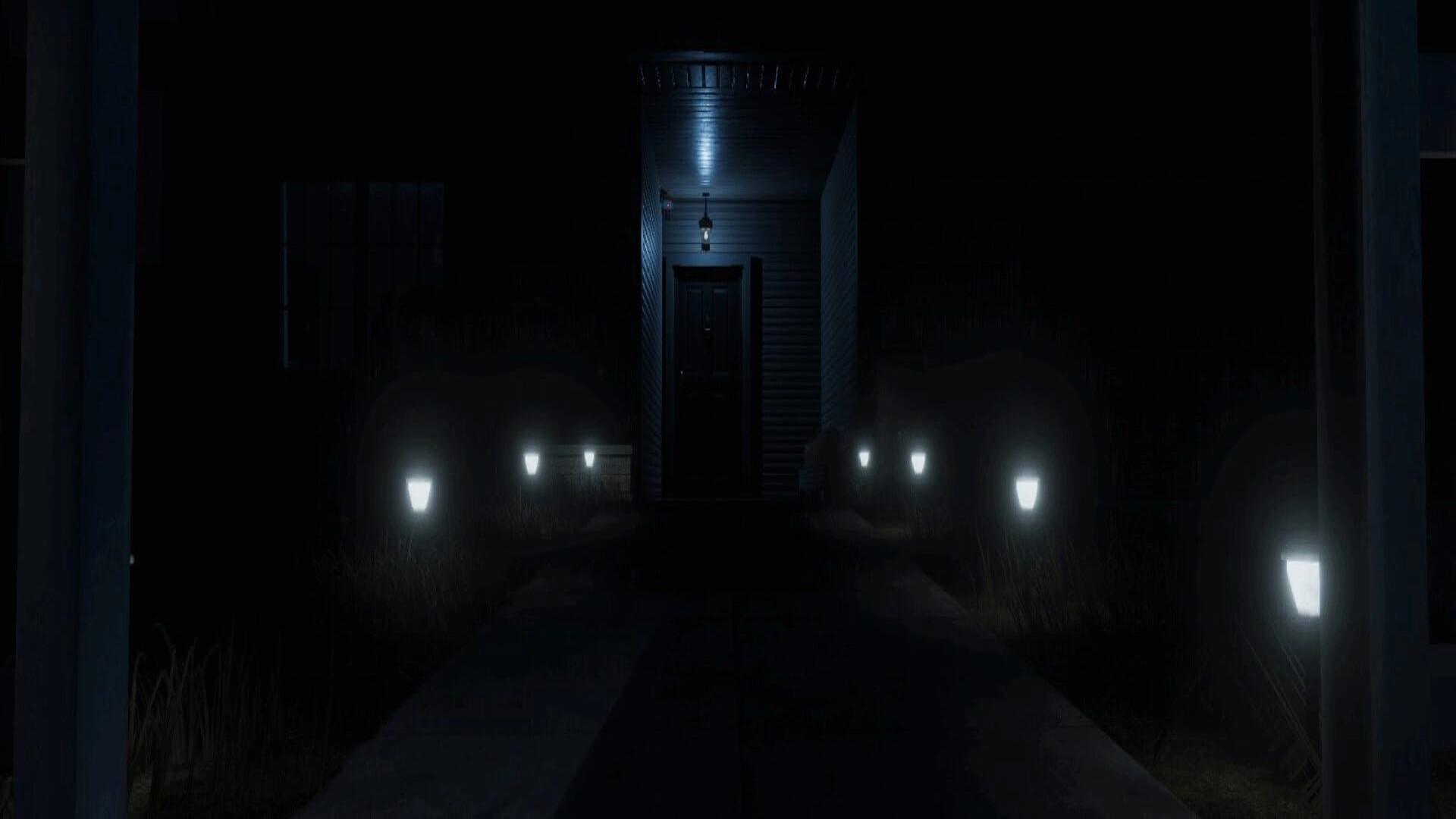
Phasmophobia is the reason horror LAN nights exist as a concept right now. Four people in the same room, headsets on, one person whispering the ghost's name into the dark while everyone else watches the thermometer drop. I have played a lot of co-op horror in my time, and nothing else generates that specific mix of genuine dread and immediate laughter when someone sprints out of the building screaming. Private lobbies spin up in seconds, the maps rotate well enough to keep repeat sessions fresh, and the voice-recognition mechanics actually reward playing together in person. The onboarding is not instant, but one experienced player can get a group functional inside fifteen minutes.
- Released
- 20202020
- Genre
- PuzzlePuzzle
- Platforms
- PC, PS5, Switch 2, Series X|SPC, PlayStation 5, Nintendo Switch 2, Xbox Series X/S
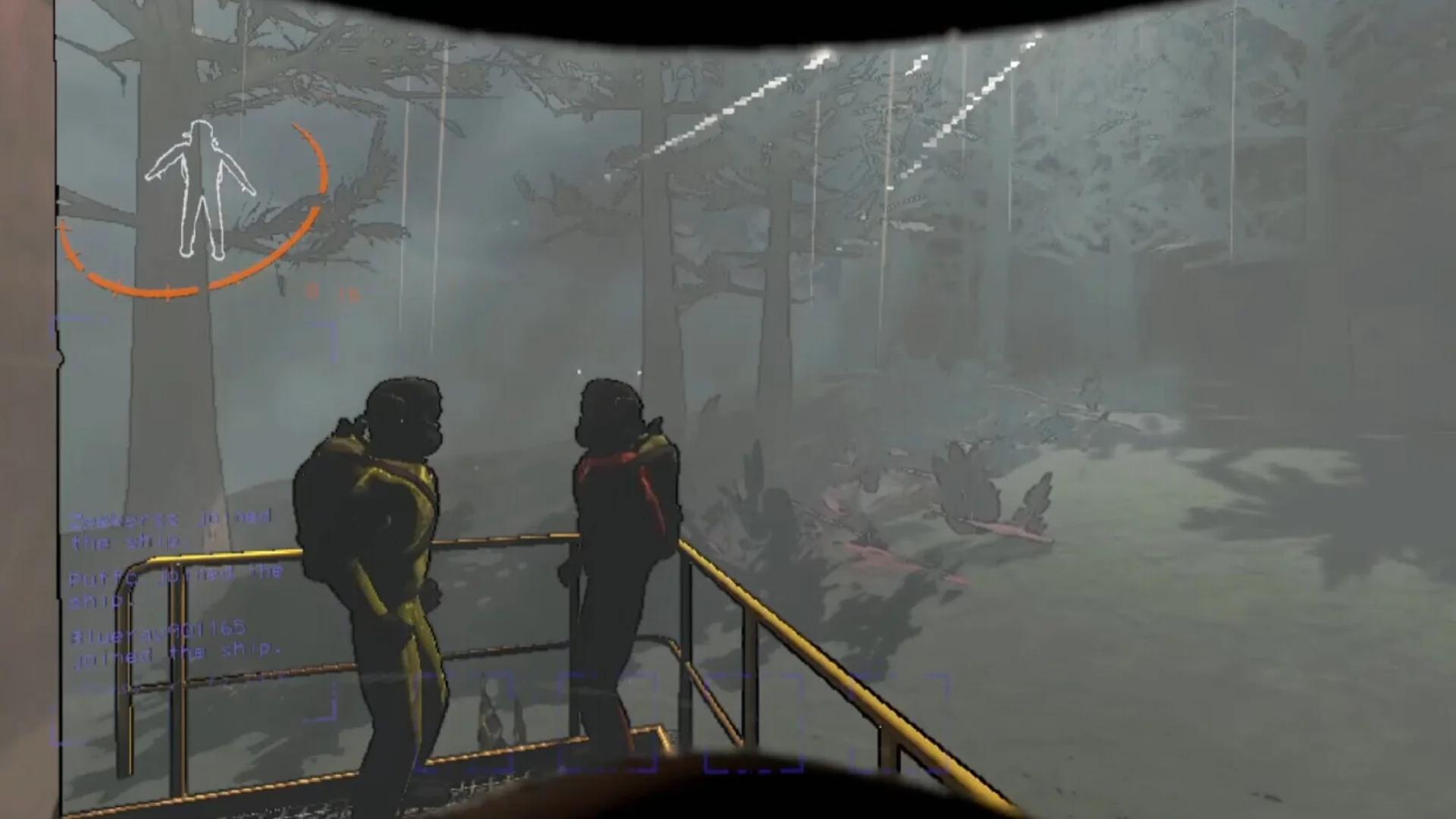
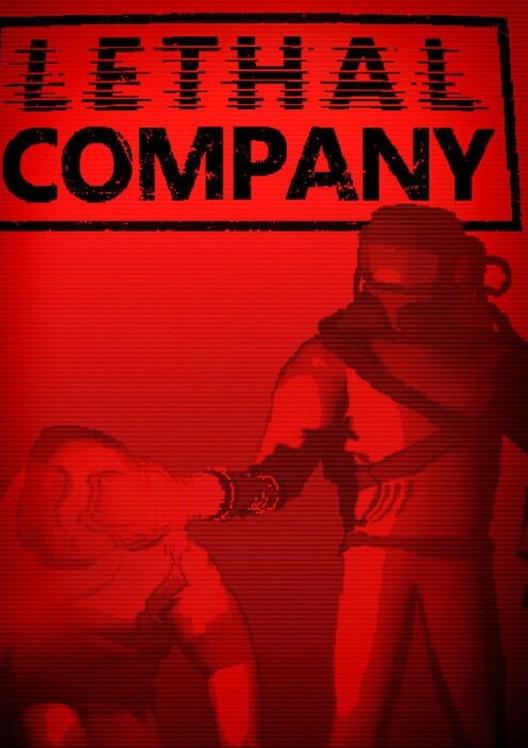
The first time my group played this, someone sold a beehive to the company for six credits while the rest of us were being hunted through a derelict facility by something we still cannot identify. That pretty much covers it. Lethal Company runs on low-spec hardware, loads fast, explains itself without a manual, and produces genuinely funny horror stories every single session. Missions clock in around fifteen to twenty minutes, which is perfect for rotating players in and out over a long evening. It sits just below Phasmophobia because the scares are slightly less sustained, but for sheer event-night momentum it might actually be better.
- Released
- 20232023
- Genre
- IndieIndie
- Platforms
- PCPC
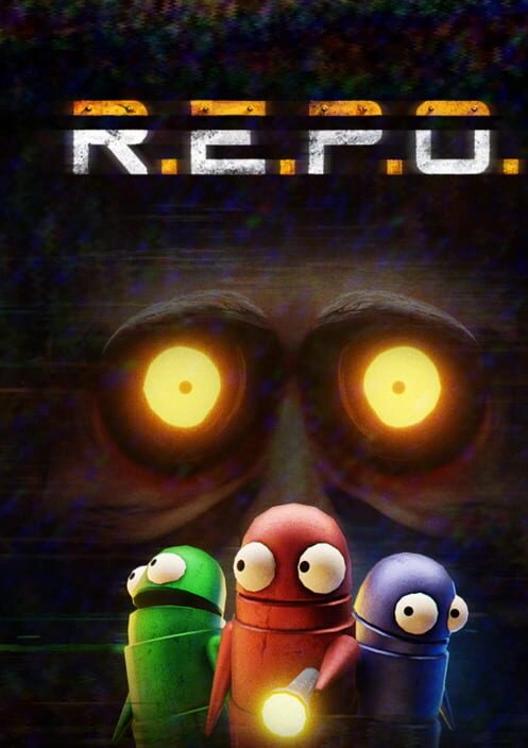
R.E.P.O. landed in 2025 and immediately became the thing everyone at LAN parties was talking about. Six players, physics-driven object hauling, monsters that punish coordination failures in the most spectacular ways possible. What sets it apart from Lethal Company is the larger player count. When you have six people in a room and one of them drops a grand piano down a staircase onto a teammate while a creature is actively closing in, the group reaction is something you cannot manufacture. I would call it the best recent pick for bigger LAN setups, though it is still early access and stability can be inconsistent across long sessions.
- Released
- 20252025
- Genre
- StrategyStrategy
- Platforms
- PCPC
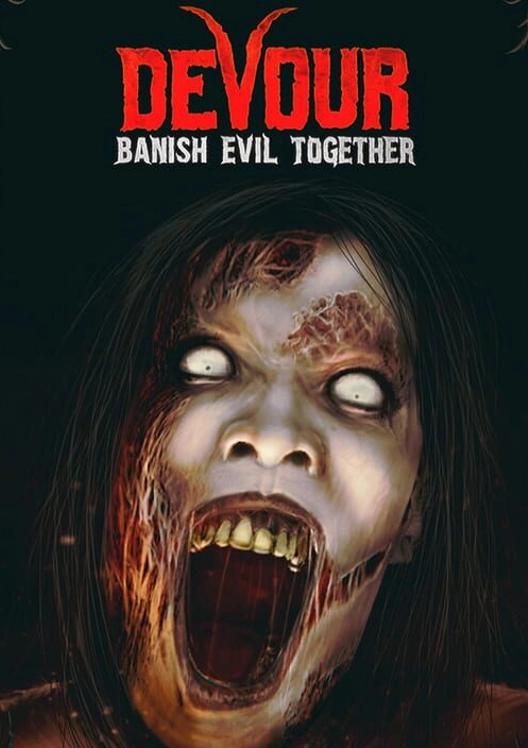
DEVOUR does one thing really well: it gets four people scared and running within the first five minutes, every time, with almost no explanation required. The objectives are readable, the chase moments are loud and immediate, and you can go from installing the game to being genuinely terrified in under ten minutes. That frictionless setup is worth more than people give it credit for at an actual event where nobody wants to spend forty minutes configuring servers. It is not the deepest horror experience on this list, and it wears out faster than Phasmophobia across multiple sessions, but as a reliable rotation pick between heavier games it is hard to beat.
- Released
- 20212021
- Genre
- IndieIndie
- Platforms
- macOS, PCmacOS, PC
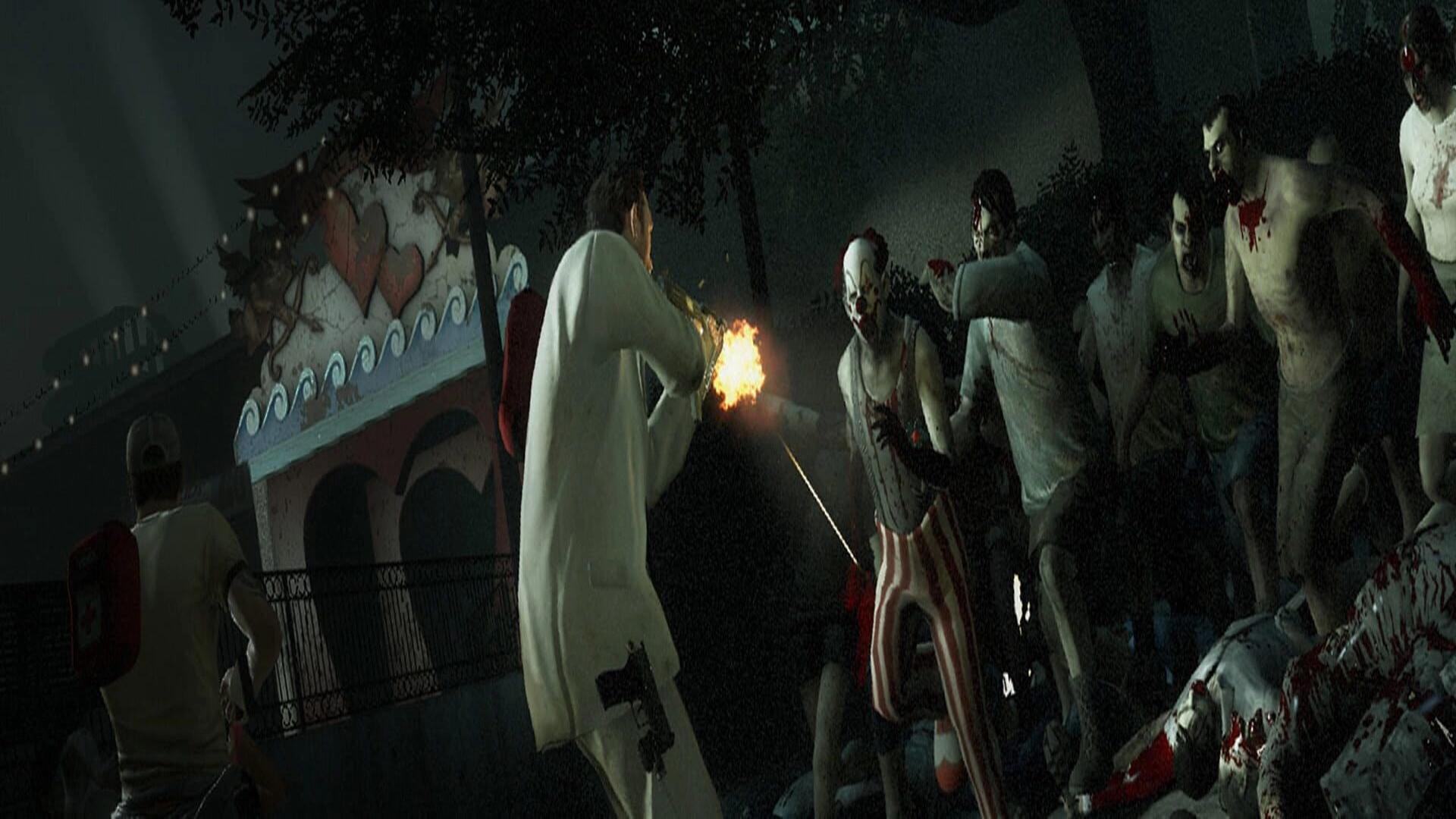
Left 4 Dead 2 has been in my LAN party rotation for years, and it still shows up. Not because it is the scariest thing on this list, it is not, but because it is the most reliable. Native LAN support, dedicated server options, four-player campaigns that anyone can walk into regardless of skill level, and Versus mode for when you want someone to play as the Tank. The horror is closer to action horror, and honestly the group gets more excited than scared. That is the trade-off. But after a brutal GTFO session where everyone is quiet and tense, dropping into a Dead Center run is exactly the kind of reset a long LAN night needs.
- Released
- 20092009
- Genre
- ShooterShooter
- Platforms
- Linux, macOS, PCLinux, macOS, PC
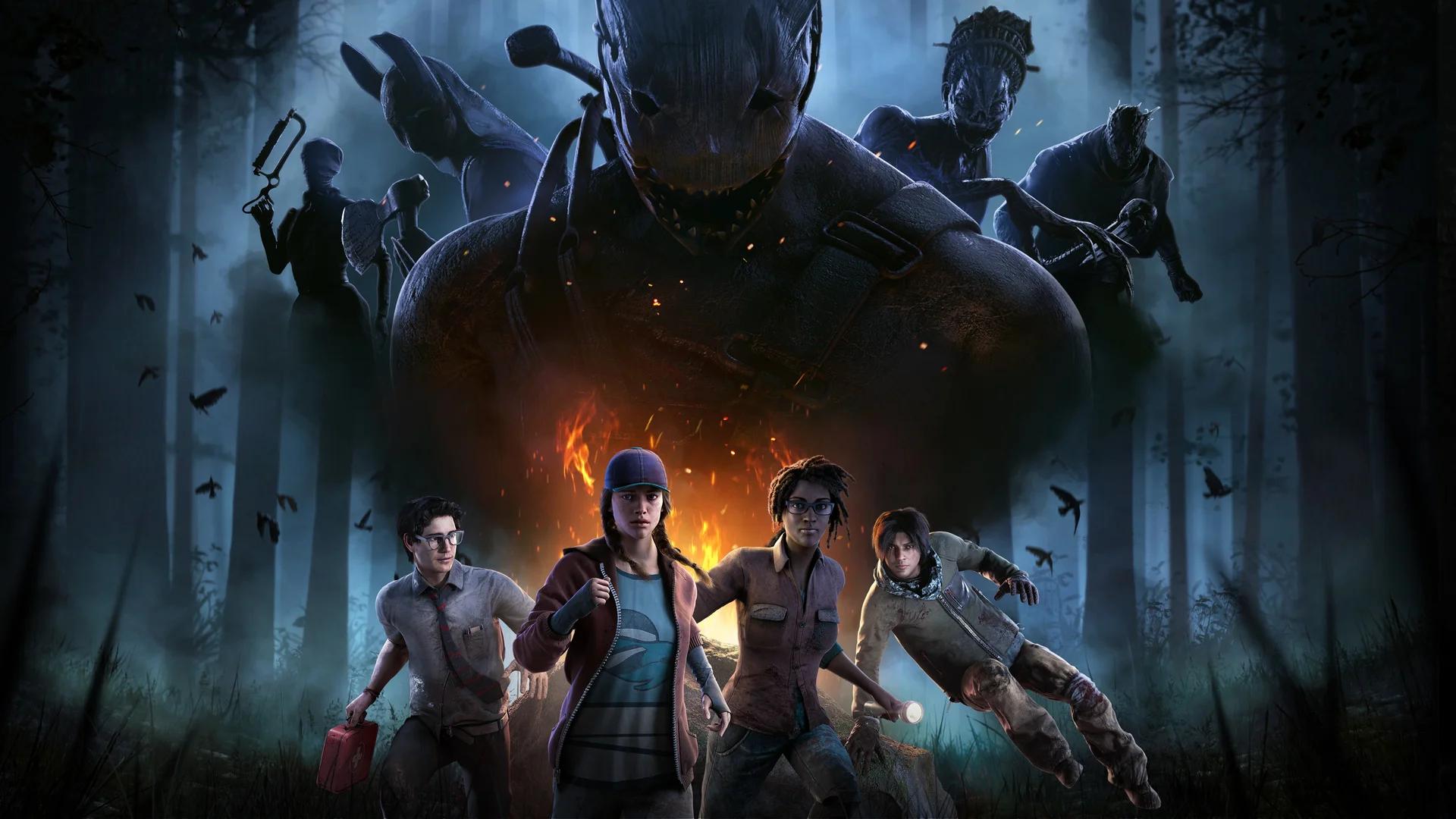
Dead by Daylight is the only game on this list where the horror is genuinely asymmetrical. One person gets to be the monster, four people run. In the same room, that dynamic is something else entirely. The killer player has information that nobody else at the table has, and watching survivor players react to sounds and camera angles while you know exactly where the killer is creates a kind of shared tension you cannot replicate in co-op. Custom games are straightforward to stage. The live-service model means the killer roster has expanded enormously, which keeps it from going stale. The learning curve for new players is real, though, and mixed-skill lobbies can feel imbalanced.
- Released
- 20162016
- Genre
- StrategyStrategy
- Platforms
- Android, iOS, PC, PS4, PS5, Switch, Xbox One, Series X|SAndroid, iOS, PC, PlayStation 4, PlayStation 5, Nintendo Switch, Xbox One, Xbox Series X/S
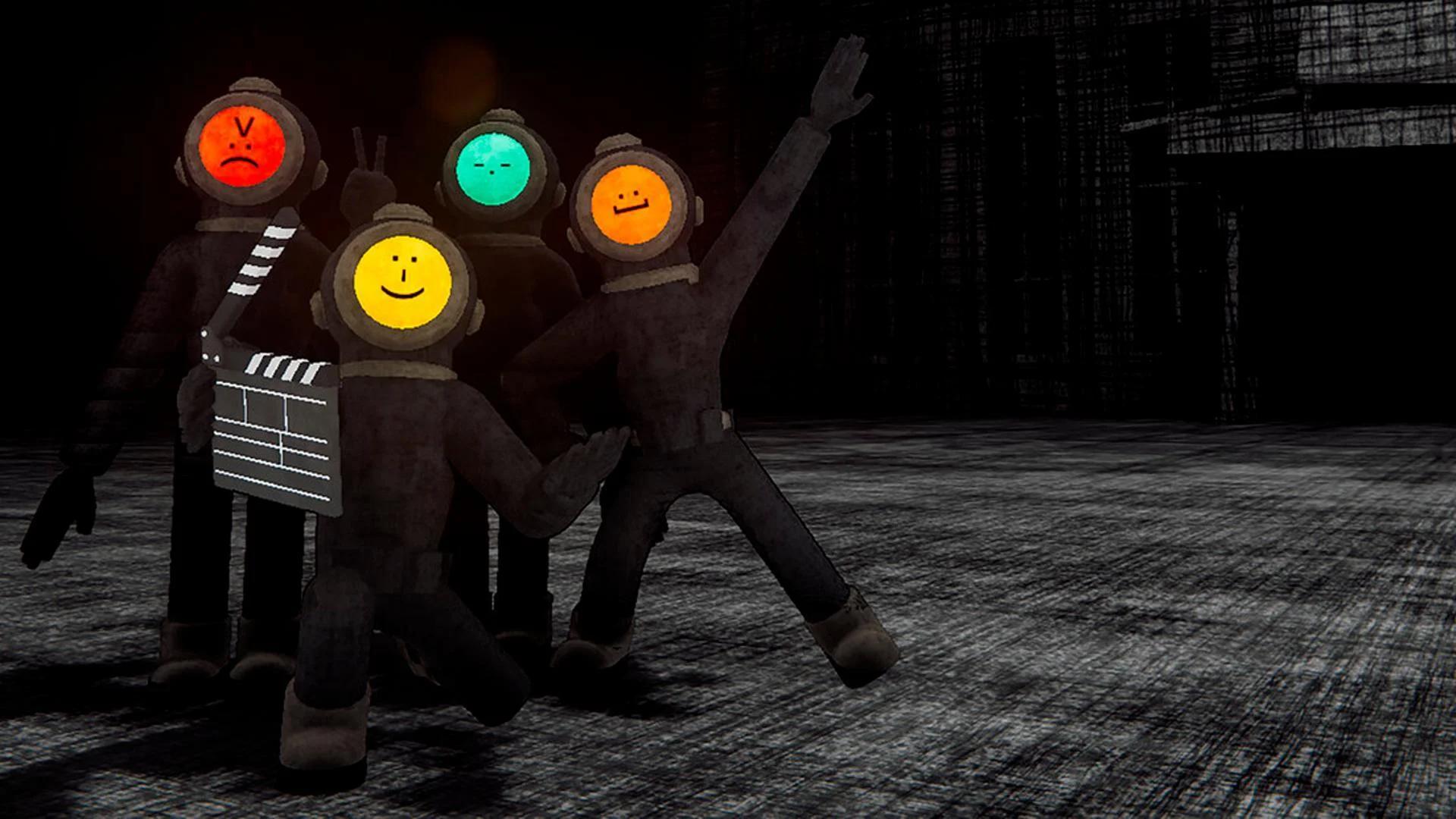
Content Warning knows what it is. You and up to three friends go underground with a camera, film whatever is down there, and try to get out with usable footage to post online. The monster-encounter stuff is genuinely tense. The part where you review your footage together after a failed run, watching someone get dragged off camera, is actually unsettling. But the tone is also funny, and sometimes you need funny at 1 AM when the serious horror has already wrung everyone out. It sits at seven because its scares do not sustain across long repeat sessions the way the top picks do. As a mid-evening palette cleanser between heavier rounds, though, it earns its place.
- Released
- 20242024
- Genre
- AdventureAdventure
- Platforms
- PC, PS5, Switch, Switch 2, Xbox One, Series X|SPC, PlayStation 5, Nintendo Switch, Nintendo Switch 2, Xbox One, Xbox Series X/S
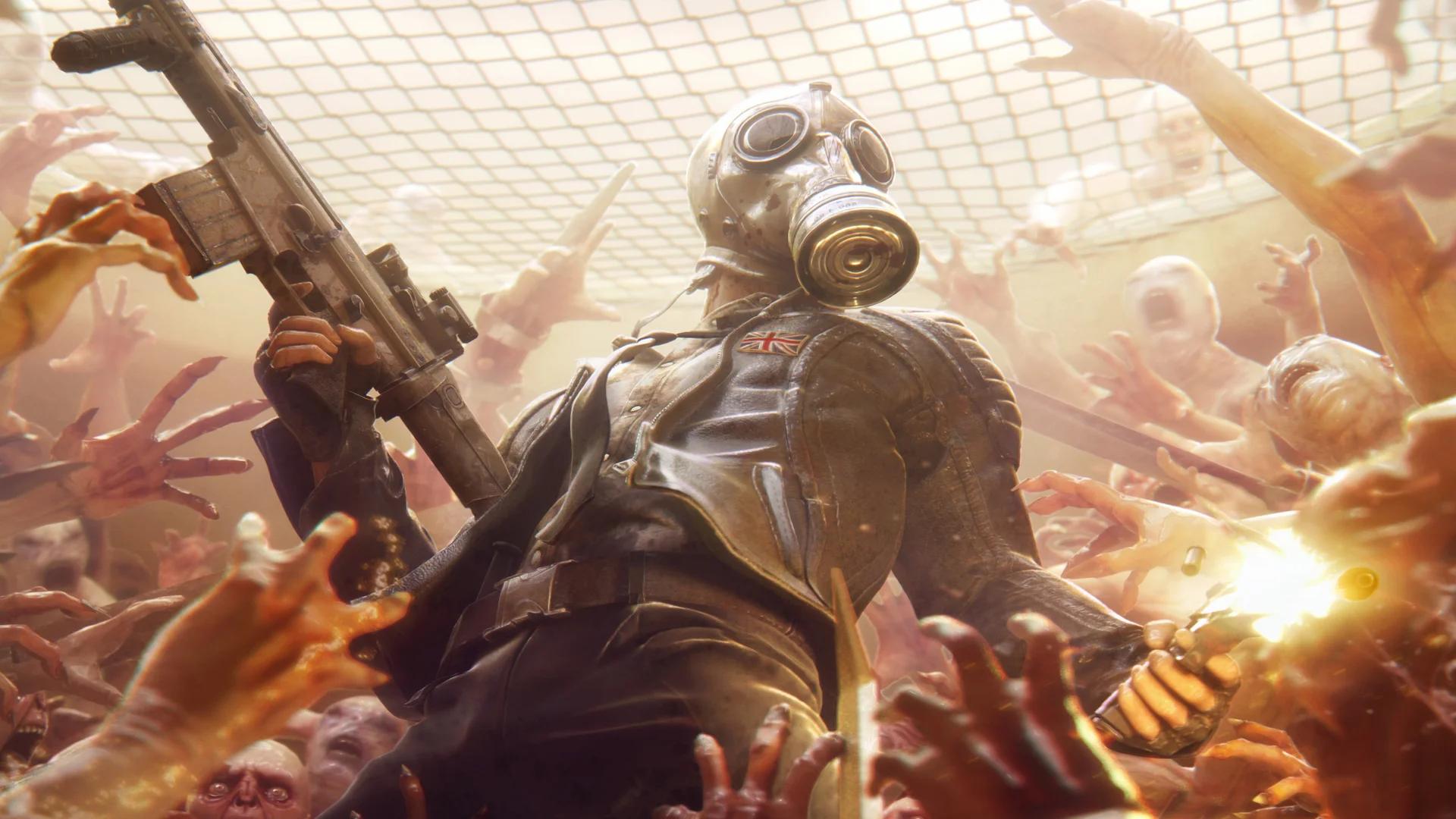
Killing Floor 2 is where you land when your LAN group has people who do not want to be actually scared but still want to shoot grotesque things together for two hours. Six-player dedicated server support, wave-based structure that any mixed-skill group can follow, and enough gore and creature design to keep the horror label honest. I would not put it in the same conversation as Phasmophobia for atmosphere. The scare factor is noticeably lower than everything above it. What it offers instead is reliability: it runs cleanly, scales to different group sizes, and stays fun across long evening sessions in a way that more tension-heavy games sometimes cannot.

- Released
- 20162016
- Genre
- ShooterShooter
- Platforms
- PC, PS4, Xbox OnePC, PlayStation 4, Xbox One

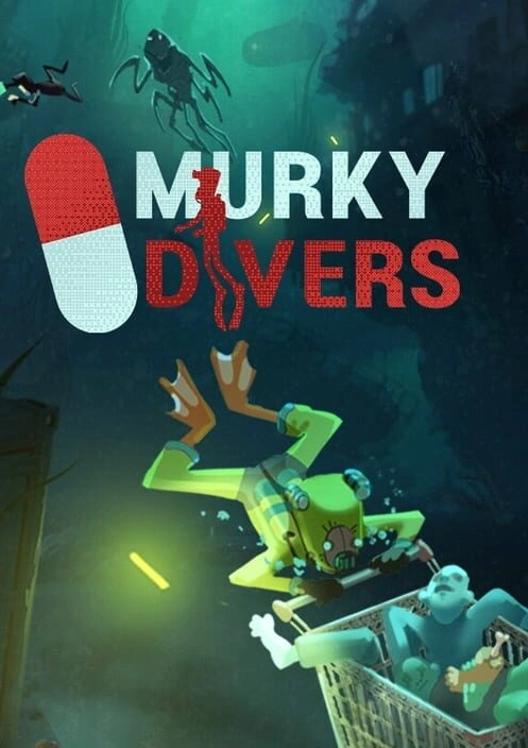
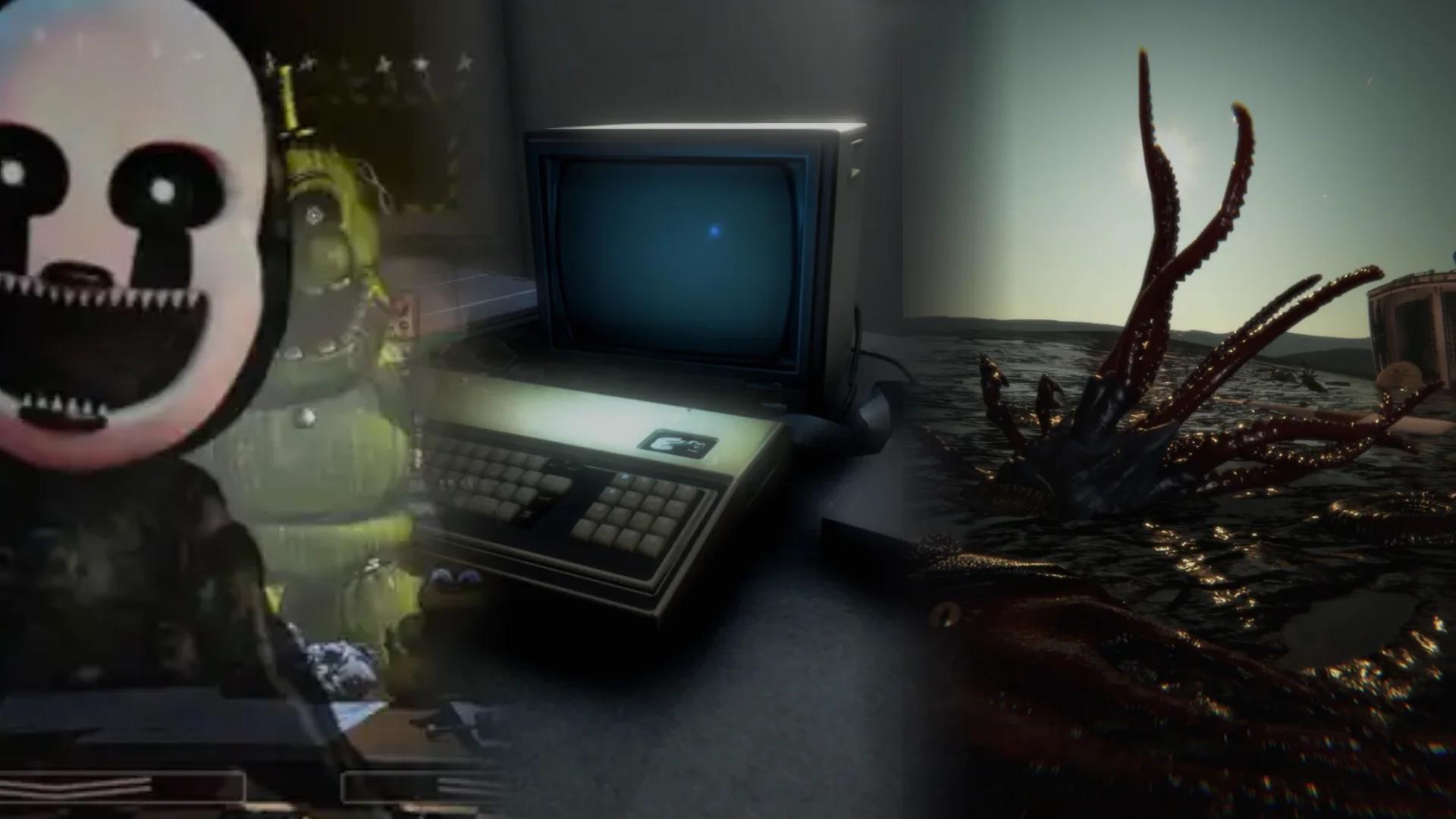
Murky Divers is the wildcard on this list, and I mean that as a compliment. Up to eight players cleaning up body parts from an underwater facility while something hunts you through the murk. The premise alone gets a reaction from people who have never heard of it, which is valuable at a LAN night where you want conversation starters. The underwater environment gives it a visual and audio identity that the crowded co-op horror field badly needs more of. It is not as mechanically polished as the top entries, and the horror relies more on atmosphere than scripted scares, but for larger groups wanting something distinct it fills a genuine gap.
- Released
- 20242024
- Genre
- AdventureAdventure
- Platforms
- PC, PS5, Series X|SPC, PlayStation 5, Xbox Series X/S
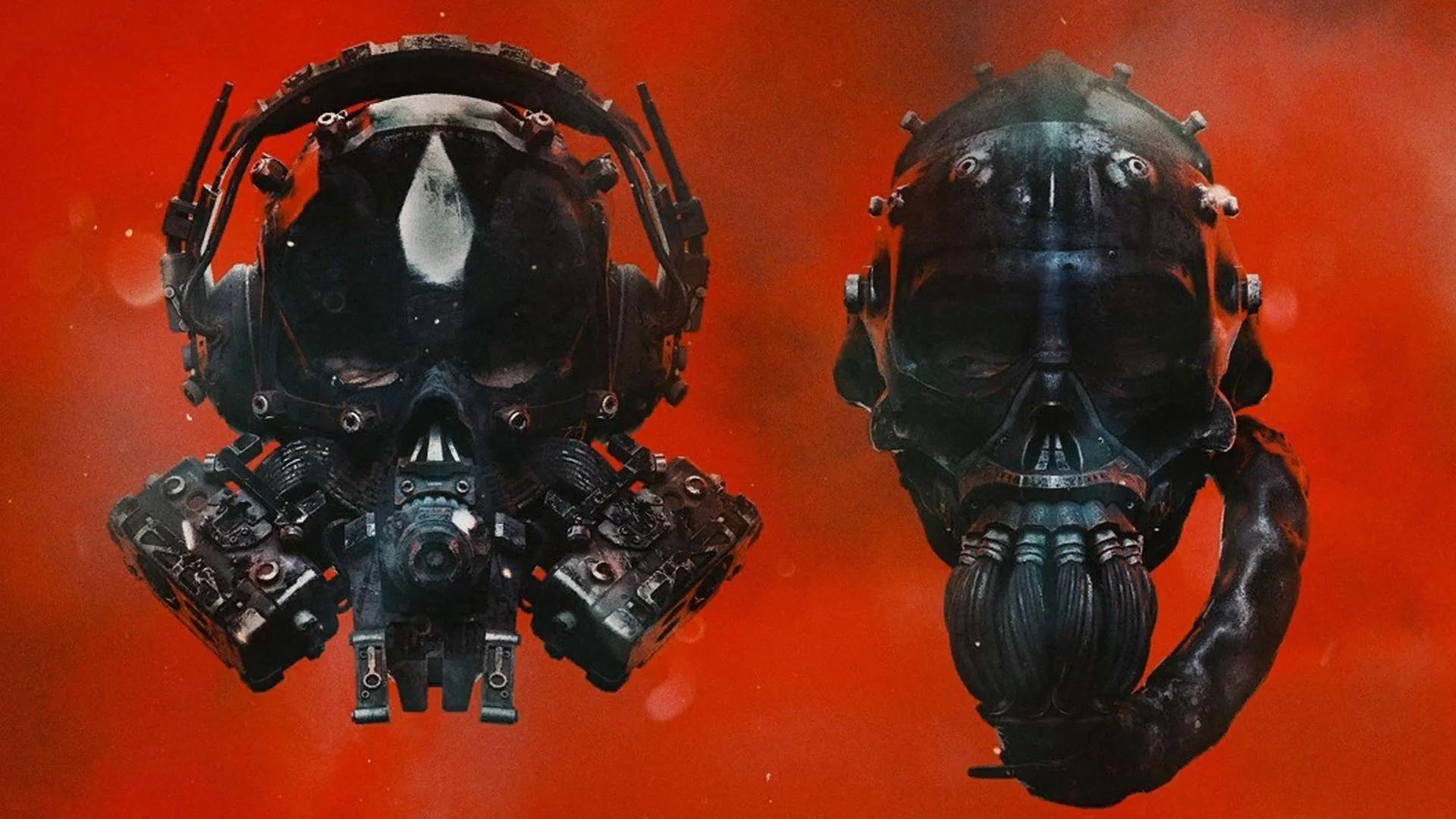
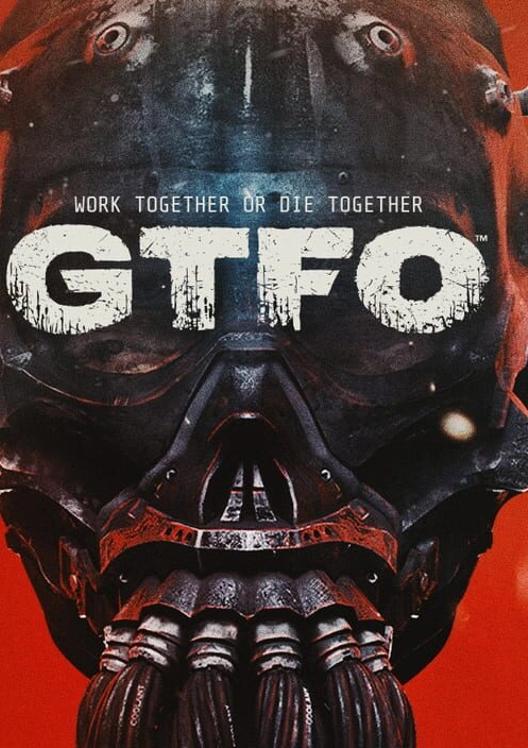
GTFO is the one game on this list where I would actually suggest running a briefing before you start. Not a long one, but someone needs to explain what the alarms do, what sleeper clusters are, and why you do not, under any circumstances, fire a weapon without checking with the group first. The horror here is not jump scares. It is the sustained dread of knowing that one mistake wakes everything in the room and you probably cannot recover from it. For a coordinated four-player group that wants to feel genuinely under pressure together, nothing else on this list comes close. For a casual LAN with mixed commitment levels, this will break hearts. Know your group before you install it.
- Released
- 20212021
- Genre
- ShooterShooter
- Platforms
- PCPC
Honorable Mentions
These five narrowly missed the main list for specific reasons, and each is worth considering depending on what your group needs from a horror night.
Seven players, one of them playing Leatherface chasing the other six through a farmhouse. The premise works, and in practice the asymmetry delivers genuine slasher tension that the bigger names in the genre sometimes smooth over into something more gamey. The problem is that the game's future support is in question. It remains playable right now and private matches are easy to set up, but recommending a live-service horror game with reported end-of-support concerns for a list built around long-term event value felt irresponsible. If your group wants to play it this weekend, it is a strong session. Just do not build an entire LAN night around it.
12. Pacify
81%Pacify is smaller and less polished than anything in the top ten, but it has a clarity to it that more complicated games sometimes lack. Four players, one building, one angry entity, readable objectives, and chase sequences that get loud fast. The kind of game you can install in ten minutes and have everyone playing confidently within the first round. It narrowly missed the main list because the multiplayer depth runs thin after repeated sessions. As a gateway horror game for a group that has never done co-op scares before, it is a legitimate starting point.
If your group burns through Phasmophobia and wants the same investigation structure with a completely different setting, FOREWARNED puts you inside Egyptian tombs hunting relics while something escalating hunts you back. The shift from Victorian haunted houses to ancient curses sounds cosmetic but actually changes the pacing significantly. Threats arrive on a different rhythm, and the relic objectives add a layer of decision-making that keeps experienced co-op horror players engaged. It missed the main list because it never quite reaches the same scare ceiling as the leaders, but as a Phasmophobia companion rather than a replacement, it earns a look.
14. PANICORE
80%Panicore sits in a quieter part of the co-op horror spectrum. Up to five players, evasion-focused rather than investigation-focused, with a sustained tension that comes from staying undetected rather than from a sudden chase. It is a different kind of scary, more creeping dread than immediate panic, and that makes it a useful contrast pick if your LAN rotation is already heavy on loud extraction chaos. The main reason it missed the top ten is that it has not yet built the same community momentum as the genre leaders, and the technical polish is not quite there yet. Worth watching.
Labyrinthine supports up to eight players, which is actually rare in co-op horror and worth noting if your LAN has more bodies than the standard four-player limit allows for. Navigating procedural mazes in the dark while calling out positions to your group generates real shared tension, especially when the group is large enough that not everyone has the same information. The reason it sits here rather than in the top ten is that the gameplay loop goes narrower faster than the better picks. For one or two sessions with a bigger group it is solid. As a repeat rotation pick across a long night, it starts to feel limited.
Frequently Asked Questions
A few questions that come up regularly when people are planning a horror-themed LAN night.
Do these games need a real LAN connection or do they work over regular internet at a LAN party?
Most of them work through private lobbies over a regular internet connection, which is how the majority of modern LAN parties actually run. Left 4 Dead 2 and Killing Floor 2 offer dedicated server and native LAN options if you want to run fully offline. For everything else, a stable shared router at the venue is enough.
How many players do I need for a horror LAN night?
Four is the sweet spot for most of the games on this list. Phasmophobia, Lethal Company, DEVOUR, and GTFO are all built around four players. If you have five or six, R.E.P.O. and Dead by Daylight scale up well. For eight players, Murky Divers and Labyrinthine from the honorable mentions are worth a look.
Which game on this list is best for people who have never played horror games before?
DEVOUR or Content Warning. Both explain themselves quickly, produce immediate scares without requiring mechanical knowledge, and are forgiving enough that a new player does not drag the whole group down. Start there before moving up to something like GTFO.
Is GTFO worth playing if our group has never played it before?
Only if at least one person has put in a few hours already. GTFO has a sharp learning curve and punishes rookie mistakes severely. Going in completely blind as a full group of four usually ends in frustration rather than the sustained tension the game is capable of. One experienced player who can explain the basics changes the experience entirely.
What is the best mix of games for a full horror LAN night?
Start with something accessible to warm everyone up, Lethal Company or DEVOUR work well here. Move into Phasmophobia once the group is comfortable with co-op horror rhythm. If you have five players, swap to Dead by Daylight for a couple of rounds of asymmetrical play. End the night with something chaotic like R.E.P.O. The mix of co-op and versus keeps energy varied across a long session.
Conclusion
A horror LAN night is one of the few gaming contexts where the social layer actively improves the experience rather than just accompanying it. Someone gasping in the chair next to you hits differently than a friend reacting through a headset. Every game on this list was picked with that specific situation in mind: real people, same room, one night to make something memorable. Start at the top if you want the safest recommendation. Work down the list as your group gets braver. Ready for more tailored picks? Try our Recommendations Engine for suggestions that match your play style.