
The game that actually gets played at a LAN party is rarely the one everyone hyped up in the group chat beforehand. I've run these nights for years with a mixed pile of laptops, half of them borrowed from work, and the pattern is always the same: people gravitate toward whatever loads fast, explains itself in thirty seconds, and gives the room something to yell about. This list is built from that pattern, not from spec sheets.
I scored every pick on LAN reliability, same-room fun, setup friction, player scalability, depth, and 2026 practicality. Reliability and fun factor carried the heaviest weight.
Quick Picks
Best for competitive shooter groups: Counter-Strike 2
Best for mixed-skill crowds: Halo: The Master Chief Collection
Best for co-op squads: Left 4 Dead 2
Best for strategy nights: Age of Empires II: Definitive Edition
Best for automation fans: Factorio
The Top 10 Best LAN Party Games
These ten cover everything from tight tournament shooters to slow-burn strategy sessions that eat an entire evening. Between them, they can anchor almost any LAN night.
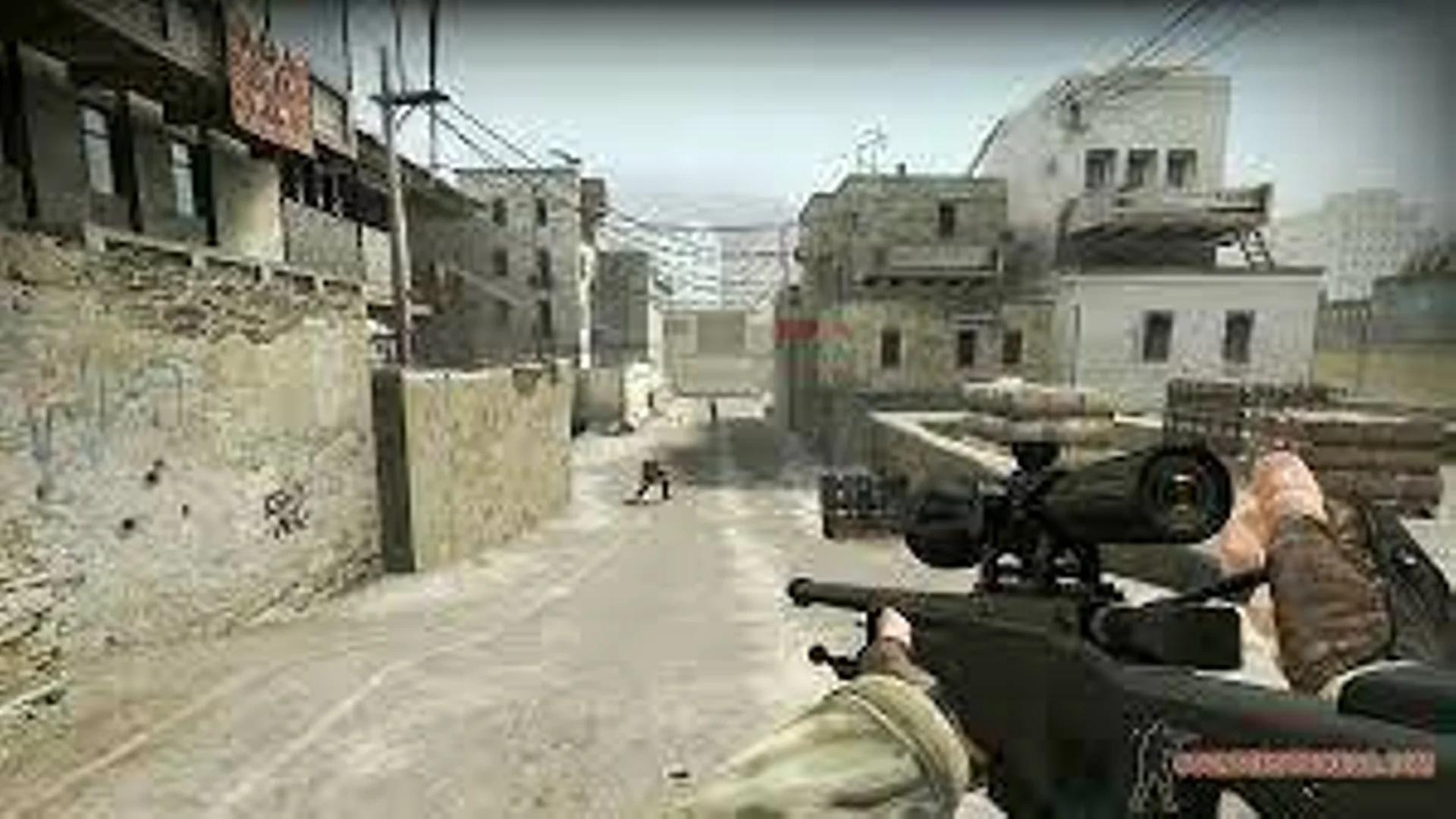
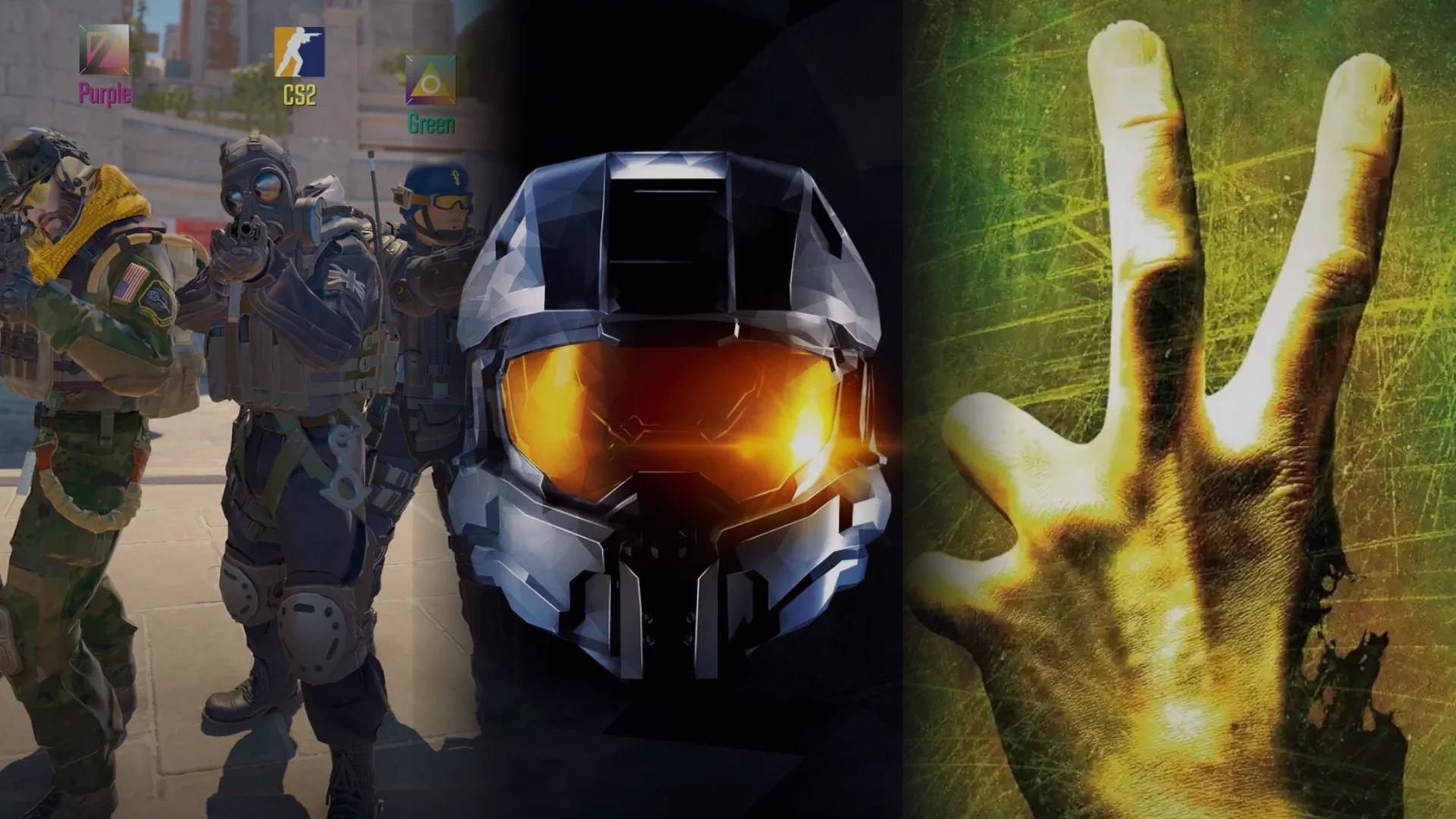
Counter-Strike 2 is the game that decides who's actually good at this stuff. My competitive multiplayer years are mostly behind me, but the moment someone loads a CS2 server at a LAN, that old itch comes right back. The round structure rewards real teamwork, because you can just turn to the person next to you and call the push instead of typing into a void. It's not forgiving. New players get flattened in their first few rounds, and the economy system takes a session to click. Once it does, nothing else here generates the same electricity in a room. Bring headphones.

- Released
- 20232023
- Genre
- ShooterShooter
- Platforms
- Linux, PCLinux, PC
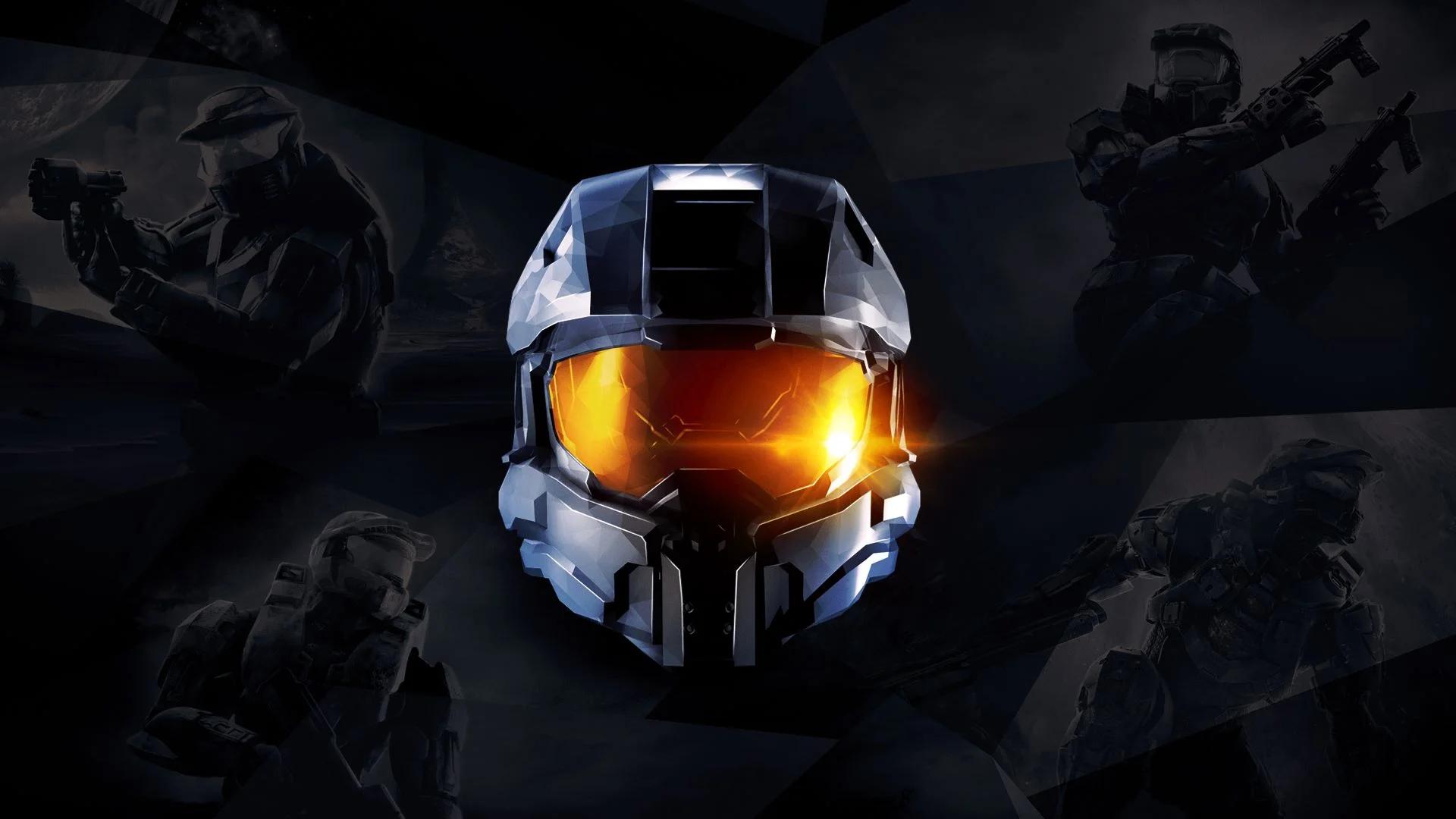
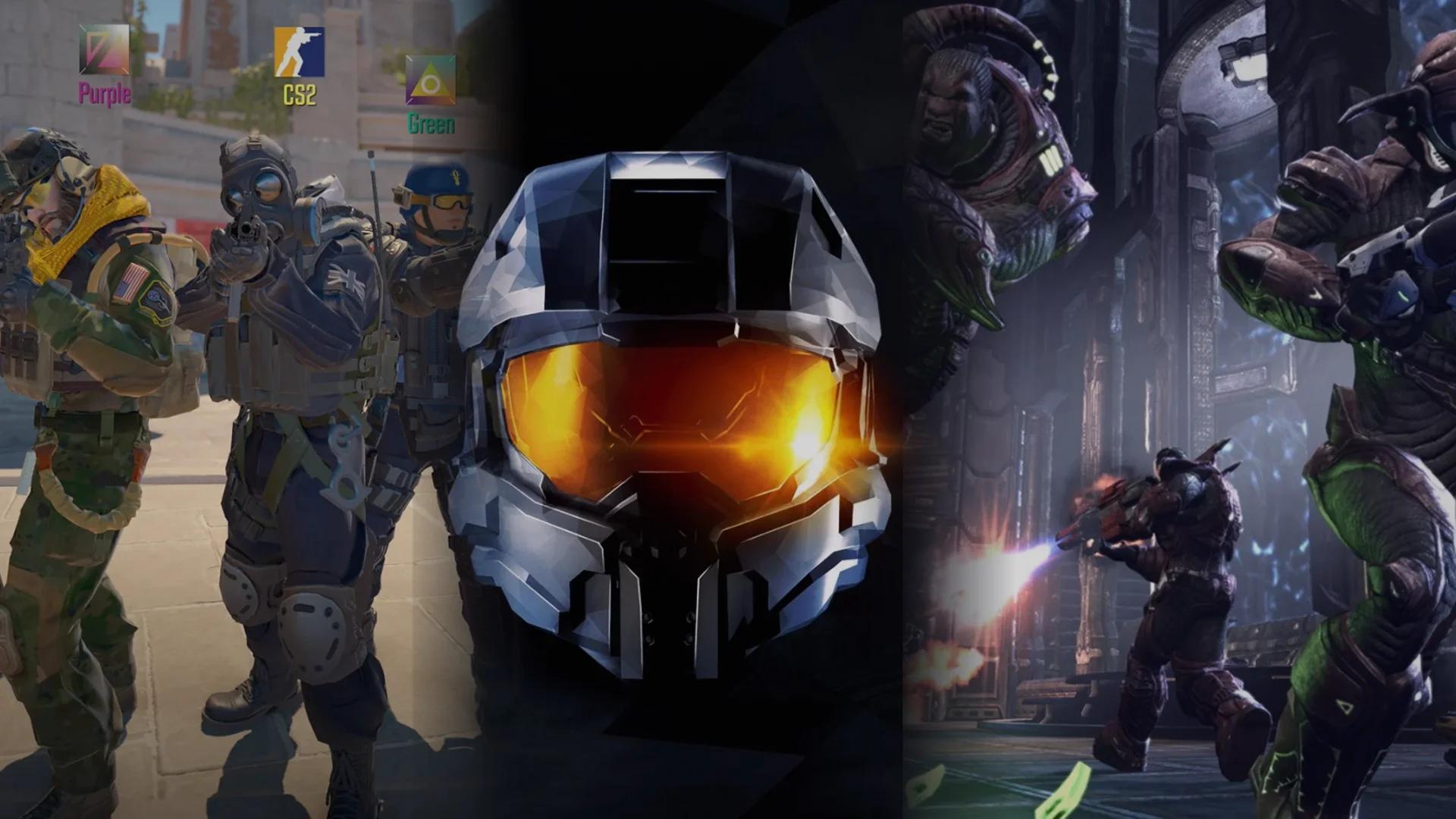
Halo: The Master Chief Collection is the safest call I make when I don't know who's showing up to a LAN night. My group spans wildly different skill levels, from the friend who mains competitive shooters to the one who mostly plays cozy games between rounds, and Halo is the rare game where nobody complains about the matchup. Custom games like Infection and Grifball turn a mismatched room into something genuinely funny rather than lopsided. Native LAN support means no matchmaking queues or account logins to fight through. It does ask for a bit more hardware headroom than the older shooters here, but that's a low bar in 2026. If you're only bringing one shooter, bring this one.
- Released
- 20142014
- Genre
- ShooterShooter
- Platforms
- PC, Xbox One, Series X|SPC, Xbox One, Xbox Series X/S
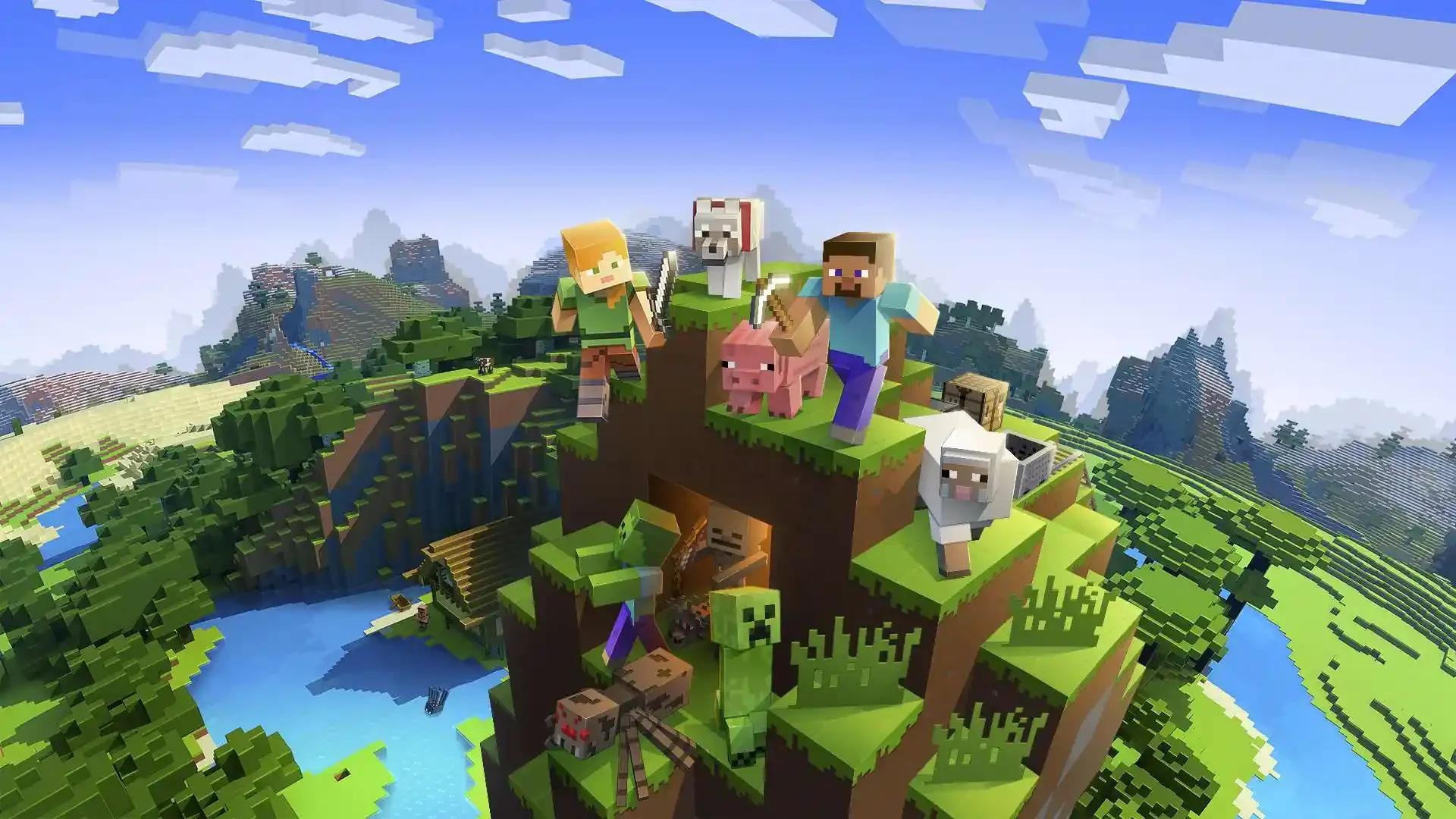
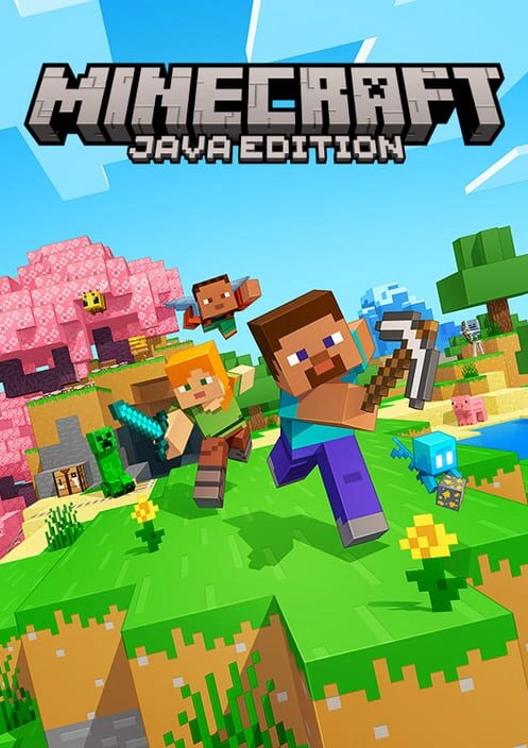
Minecraft is the odd one out on this list because nobody's trying to win anything. My kids don't come to our LAN nights, but if they did, this is the one game they could jump into without me explaining a single control. Opening a world to LAN takes about ten seconds, and from there the room splits into builders, explorers, and the one person who spends the whole night digging straight down for no reason. It scales from four people to twelve without anyone feeling left out, and sessions run anywhere from two hours to eight. The only real friction is version syncing if people bring different installs. Sort that out before anyone sits down, not after.
- Released
- 20112011
- Genre
- SimulationSimulation
- Platforms
- Linux, macOS, PCLinux, macOS, PC
Age of Empires II: Definitive Edition never leaves our LAN rotation, decades in. A team game here can eat three or four hours without anyone checking the time, which is either the best or worst thing about it depending on how much sleep you need the next day. The learning curve is steep. Expect at least one person to get rushed and eliminated in the first fifteen minutes while they're still figuring out villager management. Once people know the basics, the tactical depth is enormous, and team games create the kind of comeback stories that get retold for years. It asks more of new players than most games here, but the payoff justifies it.
- Released
- 20192019
- Genre
- StrategyStrategy
- Platforms
- macOS, PC, PS5, Xbox One, Series X|SmacOS, PC, PlayStation 5, Xbox One, Xbox Series X/S
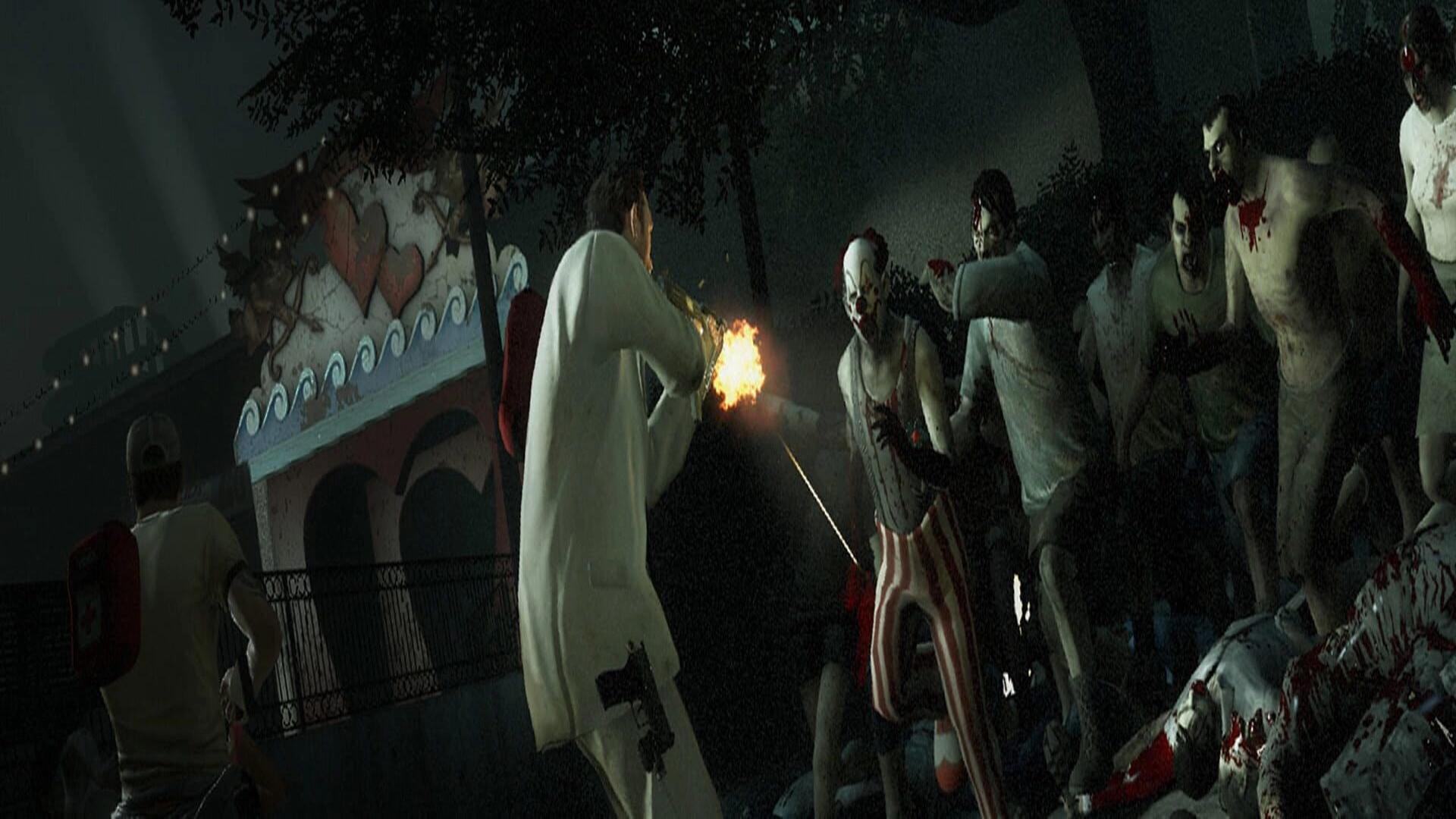
Left 4 Dead 2 is one of our LAN staples, and it's the game I point to when explaining what good co-op design actually looks like. The AI Director changes zombie spawns and item placement every run, so even a campaign you've played fifty times still throws something new at you. Four players is the cap, which hurts with a bigger group, but within that format it just works. Nobody needs to be an expert. A weaker player can hang back and still contribute, and a horde event turns even a quiet room loud fast. If your group is bigger than four, run two campaigns side by side instead of squeezing everyone into one.
- Released
- 20092009
- Genre
- ShooterShooter
- Platforms
- Linux, macOS, PCLinux, macOS, PC

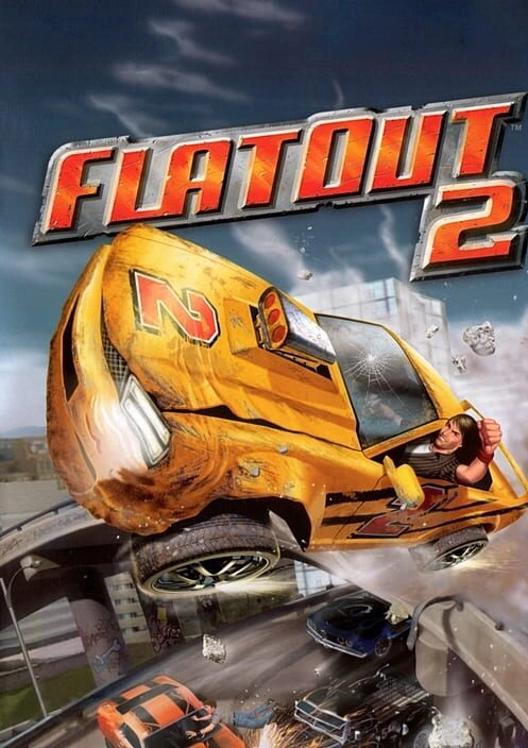
FlatOut 2 doesn't get the respect it deserves, but it's the one racing game on this list where even the person not playing is laughing. Derby mode is the whole pitch: cars fall apart, drivers fly through windshields in slow motion, and nobody in the room needs an explanation for why that's funny. It runs on basically anything, which matters at a LAN where half the laptops are borrowed from someone's job. The trade-off is depth. You'll burn through the content in a couple of sessions, and it works best as a twenty-minute palate cleanser between heavier games rather than the main event. Cheap on Steam, easy to install, and reliably the loudest fifteen minutes of any night we've run it.
- Released
- 20062006
- Genre
- RacingRacing
- Platforms
- Linux, macOS, PC, Xbox OneLinux, macOS, PC, Xbox One
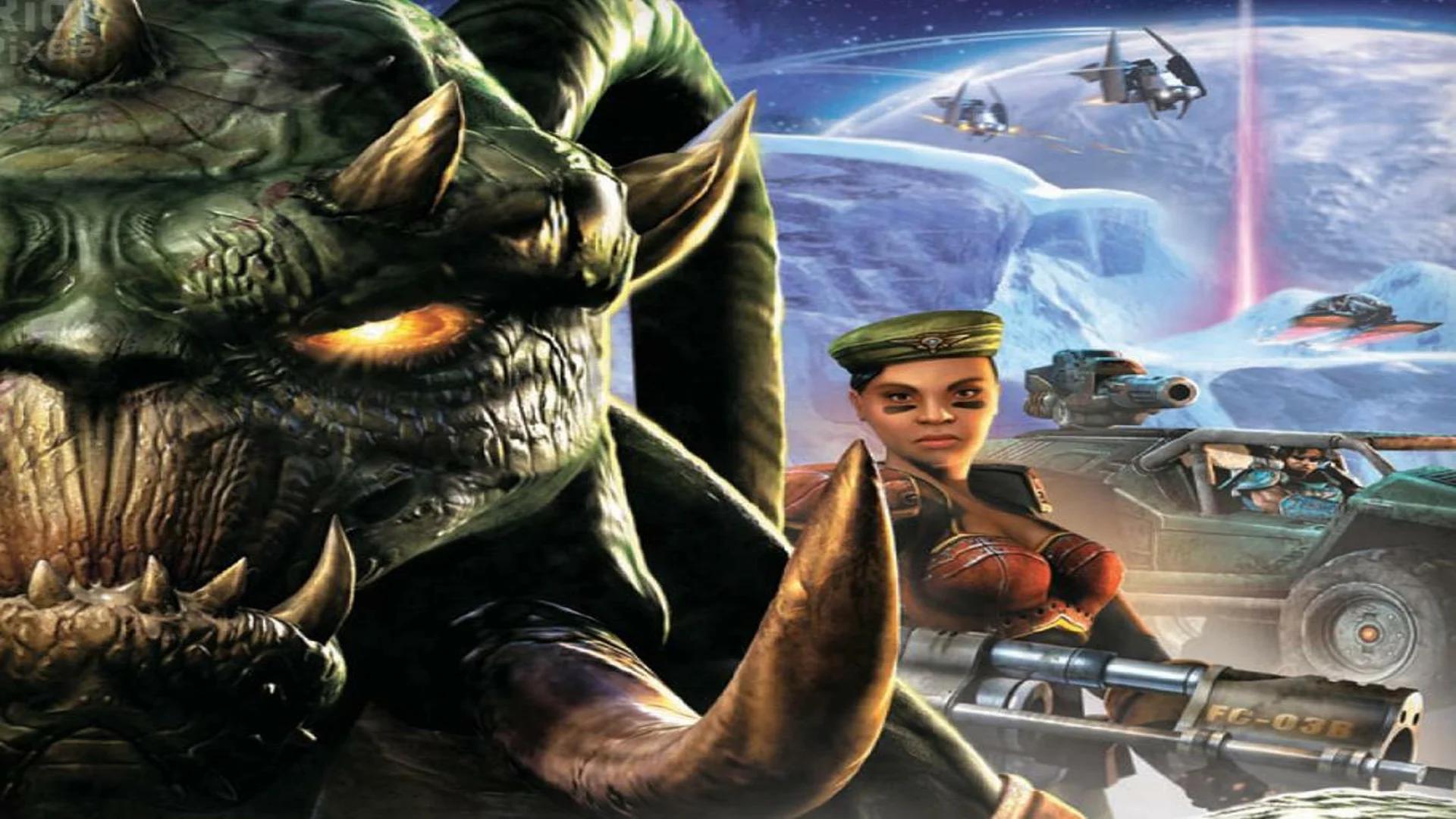
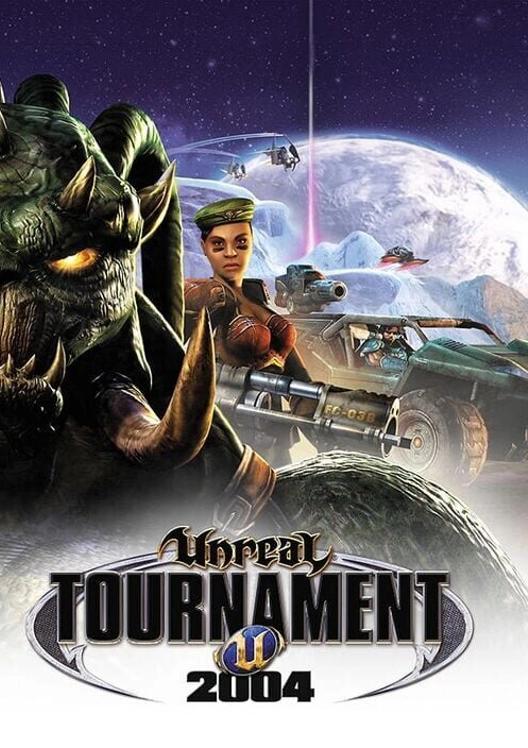
Unreal Tournament 2004 is one of the names on our permanent LAN rotation, and Onslaught mode is the reason it stays there. Sixteen people fighting over vehicles and power nodes across a huge map is still one of the best big-room experiences PC gaming has produced, and nothing modern has quite replaced it. The movement is fast and a little unforgiving if you've grown up on newer shooters with slower pacing, so give newcomers a practice round before the real matches start. Buying it in 2026 is more annoying than it should be, since it's not on modern storefronts the way most of this list is. Track down the Editor's Choice Edition ahead of your event rather than scrambling the night of. Worth the hunt.
- Released
- 20042004
- Genre
- ShooterShooter
- Platforms
- Linux, macOS, PCLinux, macOS, PC
If you are looking for a LAN night built entirely around cooperative play rather than head-to-head competition, check out our Best LAN Party Co-Op Games for PC guide.
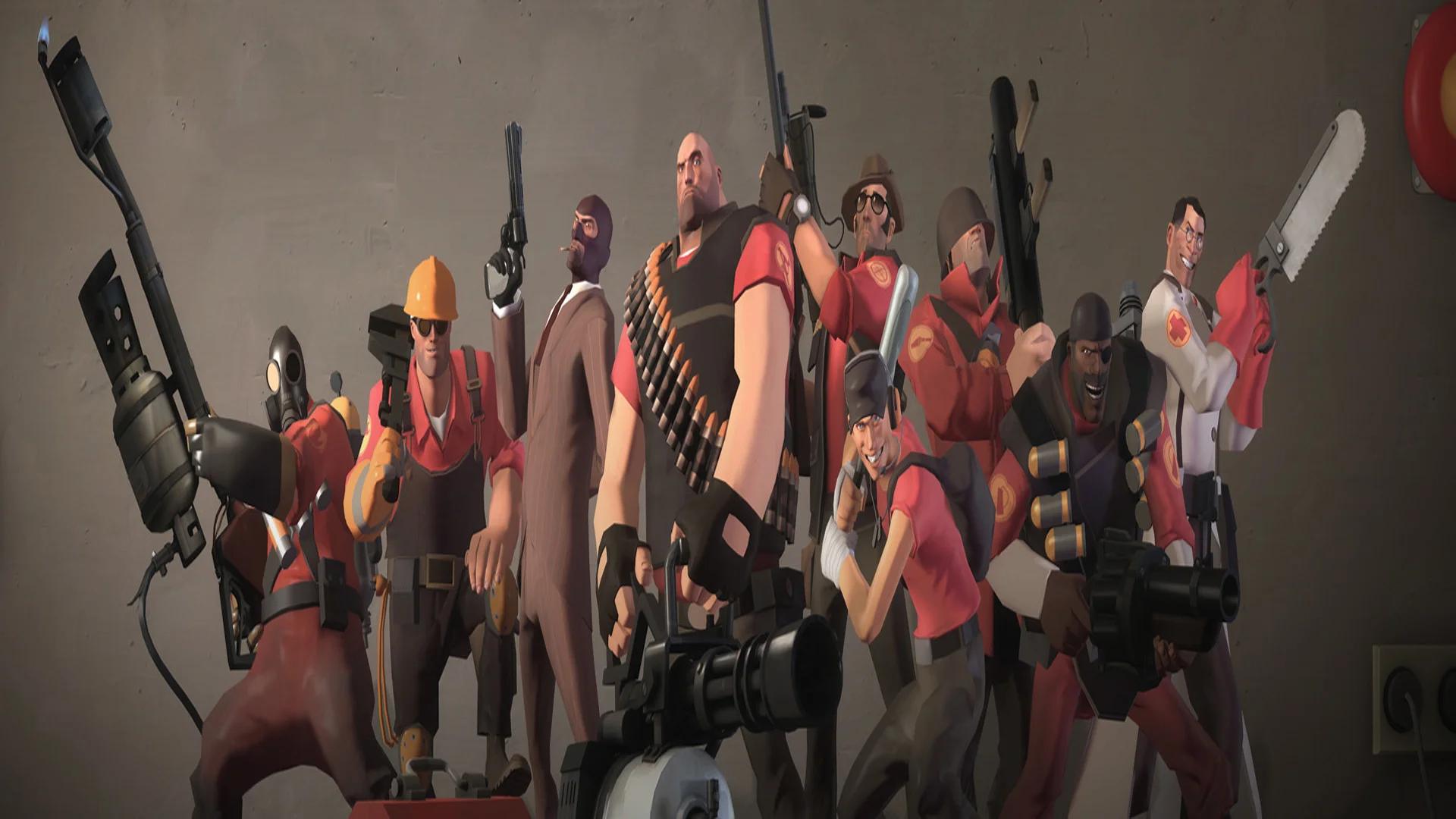
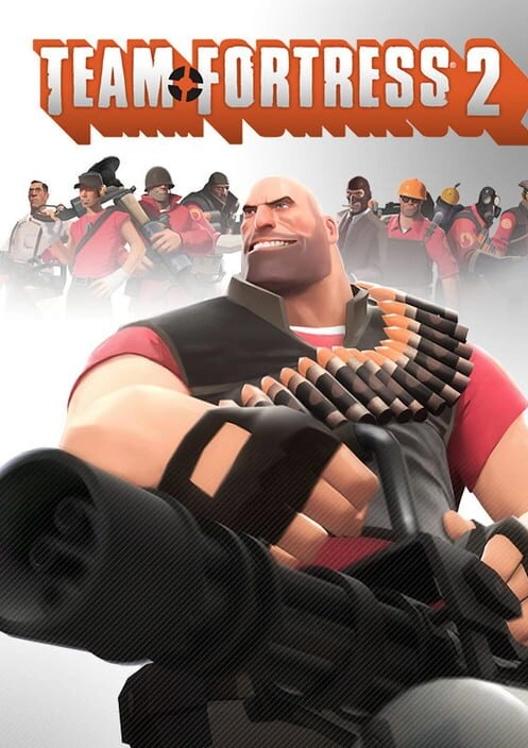
Team Fortress 2 is free, which alone makes it an easy addition to any LAN night's install list. My less competitive friends, the ones who bounce off Counter-Strike within ten minutes, are always the ones who end up loving this one by the end of the night. Nine distinct classes means everyone finds a role that suits how they actually want to play, whether that's sniping from a distance or running headlong into a room as a Heavy. It's readable too. Even people watching over someone's shoulder can follow what's happening, which keeps the room engaged between turns. The servers have been running for close to two decades now and they're not going anywhere. Setup takes minutes, and there's zero cost of entry.
- Released
- 20072007
- Genre
- ShooterShooter
- Platforms
- Linux, macOS, PCLinux, macOS, PC
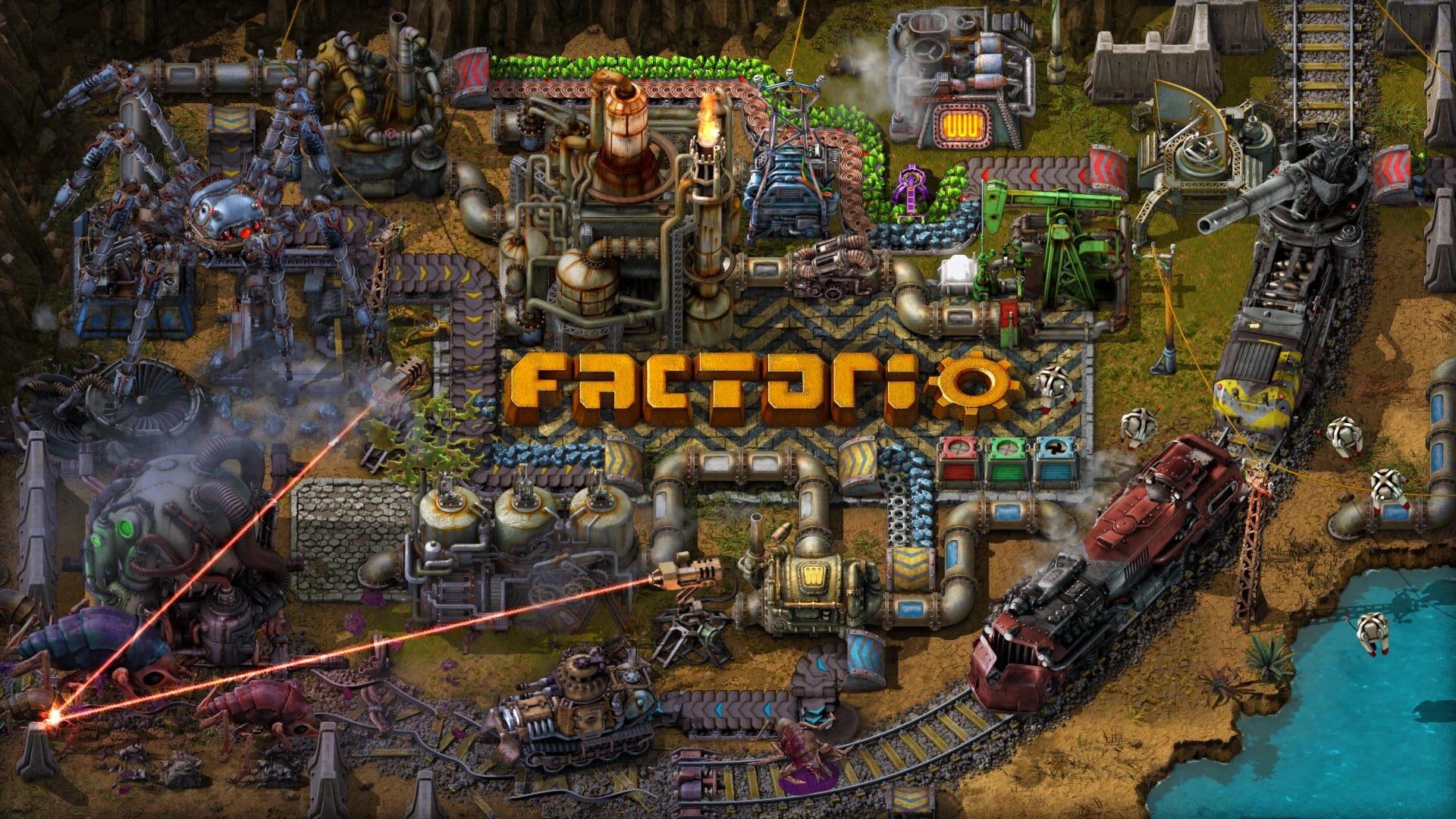
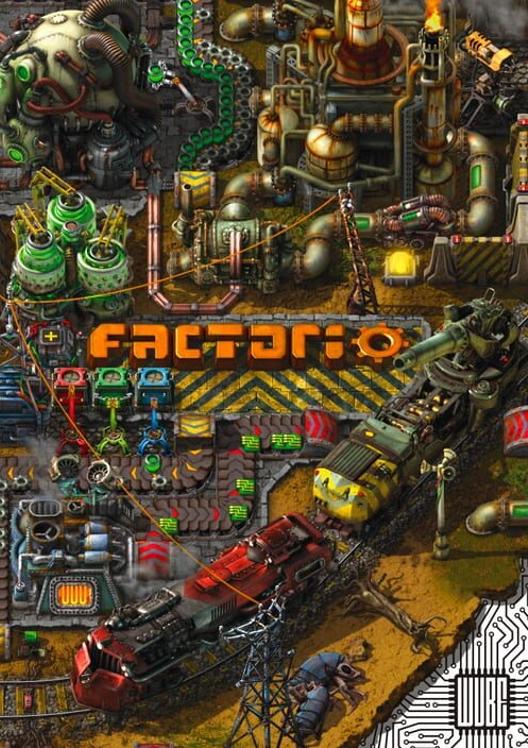
Factorio is the game that turns my most competitive friends quiet and my most patient friend into the group's de facto factory architect. There's no PvP here, no elimination, just a shared production line that keeps getting more complicated until someone finally launches a rocket at four in the morning. It's not the loudest game at a LAN, and if your group wants shouting and chaos, this isn't it. What it offers instead is the rare kind of session where four people are all staring at the same problem, quietly arguing about belt throughput. Setup over LAN is smooth and reliable. The learning curve up front is real, so give newcomers a short tutorial run before diving into a shared save.
- Released
- 20202020
- Genre
- SimulationSimulation
- Platforms
- Linux, macOS, PC, Switch, Switch 2Linux, macOS, PC, Nintendo Switch, Nintendo Switch 2
Warcraft III: Reforged is the game responsible for a chunk of LAN culture as we know it, since custom maps like the original Defense of the Ancients came out of exactly these kinds of sessions. Melee matches and team games still hold up as solid RTS fundamentals, but the custom map browser is where the real fun happens. Tower defense variants, RPG maps, mini-games nobody remembers the name of, all off one install. The Reforged relaunch had a rough few years, and some of that reputation still lingers even though the game itself is stable now. If your group has any RTS history at all, this earns a slot on nostalgia alone. It rewards curiosity.
- Released
- 20202020
- Genre
- StrategyStrategy
- Platforms
- macOS, PCmacOS, PC
Honorable Mentions
These five didn't make the top ten, but each is worth knowing about for the right group or the right gap in your lineup.
I have put more hours into Rocket League than I'd like to admit, and I still whiff aerials on a regular basis. At a LAN, a few rounds of 2v2 or 3v3 turn into the loudest ten minutes of the whole night, with everyone crowding around whoever's playing to watch the replay of a redirected goal. What keeps it out of the top ten is pure logistics. Setting up private matches and dealing with account requirements is messier than the native LAN hosting most of this list offers, and that friction matters when you're trying to get a room moving fast. Still one of the best short-session picks if you're willing to deal with the setup.
TrackMania is the game that turns a five-minute break between heavier titles into forty-five minutes nobody planned for. The restart is instant, the tracks are short, and the leaderboard sitting on screen means someone's always trying to shave off another tenth of a second. What kept it out of the top ten is practicality in 2026. Between the original 2003 release, the various remakes, and the current subscription-style version, figuring out which copy to actually install before your event takes more effort than it should. If your group already owns a version and knows which one, it's still a great filler game between the heavier picks on this list.
13. Valheim
84%My group has talked about dedicating a weekend to Valheim more than once, but we've never actually cleared the calendar for it. It's the modern answer to the survival co-op itch that games like Left 4 Dead 2 don't scratch, with shared base building and a boss progression system that gives a LAN weekend an actual shape instead of just aimless play. The setup is a bit more involved than the classics on this list, and the pacing rewards a full weekend rather than a single evening, which is why it sits here instead of higher. If your group has two full days free, this is worth clearing the calendar for.
14. PlateUp!
83%PlateUp! is basically what Overcooked would look like if it grew up and got meaner, and it's an easy addition to any LAN night once Overcooked has already worn out its welcome for the evening. The kitchen chaos escalates fast, the roguelike upgrade choices between days keep runs from feeling repetitive, and the whole thing is genuinely funny when someone's flipping burgers while the fryer catches fire behind them. The cap of four players is what keeps it out of the top ten, since bigger LAN groups end up rotating in and out rather than everyone playing at once. Great filler game, not a headline act.
Wreckfest is the game I'd probably swap in for FlatOut 2 if I were building this list from scratch today, since it does the same demolition-derby job with cleaner modern presentation. Cars deform realistically, races are chaotic in a way that's easy to follow even if you're just watching over someone's shoulder, and it's a game people actually still buy and update in 2026 rather than tracking down an old install disc for. What keeps it in honorable mentions rather than the main ten is that it's covering ground FlatOut 2 already holds on this list, and I didn't want two demolition racers crowding out other genres. Worth owning either way.
Frequently Asked Questions
A few questions we get asked before every LAN event, big or small.
Do these games need internet to run over LAN?
Most don't, once installed. Native LAN games like Left 4 Dead 2, Age of Empires II, and Warcraft III run local sessions entirely offline. Counter-Strike 2 and Halo: MCC need authentication on first launch but don't need a live connection to host a LAN match afterward.
What's the best pick for a mixed-skill group?
Halo: The Master Chief Collection is the safest bet. Left 4 Dead 2 is a close second because co-op means less experienced players can still contribute. Minecraft has zero barrier to entry if your group includes non-gamers.
How many players do I need for a good LAN night?
Four is the practical minimum. At four you get a full Left 4 Dead 2 squad or 2v2 matches in most other games. Eight opens up real Counter-Strike 2 rounds and Age of Empires team games. Beyond twelve, Factorio and Warcraft III's custom maps handle the scale best.
Can I run these on non-gaming laptops?
For most of the list, yes. Minecraft, FlatOut 2, Unreal Tournament 2004, and Team Fortress 2 all run fine on integrated graphics. Counter-Strike 2 and Halo: MCC need a bit more headroom, but both run acceptably on mid-range laptops by 2026 standards.
Are any of these free?
Team Fortress 2 and Counter-Strike 2 are both free to play, with optional cosmetics. Factorio, Minecraft, and the rest require purchase, though most go on sale regularly. Rocket League, in the honorable mentions, is also free.
Conclusion
No single game carries a full LAN night alone, which is why this list spans shooters, strategy, sandbox, and racing instead of leaning on one genre. Start with two or three anchors from the top five, then fill the remaining gaps with whatever your group already owns and enjoys.
Running on office laptops rather than gaming rigs? Our low-end PC and laptop guide narrows things further, and our racing and free-game guides cover ground this list only touches on.
More tailored picks? Our Recommendations Engine has you covered.