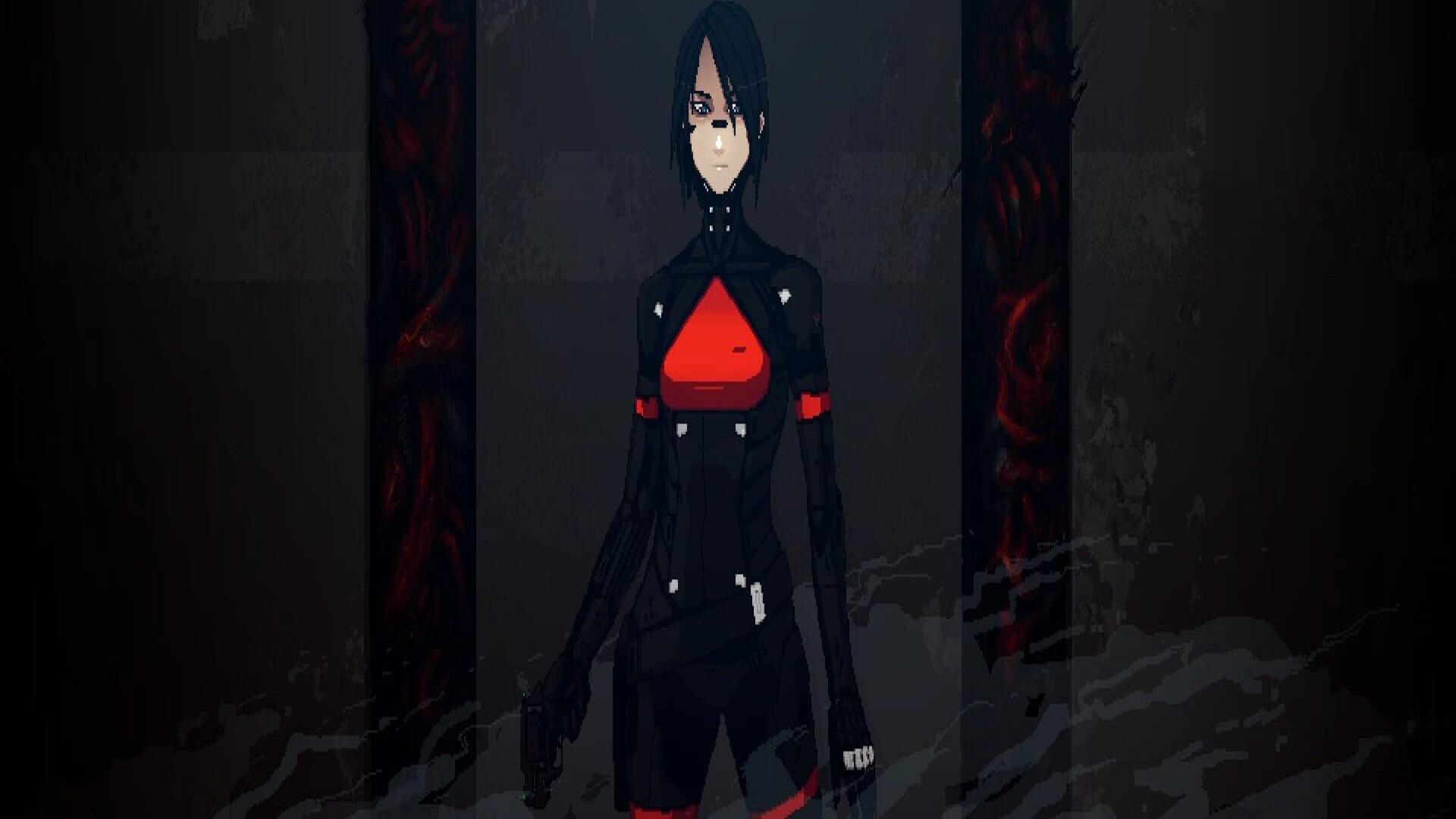
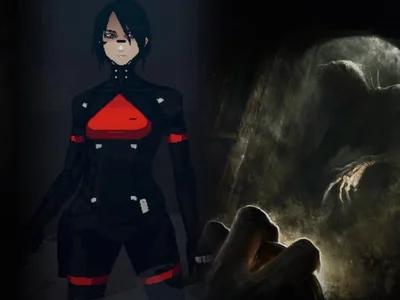
I went looking for something to fill a single evening and ended up finishing Signalis over four. That's rare for me with an indie horror game running a fixed top-down camera and a PS1-era art style that should, on paper, undercut the scares. It doesn't. The limited inventory and old-school puzzle logic put real weight behind every decision, and the replicant horror at its center gets under your skin slower than jump-scare horror usually manages. It's not built for players who want spectacle. For players who want dread with a genuinely distinct identity, this is one of the best horror games on PS5 that most people still haven't played.
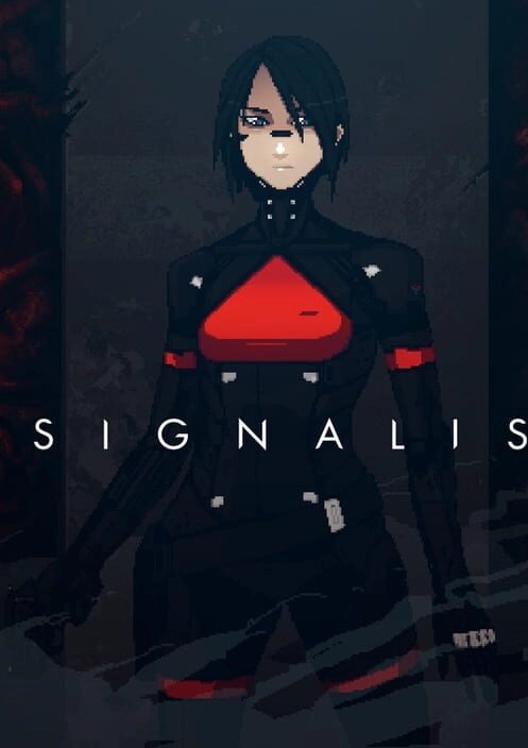
Signalis
October 27, 2022AdventureESRB M
About Signalis
Story setup
At a glance
- Released
- October 27, 2022
- Platforms
- PlayStation 4, Nintendo Switch, Xbox One, PC
- Genres
- Adventure, Indie, Action
- Play modes
- Single Player
- Age rating
- ESRB M
Screenshots
Click any screenshot to view it full size.
Multiplayer & game modes
Signalis offers various play modes for different gaming experiences.
Play Modes
Single Player
Age ratings
How rating boards around the world have classified Signalis. Open a board for its content descriptors.
ACBM
Science fiction themes and violence
CEROC
- Violence
CLASS_IND14
- Violência (Violence)
ESRBM
- Violence
- Blood
GRAC15+
- Violence
- Alcohol, Tobacco, Drug
PEGI16
- Violence
- Fear
“This game has received a PEGI 16 because it features strong violence, scenes of intense and sustained horror, and strong gory images. Not suitable for persons under 16 years of age.”
Often listed alongside Signalis
Titles that appear in the same guides on this site. Grouped by where they show up, not by recommendation.
Featured in our articles
This game appears in 7 articles on this site.
Signalis caught me off guard. I picked it up expecting a competent retro survival-horror throwback and got something considerably stranger and more unsettling. The pixel art aesthetic works against you in the best way: it makes the horror feel dreamlike rather than distant, like something half-remembered. The identity collapse at the game's core is not a twist, it is the texture. You feel it in every loop, every note, every door that leads somewhere it should not. Inventory limits and fixed cameras echo old Silent Hill, but this is not nostalgia bait. The psychological dread here is its own thing, built on surreal symbolism and cosmic despair that earns the comparison to its influences without leaning on them.
Signalis crept up on me. I picked it up expecting a nostalgia exercise dressed in sci-fi aesthetics and got something with genuine conviction behind it. Six inventory slots. Fixed cameras. Puzzles that require you to move through dangerous areas multiple times to gather what you need. It channels PS1-era survival horror without feeling like pastiche because the design choices are not decorative, they are functional. The decaying facility setting and fragmented narrative keep you unsettled even in quiet stretches. No franchise to lean on. No safety net of familiarity. It earned its reputation entirely on its own terms, and it is comfortably one of the best indie games to come out of 2022.
Signalis does something I did not expect from a game that wears its PS1 influences so openly: it made me feel genuinely sad. The survival horror structure is classical, inventory limits and all, but the atmosphere underneath is built on cosmic longing rather than pure threat. It reminded me of why the early Silent Hill games worked, that specific register of dread that is more existential than mechanical. The puzzle design is sharp, the sound pulls the tension exactly where it needs to go, and the world stays with you after you put the controller down. Nothing else on this list scores as consistently across every criterion. It earns the top spot without argument.
Signalis is the kind of game that rewards patience. The visual style, a kind of lo-fi sci-fi that sits somewhere between early PlayStation era horror and a German Expressionist print, is immediately distinctive. The puzzles are deliberate and often cryptic in the way the old Resident Evil games were cryptic, where you carry an item for two hours before understanding why. What keeps it from ranking higher is that its inventory system is genuinely punishing, not in a tension-building way but in a way that occasionally tips from challenge into frustration. That said, the atmosphere here is singular. I have not played another indie horror game with this kind of restrained, melancholic dread.
I have a weakness for games that feel like they were made specifically for one device, and SIGNALIS is that game for Steam Deck. The top-down perspective, the lo-fi pixel aesthetic, the crisp text on a small screen, it all clicks in a way that feels deliberate rather than coincidental. Classic survival horror structure means limited resources, deliberate movement, and puzzles that reward attention. The horror here is not jump scares. It is creeping dread that builds across the entire game. Performance is rock solid, suspend-resume works exactly as it should, and the battery barely notices it is running. One of the cleanest top-slot decisions I have made for any list.
Signalis earns its place by committing fully to a vision most studios would have softened. Classic survival-horror inventory tension, a six-item limit that forces real decisions, and a sci-fi setting that layers in dread rather than spectacle. The narrative is intentionally fragmented, which slows onboarding and loses some players early. Push through that. The atmosphere deepens steadily, and by the midpoint you are holding onto the story as hard as the resources. I came in expecting a competent retro throwback and found something more ambitious. Runs cleanly on integrated graphics. One of the strongest contemporary horror games weak PCs can actually handle.
Game data and imagery provided by IGDB.com