
Horror games are not something I reach for casually. When I finally have an hour free late in the evening, I want to unwind, not sit in genuine unease waiting for something to go wrong. But every so often the mood is right, and when it is, I want a game that actually delivers psychological dread rather than just startling me every three minutes. Jump scares have their place. This list is not about them. These are the games that create fear through atmosphere, fractured reality, disturbing symbolism, and the slow collapse of what you thought you understood.
I scored every game on psychological horror purity, atmosphere and dread, memorability, overall quality, and accessibility. Psychological horror purity carried the heaviest weight, followed by atmosphere.
For a broader look at the genre, see our Best Horror Games in 2026 guide. This article focuses specifically on psychological horror, games where the fear comes from inside rather than from what is chasing you.
Quick Picks
Best modern starting point: Silent Hill 2 Remake
Best existential horror: SOMA
Best prestige horror: Alan Wake 2
Best compact nightmare: Mouthwashing
Best for sustained paranoia: Darkwood
The Top 10 Best Psychological Horror Games
These ten games earn their place by making fear feel inevitable rather than manufactured. No cheap tricks here.
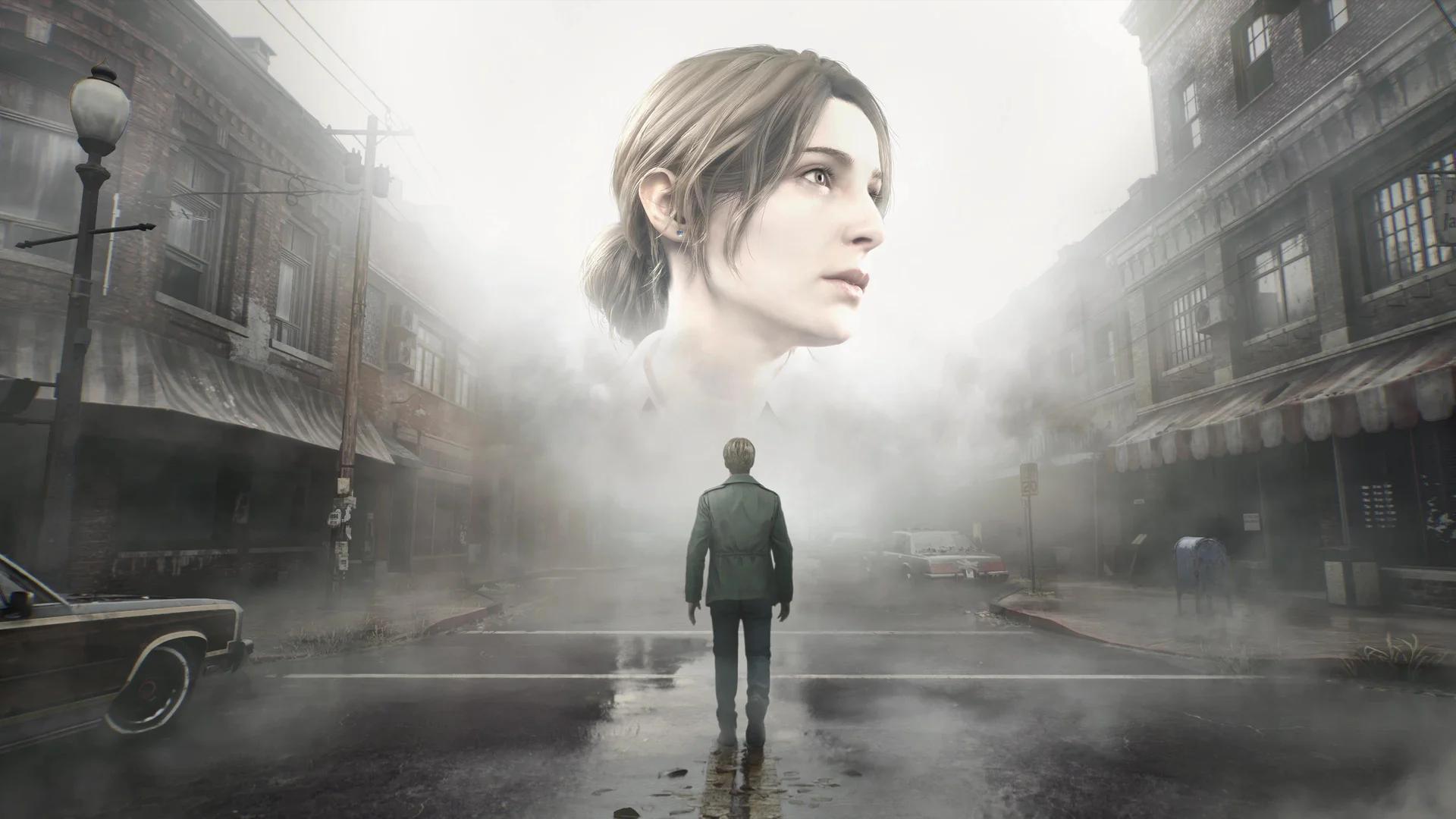
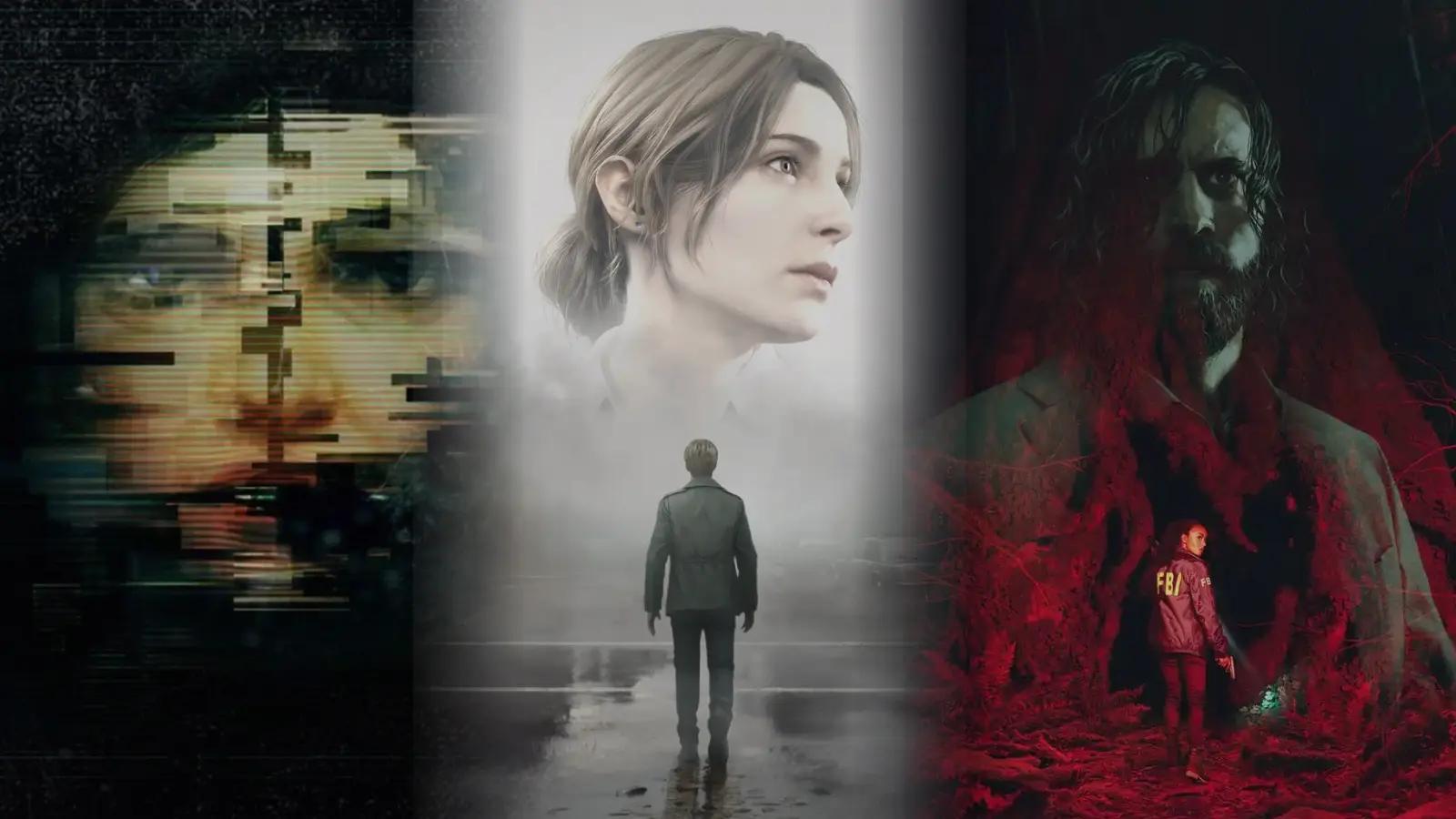
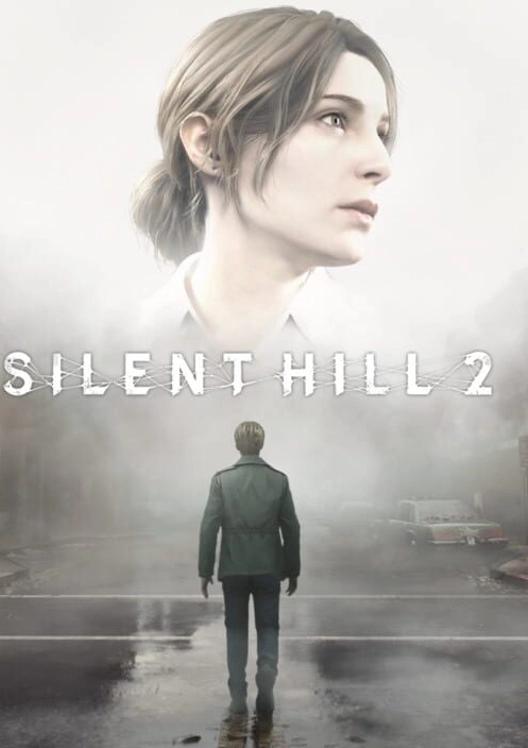
Horror is not something I reach for on a random Tuesday evening after the kids are in bed. I need to be in the right frame of mind. Silent Hill 2 Remake is the kind of game that makes the decision for you, because within twenty minutes you are already somewhere you cannot quite leave. Bloober Team kept what matters: the fog, the weight, the sense that James Sunderland's grief is not just backstory but architecture. The town feels constructed from trauma rather than geometry. Every corridor carries the sense that something is quietly wrong before anything actually happens. For players new to Silent Hill, this is the correct entry point. For those who know the original, it earns its existence.
- Released
- 20242024
- Genre
- PuzzlePuzzle
- Platforms
- PC, PS5, Series X|SPC, PlayStation 5, Xbox Series X/S
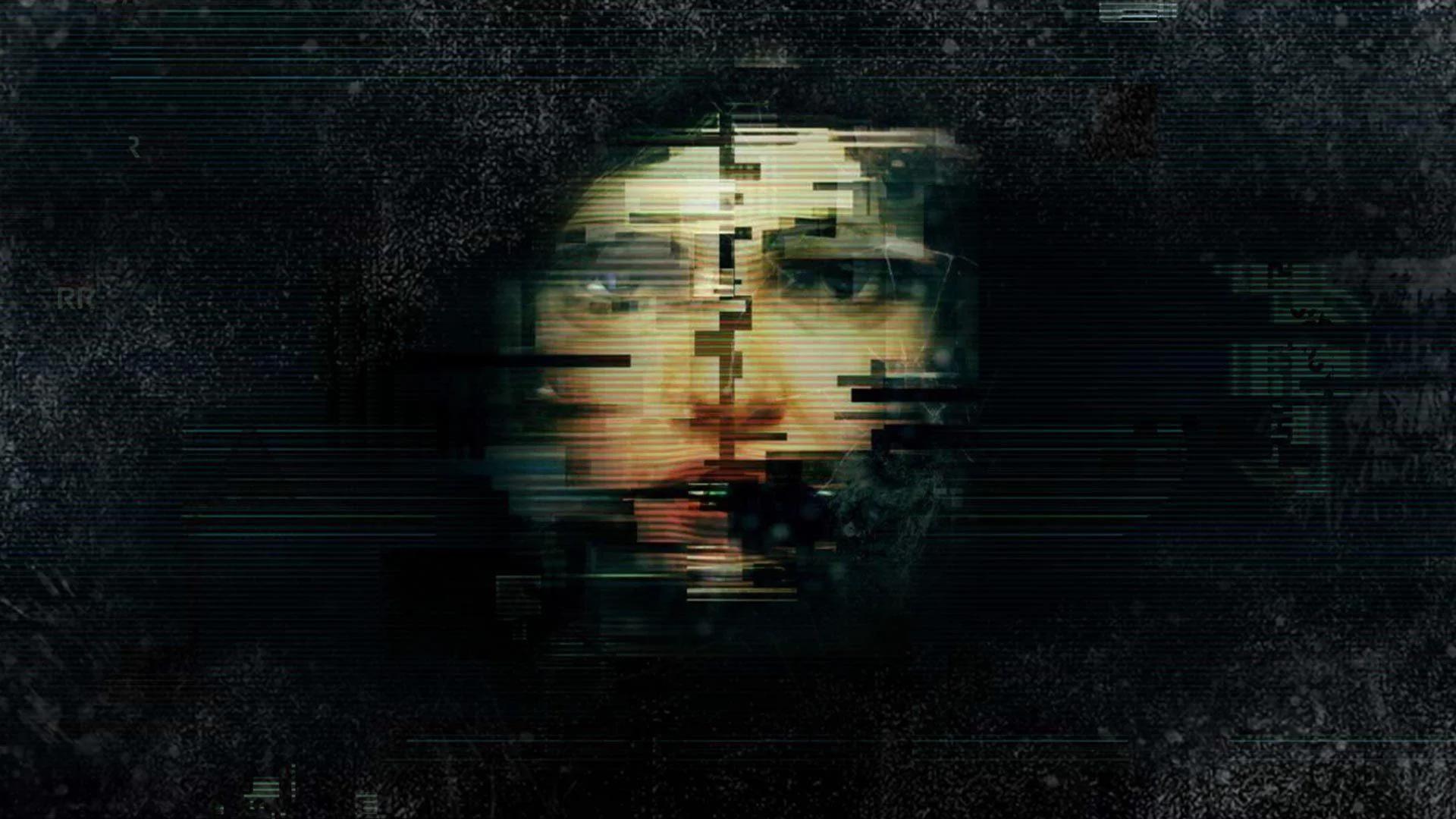
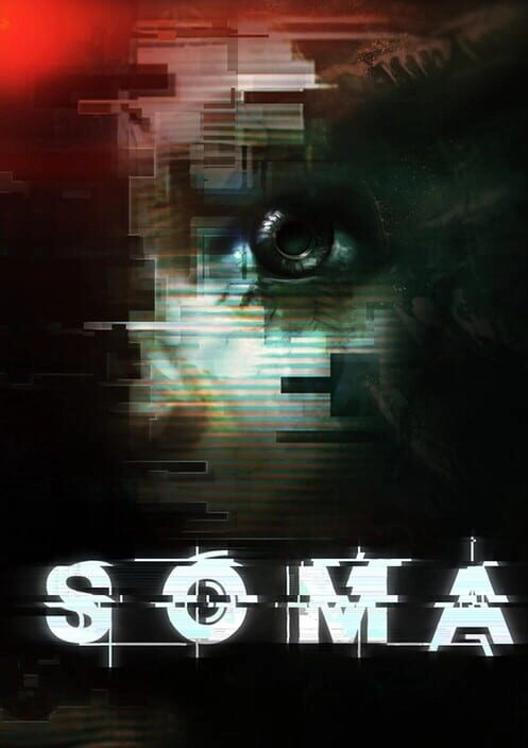
SOMA did something I did not expect a horror game to do. It made me feel genuinely terrible about decisions I had no real choice in. Not guilty in a narrative way, but philosophically rattled in a way that stuck around for days. The game is set in an underwater research facility, and the horror is not the monsters, though those are unpleasant enough. It is the question the game keeps posing about what you actually are, and whether that matters. No combat to hide behind. Minimal player agency in the scenes that hurt most. If you want a horror game that leaves a mark on how you think rather than just how you sleep, this is it.
- Released
- 20152015
- Genre
- PuzzlePuzzle
- Platforms
- Linux, macOS, PC, PS4, Switch, Xbox OneLinux, macOS, PC, PlayStation 4, Nintendo Switch, Xbox One
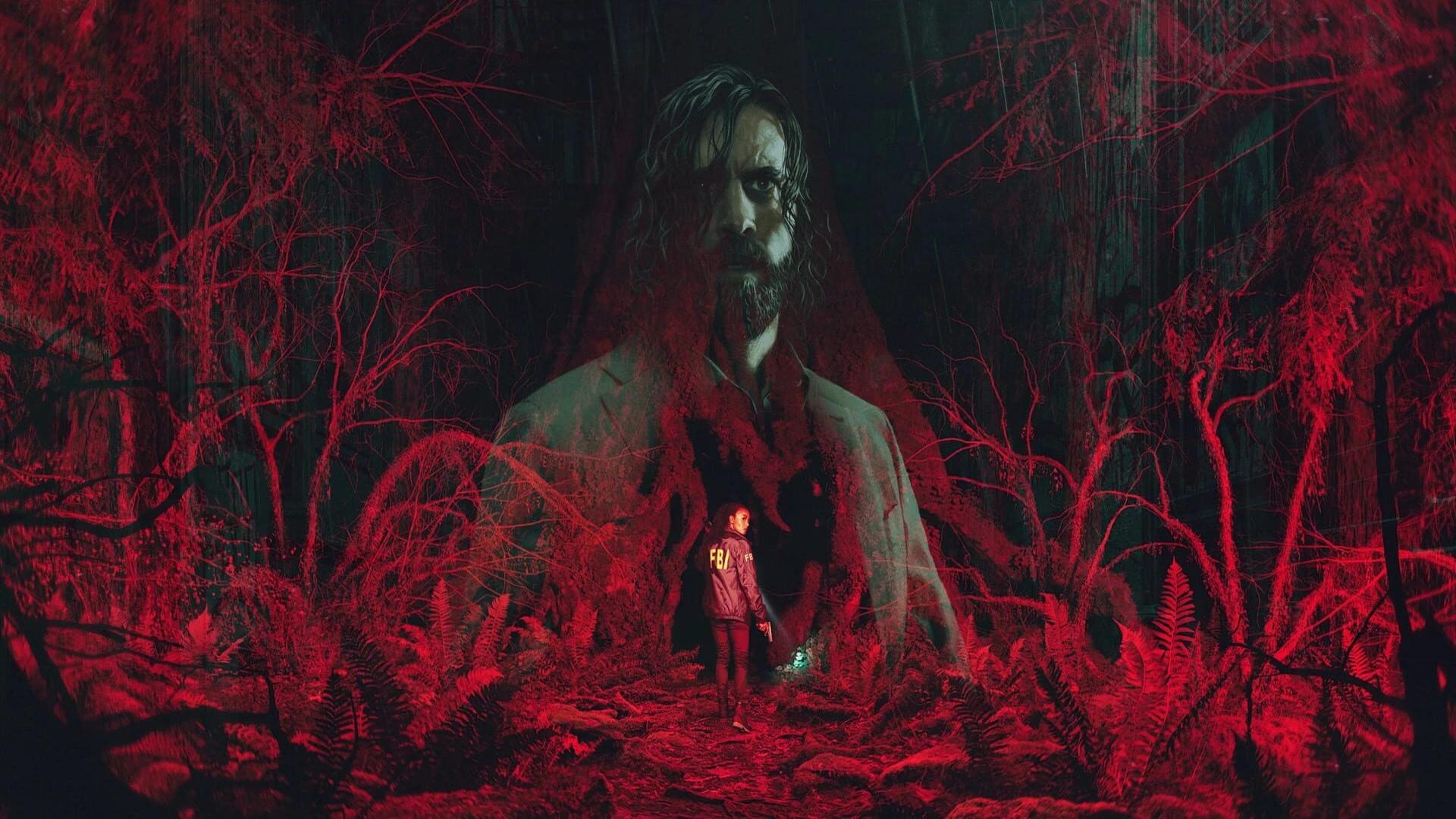
Alan Wake 2 commits fully to the idea that reality is a story someone else is writing. Two protagonists, two different kinds of unraveling, and set pieces that feel like nothing else in modern horror. Remedy made a game where the audiovisual design is doing as much work as the script, and the script is already doing a lot. There is combat, and it is fine, but the reason people talk about this game is not the shooting. It is the live-action sequences, the Dark Place chapters, the moment a musical number appears where a monster should be. It sits third rather than higher because the psychological horror purity has some competition from spectacle, but that spectacle is in service of genuine dread rather than cheap substitution.
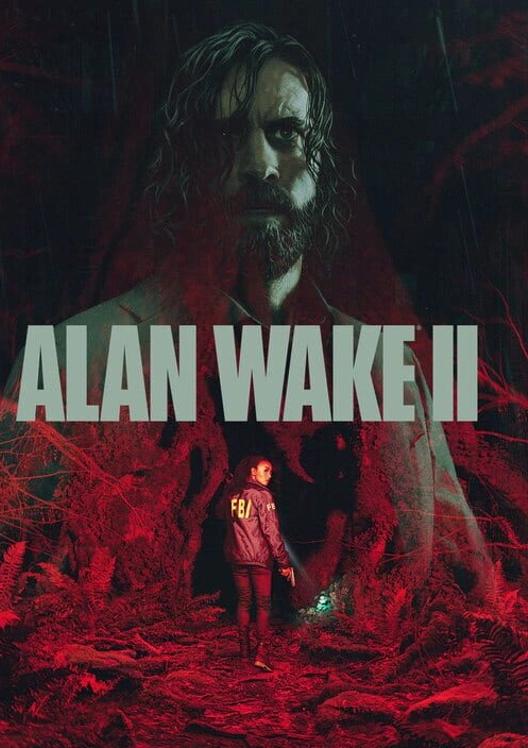
- Released
- 20232023
- Genre
- ShooterShooter
- Platforms
- PC, PS5, Series X|SPC, PlayStation 5, Xbox Series X/S
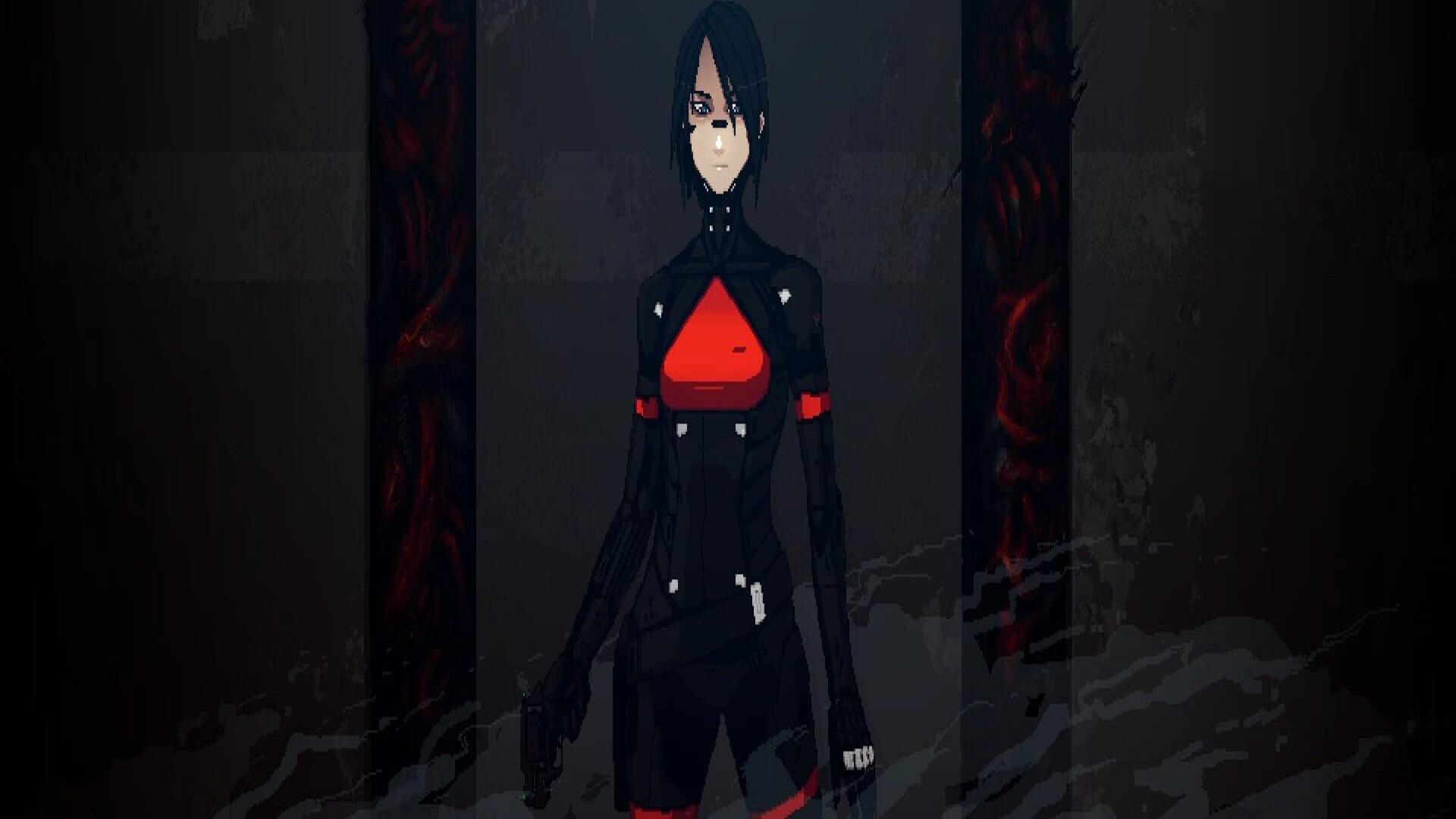
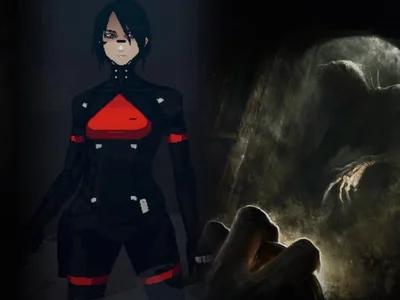
Signalis caught me off guard. I picked it up expecting a competent retro survival-horror throwback and got something considerably stranger and more unsettling. The pixel art aesthetic works against you in the best way: it makes the horror feel dreamlike rather than distant, like something half-remembered. The identity collapse at the game's core is not a twist, it is the texture. You feel it in every loop, every note, every door that leads somewhere it should not. Inventory limits and fixed cameras echo old Silent Hill, but this is not nostalgia bait. The psychological dread here is its own thing, built on surreal symbolism and cosmic despair that earns the comparison to its influences without leaning on them.
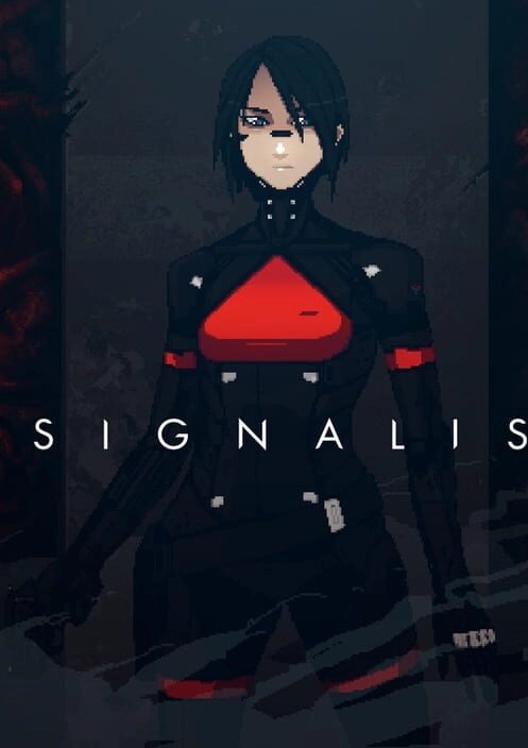
- Released
- 20222022
- Genre
- AdventureAdventure
- Platforms
- PC, PS4, Switch, Xbox OnePC, PlayStation 4, Nintendo Switch, Xbox One
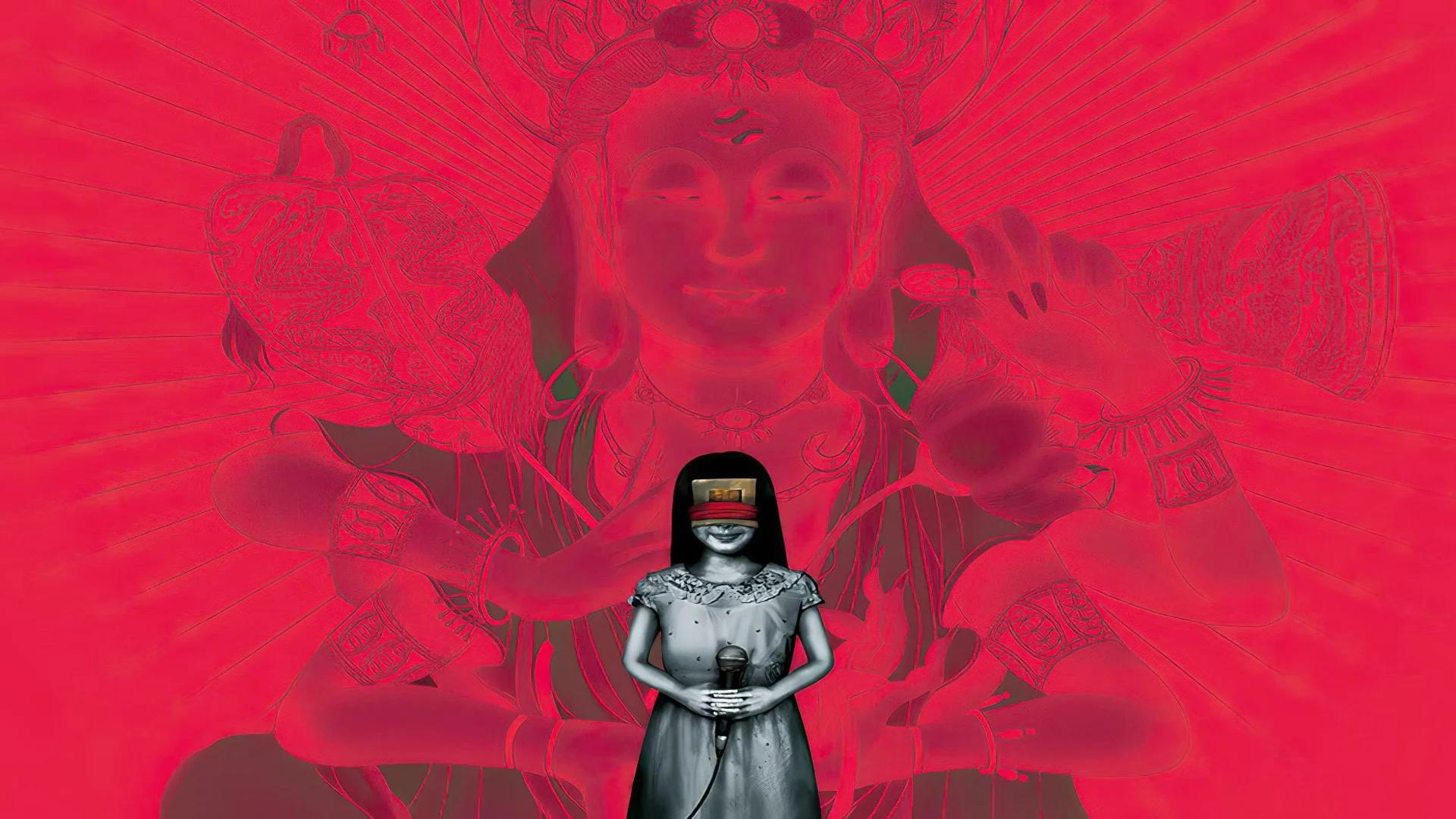
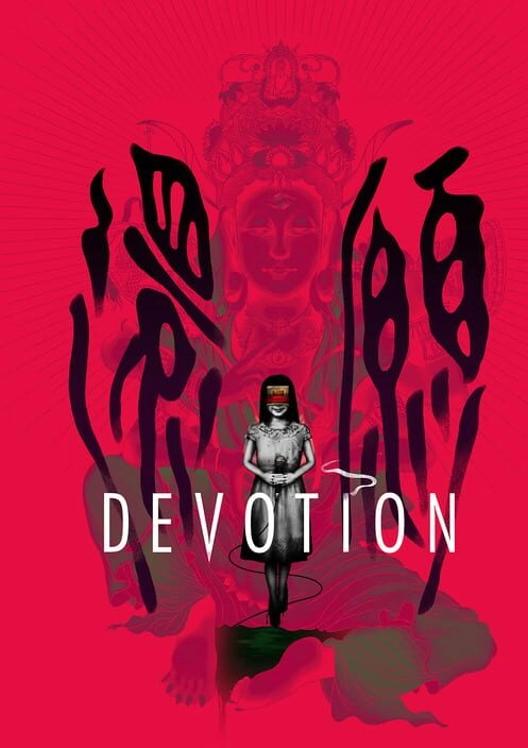
Getting hold of Devotion takes some effort since it is not on mainstream storefronts, and I want to be upfront about that before recommending it. It is worth the inconvenience. Red Candle Games built something that uses the conventions of first-person horror exploration and fills them with domestic tragedy, fractured memory, and religious imagery that feels genuinely oppressive rather than decorative. You are walking through a family's apartment as it keeps resetting and shifting, and what the game is actually doing to you takes a while to fully register. Runs about four to five hours. No combat. Every moment of dread comes from what happened in these rooms, not from anything chasing you through them.
- Released
- 20192019
- Genre
- PuzzlePuzzle
- Platforms
- PCPC
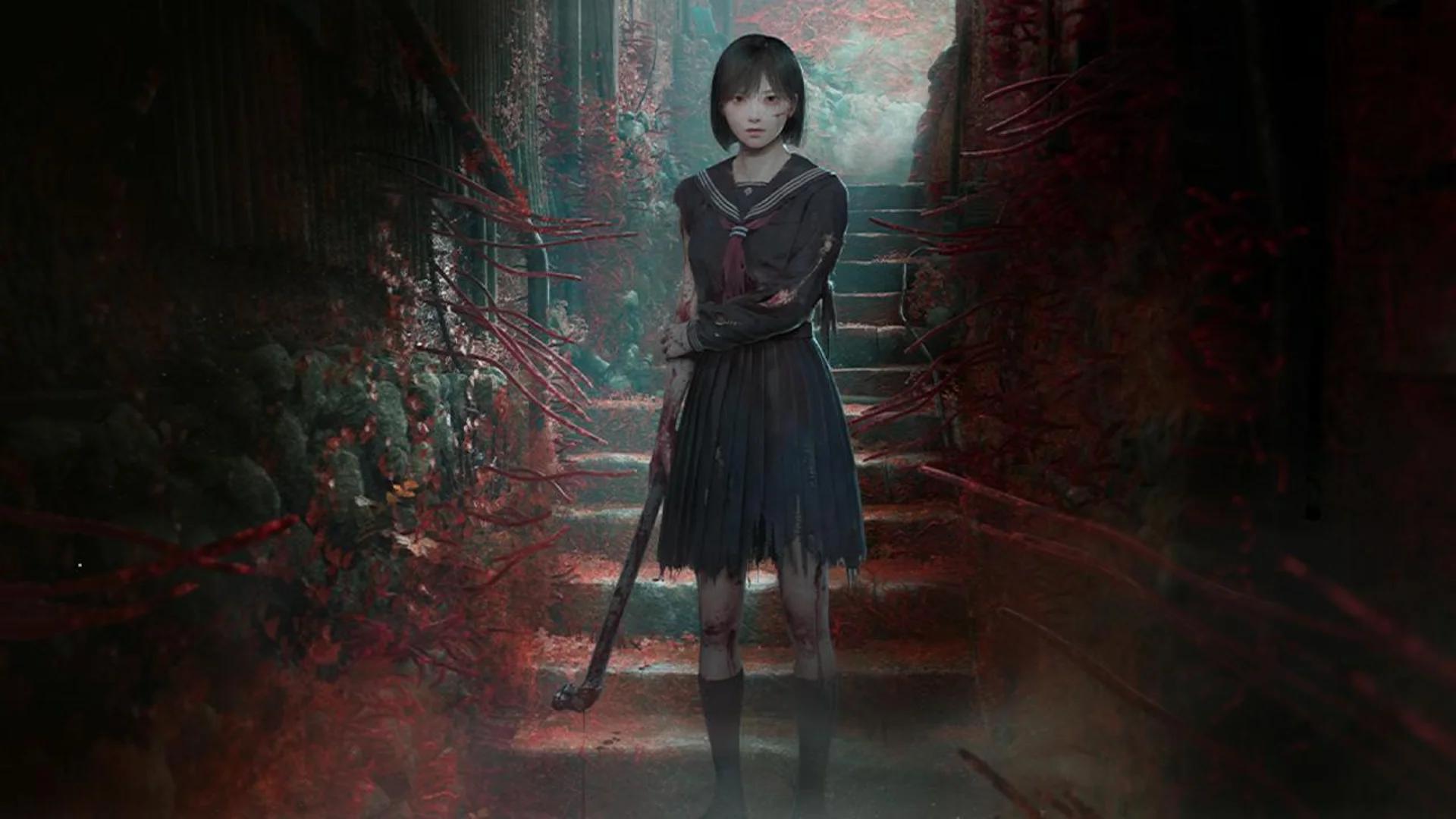
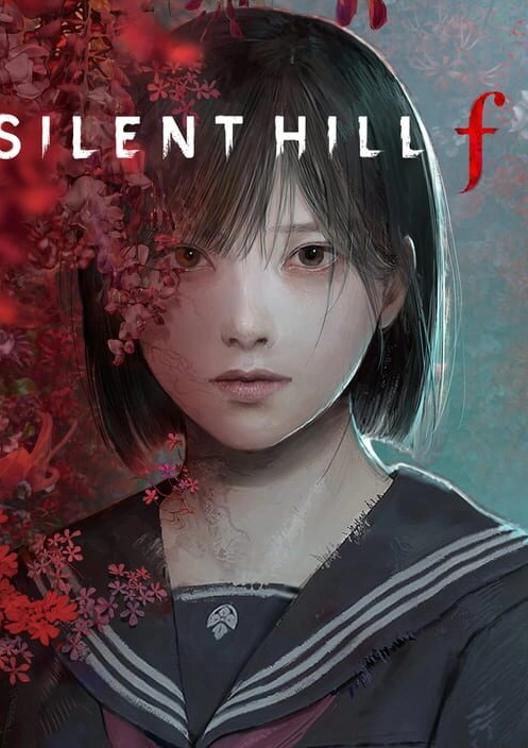
Silent Hill f is the newest entry in the series and moves the setting to 1960s rural Japan, which turns out to be a natural home for the franchise's brand of botanical surrealism and psychological rot. The imagery is fresh in the way that matters: it disturbs in ways the earlier games could not because they had already used those shapes. The shift away from the foggy American midwest feels intentional rather than arbitrary. It sits sixth rather than higher because it is recent enough that its full standing in the genre is still settling, but on any honest psychological horror list it belongs in the conversation. Do not skip it because you already have the remake covered. These are doing different things.
- Released
- 20252025
- Genre
- PuzzlePuzzle
- Platforms
- PC, PS5, Series X|SPC, PlayStation 5, Xbox Series X/S
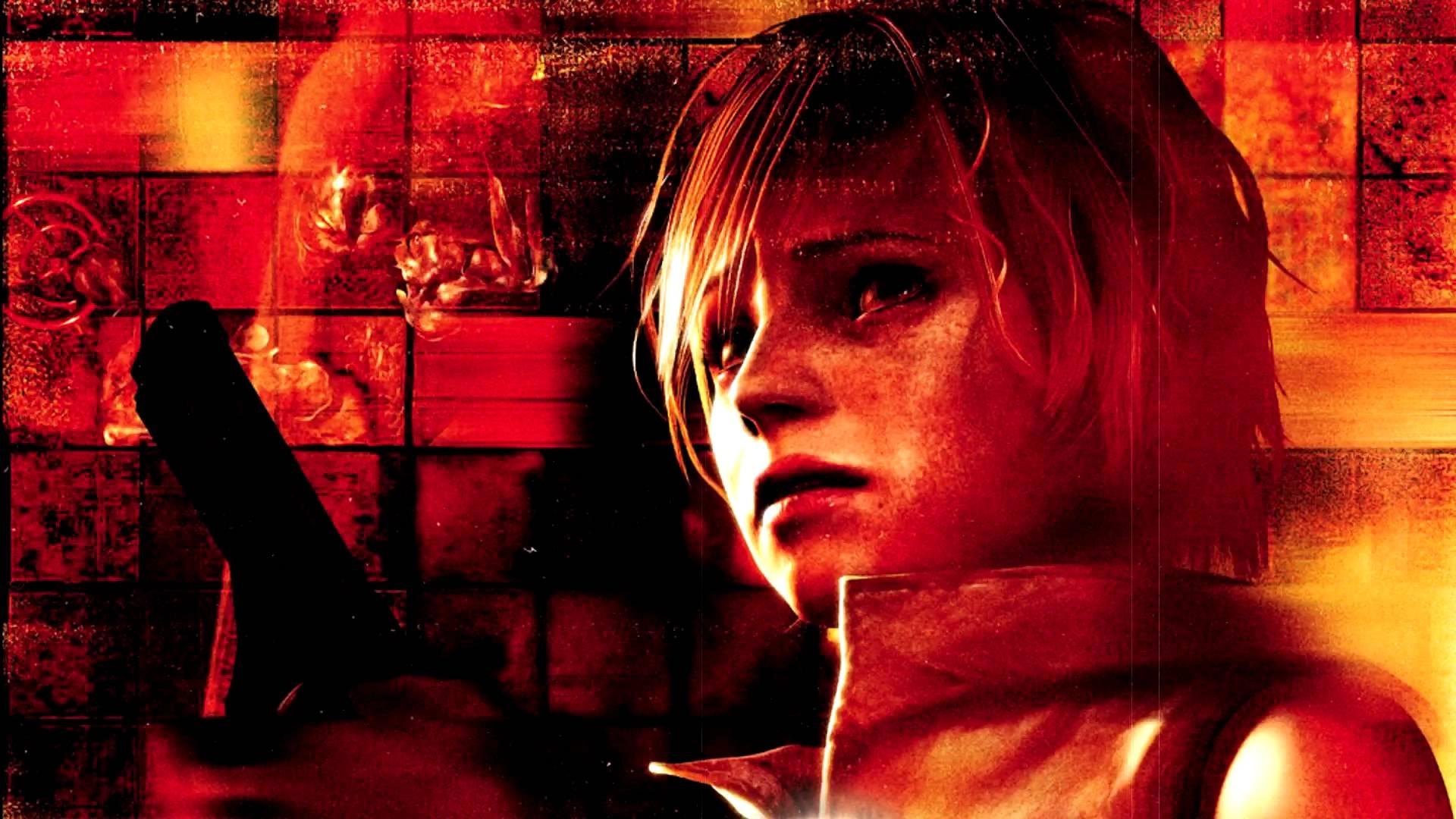
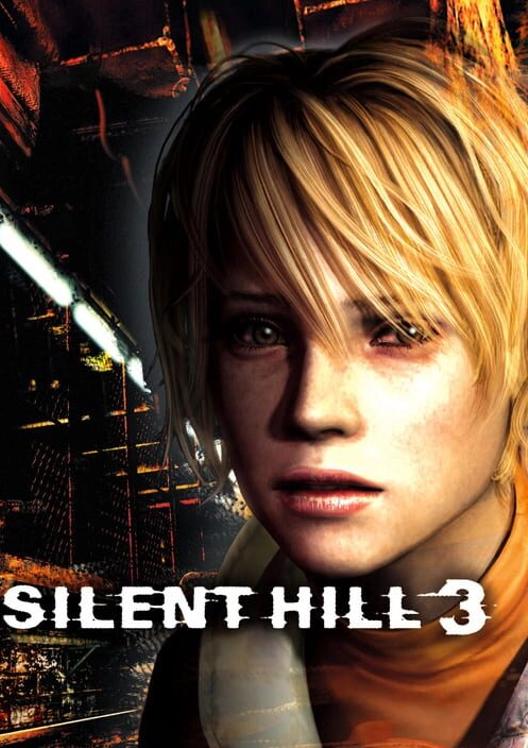
Silent Hill 3 is the most viscerally aggressive game on this list. Where the second game lives in grey guilt, the third lives in red. Heather Mason's story runs through body horror, religious mania, and a nightmare bathroom that I have not fully dislodged from my memory despite playing it years ago. It is also the hardest game here to actually get running in 2026, which costs it points on accessibility. Original hardware or an old PC with some patience is what you are looking at. Worth it if you can manage it. The atmosphere and the imagery are so specific and so relentless that playing it still feels different from anything else in the genre, even now.
- Released
- 20032003
- Genre
- PuzzlePuzzle
- Platforms
- PCPC
If you are looking for horror you can experience without needing a high-end machine, our Best Horror Games for Low-End PCs and Laptops guide covers what actually runs on modest hardware.
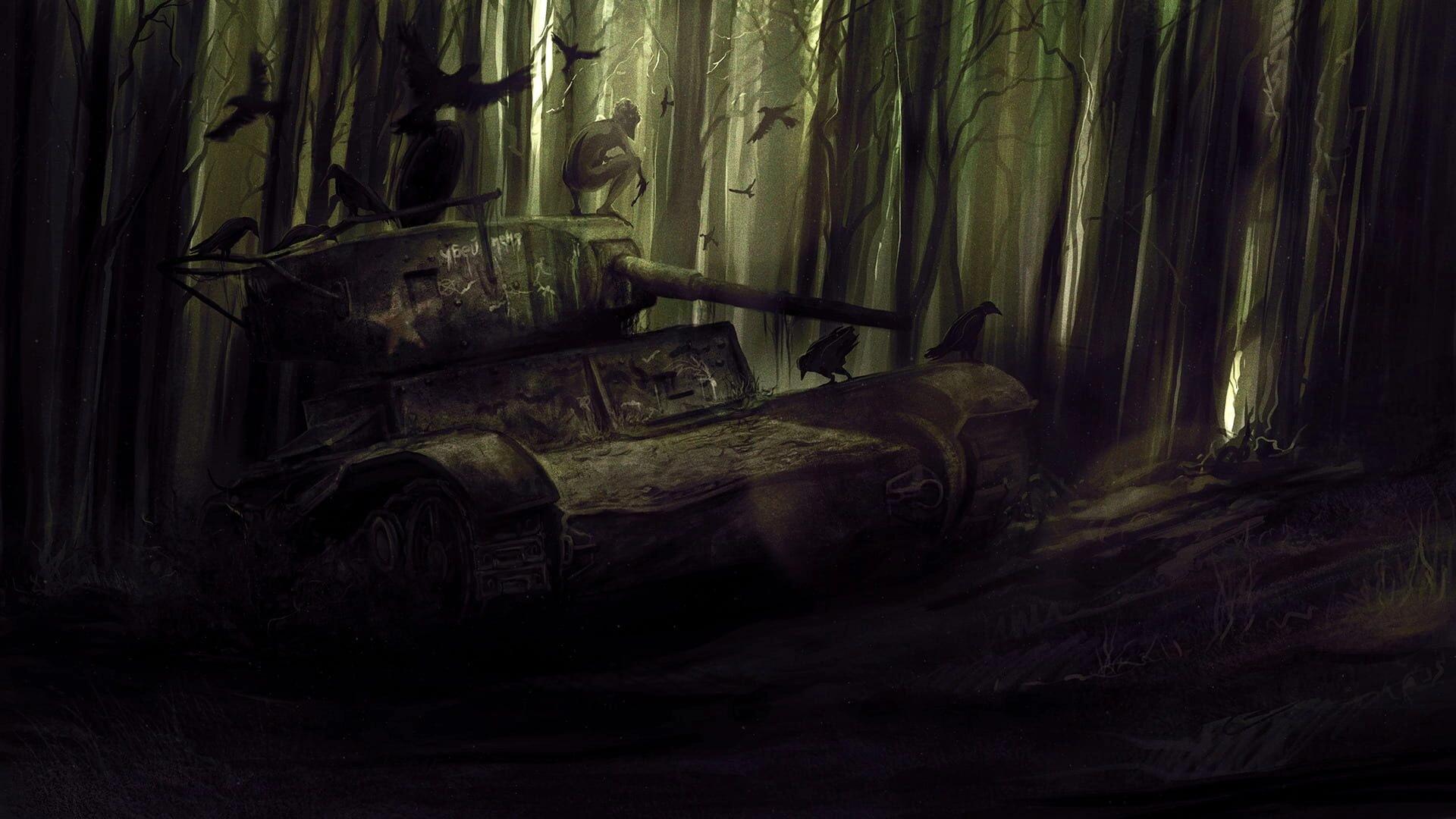
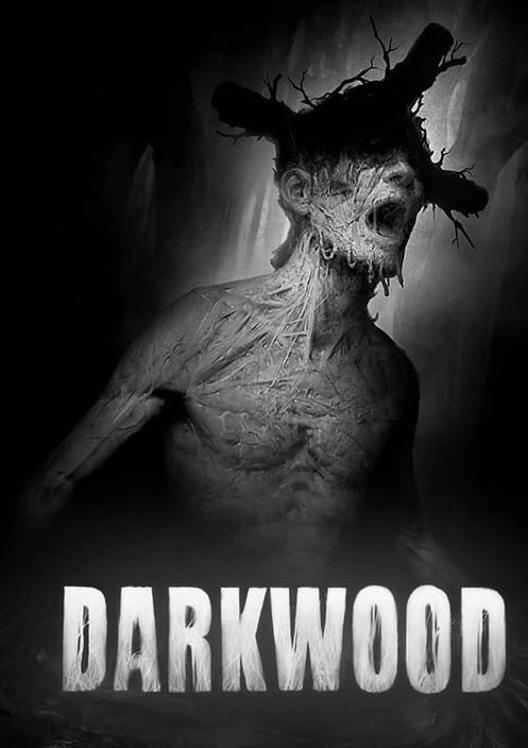
Darkwood is a top-down horror game, which should not work as well as it does. The perspective feels like it should create distance, but the opposite happens. You hear things before you see them, and some nights you never see them at all. The day-night structure forces you to barricade, prepare, and then sit in the dark listening. That nighttime wait is where the game does its real work. No jump scares to speak of. The fear is sustained and low-frequency, the kind that makes you check the in-game time more and more anxiously as the light fades. For players who want horror that builds rather than startles, Darkwood is one of the best examples in the genre.
- Released
- 20172017
- Genre
- RPGRPG
- Platforms
- Linux, macOS, PC, PS4, PS5, Switch, Xbox One, Series X|SLinux, macOS, PC, PlayStation 4, PlayStation 5, Nintendo Switch, Xbox One, Xbox Series X/S
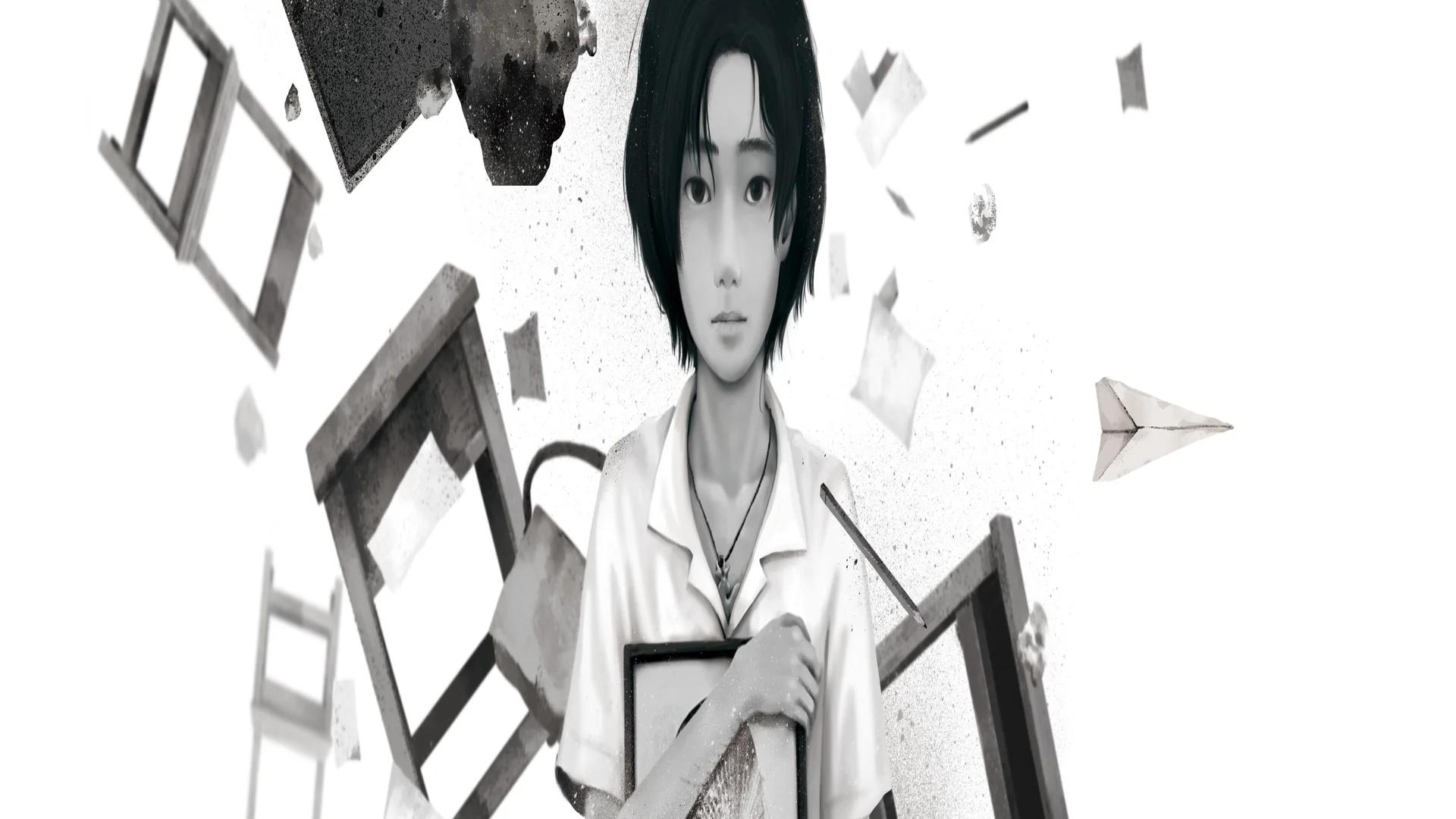
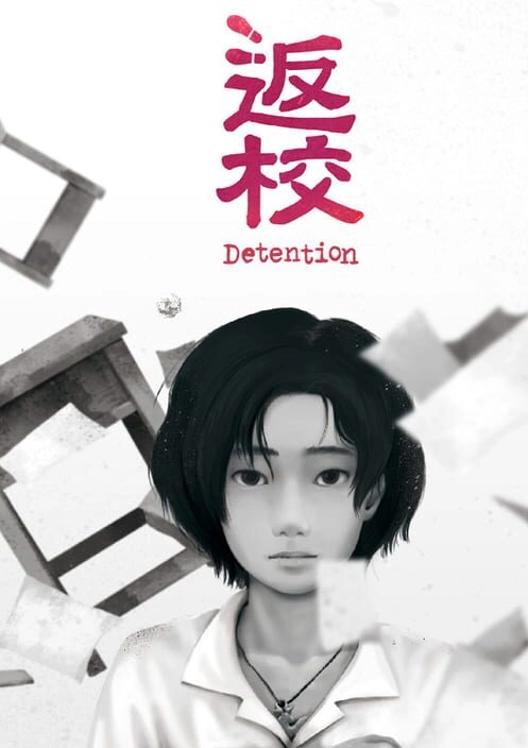
Detention is the most politically specific game on this list, set in 1960s Taiwan under martial law, and that specificity is where its horror comes from. The guilt and repression it explores are not generic. They are grounded in a real historical context that makes the symbolic machinery feel earned rather than atmospheric wallpaper. It is a 2D side-scrolling game with no combat, and it is disturbing in a way that sneaks up on you because the format feels approachable right up until it does not. I was not familiar with Taiwanese history going in, and the game taught me just enough to make the horror land harder. That is good writing.
- Released
- 20172017
- Genre
- AdventureAdventure
- Platforms
- Android, iOS, Linux, macOS, PC, PS4, SwitchAndroid, iOS, Linux, macOS, PC, PlayStation 4, Nintendo Switch
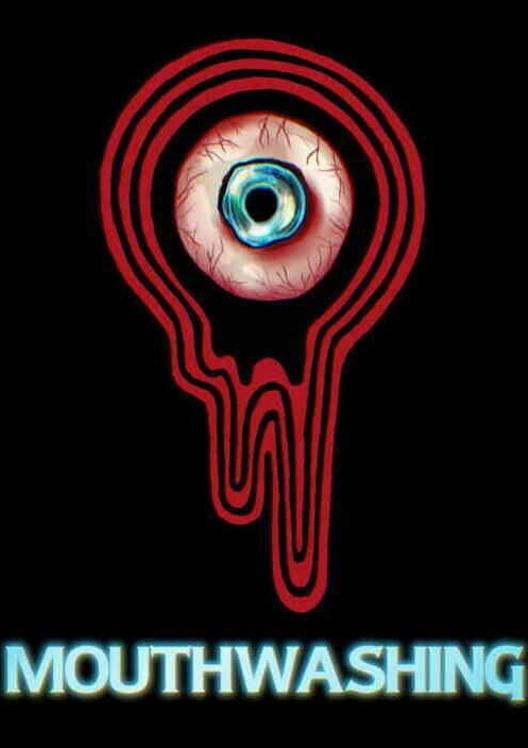
Mouthwashing is short. Two to three hours, depending on how long you sit with it after certain scenes. What happens in those hours is one of the most deliberately uncomfortable interpersonal horror experiences in recent memory. A cargo ship, a crash, five crew members, and a situation that unfolds across fractured, nonlinear vignettes. The horror is not surreal distance. It is the very close, very specific kind that comes from watching people make irreversible decisions and understanding exactly why. No combat, minimal interaction. The game is almost entirely mood and implication. It absolutely earns its place on this list, and the fact that it came from a small team makes it more impressive, not less.
- Released
- 20242024
- Genre
- AdventureAdventure
- Platforms
- PC, PS5, Switch, Series X|SPC, PlayStation 5, Nintendo Switch, Xbox Series X/S
Honorable Mentions
These games narrowly missed the top ten, either because of accessibility limitations, a slightly diluted genre focus, or because the execution does not quite match the ambition. All of them are worth your time under the right circumstances.
Slay the Princess is a visual novel that uses looping structure and unreliable narration to create something genuinely unsettling. Every run reshapes your understanding of what you are doing and why. The horror here is not atmospheric in the traditional sense, it is structural. The game messes with your sense of what the choices mean. It missed the top ten because the sustained dread is lower than everything above it, but the psychological impact and the sheer strangeness of what it is doing with its premise make it worth playing if the format appeals to you.
Pathologic 2 is not easy to recommend cleanly. It is mechanically demanding, deliberately unforgiving, and designed to make you feel the weight of every hour in a plague-ravaged town. The paranoia and social collapse it creates are exceptional. So is the sense that the world is indifferent to your efforts. It missed the top ten because the systems sit between you and the horror in a way that not every player will push through. For those who will, it is one of the most oppressively psychological games ever made.
13. OMORI
87%Omori presents as a cheerful RPG and then spends thirty hours carefully dismantling that impression. The trauma at its core is handled with more seriousness and precision than most games that centre their entire identity on it. The horror sections hit differently once you understand what the dream logic is actually concealing. It missed the top ten because the turn-based RPG structure dilutes the purity of the psychological horror experience, but the emotional devastation in the final acts is real and it stays with you.
The Room is the strangest and least celebrated of the classic Silent Hill games, and that strangeness is exactly what makes it worth playing. Your apartment becomes a cursed anchor you keep returning to, watching it deteriorate, feeling the invasion of it. The domestic paranoia is more claustrophobic than anything else in the series. It missed the top ten partly because it is the hardest to access and partly because it is rougher in execution than the games above it. But the premise and the atmosphere are genuinely distinct.
The Cat Lady is a low-budget side-scrolling horror game about depression, and it handles its subject with more bluntness than almost any game on this list. The presentation is rough, the pacing uneven, but the psychological horror it delivers is direct and specific in a way that the bigger productions often are not. It missed the top ten because the execution does not match the ambition, but genre-aware players looking for something beyond the obvious picks will find it memorable.
Frequently Asked Questions
Questions I get asked often about this genre and this list.
What makes a horror game psychological rather than just scary?
The fear comes from inside rather than outside. Psychological horror uses atmosphere, unreliable narration, symbolism, and mental instability to unsettle you rather than chasing you with monsters or cutting to loud audio stings. You can feel genuinely disturbed without anything ever jumping out at you. SOMA is a good example: the threat is rarely immediate, but the existential dread never fully lifts.
Are these games suitable if I have a low horror tolerance?
Some of them, yes. Devotion, Detention, and Mouthwashing have no combat and relatively few startling moments. They are disturbing in a quieter, slower way. The Silent Hill entries are more intense and occasionally loud. SOMA has a safe mode that removes creature threats entirely without affecting the story, which makes it a reasonable starting point for players who want the narrative without the stress.
Which of these is the shortest to finish?
Mouthwashing is two to three hours. Devotion is four to five. Detention is around three to four hours depending on how thoroughly you explore. If you want a full psychological horror experience without a major time commitment, any of those three will do it in a single evening session.
Is Silent Hill 2 Remake worth playing if I finished the original?
Yes, though for different reasons than you might expect. It is not a straight upgrade; it is a reinterpretation with modern audiovisual design that changes how certain scenes land. If the original is the version that shaped how you think about the genre, the remake will feel both familiar and slightly foreign, which is an interesting experience in its own right. They are worth having played both.
Do any of these games run well on lower-end hardware?
Darkwood, Detention, Signalis, and Mouthwashing all have modest system requirements and should run on most PC hardware without issue. SOMA and Alan Wake 2 are the most demanding. The Cat Lady and Slay the Princess, listed in honorable mentions, will run on practically anything. If hardware is a concern, our low-end horror guide covers this in more detail.
Conclusion
Psychological horror is the part of the genre that stays with you. Not the moment the monster appeared, but the three hours after when you are still turning the story over. Silent Hill 2 Remake and SOMA sit at the top for a reason: both understand that the most effective fear is the kind you cannot quite locate. Whether you have a full evening or just a couple of hours, this list has something for your current mood.
For more picks in this genre, our Best Indie Horror Games guide covers the smaller releases worth finding, and our Best Horror Games on PlayStation Plus guide is useful if you want to check what is already in your library.