I have a complicated relationship with horror games. In the right mood they are exactly what I want. More often than not, they are not. The thing that consistently fixes that is playing them with someone else. Back 4 Blood sessions with my regular group, Left 4 Dead 2 at LAN parties, hours in every game on this list: co-op does not just make horror more manageable, it makes the good games genuinely better. The fear becomes something you share rather than something that sits on you alone, and the moments where everything goes wrong become the stories you still bring up six months later.
I scored every entry on co-op integration, horror effectiveness, overall game quality, replayability, and how easily the game gets a group up and running. Co-op integration carried the most weight; a horror game that does not actually need you to cooperate has no business on this list.
For the full picture on horror gaming across all formats and play styles, see our Best Horror Games in 2026 guide. This article covers specifically the games where co-op is core to the horror experience, not just a side mode bolted on after the fact.
Quick Picks
Best overall: Phasmophobia
Best for intense stealth squads: The Outlast Trials
Best for emergent chaos: Lethal Company
Best for duos: REANIMAL
Best hardcore experience: GTFO
The Top 10 Best Co-Op Horror Games
Ten games that actually earn the co-op horror label, ranked from essential to worth knowing about.
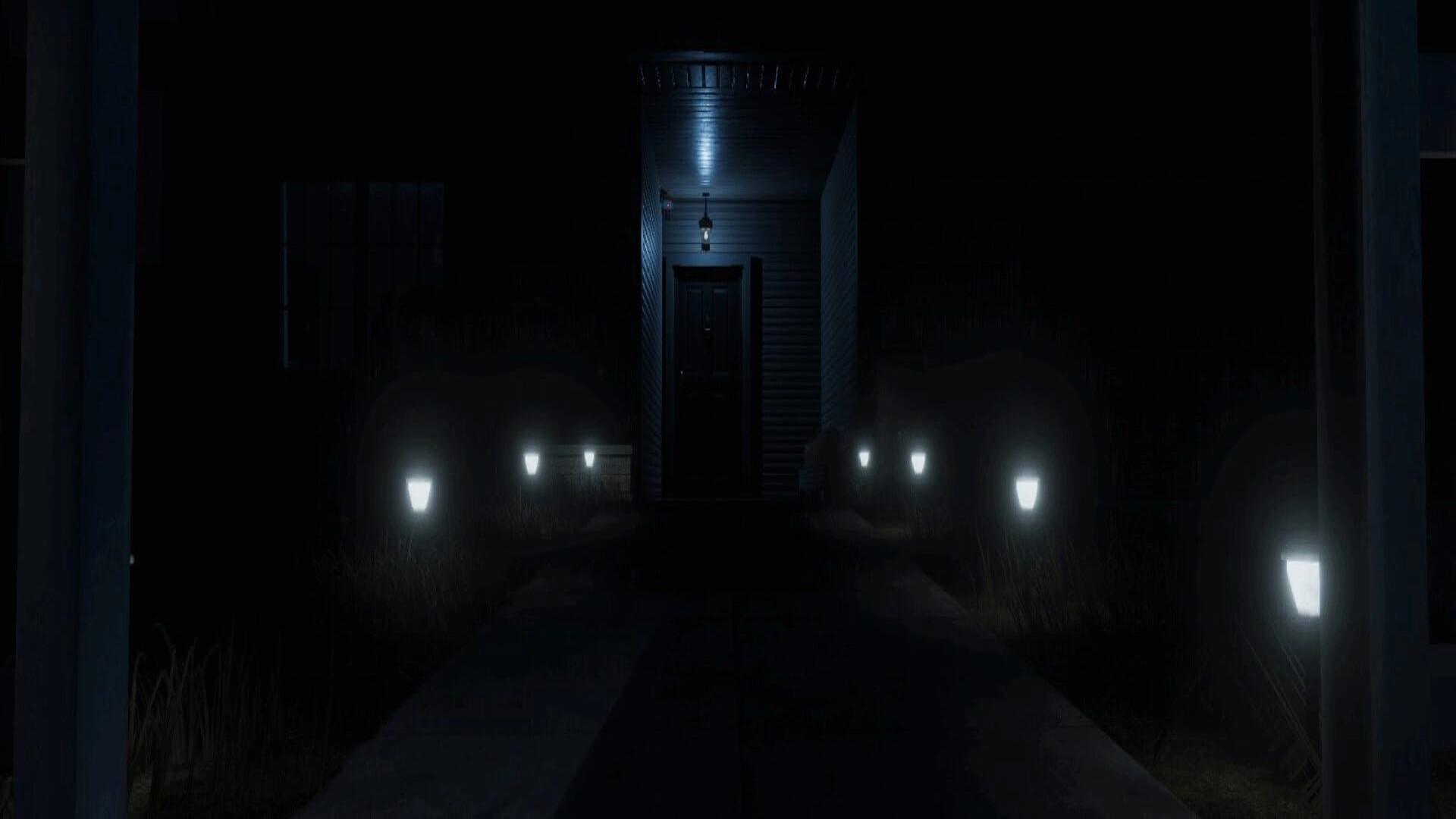
My relationship with horror is complicated. Most of the time it is genuinely not what I want. But Phasmophobia is the one that converted me, because it never lets you just shoot at the problem. You are standing in a dark farmhouse with your torch off, listening for a ghost response through a spirit box while one teammate watches the van cameras and another is frozen in the hallway trying not to breathe. The communication is the game. Evidence gathering, coordinated risk-taking, knowing when to run: none of it works alone. Massive map variety, escalating difficulty tiers, and years of post-launch additions mean this list starts here and nothing comes particularly close.
- Released
- 20202020
- Genre
- PuzzlePuzzle
- Platforms
- PC, PS5, Switch 2, Series X|SPC, PlayStation 5, Nintendo Switch 2, Xbox Series X/S
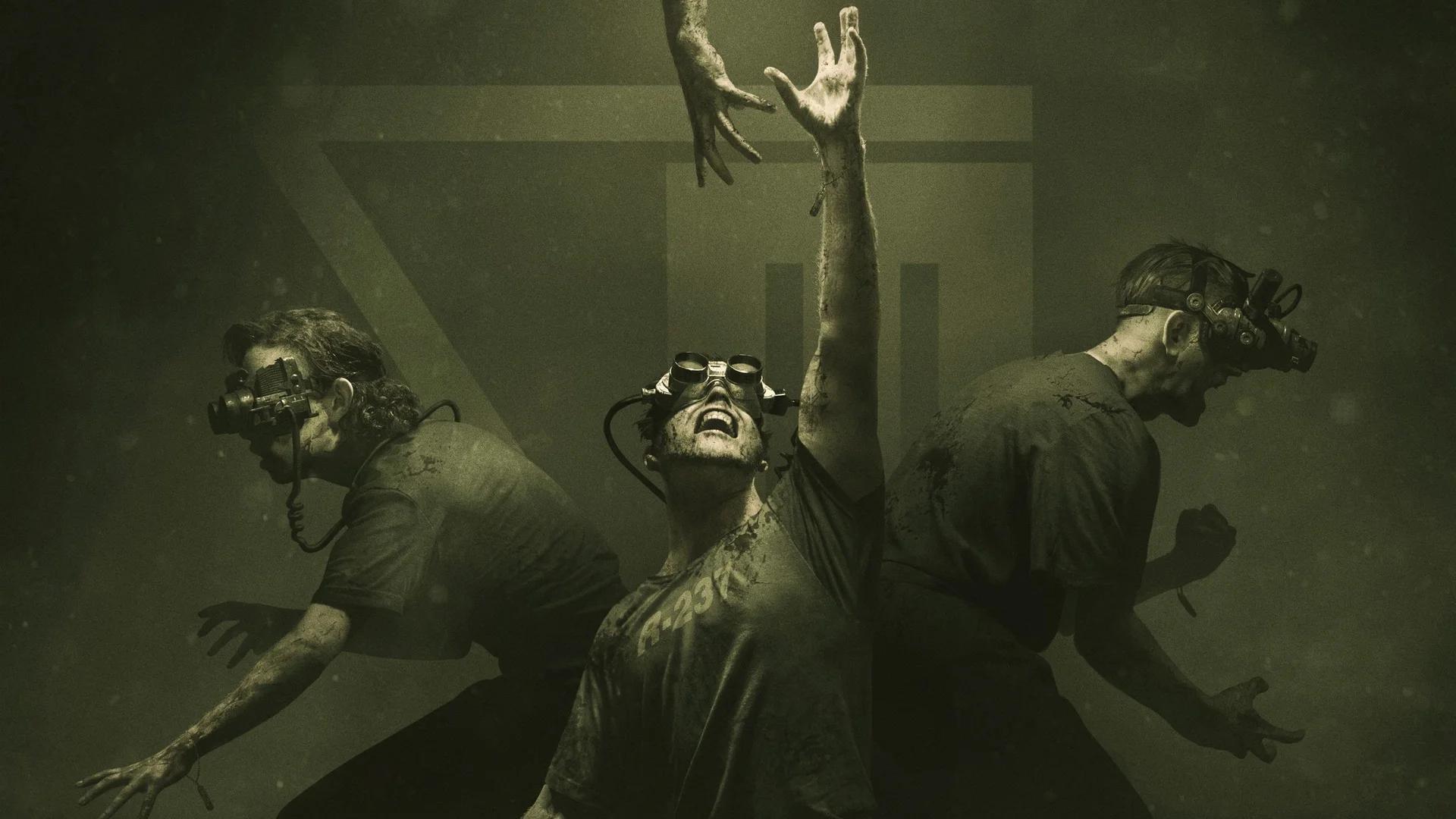
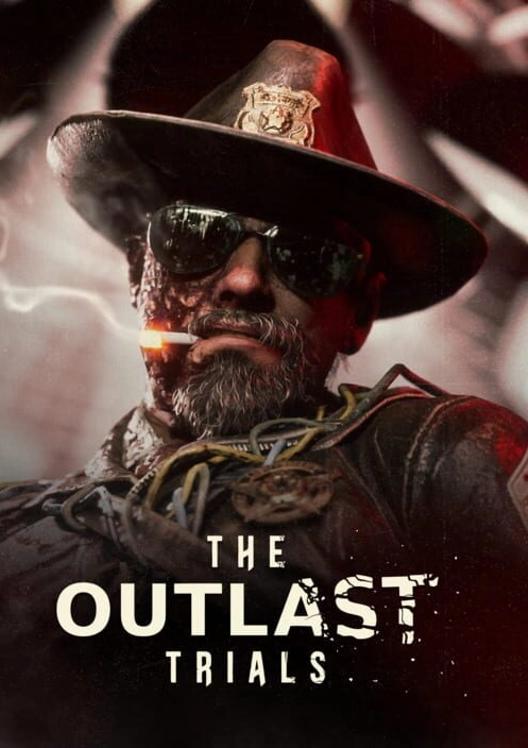
The Outlast series built its reputation on solo terror with nowhere to hide. The Outlast Trials takes that same cruelty and asks four people to suffer through it together, which sounds like it should dilute the fear. It does not. The trial structure forces your squad to split objectives while something horrible is patrolling the same building. My group went in expecting it to feel like a theme park ride once we had numbers on our side. We were wrong. Revive mechanics and coordinated stealth keep every run tense, and the progression system gives you a reason to come back after the initial shock wears off. One of the best modern co-op horror games made.
- Released
- 20242024
- Genre
- AdventureAdventure
- Platforms
- PC, PS4, PS5, Xbox One, Series X|SPC, PlayStation 4, PlayStation 5, Xbox One, Xbox Series X/S
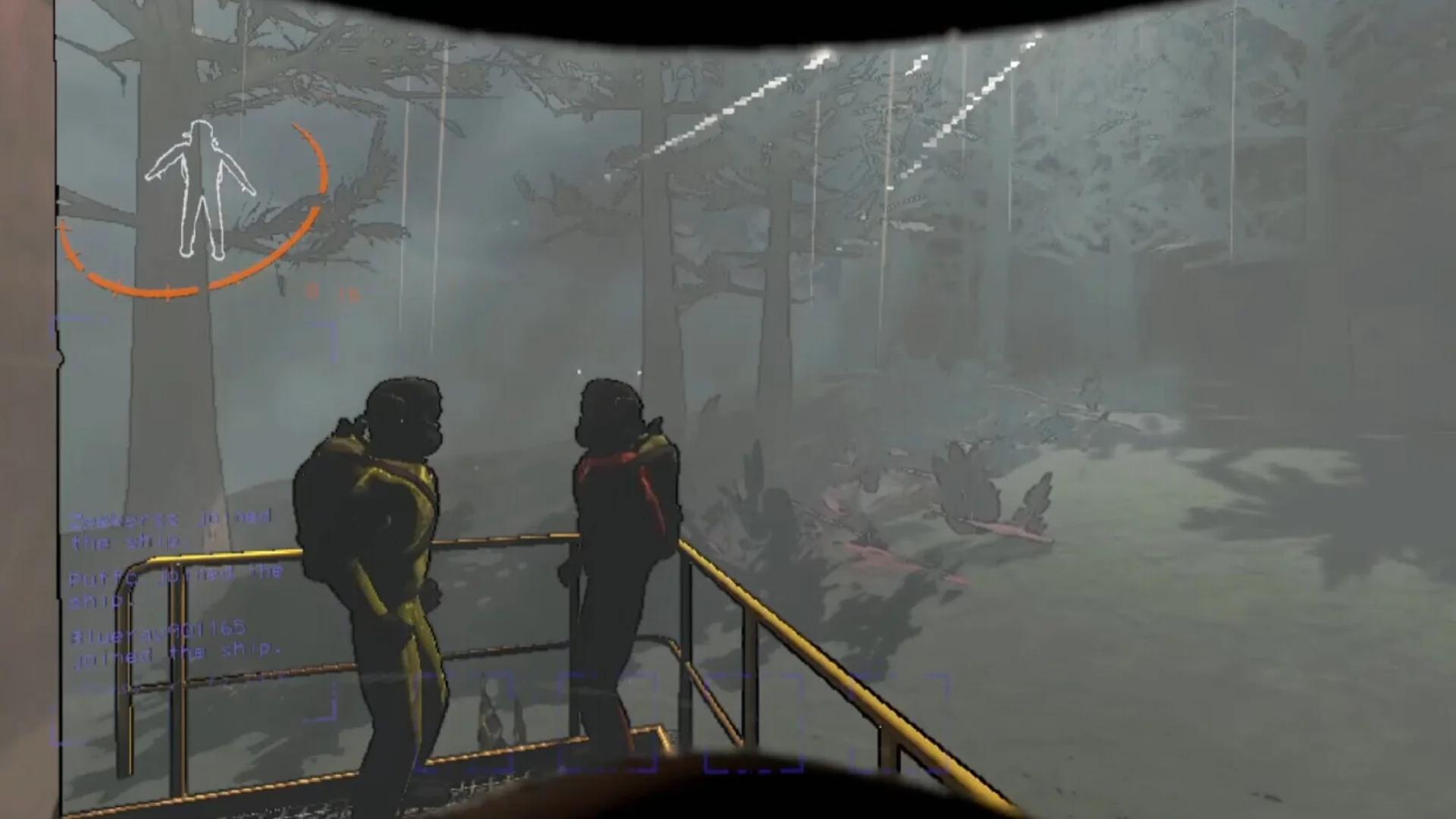
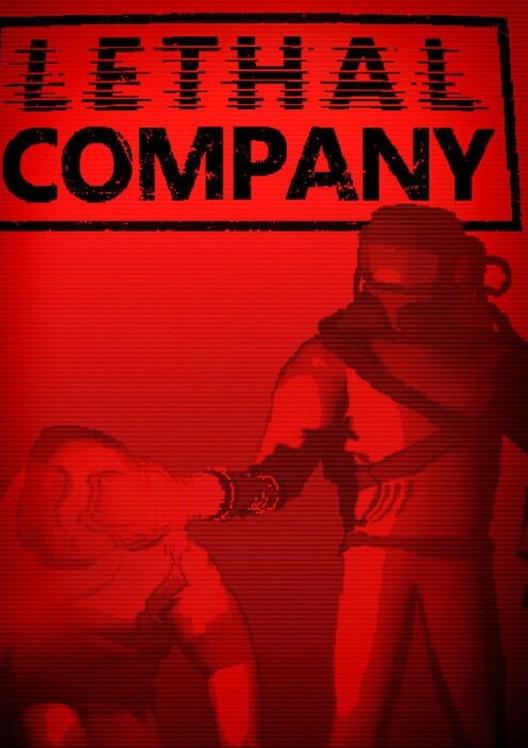
There is a version of this game that is just funny. Someone gets grabbed by a creature they did not see coming, their death rattles over proximity chat, and the remaining three sprint for the ship laughing. That version is real and it is great. But the tension underneath it is also real, because the quota does not care about your feelings and the monsters are genuinely designed to wreck a plan. The co-op loop of splitting up to scavenge, regrouping under pressure, and making bad calls together is where this game lives. I ran this at a LAN session last winter and we were still going at 2am. The sessions are short enough that one more run is always the honest answer.
- Released
- 20232023
- Genre
- IndieIndie
- Platforms
- PCPC

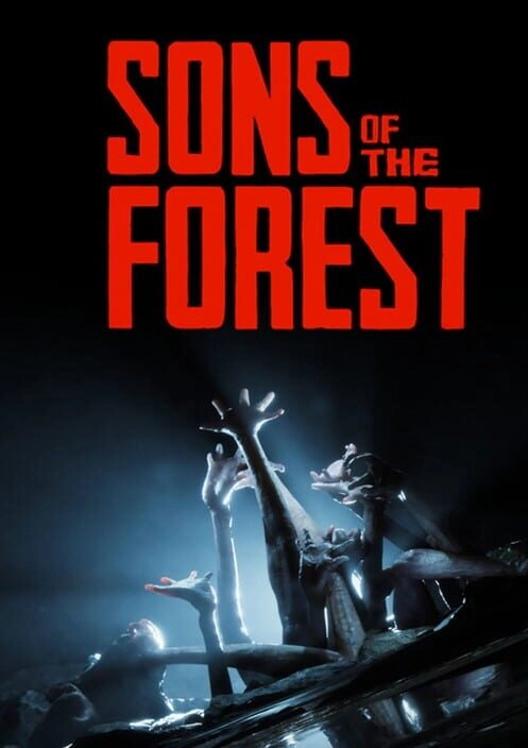
Sons of the Forest earns its place here because it does something most co-op horror games do not bother with: it gives you a reason to care about the world before it tries to scare you. Building a base together, exploring the island, arguing about where to put the food storage, and then deciding to go check out that cave entrance you have been nervous about for three sessions. That slow build makes the underground sections genuinely unsettling in a way that jump scares alone never manage. The onboarding is rough, mostly through absence of instruction, and not every session group will have the patience for it. But if yours does, the payoff is a proper sustained horror sandbox that keeps delivering across multiple evenings.
- Released
- 20242024
- Genre
- SimulationSimulation
- Platforms
- PCPC

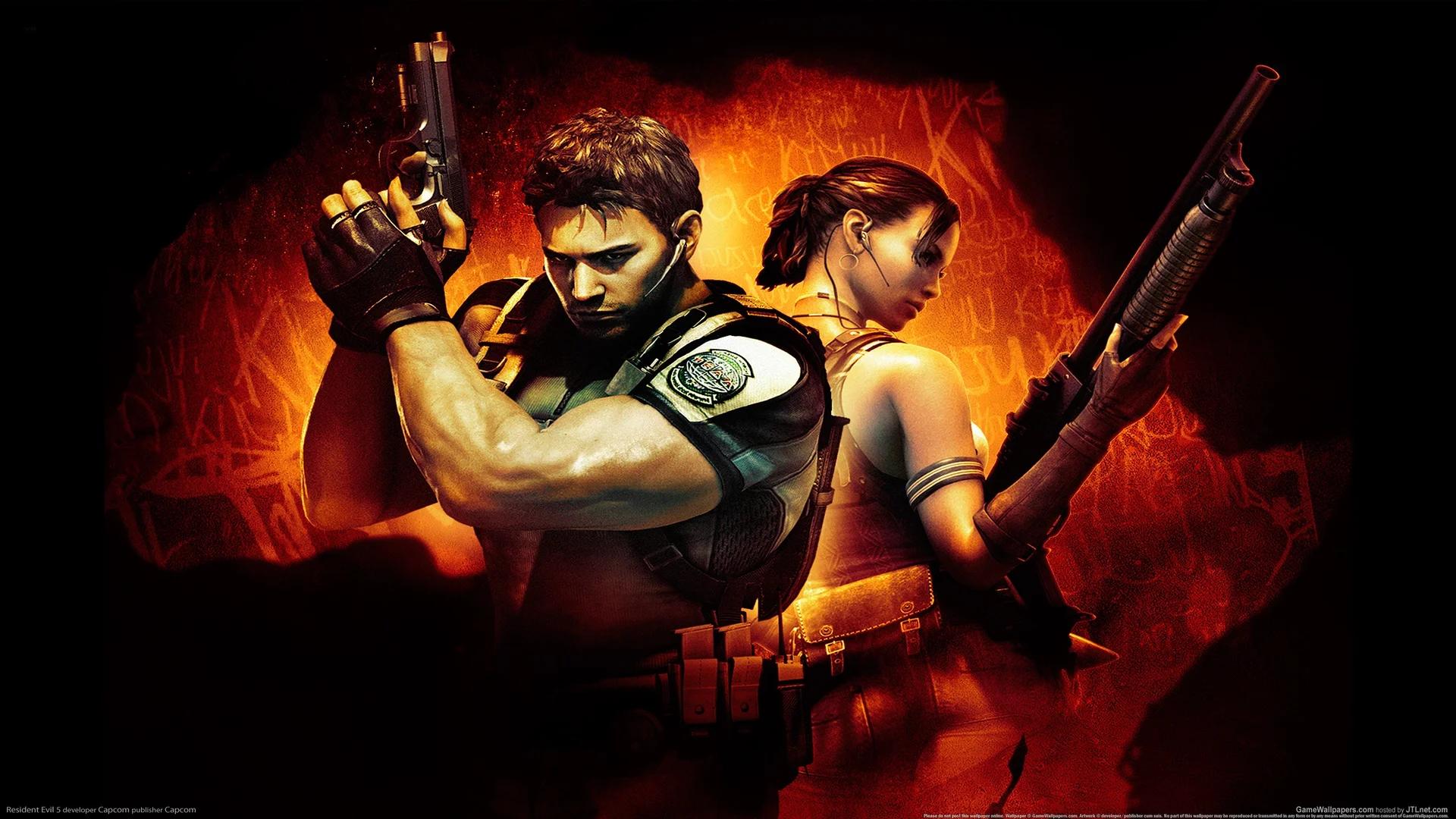
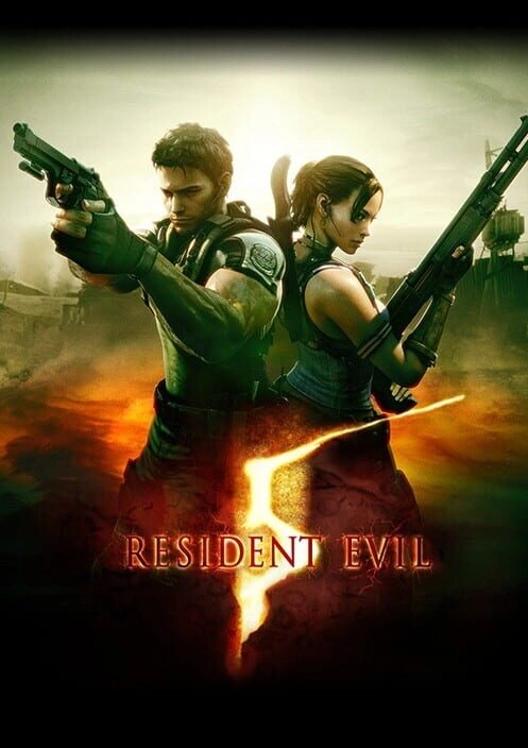
Resident Evil 5 is older than most games on this list by a significant margin, and I am including it anyway because nothing else here gives you a full cinematic co-op campaign with this level of craft around two-player dependency. Sheva and Chris share ammo, share inventory decisions, and share every checkpoint. Playing it solo is a worse game. Playing it with a partner is one of the clearest examples of campaign co-op done right that the genre has produced. The horror has shifted toward action over the years and it shows, the scare design sits well below the rest of this list. What remains is an irreplaceable co-op structure and a story campaign worth finishing. The exception stands.
- Released
- 20092009
- Genre
- ShooterShooter
- Platforms
- PCPC

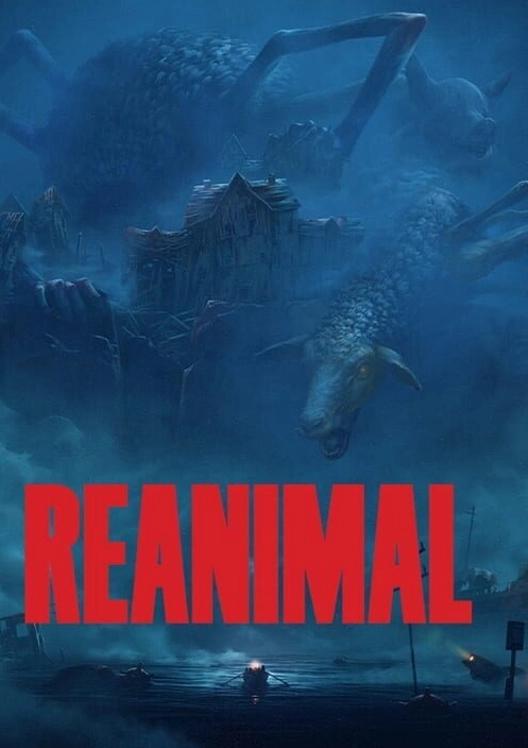
REANIMAL comes from the studio behind Little Nightmares, which means the visual language is already unsettling before a single creature appears. The 2026 release builds on that pedigree with a co-op structure built for exactly two players, no more. You cannot pad this one with a full squad. It demands a dedicated partner and a willingness to sit with genuine dread at a slow pace. I gravitate toward story-driven games where the atmosphere does as much work as the mechanics, and this is one of the few recent horror releases that commits to that fully. Lower replayability compared to the session-based games above it, but for a single focused playthrough with the right person, it is one of the most atmospheric co-op horror experiences of the year.
- Released
- 20262026
- Genre
- PuzzlePuzzle
- Platforms
- PC, PS5, Switch 2, Series X|SPC, PlayStation 5, Nintendo Switch 2, Xbox Series X/S
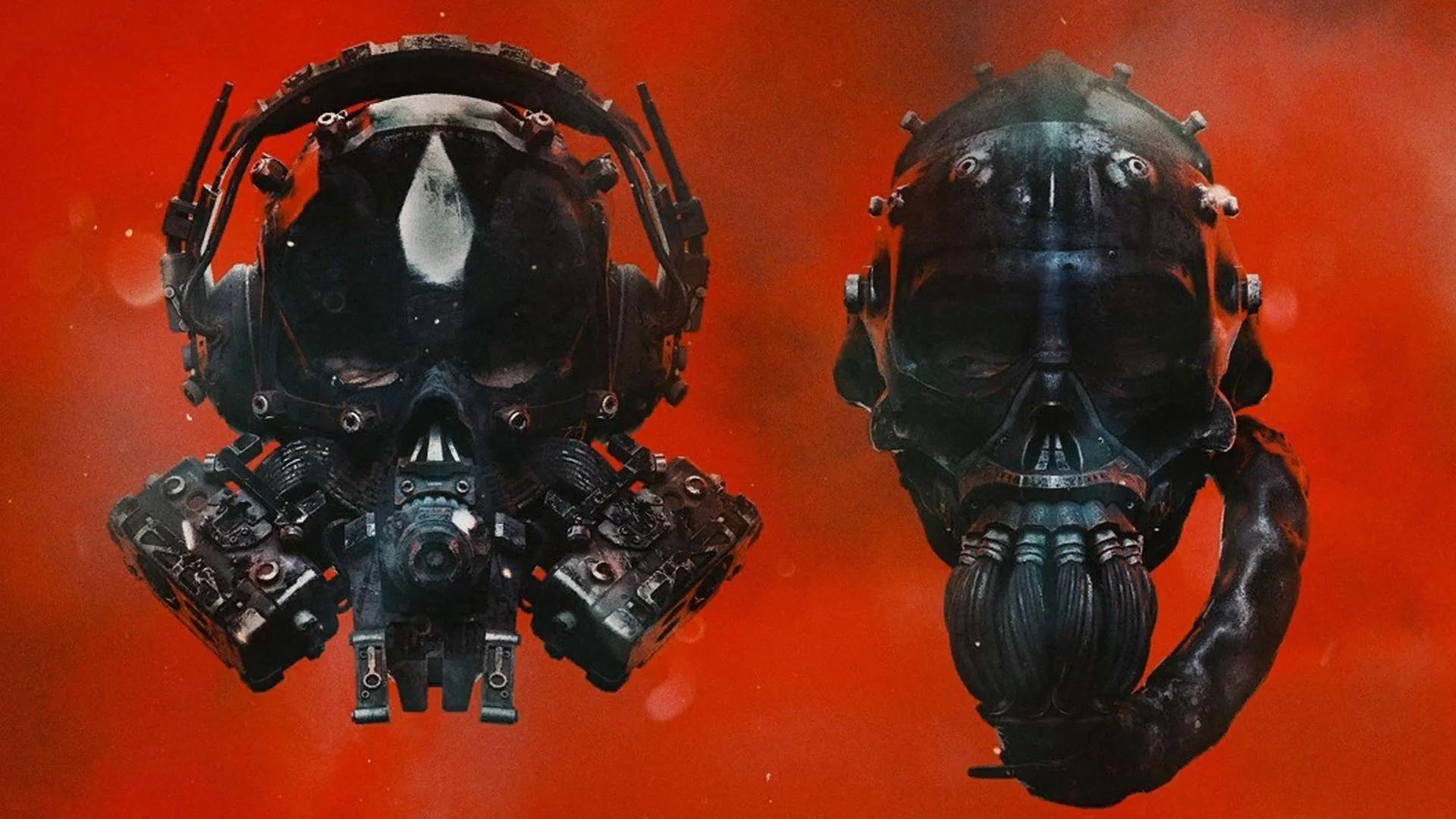
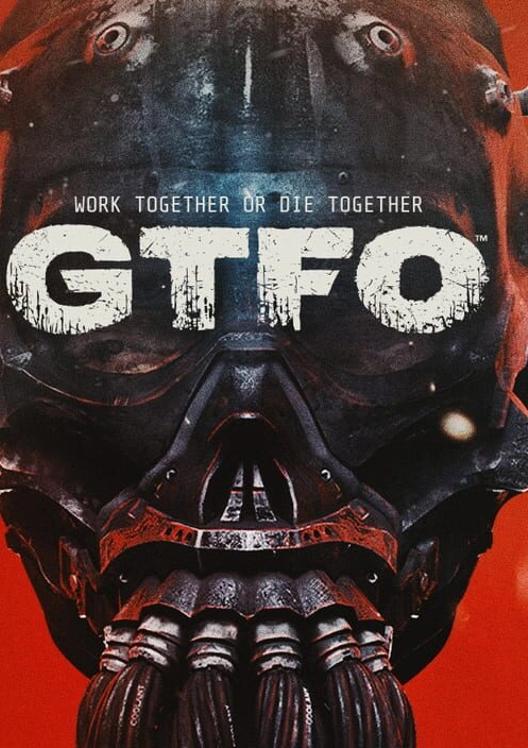
GTFO does not want casual players. That is not an accusation, it is a design choice, and if you accept it, the game gives you something rare: a co-op horror experience where failure actually teaches you something specific. One person makes noise at the wrong moment and the whole run collapses. Four-player communication here is not a bonus, it is survival infrastructure. My group with Left 4 Dead 2 and Helldivers 2 in heavy rotation took to this faster than I expected, because the habit of actual coordination transfers. Accessibility score is low and deservedly so, new groups will bounce. But for a committed squad that communicates properly, the tension GTFO creates in a single expedition is among the best on this list.
- Released
- 20212021
- Genre
- ShooterShooter
- Platforms
- PCPC
If you are looking for horror games you can run on a modest machine without a dedicated GPU, check out our Best Horror Games for Low-End PCs and Laptops 2026 guide for options that will actually run on your hardware.

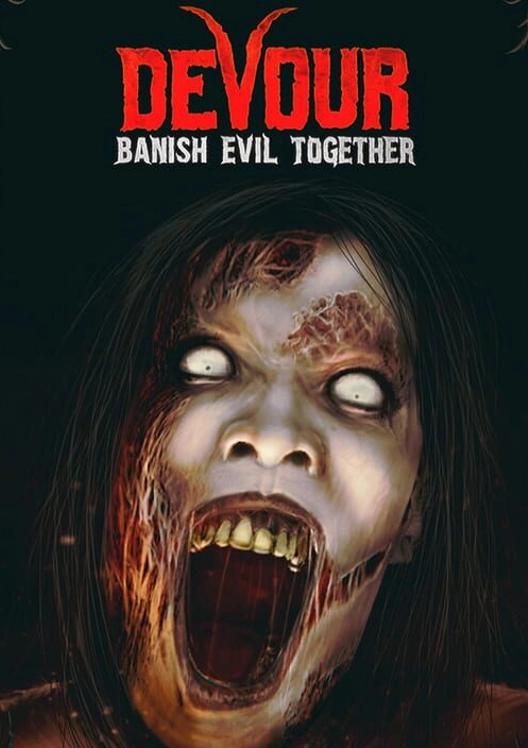
Devour does one thing and does it well. Your group completes rituals while a possessed cult leader chases you. That is the entire pitch. The lean structure means sessions are quick to start and quick to understand, which matters when you are trying to get four people into a horror game on a weeknight without a 45-minute onboarding session. The horror is chase-pressure driven rather than atmospheric, so do not expect dread to linger between objectives. Budget-friendly pricing makes it easy to convince a full group to buy in, and the additional maps give it more staying power than the one-and-done indie horror games it competes with. Not the deepest game here, but reliably delivers what it promises.
- Released
- 20212021
- Genre
- IndieIndie
- Platforms
- macOS, PCmacOS, PC
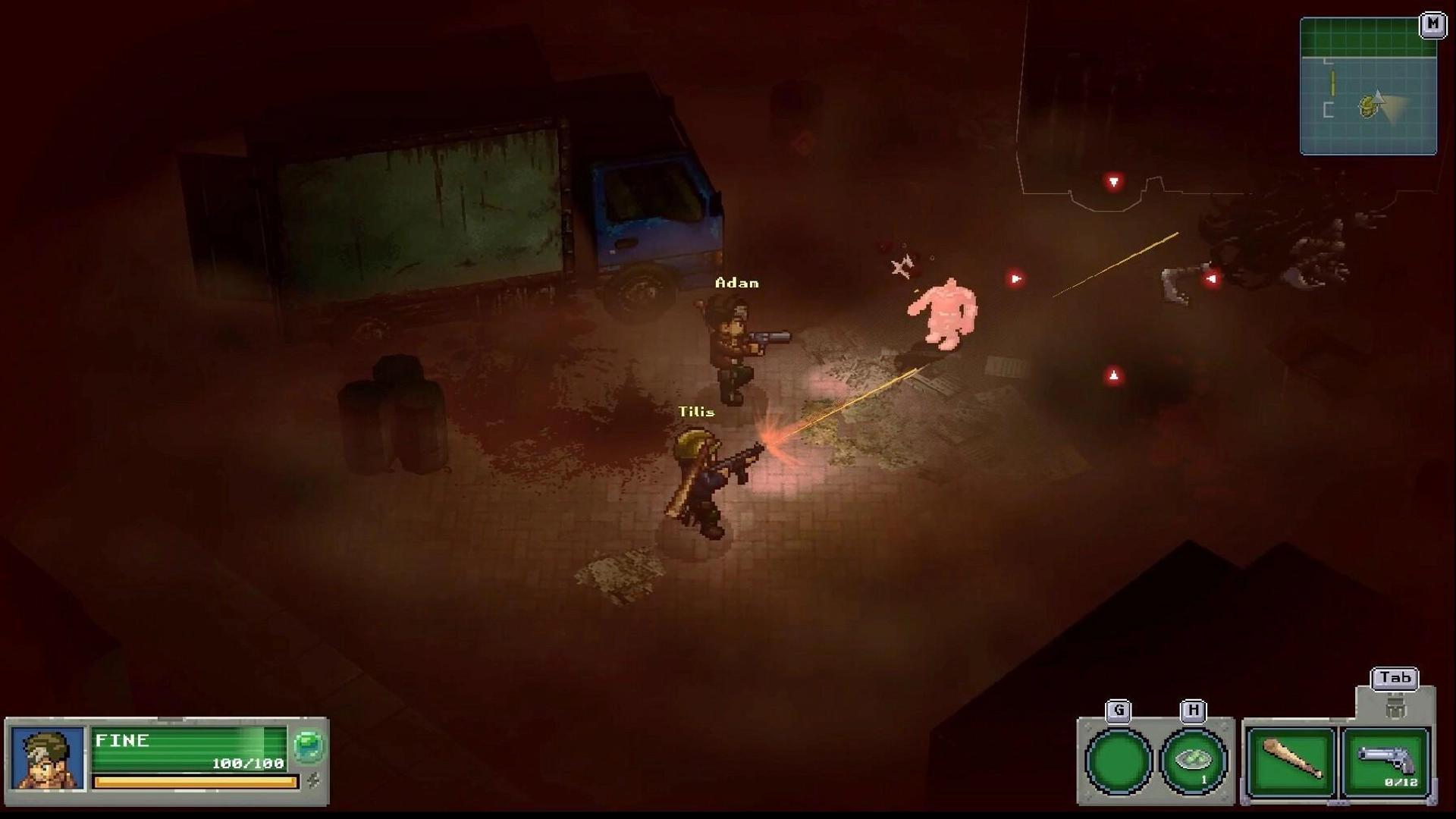
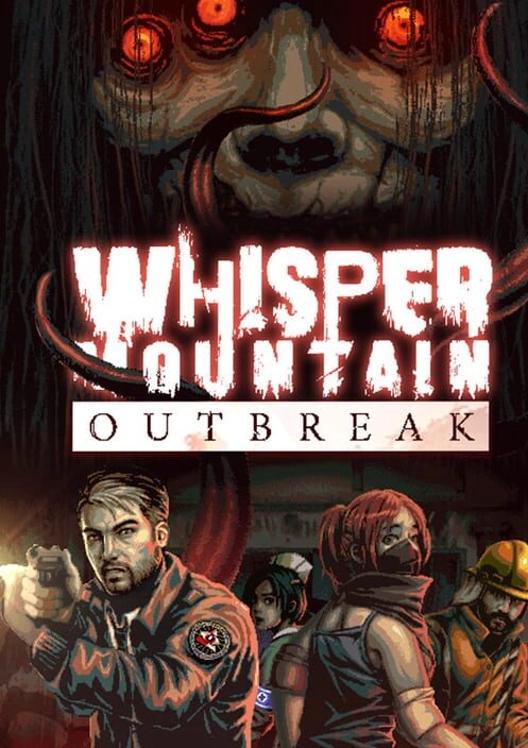
Whisper Mountain Outbreak is the freshest pick on this list and comes with the caveats that implies. The escape-focused four-player structure has genuine co-op horror credentials, built around coordinated survival and the kind of mounting pressure that comes from a ticking clock and something hunting you simultaneously. What separates it from the crowded field of escape-room horror games is the clarity of its team loop: everyone has a role, everyone feels the tension, and the sessions are tight enough to fit into an evening without commitment issues. Still early days, and I would not put it above the battle-tested picks above it, but it is exactly the kind of release worth knowing about if your group has already played through everything higher on this list.
- Released
- 20252025
- Genre
- StrategyStrategy
- Platforms
- PCPC

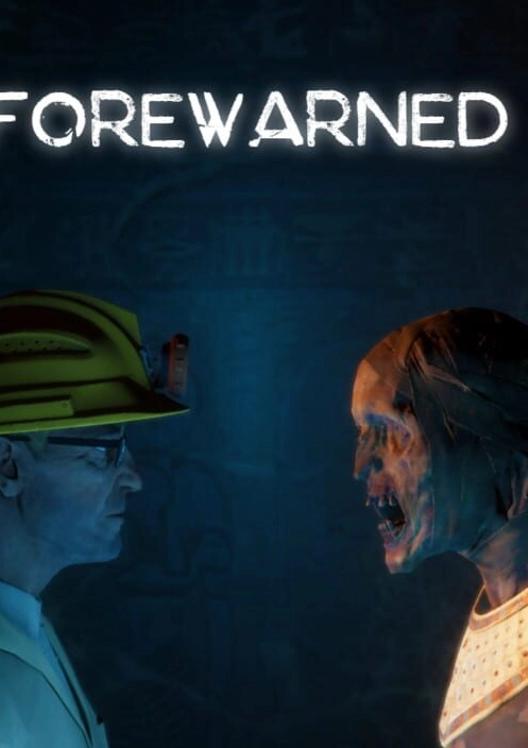
The Egyptian tomb setting is doing real work here. Forewarned follows a similar investigation loop to Phasmophobia, gather evidence, identify the threat, survive the consequences, but the ancient setting gives it enough visual and thematic identity to feel like its own thing rather than a clone. I have a genuine soft spot for games that use historical or archaeological aesthetics as a horror foundation. The scares land differently when the creature has mythology behind it rather than being generic. Groups who have exhausted Phasmophobia's maps will find this a comfortable next step rather than a step down. The loop is slightly shallower and the production scale is smaller, which is exactly why it sits at ten instead of challenging the top half.
- Released
- 20242024
- Genre
- AdventureAdventure
- Platforms
- PCPC
Honorable Mentions
These games came close to the top ten and are worth considering depending on what your group is looking for.
Resident Evil Revelations 2 is the more horror-forward companion to RE5 on this list. The episodic campaign pairs two distinct character duos with genuinely different playstyles, and the atmosphere holds closer to the series' survival horror roots than anything in the numbered mainline games from that era. Raid Mode adds replayable content beyond the campaign for groups who want more. It missed the top ten because it is slightly less essential than RE5 as a co-op landmark, but if you and a partner have already played that one and want more Resident Evil campaign co-op with creepier tone, this is the next honest recommendation.
The Backrooms concept is genuinely unsettling on paper: infinite office corridors, fluorescent lights, the wrong kind of silence. Escape the Backrooms builds a co-op structure around that dread with enough level variety and puzzle coordination to give groups more than one session of content. My group ran it expecting a novelty and found a game that actually sustained the liminal unease across multiple levels. It sits outside the top ten because the production craft does not match the bigger picks, and some sections feel rougher than they should. Still a stronger co-op horror choice than most of what you will find at a similar price point.
Living Hell is a 2026 survival horror release with a 1-4 player co-op structure built around day-night cycle pressure. The pitch is clean and fits the brief tightly. The reason it sits here rather than in the main list is that it is too new to assess with confidence alongside games that have had time to prove their staying power. If the survival loop holds up after the initial release window, it could move up. Worth tracking if your group is actively looking for fresh co-op horror in 2026 and has already worked through the ranked entries above.
Dark Hours frames itself as a supernatural heist gone badly wrong, which is an interesting premise for a co-op horror game because the extraction-under-threat structure keeps everyone moving and communicating. The session-based loop works for groups who want contained horror runs rather than open-ended survival. It missed the ranked list partly because of production concerns and partly because the game has announced PvP additions that introduce some genre drift away from pure co-op horror. The core co-op experience is solid enough for groups who want something recent and stealth-adjacent with genuine monster threat.
15. Obscure
76%Obscure is old. The production quality shows its age, the camera angles are exactly what you would expect from that era of survival horror, and getting it running on current hardware takes some effort. None of that fully cancels what it does: a full two-player local campaign with character switching, light dependency puzzles, and a horror setting that keeps its identity throughout. It is the kind of game that genre-savvy players remember more fondly than newcomers will discover easily. Worth a look for duos who want to go back to where co-op survival horror started before the current generation of investigation and extraction games took over.
Frequently Asked Questions
The questions that come up most often when people are picking a co-op horror game for their group.
What is the best co-op horror game for beginners?
Phasmophobia is the easiest recommendation because the loop is simple to explain and the low-difficulty contracts are genuinely forgiving. Devour is another strong option if your group wants something even more immediately obvious: complete the ritual, avoid the monster, survive. Both work well for groups with no prior co-op horror experience.
Do all these games support online co-op, or do some require local play?
Almost everything on this list is primarily online co-op. REANIMAL supports both local and online for two players. Resident Evil 5 supports local split-screen co-op alongside online. Obscure from the honorable mentions is local-only. If local co-op matters for your group, those are the ones to check first.
Can I play these games solo, or do they require a full squad?
Most support solo play, but the experience varies significantly. Phasmophobia, Lethal Company, and Devour all work solo but are clearly designed around group play. GTFO is functional solo but becomes a completely different and significantly harder game without a squad. REANIMAL is built for exactly two players and does not have a solo mode.
Are any of these games free to play?
None of the top ten are free to play. Lethal Company and Devour are both low-cost premium purchases and regularly go on sale. If budget is a concern, those two offer the strongest value relative to their price. The honorable mentions section also includes games at lower price points.
How is this list different from a general multiplayer horror list?
Every game here requires or strongly rewards teamwork as part of the horror experience itself. Dead by Daylight, for example, is not on this list because its primary design is competitive, survivors versus killer, rather than cooperative. This list is specifically for groups who want to survive together, not compete against each other.
Conclusion
The strongest co-op horror games on this list work because the fear and the cooperation are the same thing. Phasmophobia is the clearest example, but The Outlast Trials and GTFO make the same argument in different registers. If you are shopping for something new, start at the top and work down until one fits your group's tolerance for difficulty and dread.
If you play on PS5 specifically, our Best PS5 Co-Op Horror Games guide covers platform-specific considerations in more detail. For solo horror recommendations alongside the co-op picks, the Best Survival Horror Games guide is where to look next.
Ready for more tailored picks? Try our Recommendations Engine for suggestions that match your play style.