
Survival horror is a genre built on one very specific feeling: you cannot fight your way out of this. Not reliably. Not without cost. The best survival horror games understand that the inventory screen is part of the horror, that the moment you realize you have three bullets and two rooms left to clear is its own kind of dread. This list covers the games that do that best, from the remakes that brought the classics to modern hardware to the indie standouts that built the formula from scratch with no safety net of brand recognition.
I scored each game on survival horror purity, fear and atmosphere, overall quality, genre impact, and how well it holds up for players today. Purity carried the heaviest weight; a game that loses its tension the moment you pick up a shotgun does not belong here no matter how good it looks.
For the full picture on horror gaming across every subgenre, see our Best Horror Games in 2026 guide. This article focuses specifically on survival horror: resource pressure, vulnerability, and tension-first design.
Quick Picks
Best modern entry point: Resident Evil 2
Best atmosphere: Silent Hill 2
Best stalker horror: Alien: Isolation
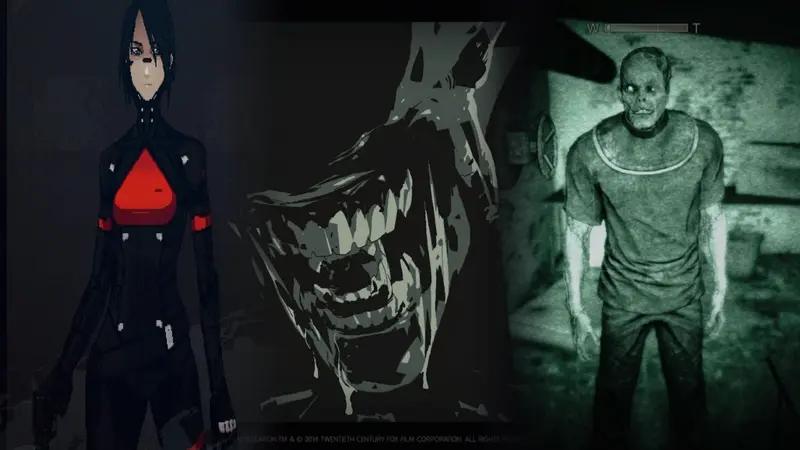
Best indie pick: Signalis
Best for pure survival pressure: Darkwood
The Top 10 Best Survival Horror Games
These ten games define what the subgenre is and what it can be. They are ranked by how fully they deliver the survival horror experience, not just how scary they are.
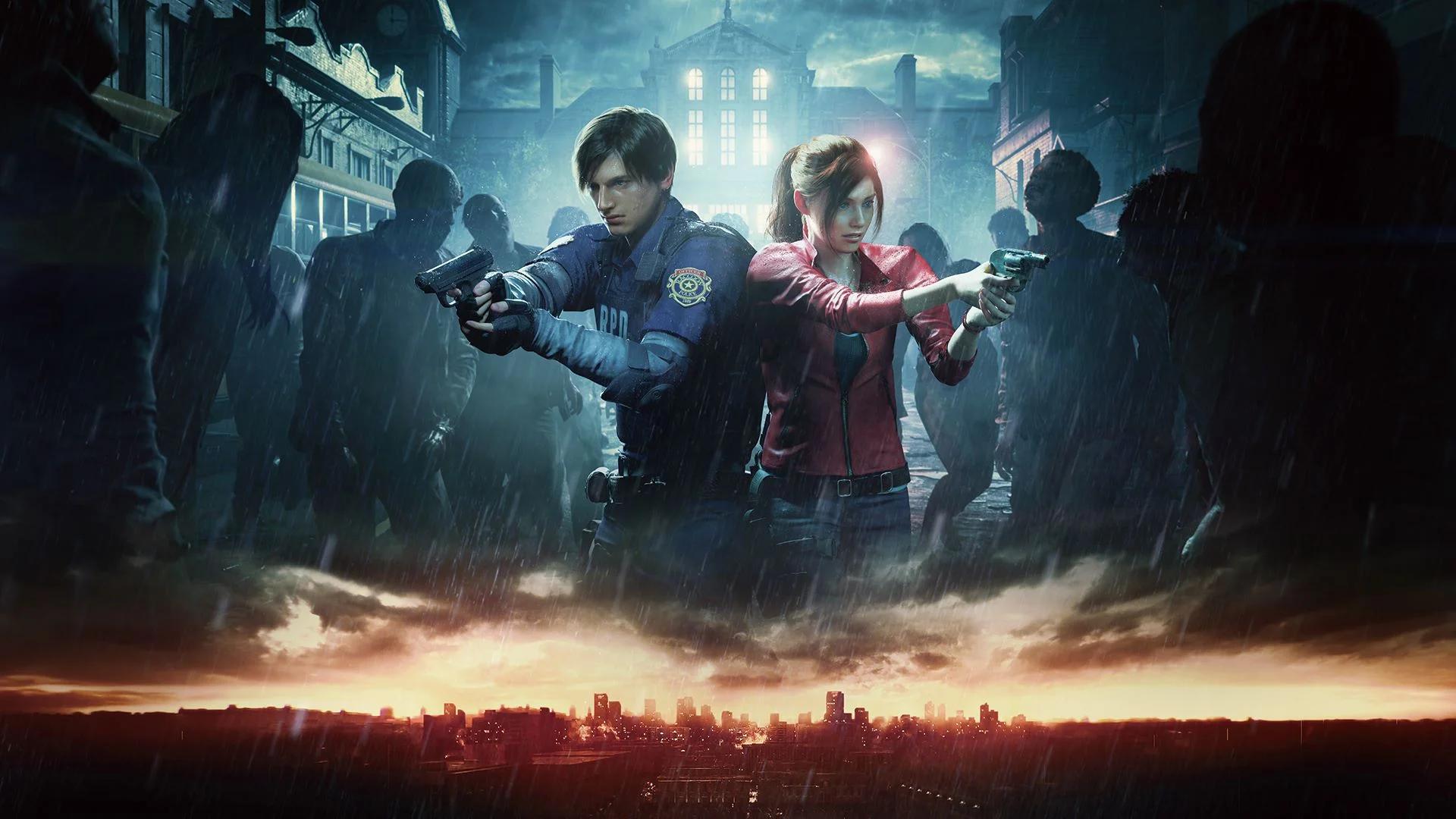
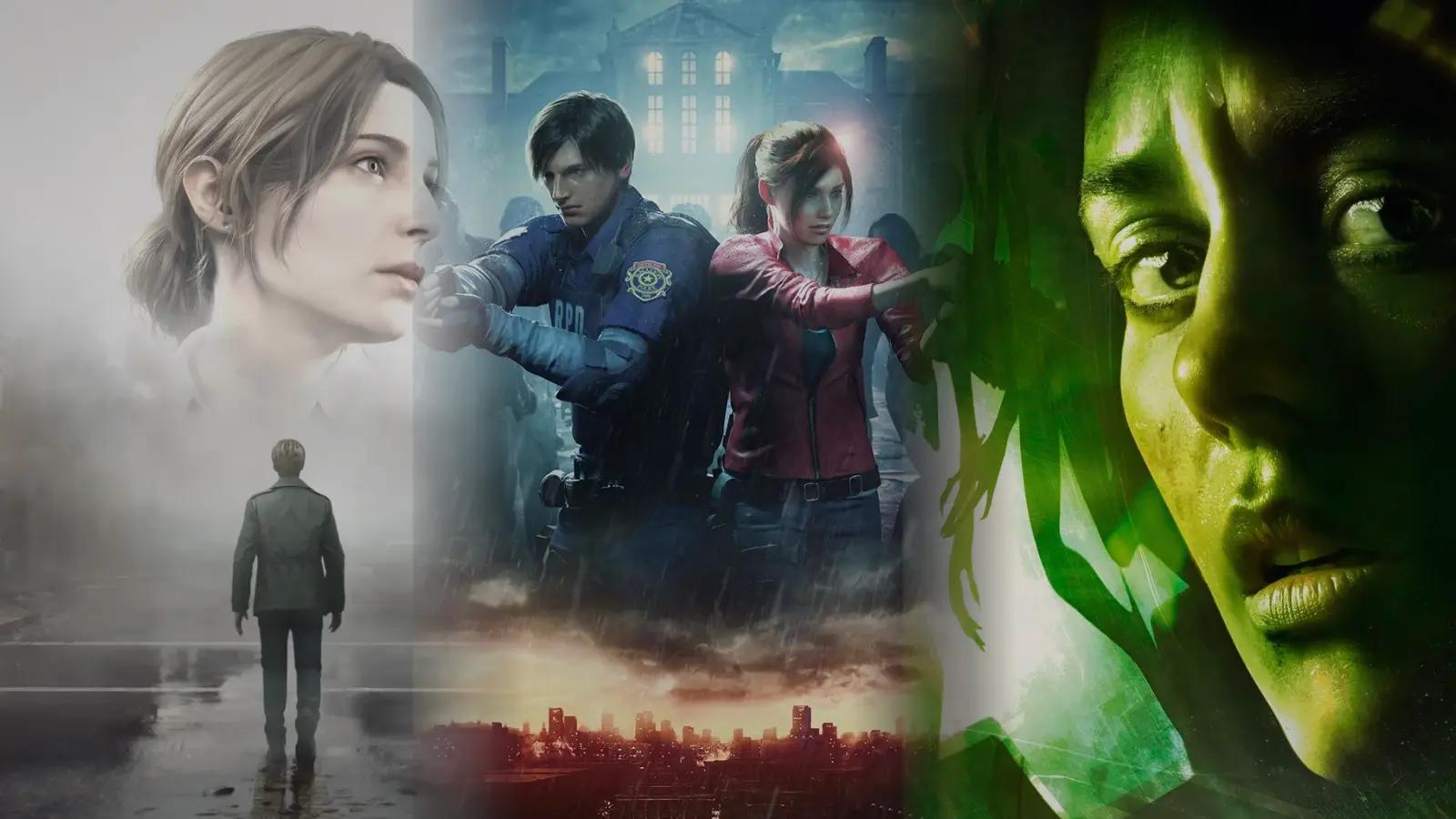
Resident Evil 2 is the game I point anyone toward when they ask where to start with survival horror. Not because it is easy. Because it never lets you feel safe, and it does that without making you feel cheated. You are counting bullets while a seven-foot nightmare in a coat walks through walls to find you, and the police station layout slowly reveals itself like a puzzle box you are terrified to keep opening. The 2019 remake earns the top spot because it modernized everything without softening anything that matters. Resource pressure, routing decisions, the specific panic of choosing between a healing herb and a spare magazine. That tension is the whole point.
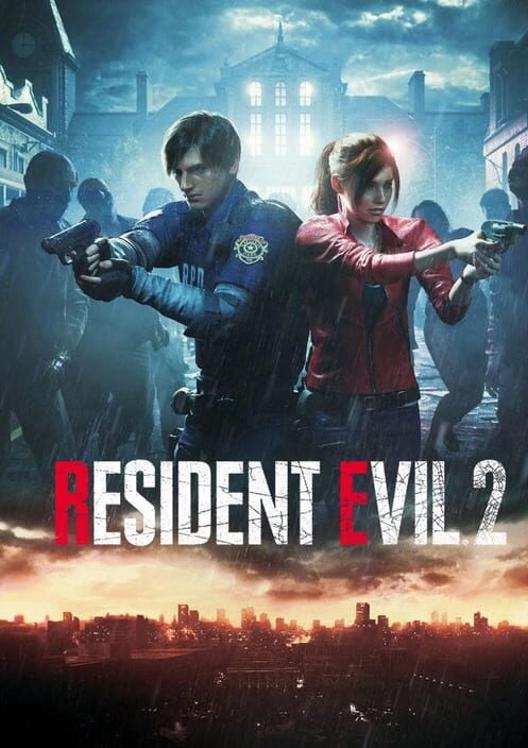
- Released
- 20192019
- Genre
- ShooterShooter
- Platforms
- iOS, macOS, PC, PS4, PS5, Switch 2, Xbox One, Series X|SiOS, macOS, PC, PlayStation 4, PlayStation 5, Nintendo Switch 2, Xbox One, Xbox Series X/S
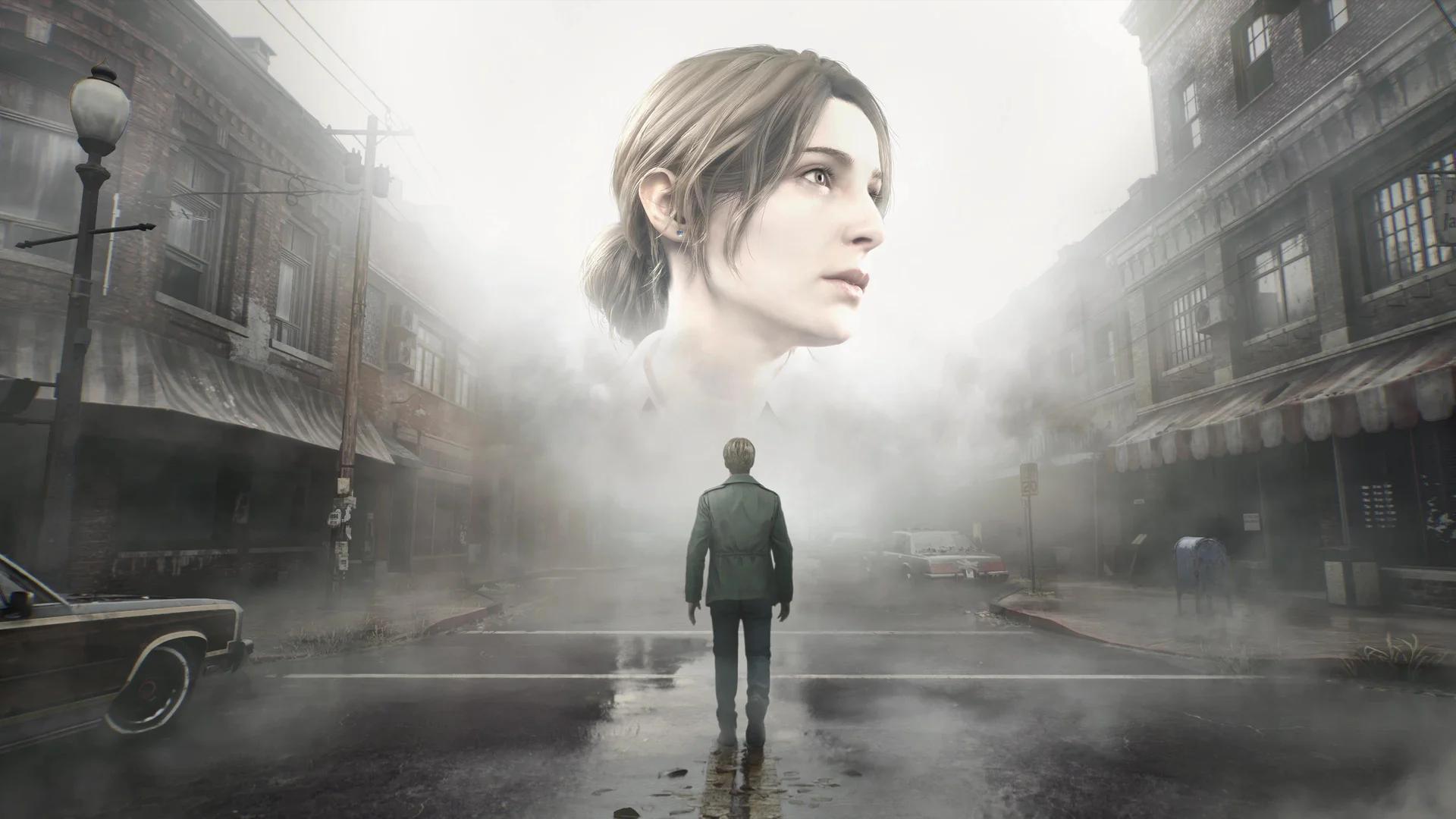
I grew up with Silent Hill 2 being talked about in a particular tone, the kind reserved for games that did something other games could not explain. The 2024 remake made me understand why. It is not scary in the way most horror games try to be. There are no jump scare quotas to meet. The dread comes from the fog, from the sound of something wrong without being able to identify what, from enemies that feel like manifestations of grief and guilt rather than just obstacles to shoot. Combat is deliberately clumsy. You are meant to feel vulnerable. That discomfort is the design, and it is extraordinary.
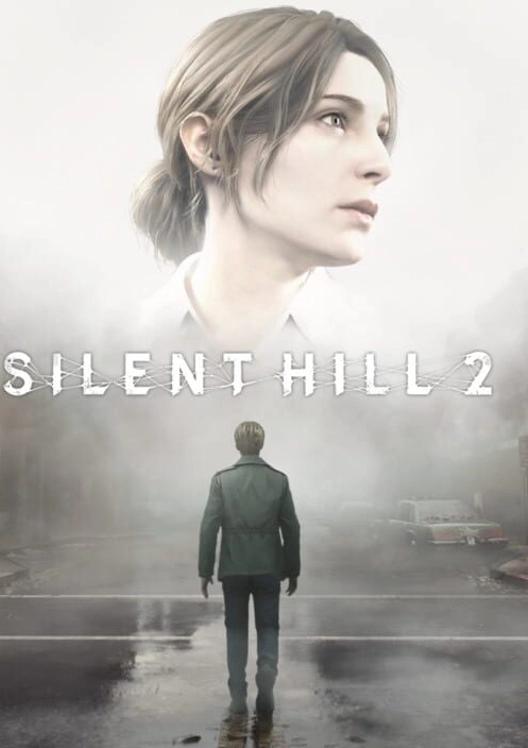
- Released
- 20242024
- Genre
- PuzzlePuzzle
- Platforms
- PC, PS5, Series X|SPC, PlayStation 5, Xbox Series X/S
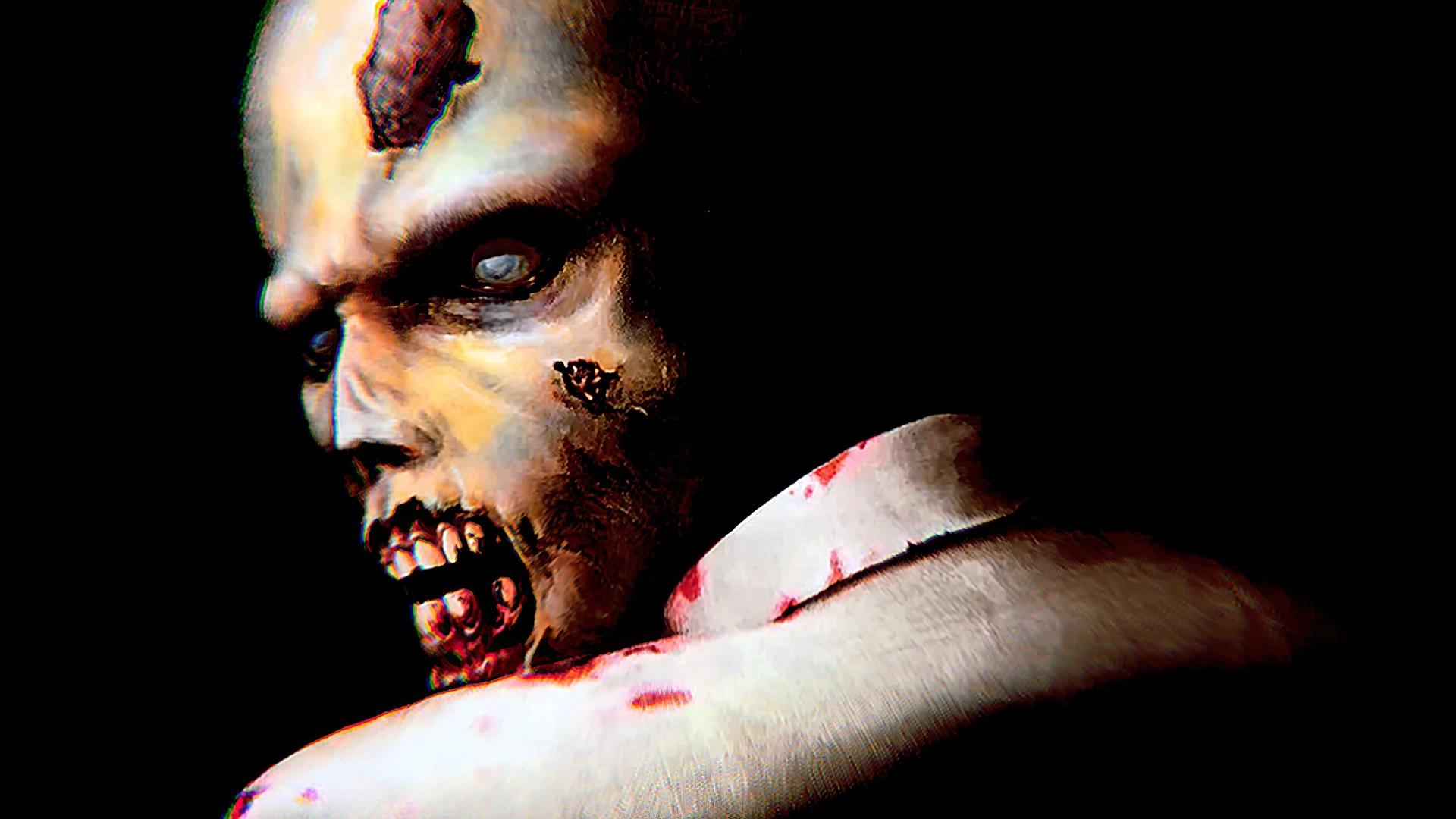
I have played enough open-world games to appreciate what constraint can do, and the Spencer Mansion is one of gaming's best arguments for it. Every room matters. Every item placement is a decision. The 2002 remake strips away almost everything modern game design considers essential and replaces it with ink ribbons, locked doors, and the specific dread of knowing a zombie you walked past is still there on the way back. Fixed cameras get criticized as a relic, but here they create sightlines and blind spots that a free camera never could. Modern recommendability takes a hit because the design asks patience most players have been trained out of. Worth rebuilding that patience for.

- Released
- 19961996
- Genre
- ShooterShooter
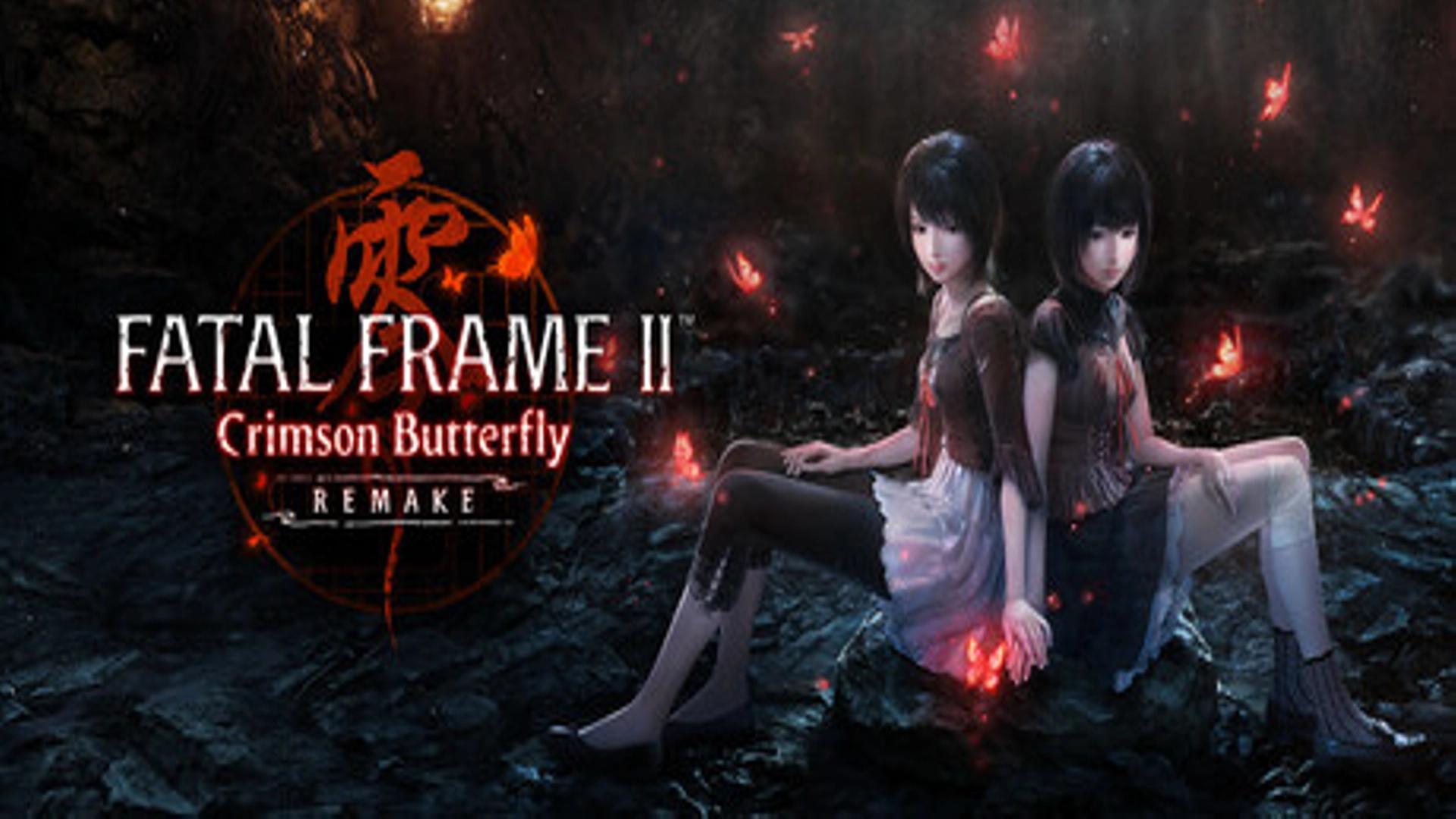
Fatal Frame II was always cited as one of the scariest games ever made, but getting to it required hunting down old hardware or emulation workarounds that most people never bothered with. The 2026 remake fixes that entirely. Your only weapon is a camera. You let ghosts approach, frame them in the viewfinder, and photograph them at close range for maximum damage, which means every encounter requires you to stand your ground while something horrible closes in. That mechanical choice, the one that makes you lean toward the threat instead of away from it, is why the series never felt like anything else. Now anyone can play it. No excuses left.

- Released
- 20262026
- Genre
- AdventureAdventure
- Platforms
- PC, PS5, Switch 2, Series X|SPC, PlayStation 5, Nintendo Switch 2, Xbox Series X/S
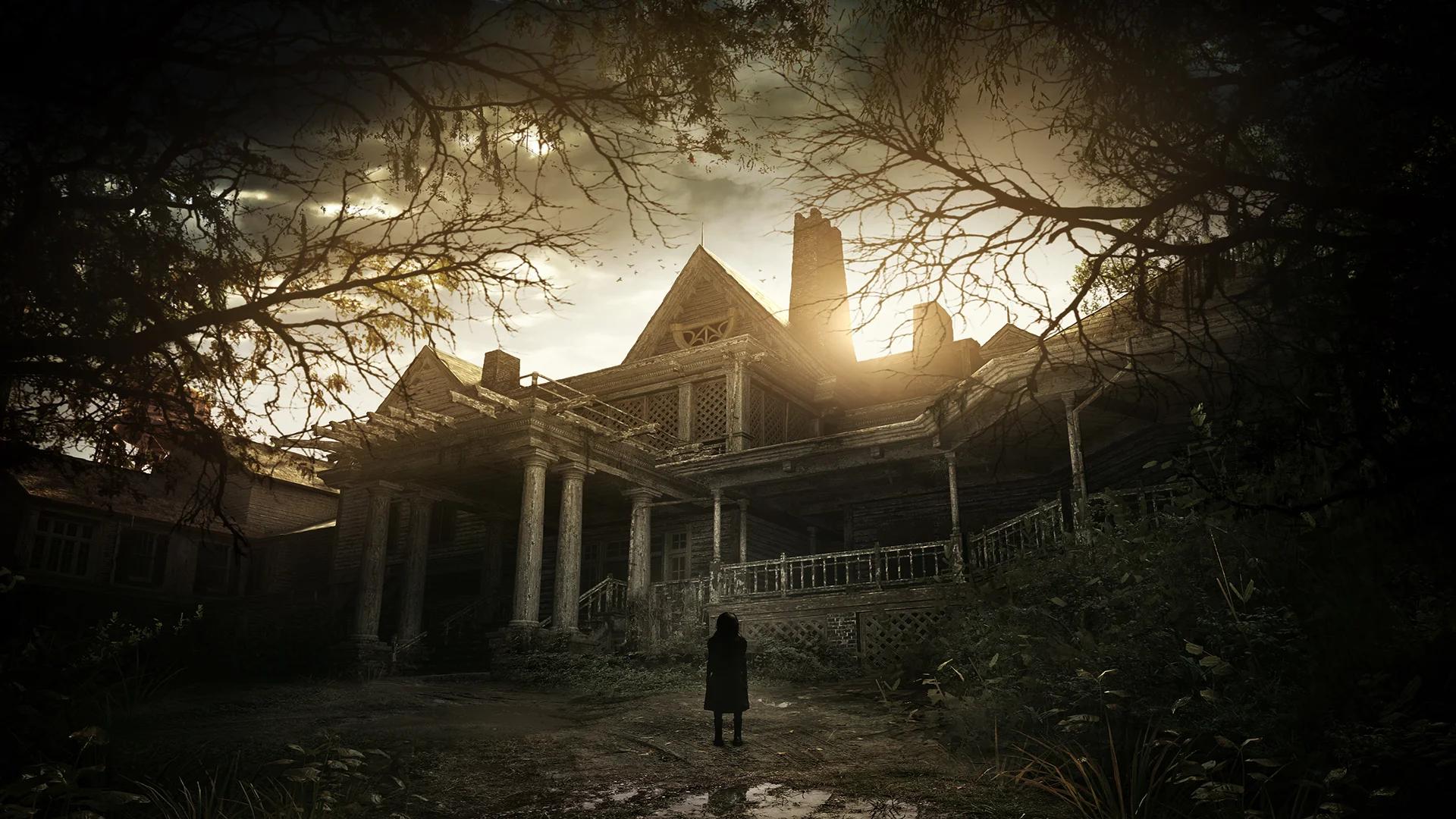
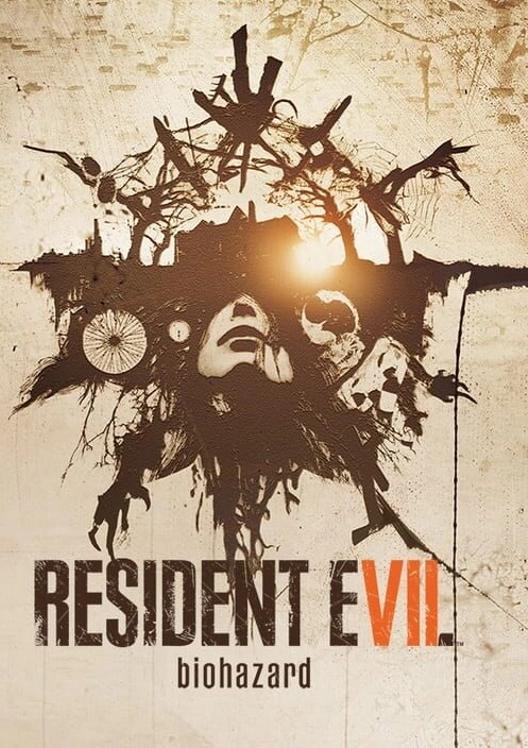
RE7 was the first Resident Evil I played in VR, on a headset borrowed from a colleague, and I lasted about forty minutes before I needed to sit down with the lights on. The Baker estate is oppressive in a way the series had not managed in years. First-person perspective forces you into spaces the camera would have let you observe from a safer distance, and the family hunting you across that house feels genuinely dangerous rather than scripted. Ammo is scarce, health items are never quite enough, and the sense of being trapped in someone else's nightmare is constant. This is where the franchise remembered what it was supposed to be.
- Released
- 20172017
- Genre
- ShooterShooter
- Platforms
- iOS, macOS, PC, PS4, PS5, Switch 2, Xbox One, Series X|SiOS, macOS, PC, PlayStation 4, PlayStation 5, Nintendo Switch 2, Xbox One, Xbox Series X/S
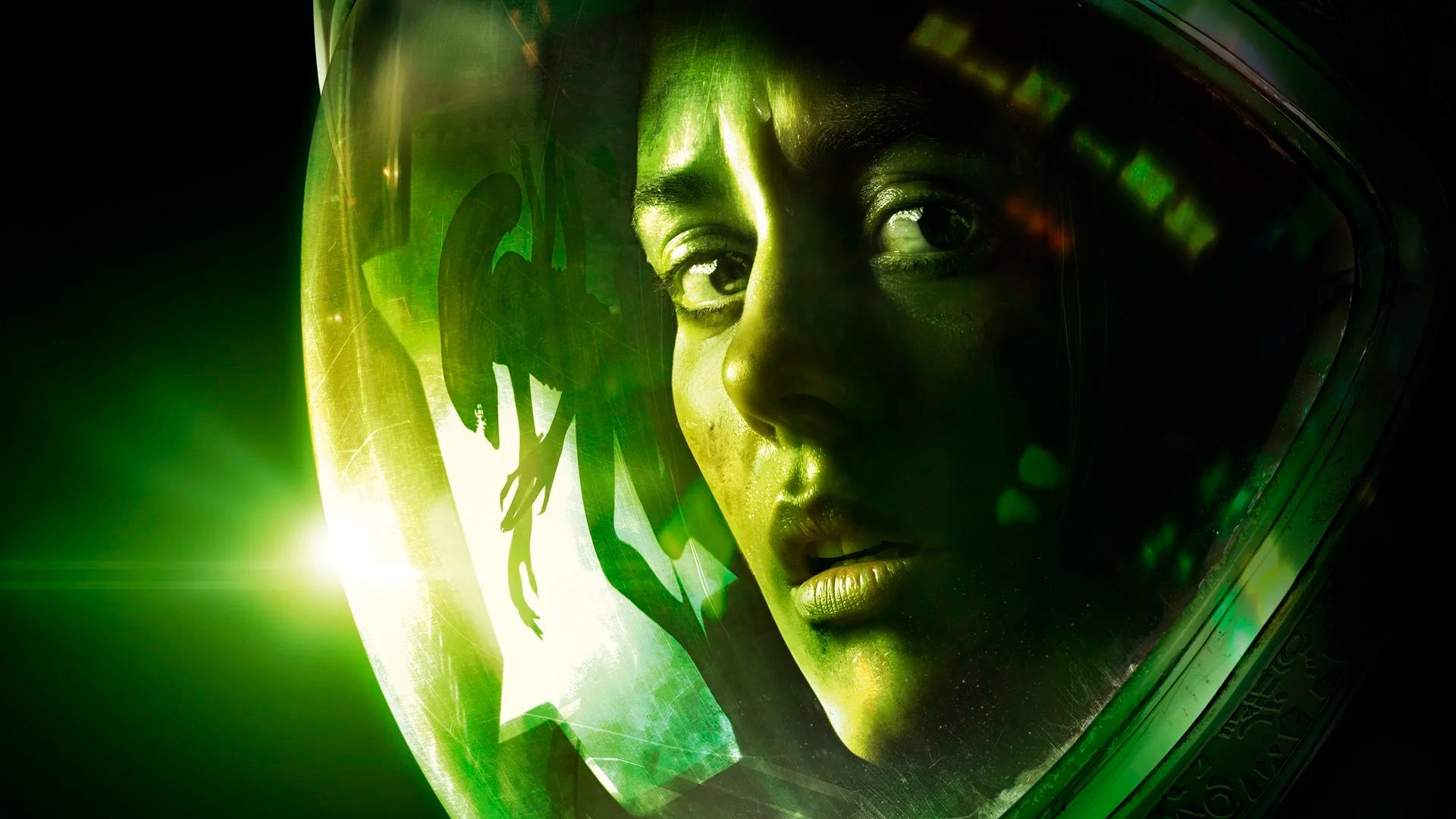
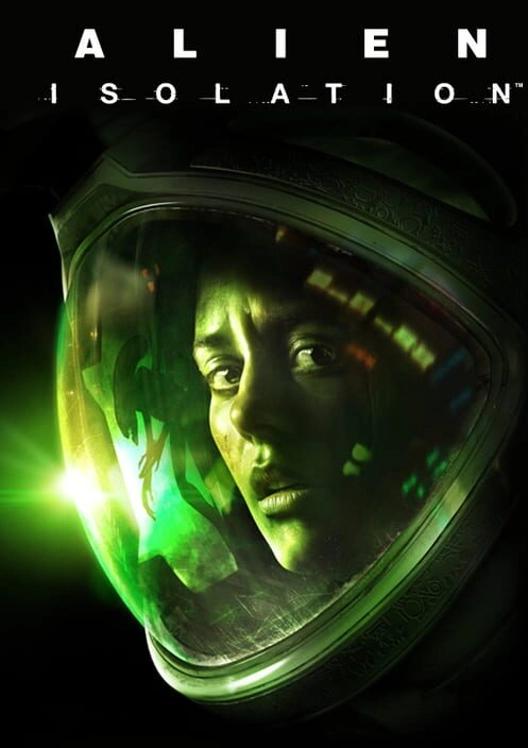
There is one alien. One. The whole game is built around a single enemy that cannot be killed, only redirected, and the result is fifteen-plus hours of some of the most sustained tension I have felt in any game. Sevastopol Station is modeled with the kind of obsessive detail that makes exploration feel real rather than decorative, which matters because you spend a lot of time listening through vents and crawling under desks. The motion tracker becomes a second heartbeat. Some players find the length punishing, and they are not wrong that it overstays by a chapter or two. But the core experience of being genuinely hunted, not threatened by a scripted event but pursued by an intelligent system, is unmatched.
- Released
- 20142014
- Genre
- AdventureAdventure
- Platforms
- Linux, macOS, PC, PS4, Switch, Xbox OneLinux, macOS, PC, PlayStation 4, Nintendo Switch, Xbox One
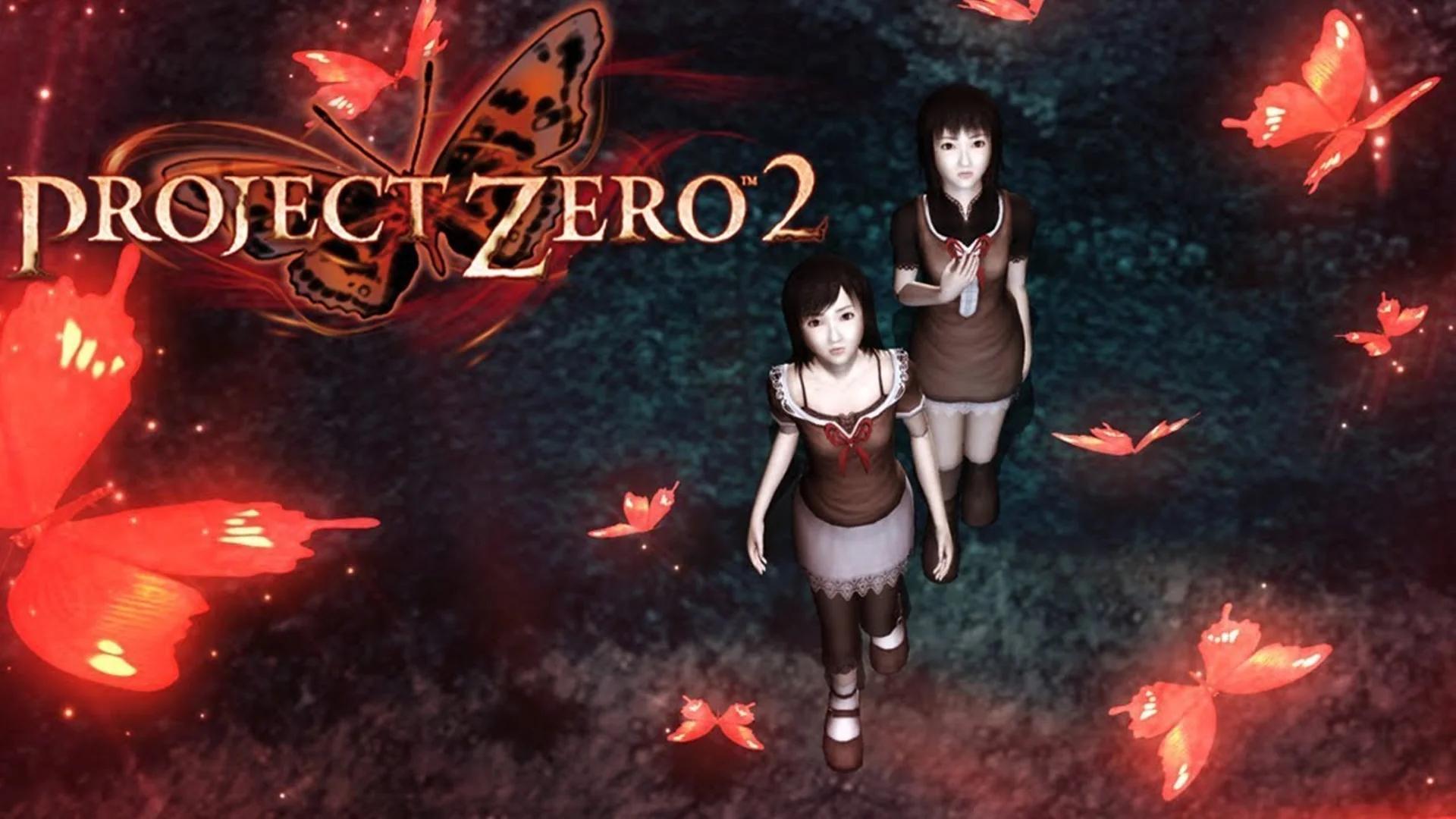
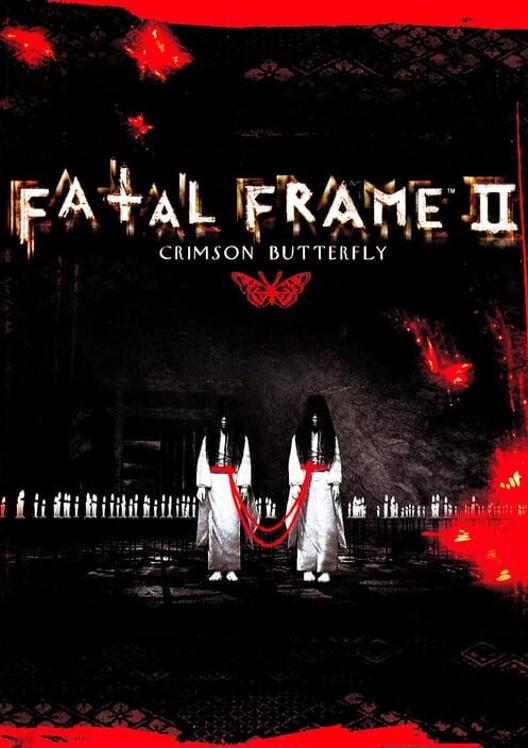
The original Crimson Butterfly is still here because it deserves to be, even with the remake sitting four spots above it. The 2003 version has a quality the remake cannot fully replicate: the rawness of PS2-era Japanese horror, where technical limitations and design ambition collided into something genuinely strange. The village feels wrong in ways that are hard to describe. Ghosts materialize at distances that give you almost no time to react. Inventory slots are aggressively limited. If you have access to original hardware or a working emulation setup and you want to feel the genre without a modern polish layer softening the edges, this version still earns it.
- Released
- 20032003
- Genre
- AdventureAdventure
If you are looking for horror games that run on modest hardware rather than current-gen machines, our Best Horror Games for Low-End PCs and Laptops guide covers what actually works on integrated graphics.
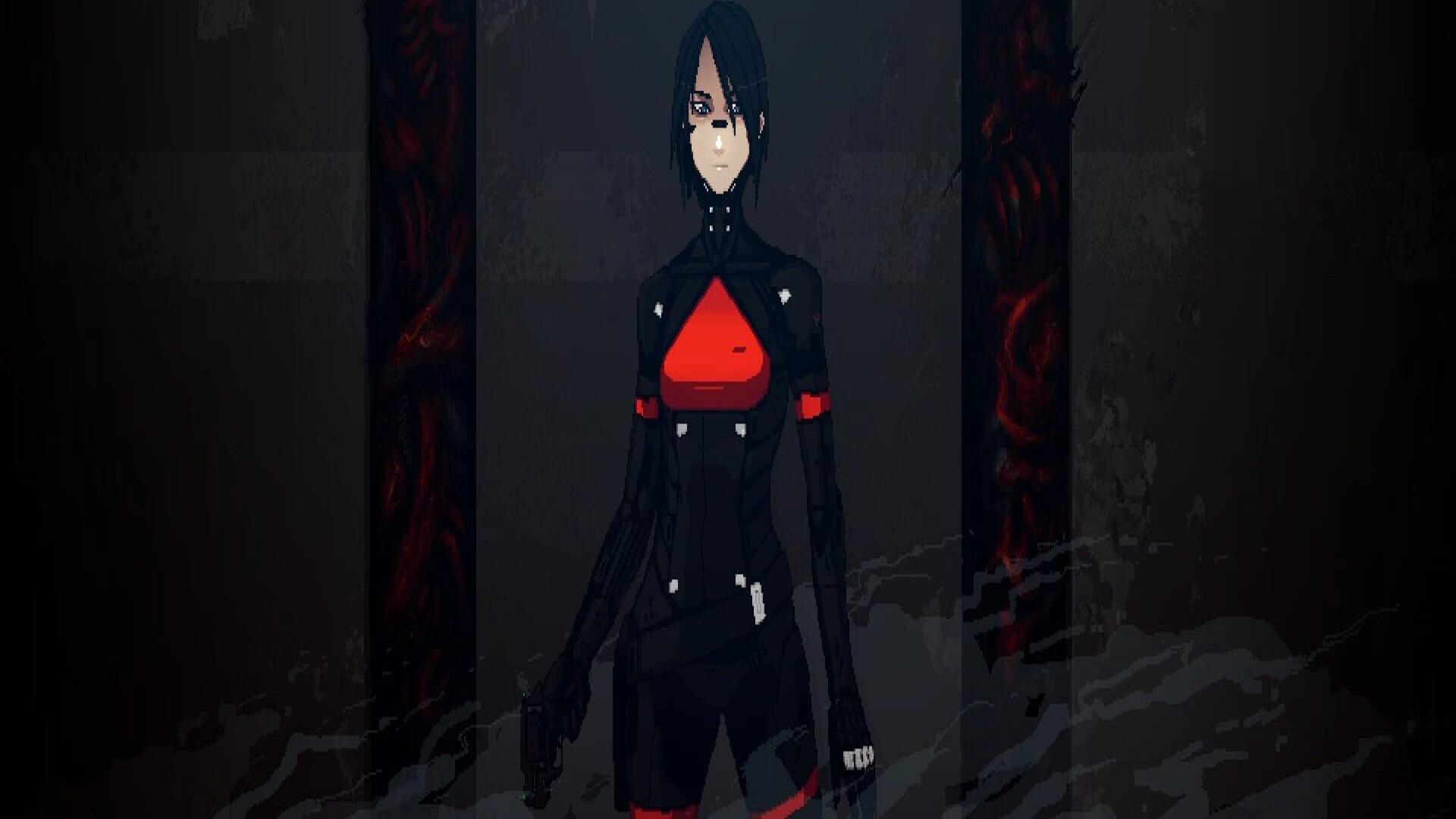
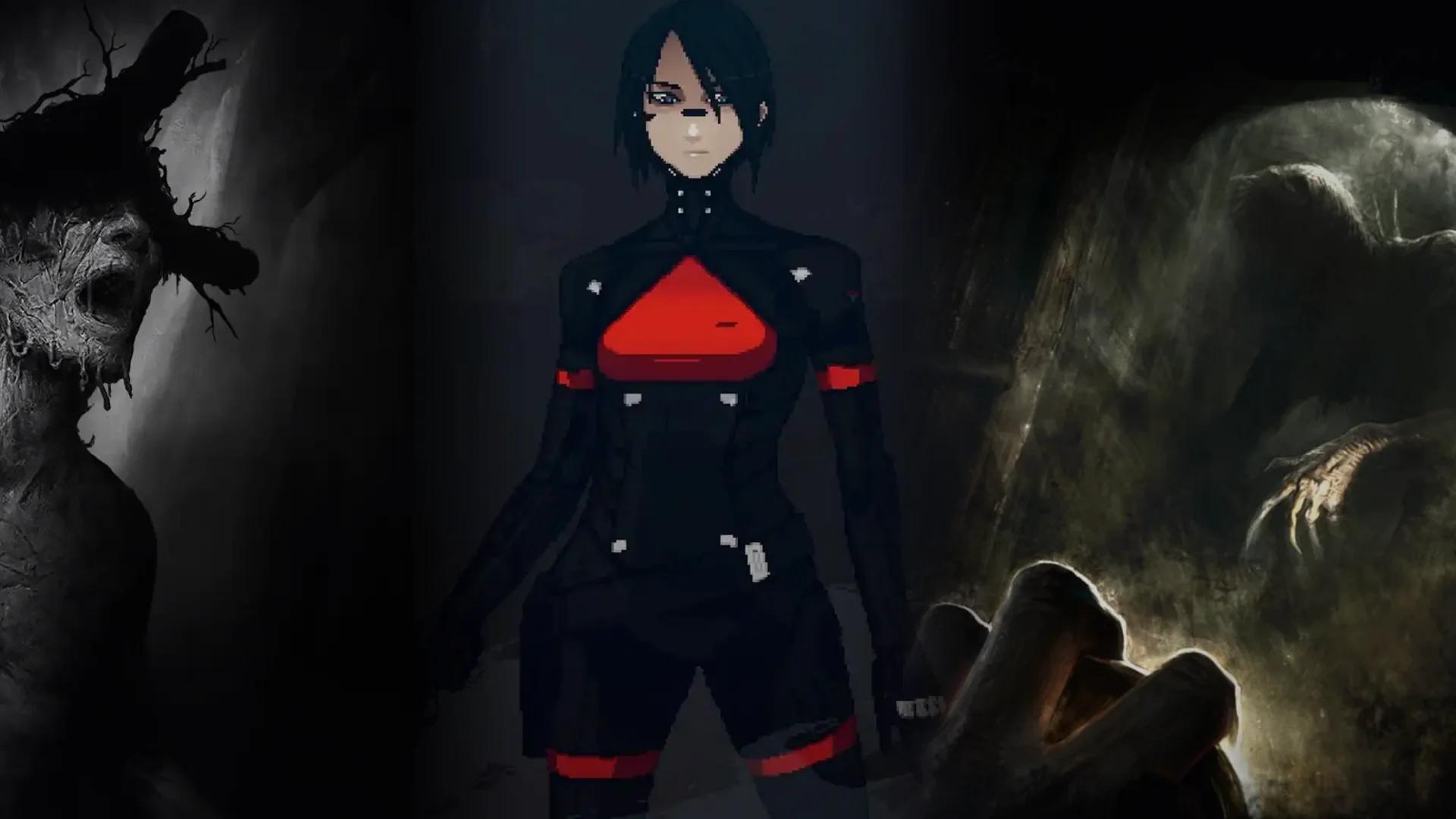
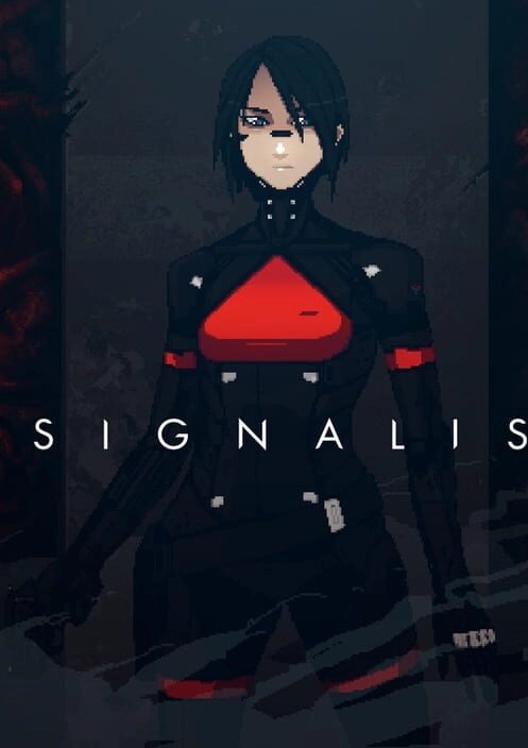
Signalis crept up on me. I picked it up expecting a nostalgia exercise dressed in sci-fi aesthetics and got something with genuine conviction behind it. Six inventory slots. Fixed cameras. Puzzles that require you to move through dangerous areas multiple times to gather what you need. It channels PS1-era survival horror without feeling like pastiche because the design choices are not decorative, they are functional. The decaying facility setting and fragmented narrative keep you unsettled even in quiet stretches. No franchise to lean on. No safety net of familiarity. It earned its reputation entirely on its own terms, and it is comfortably one of the best indie games to come out of 2022.
- Released
- 20222022
- Genre
- AdventureAdventure
- Platforms
- PC, PS4, Switch, Xbox OnePC, PlayStation 4, Nintendo Switch, Xbox One
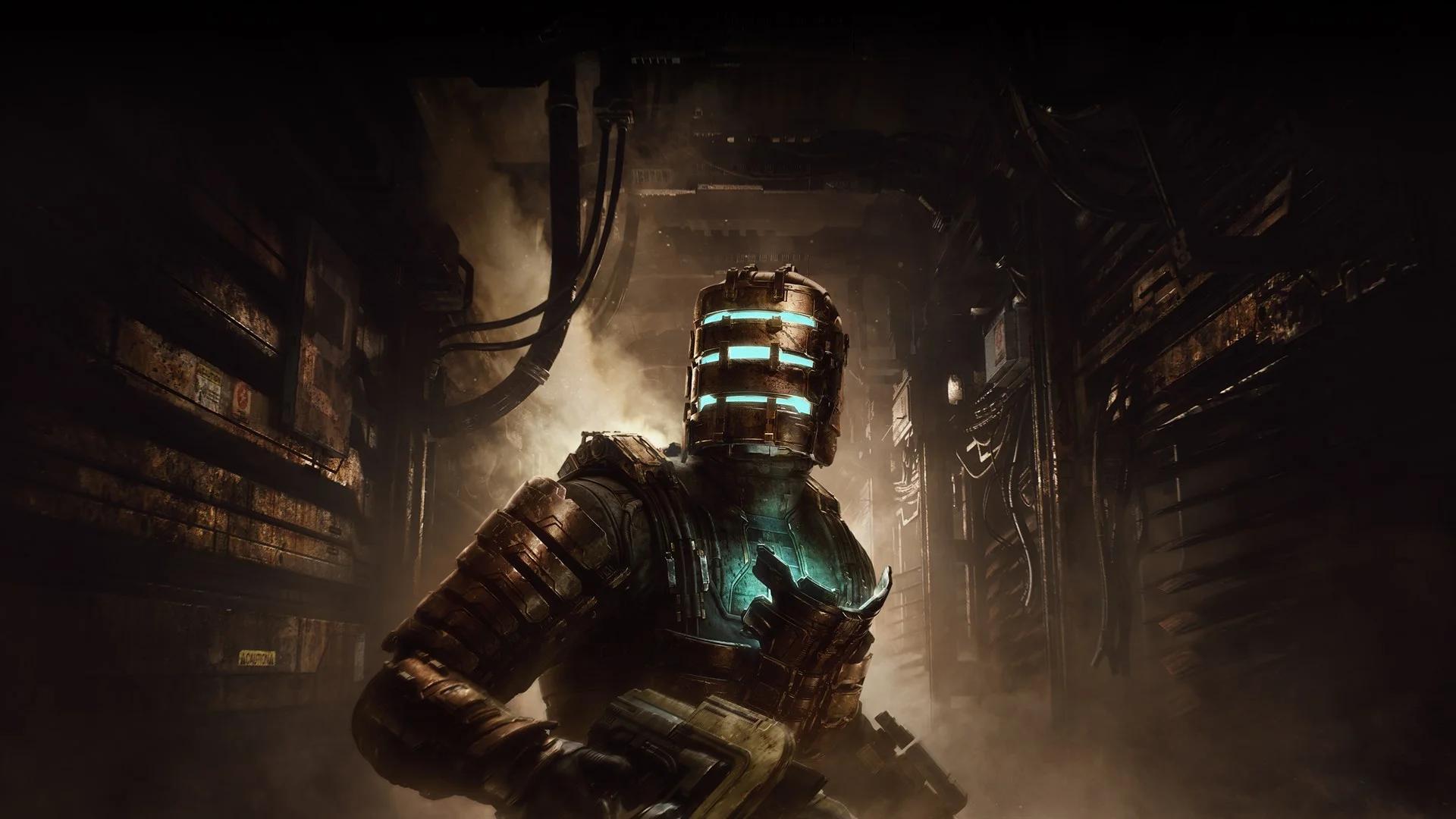
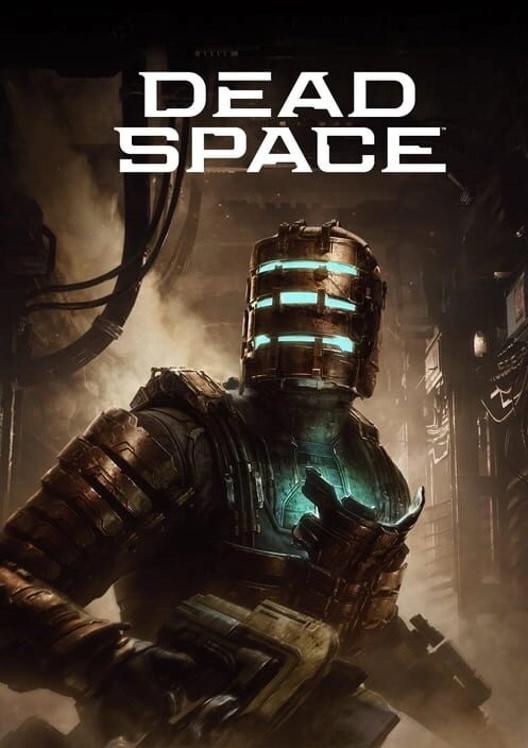
Dead Space belongs here despite having the weakest survival purity score in the top ten, and that qualifier matters. Isaac Clarke is more capable than the other protagonists on this list, which is worth knowing before you start. The Ishimura is still a masterclass in oppressive environmental design, the diegetic interface and total absence of cut-away menus keeping you locked in the ship's horror at all times. Limb-based dismemberment gives combat a puzzle quality that keeps tension present even when you are winning. The 2023 remake sharpened an already strong experience. If your first instinct is Dead Space, that instinct is correct. Just know it is the most action-forward entry here.
- Released
- 20232023
- Genre
- ShooterShooter
- Platforms
- PC, PS5, Series X|SPC, PlayStation 5, Xbox Series X/S
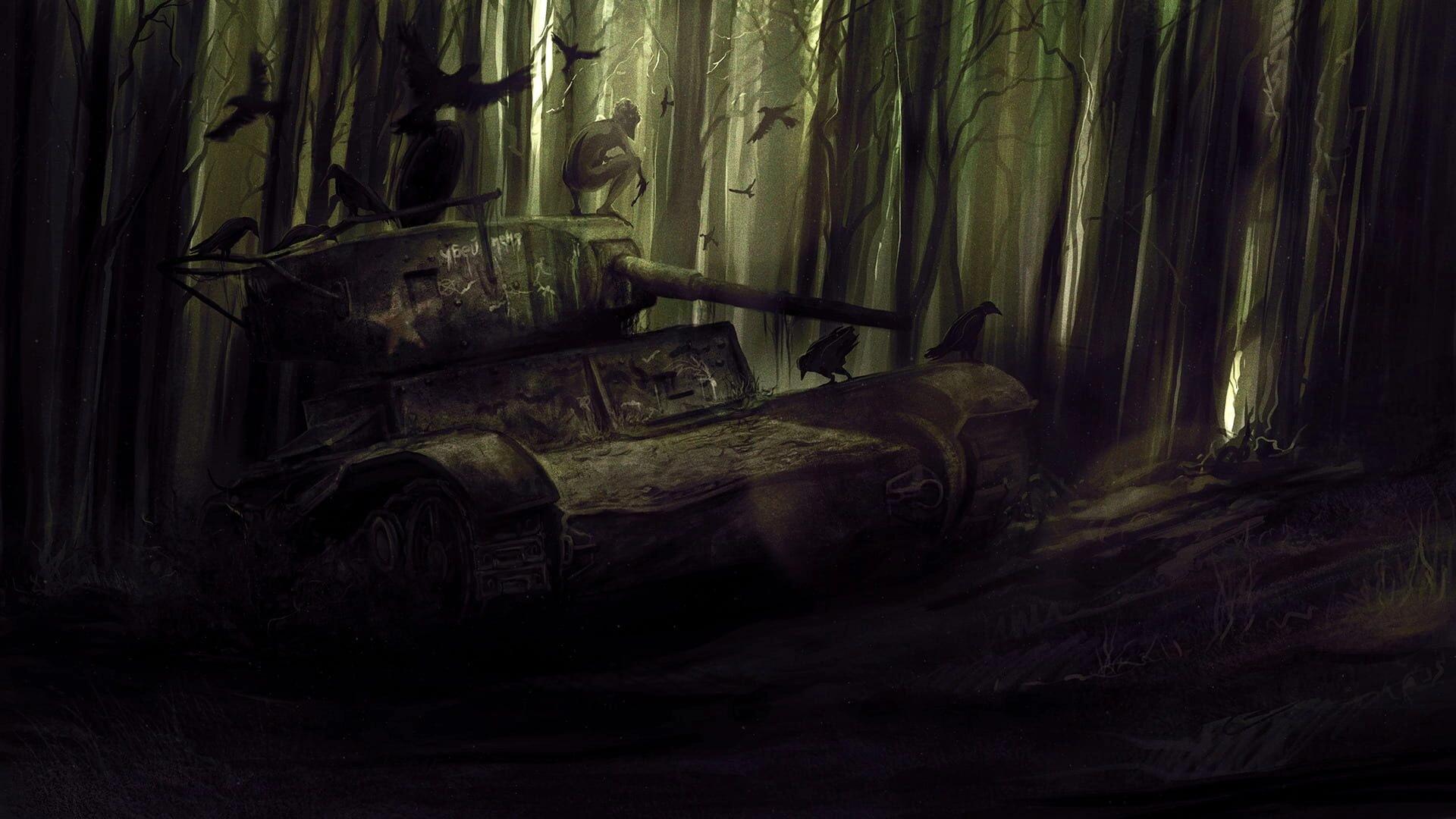
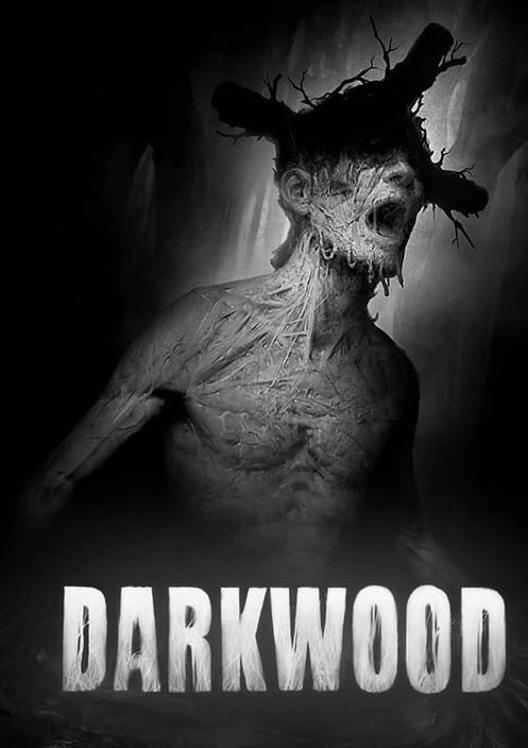
Darkwood is the one I almost did not include because it does not look like a survival horror game. Top-down perspective, no jump scares, no recognizable monsters from a franchise. What it has instead is a genuinely hostile world that operates on rules you learn slowly and painfully. You forage during the day and barricade yourself in at night, and what happens during those nights is determined by what you did, where you went, and what you touched. The forest does not care about you. Supplies run low at exactly the wrong moment. It is one of the few games I have played where I felt genuine reluctance to keep exploring rather than excitement. That reluctance is the whole achievement.
- Released
- 20172017
- Genre
- RPGRPG
- Platforms
- Linux, macOS, PC, PS4, PS5, Switch, Xbox One, Series X|SLinux, macOS, PC, PlayStation 4, PlayStation 5, Nintendo Switch, Xbox One, Xbox Series X/S
Honorable Mentions
These games narrowly missed the top ten, either because a closely related entry above them was stronger, or because their genre standing was not quite secure enough to displace what is already here. All five are worth your time.
Amnesia: The Bunker missed the main list by inches. A World War I bunker, a single monster with a dynamic patrol system, a generator you have to keep running with scarce fuel, and no safe room to breathe in. The systemic pressure here is more consistent than almost anything in the top ten. What held it back is genre footprint rather than quality. It is superb modern survival horror that rewards improvisation over preparation, and if the ranked entries feel too familiar, this is exactly where to go next.
The original Silent Hill still haunts any serious conversation about what the genre is capable of. That fog was not just a technical solution to hardware limits; it became the defining mood of an entire branch of psychological horror. Harry Mason controls like a frightened civilian, not a soldier, and the radio static announcing nearby creatures remains one of the most effective sound design decisions ever made. Accessibility is genuinely rough for modern players, but ignoring it entirely would leave a gap in this list that no amount of polish can fill. Genre historians, start here.
13. SOMA
89%SOMA sits at the edge of what this list counts as survival horror, and I am including it because the underwater facility it puts you in is one of the most oppressive environments I have spent time in. The monsters are evasion problems, not combat encounters. The horror is existential rather than resource-based. What keeps it off the main list is that the survival pressure is lighter than everything above it, closer to a horror walking sim with teeth than a genre-pure survival horror game. That said, the story earns its length in a way few horror games manage. If atmosphere is what you are chasing, this delivers.
The first Fatal Frame introduced the Camera Obscura and proved a flash of light could be more unsettling than any conventional weapon. The haunted mansion structure and its particular brand of Japanese ghost lore established a template Crimson Butterfly would refine into something near-perfect. It is rougher around the edges, and modern recommendability is genuinely limited without emulation or original hardware. But as a piece of survival horror history, and as a window into where the series' distinctive dread comes from, it earns its mention.
Tormented Souls is the kind of game that almost no one knows exists and almost everyone who finds it enjoys. It is a modern game built around fixed-camera angles, ink ribbon saves, and a mansion-hospital setting that borrows freely from the 1996-2003 era of survival horror without feeling like a knockoff. The atmosphere is uneven in places and the production values show a small team working at the edge of its budget. Still, the genre understanding behind it is real. If you have cleared the top ten and want something smaller that plays by the same rules, this is where to look.
Frequently Asked Questions
A few questions that come up regularly when people are deciding where to start with survival horror.
What makes a game survival horror rather than just horror?
The core distinction is resource pressure and vulnerability. In survival horror, running out of ammunition or healing items is a real possibility that shapes how you move through the world. You are not empowered to fight everything. You manage threats, avoid some encounters entirely, and feel the weight of every decision about what to use and what to save. Games where combat is reliable and supplies are generous are horror games, not survival horror games.
Where should a complete newcomer to survival horror start?
Resident Evil 2 (2019). It has modern controls, a clear difficulty curve, and it preserves everything that makes the genre work without requiring you to adapt to decades-old design conventions first. From there, Resident Evil 7 is a natural second step if you prefer first-person, and Silent Hill 2 (2024) if you want to understand the psychological branch of the genre.
Are older survival horror games still worth playing today?
Some of them, yes. Resident Evil (2002 remake) holds up very well if you give it the patience it asks for. The original Silent Hill and Fatal Frame II are tougher sells because of control age and platform access, which is part of why the Fatal Frame II remake arriving in 2026 is genuinely good news. If a game on this list has a low modern recommendability note, that is the honest reason why.
Is Resident Evil 4 survival horror?
This one gets debated. RE4 starts as survival horror and shifts toward action as you acquire resources and upgrade weapons. By the back half of the game, you are a significantly more capable combatant than the genre usually allows. It is exceptional by almost every measure, but that shift is why it did not make this specific list. If you want Resident Evil at its most action-forward while still feeling some tension, RE4 is the answer. If you want vulnerability from start to finish, RE2 and RE7 are more honest picks.
Can I play these games on PS5?
Most of them, yes. Resident Evil 2, Silent Hill 2 (2024), Resident Evil 7, and Dead Space (2023) all have native or backward-compatible PS5 versions. The Fatal Frame II Crimson Butterfly remake released in 2026 and is on current platforms. Alien: Isolation runs via backward compatibility. Signalis and Darkwood are available through PS4 backward compatibility. The original Resident Evil (2002) and classic Fatal Frame titles require more effort to access on modern hardware.
Conclusion
The survival horror games that last are the ones where the tension lives in the systems, not just the scripted scares. Every game on this list makes you feel the weight of a bad decision. If you are working through it for the first time, Resident Evil 2 is the right place to start.
If the indie side of things caught your attention, our Best Indie Horror Games guide goes deeper on that space. For horror you can play with others, Best PS5 Co-Op Horror Games covers the multiplayer side without overlap.
Ready for more tailored picks? Try our Recommendations Engine for suggestions that match your play style.