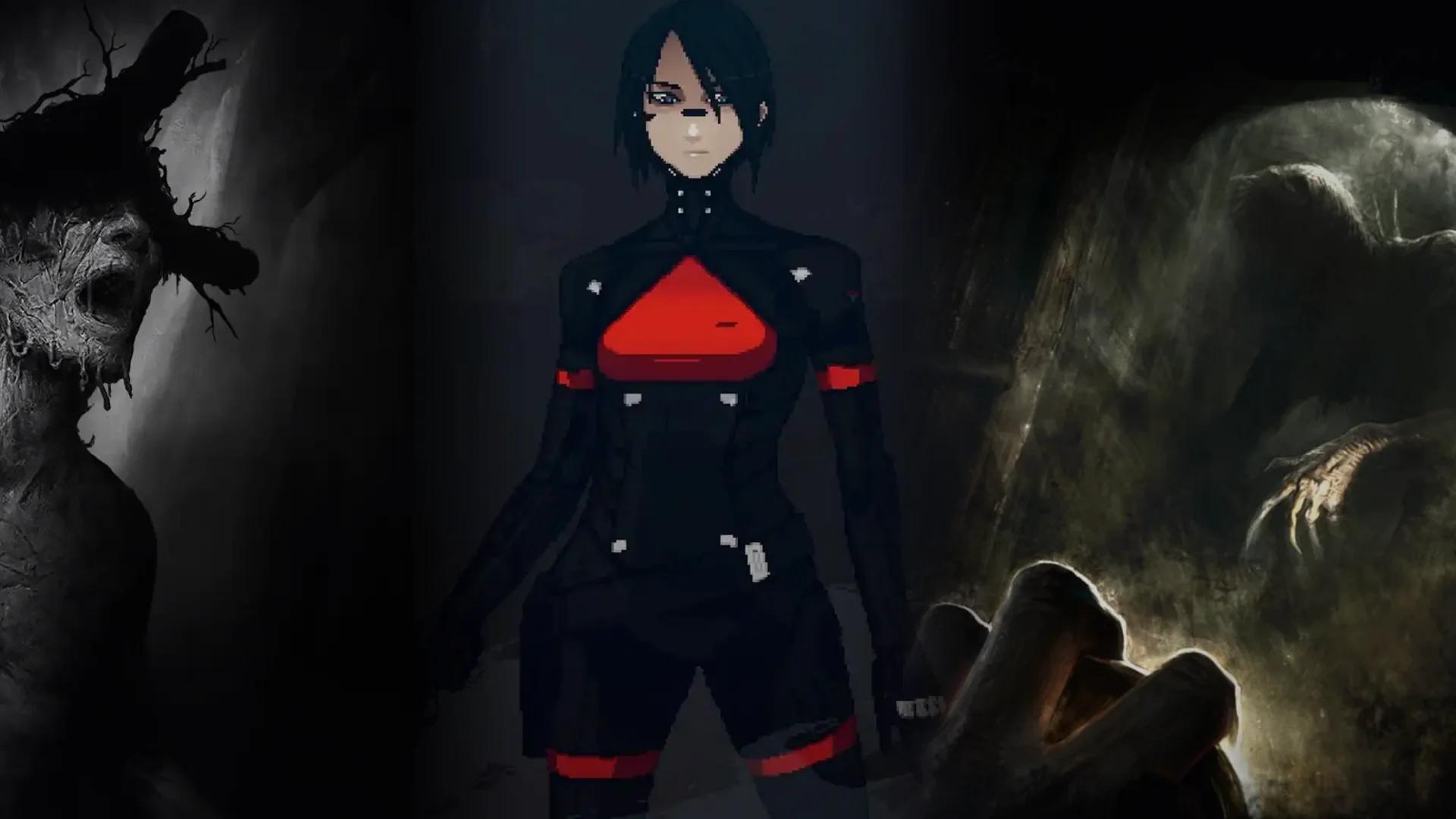

The strongest horror experiences of the last decade did not come from the biggest studios. They came from two-person teams in Poland, a single developer hand-penciling every texture, a studio in Taiwan building dread out of folklore and political memory. Indie horror has earned its reputation not by competing with AAA production values but by doing things AAA budgets would never greenlight: weird structures, difficult subject matter, aesthetics that deliberately refuse to be beautiful. The games on this list are the best of that tradition, ranked by how well they actually scare you, how original they are, and whether they hold up as honest recommendations today.
We weighted horror effectiveness most heavily, followed by overall game quality and originality. Recommendation value and genre reputation rounded out the scoring.
For the full picture on horror gaming across all budgets and platforms, see our Best Horror Games in 2026 guide. This article focuses specifically on the indie and small-studio end of the genre.
Quick Picks
Best overall indie horror: Signalis
Best for slow, oppressive dread: Darkwood
Best for narrative horror fans: Slay the Princess – The Pristine Cut
Best retro survival horror: Crow Country
Best lo-fi and cult horror: FAITH: The Unholy Trinity
The Top 10 Best Indie Horror Games
Ten games. Every major register of indie horror represented. These are the ones worth your time.
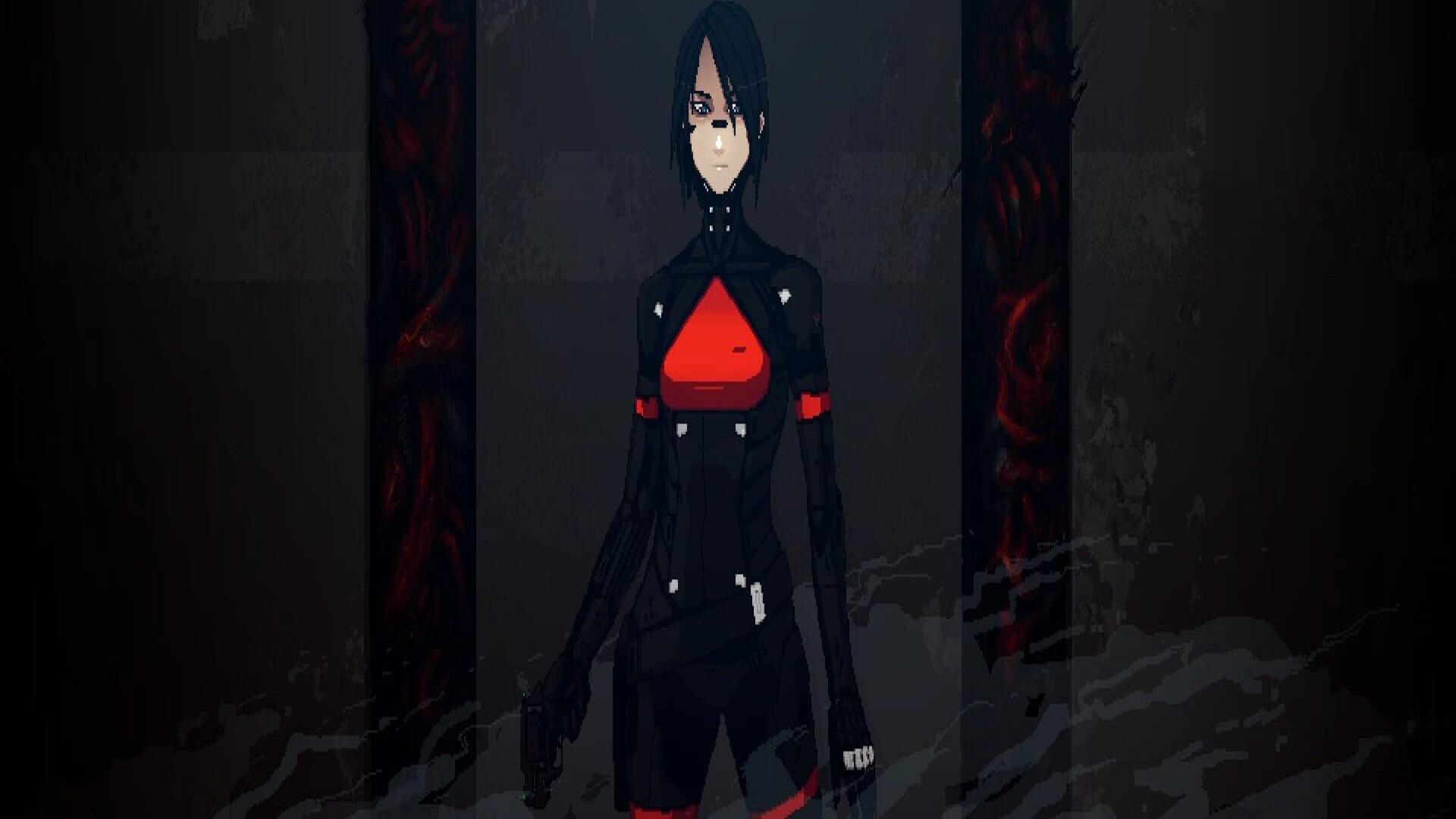
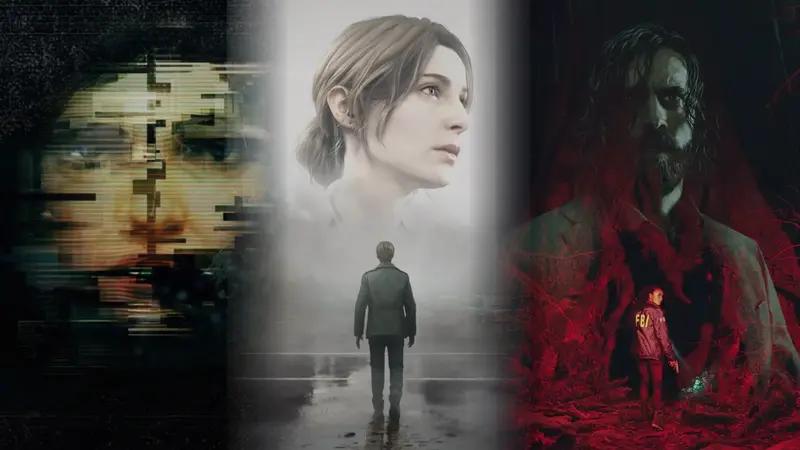
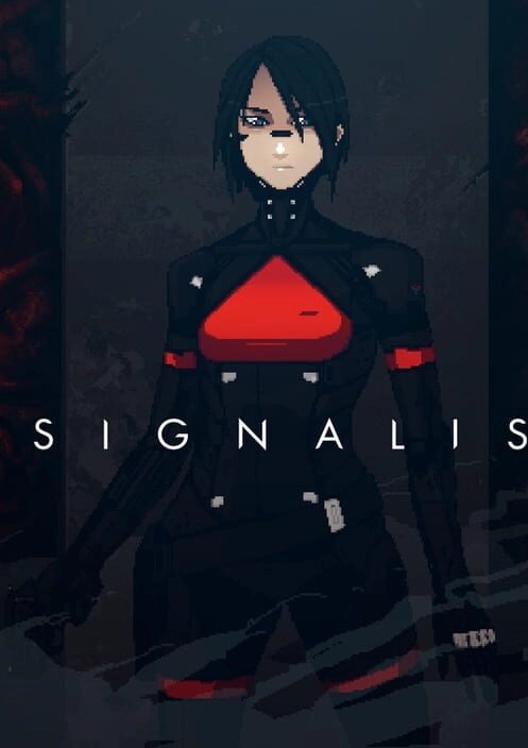
Signalis does something I did not expect from a game that wears its PS1 influences so openly: it made me feel genuinely sad. The survival horror structure is classical, inventory limits and all, but the atmosphere underneath is built on cosmic longing rather than pure threat. It reminded me of why the early Silent Hill games worked, that specific register of dread that is more existential than mechanical. The puzzle design is sharp, the sound pulls the tension exactly where it needs to go, and the world stays with you after you put the controller down. Nothing else on this list scores as consistently across every criterion. It earns the top spot without argument.
- Released
- 20222022
- Genre
- AdventureAdventure
- Platforms
- PC, PS4, Switch, Xbox OnePC, PlayStation 4, Nintendo Switch, Xbox One
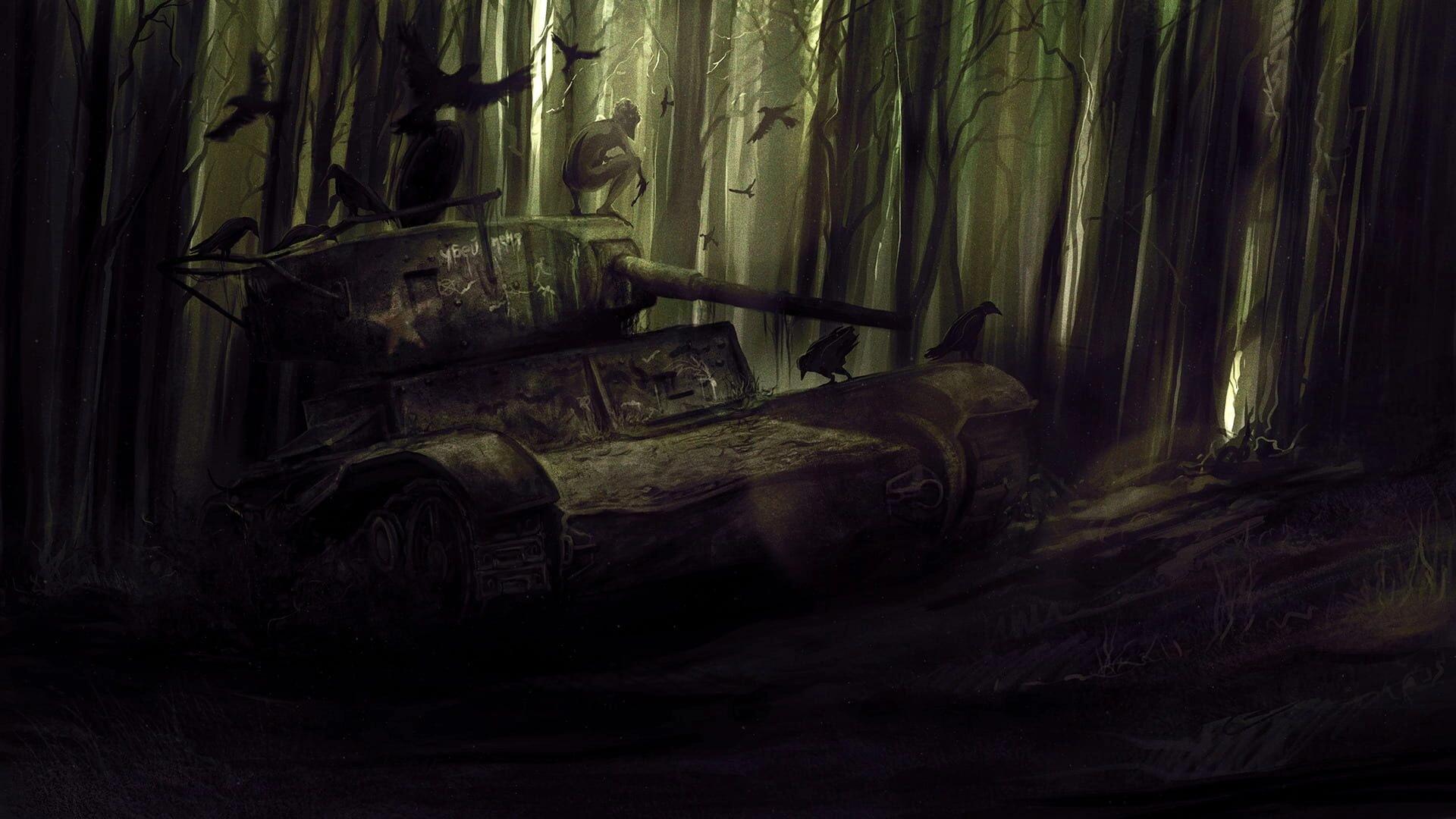
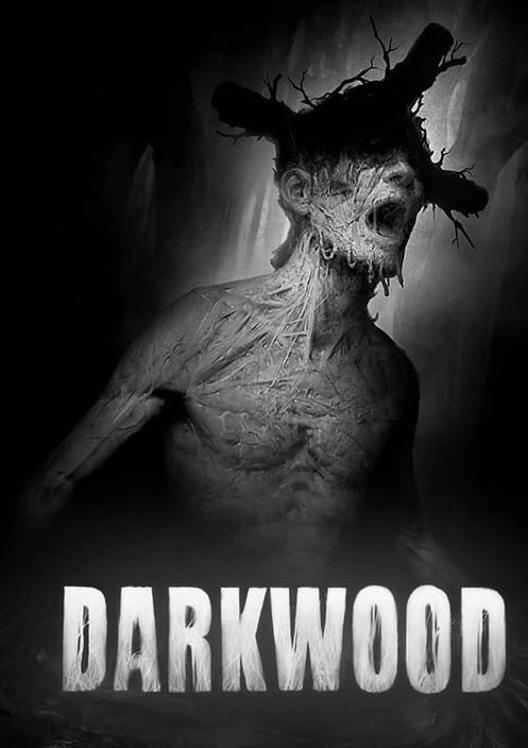
I went into Darkwood expecting something like a survival crafting game with horror dressing. What I got was one of the most oppressive atmospheres I have sat through in a top-down game. The day-night loop sounds simple on paper: scavenge during daylight, barricade at night, survive until morning. In practice, you spend the daylight hours dreading what is coming, and you spend the nights listening for sounds that may or may not mean something is in the room. No jump scares. Just sustained, grinding dread. It is not a fast game and it does not want to be. If your patience for slow-burn horror runs out in the first two hours, this one is not for you. If it does not, Darkwood is unforgettable.
- Released
- 20172017
- Genre
- RPGRPG
- Platforms
- Linux, macOS, PC, PS4, PS5, Switch, Xbox One, Series X|SLinux, macOS, PC, PlayStation 4, PlayStation 5, Nintendo Switch, Xbox One, Xbox Series X/S
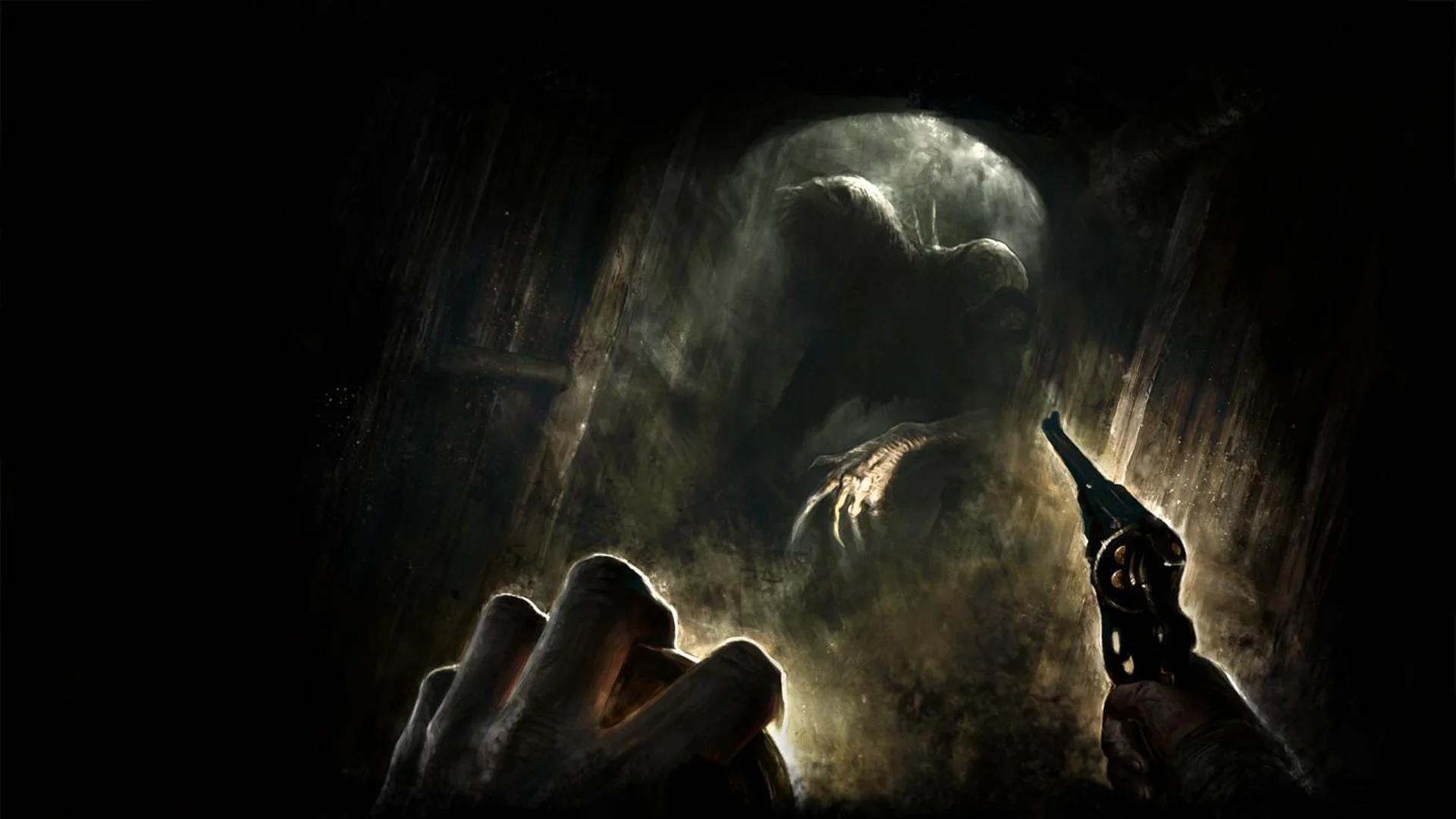
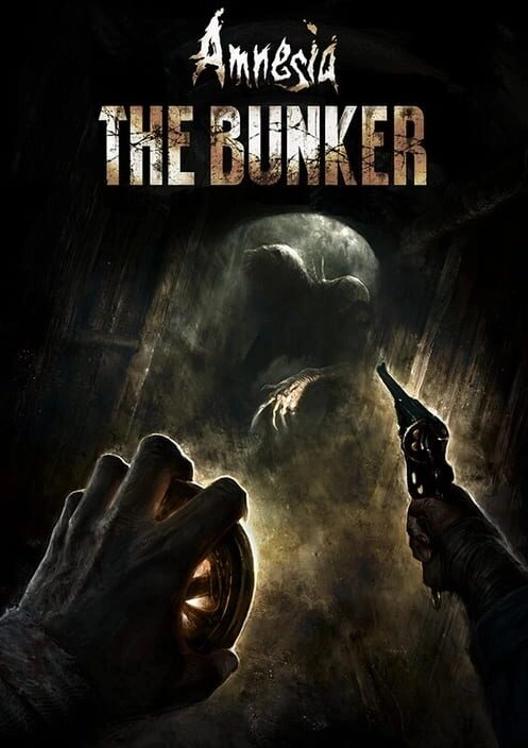
Most horror games give you a script. Go here, trigger this, the monster appears. Amnesia: The Bunker throws out the script. The creature in the walls responds to noise, which means the solution you used three rooms ago will get you killed now. I found myself standing completely still after accidentally knocking a bottle, genuinely holding my breath, which is not something a game has made me do in a long time. The semi-open bunker layout means every run through a familiar area can feel different depending on what you disturbed earlier. It is the strongest the Amnesia series has ever been, and the sound design alone justifies the recommendation.
- Released
- 20232023
- Genre
- ShooterShooter
- Platforms
- PC, PS4, Xbox One, Series X|SPC, PlayStation 4, Xbox One, Xbox Series X/S
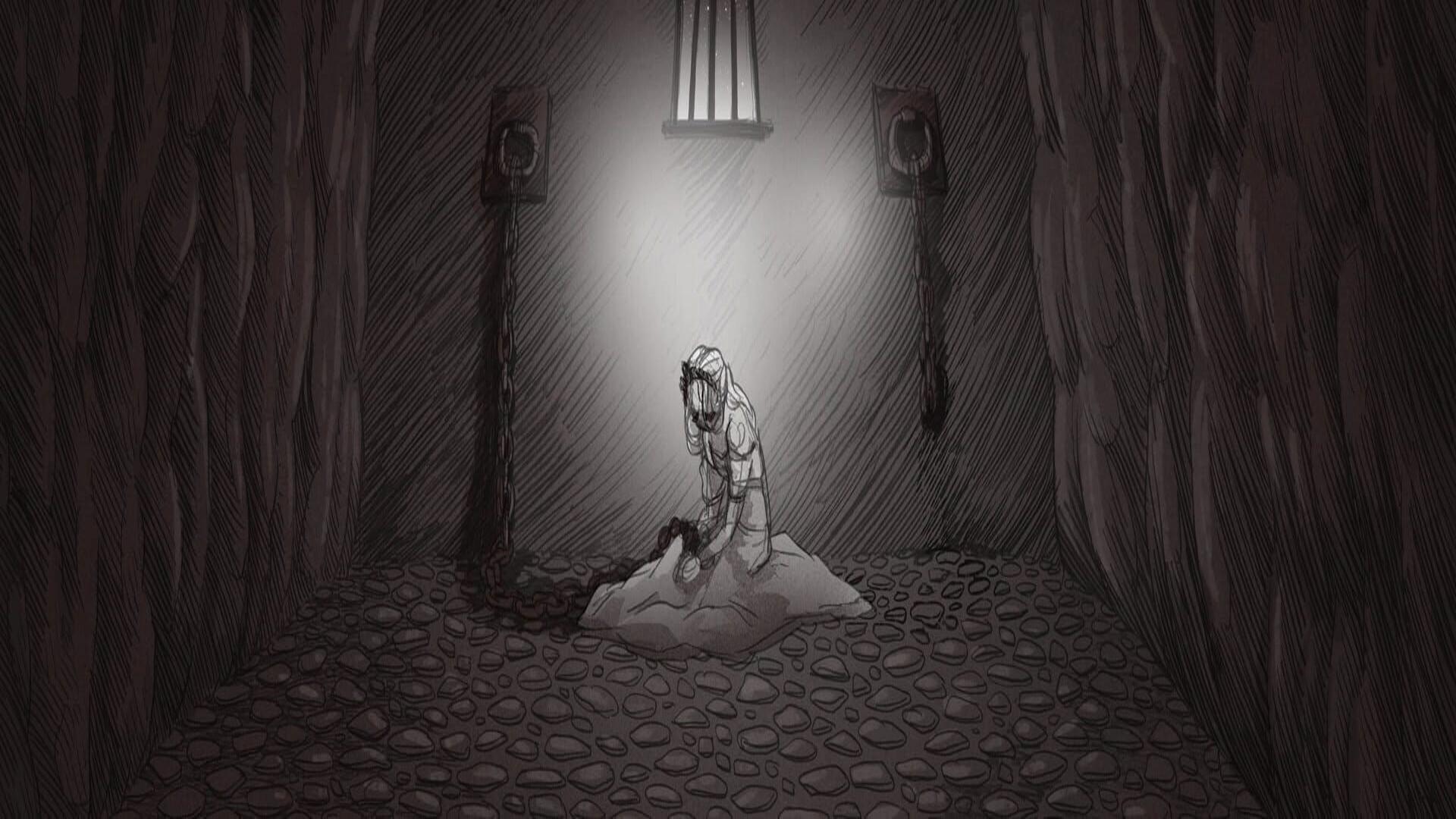
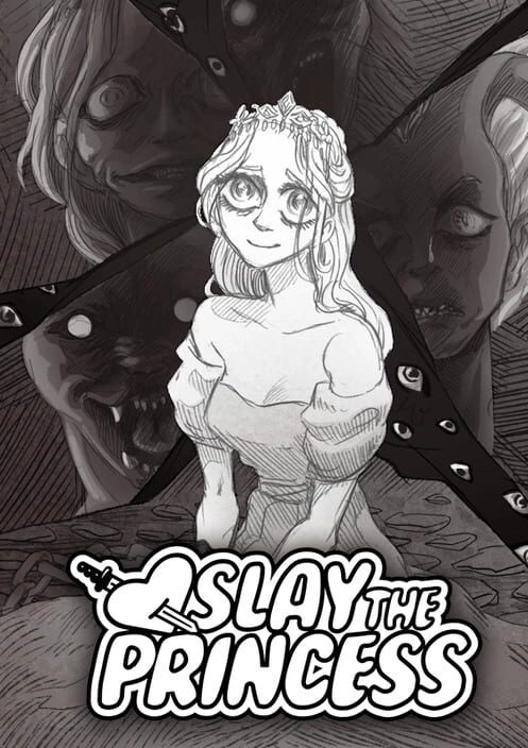
This is the wildcard on the list, and I mean that as a compliment. Slay the Princess looks like a visual novel and plays like one, right up until the game starts questioning your assumptions, the narrator's reliability, and eventually the nature of what you are doing and why. Fantasy is the genre I spend most of my time in, and the way this game uses a fairy-tale frame to get underneath the reader's skin is genuinely clever. The horror here is psychological and meta rather than atmospheric or jump-scare-driven. Its originality score is the highest on the entire list for a reason. If you write off visual novels as passive entertainment, this one will correct that assumption.
- Released
- 20232023
- Genre
- AdventureAdventure
- Platforms
- Linux, macOS, PCLinux, macOS, PC
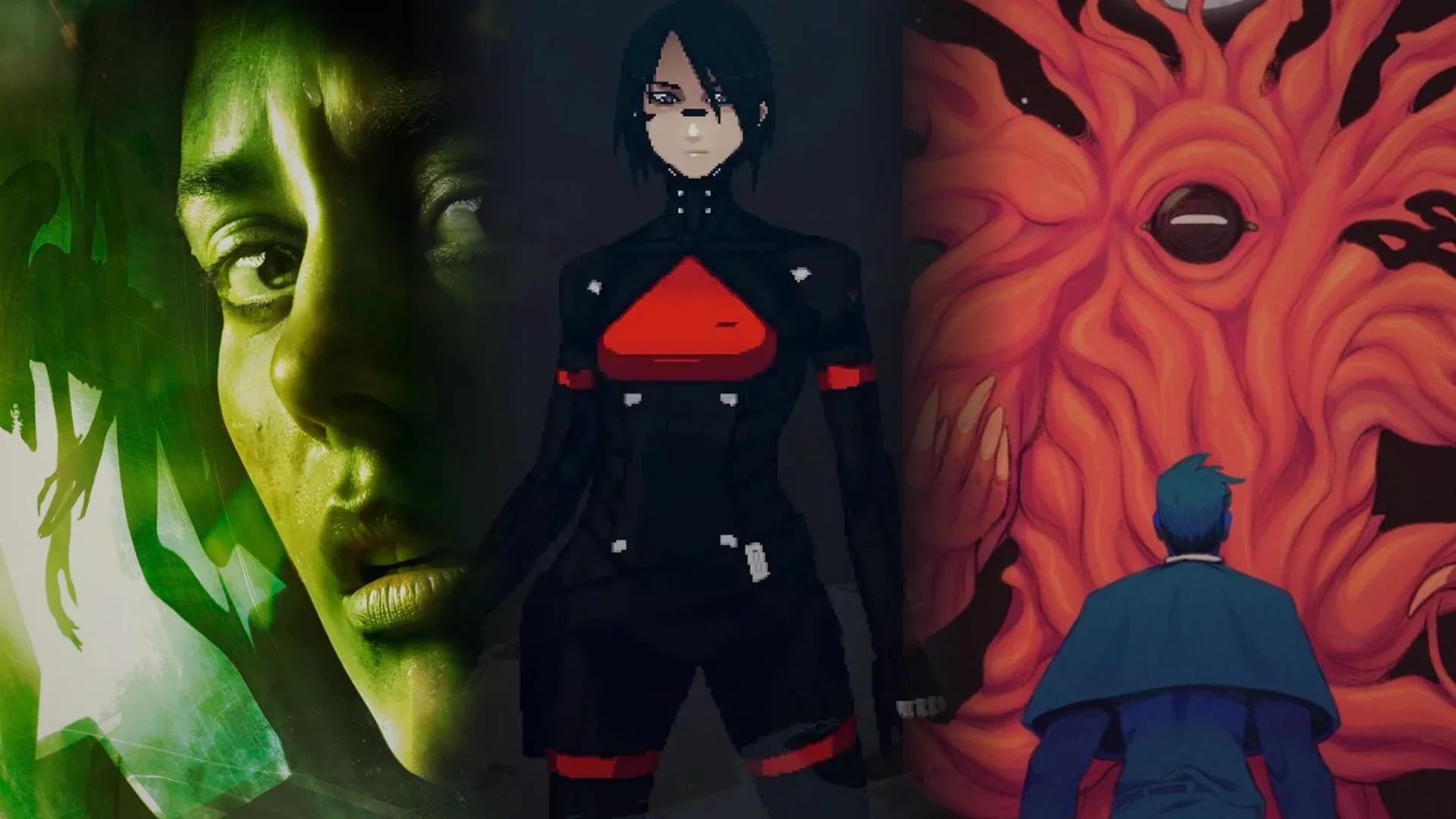
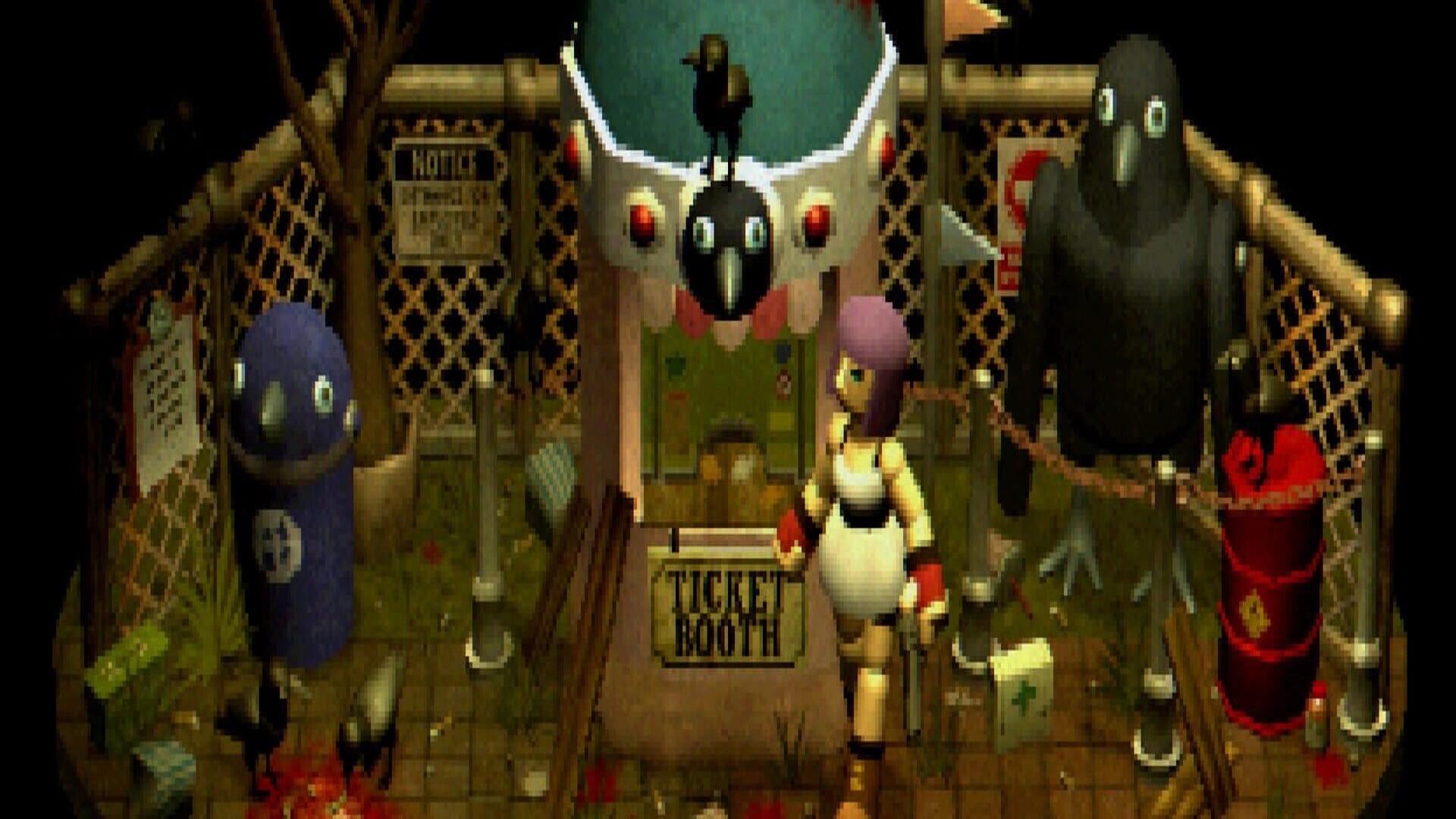
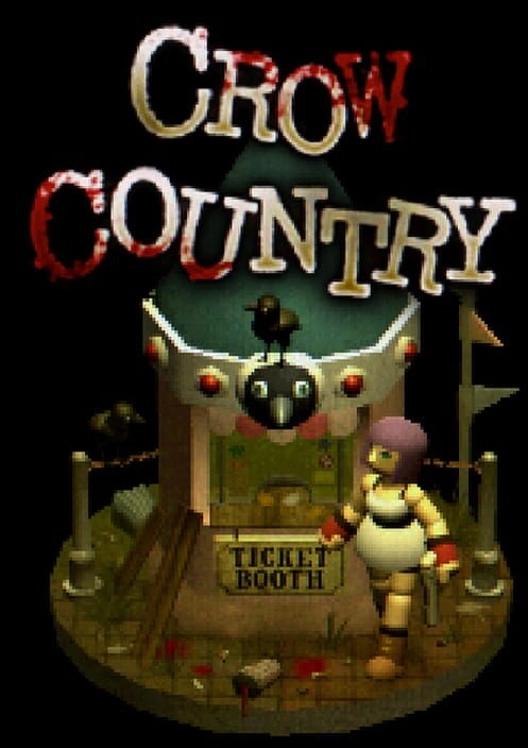
An abandoned amusement park is the most horror-appropriate setting imaginable, and Crow Country earns every bit of that. The isometric fixed-camera perspective is a deliberate throwback to early Resident Evil, but the game is not purely nostalgic. The puzzles are well-constructed, the map is satisfying to navigate once you learn its layout, and the atmosphere of something deeply wrong underneath the peeling paint and rust is consistent throughout. I played through in two sessions and the pacing held both times. It does not reinvent survival horror, but it executes the form with more care than most games twice its budget. A very easy recommendation for anyone who loved the PS1 era and wants something modern that respects it.
- Released
- 20242024
- Genre
- ShooterShooter
- Platforms
- PC, PS4, PS5, Switch, Series X|SPC, PlayStation 4, PlayStation 5, Nintendo Switch, Xbox Series X/S
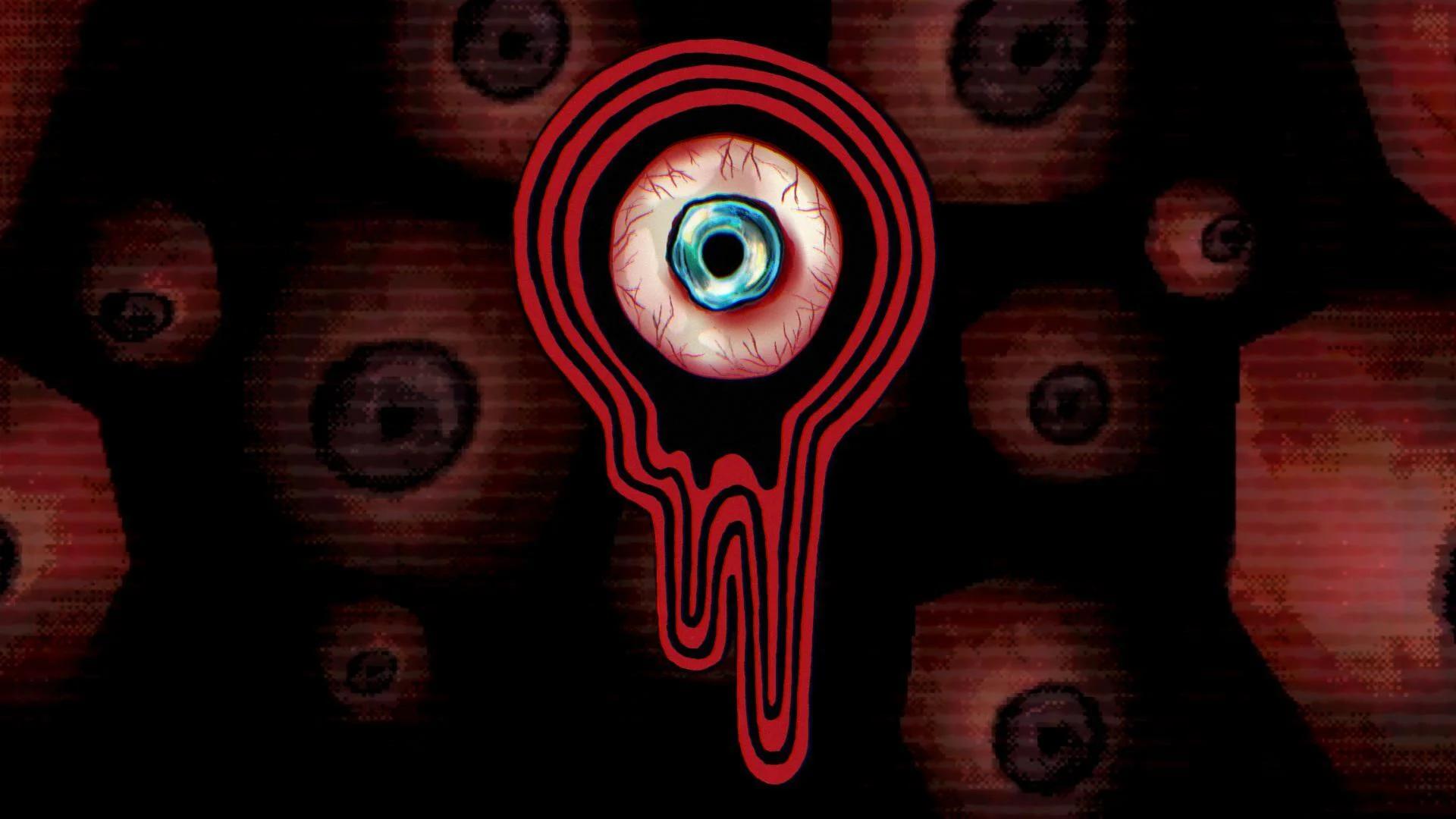
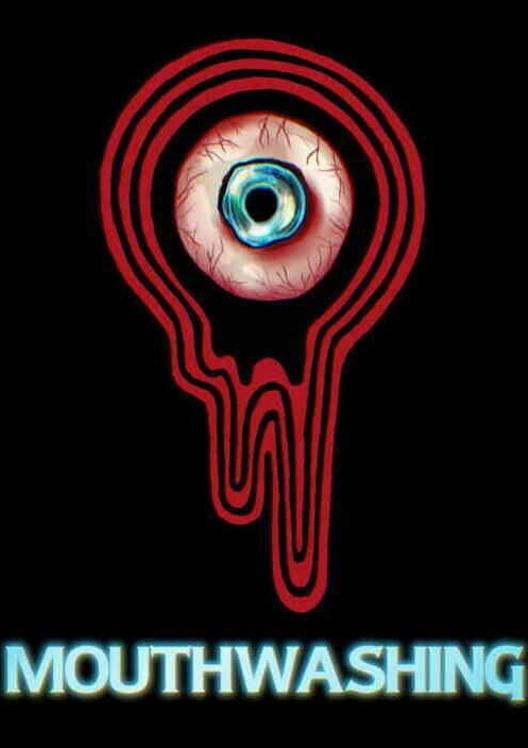
Short. Nasty. Stays with you. Mouthwashing tells the story of a cargo crew in deep space falling apart after a catastrophic incident, and it tells it through fragments, out-of-sequence scenes, and a visual style that makes everything look slightly wrong. My evening with it ran about three hours. I did not enjoy it in the conventional sense. I was unsettled for most of it and disgusted in places, which is exactly what the game is reaching for. The runtime is the one legitimate knock against it, and why it sits at six rather than higher. But impact per hour, it outperforms almost everything else on this list. Not for everyone. Worth it if psychological horror with genuine bite is what you are after.
- Released
- 20242024
- Genre
- AdventureAdventure
- Platforms
- PC, PS5, Switch, Series X|SPC, PlayStation 5, Nintendo Switch, Xbox Series X/S
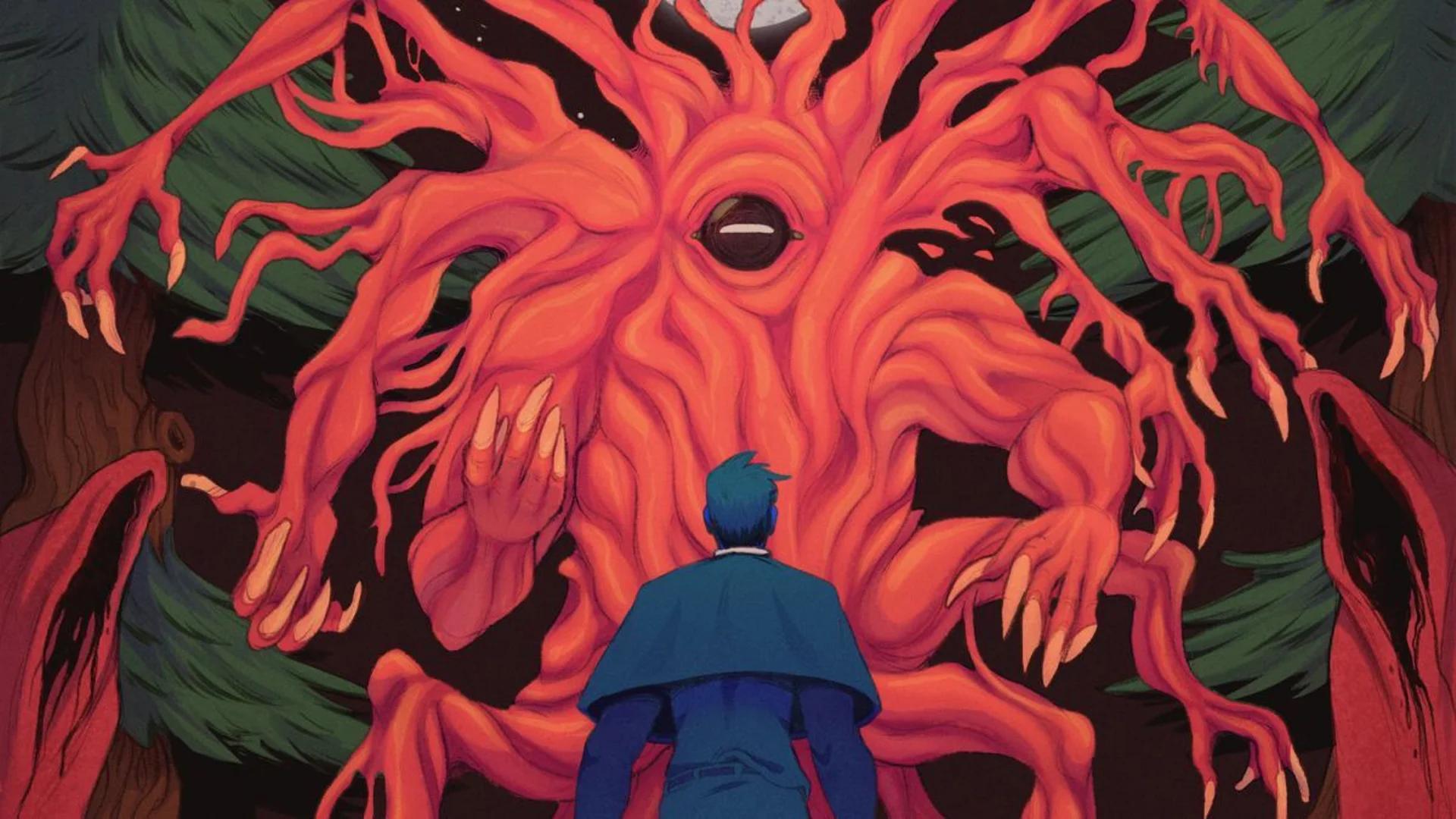
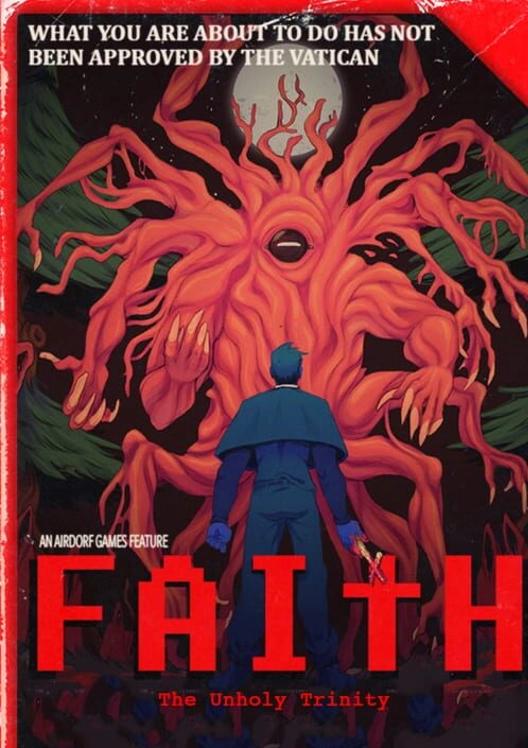
FAITH looks like something your computer might have run in 1983. That is the point. The pixel-art aesthetic and the garbled, cassette-tape audio cues are not limitations, they are the weapon. I was not sure this approach would work when I started it, but there is a specific kind of unease that comes from a game that refuses to show you too much. Your imagination does the heavy lifting, and it tends to go somewhere worse than any rendered cutscene would. The exorcism premise gives the horror a distinct identity that separates it from the crowded lo-fi field. Genuinely iconic in places. The Unholy Trinity package brings all three episodes together, and the anthology structure works in its favour.
- Released
- 20222022
- Genre
- PuzzlePuzzle
- Platforms
- PC, PS5, Switch, Series X|SPC, PlayStation 5, Nintendo Switch, Xbox Series X/S
If you are looking for horror games you can experience with friends rather than alone in the dark, check out our Best PS5 Co-Op Horror Games 2026 guide.
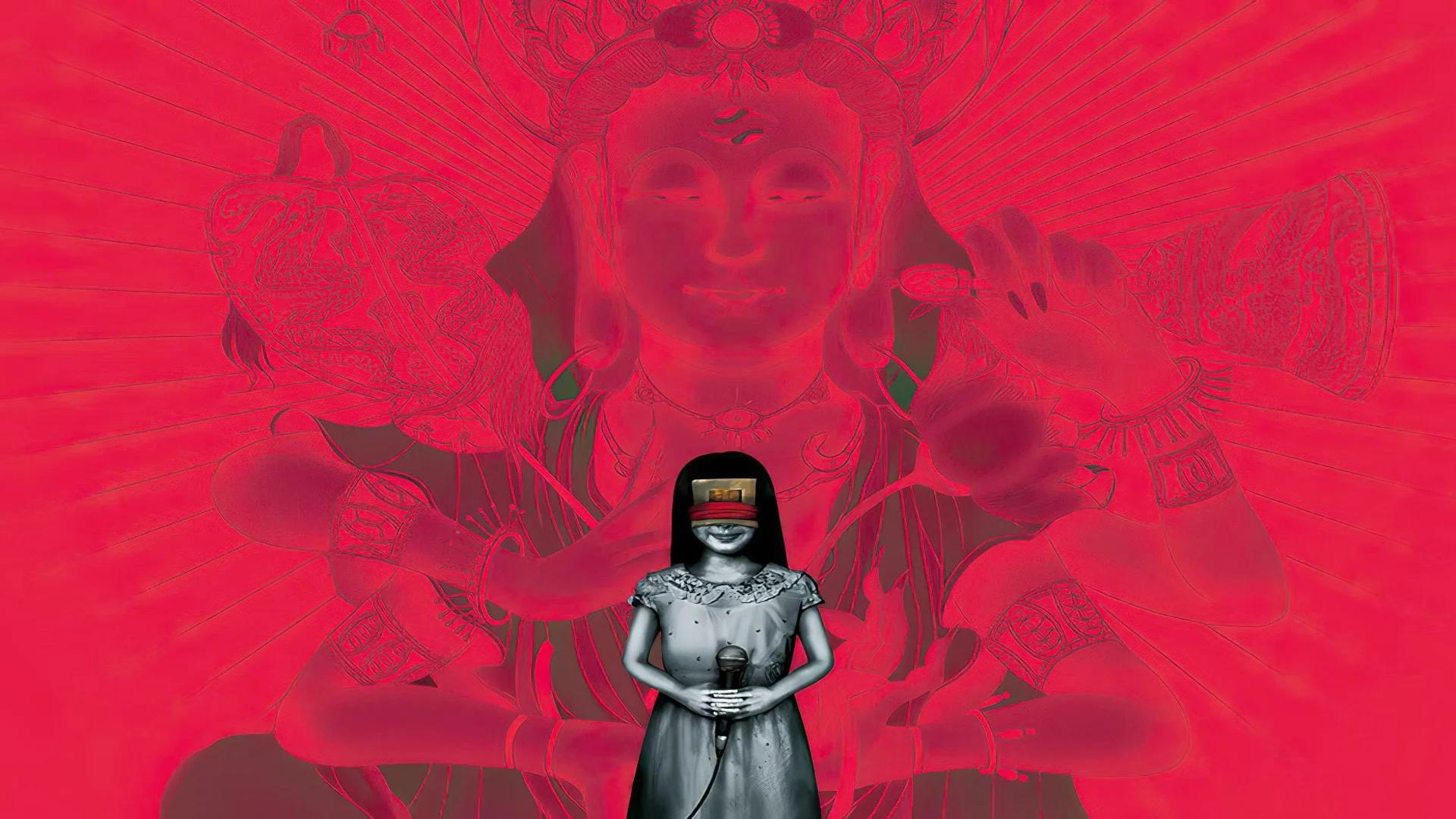
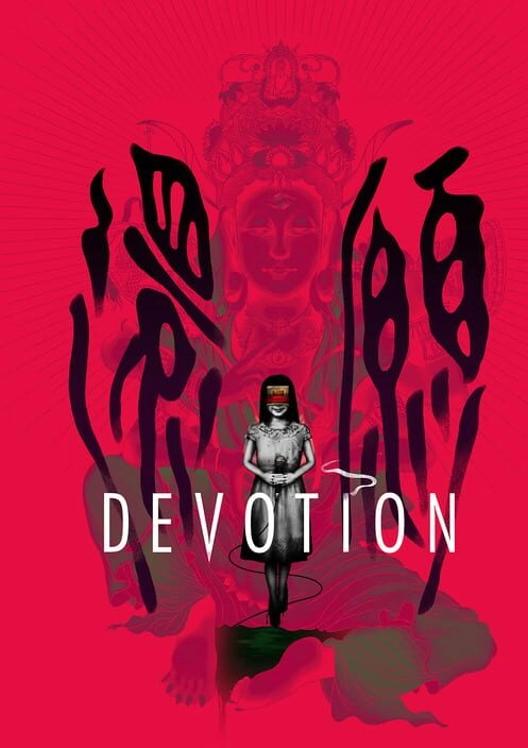
Devotion is the most difficult recommendation on this list to make, and I am making it anyway. The game is only available through the developer's own storefront after a complicated removal from Steam, which means some extra friction to get your hands on it. That matters and I will not pretend it does not. What you get on the other side of that friction is a first-person horror game set in 1980s Taiwan, built around a family unraveling under grief, faith, and pressure, with environmental storytelling that is among the best the genre has produced. The domestic horror of a home turning in on itself hits differently than monster-in-the-dark setups. Worth chasing down if you have the patience for a slightly non-standard purchase.
- Released
- 20192019
- Genre
- PuzzlePuzzle
- Platforms
- PCPC
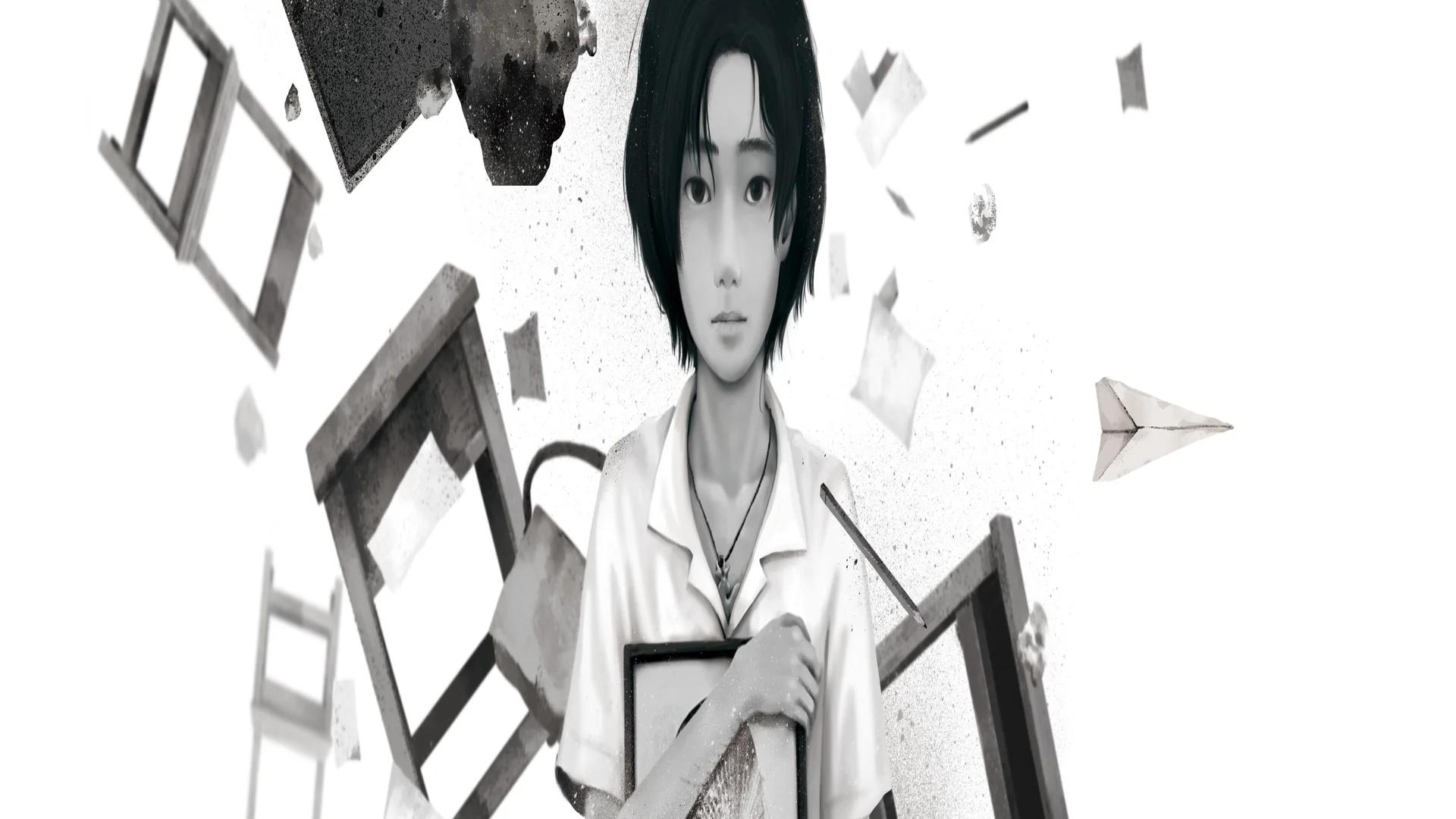
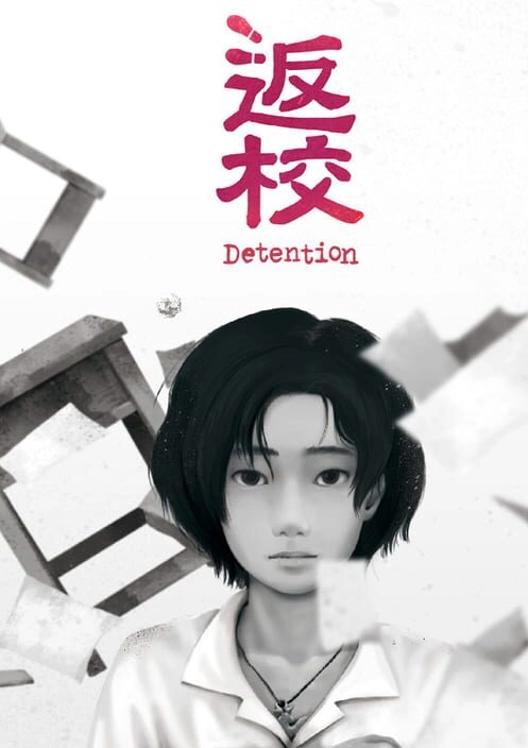
Red Candle Games made Devotion. Before that, they made Detention, and it is the reason I trust them with difficult subject matter. Set in 1960s Taiwan under martial law, it uses Taiwanese folklore and real political history as the architecture for its horror. The atmosphere is more literary than mechanical. There are not many chase sequences or monster encounters. The dread comes from understanding what the setting means and what the characters are carrying. I find that kind of horror, where the fear is inseparable from the human context behind it, harder to shake than anything a creature design can produce. It is quieter than most games on this list. Quieter, and in some ways more haunting.
- Released
- 20172017
- Genre
- AdventureAdventure
- Platforms
- Android, iOS, Linux, macOS, PC, PS4, SwitchAndroid, iOS, Linux, macOS, PC, PlayStation 4, Nintendo Switch
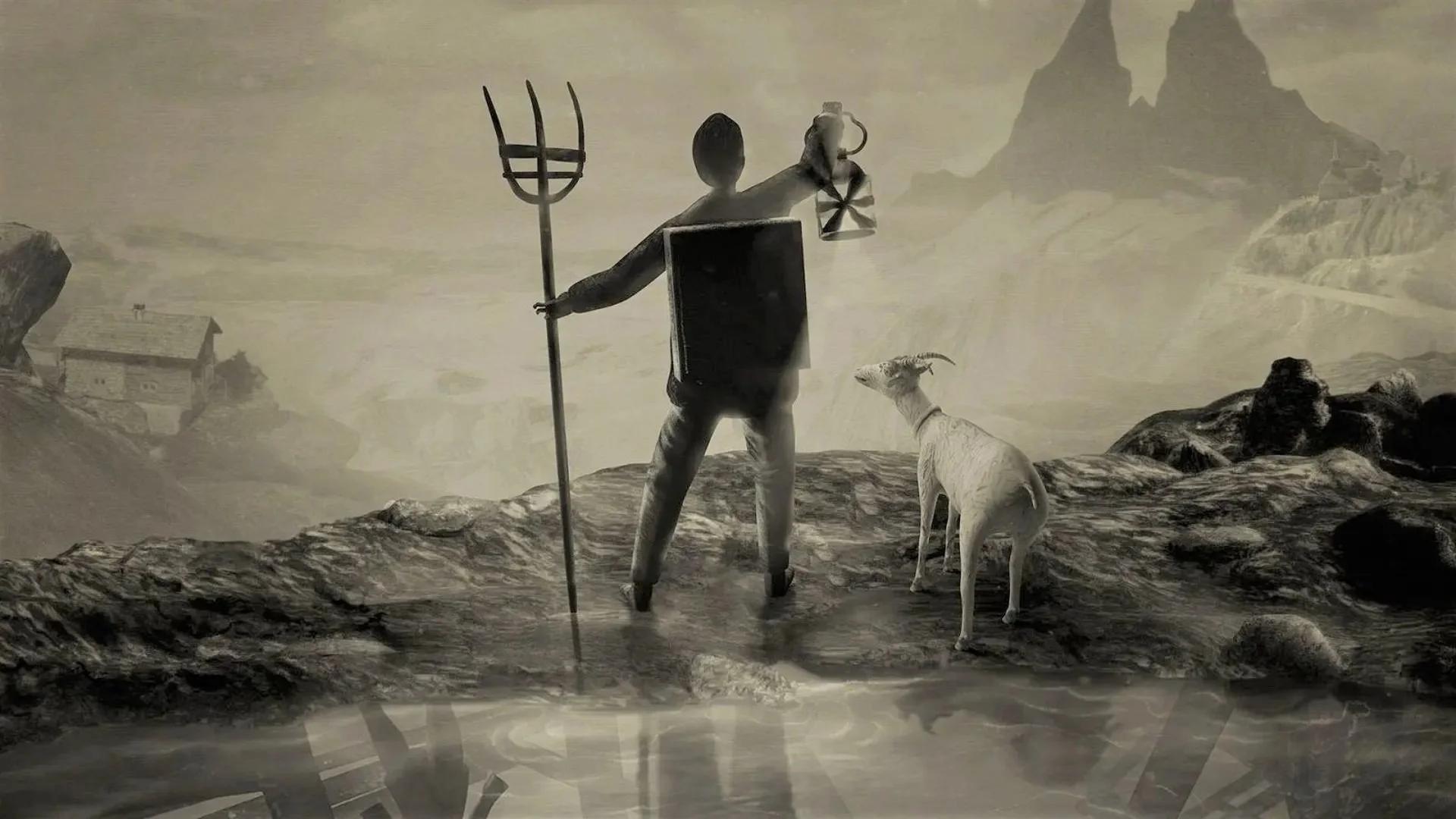
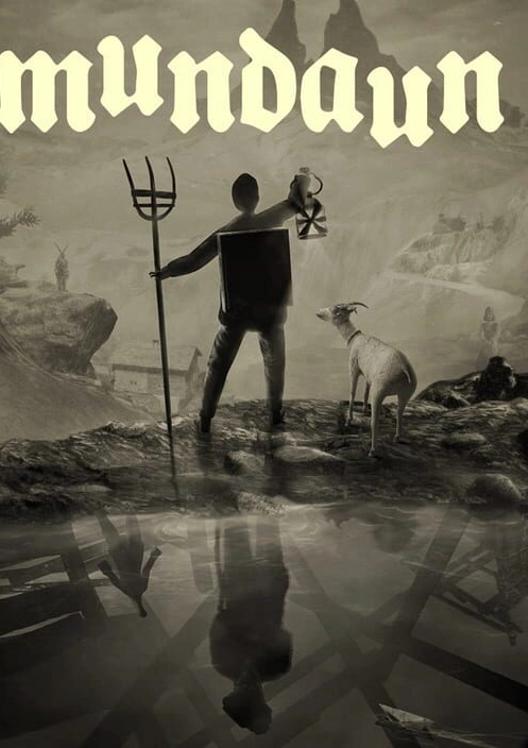
Every visual in Mundaun was hand-penciled by a single developer. You can feel that in every frame. The Swiss Alps setting is not a backdrop, it is the horror itself, a landscape of folklore and isolation that makes the mountain feel actively hostile before anything supernatural appears. I have a soft spot for horror that is grounded in a specific cultural mythology rather than generic darkness, and Mundaun has that in quantity. The game is slower than most entries on this list and the mechanics are rougher around the edges. It sits at ten for a reason. But as an auteur statement, as a piece of folklore horror that could not have come from any other source, it belongs here.
- Released
- 20212021
- Genre
- PuzzlePuzzle
- Platforms
- macOS, PC, PS4, PS5, Switch, Xbox One, Series X|SmacOS, PC, PlayStation 4, PlayStation 5, Nintendo Switch, Xbox One, Xbox Series X/S
Honorable Mentions
These games came close. Each one has a genuine case for inclusion, and each one is worth knowing about depending on what kind of horror you are after.
Lone Survivor is where a lot of people discovered that indie horror could hold its own against the genre's bigger names. The 2D side-scrolling setup, the resource scarcity, the psychological ambiguity about what is real and what is not, it laid groundwork that several games higher on this list built on. It did not make the top ten because the survival horror competition above it is simply stronger now. But if you want to understand the lineage of the games on this list, Lone Survivor is an honest starting point. Still available, still worth the few hours it asks for.
Fear and Hunger 2: Termina is not for most people. It is punishing in ways that feel deliberate rather than designed, its content is extreme, and its RPG systems will chew through casual players without apology. I put it in honorable mentions rather than the top ten because recommending it broadly is genuinely difficult. But its originality score is near-perfect for a reason. Nothing else in indie horror occupies the same space. If you want the most uncompromising, abrasive end of what the genre can produce, this is it. Go in knowing exactly what you are getting into.
The Mortuary Assistant is one of the most effective pure delivery systems for jump scares I have encountered in indie horror. The premise, routine embalming work disrupted by possession events, sounds like it should not work, and then the first hour proves otherwise. What keeps it out of the top ten is that the experience is fairly narrow. The scares are excellent. The surrounding game is thinner than the stronger entries above it. Worth playing on a dark evening if immediate tension is what you want, just do not expect the depth of something like Darkwood or Signalis.
14. IMSCARED
82%IMSCARED is a historical artifact that still works. The meta-horror trick of bleeding out of the game window and onto your desktop sounds gimmicky until it actually happens and you realize your pulse went up. It is short, rough around the edges by modern standards, and absolutely not the most sophisticated game on this list. But for players curious about how indie horror learned to break the fourth wall, it is the clearest example of where that tradition started. Worth an evening for the curiosity factor alone.
World of Horror runs on a roguelite structure built from Junji Ito-influenced short horror stories, and if that sentence made you lean forward, this game is probably for you. Each run assembles a different sequence of events from a pool of cosmic nightmares, and the deliberately retro interface makes everything feel like it was assembled in a cursed version of early desktop software. The abstract structure keeps it out of the top ten, it can feel distancing in a way that survival horror rarely does. But as a celebration of weird, systems-driven horror with unmistakable visual identity, it fills a gap nothing else on this list quite reaches.
Frequently Asked Questions
Common questions about finding and playing the best indie horror games.
What makes a horror game count as indie?
There is no clean legal definition, but for this list the standard is: developed by a small independent studio without major publisher funding driving the creative direction. Games from small AA studios that operate with genuine creative independence, like Frictional Games with the Amnesia series, qualify. Big-budget releases from major publishers do not, regardless of how they are marketed.
Are any of these games too scary for casual horror fans?
Darkwood and Amnesia: The Bunker are the most relentlessly tense entries on the list. If you are newer to horror games, Crow Country or Slay the Princess are more approachable starting points. They are still genuinely unsettling but less likely to make you put the controller down mid-session.
How long are most of these games?
Runtimes vary significantly. Mouthwashing runs around three hours. Slay the Princess can be completed in a similar window but has meaningful replay value across multiple runs. Darkwood, Signalis, and Crow Country run anywhere from eight to fifteen hours depending on how you play. Devotion sits around four to five hours.
Is Devotion actually available to buy?
Yes, but only through the developer's own storefront at redcandlegames.com rather than Steam. It is a straightforward purchase process, just not the usual one. The extra step is worth it if first-person psychological horror with strong environmental storytelling is what you are looking for.
Which of these games works best for someone with limited play time?
Mouthwashing, FAITH: The Unholy Trinity, and Crow Country are the most manageable for short evening sessions. All three are structured in a way that lets you make meaningful progress in an hour or two. Darkwood is the worst fit for short sessions because the atmosphere takes time to build and the day-night loop punishes interruptions.
Conclusion
Indie horror is in better shape right now than it has ever been. Signalis and Darkwood sit at the top because they earn it across every measure. But the range underneath them, from the folklore dread of Mundaun and Detention to the meta-horror of Slay the Princess to the lo-fi cursedness of FAITH, is what makes this corner of the genre worth paying attention to.
If you want to explore more of the horror landscape by platform or access, our Best Horror Games on PlayStation Plus and Top 10 Free Horror Steam Games guides cover different angles worth knowing about.
Ready for more tailored picks? Try our Recommendations Engine for suggestions that match your play style.