
The Steam Deck's best trick is turning the gap between dinner and bedtime into actual gaming time. I have a PS5 on a 55-inch OLED and I still reach for a handheld when I want to play something without committing the entire living room. But not every game translates. Text that was fine on a monitor becomes a squinting exercise at handheld size. Mouse-first UIs become a nightmare with thumbsticks. Great PC games can become genuinely frustrating Deck games if nobody thought about the controls. This list only includes games that hold up when you are actually holding the thing.
How We Ranked These Games
Overall game quality and Steam Deck usability each carried the most weight, because a technically compatible game that is miserable to play on handheld does not belong on a best-games list. Performance and stability came next, since frame drops and crashes hit harder when you are mid-session on a bus or a couch. Handheld session fit and genre variety rounded things out as tiebreakers, helping us avoid stacking the list with five roguelikes when there are excellent picks across other genres that earn their place just as honestly.
The Top 10 Best Steam Deck Games
These ten games represent the strongest across-the-board picks for Steam Deck play right now, spanning action, puzzle, farming, roguelike, horror-adjacent, and adventure genres.

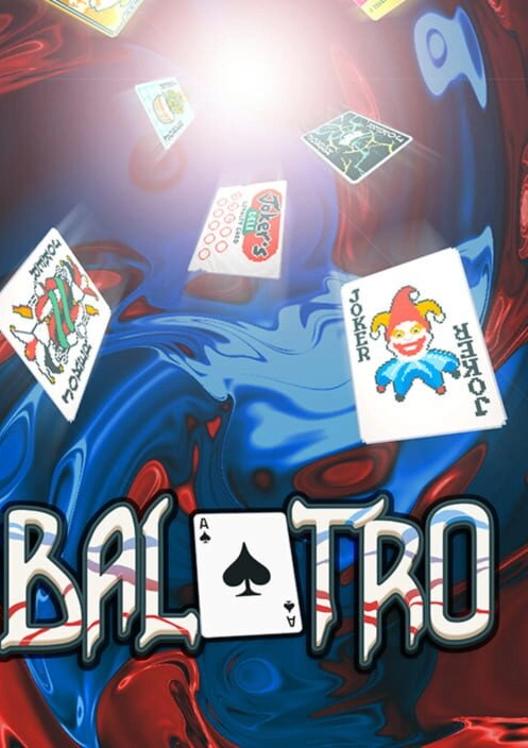
I do not usually go for card games. Then someone in my group mentioned Balatro at a LAN party and I installed it on a whim. An hour later I had missed the start of the session entirely. The runs are twenty to thirty minutes, the rules click within the first game, and the battery barely moves while you play. Suspend mid-run, pick it up on the train, finish it at lunch. That loop works on no other device as naturally as it does here. Controller readability is perfect, performance is essentially zero-cost, and the mechanical depth is quietly ridiculous. If you own a Steam Deck and install nothing else from this list, install this.
- Released
- 20242024
- Genre
- StrategyStrategy
- Platforms
- Android, iOS, macOS, PC, PS4, PS5, Switch, Switch 2, Xbox One, Series X|SAndroid, iOS, macOS, PC, PlayStation 4, PlayStation 5, Nintendo Switch, Nintendo Switch 2, Xbox One, Xbox Series X/S
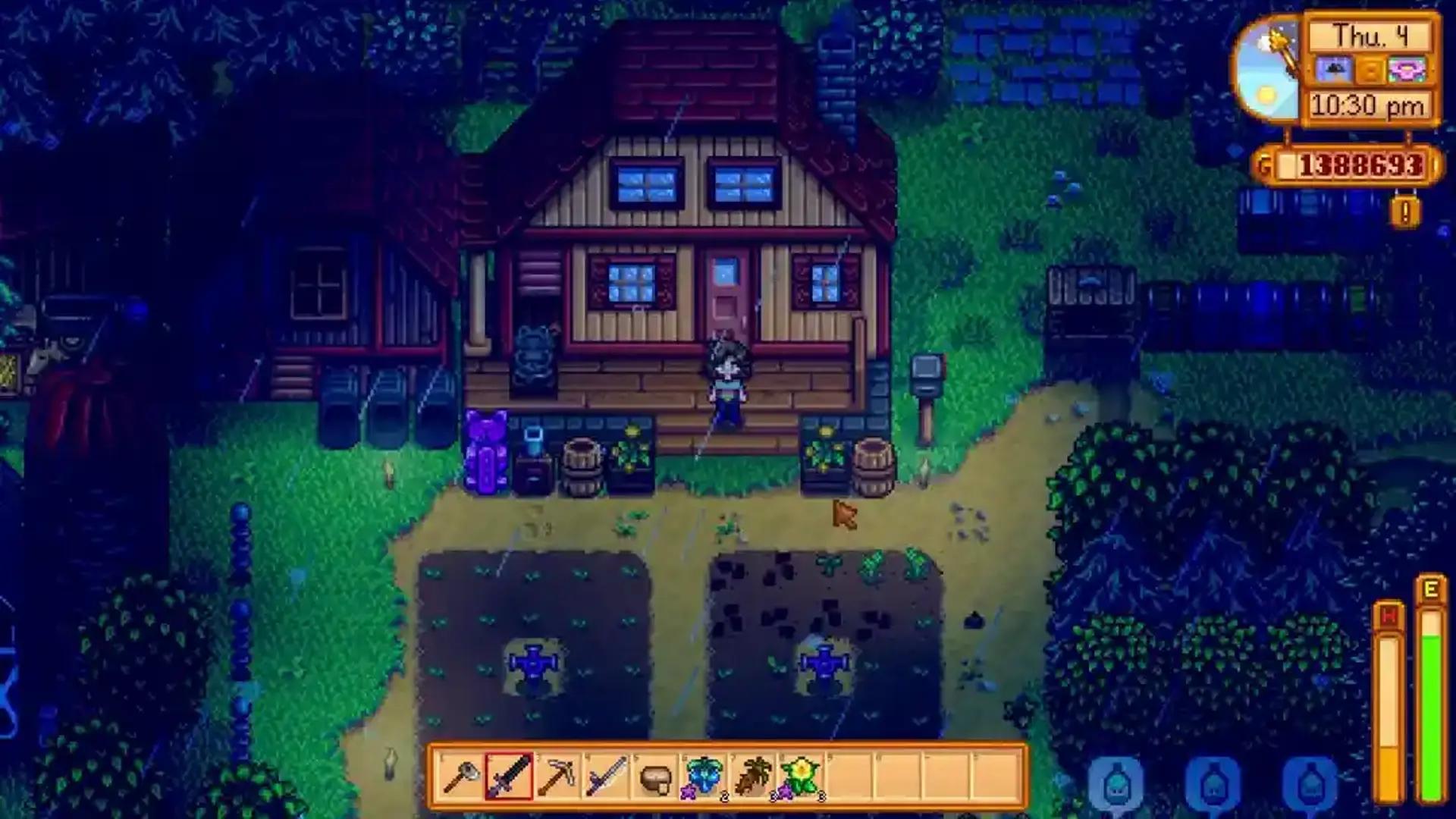
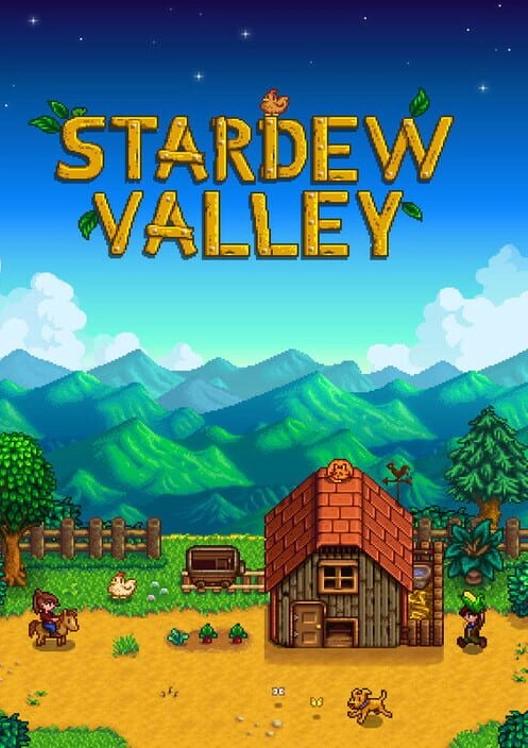
My wife played It Takes Two with me and Animal Crossing on Switch, which told me something: she engages with games that do not rush her. Stardew Valley is built around that exact rhythm. Each in-game day takes maybe ten minutes, you always have something small to do, and the whole thing is readable and welcoming at handheld size. I have played it both docked and handheld and the handheld version feels more natural, the way you might read a book rather than watch a film. It is also one of the few games on this list that works for almost any kind of player, which is why it sits this high.
- Released
- 20162016
- Genre
- RPGRPG
- Platforms
- Android, iOS, Linux, macOS, PC, PS4, Switch, Switch 2, Xbox OneAndroid, iOS, Linux, macOS, PC, PlayStation 4, Nintendo Switch, Nintendo Switch 2, Xbox One

Hades earns its reputation. Fast runs, tight controls, and a story that rewards repetition in a way most games completely fail to pull off. What makes it work specifically on Deck is that a run lasts roughly twenty to forty minutes and the controls were clearly designed around a pad from the start. Every button press does exactly what you expect. I compared it to Helldivers 2 in my head while playing: both reward coordination and fast decisions, but Hades does it solo and in a window of time that fits actual life. There is also no Early Access caveat here, no work-in-progress disclaimer. It is finished, polished, and one of the best games on this device.

- Released
- 20202020
- Genre
- RPGRPG
- Platforms
- iOS, macOS, PC, PS4, PS5, Switch, Xbox One, Series X|SiOS, macOS, PC, PlayStation 4, PlayStation 5, Nintendo Switch, Xbox One, Xbox Series X/S
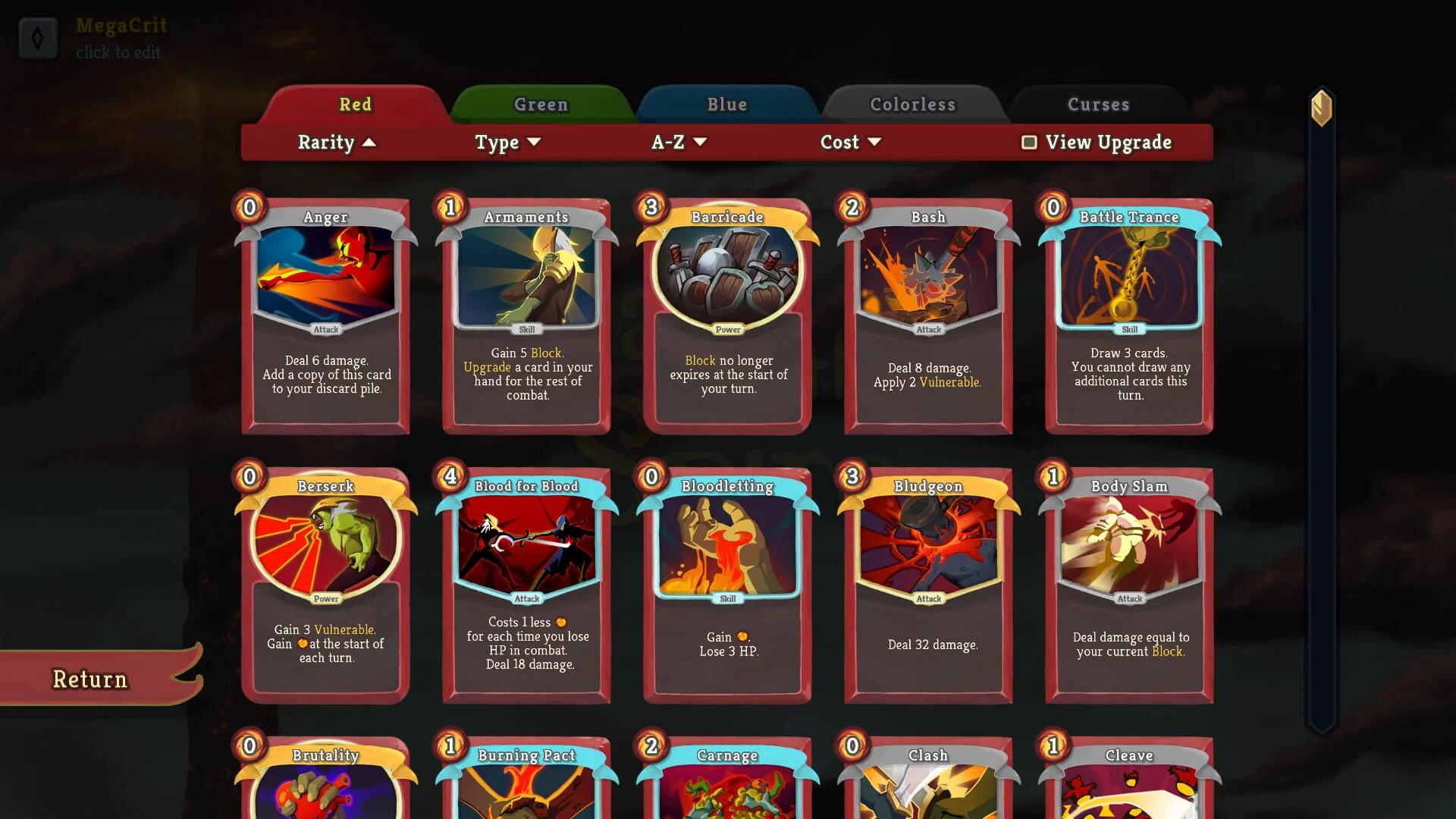
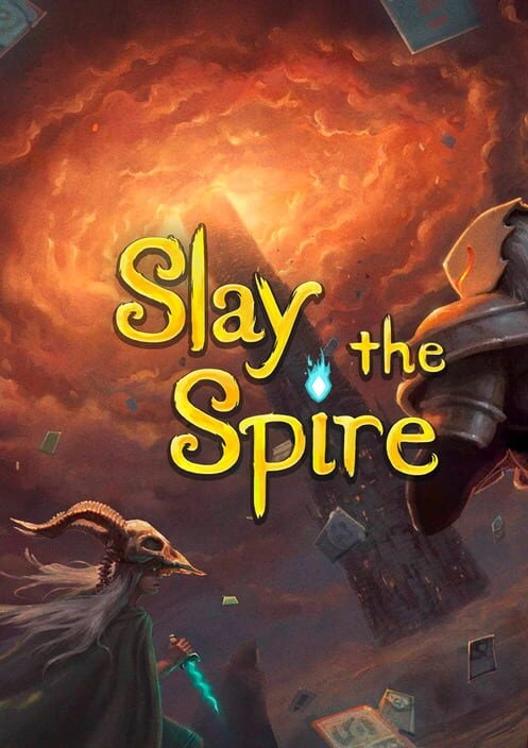
Turn-based games have an underappreciated advantage on handheld: nothing bad happens when you put the device down mid-turn to deal with a child, a dog, or a question from your partner. Slay the Spire was built for exactly this kind of interrupted play. The text is sharp, the UI is clean, and a run fits in the gap between other things. I played a lot of it in the kind of twenty-minute windows that are too short for most games and too long to waste. If Balatro is the card game that hooked people who do not like card games, Slay the Spire is the one that built the category. Both deserve a spot on this list.
- Released
- 20192019
- Genre
- RPGRPG
- Platforms
- Android, iOS, Linux, macOS, PC, PS4, Switch, Xbox OneAndroid, iOS, Linux, macOS, PC, PlayStation 4, Nintendo Switch, Xbox One

This one surprised me. I expected a relaxing fishing sim and got something with actual management depth, a running sense of humor, and a structure that was somehow perfectly calibrated for handheld sessions. You dive, you catch things, you run the restaurant at night, and then you do it again. Each loop is self-contained enough that you can stop cleanly without losing momentum. The controls are native and the UI is readable without squinting. It fills a lane on this list that nothing else quite covers: the mid-weight adventure game that is neither a roguelike nor a full RPG but still gives you something to care about every session.

- Released
- 20232023
- Genre
- RPGRPG
- Platforms
- Android, iOS, macOS, PC, PS4, PS5, Switch, Switch 2, Series X|SAndroid, iOS, macOS, PC, PlayStation 4, PlayStation 5, Nintendo Switch, Nintendo Switch 2, Xbox Series X/S

Portal 2 is old. It also runs at a locked frame rate on hardware from 2012, so the Steam Deck treats it like a light breeze. What makes it worth recommending now is how well the puzzle structure maps to portable sessions. Each chamber is self-contained, there is a clear sense of progress, and the writing holds up better than most games made a decade later. I am not going to pretend this was a discovery for me, I played it years ago, but replaying it on handheld reminded me that good design does not expire. The co-op campaign is also genuinely one of the best two-player puzzle experiences available on any platform.

- Released
- 20112011
- Genre
- PlatformerPlatformer
- Platforms
- Linux, macOS, PC, SwitchLinux, macOS, PC, Nintendo Switch

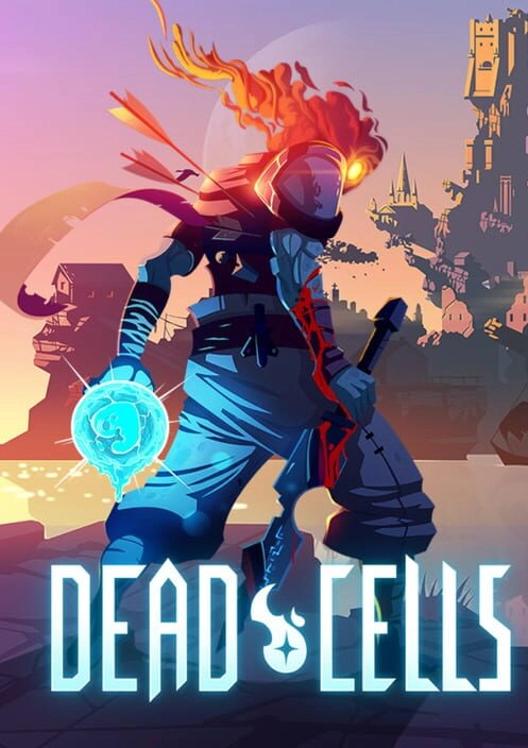
Dead Cells is fast. Not fast in the vague marketing sense but fast in the way that the character responds to input before your finger has finished moving. On a handheld that responsiveness matters more than it does on a couch with a big screen, because you are closer to the action and your reactions are the whole game. Runs are short, death sends you back quickly, and the progression system gives you a reason to go again even when you get wrecked. The difficulty is real, especially in the later biomes. If you bounced off Hades because the action felt too chaotic, Dead Cells is worth trying before you write off the genre.
- Released
- 20182018
- Genre
- PlatformerPlatformer
- Platforms
- Android, iOS, Linux, macOS, PC, PS4, PS5, Switch, Xbox OneAndroid, iOS, Linux, macOS, PC, PlayStation 4, PlayStation 5, Nintendo Switch, Xbox One

You move with the left stick. That is the primary input. Everything else is automatic. That sounds reductive until you are thirty minutes into a run and the screen is a wall of projectiles and your character is somehow surviving in the middle of it, and you realize you have been making decisions the entire time without consciously noticing. Vampire Survivors costs almost nothing, takes almost no storage, runs on almost no power, and is almost impossible to put down for the length of a single run. I put it at eight rather than higher because the game quality ceiling is below the top picks, but as a pure handheld experience it is elite.

- Released
- 20222022
- Genre
- RPGRPG
- Platforms
- Android, iOS, Linux, macOS, PC, PS4, PS5, Switch, Xbox One, Series X|SAndroid, iOS, Linux, macOS, PC, PlayStation 4, PlayStation 5, Nintendo Switch, Xbox One, Xbox Series X/S

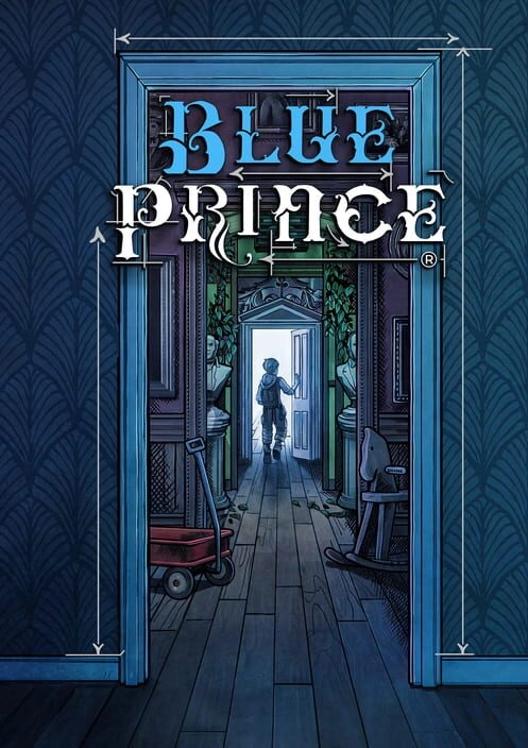
Blue Prince is the newest game on this list and it earns its spot on merit rather than novelty. The structure is room-by-room exploration with a mystery threading through every run, and the low-spec presentation means it handles suspend-and-resume without any drama. It carries a Playable rather than Verified label, but in practice the controller support is comfortable and the text stays readable. I kept thinking about it between sessions, which is not something I say lightly. My schedule does not have room for games that do not give me a reason to come back, and this one kept giving me one.
- Released
- 20252025
- Genre
- PuzzlePuzzle
- Platforms
- macOS, PC, PS5, Switch 2, Series X|SmacOS, PC, PlayStation 5, Nintendo Switch 2, Xbox Series X/S
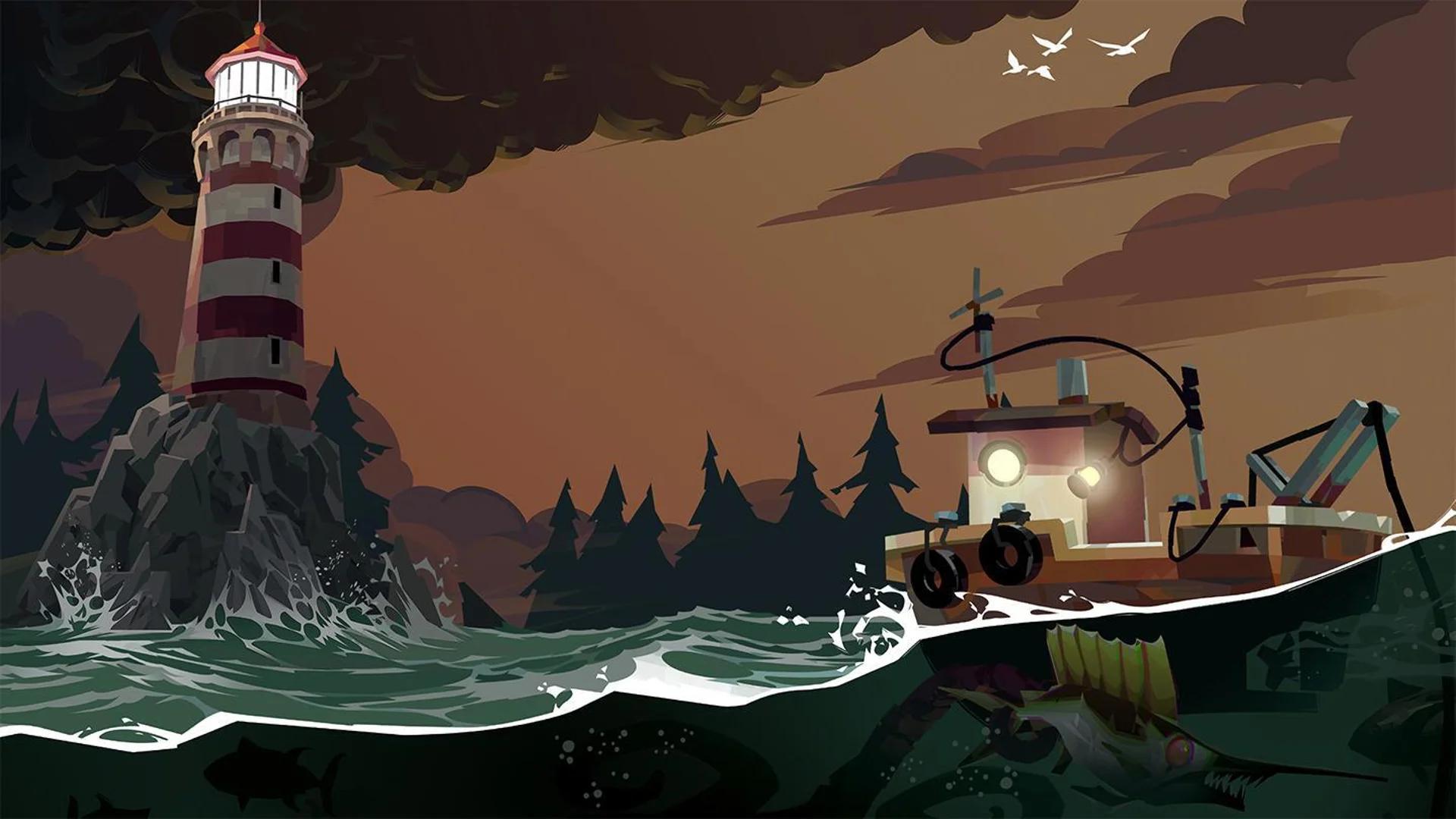
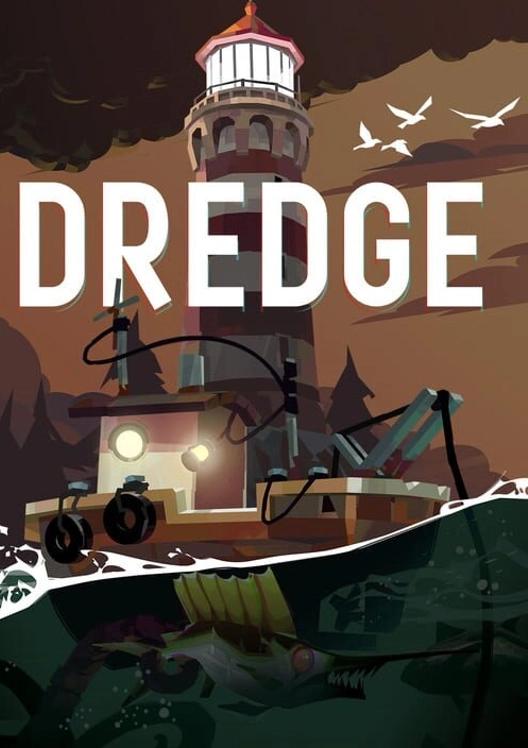
Fishing by day, something quietly unsettling by night. Dredge keeps its tone consistent and its sessions short, which turns out to be a strong combination on a handheld. Each trip out is fifteen to twenty minutes. You return to port, sell fish, upgrade your boat, and head out again. The atmosphere does something the genre description does not prepare you for. I am drawn to games with a strong visual identity, and Dredge has one: dark water, strange shapes at depth, a world that feels like it is keeping something from you. It is not a long game but it does not overstay its welcome, and that kind of restraint is genuinely rare.
- Released
- 20232023
- Genre
- RPGRPG
- Platforms
- Android, iOS, macOS, PC, PS4, PS5, Switch, Xbox One, Series X|SAndroid, iOS, macOS, PC, PlayStation 4, PlayStation 5, Nintendo Switch, Xbox One, Xbox Series X/S
Honorable Mentions
These five games missed the main list for specific reasons, but any of them could be the right call depending on what you are looking for.
Cult of the Lamb runs well, plays naturally on a controller, and switches between its combat runs and base-building loop in a way that keeps sessions interesting across different moods. It missed the main ten because the list already has strong roguelite representation, not because anything is wrong with the Deck experience. If you have already played Hades and Dead Cells and want something that adds a management layer to the action, this is the obvious next install.
12. Hades II
90%The combat feel is excellent and the run structure is exactly right for handheld play. I put it here rather than in the main list for one straightforward reason: it is still in Early Access. The original Hades is finished, fully polished, and one of the safest recommendations in gaming right now. Hades II is close to that level and may get there by the time you read this, but on an evergreen list the unfinished caveat matters. Watch for the 1.0 release and revisit.
Monster Hunter Rise is the right entry in the series for a Steam Deck list. Hunt missions take thirty to forty minutes and the controls translated from Nintendo Switch hardware with enough care that playing on Deck feels natural. It carries a Playable label and performs solidly at sensible settings. I kept it out of the main ten because the onboarding asks for patience that not every player will have, and the genre appeal is narrower than most other games ranked above it. For the right player, though, this is hundreds of hours of content in a form factor that actually suits it.
Keep Driving is a road-trip RPG where each leg of the journey is a contained run with decisions, encounters, and management elements woven in. It is newer than most things on this list and its critical profile is still building, which is the honest reason it sits here rather than the main ten. The portable rhythm is genuinely well-suited to handheld play and the low hardware demands mean it runs cleanly. Worth keeping an eye on if you want something recent and different.
Skyrim carries a Playable label on Deck and the experience is not quite as frictionless as the Verified picks at the top of this list. Some text runs small, performance can dip in dense areas, and the sheer scale of the game works against the pickup-and-put-down rhythm that Deck play favors. None of that stops it from being one of the most compelling open-world RPGs you can carry anywhere, and fantasy is my genre, so I have no interest in pretending otherwise. If you have never played it, or want to play it again somewhere other than your main screen, the Deck handles it well enough to justify the install.
Steam Deck Games per Type
This article covers the best games for Steam Deck overall, regardless of playmodes or genres. If you are looking for anything in particular, like shooters, open-world or maybe co-op. I wrote a couple of more detailed lists, and more still to come. Check them out below.



Frequently Asked Questions
Common questions about picking and playing games on Steam Deck.
What is the difference between Verified and Playable on Steam Deck?
Verified means the game passed Valve's full checklist: controller support works out of the box, text is readable at handheld size, and the game launches and runs without extra steps. Playable means it works but with minor caveats, maybe a few controls need manual remapping or some text is a little small. Most of the games on this list are Verified, and the Playable entries are ones where the real-world experience is still excellent despite the label.
Do I need an internet connection to play these games on Steam Deck?
Every game on this list works offline once downloaded. A couple support optional online co-op, but none of them require a connection to start or play through their core experience. That matters for travel, commutes, or anywhere your Wi-Fi is unreliable.
How long does the Steam Deck battery last with these games?
Lower-demand games like Balatro, Vampire Survivors, and Slay the Spire will stretch your battery to six or seven hours easily. Hades and Dead Cells sit in the middle, typically four to five hours. If you are on a long flight, start with the lighter games and work your way up. The Deck's per-game TDP controls also let you cap power draw manually if battery life matters more than visuals on a given session.
Can I play Steam Deck games on a TV or monitor?
Yes. The Deck outputs video via USB-C, and docked play with a compatible dock works for all of these. That said, this list was ranked with handheld play as the primary use case. Most of these games were chosen partly because they shine on the smaller screen, not just because they are great games in general.
Are there good co-op games on Steam Deck?
A few on this list support co-op. Portal 2 has an excellent online and local co-op campaign. Stardew Valley supports online and local wireless co-op. Vampire Survivors has local co-op. For a dedicated co-op session list, though, you would want a page focused specifically on that because the handheld screen and co-op requirements change the calculus quite a bit.
Conclusion
The Steam Deck has enough strong games at this point that the harder question is not whether there is anything worth playing, it is where to start. This list covers the best of it across genres, from a twenty-minute Balatro run before bed to a long Skyrim session on a weekend afternoon. There is no single game here that is right for everyone, but most people will find at least three on this list they will want to install immediately. Ready for more tailored picks? Try our Recommendations Engine for suggestions that match your play style.