
The Steam Deck is genuinely good at one specific thing: making long RPGs feel manageable again. Close the lid mid-dungeon, come back two days later, pick up exactly where you were. For someone who fits gaming into gaps between work and kids, that suspend-and-resume reliability changes how you relate to a 60-hour JRPG. I started paying attention to which RPGs actually work on the Deck, not just launch on it, and the gap between those two categories is bigger than most lists will admit.

How We Ranked These Games
RPG quality carried the most weight here, because a game that plays comfortably on handheld but is a mediocre RPG is not worth your time on any device. Steam Deck playability and handheld comfort together made up nearly half the score, covering real-world performance, controller feel, text readability, and how well the game handles being paused and resumed mid-session. How well a game fits the rhythm of portable play, including whether you can make meaningful progress in 30 minutes and actually remember where you were when you return, shaped the rest of the ranking alongside overall content depth.
The Top 10 Best Steam Deck RPGs
These ten earned their spots by being strong RPGs first and comfortable handheld experiences second. Both things had to be true.

“A gold-standard portable JRPG that barely compromises on Deck.”
Persona 5 Royal was the game that made me understand why portable RPGs are a different category entirely. Turn-based combat means closing the lid mid-fight costs you nothing. The Phantom Thieves' daily schedule gives every session a clear endpoint. The menus are crisp, the text is readable, the whole thing feels like it was designed for handheld first and TV second. It is a 100-plus hour JRPG that somehow never fights the format. Nothing else on this list scores this consistently across every criterion we used, which is why it sits at the top with no real argument against it.
“One of the smoothest long JRPGs you can possibly play on Deck.”
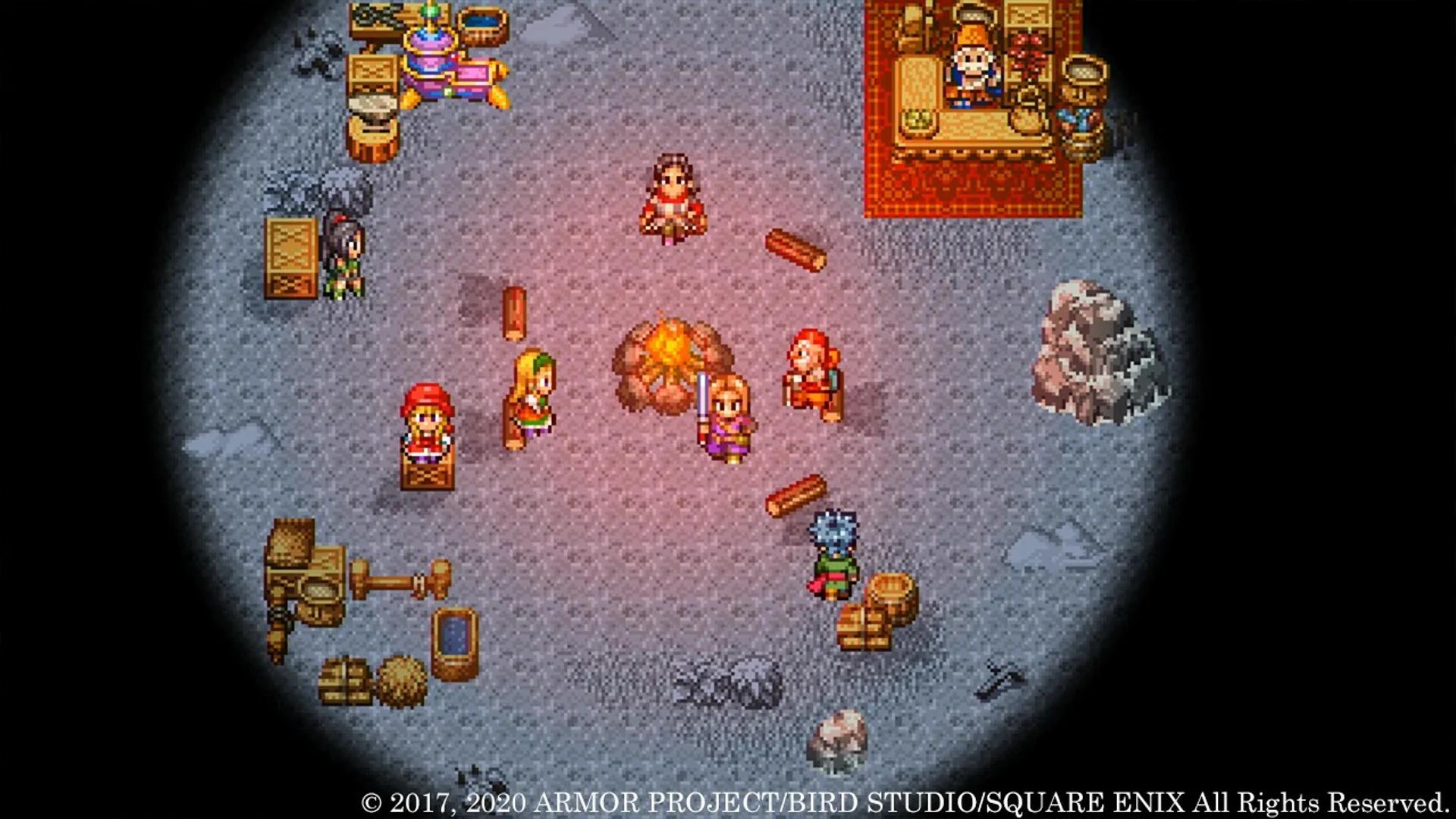
I know Dragon Quest XI S is not the flashiest recommendation. It does not have Persona's style or Elden Ring's prestige. What it has is this: you can pick it up after three days away, spend 30 minutes, and feel like you actually got somewhere. The world is bright and readable, the party banter makes you care about the cast, and the turn-based flow never asks more of you than you have to give on a given evening. It is the definition of low-friction long-form. For a time-constrained portable player, that is worth more than almost any other quality on this list.

“A literary masterpiece of role-playing that shines on handheld.”
There is no other RPG quite like Disco Elysium, and I say that having played through it twice. Your skills argue with each other out loud. Your detective's worldview shapes what dialogue options even appear. The role-playing is entirely in the conversation, not in the combat, which means this is the one game on the list where the genre label almost undersells it. On Deck it runs near-perfectly, battery draw is minimal, and suspending mid-conversation picks up without a hiccup. One genuine caveat: the text is dense. This is a reading game. If you want to play lying down with the Deck six inches from your face at 11 PM, the font will eventually test you.

“Big-hearted turn-based chaos that feels fantastic on Deck.”
Yakuza: Like a Dragon pulled me in directions I did not expect. I went in knowing the series had a reputation for tonal whiplash, serious crime drama interrupted by a minigame about racing toy cars, but Like a Dragon commits to its JRPG pivot with such warmth that it works. Ichiban Kasuga is one of the genre's best protagonists in years. The job system gives you something to tinker with between story beats, and story beats come often enough to keep shorter sessions feeling satisfying. Controls are confident on the Deck, and nothing here will leave you squinting at menu text from two feet away.
“A classic JRPG double-pack that feels born for handhelds.”
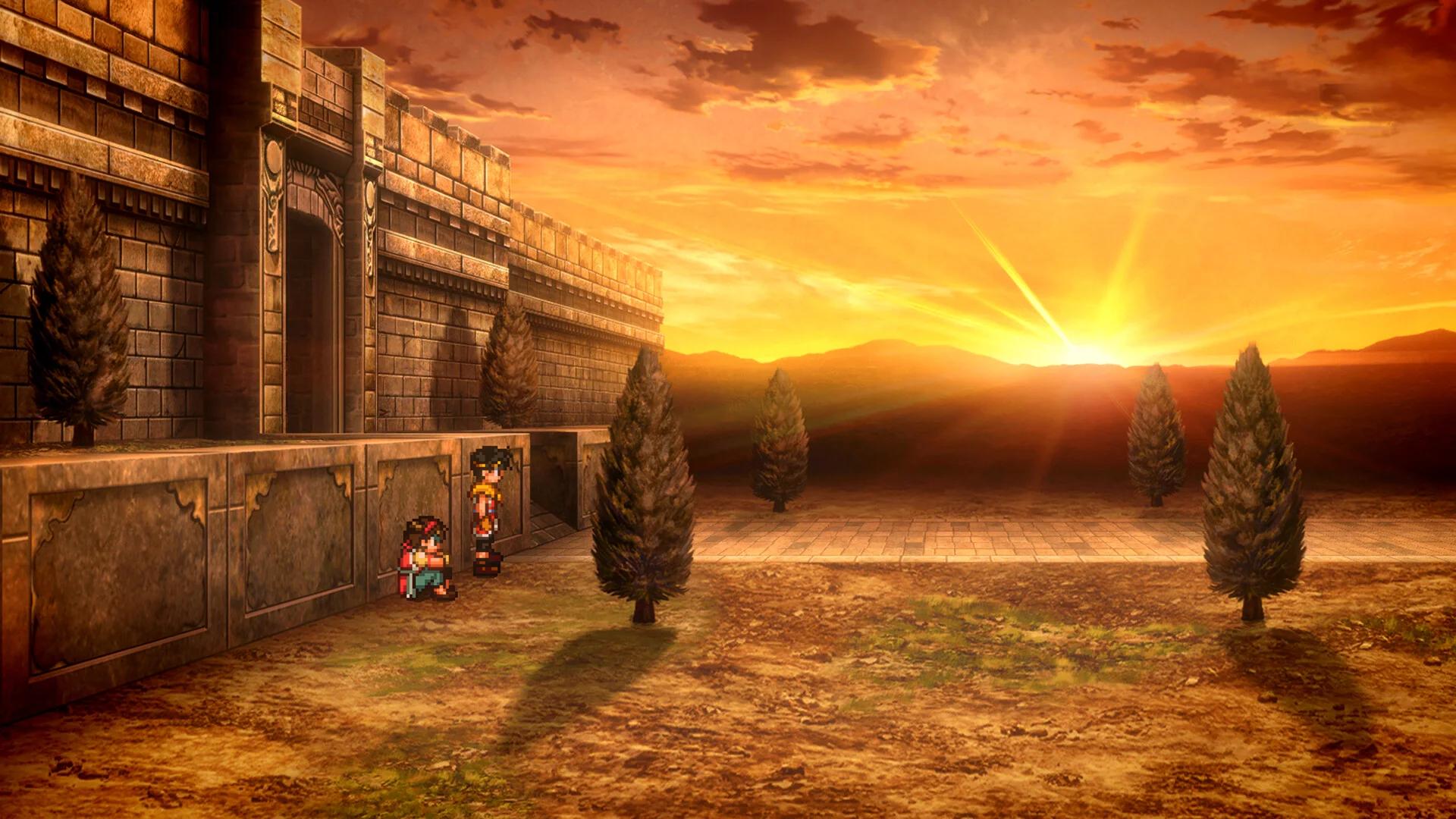
Two full JRPGs in a single package, both remastered to be genuinely readable on modern hardware. I did not grow up with the original Suikodens, so coming in fresh is a real option here, and the remaster does the work of making the experience comfortable rather than nostalgic homework. What strikes you immediately is how confident the pacing is. These games trust you to get invested without six hours of tutorial. The first one runs about 20 hours, the second longer, and both sit on the Deck like they were always meant to. Efficient, story-driven, and exactly the kind of discovery this format is good for.

“A gorgeous HD-2D JRPG that thrives in portable sessions.”
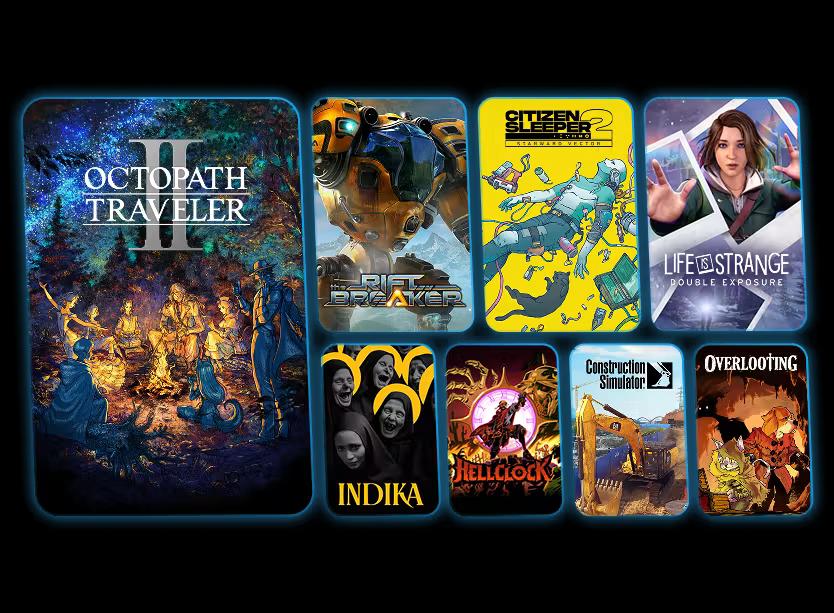
The HD-2D visual style Square Enix has been building for years looks better in your hands than it does on a TV screen. I noticed this immediately: the layered pixel art and depth-of-field effects are more impressive when the display is six inches from your face than when it is filling a 55-inch panel across the room. Octopath Traveler II takes that visual identity and wraps it around a turn-based system with real teeth, built around exploiting enemy weaknesses and stacking your party's strengths. The eight-character structure means you can dip into one storyline, complete a chapter, close the lid, and feel like you spent your evening well.

“An indie JRPG gem that feels almost perfect on Deck.”
Chained Echoes was made by one person over several years, and the confidence of the design does not reflect that at all. It plays like someone who loved 16-bit JRPGs decided to strip out everything that was padding and keep only what was good. Combat has an overheat mechanic that keeps encounters from going on autopilot. The world opens gradually without handholding you to death. On Deck it runs without breaking a sweat, font is clear, and sessions flow at whatever length you give them. I would put this ahead of several better-known titles on a pure fun-per-hour basis. Not flashy. Just quietly excellent.
“A modern action-RPG masterpiece that still travels remarkably well.”
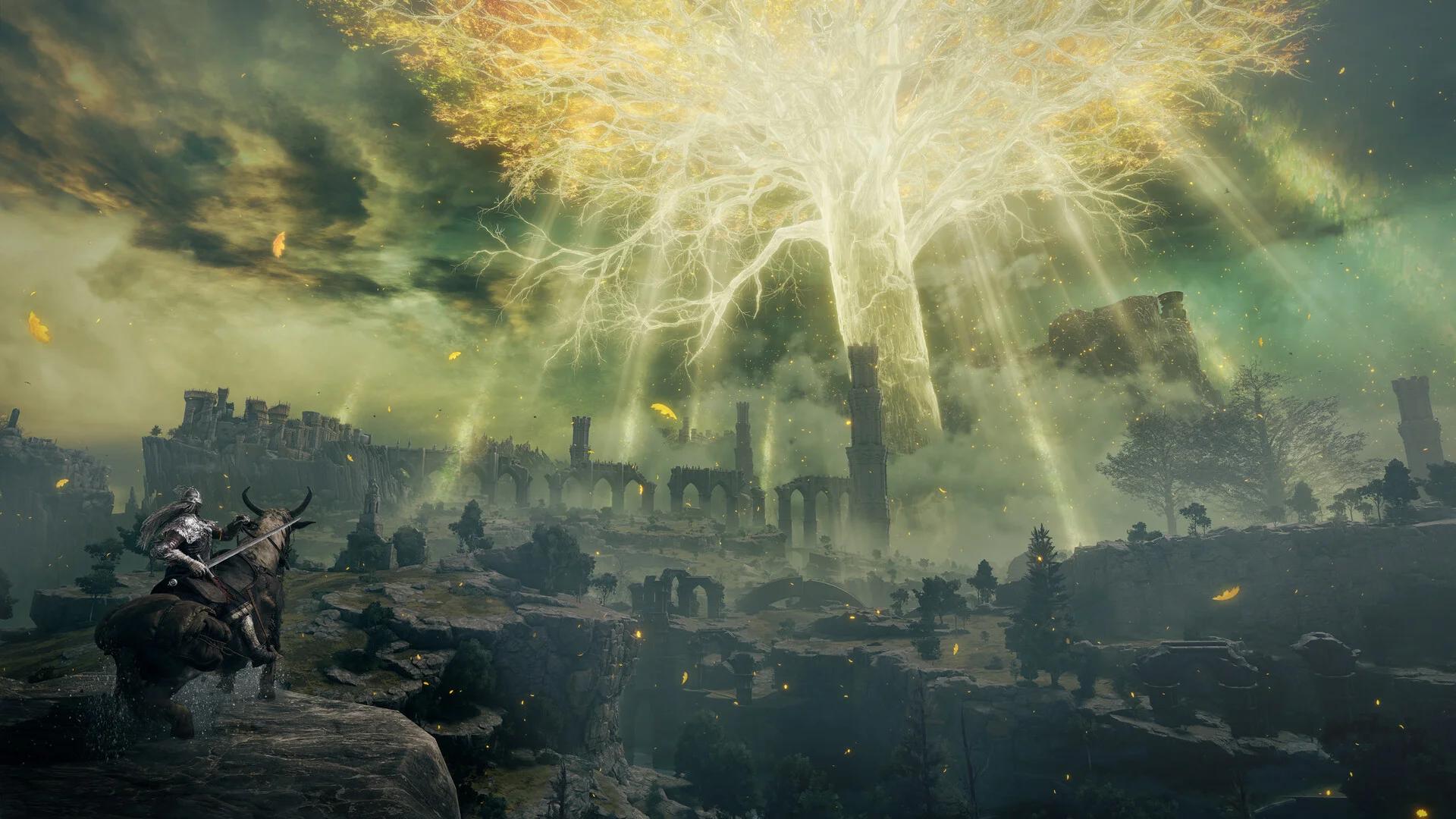
Elden Ring at rank eight feels almost wrong, and I understand why. It is the best action RPG of its generation. The build variety alone could absorb weeks. But the Deck ranking reflects the honest reality: battery life is shorter than everything above it, the open world can be disorienting to re-enter after a two-day break, and grace points are not always close when you need to put the thing down. None of that stops it from being worth installing. Exploring the Lands Between in handheld mode, sitting on the couch with the sound through headphones, has its own particular satisfaction. It just asks a bit more of the hardware and a bit more of your attention than the cleaner portable picks.

“A story-rich tactical RPG that feels superb in stop-start play.”
Tactical RPGs suit the Deck format for one simple reason: a battle takes 20 to 40 minutes, has a clear resolution, and then the game gives you narrative context before the next one. That structure is ideal for portable play. Triangle Strategy builds on that rhythm with political storytelling that actually respects your intelligence, choices that carry real weight across the campaign, and a visual style that reads cleanly even when you are managing a grid full of units. It is slower and more deliberate than most of the list, which is either the reason to play it or the reason to skip it depending on your mood. I find deliberate relaxing.
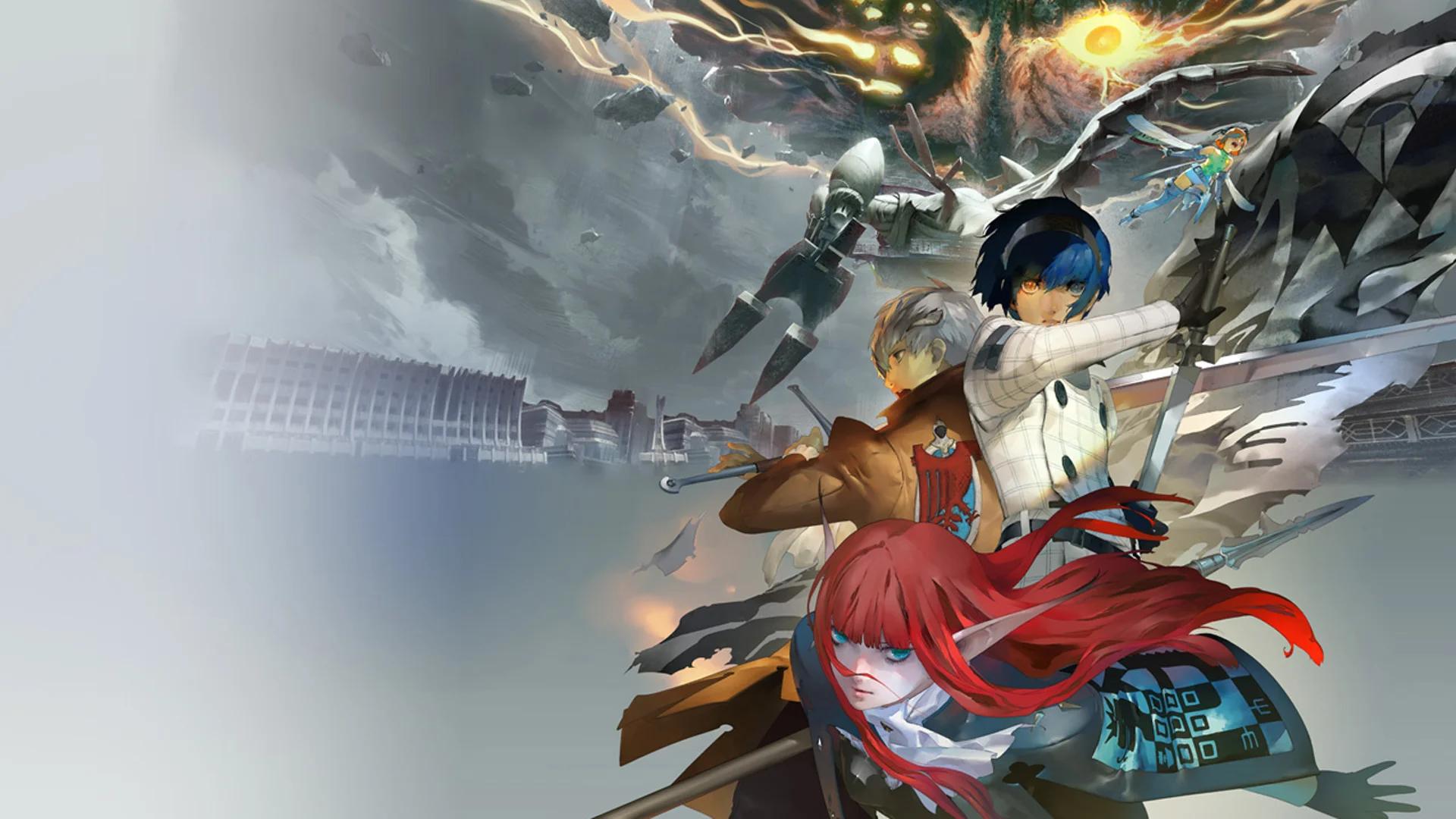
“Atlus grandeur in a fantasy key, with strong Deck viability.”
Metaphor: ReFantazio is the most recent game on this list with genuine top-tier RPG ambitions, and it mostly delivers. The archetype system lets you mix-and-match class abilities in ways that reward experimentation, the world-building is doing something more original than its surface-level fantasy trappings suggest, and the Atlus structure of managing your calendar between dungeons translates well to handheld sessions. It sits at ten rather than competing with Persona 5 Royal at the top because the Deck has to work harder to run it, and the interface is a touch denser. Worth it for the RPG quality, just with slightly more thermal awareness required.
Honorable Mentions
These five games narrowly missed the top ten for specific reasons, but each has a real case for someone with the right priorities.
Rune Factory: Guardians of Azuma did not crack the top ten because the RPG credentials, while genuine, sit lighter than most of the main list. But the portable fit is nearly perfect. Farming, combat, questing, and relationship systems all operate on daily loops that feel made for 30-minute sessions. Pick it up, do a day or two in-game, put it down. Nothing is lost, everything carries forward. If that kind of cozy-but-progressive structure appeals to you more than a traditional party RPG, this is the 2025 release worth knowing about on Deck.
Fantasy Life i has the most effortless portable feel of anything in this list. It is immediately comfortable, the class-swapping system gives you something to chase, and the pacing respects your time. Why is it an honorable mention rather than a top-ten pick? Because the RPG systems, while present, are softer than the competition. This sits closer to an RPG-adjacent life sim than a true party RPG, which matters on a page specifically about RPG recommendations. If the cozy angle is what you are looking for and the strict genre line is not your concern, the Deck suitability alone makes it worth the look.
Divinity: Original Sin 2 is a stronger RPG than several games in the top ten. The tactical combat, the environmental interactions, the party build depth, all of it is exceptional. The reason it is here rather than there comes down to one thing: the UI was built for a mouse, and even with good controller support, navigating inventory and ability trees on a handheld screen requires patience. This is still a very good Deck game, particularly for turn-based CRPG fans who have already exhausted the other options. Just go in knowing it asks more of you than the turn-based JRPGs above it.
Ys X: Nordics plays exactly like you want an action JRPG to play on a handheld: fast, responsive, generous with checkpoints, and never demanding more system resources than the Deck can comfortably provide. The Falcom formula is reliable in the best way. Combat has snap to it, the buddy mechanic with Karja adds real variety, and the overall RPG structure is more substantial than the breezy tone implies. It narrowly missed the main list because the RPG depth does not quite compete with the top ten overall, but for pure action JRPG comfort on Deck it is one of the best current options.
Clair Obscur: Expedition 33 is the most exciting new RPG of 2025 and it probably belongs on a future version of this list at a higher rank once the community has spent more time with it on Deck. The turn-based combat has a real identity, the art direction is striking, and the party progression rewards the kind of long-session investment that suits an RPG. It sits here rather than in the top ten because it is a heavier production that works the hardware harder and the Deck playability is not quite as frictionless as the established picks. Give it time. This one is going to age well on the platform.
Frequently Asked Questions
A few questions that come up regularly when people are choosing RPGs for Steam Deck.
Do RPGs with lots of text work well on the Steam Deck screen?
Most turn-based JRPGs and narrative RPGs on this list have been confirmed to read clearly on the Deck screen. Disco Elysium is the one exception worth mentioning: its text density is high and the font is small. It is still playable, but if you have any sensitivity to small type on a handheld, factor that in. Everything else on this list reads comfortably.
Which games on this list are best for short sessions?
Persona 5 Royal, Dragon Quest XI S, Chained Echoes, and Triangle Strategy all have excellent save structures that reward 30-to-45-minute sessions. Elden Ring is the trickiest for short bursts because finding a grace point before closing the lid takes some awareness, though it is far from impossible.
Is Elden Ring actually good on Steam Deck given the battery drain?
Yes, with a caveat. Battery life runs roughly two to two and a half hours at standard settings, which is shorter than the turn-based picks on this list. If you cap the frame rate at 40 and drop a few settings, you can push that closer to three hours. The game itself handles beautifully with the Deck's controls, so the trade-off is worth it if you know what you are signing up for.
Are any of these games available on Game Pass or as free-to-play?
None of the games on this list are free-to-play. A few appear on PC Game Pass at various times, including Elden Ring periodically, but availability changes. All of them are available for outright purchase on Steam, which is the most reliable route for Deck owners.
What should I play first if I am new to RPGs on Steam Deck?
Start with Dragon Quest XI S or Yakuza: Like a Dragon. Both are welcoming to newcomers, have excellent controller support out of the box, and give you clear objectives every time you pick them back up after a break. Neither punishes you for putting them down for a few days.
Conclusion
The ten games on this list represent the strongest case for the Deck as an RPG machine. Some of them are comfort-food handheld classics. Some are technical showcases that still travel well. A few surprised me with how naturally they fit the format. Whatever kind of RPG you are looking for, the list above has something that earns real time on that screen. Ready for more tailored picks? Try our Recommendations Engine for suggestions that match your play style.