
If Baldur's Gate 3 hooked you and your co-op partner and you've already finished it, Divinity: Original Sin 2 is the obvious next stop, same studio, same tactical DNA. I went back to it after wrapping BG3 with a friend, mostly out of curiosity, and the turn-based combat scratched an itch real-time-with-pause never quite reaches. This runs on PS4 backward compatibility rather than a native build, and the UI reminds you constantly, small text, a lot of menus before a fight makes sense. Split-screen is dynamic, same as BG3, splitting when you separate and merging back when you're together. It's a heavier lift than most of this list. Worth it, if you've got the patience.
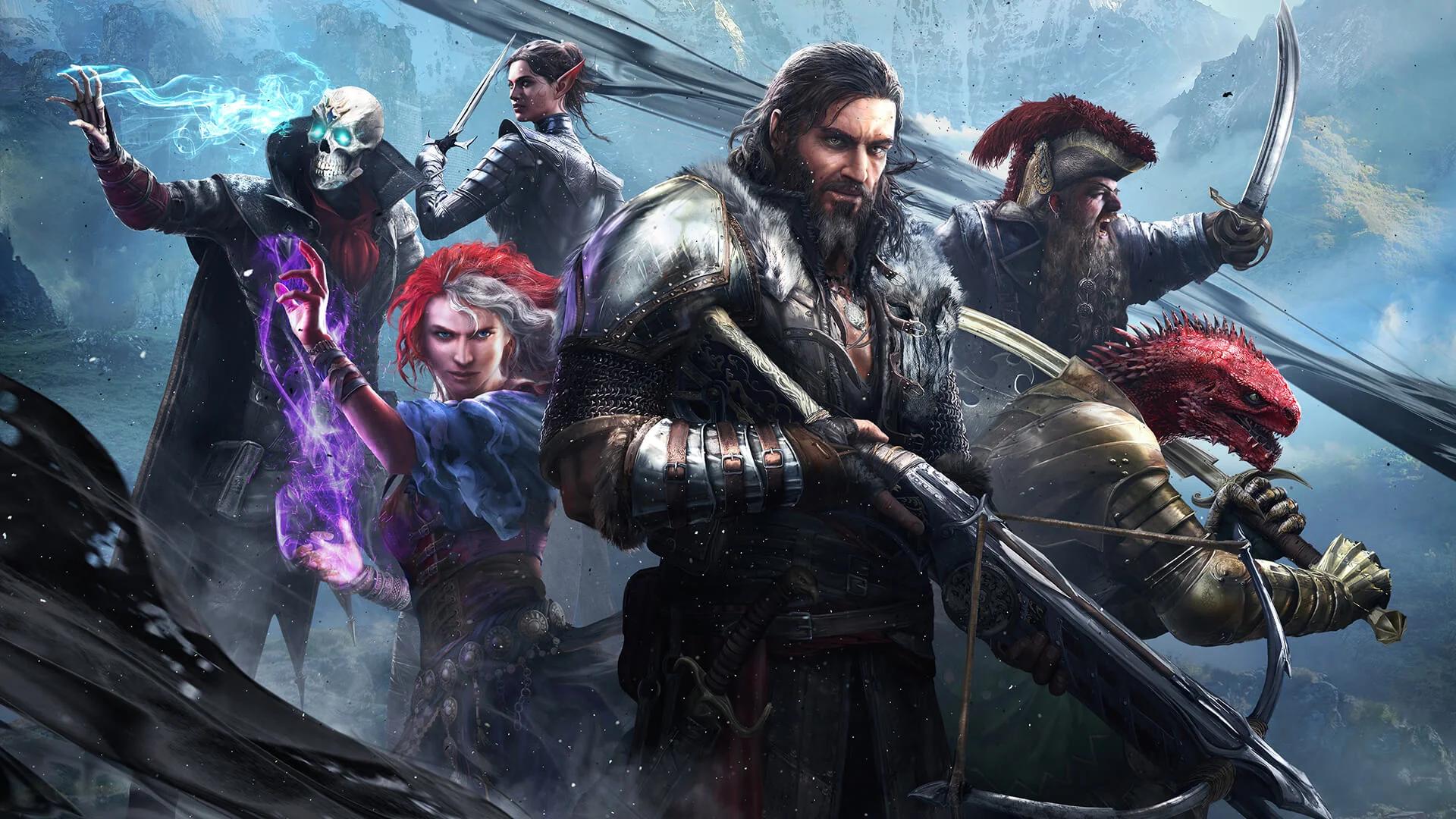
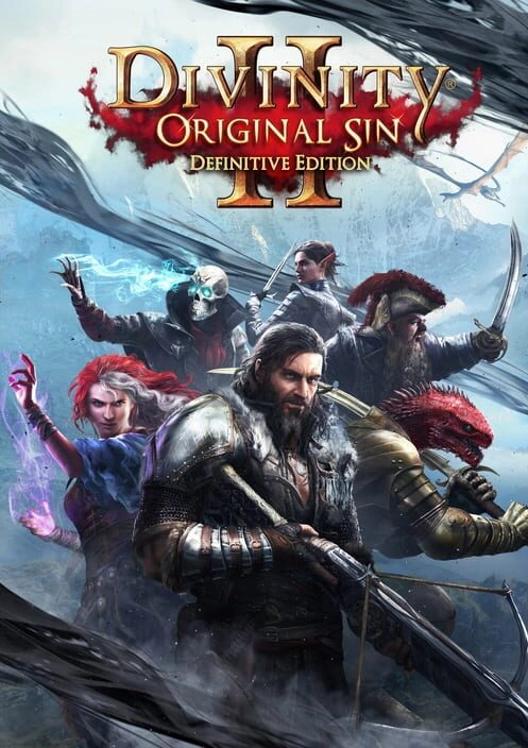
Divinity: Original Sin 2 - Definitive Edition
August 31, 2018RPGESRB MMetacritic 94
The Verdict
Best if you want a 100+ hour tactical RPG where environmental combos, deep character building, and true co-op freedom create emergent moments that reward creativity and coordination over reflexes.
What It's Like to Play
Divinity: Original Sin 2 delivers turn-based combat that feels like a sandbox. Rain makes surfaces wet, lightning electrifies puddles, fire creates steam, and teleporting enemies into your traps never gets old. Every encounter becomes a puzzle where positioning, elemental synergies, and clever use of height advantages matter more than gear score. The combat system rewards experimentation—discover that oil barrels explode, that you can freeze blood pools, or that your co-op partner can teleport you across chasms, and suddenly each fight opens dozens of tactical paths. The character-building depth rivals pen-and-paper RPGs. Instead of rigid classes, you mix combat schools, civil abilities, and talent perks to sculpt builds that feel yours. Want a necromancer who summons bone spiders while wielding a two-handed axe? A rogue who teleports enemies into traps while pickpocketing mid-combat? The system accommodates wild creativity, and respeccing midway through lets you pivot without restarting. What elevates this above solo CRPGs is how co-op weaves into every system. Partners can split the party to explore separately, debate dialogue choices through a rock-paper-scissors minigame when you disagree, and coordinate combo attacks that feel like shared victories. One player might charm an enemy while another sets up a massive AOE; you're genuinely playing together, not just occupying the same map. The learning curve is steep. Expect to spend your first few hours parsing tooltips, understanding action-point economy, and learning which status effects counter others. Combat on Classic difficulty punishes sloppy positioning and poor builds, though Explorer mode eases the pressure for groups focused on exploration and choice. Sessions naturally chunk into 45–90 minute quest arcs, though quicksaves let you drop out anytime. Pacing slows during the dense opening act as you learn systems and explore the starter island. Once the world opens, the campaign sprawls across four massive acts with minimal handholding—you'll consult journals, experiment with solutions, and occasionally hit difficulty spikes that demand tactical rethinking or side-questing for levels. This freedom feels liberating for patient groups but can overwhelm those expecting tighter guidance.
Best For
- CRPG veterans seeking the deepest tactical RPG on Switch
- Co-op duos wanting a 100+ hour shared campaign with meaningful choices
- Players who love environmental combos, build theory, and emergent sandbox combat
Not For
- Anyone expecting fast-paced action or simple mechanics
- Players frustrated by trial-and-error learning or minimal hand-holding
- Those needing large text or smooth handheld performance
About Divinity: Original Sin 2 - Definitive Edition
At a glance
- Released
- August 31, 2018
- Platforms
- iOS, PlayStation 4, Nintendo Switch, PC, macOS, PlayStation 5, Xbox One, Xbox Series X/S, Nintendo Switch 2
- Genres
- RPG, Strategy, Adventure
- Play modes
- Single Player, Multiplayer, Co-op, PvP, Online Multiplayer, Local Couch Co-op, LAN Multiplayer, Split-Screen, Shared Screen
- Age rating
- ESRB M
- Time to beat
- ~135 hours
- Multiplayer
- By platform
- Metacritic
- 94
- Player rating
- 4.6
Screenshots
Click any screenshot to view it full size.
How long to beat
Player-reported completion times for Divinity: Original Sin 2 - Definitive Edition.
- Rushed
- 57hoursMain story only
- Typical
- 135hoursStory plus some extras
- Completionist
- 353hoursEvery side objective too
Estimated from 5 player reports — a small sample, so treat these as approximate.
Multiplayer by platform
How Divinity: Original Sin 2 - Definitive Edition supports playing with other people, broken down per platform.
| Platform | Local | Online | LAN | Split-screen | Co-op campaign | Drop-in/out |
|---|---|---|---|---|---|---|
| Nintendo Switch | No | Yes, up to 2 players | No | No | Yes | No |
| PC | Yes, up to 2 players | Yes, up to 4 players | Yes | Yes | Yes | Yes |
- Supported (a number is the player cap)
- Not supported
- Not documented for this platform
CrossplayNo Crossplay
Team sizes · Co-op up to 4; PvP up to 4 FFA
Main campaign fully playable in co-op for up to 4 players online or via LAN, or 2 players in local split-screen on one system. Drop-in/drop-out co-op supported. Console versions support 2-player split-screen co-op; online play requires Xbox Live Gold or Game Pass Core on Xbox and PlayStation Plus on PlayStation. No cross-play between platforms. Includes PvP Arena and Game Master modes that also support up to 4 players.
Age ratings
How rating boards around the world have classified Divinity: Original Sin 2 - Definitive Edition. Open a board for its content descriptors.
CEROZ
- Violence
ESRBM
- Violence
- Blood and Gore
- Language
- Sexual Themes
GRAC15+
- Alcohol, Tobacco, Drug
PEGI18
- Violence
Edition and platform notes
Which version to buy, and what differs between platforms.
Which Edition to Buy
The Definitive Edition includes all post-launch content, rebalanced encounters, expanded endings, and quality-of-life improvements. This is the complete version with no additional purchases needed.
Platform Recommendations
Switch performance is stable docked but can stutter in complex encounters or crowded areas. Handheld mode suffers from small text and UI elements that strain readability. Load times are noticeably longer than PC. Cross-save with Steam via Larian account.
Accessibility Features
Turn-based pacing removes twitch demands. Clear combat log and turn-order display aid planning. However, dense menus, modest text scaling, and limited control remapping on Switch create barriers. No difficulty-assist options like auto-win combat. Subtitles available but small in handheld.
Featured in our articles
This game appears in 7 articles on this site.
Divinity: Original Sin 2 keeps showing up across my lists, and there's a reason for that. Four players can spend as much time laughing at a botched elemental combo as they do winning the fight. Set an oil slick alight, forget your teammate is standing in it, and the whole table erupts. Character builds lean on a skill-school system instead of a sprawling tree, so new players are combat-capable by the first session, not the third. Multiplayer here was built for exactly this kind of private group play, years before Baldur's Gate 3 made it fashionable again. It runs lighter on hardware, which matters if your LAN rig is a few years old. If your group wants CRPG depth without BG3's big time investment, start here instead.
Divinity: Original Sin 2 is a stronger RPG than several games in the top ten. The tactical combat, the environmental interactions, the party build depth, all of it is exceptional. The reason it is here rather than there comes down to one thing: the UI was built for a mouse, and even with good controller support, navigating inventory and ability trees on a handheld screen requires patience. This is still a very good Deck game, particularly for turn-based CRPG fans who have already exhausted the other options. Just go in knowing it asks more of you than the turn-based JRPGs above it.
If Baldur's Gate 3 is too new or already finished, Divinity: Original Sin 2 is the long-form co-op RPG that defined the genre's co-op campaign potential before BG3 arrived. The story is dense, the tactical combat rewards coordination, and the campaign has a genuine finish state at the end of sixty to ninety hours. The catch: this runs as a PS4 backward-compatible title on PS5, and the UI was built for mouse-and-keyboard. Quest progress is also tied to whoever is hosting, so guests need to be aware of that going in. Best for committed duos who have already played BG3 and want more of the same depth.
Divinity: Original Sin 2 earned this spot because it’s one of the deepest co-op campaigns you can play on a single PS5, and it actually holds up well as a couch game. In fights, you’re planning turns together, setting up combos, and occasionally “helping” by accidentally lighting the whole battlefield on fire. I also like that co-op isn’t just combat. You can split up in towns, talk to different NPCs, and compare notes like you’re running a messy tabletop session. The downside is onboarding. Expect a learning curve and lots of menu time. Best for patient duos.
Divinity: Original Sin 2 is the kind of RPG that makes you feel like you have actually built something by the end. Every character class choice, every elemental combo you set up with your co-op partner, every quest you solve in a completely different way than the walkthrough expected. I have seen comparisons to Baldur's Gate 3 and they are not wrong in spirit, though BG3 is not on Switch. The honest caveat is the Switch version runs into frame drops during busy encounters, and the game does not hold your hand. If you and your partner are patient, the payoff is the deepest pure co-op RPG experience this platform offers. For casual groups, look lower on this list.
Divinity: Original Sin 2 leads this list because its story and systems actively acknowledge having two protagonists. Conversations split, companions react to both players' choices, and battles reward true cooperation rather than parallel play. The branching narrative and origin stories create meaningful replay paths while difficulty options help newcomers. Few games let two players co-author a tale at this depth, with choices that matter for both partners throughout the entire campaign.
Frequently asked questions
Common questions about this game, answered by our team.
How hard is it for CRPG newcomers?
Explorer mode softens combat difficulty, but dense systems and minimal tutorialization still challenge new players. Expect 5–10 hours before combat clicks. Co-op helps since partners can share the learning curve and specialize roles.
How long does a full playthrough take?
80–120 hours for a thorough first run, longer if you explore every side quest or play co-op (coordination slows pacing). Speedruns skip optional content but miss much of the depth. Strong replayability through different origin characters and builds.
Can I play solo or do I need co-op?
Fully playable solo—you'll control a party of up to four companions. Co-op adds unique dialogue debates and coordination but isn't required. Drop-in/drop-out works seamlessly, so you can mix solo and co-op sessions.
Is the Switch version worth it over PC?
PC offers better performance, mod support, and UI clarity. Switch trades those for portability and couch co-op. If you value playing anywhere or local split-screen over optimal performance, Switch works well—just play docked when possible.
Do I need to play the first Divinity: Original Sin?
No. Original Sin 2 is a standalone story set centuries later. A few returning concepts exist, but the game assumes no prior knowledge and introduces everything fresh.
Game data and imagery provided by IGDB.com