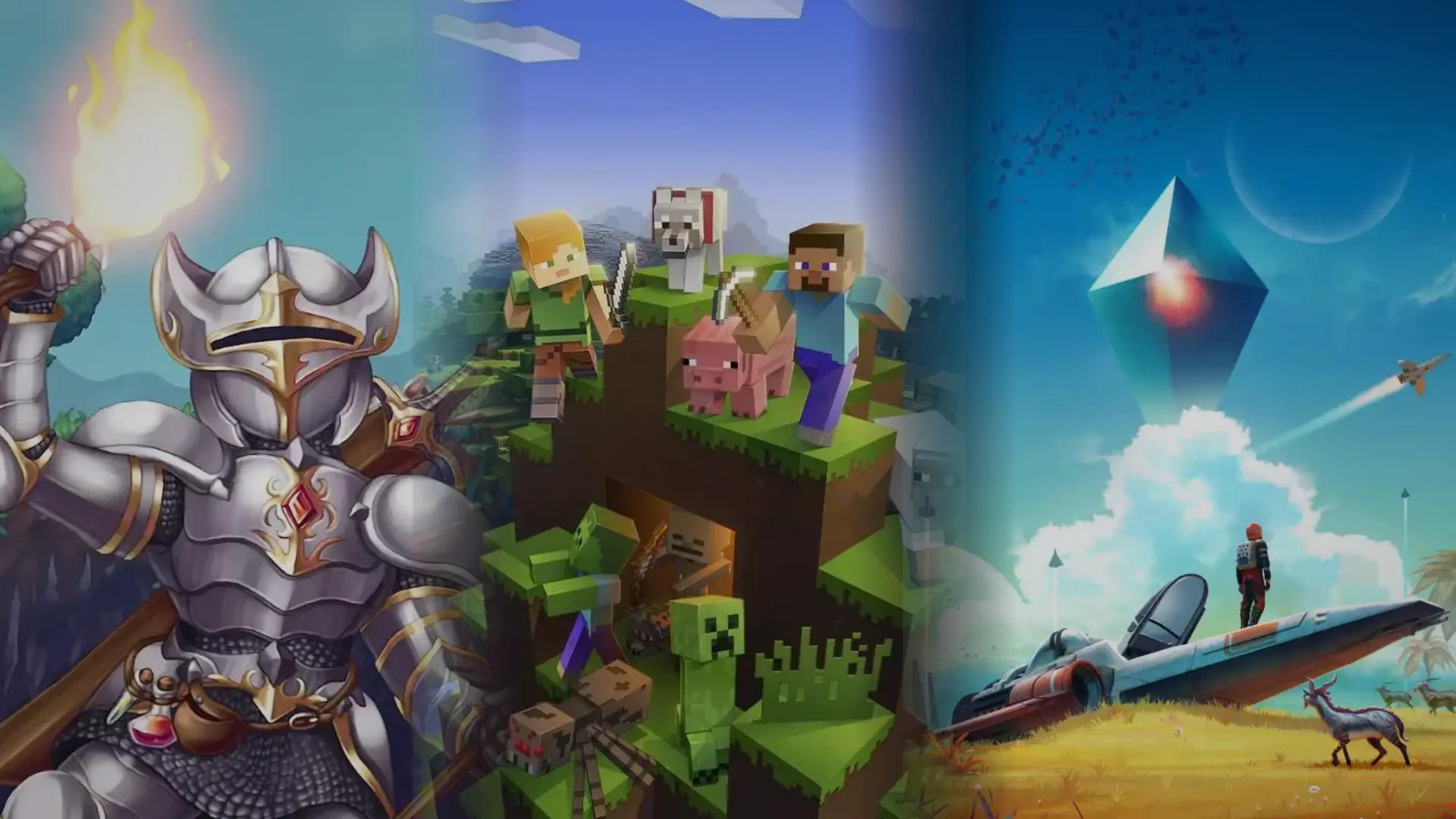

The Nintendo Switch library has a quiet problem: a lot of co-op games on it are not really co-op, and a lot of open-world games are not really multiplayer. Finding something that delivers both, where you and another person can actually roam, build, survive, and progress together over multiple sessions, takes more searching than it should. I put this list together because that search is genuinely frustrating, and the games that do it well deserve to be easier to find.
How We Ranked These Games
Open-world freedom carried the most weight in our rankings because a co-op game that locks you into corridors or mission queues is not what this list is for. Co-op integration came next, meaning we cared whether playing together actually changes and improves the experience versus just putting two characters on screen. Switch version quality, long-term progression, and how approachable the games are for a mixed group rounded out the criteria, because none of this matters if the game runs poorly on the hardware or falls apart after three sessions.
The Top 10 Best Open World Co-Op Games on Nintendo Switch
These ten games earn their place by doing both things properly: real open-ended exploration and co-op that makes the experience better rather than just possible.
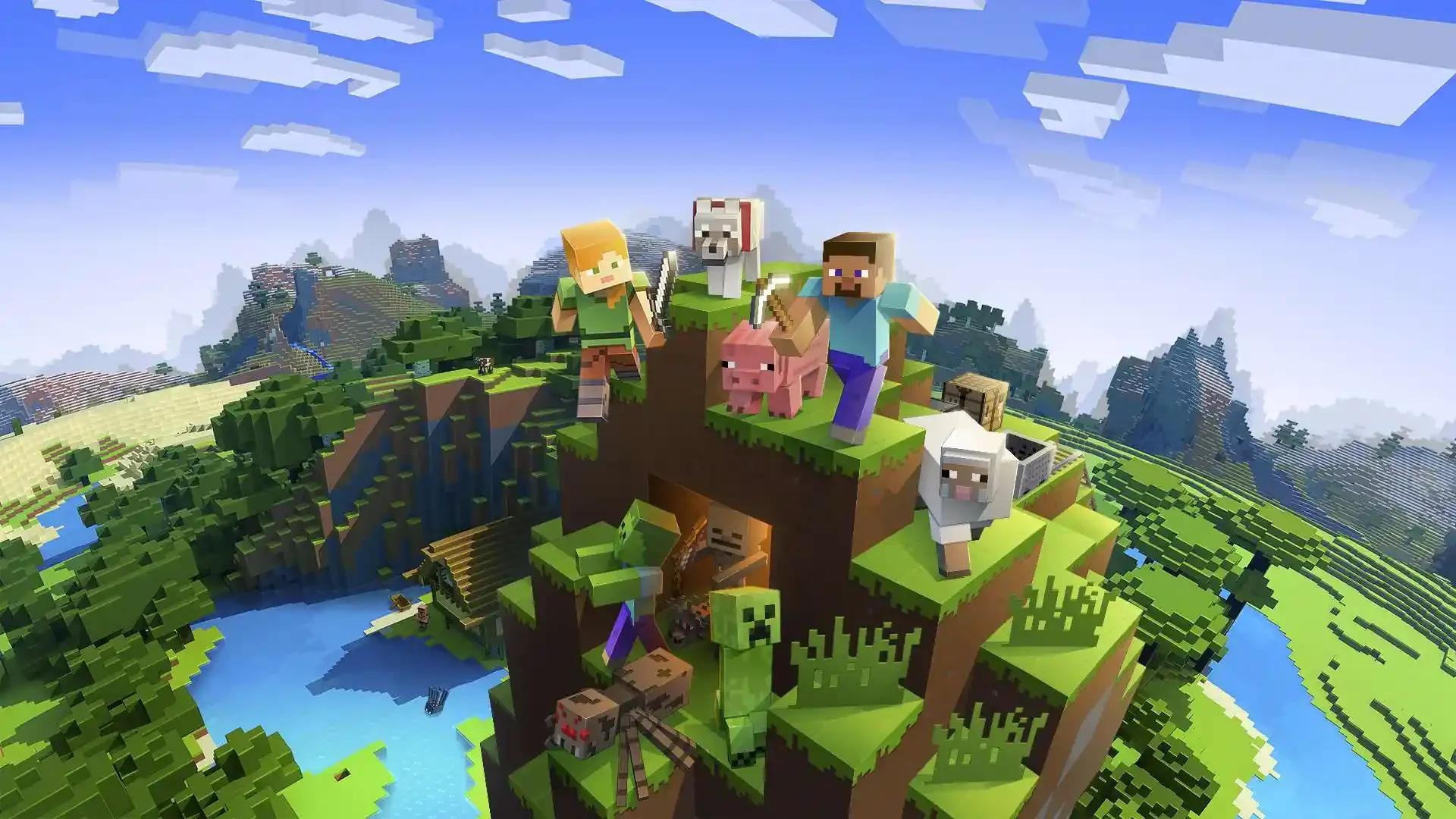
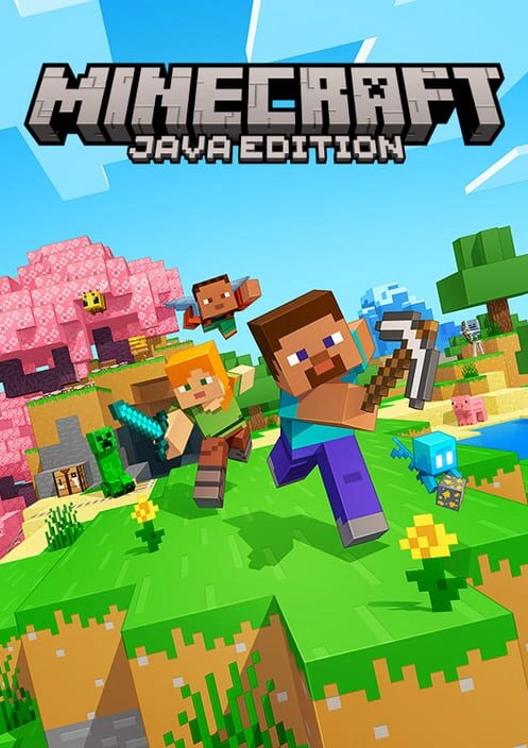
Minecraft is on this list first because there is genuinely nothing else to put there. I have played it with my kids, with my LAN group, and solo at midnight when I should have been asleep. The thing that makes it work as a co-op game is not any single feature: it is that two people in the same world immediately start dividing labour without anyone telling them to. One person mines, one person builds. Someone finds a cave and calls the other over. The Switch version is softer on performance than PC or console, but it runs well enough that none of that matters once you are underground at 11pm trying to find diamonds together.
- Released
- 20112011
- Genre
- SimulationSimulation
- Platforms
- Linux, macOS, PCLinux, macOS, PC
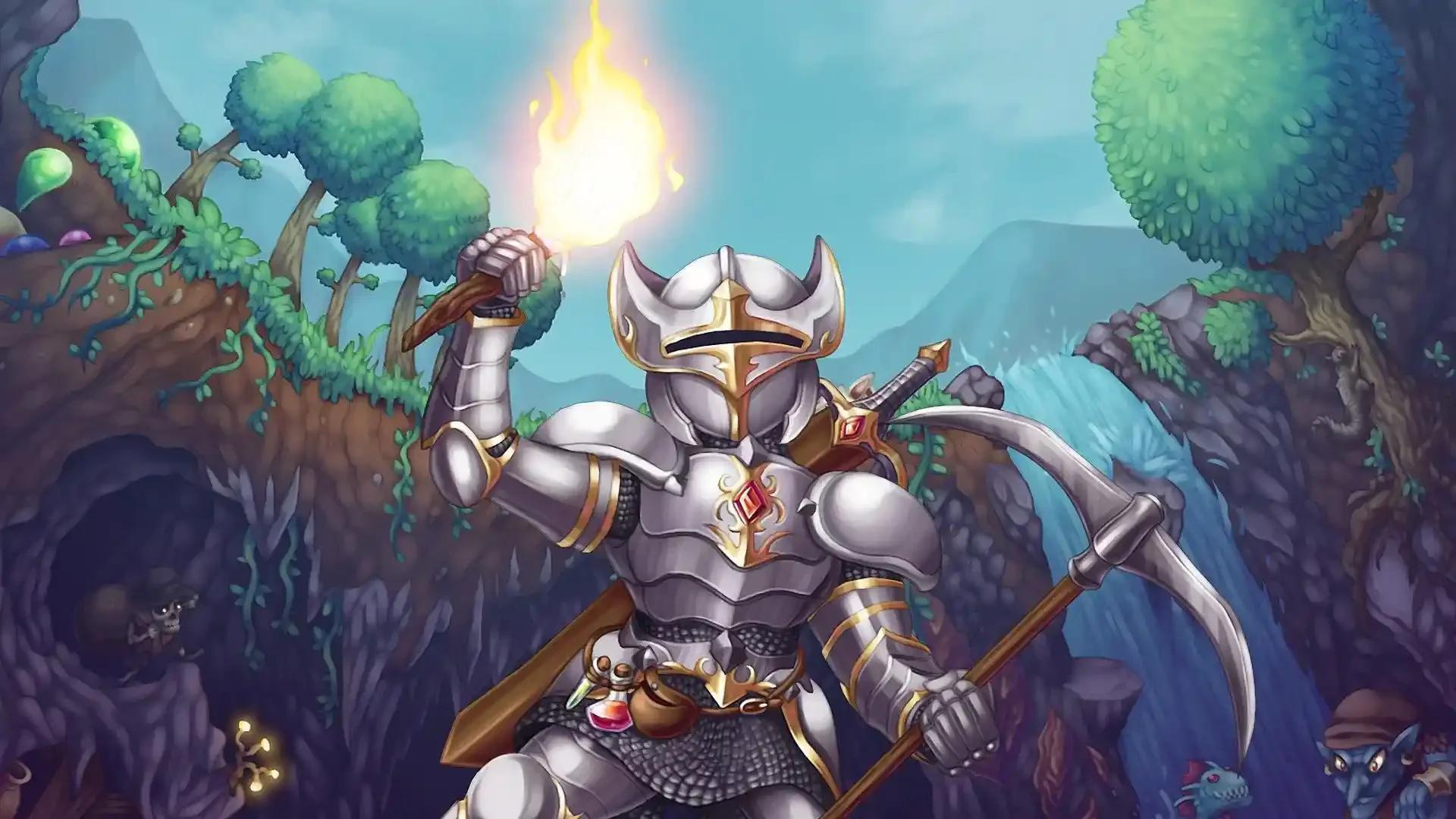
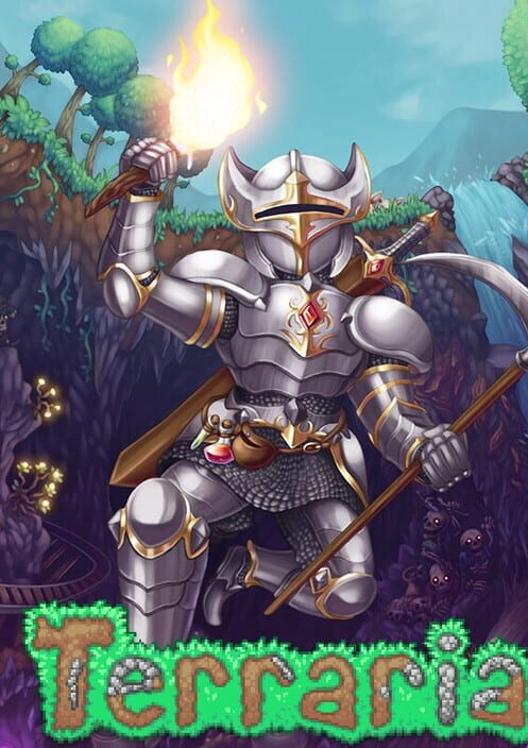
The first time I played Terraria in co-op, we spent two hours doing almost nothing productive by any objective measure. We dug sideways when we should have dug down, built a house that barely qualified as shelter, and got wiped by a slime the size of a car. Then something clicked. The boss progression in Terraria is one of the best shared goal structures in any co-op game: clear goals, real danger, and gear that means something. The Switch version handles it well, and the fact that you can run up to eight players online means your whole group can pile in. Not the easiest place to start, but among the most rewarding on this list once you commit.
- Released
- 20112011
- Genre
- PlatformerPlatformer
- Platforms
- Android, iOS, Linux, macOS, PC, PS4, Switch, Xbox OneAndroid, iOS, Linux, macOS, PC, PlayStation 4, Nintendo Switch, Xbox One
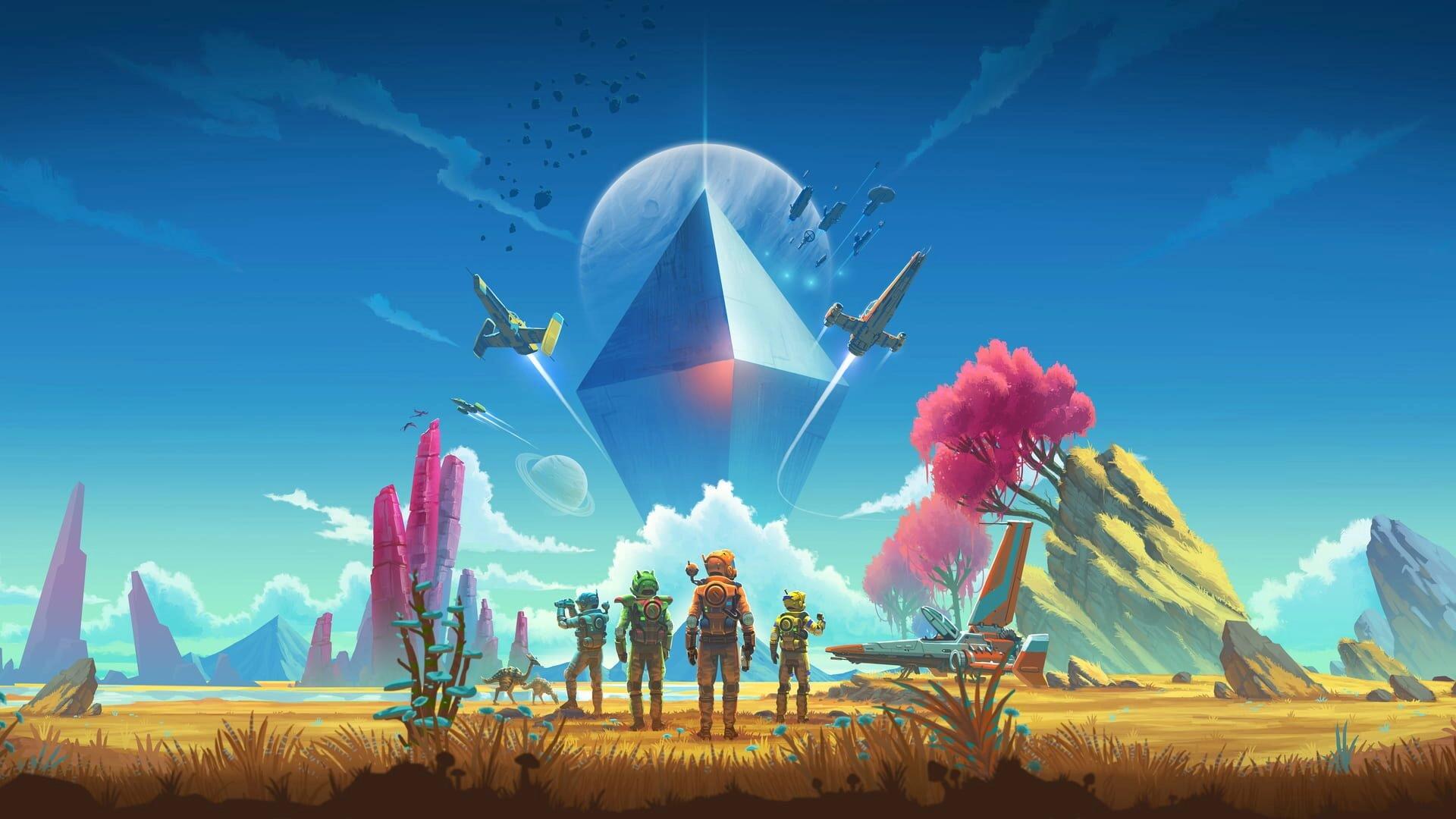
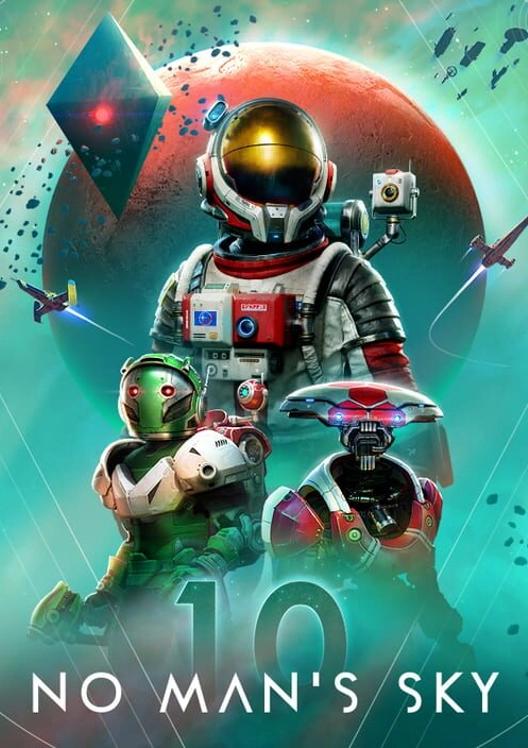
My honest expectation when I loaded No Man's Sky on Switch was that it would be a compromise version of something better on PS5. It is a compromise on paper, yes. In practice, landing on a planet with a friend, scanning alien fauna neither of you has seen before, and realising neither of you knows what direction the base is in is still completely absorbing. The co-op is less tightly structured than Minecraft or Terraria, which is why it sits at three rather than one. But for pure exploration scale, nothing else on this list comes close. Each session feels self-contained in a way that works for limited evening windows.
- Released
- 20162016
- Genre
- ShooterShooter
- Platforms
- macOS, PC, PS4, PS5, Switch 2, Xbox One, Series X|SmacOS, PC, PlayStation 4, PlayStation 5, Nintendo Switch 2, Xbox One, Xbox Series X/S
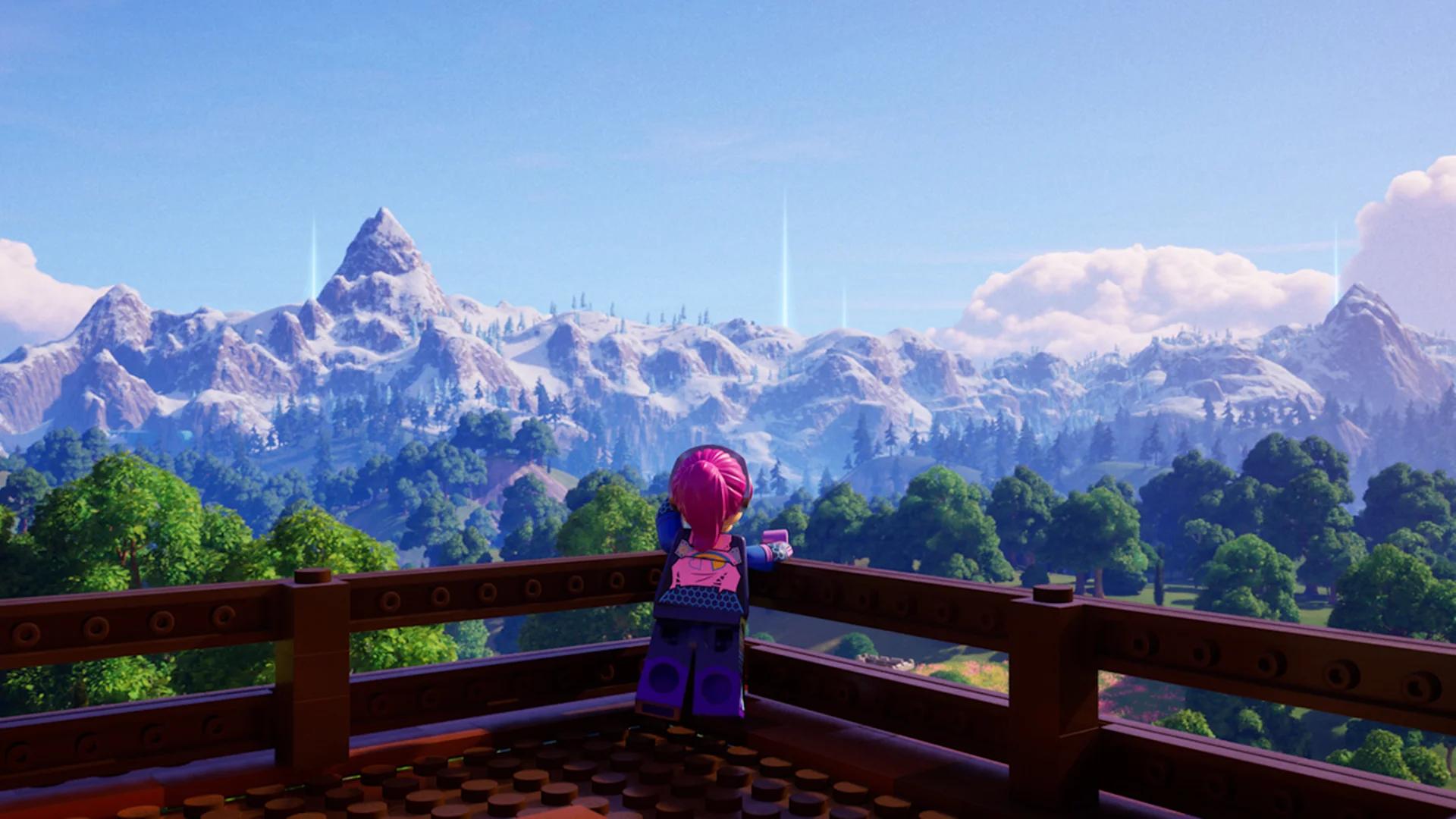
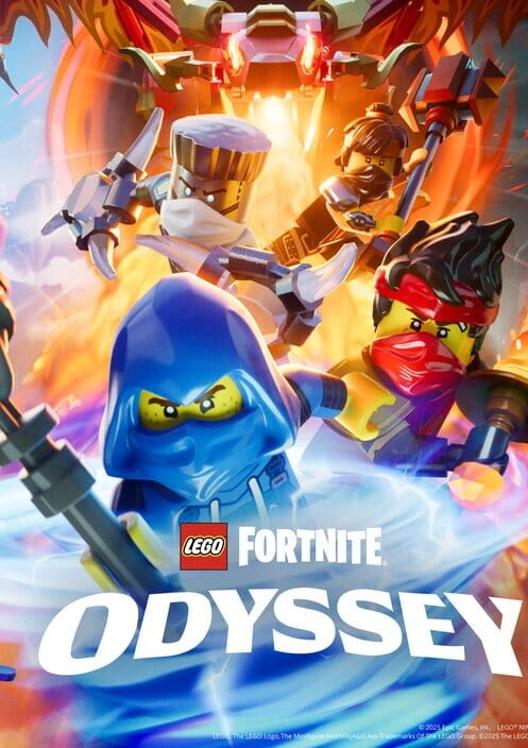
I was sceptical of this one. LEGO Fortnite launched as a mode inside Fortnite and I expected it to feel like a bolt-on rather than its own game. It is more developed than that. The shared world survival loop, gathering materials, building shelters, pushing into harder biomes together, is genuinely engaging and accessible in a way that most survival games are not. My kids can play it, which tells you something about the onboarding. The Switch version does show some strain in busier areas, and the live-service structure means you are depending on ongoing support, but as a free starting point for co-op survival exploration on Switch, it is hard to argue with the price.
- Released
- 20232023
- Genre
- AdventureAdventure
- Platforms
- Android, PC, PS4, PS5, Switch, Xbox One, Series X|SAndroid, PC, PlayStation 4, PlayStation 5, Nintendo Switch, Xbox One, Xbox Series X/S
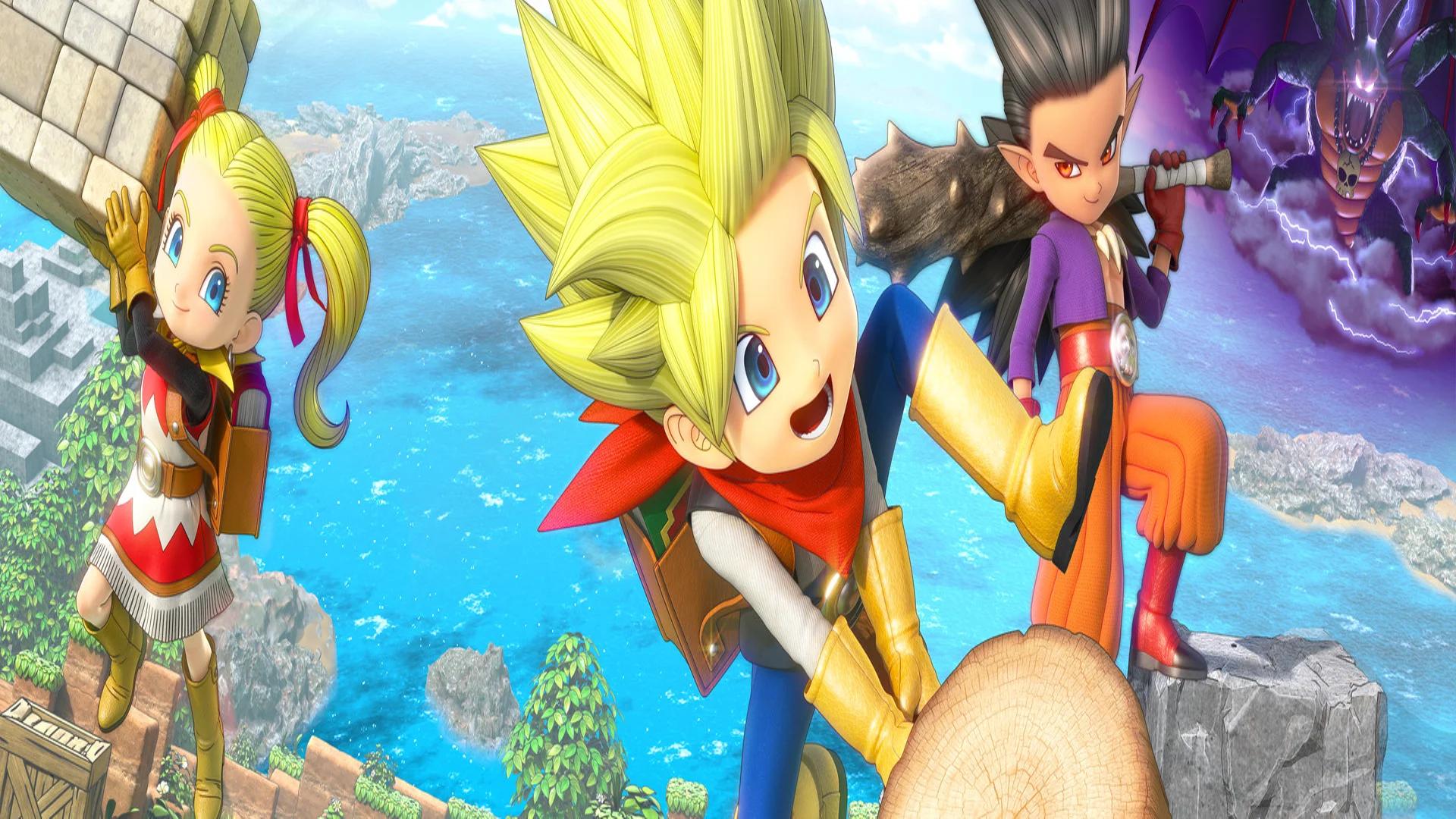
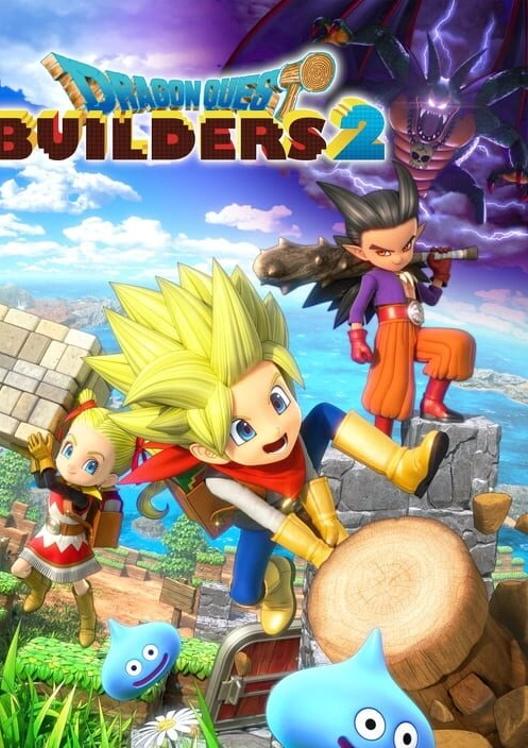
Dragon Quest Builders 2 is the game on this list I most underestimated. I went in expecting a Minecraft reskin with a Dragon Quest coat of paint and came out three weeks later with forty hours logged. The building system is more guided than Minecraft, which sounds like a limitation but actually makes it easier to play with someone who would normally bounce off freeform sandboxes. Gathering, crafting, combat, and proper questing sit alongside each other comfortably. It is more segmented into zones than a single open world, and co-op is online rather than local, but the collaborative building and shared progression make it a genuinely good pairing game for people who want more structure than pure survival offers.
- Released
- 20182018
- Genre
- RPGRPG
- Platforms
- PC, PS4, Switch, Xbox OnePC, PlayStation 4, Nintendo Switch, Xbox One
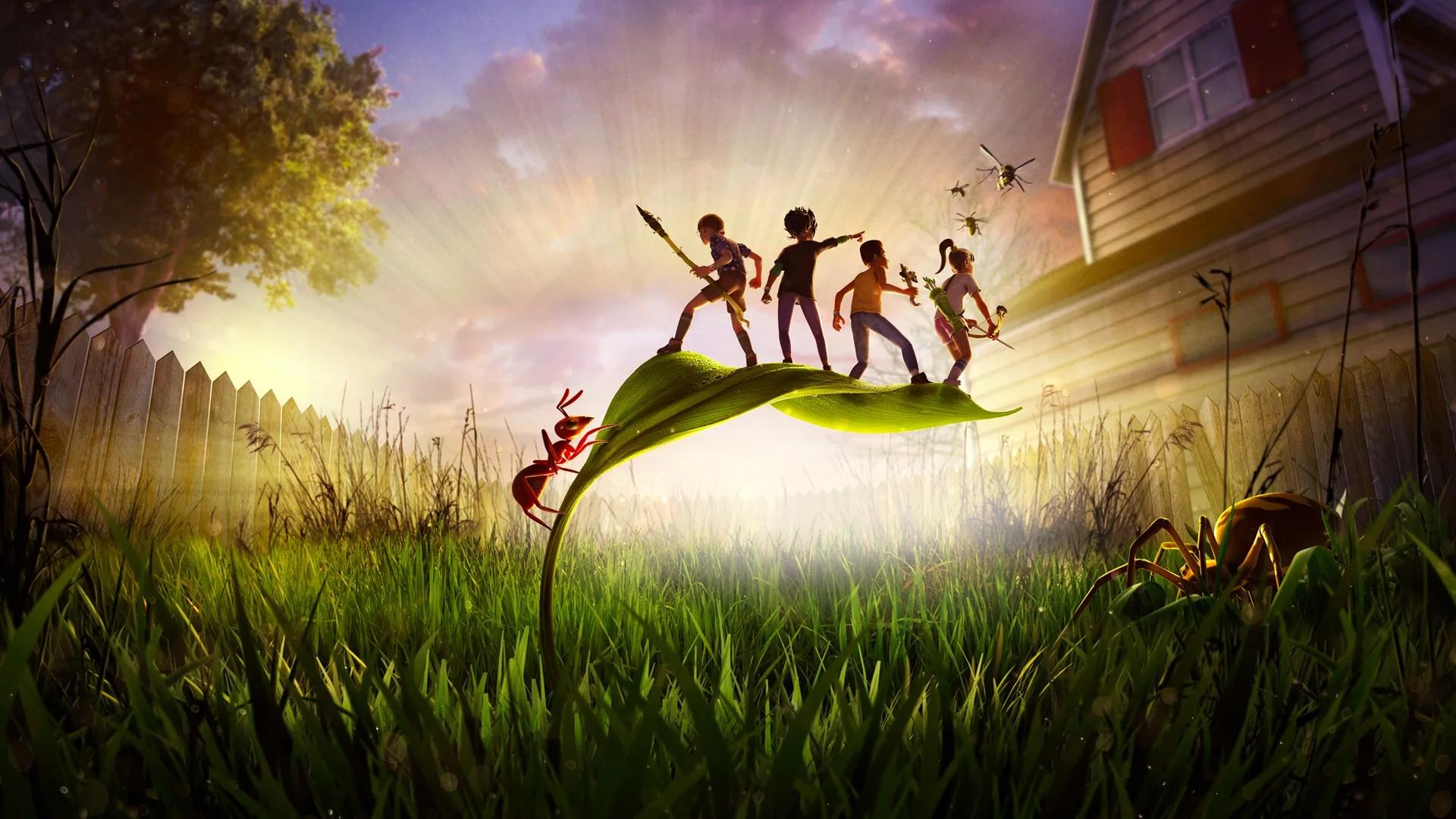
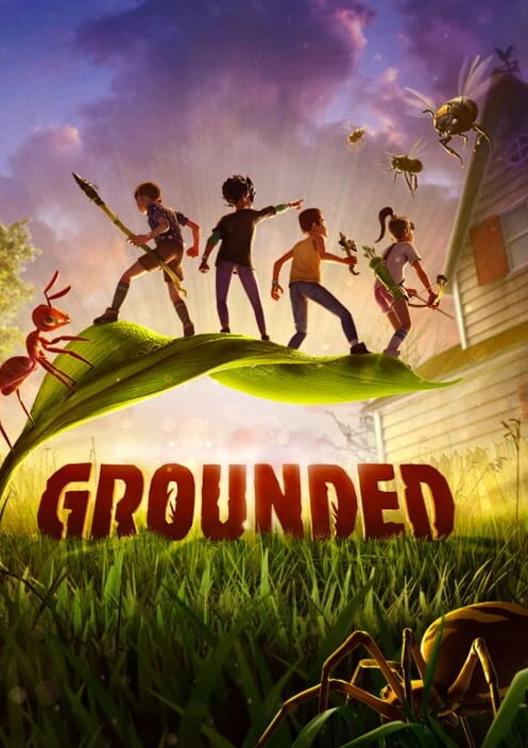
Shrinking down to the size of an insect in a suburban backyard is a better premise than it has any right to be, and the co-op loop here is sharp. You are constantly splitting decisions: who builds, who gathers, who scouts the next area, who handles the spider that is absolutely going to ruin everyone's evening. I played Grounded on Xbox before the Switch version launched and was curious whether it would hold up on portable hardware. It runs and the core of the experience is intact. The Switch port is newer and less polished than the best sandbox recommendations on this list, so I would not say it is the most comfortable version, but if Switch is your platform, this is a co-op survival game worth your time.
- Released
- 20222022
- Genre
- RPGRPG
- Platforms
- PC, PS4, PS5, Switch, Xbox One, Series X|SPC, PlayStation 4, PlayStation 5, Nintendo Switch, Xbox One, Xbox Series X/S
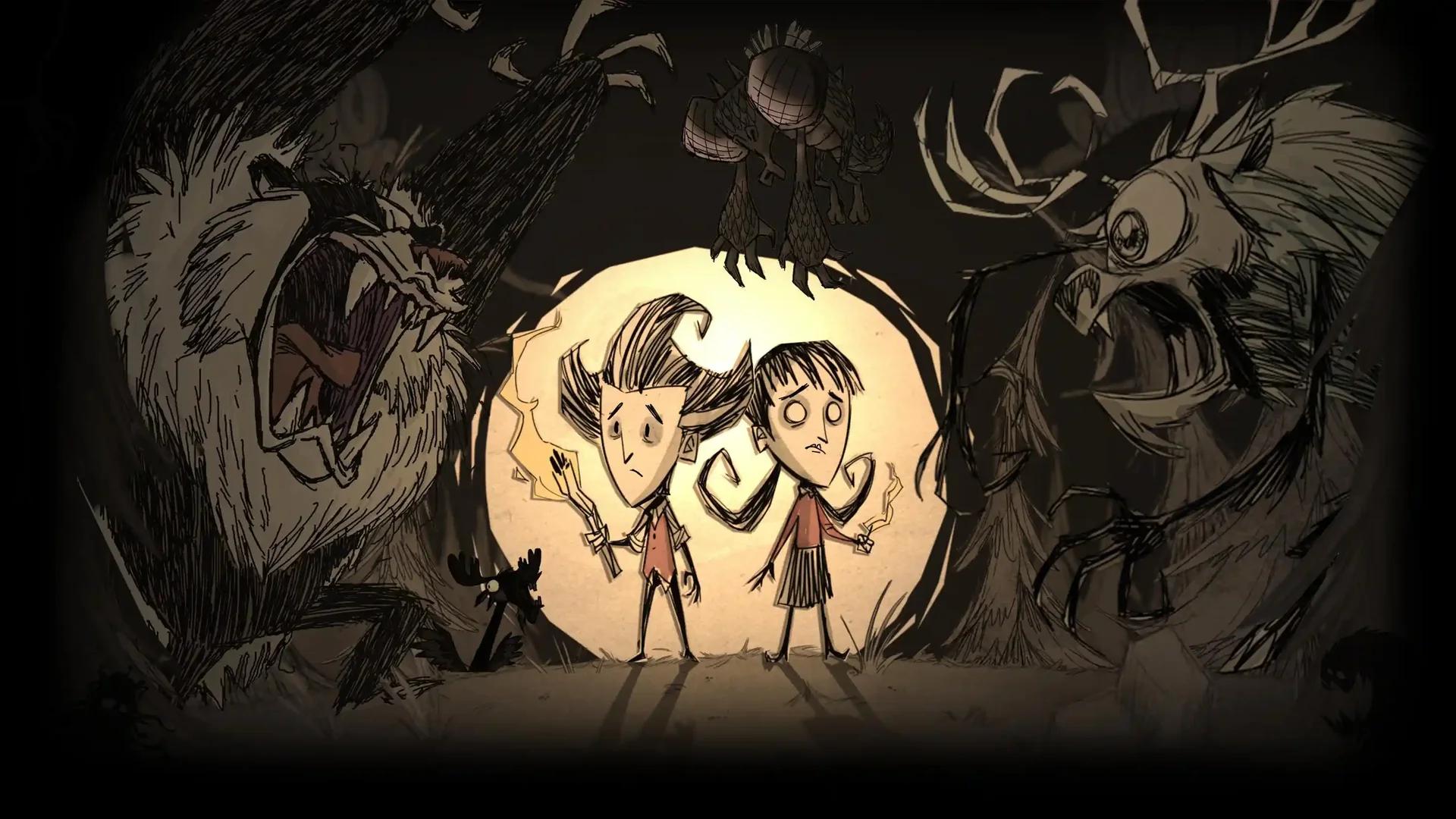
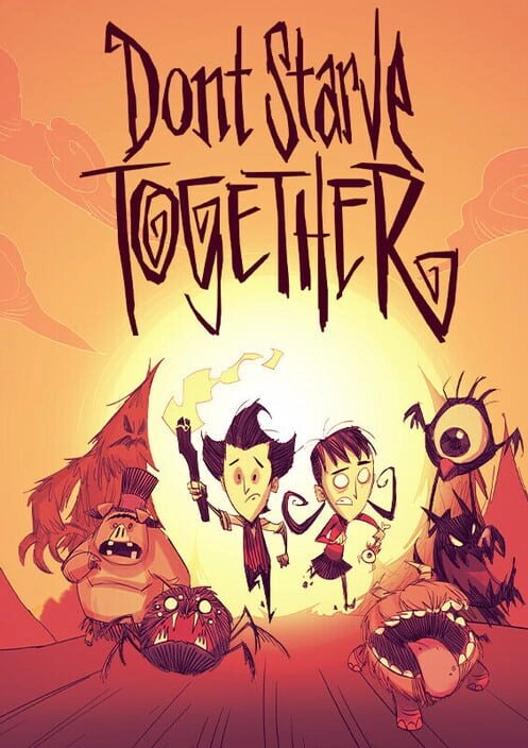
Don't Starve Together does not want you to succeed. That is not a criticism. The procedural survival world, the shifting seasons, the punishing systems that interact in ways the game never directly explains: they create stories. The best session I have had with this game ended with both players dead, a base in ruins, and neither of us able to stop laughing at how quickly it unravelled. That kind of emergent chaos is rare and hard to design for. It sits at seven on this list specifically because the accessibility score is honest. If your co-op partner is casual or impatient, start elsewhere. If they have the appetite for it, Don't Starve Together has more depth than almost anything else here.
- Released
- 20162016
- Genre
- SimulationSimulation
- Platforms
- Android, iOS, Linux, macOS, PC, SwitchAndroid, iOS, Linux, macOS, PC, Nintendo Switch
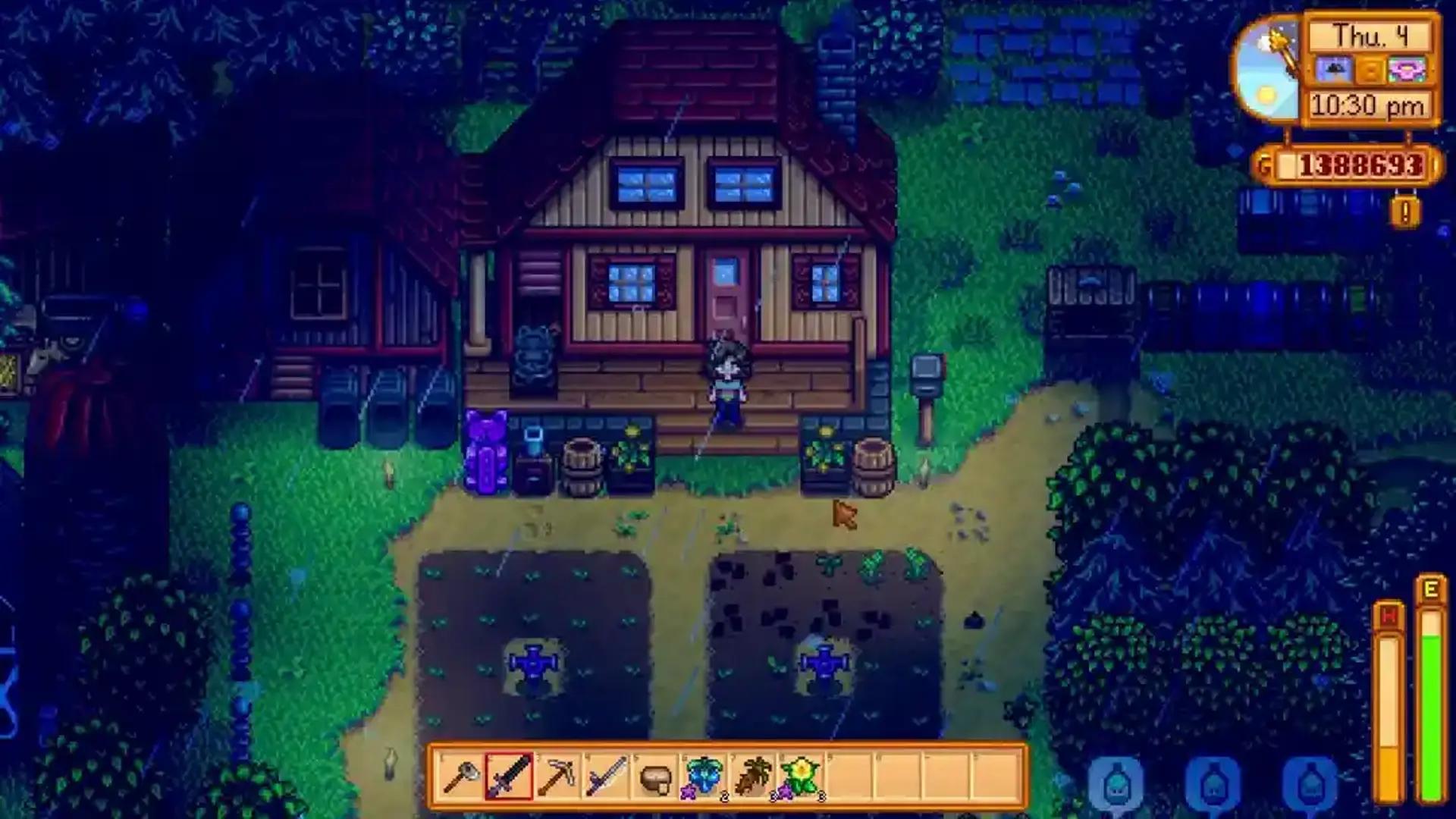
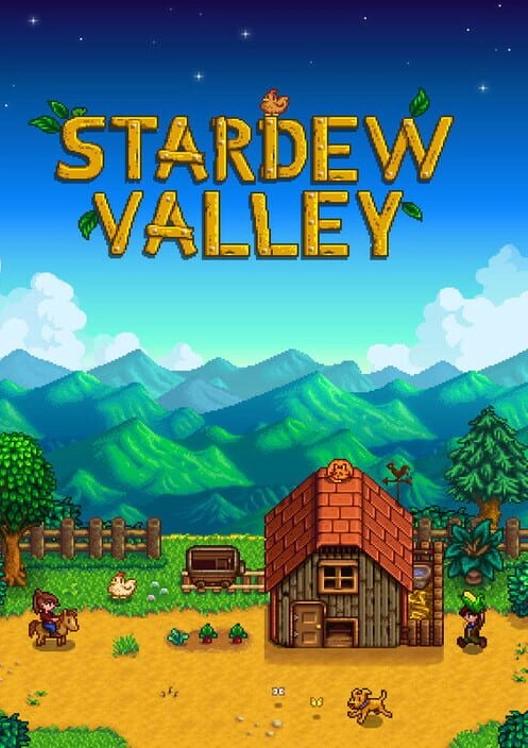
Stardew Valley is the game that taught me not to dismiss something just because it looks gentle. I played it solo first and then again in co-op with my wife, and it becomes a genuinely different thing when you are both managing the farm, splitting the mine runs, and trying to figure out who is going to handle the fishing because neither of you wants to. The open-world freedom score is lower than most games on this list because exploration is contained, but the sandbox systems are deep and the Switch version is one of the best-running entries here. If you are looking for a co-op game that does not require anyone to already be a gamer, this is the first place I would point you.
- Released
- 20162016
- Genre
- RPGRPG
- Platforms
- Android, iOS, Linux, macOS, PC, PS4, Switch, Switch 2, Xbox OneAndroid, iOS, Linux, macOS, PC, PlayStation 4, Nintendo Switch, Nintendo Switch 2, Xbox One
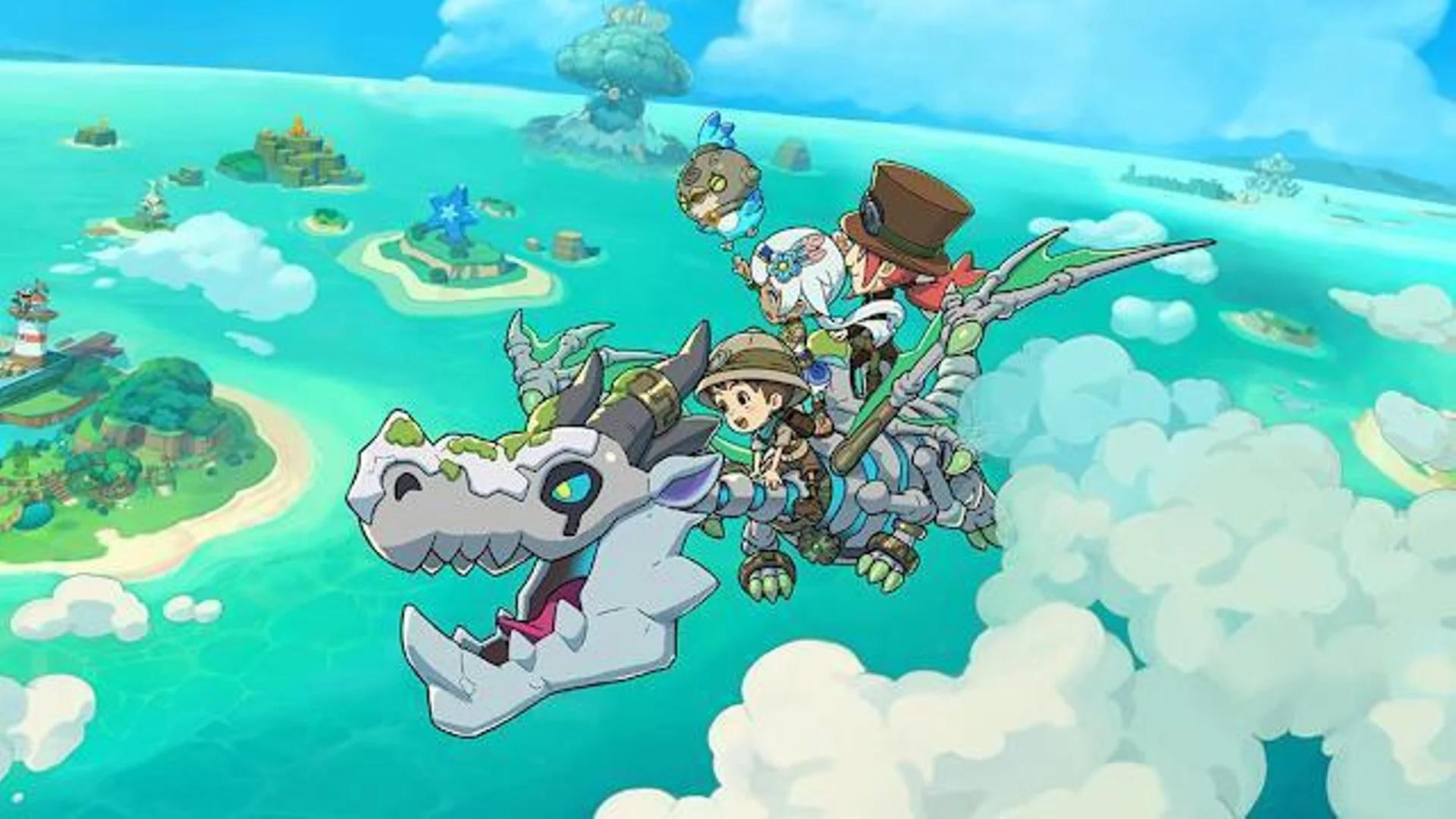
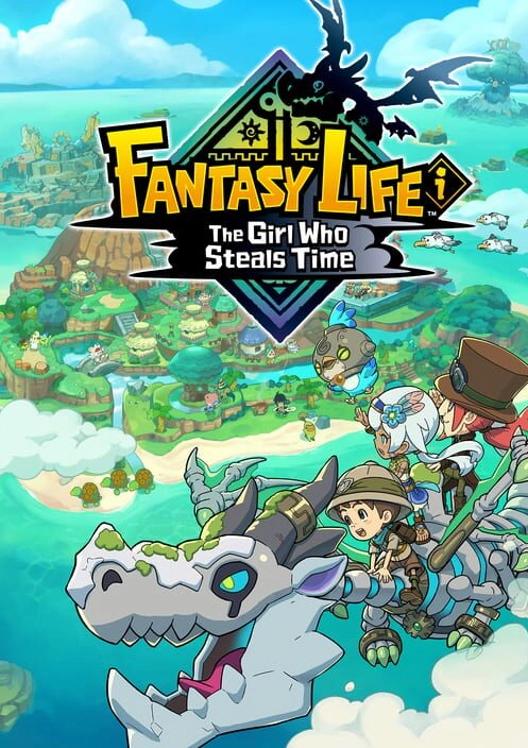
Fantasy Life i is a 2025 release that fills a specific gap in this list: a co-op game that mixes life-sim progression with actual adventuring in a way that neither pure survival games nor pure farming sims deliver. Four players can adventure, gather, craft, and explore island areas together, and the variety of available activities means the group does not have to be doing the same thing to feel like they are playing together. It is more open-zone than fully open world, which is why it sits near the bottom of the top ten rather than near the top, but as a recent Switch release with solid co-op structure, it is one I would keep an eye on as it continues to develop.
- Released
- 20252025
- Genre
- RPGRPG
- Platforms
- Android, iOS, PC, PS4, PS5, Switch, Switch 2, Series X|SAndroid, iOS, PC, PlayStation 4, PlayStation 5, Nintendo Switch, Nintendo Switch 2, Xbox Series X/S
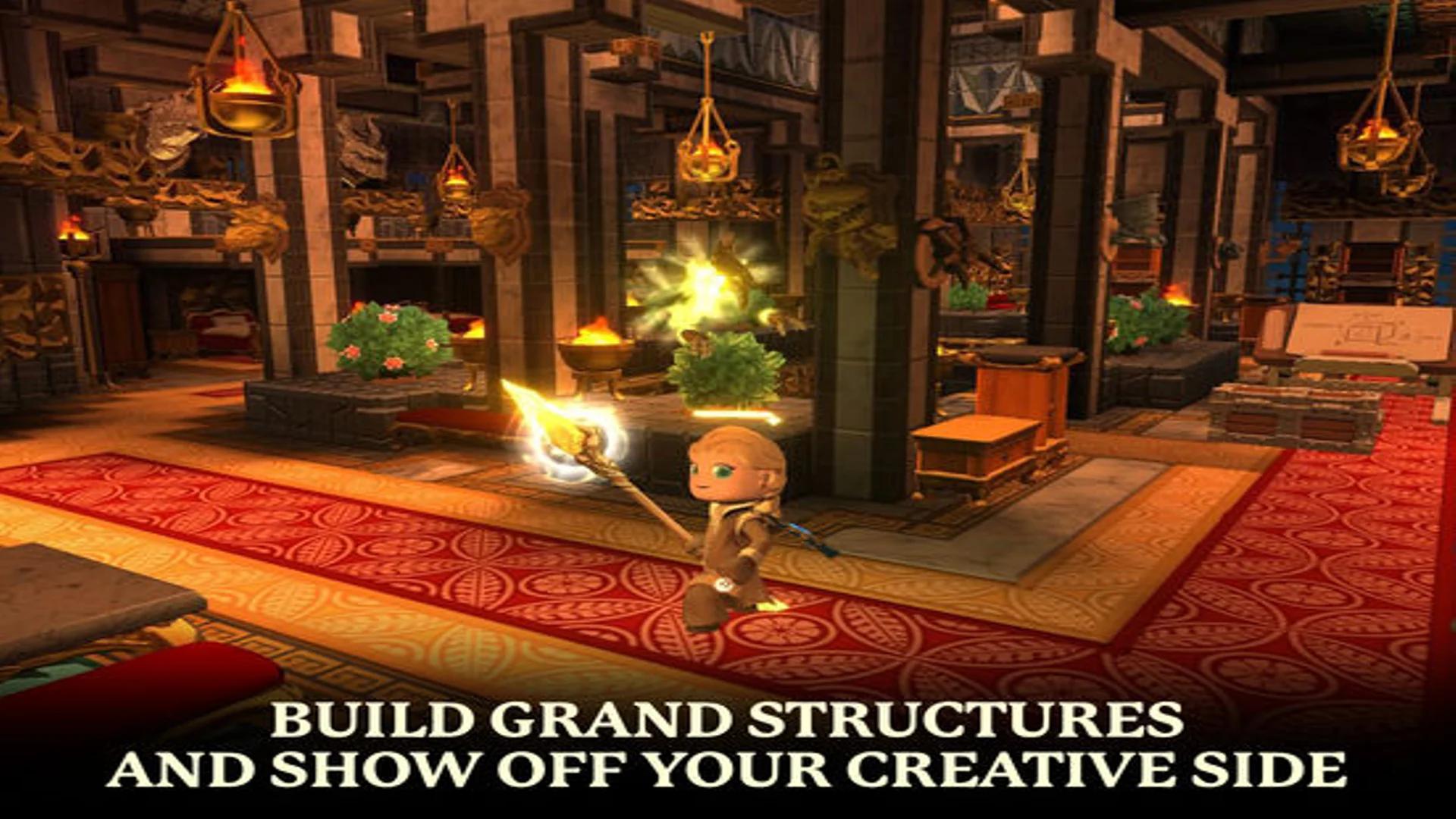
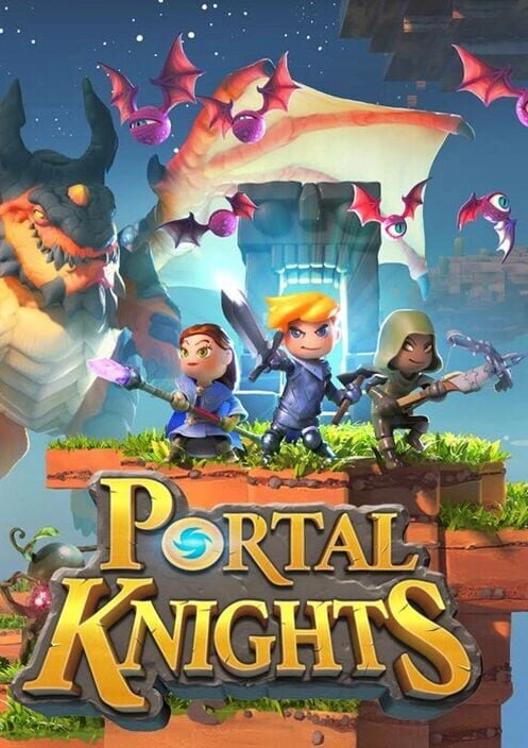
Portal Knights is the most approachable action-sandbox on this list, which is both its strongest selling point and the reason it sits at ten rather than five. The island-based world structure means exploration is more bite-sized than in Minecraft or No Man's Sky, and the RPG progression layer gives each session a clear reward loop. Local co-op support is genuinely good, which is rarer than it should be in this genre on Switch. I would not call it deep. After a few weeks the sandbox limits show. But for a couple or a parent-and-child pairing who want shared exploration and crafting without a brutal learning curve, Portal Knights is the easiest entry point on this list.
- Released
- 20172017
- Genre
- RPGRPG
- Platforms
- Android, iOS, PC, PS4, Switch, Xbox OneAndroid, iOS, PC, PlayStation 4, Nintendo Switch, Xbox One
Honorable Mentions
These games came close and are worth knowing about, but each one has a specific reason it did not crack the top ten.
11. Palia
78%Palia is free, it is gentle, and its shared-world structure is genuinely well suited to relaxed co-op sessions where nobody wants to manage hunger meters or defend a base from night attacks. Fishing together, foraging, furnishing a house: it sounds low-stakes and it is, intentionally. It missed the top ten because the exploration freedom is more limited than the headline picks and the live-service model introduces uncertainty about long-term health. But for players who found Don't Starve Together too punishing or Minecraft too open-ended, Palia is a real alternative worth trying at no cost.
Starlink: Battle for Atlas is an odd one. Planetary free-roaming, dogfighting, and split-screen co-op on Switch add up to something that is more genuinely open-world than most action games on the platform. The Switch version also has the Star Fox content, which is a bonus if that means anything to you. What kept it out of the main list is that the co-op is capped at two players locally and the game never quite shakes a feeling of being a toys-to-life product without the toys. Worth picking up cheaply, but a supplemental recommendation rather than a first choice.
Kingdom Two Crowns earns its mention by committing completely to a specific idea: two players managing a side-scrolling kingdom together, dividing tasks, expanding territory, and trying not to lose everything to a night raid. The co-op synergy is real and the atmosphere is distinctive. It did not make the top ten because the side-scrolling structure and limited scale make it a weaker thematic fit for a list built around open-world exploration. For a duo that wants something calm, strategic, and unusual, though, it is worth knowing about.
Farm Together is exactly what it sounds like. You farm, together. Drop-in sessions, shared expansion, no pressure, no predators. It runs well on Switch and the co-op is frictionless in a way that more complex games often are not. The reason it stays in the honorable mentions rather than the main list is that discovery and exploration are minimal. You are expanding a farm, not exploring a world. For the audience that wants that specifically, this is a solid recommendation. For anyone who wants their co-op to involve roaming and finding things, start higher up.
For The King II has co-op party adventuring across an overworld map and it does that well. The turn-based structure is smart and the shared campaign gives the group something to work toward together. The reason it is last on this list is that the run-based campaign design is closer to a board game than an open world, and exploration freedom is limited by design. If your group specifically wants strategic co-op RPG adventuring and is fine with structured campaign progression, it is worth considering. For everyone else, the games above it are better fits for the open-world intent of this list.
Frequently Asked Questions
A few questions that come up regularly when people are trying to pick the right open-world co-op game for their Switch.
Do any of these games support local co-op on a single Switch?
Several do. Minecraft, Terraria, Don't Starve Together, Stardew Valley, Portal Knights, Kingdom Two Crowns, and Farm Together all support local co-op. For games like Terraria and Stardew that use split-screen, a decent-sized TV helps. Handheld local co-op on a single small screen works better for some games than others, and Portal Knights in particular handles it well.
Which game is easiest to get into with a non-gamer partner?
Stardew Valley and LEGO Fortnite are the most forgiving starting points. Stardew's farming rhythm is approachable without any prior gaming knowledge, and LEGO Fortnite's visual style reduces the intimidation factor that traditional survival games carry. Minecraft is also a reasonable choice if the other person has any passing familiarity with it.
How does No Man's Sky run on Switch? Is it worth it?
It runs well enough to be genuinely playable and has received continued updates since launch. It is not the prettiest version of the game compared to PC or PS5, but the core experience of exploring planets and building bases together translates to Switch without major compromises. If Switch is your only option, it is worth it.
Are any of these games free to play on Switch?
LEGO Fortnite is free to download and play, which makes it the easiest one to try with a friend at no cost. Palia, in the honorable mentions, is also free. Keep in mind both are live-service games, which means ongoing updates but also some uncertainty about long-term support.
Which game has the best long-term co-op progression for regular sessions?
Terraria and Don't Starve Together both have extraordinary longevity if your group can get past the learning curve. Terraria in particular has so many bosses, biomes, and gear tiers that a dedicated group can run a shared world for months. Stardew Valley is the better pick if you want progression that feels rewarding without requiring you to memorise systems.
Conclusion
The Switch is not the most obvious platform for open-world co-op, but there is a stronger library here than most people realise. Minecraft and Terraria are the anchors for good reason, No Man's Sky surprised a lot of people by running as well as it does, and games like Grounded and Fantasy Life i fill in the gaps with genuinely different rhythms. Start with whatever fits your group's patience for learning curves, and go from there. Ready for more tailored picks? Try our Recommendations Engine for suggestions that match your play style.