
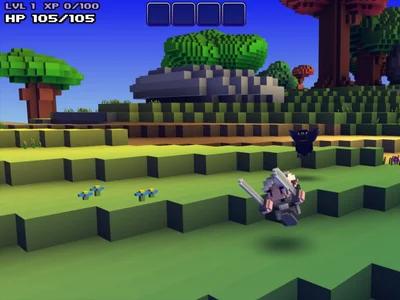
Portal Knights merges Minecraft-style building with genuine ARPG progression across three classes. Four-player co-op lets groups divide between combat and construction, making it ideal for families or mixed-skill parties who want skill trees and crafted gear without hardcore complexity. The blocky sandbox layer keeps sessions relaxed while still delivering meaningful character growth and class roles.

Portal Knights
Best if you want Minecraft-style sandbox creativity mixed with ARPG progression—three distinct classes, island-hopping exploration, and flexible co-op that works for both casual builders and combat-focused adventurers.
On This Page
Why We Recommend This Game
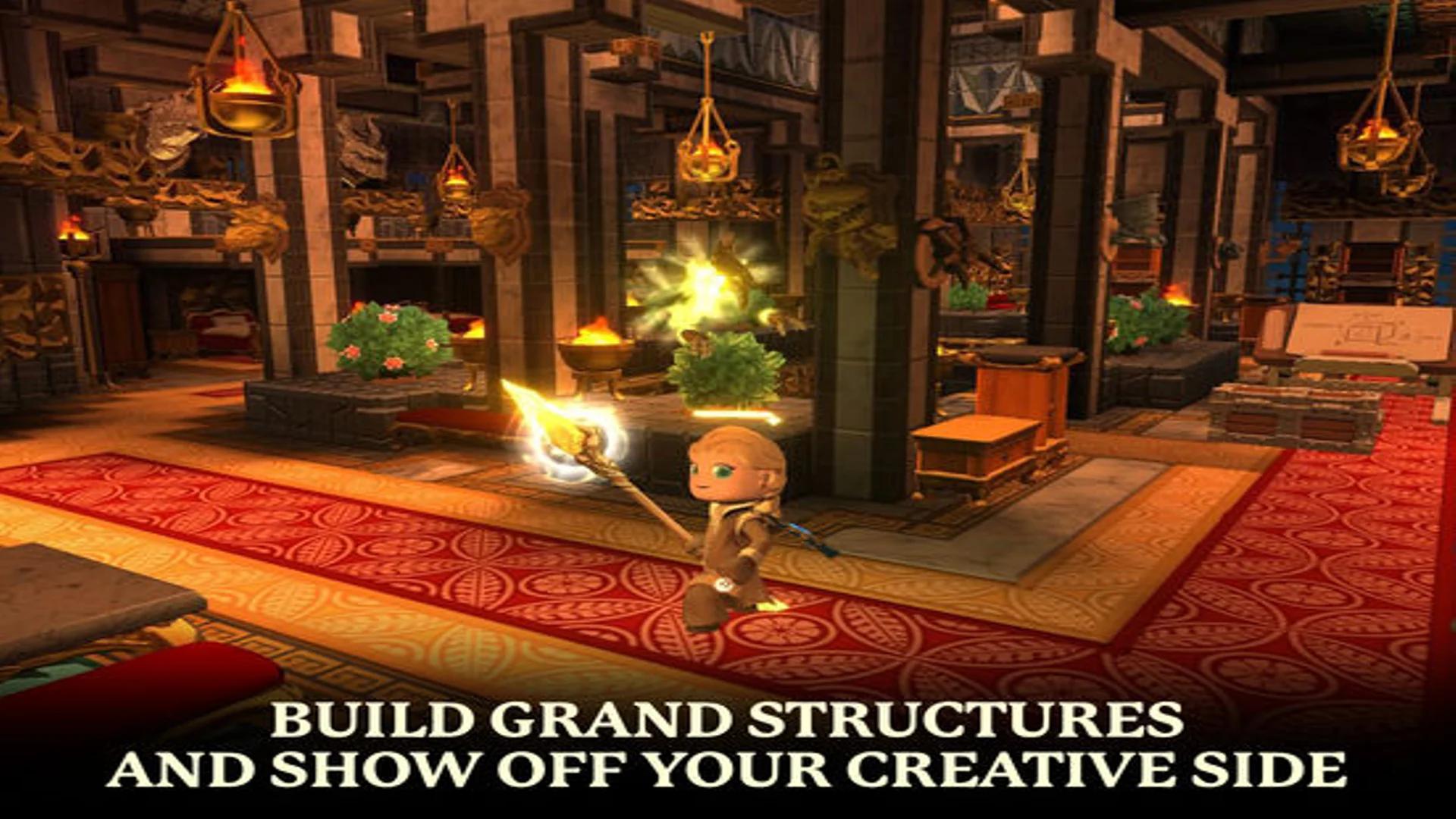
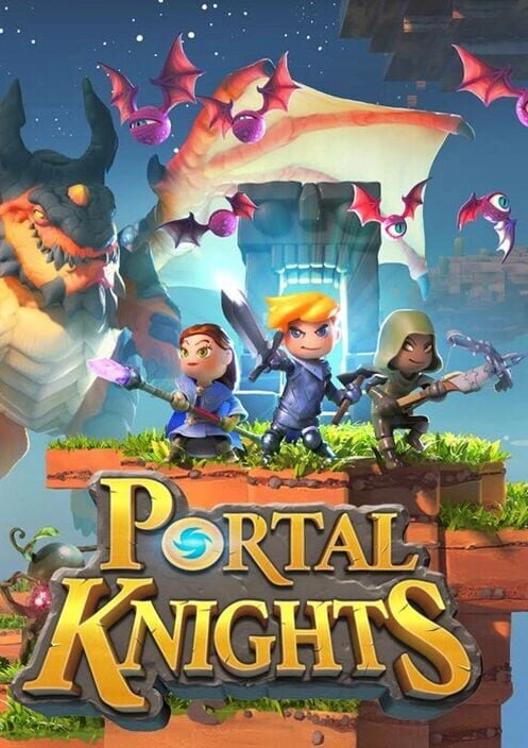
Portal Knights occupies a sweet spot between pure sandbox games and traditional action-RPGs, making it ideal for groups who want both creative freedom and structured character growth. You pick one of three classes—Warrior, Mage, or Ranger—each with meaningful skill trees and gear progression, then explore procedurally generated floating islands connected by portals. The loop is simple: gather resources, craft better equipment, fight enemies and bosses to unlock new areas, and optionally build bases or decorative structures using collected materials. The appeal lies in how well it supports different playstyles within the same session. One player can focus on mining and base-building while another clears dungeons and farms bosses. The class system adds just enough tactical depth—warriors tank, rangers kite, mages control crowds—without demanding min-maxing or build guides. Combat is straightforward third-person action with dodging and cooldown management, never punishing but engaging enough to keep exploration interesting. Sessions flow naturally in 20–30 minute chunks as you complete an island, tackle a boss arena, or finish a crafting project. The learning curve is gentle: basic controls and crafting recipes are intuitive, though mastering boss patterns and optimizing gear takes time. Progression feels steady—you're always unlocking new recipes, talents, or islands—but the game never rushes you. This makes it excellent for mixed-skill groups or families where some players want to fight and others prefer gathering. The co-op flexibility is a major strength. Four-player online or two-player split-screen both work well because the island-based structure lets players roam independently without leaving anyone behind. The randomly generated worlds and optional events add replayability, though the core loop remains consistent throughout. Depth-wise, Portal Knights sits comfortably in the middle. It's more structured than pure sandbox games with actual character builds and boss challenges, but simpler than hardcore dungeon crawlers. Combat can feel a bit floaty and the blocky aesthetic won't satisfy players seeking cutting-edge visuals. Still, for groups wanting accessible RPG mechanics wrapped in a creative, low-pressure sandbox, it delivers exactly what it promises without demanding mastery or enormous time investment.
Best For
- Families or casual groups wanting ARPG progression without hardcore complexity
- Minecraft fans seeking more structured combat and character customization
- Co-op players who enjoy dividing tasks between building, crafting, and fighting
Not For
- Players seeking deep, min-max-focused RPG systems or challenging combat
- Those wanting cutting-edge graphics or realistic art styles
- Solo players focused purely on narrative-driven experiences
Multiplayer & Game Modes
2 local • 4 online
Portal Knights does not support crossplay, includes split-screen multiplayer, supports up to 4 players online, features co-op campaign mode.
Features
Play Modes
Single Player • Multiplayer • Co-op • Online Multiplayer • Local Couch Co-op • LAN Multiplayer • Split-Screen
Player Count
- Local
- 1-2
- Online
- 1-4
- LAN
- 1-4
- Team Sizes
- Co-op (up to 4)
Additional Details
Supports 4-player co-op online and (on supported platforms) 2-player local split-screen. Steam version lists Online Co-op and LAN Co-op. No official cross-play between platforms. Console online play typically requires the platform’s online subscription (e.g., PS Plus / Nintendo Switch Online / Xbox network subscription) depending on platform and region. Players can join/leave sessions during play (drop-in/out).
Edition and Platform Information
Important details about which version to buy and where to play.
Accessibility Features
Simple control scheme with clear UI icons for crafting and inventory. Text remains readable on standard displays. No granular difficulty settings or extensive accessibility options, so best suited for players comfortable with basic third-person action controls and real-time combat.
Screenshots
Click any screenshot to view in full size
Featured In Our Articles
We've included this game in 2 articles.
Portal Knights uses vertical split-screen to let duos explore island-based worlds independently, with one player tanking while the other crafts or rains down ranged attacks. The class system and portal structure naturally encourage task-sharing between combat and base-building. Combat feels a bit floaty, but for pairs wanting RPG structure layered into sandbox play, it hits a sweet middle ground.
Frequently Asked Questions
Common questions about this game answered by our team.
How hard is Portal Knights?
Moderate difficulty. Enemies and bosses require dodging and appropriate gear but rarely punish mistakes harshly. You can over-level or co-op to make tough areas easier. No difficulty sliders, but progression naturally smooths out challenge spikes.
How long does it take to complete?
Main progression takes roughly 15–20 hours, but sandbox building and optional content can extend playtime significantly. Sessions work well in 20–30 minute chunks focused on completing islands or crafting goals.
Is it good for beginners to action-RPGs?
Yes. The learning curve is gentle with intuitive crafting and straightforward combat. Class abilities are clear, and co-op allows experienced players to help newcomers. Great entry point for those new to the genre.
Does split-screen work well?
Yes, vertical split-screen for two players is functional and smooth. The island-based layout lets both players explore independently without camera cramping. Best experienced on larger displays for comfortable UI readability.
How much building is required?
Building is entirely optional beyond basic crafting stations. You can focus purely on combat and exploration if preferred, or invest heavily in base construction. The game supports both playstyles equally well.


