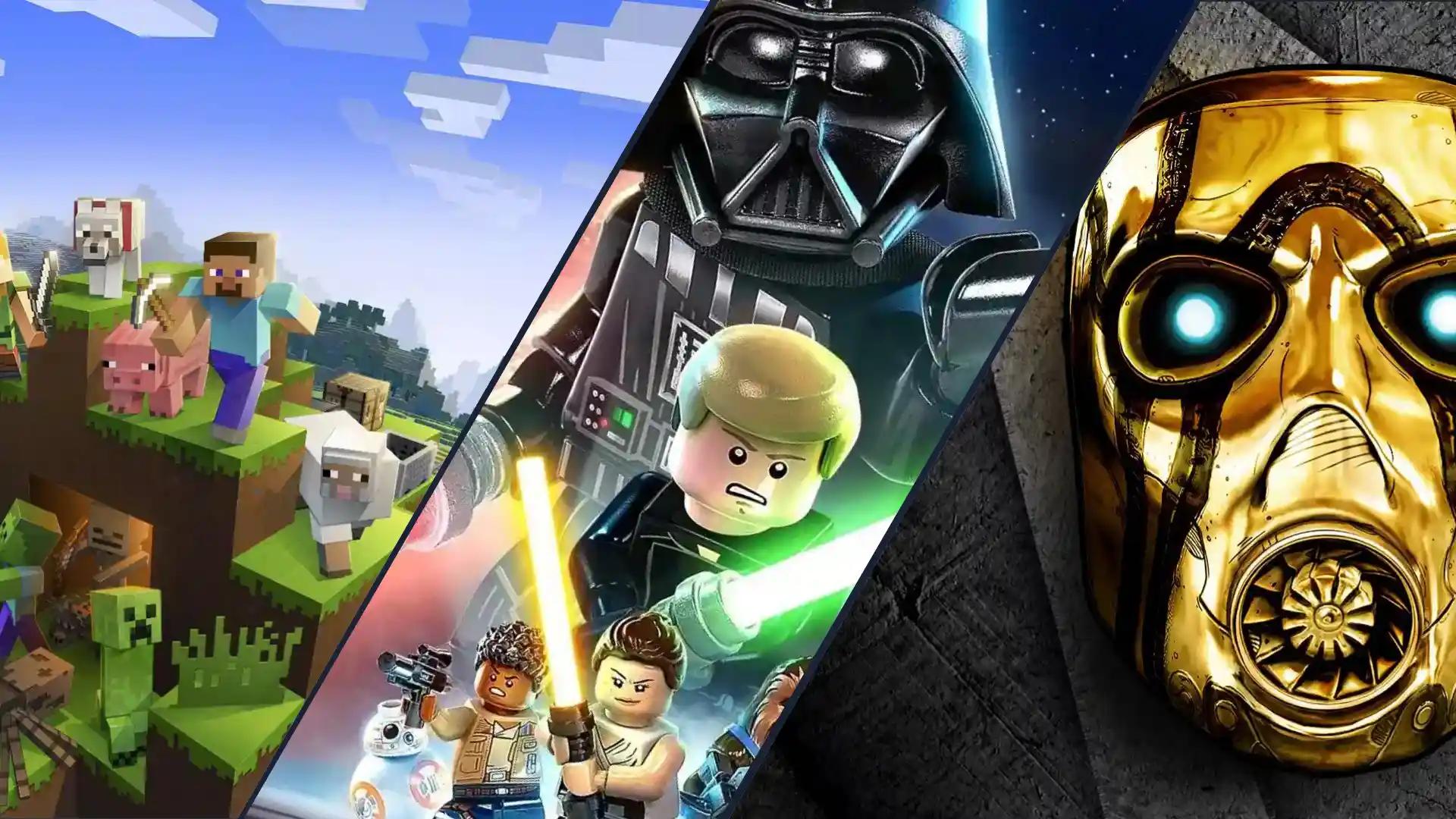

The best split-screen co-op Nintendo Switch games give each player their own camera without sacrificing clarity or performance. That independence matters: when you can explore different areas, cover separate flanks, or solve puzzles at your own pace, the experience feels genuinely cooperative rather than one person backseat-driving. This guide focuses on true split-screen co-op, not shared-screen party games where everyone watches the same camera. It's aimed at families, friends, and dedicated duos who want to move independently. I ranked each game on four things: how fun it stays over many sessions, how well teamwork is built into the design, how easy it is to jump in at different skill levels, and how stable and readable the split view stays when the action gets heavy.
This article is part of our guide on the Best Nintendo Switch Co-Op Games
Note: This guide covers games with true split-screen play, where the display is divided into separate zones. If you want games to play together on the same screen, check out our guide on the best couch co-op games for the Nintendo Switch.
How We Ranked These Games
These rankings balance cooperative depth, approachability, and how well each game actually runs in split-screen on Switch hardware. The table below breaks down the five criteria and the weight each carries. Split-screen execution carries the most weight because a divided view that turns unreadable or choppy undermines everything else.
Criterion | Weight | Why It Matters |
|---|---|---|
Fun Factor | 20% | Captures how enjoyable and varied the game feels over many sessions. |
Co-Op Design | 25% | Shows how well the game is built around teamwork, shared goals, and balanced roles. |
Accessibility | 5% | Reflects how easy it is for different skill levels to jump in and have a good time. |
Performance and Polish | 10% | Accounts for stability, responsiveness, and technical quality during local co-op. |
Split-Screen Execution | 40% | Focuses on how clear, readable, and smooth the divided view stays in real play. |
Related reading: Best 4-player Couch Co-Op Switch Games
The Top 10 Best Split-Screen Co-Op Nintendo Switch Games
These games are ordered by how well they combine satisfying cooperation with clean, reliable split-screen on Switch hardware. The rankings favour titles where independent cameras genuinely improve the co-op, not just technically support it.
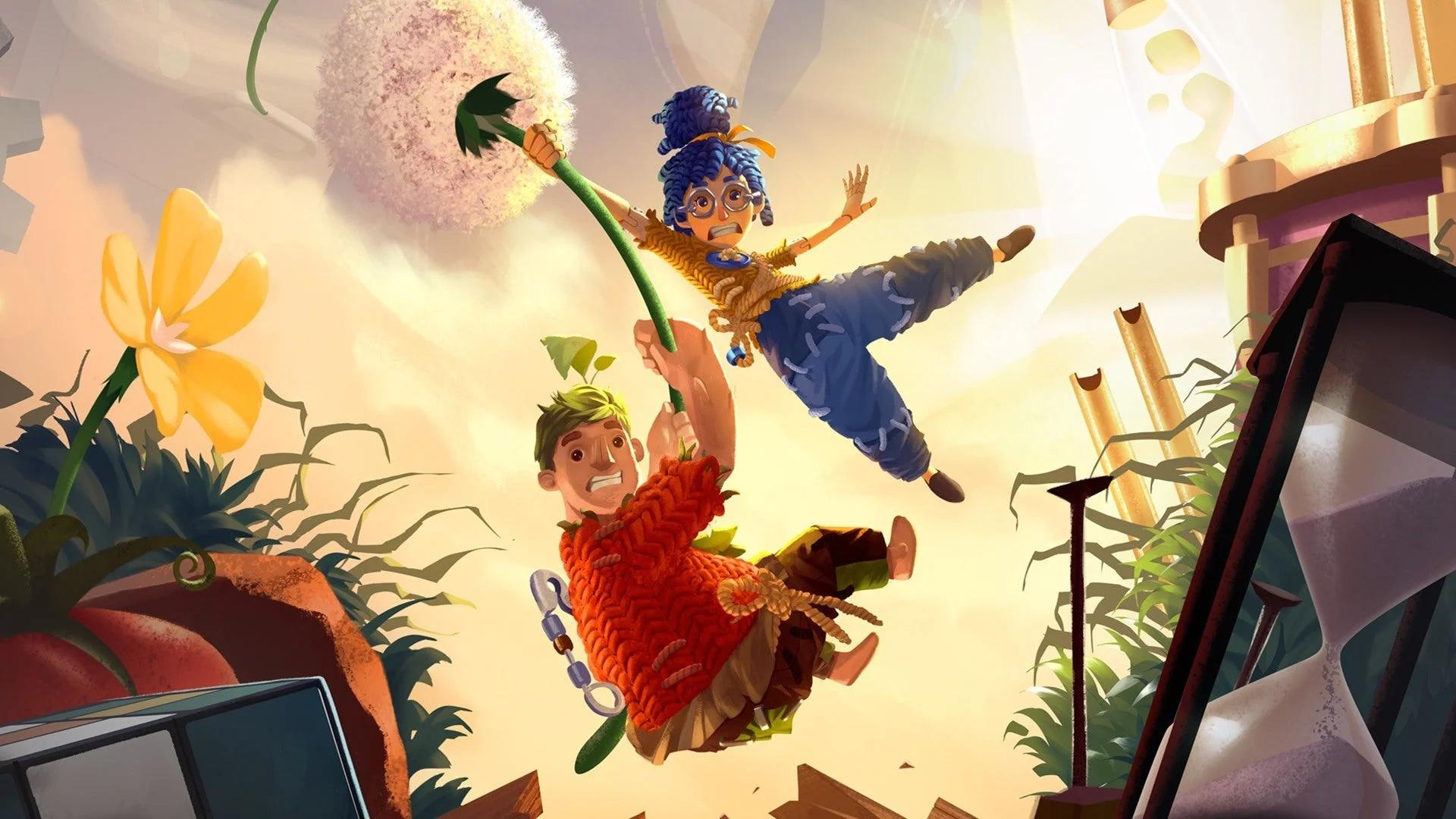
It Takes Two earns the top spot because split-screen isn't an option here, it's the architecture. Every puzzle, chase sequence, and boss fight was built around two active cameras, which means you can't stumble through it passively. Each player gets completely distinct abilities that change level to level, so the coordination required shifts constantly. I've played this start to finish twice with different partners and neither run felt like repetition. The Switch port holds up well given that two-camera load is baked in from the beginning rather than bolted on. No solo mode exists, so bring a committed partner, but that constraint is also what makes it the most focused co-op game on this list.
- Released
- 20212021
- Genre
- PlatformerPlatformer
- Platforms
- PC, PS4, PS5, Switch, Xbox One, Series X|SPC, PlayStation 4, PlayStation 5, Nintendo Switch, Xbox One, Xbox Series X/S
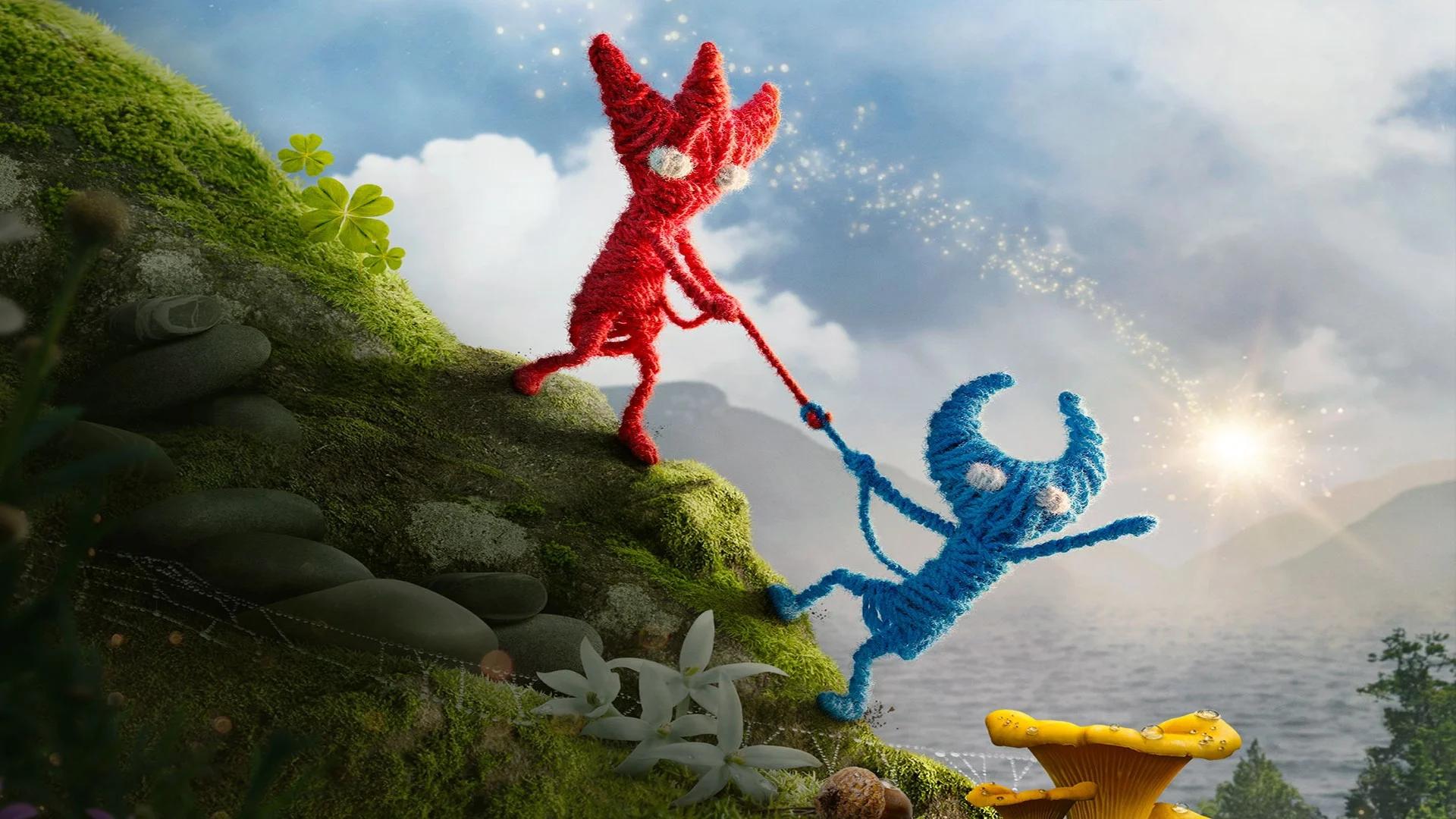
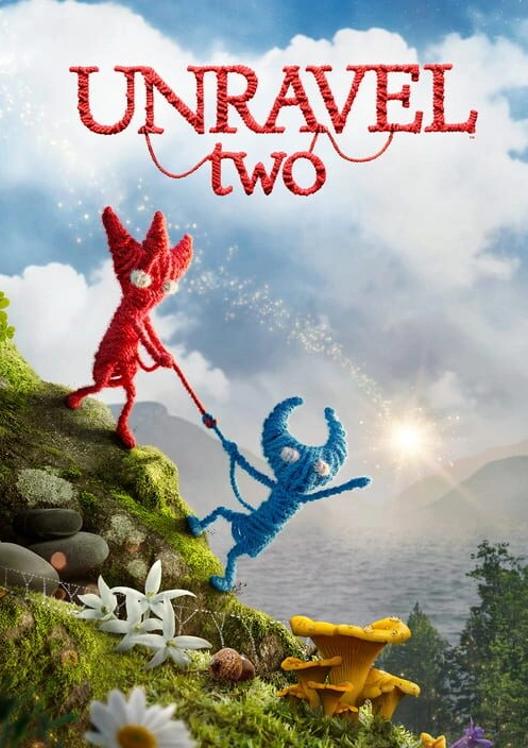
Unravel Two is a puzzle-platformer where two yarn creatures are literally tethered together, and that physical link drives every obstacle. Swinging your partner across a gap, using one Yarny as an anchor while the other climbs, holding a rope taut so the other can shimmy across: almost nothing here works alone. The vertical split-screen suits the game's pacing well. Movement is slow and deliberate, so each panel stays readable without cramming the action. Performance is steady in co-op. One firm limitation: handheld mode locks you out of split-screen entirely, dropping to solo play only. If you play mostly docked or in tabletop, that's no issue. If handheld is your primary mode, it matters.
- Released
- 20182018
- Genre
- PlatformerPlatformer
- Platforms
- PC, PS4, Switch, Xbox OnePC, PlayStation 4, Nintendo Switch, Xbox One
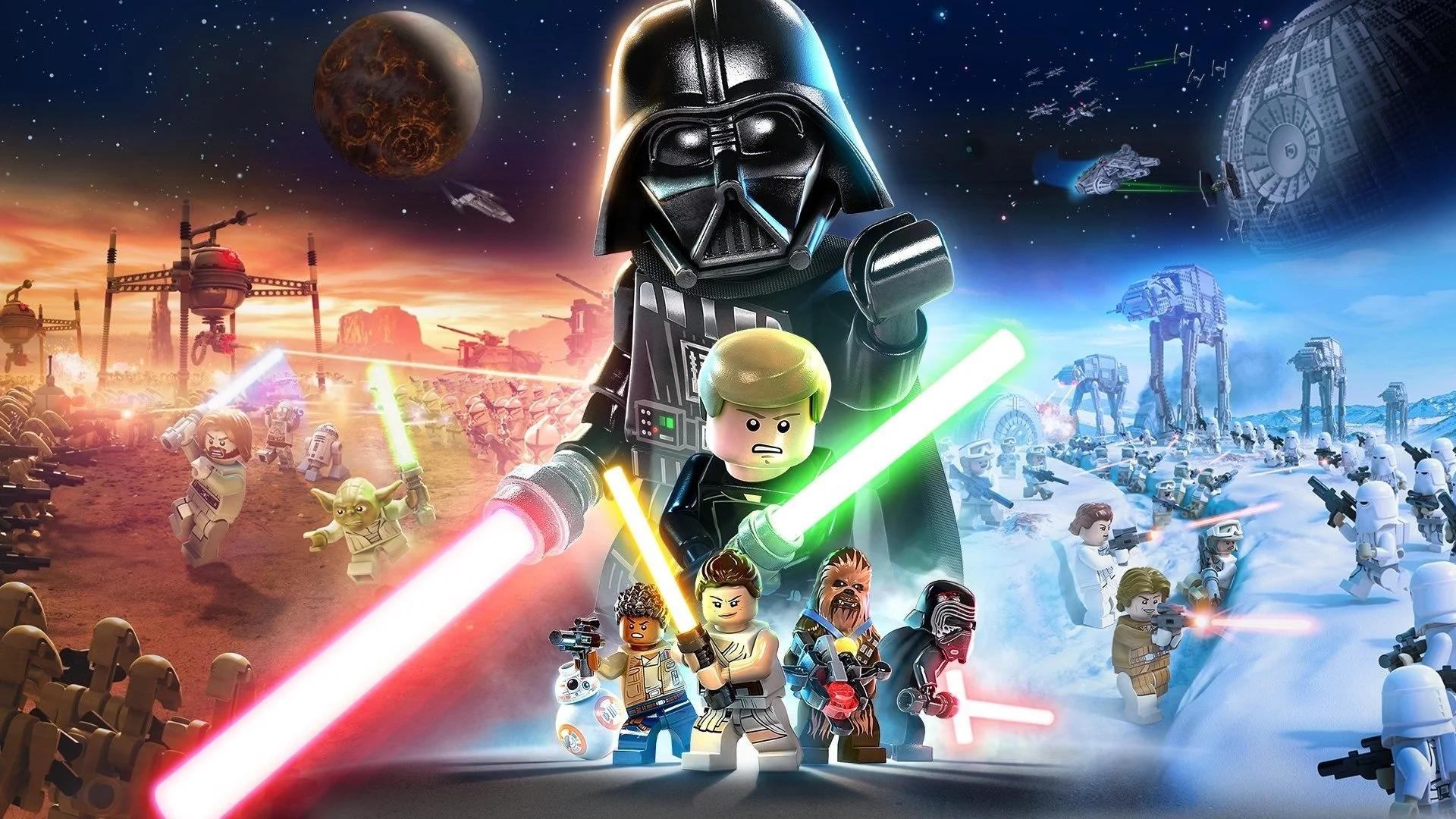
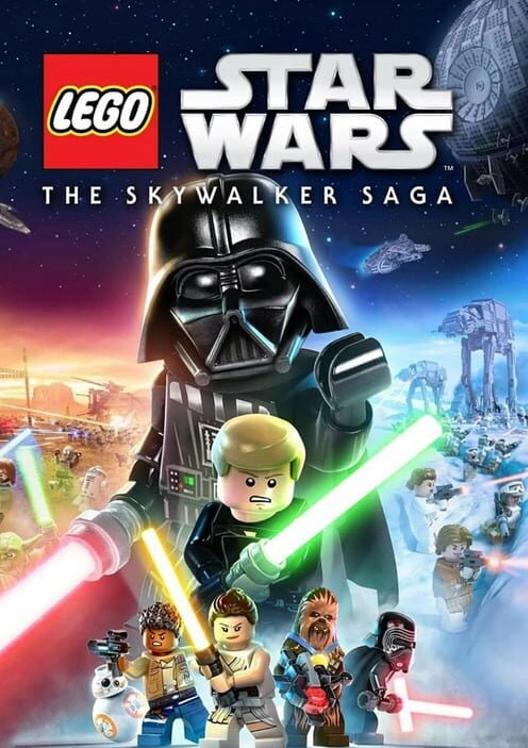
Lego Star Wars: The Skywalker Saga lets two players roam all nine main Star Wars films in relaxed split-screen. The dynamic split is the key feature: as players wander apart to collect studs or solve small puzzles, the screen automatically adjusts rather than forcing everyone back together. Controls are forgiving enough that a 7-year-old and an adult can share a session without frustration. Co-op is casual rather than strategic, and performance can dip noticeably during busier scenes with lots of enemies on screen. For families or mixed-skill pairs, that's the trade you're making: broad content and low barrier to entry over tight mechanics or technical smoothness.
- Released
- 20222022
- Genre
- PuzzlePuzzle
- Platforms
- PC, PS4, PS5, Switch, Xbox One, Series X|SPC, PlayStation 4, PlayStation 5, Nintendo Switch, Xbox One, Xbox Series X/S
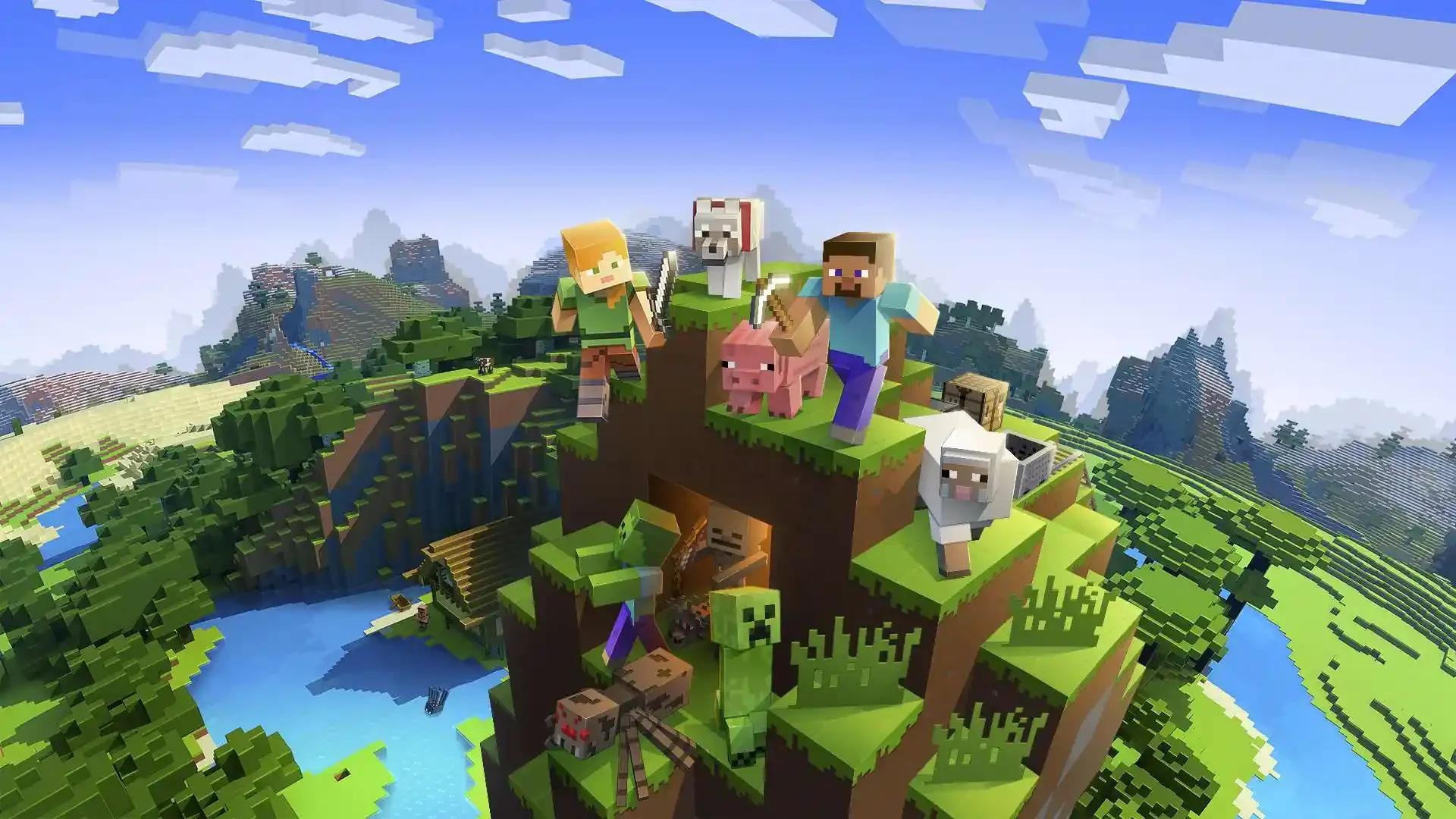
Minecraft on Switch supports up to 4-player split-screen, which is rare on this list. That extra flexibility changes how co-op sessions can work: one player mines deep underground while another builds the base, and nobody has to wait or follow. The teamwork emerges naturally from what the game already asks you to do. That said, 4-player mode is where I'd urge some caution. The viewports get small, UI text shrinks noticeably, and performance takes a hit compared to 2-player. Two players is the sweet spot. For open-ended builders and creative families, it's still one of the most flexible co-op sandboxes on Switch.
- Released
- 20112011
- Genre
- SimulationSimulation
- Platforms
- Linux, macOS, PCLinux, macOS, PC
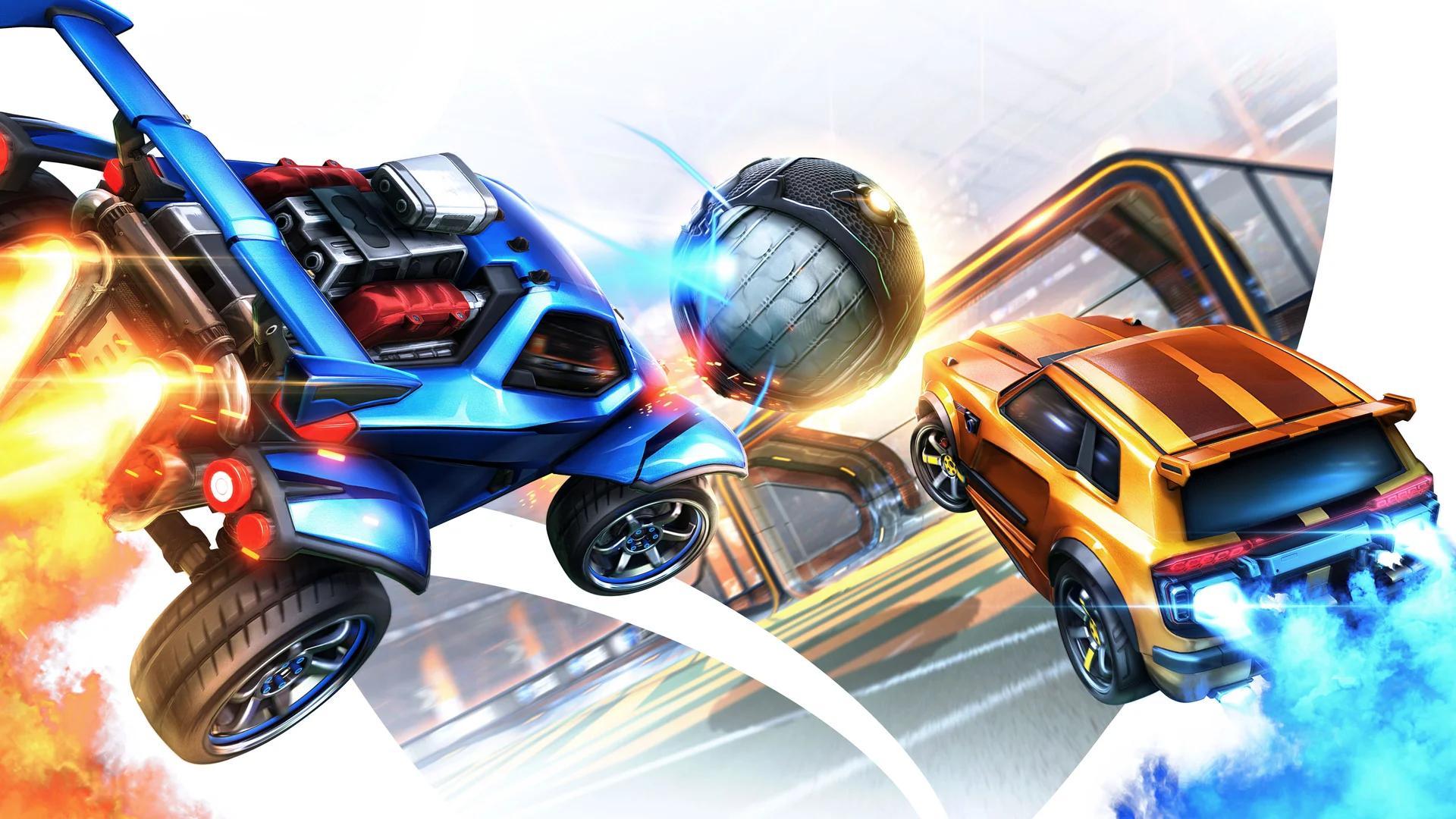
Rocket League is car soccer, and the split-screen implementation on Switch is one of the better ones on this list. Each player needs their own camera because reading the ball arc from your teammate's perspective is genuinely different from your own. Passing, rotating between offense and defense, and timing aerial challenges all benefit from that independent view. Performance stays responsive in split-screen, which matters for a game where a tenth of a second decides a goal. The steep part: complete newcomers often spend their first few hours just learning to drive before any coordinated play becomes possible. This one rewards persistence, but it takes time to get there.

- Released
- 20152015
- Genre
- RacingRacing
- Platforms
- Linux, macOS, PC, PS4, PS5, Switch, Xbox One, Series X|SLinux, macOS, PC, PlayStation 4, PlayStation 5, Nintendo Switch, Xbox One, Xbox Series X/S
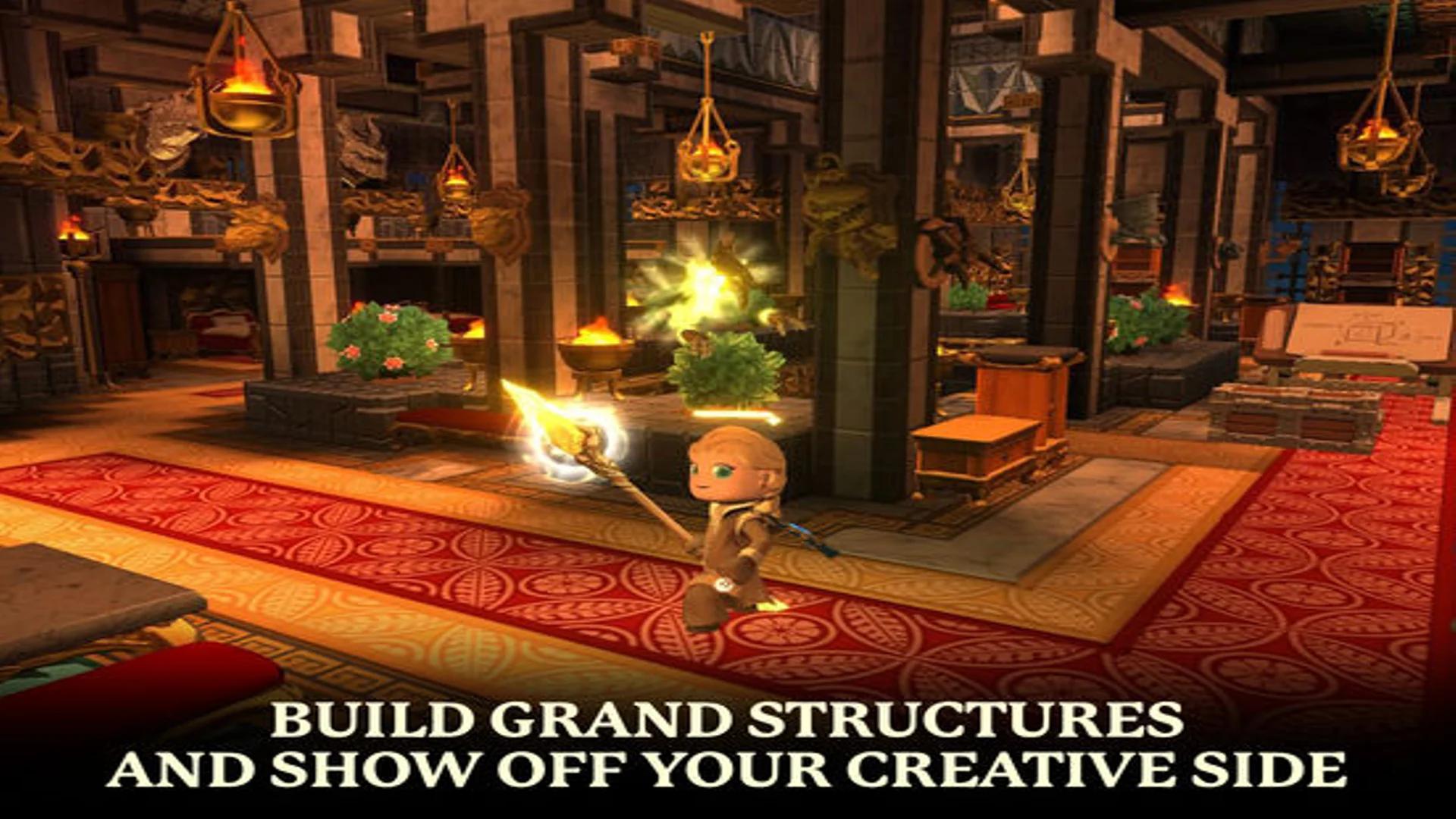
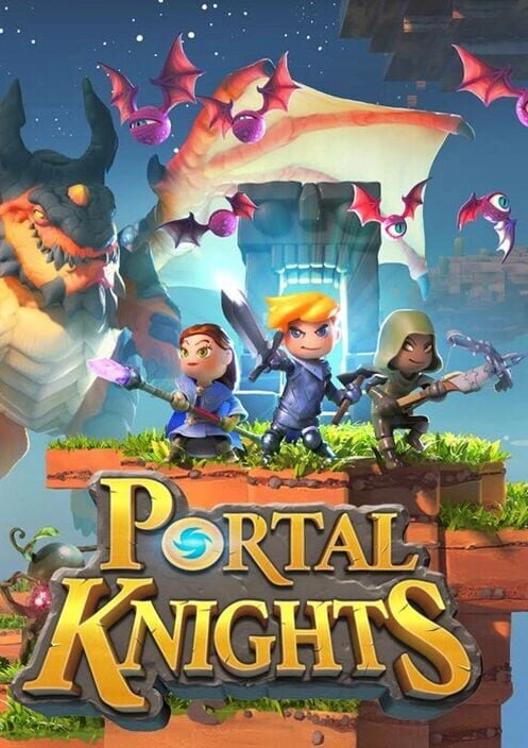
Portal Knights blends action-RPG combat with light building and exploration, letting two players share a world in vertical split-screen. It earns its spot because the class system and island-based layout naturally encourage dividing tasks: one player tanks or controls crowds while the other focuses on ranged attacks or crafting back at base. Independent views make hopping between portals and biomes feel smooth rather than cramped. The systems aren’t as deep as full-scale RPGs, and combat can feel a bit floaty, but for duos who like some structure added to sandbox play, it offers a satisfying middle ground.
- Released
- 20172017
- Genre
- RPGRPG
- Platforms
- Android, iOS, PC, PS4, Switch, Xbox OneAndroid, iOS, PC, PlayStation 4, Nintendo Switch, Xbox One
Borderlands: The Handsome Collection includes both Borderlands 2 and The Pre-Sequel, giving you hundreds of hours of loot-driven co-op content across two full campaigns. Few other Switch games let two players develop completely separate character builds, coordinate elemental damage types, and trade legendary weapon drops in true split-screen. The depth is real. The Switch trade-off is also real. Text in split-screen is tiny, especially on a smaller TV, and performance drops during heavier firefights are noticeable enough to interrupt the rhythm. I wouldn't recommend this to players new to the series or to co-op shooters generally. For experienced duos willing to work around those limits, the systems are hard to match locally.
- Released
- 20152015
- Genre
- ShooterShooter
- Platforms
- PC, PS4, Switch, Xbox OnePC, PlayStation 4, Nintendo Switch, Xbox One
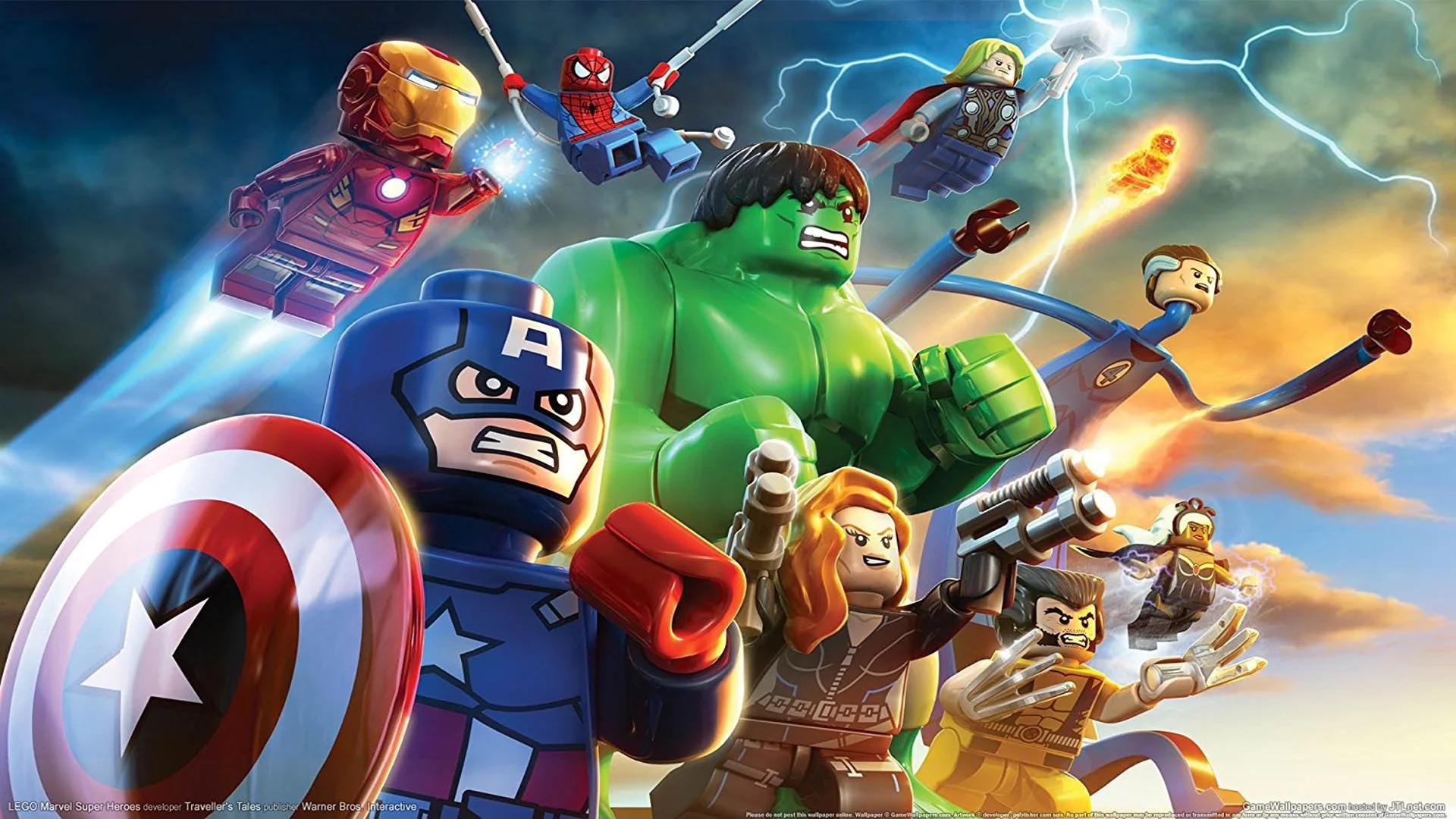
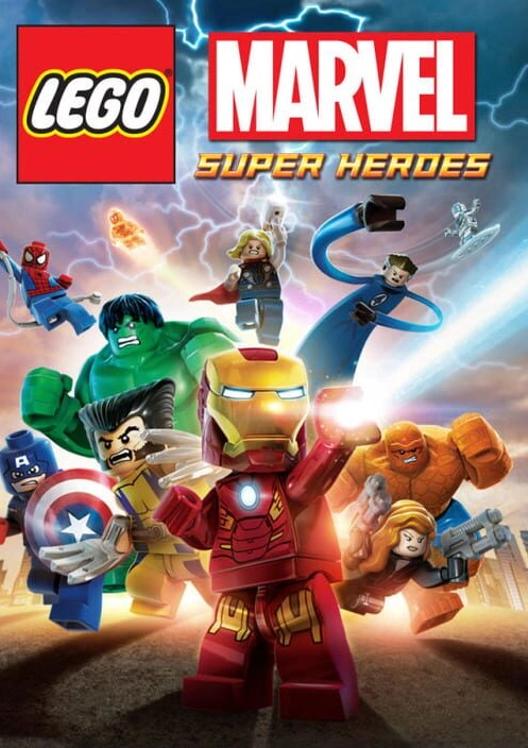
Lego Marvel Super Heroes is a colorful superhero romp where two players share a dynamic split-screen while exploring an open-world New York and simple story stages. It earns a mid-table spot because it delivers reliable, family-friendly co-op with clear visuals and easy controls, and the large cast encourages light teamwork by pairing different powers. The split-screen smoothly changes shape as players move apart, keeping both views readable. Its co-op systems are shallow and very similar to other Lego titles, and performance is just okay, but for Marvel fans or families wanting low-stress shared play, it still works well.
- Released
- 20132013
- Genre
- PlatformerPlatformer
- Platforms
- macOS, PC, PS4, Switch, Xbox OnemacOS, PC, PlayStation 4, Nintendo Switch, Xbox One
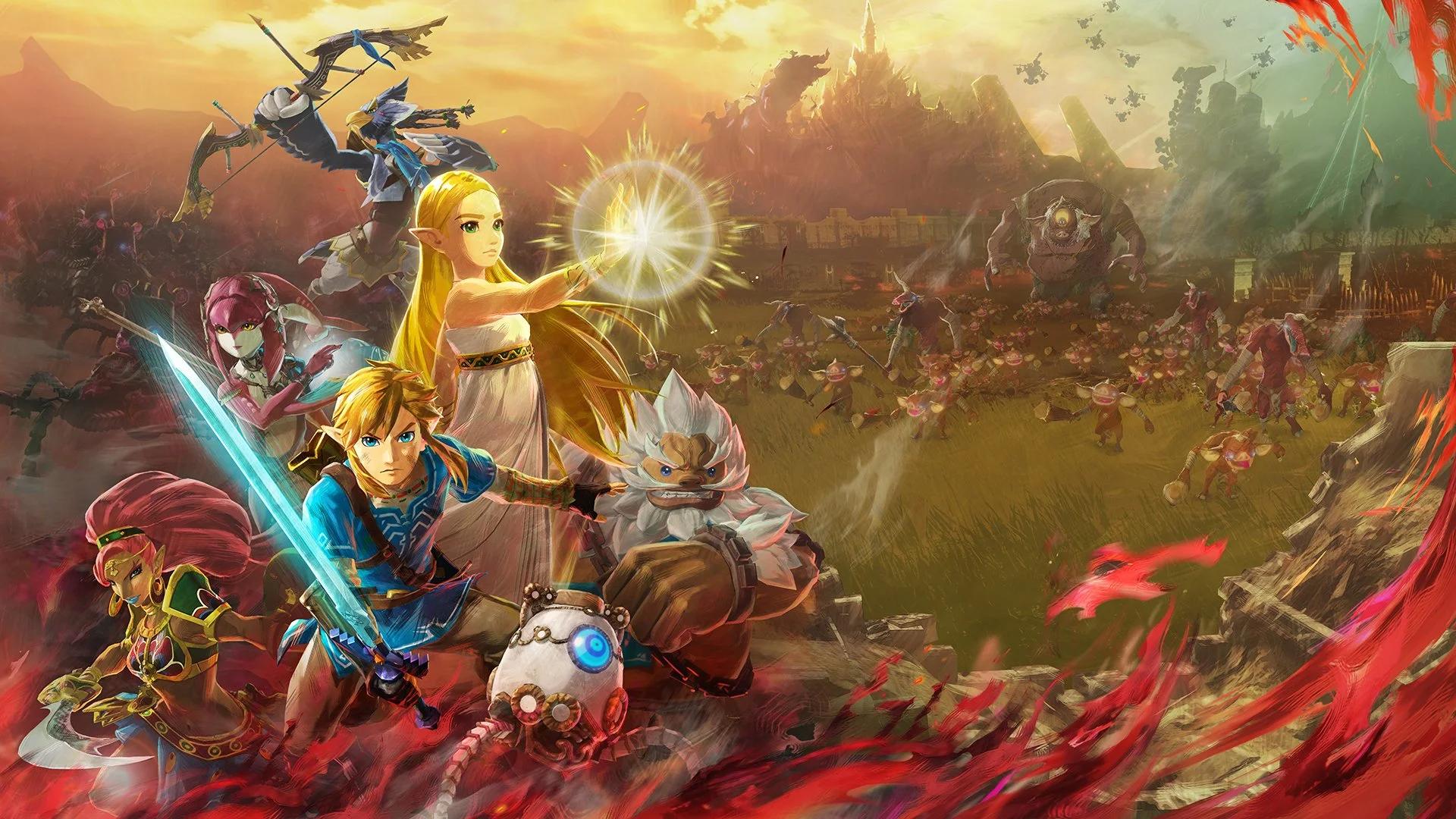
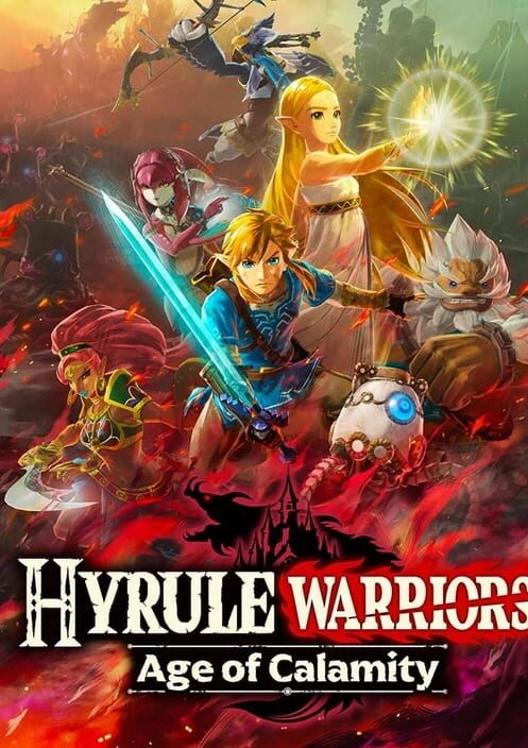
Hyrule Warriors: Age of Calamity lets two players carve through armies as Link, Zelda, and the four Champions in horizontal split-screen. The mission structure works well for co-op: one player can push the main objective while the other handles outpost captures or boss weak points on a different part of the map. That structure is genuinely good. The performance in split-screen is genuinely rough. When enemy counts peak, which happens often in this style of game, frames drop and inputs start to feel delayed. I tested this on a docked Switch with a friend, and we both noticed it during most major battles. Worth playing only if the Zelda connection matters enough to you to push through that.
- Released
- 20202020
- Genre
- StrategyStrategy
- Platforms
- SwitchNintendo Switch
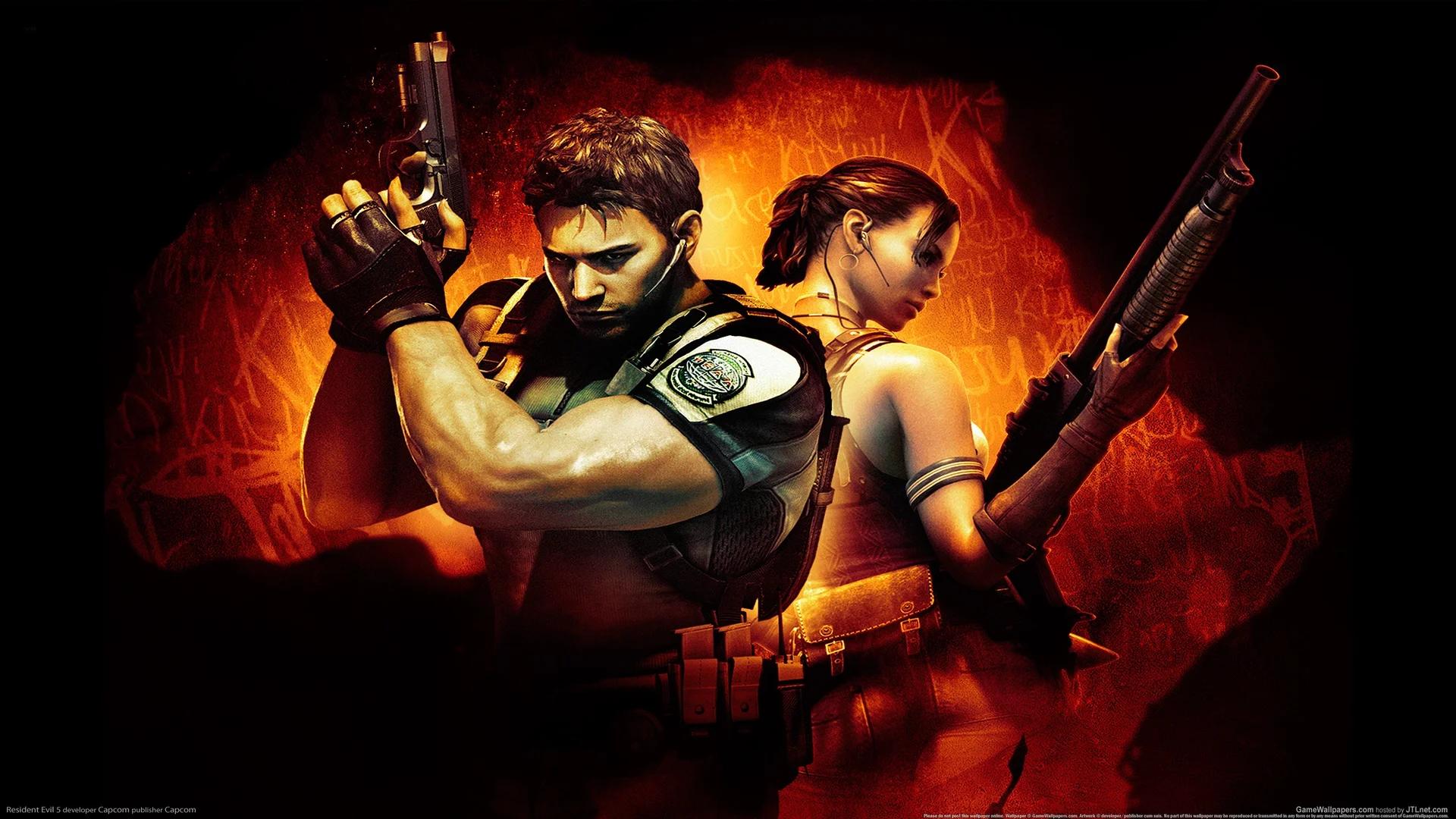
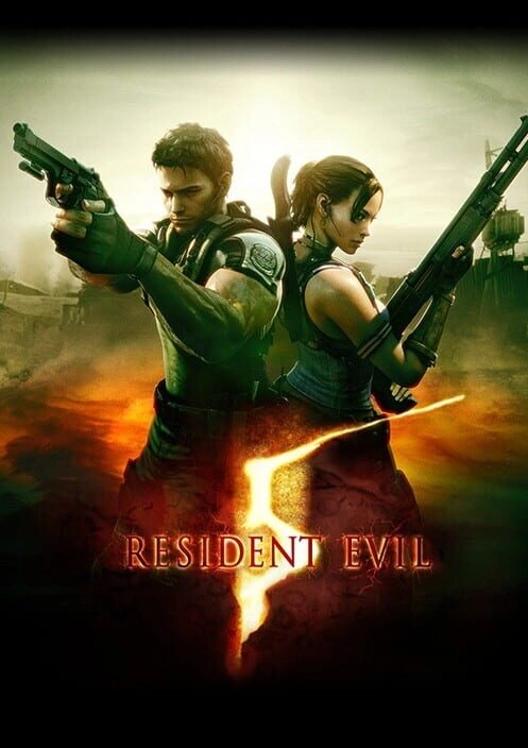
Resident Evil 5 pairs Chris Redfield and Sheva Alomar through Africa-set chapters where shared inventory is a core mechanic, not an afterthought. Ammo, herbs, and key items transfer between players in real time, and the game actively requires you to cover each other's flanks because enemies approach from multiple angles simultaneously. On paper, it's exactly what split-screen co-op should be. On Switch, the performance is a real problem. Busy combat sections drop frames and the aiming feels sluggish as a result. I'd honestly call some stretches borderline unplayable if you're used to the PC or console versions. This is a niche entry, but co-op fans who remember the original and can tolerate the technical limits will find the partner design still holds up.
- Released
- 20092009
- Genre
- ShooterShooter
- Platforms
- PCPC
Related reading: Best Couples Co-Op Switch games
Frequently Asked Questions
These answers cover the most common questions about split-screen co-op on Nintendo Switch, from what to expect technically to which modes work in handheld.
What is the difference between split-screen and shared-screen co-op on Switch?
Split-screen divides the display into separate views so each player controls their own camera independently. Shared-screen keeps a single camera that all players share. This guide covers games with true divided screens only, not top-down or side-on views where everyone follows the same frame.
How many players can use split-screen on Nintendo Switch at once?
Most Switch split-screen games support 2 players. A handful, including Minecraft and some racers, push to 4. More players means smaller viewports and more strain on the hardware, so performance and readability often take a hit beyond 2.
Does split-screen co-op run worse than solo play on Switch?
Yes. Running two or more cameras at once is demanding, and some games drop frames or reduce visual detail in split-screen. Well-optimised titles stay smooth enough to be enjoyable; others, like Resident Evil 5 or Hyrule Warriors: Age of Calamity, can feel genuinely rough. This ranking notes the worst offenders.
Do all split-screen Switch games work in handheld mode?
No. Some titles restrict split-screen to docked or tabletop modes because the handheld screen is too small for multiple views. Unravel Two locks co-op out of handheld entirely. Always check before buying if handheld play matters to you.
Which split-screen co-op Switch games are best for families with younger players?
LEGO titles and creative sandboxes like Minecraft tend to work best. Simple controls, forgiving difficulty, and drop-in co-op mean adults and kids can share progress without one player feeling lost. Lego Star Wars: The Skywalker Saga and LEGO Marvel Super Heroes are the most accessible picks on this list.
Conclusion
Picking the right split-screen co-op game on Switch comes down to what your group actually wants. Families with younger players will get the most out of the LEGO titles and Minecraft, where forgiving difficulty and open-ended play matter more than technical performance. Experienced duos willing to sit with rougher frame rates can find a lot in Borderlands or Resident Evil 5 that shallower games don't offer. If performance is non-negotiable, It Takes Two and Unravel Two are the safest bets. Either way, this guide covers only true divided-screen games. For shared-camera co-op, the couch co-op roundup is a better starting point. Ready for more tailored picks? Try our Recommendations Engine for suggestions that match your play style.