
My living room is basically a Nintendo Switch co-op laboratory at this point. Two kids, a wife who isn't a gamer but has strong opinions about which Toad she gets to play, and a regular LAN crew that occasionally abandons laptops for a night of couch chaos. Couch co-op is the mode I reach for most on Switch, because everyone can see the screen, nobody needs a headset, and disasters are funny instead of isolating.
I scored every pick on fun factor, co-op design, and how readable the action stays on a shared screen, weighting genuine teamwork over pure spectacle. Accessibility for beginners and replay value filled out the rest.
For the full picture on Nintendo Switch co-op, see our Best Nintendo Switch Co-Op Games guide. This article focuses specifically on same-screen couch play, the kind where everyone is crammed onto one sofa and one screen.
Quick Picks
Best for families: Super Mario Bros. Wonder
Best for party chaos: Heave Ho
Best for large groups: Teenage Mutant Ninja Turtles: Shredder's Revenge
Best for couples: Luigi's Mansion 3
Best for puzzle lovers: Death Squared
The Top 10 Best Couch Co-Op Nintendo Switch Games
These ten earned their spots by balancing pure fun with how well they actually hold up when a controller gets passed around a real couch.
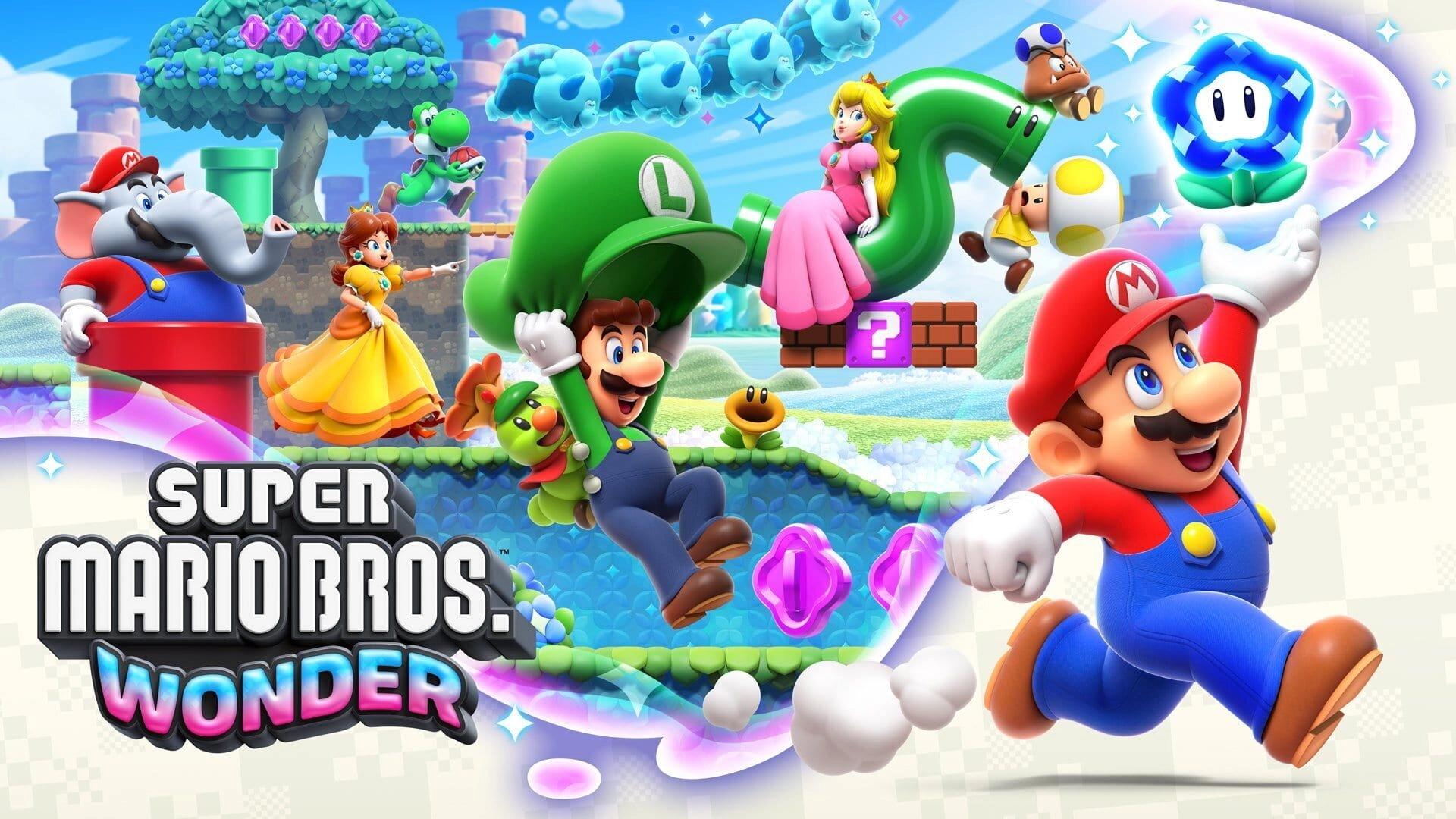
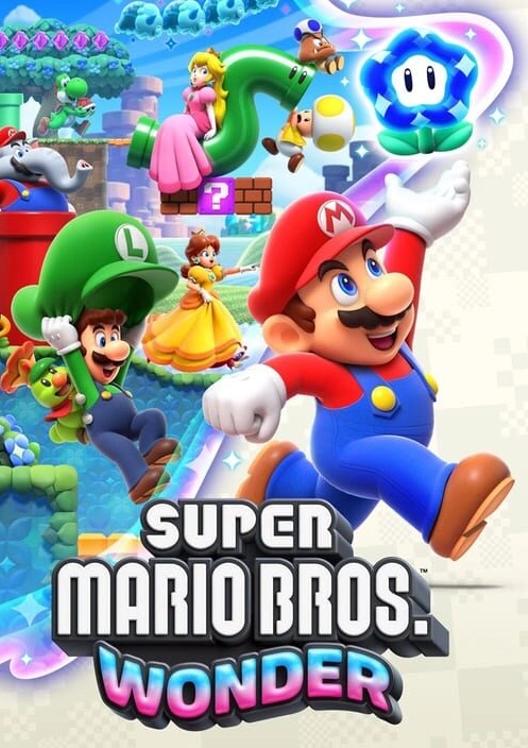
Wonder is the Mario game I didn't know I needed until my kids started fighting over who gets to be the elephant. Four players can pile onto one screen and it stays readable even at full chaos, which is not something I can say about every four-player platformer I've tested. The Wonder effects turn every level into a genuine surprise instead of a reskin, and the assist options mean my youngest can survive without either of us babysitting her inputs. It beats New Super Mario Bros. U Deluxe in almost every way that matters for a couch session. One catch. Four elephants stampeding through one level occasionally turns into visual soup, though that mess is part of the fun.
- Released
- 20232023
- Genre
- PlatformerPlatformer
- Platforms
- SwitchNintendo Switch

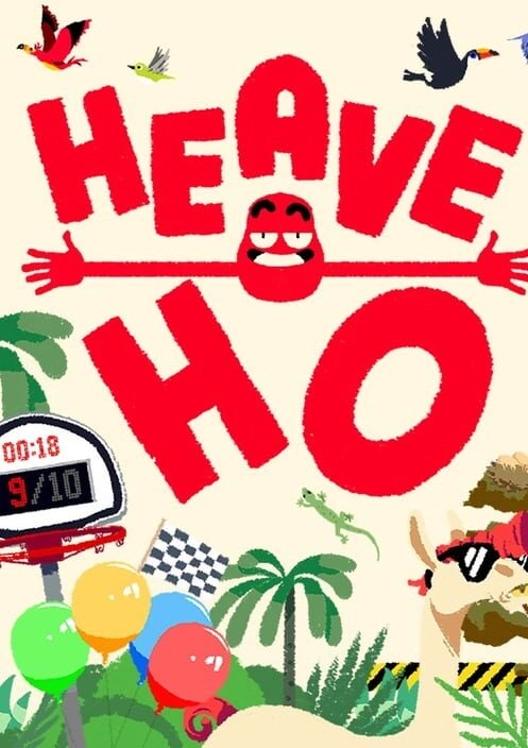
Heave Ho is the game that turns grown adults into shrieking toddlers within about ninety seconds. My family and a group of friends played this over a holiday weekend and by the third round we had someone lying on the floor laughing instead of holding a controller. The whole game is just grabbing, swinging, and launching your noodle body across gaps, and that tiny move set means anyone, kids included, understands it instantly. Four players fit comfortably on one screen without the visual mess bigger platformers create. It's short. Runs are quick enough to squeeze in before bedtime, which matters more to me than it should. The trade-off is that once you've seen most of the level gimmicks, the replay pull fades faster than the laughs did.
- Released
- 20192019
- Genre
- PlatformerPlatformer
- Platforms
- macOS, PC, SwitchmacOS, PC, Nintendo Switch

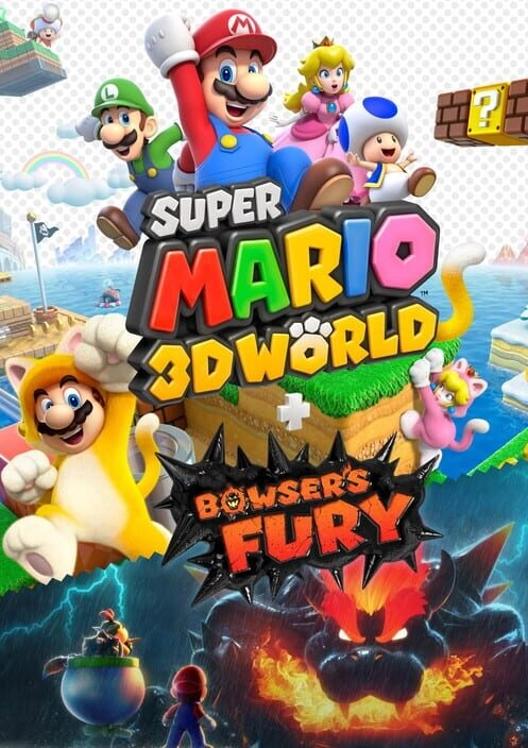
3D World plus Bowser's Fury was our family's Mario game before Wonder showed up and stole the spot. The core campaign still holds together beautifully in four-player co-op, with bubble respawn keeping younger players in the action instead of watching from the sidelines. Bowser's Fury tacked onto the package is a genuinely different experience, a mini open world you can tackle solo or together, and it's the kind of bonus most re-releases don't bother with. My one complaint is the camera. With four cats bouncing around a vertical stage, it occasionally loses track of who you're supposed to be watching. That said, the level design is sharp enough that even a frustrating camera moment rarely kills the fun for long.
- Released
- 20212021
- Genre
- PlatformerPlatformer
- Platforms
- Switch, Switch 2Nintendo Switch, Nintendo Switch 2
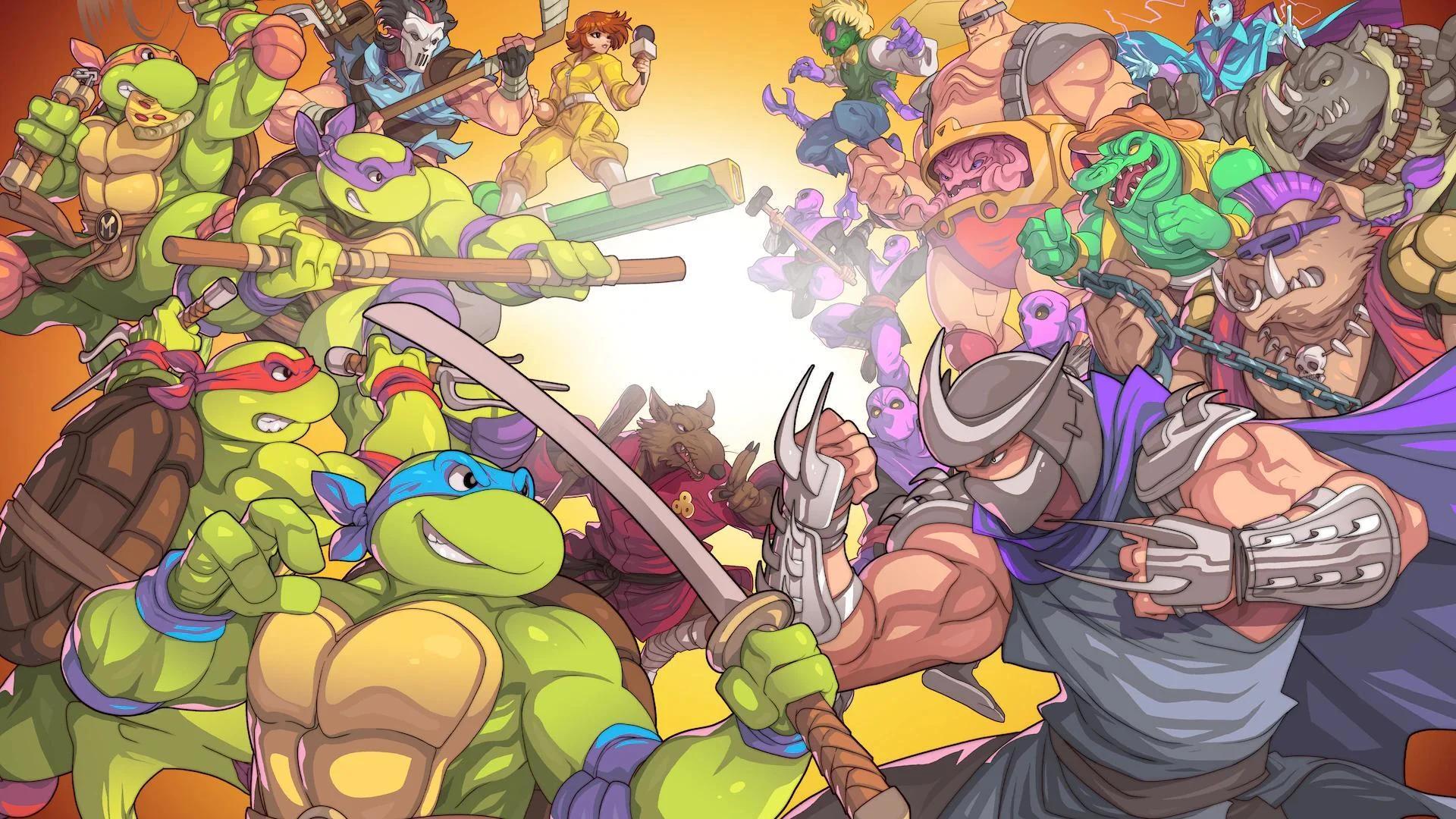
Shredder's Revenge basically drags an arcade cabinet into your living room. My regular LAN crew tried it on the big TV instead of laptops one night, and six of us ended up crammed onto two couches because the game supports that many players. The combat reads instantly: hit things, dodge things, occasionally throw a Foot Clan goon into the screen for a cheap laugh. It's not deep, but it doesn't need to be. New players pick it up in one level, and the pixel-perfect throwback art keeps everyone's eyes on the action rather than confused by clutter. Where it loses ground against the top tier is beginner forgiveness, and later stages punish sloppy positioning enough that someone in a six-player group is always getting juggled.
- Released
- 20222022
- Genre
- ActionAction
- Platforms
- Android, iOS, Linux, PC, PS4, PS5, Switch, Xbox One, Series X|SAndroid, iOS, Linux, PC, PlayStation 4, PlayStation 5, Nintendo Switch, Xbox One, Xbox Series X/S


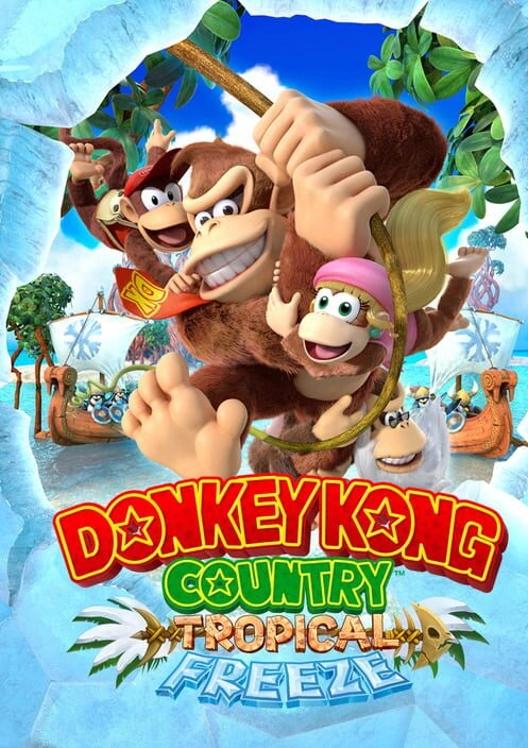
Tropical Freeze is gorgeous, brutal, and not for every couch. I tried playing this with my wife the way It Takes Two worked so well, and it didn't go the same way. The precision platforming and constant hazard timing asked more of her than she wanted to give on a Tuesday evening, and Funky Mode softens the challenge without fixing that gap. For two experienced players, this is some of the best level design on the whole system. Partner abilities genuinely change how you approach a stage instead of just adding a second body to carry. Performance stays rock solid and the visual read stays crisp. It's a co-op game for platformer fans, not a conversion tool for someone who isn't already on board.
- Released
- 20142014
- Genre
- PlatformerPlatformer

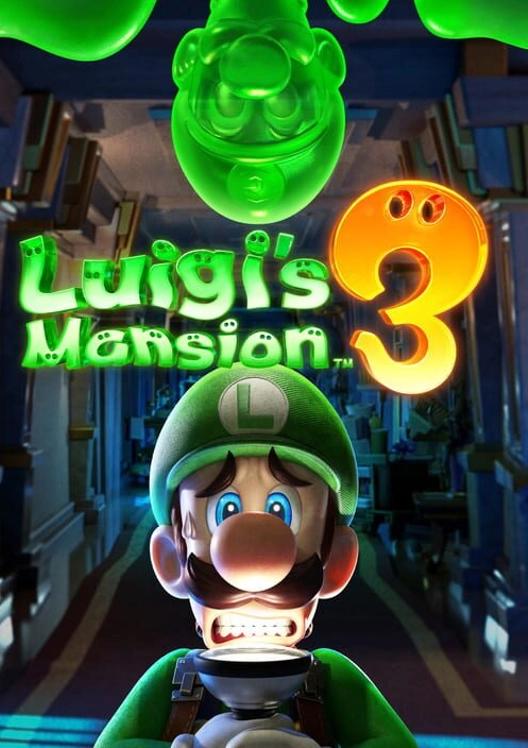
Luigi's Mansion 3 is the co-op game that made my oldest simultaneously terrified and unable to look away from the screen. Gooigi doesn't unlock until a few floors into the hotel, a real pacing tax if you expect shared play from minute one. Once he shows up, though, the two-character puzzles are genuinely clever, splitting a slime clone through vents while your partner handles the vacuum work upstairs. The hotel is dense with personality, every floor its own themed set piece, and the visual clarity holds up even during the chaotic ScareScraper mode. It's not built for four. Bigger groups will need to take turns. For a couple or parent-and-kid duo working through spooky rooms together, nothing here matches the atmosphere.
- Released
- 20192019
- Genre
- AdventureAdventure
- Platforms
- SwitchNintendo Switch
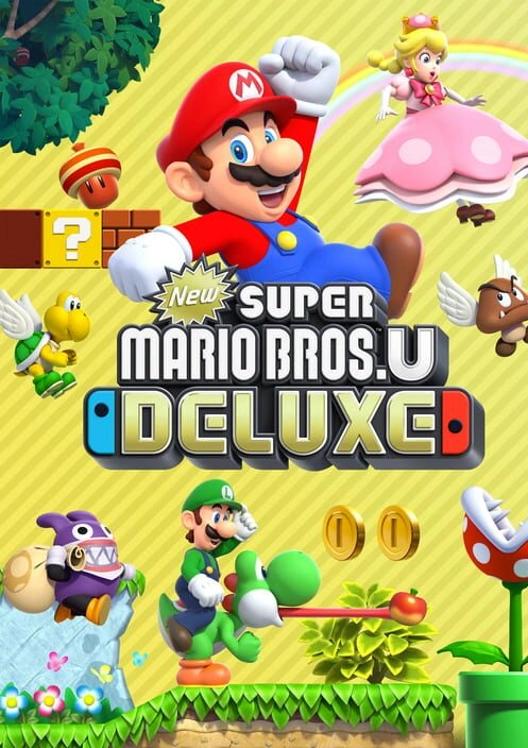
New Super Mario Bros. U Deluxe used to be our default Friday night Mario game, back before Wonder existed and reset the bar. It still does the job. Four players, Nabbit and Toadette softening the difficulty for younger or newer players, and a bubble-respawn system that keeps a struggling kid from ruining the run for everyone else. The performance is rock solid and the visuals stay clean even with a screen full of overlapping characters. What's changed is the comparison. Standing next to Wonder, the level design feels straightforward instead of surprising, and the constant mid-air collisions between four Marios read more like clutter than chaos. It's still worth owning if you already have it, but I wouldn't buy it new over Wonder for a family just getting started.
- Released
- 20192019
- Genre
- PlatformerPlatformer
- Platforms
- Switch, Switch 2Nintendo Switch, Nintendo Switch 2
If you are looking for co-op built around narrative rather than couch chaos, check out our Best Nintendo Switch Story Co-op Games guide.
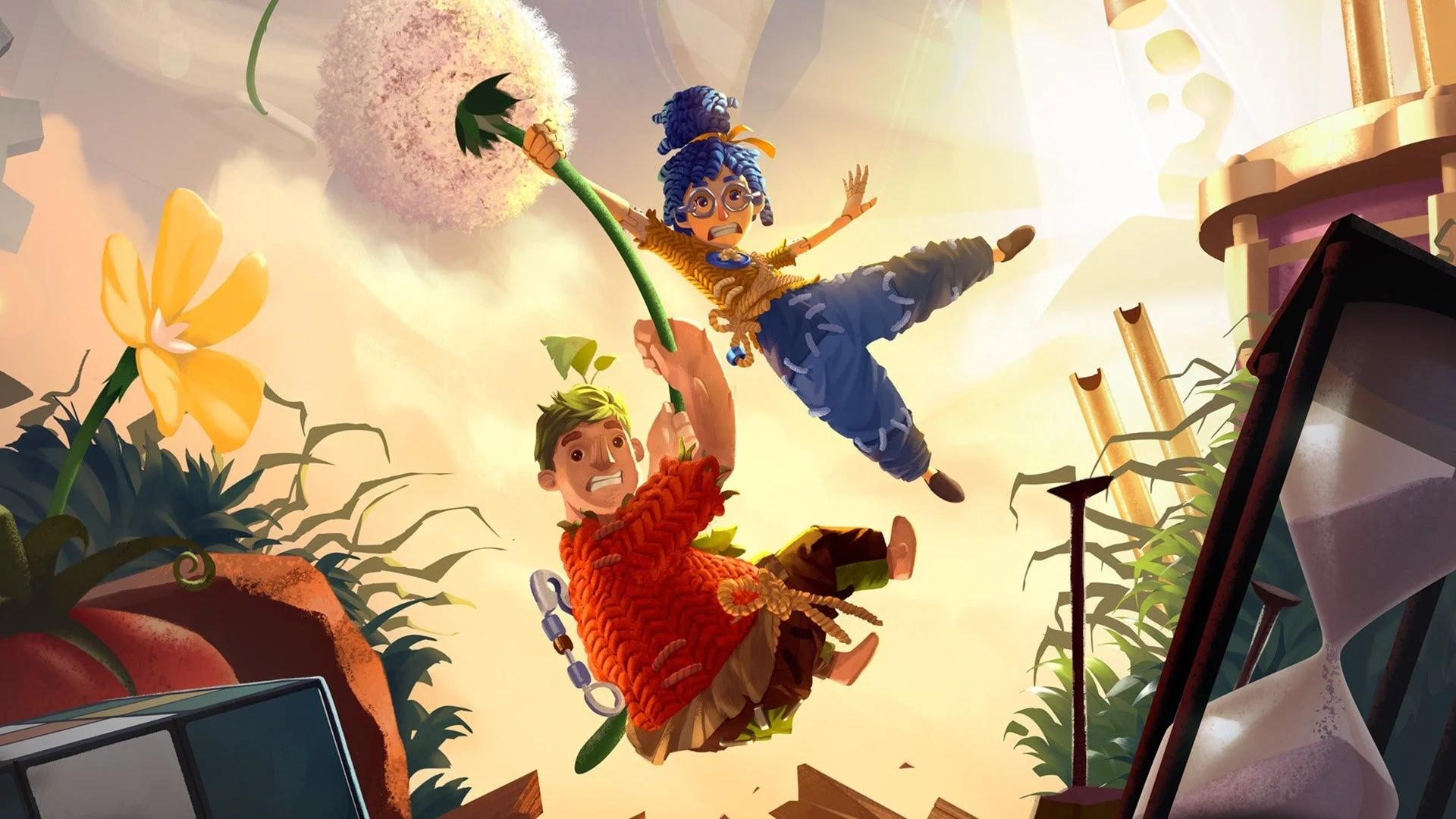
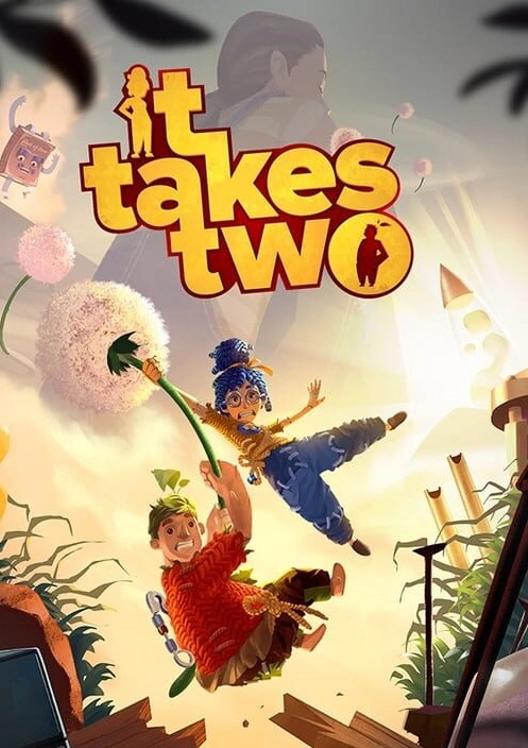
It Takes Two is the reason I know my wife can actually finish a video game. She's not a gamer, but the constant mechanic switching and the story pulling us forward kept her at the controller for the whole campaign, which almost never happens in this house. On Switch, the trade-off is visible: busier scenes lose some sharpness and the frame rate dips when both characters trigger effects at once. It's still worth it. Every chapter hands you a genuinely new shared mechanic instead of recycling the last one, and there's no way to progress without both players actually contributing. This isn't drop-in party chaos. It's a structured two-person campaign, which is why it sits lower here despite co-op design that's close to perfect.
- Released
- 20212021
- Genre
- PlatformerPlatformer
- Platforms
- PC, PS4, PS5, Switch, Switch 2, Xbox One, Series X|SPC, PlayStation 4, PlayStation 5, Nintendo Switch, Nintendo Switch 2, Xbox One, Xbox Series X/S
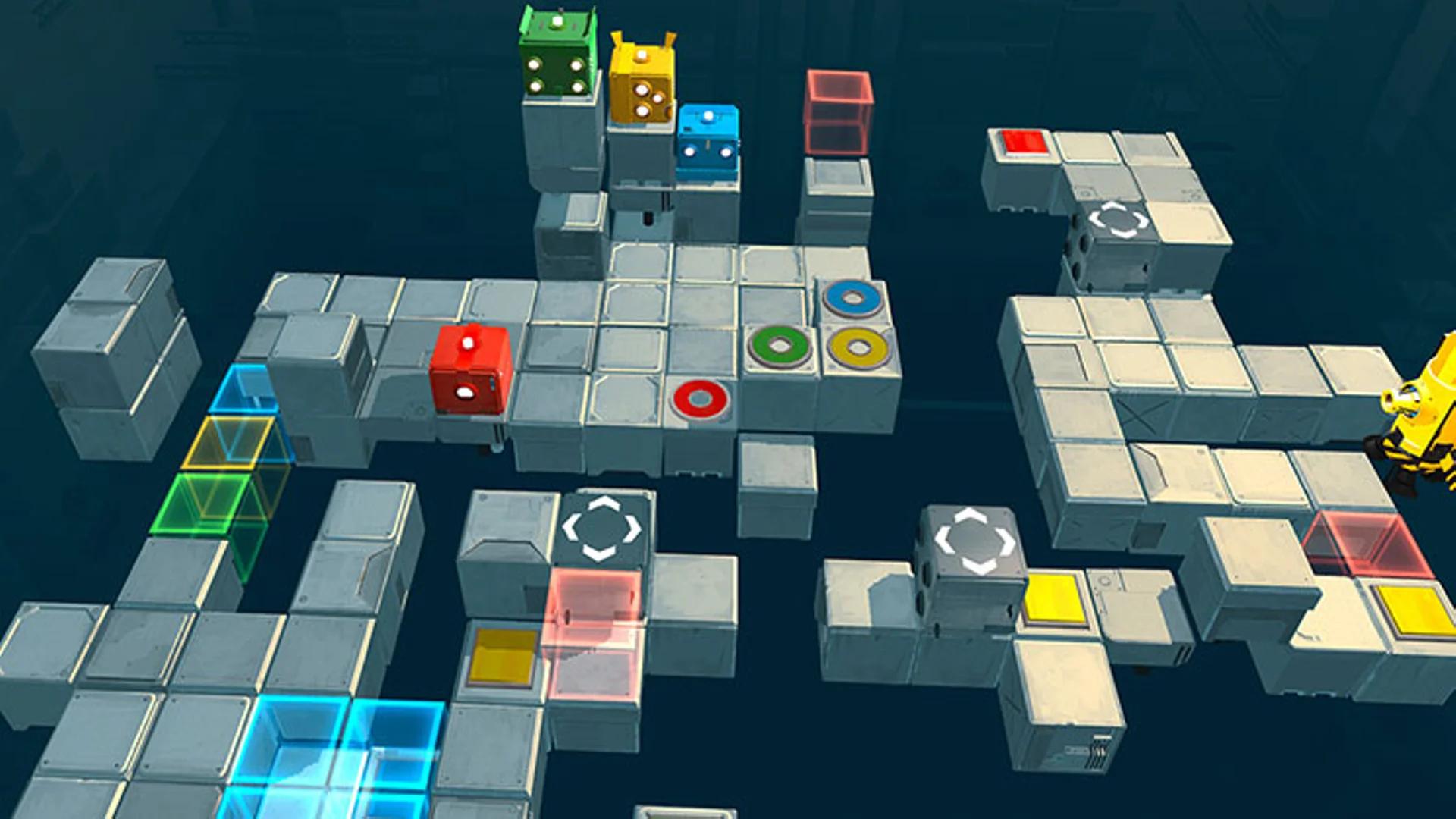
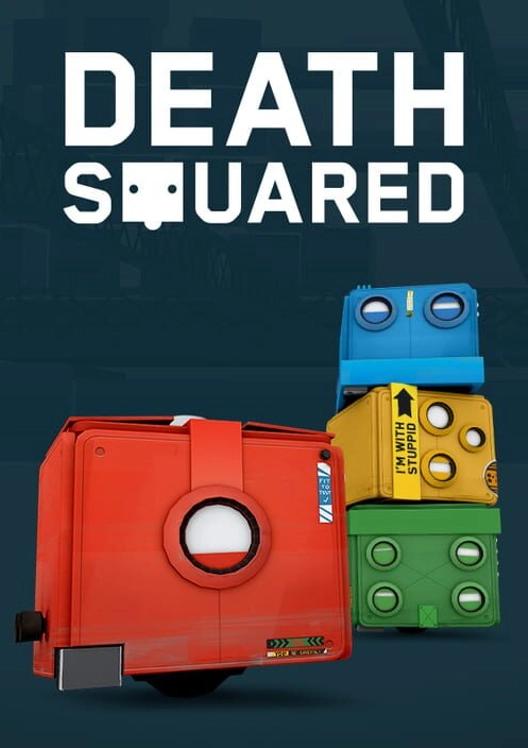
Death Squared works because it makes you actually talk to the person next to you, not just sit near them. I played this with a friend who insists on calling out every move a half second too late, and half our deaths were pure miscommunication rather than puzzle difficulty. That's the whole appeal. Every level is a small trap built entirely around timing, switches, and someone saying 'wait, no, the other left,' and clean visuals keep every death readable. Resets are instant, so a bad attempt costs seconds, not minutes. It doesn't have the loud party energy of something like Overcooked. If you want a smaller-scale, brain-first co-op session with one other person, this is one of the sharpest communication puzzles on Switch.
- Released
- 20172017
- Genre
- PlatformerPlatformer
- Platforms
- Android, iOS, Linux, macOS, PC, PS4, Switch, Xbox OneAndroid, iOS, Linux, macOS, PC, PlayStation 4, Nintendo Switch, Xbox One
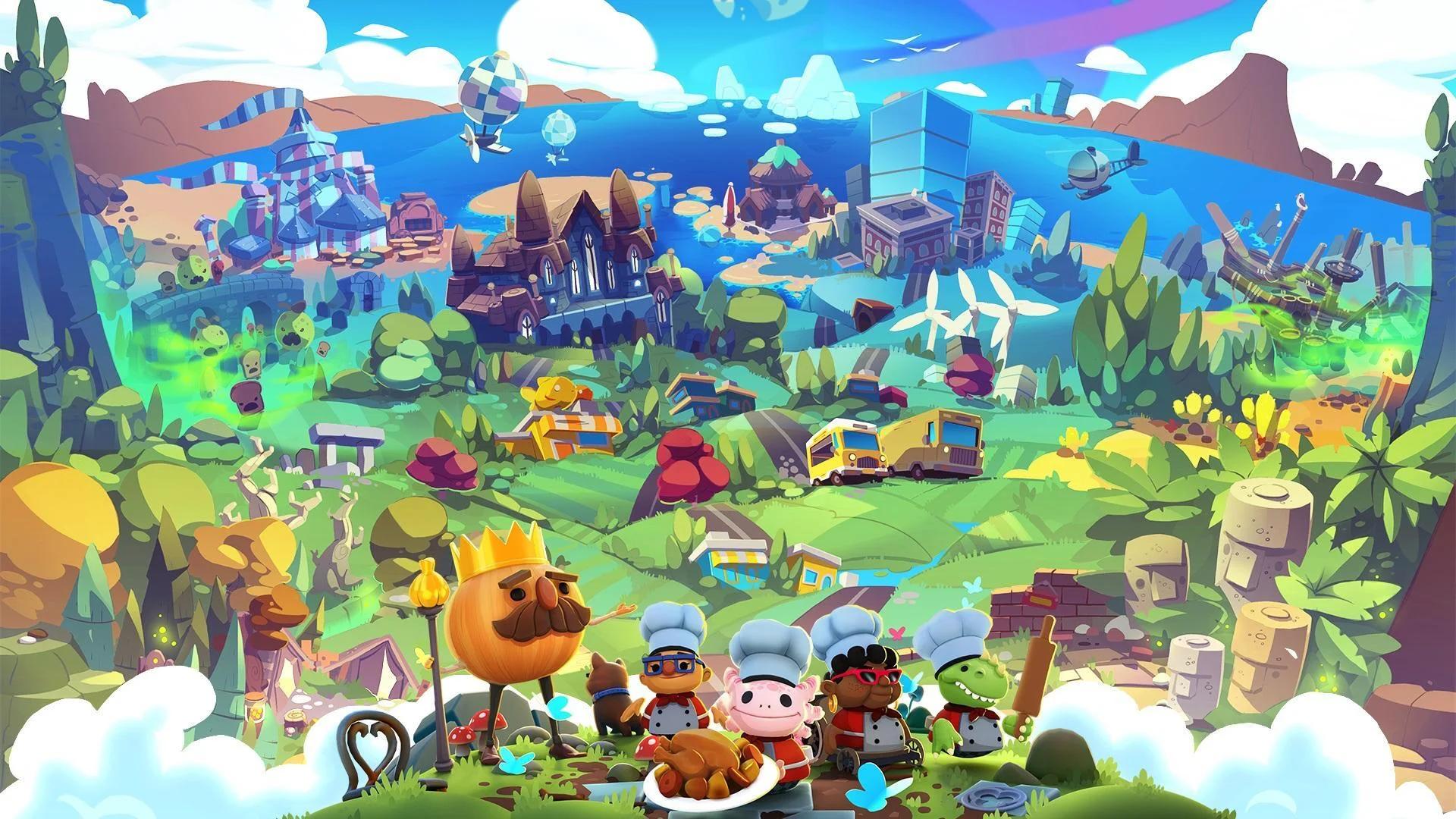
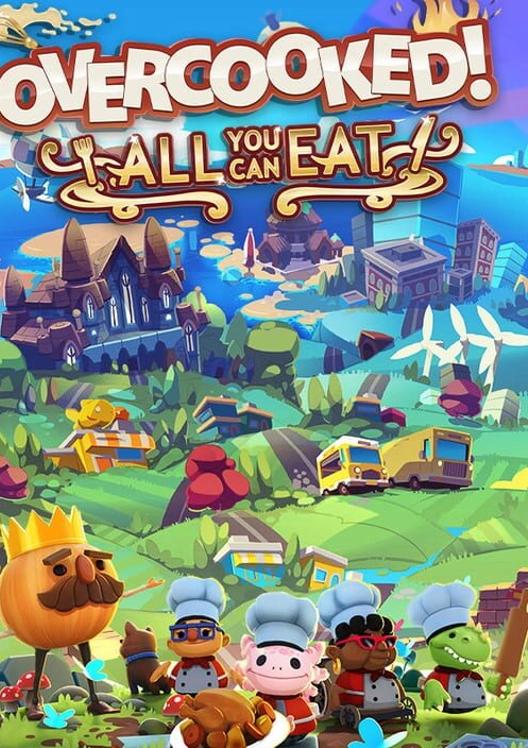
Overcooked is a LAN party staple in my group, and All You Can Eat bundles both mainline games plus the DLC into one package worth actually owning. Nobody assigns roles out loud, it just happens: someone chops, someone plates, someone screams because the onions caught fire again. The couch energy is unmatched, four players is the sweet spot, and assist options exist for anyone who needs the timers loosened a bit. The later kitchens get genuinely difficult, layouts that actively work against you, moving floors, split stations, and that difficulty spike is where the beginner-friendliness drops off fast. It's not a relaxing game night pick. It's a shouting one. If your group can handle a little chaos, though, few games generate more repeat sessions than this one.
- Released
- 20202020
- Genre
- SimulationSimulation
- Platforms
- PC, PS4, PS5, Switch, Xbox One, Series X|SPC, PlayStation 4, PlayStation 5, Nintendo Switch, Xbox One, Xbox Series X/S
Honorable Mentions
These games narrowly missed the main ten for specific reasons, not because they aren't worth your time. Read on for exactly what held each one back.
11. PHOGS!
85%Phogs! is the game I hand my youngest when she wants to play something with me but isn't ready for anything with actual stakes. Two players control opposite ends of one stretchy dog, and every puzzle forces constant low-key communication instead of one person carrying the level. It's genuinely sweet, the visuals are bright without being sugary, and nothing ever punishes you hard enough to end the session in tears. What keeps it out of the main list is simple: once you've solved the core trick of a section, there's not much reason to go back, and the challenge stays gentle even when you want it to ramp up. Treat it as a short, low-pressure evening. It's not a long-term rotation game.
Rayman Legends is one of the best-looking platformers I've played on Switch, full stop. The music levels alone are worth the price. Four players can join in and the drop-in co-op is smooth, quick respawns keep momentum going even when someone keeps missing the same jump. My issue, and the reason it's here instead of in the main ten, is that co-op feels bolted onto a game clearly designed around one player's precision. It's fantastic solo, additive rather than essential in a group, and that gap shows the moment two people try to platform through a tight section together. Still gorgeous, still worth owning, just not the couch co-op showcase some other games on this list are.
Kirby and the Forgotten Land is the safest bet I have for a kid who wants to feel like they're actually playing, not just watching. Player two takes Bandana Waddle Dee, a support role with a spear that's forgiving enough for someone who's never held a controller with two sticks before. The campaign is gorgeous, easy to read, and generous with checkpoints for a young co-pilot who wanders off on purpose. The catch is that it's not equal co-op. One player carries the game and the other tags along, which is exactly why it sits in honorable mentions instead of the main ten. For introducing someone new to co-op without frustration, though, nothing else here does it as gently.
Snipperclips is the game I hand out single Joy-Cons for when someone drops by and only has ten minutes before dinner. You cut each other into shapes to solve simple physical puzzles, and there is genuinely no way to solve most of them without talking through what shape to become next. It's one of the most purely cooperative ideas on the whole system. I mean that. The reason it isn't in the main ten is replay value: once you've found the solution to a puzzle, it stays solved, and there's no randomness or difficulty option to make round two feel fresh. Great for a single fun evening with a partner or a kid, less great as a game you keep coming back to.
Fantasy Life i is the 2025 release that genuinely surprised me, an actual long-form RPG built with local co-op in mind rather than bolted on as an afterthought. Combat, crafting, and flexible job classes give a group something to sink dozens of hours into, which is rare territory for a Switch co-op game that isn't just a quick party session. The reason it's not sitting in the main ten is structural: it runs split-screen rather than true shared-screen play, and that changes the couch dynamic this whole list is built around. It also asks for a bigger time investment. Clear an evening. If your group wants a proper shared adventure rather than another round of party chaos, this is worth clearing space for.
Frequently Asked Questions
A few questions that come up constantly when families and groups are picking their next couch co-op game.
Which couch co-op Switch game is best for a family with young kids?
Super Mario Bros. Wonder and Kirby and the Forgotten Land are the gentlest options here, with generous assist tools and forgiving pacing. Both let a younger player join in without needing to carry equal skill.
How many players can these couch co-op Switch games actually support?
Most top out at four players on one console, which covers Wonder, Heave Ho, and Overcooked comfortably. Shredder's Revenge stretches to six, though that many controllers on one screen turns into genuine chaos fast.
Do any of these games work well with a non-gamer partner?
It Takes Two is built for exactly that, with a story and constant mechanic switching that keeps a reluctant partner engaged. Tropical Freeze, by contrast, is precise enough that it can frustrate someone new to platformers.
Is couch co-op different from online co-op on Switch?
Couch co-op means everyone shares one screen and one console in the same room, with no lag and no separate systems needed. Online co-op connects players over the internet, which is more flexible for distance but changes the social dynamic.
How long does a typical couch co-op session run?
Most of these games work in short bursts of ten to twenty minutes per level or stage. A full evening session usually stretches past an hour once a group starts chasing one more round.
Conclusion
Couch co-op earns its place on Switch because it's the only mode where everyone talks trash from three feet away instead of a headset. Wonder and Heave Ho anchor a top ten that ranges from family-safe platforming to puzzle communication, and there's something here whether you're introducing a partner, herding kids, or wrangling six friends onto two couches.
If your group leans more two-player, our guides on couples co-op and two-player picks go deeper, and the split-screen breakdown covers what to do when one screen isn't enough.