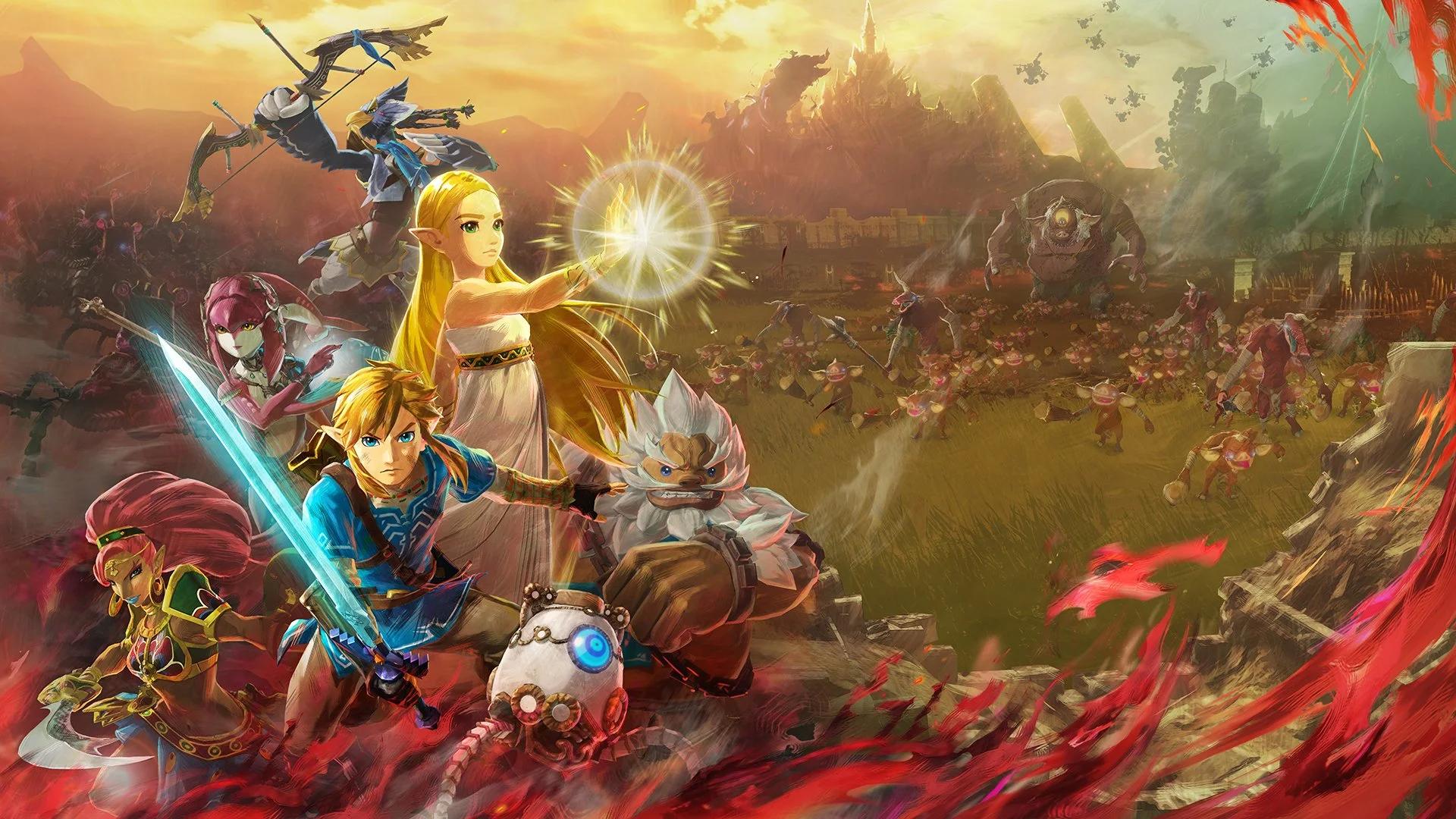

Hyrule Warriors: Age of Calamity key art
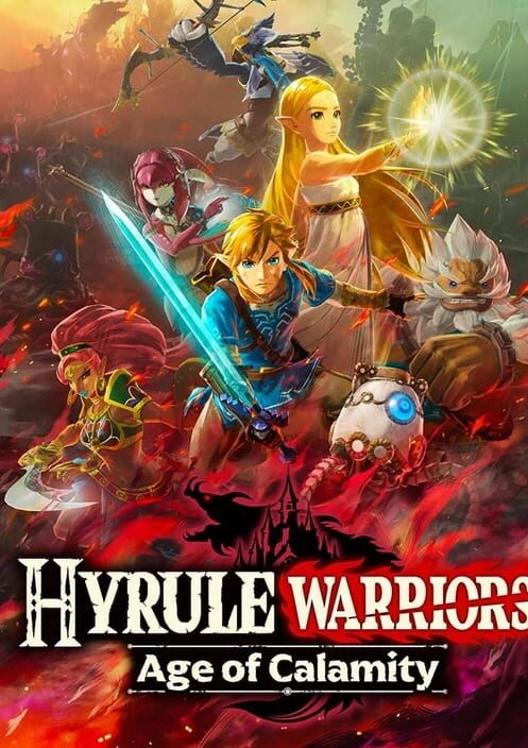
Hyrule Warriors: Age of Calamity cover art

Hyrule Warriors: Age of Calamity

November 19, 2020StrategyESRB TMetacritic 78

The Verdict

Best if you want to mow down thousands of enemies as Zelda characters in Dynasty Warriors-style combat, with optional split-screen co-op despite significant performance compromises.

Portrait of Henk-Jan Uijterlinde
·

Software architect and father of two based in the Netherlands. Been gaming since MS-DOS Mario. Writes honest recommendations for people with limited evenings and too many games left to play.

What It's Like to Play

Age of Calamity transplants the Breath of the Wild cast into the musou genre—a style built around controlling battlefields by carving through hundreds of enemies with flashy combos. Each playable hero has a distinct moveset: Link juggles between weapon types mid-combo, Zelda manipulates the Sheikah Slate's powers, and unlockable Champions bring their signature abilities. The combat loop is all about reading enemy weak-point gauges, breaking their defenses with the right tool, then unleashing devastating attacks while managing crowd control and completing timed objectives across large maps. Missions typically run 20–30 minutes and follow a familiar rhythm: defend key points, defeat officer-class enemies, capture outposts, then face a boss. Between battles, you'll manage a light progression layer—upgrading characters, fusing weapons for better stats, and unlocking combos. The structure is straightforward but can feel repetitive over the campaign's 20+ hour runtime. If you find satisfaction in optimizing damage output and watching enemy counters climb into the thousands, that repetition becomes meditative. If you need variety in mission design, the formula wears thin. The learning curve is gentle—simple button combos and generous dodge windows let you feel powerful early. Depth emerges through mastering each character's unique mechanics, managing the weapon triangle system, and tackling post-game challenges that demand efficient crowd control and boss pattern recognition. Difficulty spikes in later missions, but grinding levels and gear usually smooths the curve. Split-screen co-op lets two players divide objectives, which works brilliantly in theory—one player tackles the northern outpost while the other defends the southern gate. In practice, performance suffers noticeably when both screens fill with enemies and particle effects. Frame rate dips and input lag become regular companions, especially during chaotic sequences. Solo play runs smoother, but loses the tactical appeal of coordinated teamwork. Replayability hinges on whether you enjoy perfecting missions for better grades, collecting every character, and grinding for completionist goals. The core combat is satisfying enough to carry dozens of hours if you embrace the musou loop, but mission variety won't sustain players who need constantly fresh scenarios.

Best For

  • Breath of the Wild fans curious about musou combat with familiar characters
  • Players who find satisfaction in high enemy counts and crowd-clearing power fantasies
  • Co-op partners willing to trade smooth performance for shared battlefield chaos

Not For

  • Players expecting Breath of the Wild's exploration and puzzle-solving
  • Anyone sensitive to frame rate inconsistency, especially in split-screen
  • Those who need varied mission objectives beyond defending points and defeating captains
Overview

About Hyrule Warriors: Age of Calamity

See Hyrule 100 years before the Legend of Zelda: Breath of the Wild game and experience the events of the Great Calamity. Join the struggle that brought Hyrule to its knees. Learn more about Zelda, the four Champions, the King of Hyrule and more through dramatic cutscenes as they try to save the kingdom from Calamity. The Hyrule Warriors: Age of Calamity game is the only way to see firsthand what happened 100 years ago. Battle hordes of Hyrule’s most formidable foes. From barbaric Bokoblins to towering Lynels, menacing monsters have emerged in droves. In addition to Link and Zelda, take control of characters like the four Champions and a young Impa. Use their distinct abilities to carve through hundreds of enemies to save Hyrule from the impending Calamity.
Story setup
The story begins 100 years before the events in the Legend of Zelda: Breath of the Wild game. A young soldier named Link is asked to guard Princess Zelda. Impa, Zelda, and Link are shown. Link stands alongside the champions of Hyrule. They travel with Impa to four different regions to recruit mighty champions to help defend Hyrule against an impending attack from Calamity Ganon.
Reference

At a glance

Released
November 19, 2020
Platforms
Nintendo Switch
Genres
Strategy, Action
Play modes
Single Player, Multiplayer, Co-op, Local Couch Co-op, Split-Screen
Age rating
ESRB T
Multiplayer
By platform
Metacritic
78
Player rating
4
Media

Screenshots

Click any screenshot to view it full size.

Playing together

Multiplayer by platform

How Hyrule Warriors: Age of Calamity supports playing with other people, broken down per platform.

Multiplayer capabilities for Hyrule Warriors: Age of Calamity by platform. Capabilities with no published information are marked "not documented".
PlatformLocalOnlineLANSplit-screenCo-op campaignDrop-in/out
Nintendo SwitchYes, up to 2 playersNoNoYesYesNo
  • Supported (a number is the player cap)
  • Not supported
  • Not documented for this platform

CrossplayNo Crossplay

Nintendo Switch only. Supports 2-player local co-op (split-screen) for most battles; not supported in some situations (e.g., certain story missions/areas) and may impact performance. No online multiplayer, no LAN mode, and no cross-play.

Content

Age ratings

How rating boards around the world have classified Hyrule Warriors: Age of Calamity. Open a board for its content descriptors.

ACBM

Fantasy themes and violence, online interactivity and in-game purchases

CEROB
  • Sexual Content
  • Violence
ESRBT
  • Fantasy Violence
GRAC12+
  • Violence
PEGI12
  • Violence

This game contains depictions of non-realistic looking violence towards human-like characters. When characters are attacked, bright lights and magical effects appear on impact. Characters let out grunts of pain and can be thrown large distances. Visible injuries are never shown and characters quickly recover after being attacked. A large variety of weapons are used. Regardless of what weapon is used the reactions remain the same. All characters have a health bar visible above their heads, which displays their current status. When the player has been defeated, they flash red and fall to the floor with no visible injuries.

USK12
Buying it

Edition and platform notes

Which version to buy, and what differs between platforms.

Platform Recommendations

Nintendo Switch exclusive. Performance is notably better in solo play than split-screen co-op, where frame rate can drop significantly during enemy-heavy sequences.

Accessibility Features

Simple combo inputs and clear on-screen objective markers aid accessibility. However, visual clutter from hundreds of on-screen enemies and particle effects, combined with choppy split-screen performance, may challenge players sensitive to motion or visual overload. Limited accessibility options beyond basic control remapping.

Questions

Frequently asked questions

Common questions about this game, answered by our team.

How hard is it?

Easy to start with simple combos and forgiving mechanics. Difficulty ramps up in later missions and optional challenges, but grinding levels and upgrading gear lets you smooth over tough spots. No granular difficulty settings.

How long to beat?

Main campaign takes 20–25 hours. Completionists unlocking all characters, finishing side missions, and maxing upgrades can easily double that. Individual missions run 20–30 minutes.

Is split-screen co-op worth the performance hit?

Depends on your tolerance for frame rate drops. Coordinating objectives with a partner adds tactical fun, but expect noticeable choppiness during busy scenes. Solo play is smoother if performance matters more than shared play.

Do I need to know Breath of the Wild?

Helpful for context and character familiarity, but not required. The combat is completely different—this is musou hack-and-slash, not exploration or puzzle-solving. Zelda knowledge enhances appreciation but isn't necessary.

Game data and imagery provided by IGDB.com