
Most lists of the best open-world RPGs end up being lists of the best open-world games with the word RPG attached. That is not what this is. Every game here has meaningful role-playing systems at its core: builds that change how you play, quests that branch in ways that matter, worlds that reward curiosity rather than just punishing it. I have spent time across all of these, and the ranking reflects both quality and how well each game actually holds up in 2026, not just how good it was at launch.
We scored each game on open-world RPG fit, world design and exploration, RPG depth and player agency, current playability, and overall recommendability. The first two criteria carried the most weight, because a game that fails as either an open world or an RPG has no business being on this list.
For the full picture on open-world games across all styles and platforms, see our Best Open-World Games in 2026 guide. This article focuses specifically on games where RPG systems are central, not decorative.
Quick Picks
Best for exploration-first play: Elden Ring
Best for historical role-play: Kingdom Come: Deliverance II
Best for story-first fantasy: The Witcher 3: Wild Hunt
Best sci-fi pick: Cyberpunk 2077
Best for faction and choice: Fallout: New Vegas
The Top 10 Best Open-World RPGs in 2026
These ten games earned their places by doing both things well: building a world worth exploring and giving you real reasons to care about how your character develops inside it.
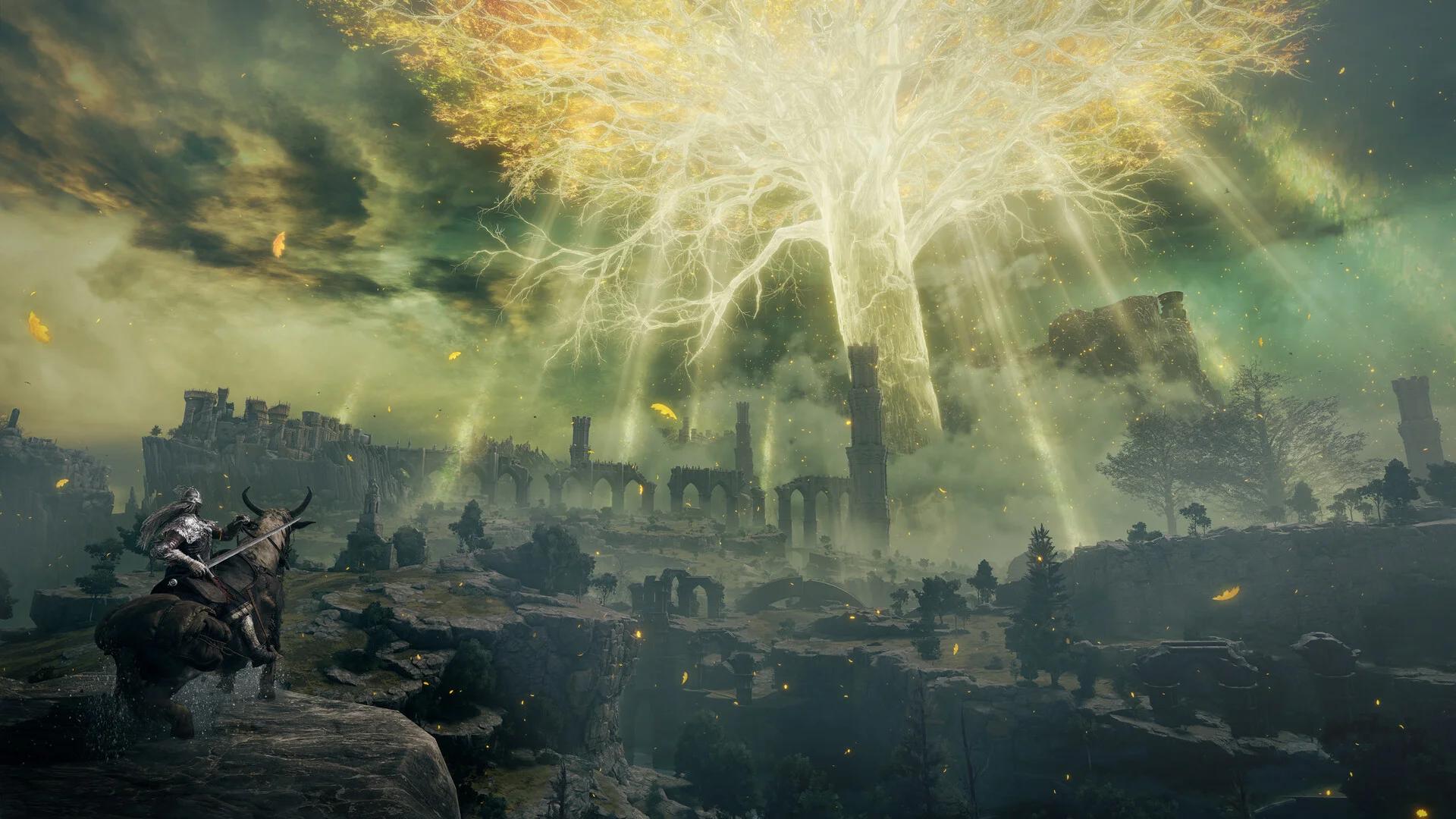
I have played a lot of open-world games, and nothing has matched the specific feeling of cresting a hill in Elden Ring and realising the castle you thought was a background detail is somewhere you can actually go. No waypoints pushed you there. You just went. That sense of discovery is the whole design philosophy, and it holds up completely in 2026. The build variety runs deep enough that two people can put 80 hours in and barely overlap on playstyle. If you have never tried a FromSoftware game, the open world genuinely softens the difficulty curve compared to older titles in the series. It is not an easy game. But the freedom to go somewhere else when one area beats you down makes it far more forgiving than its reputation suggests.

- Released
- 20222022
- Genre
- RPGRPG
- Platforms
- PC, PS4, PS5, Switch 2, Xbox One, Series X|SPC, PlayStation 4, PlayStation 5, Nintendo Switch 2, Xbox One, Xbox Series X/S
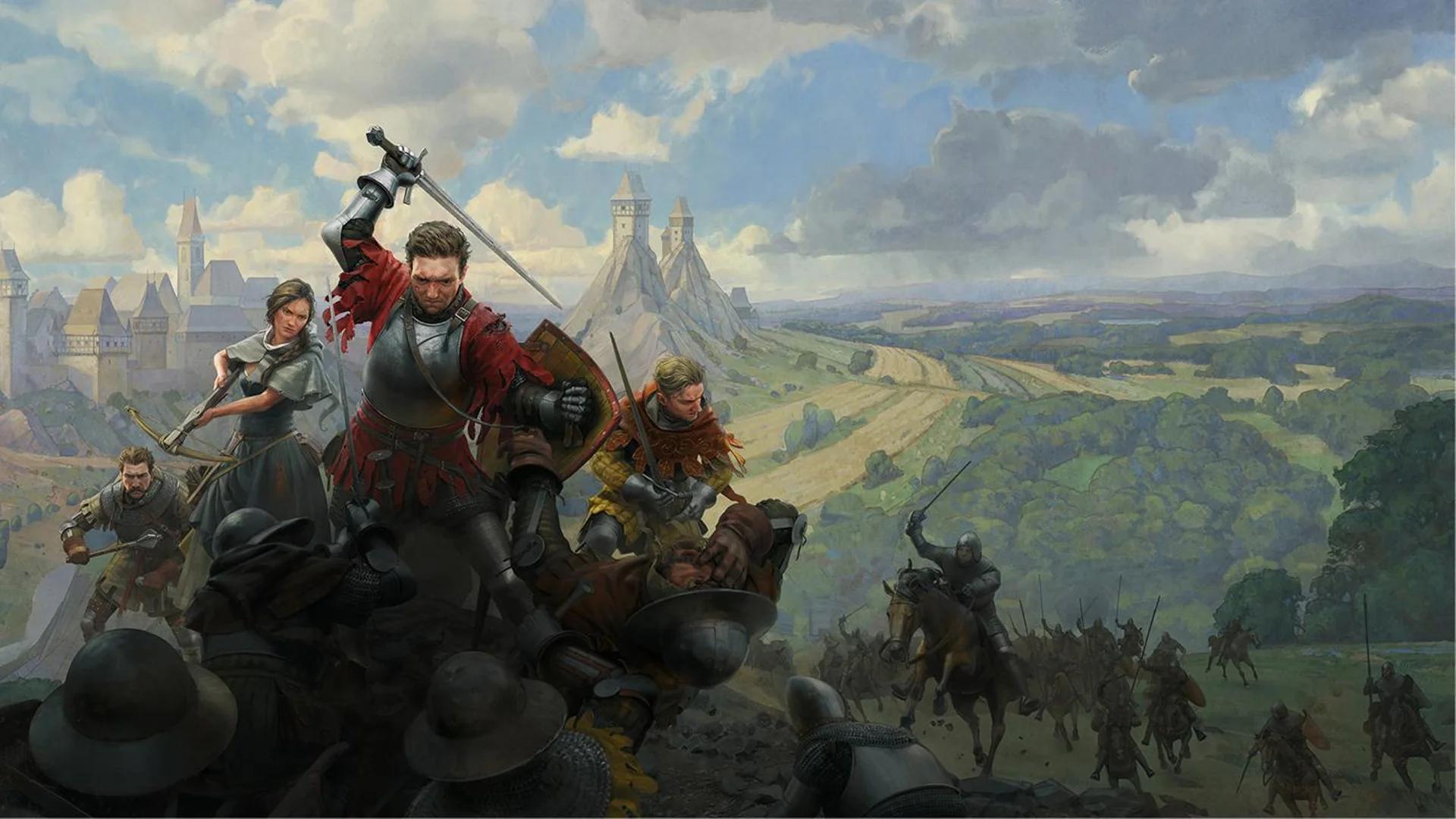
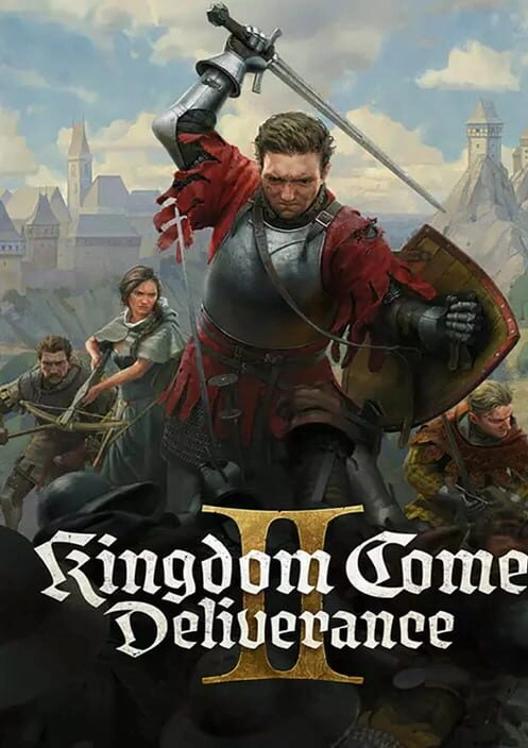
My interest in history is part of why the Assassin's Creed series held me for years, and why Ghost of Tsushima landed the way it did. Kingdom Come: Deliverance II operates on a completely different level of historical grounding. You are not an assassin in a fictional veneer of medieval Bohemia. You are a blacksmith's son navigating a genuinely researched 15th-century world where your reputation in a village actually changes what people say to you. Speech checks fail. Quests have multiple solutions that the game does not announce. I started this expecting to put ten hours in and see what the fuss was about, and three weeks later I was still there. The first-person perspective takes some getting used to after playing third-person RPGs, but once it clicks, the immersion is hard to match.
- Released
- 20252025
- Genre
- RPGRPG
- Platforms
- PC, PS5, Switch 2, Series X|SPC, PlayStation 5, Nintendo Switch 2, Xbox Series X/S
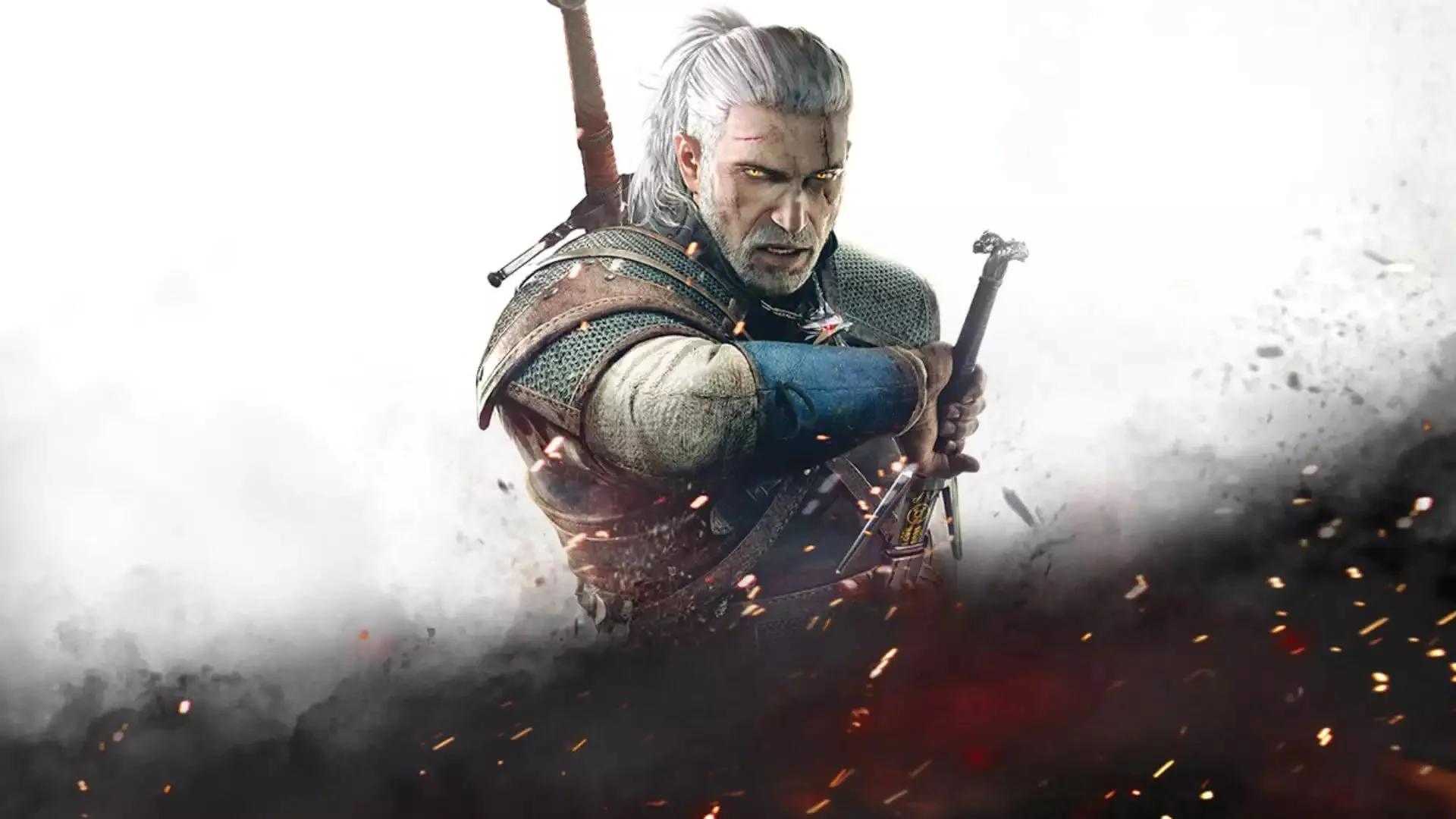
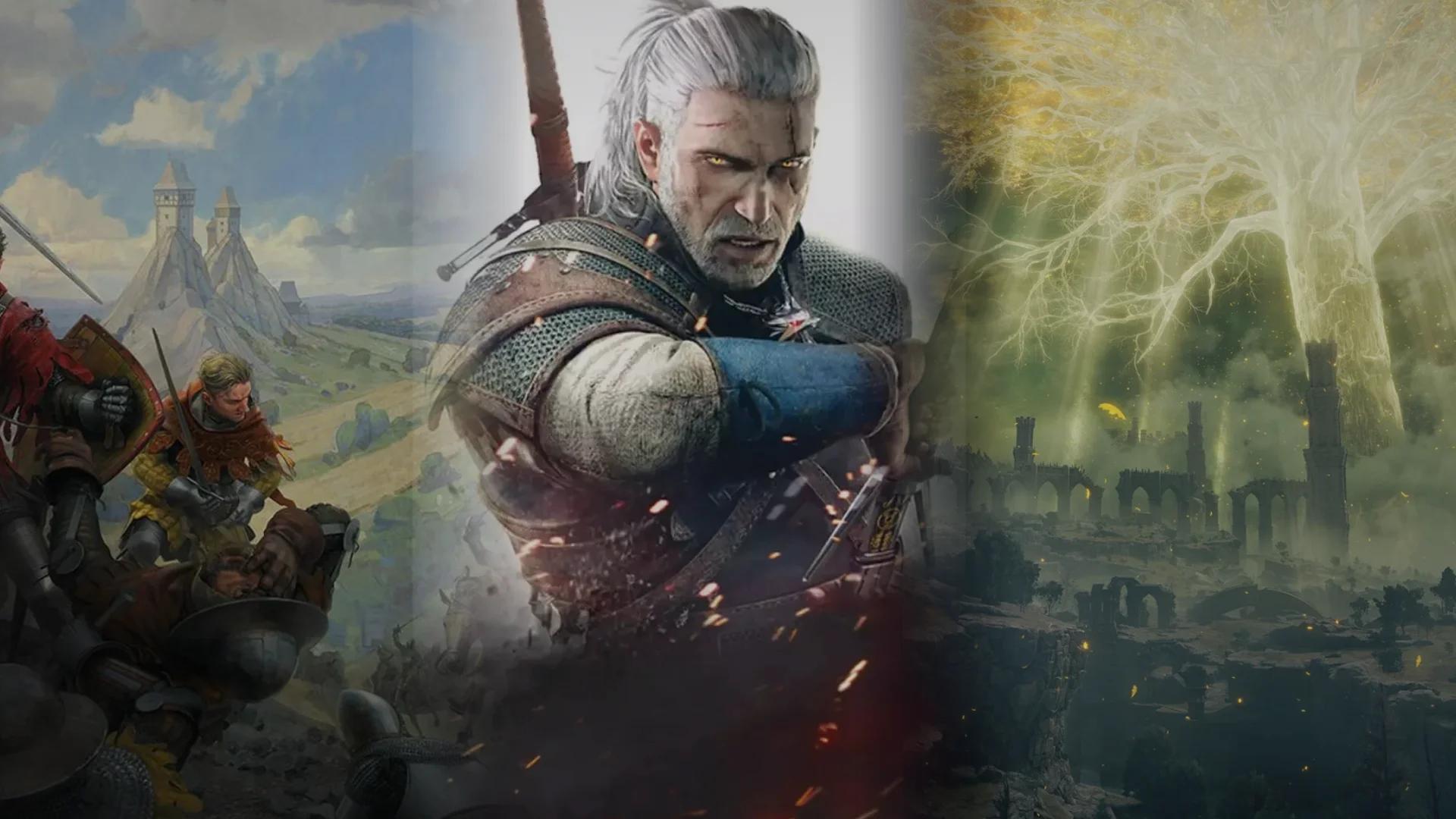
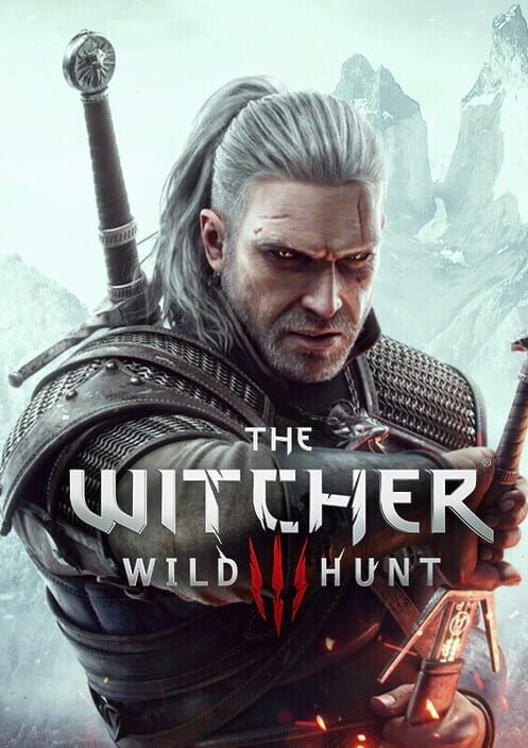
There is a side quest in The Witcher 3 about a haunted well that is better written than the main storylines of most games. That is what makes it special. Not the combat, which is fine. Not the build system, which is decent but not the deepest on this list. The writing. Every village in this world has a reason to exist and something happening in it that connects to something else. I replayed chunks of this after the next-gen update and it genuinely looked extraordinary on my QD-OLED, particularly the Skellige coastline. Over a decade old and still the recommendation I give most confidently to anyone who asks where to start with open-world RPGs. The two expansions, Blood and Wine especially, are worth the extra time.
- Released
- 20152015
- Genre
- RPGRPG
- Platforms
- PC, PS4, PS5, Switch, Xbox One, Series X|SPC, PlayStation 4, PlayStation 5, Nintendo Switch, Xbox One, Xbox Series X/S
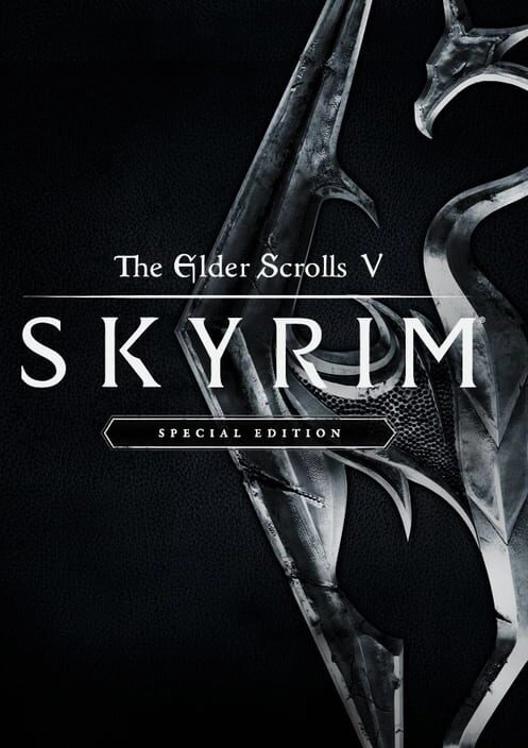
Skyrim is the game that made open-world RPGs feel like something anyone could walk into. No prior lore knowledge required. No class to commit to before you understand what you are doing. You just start walking and the world fills in around you. I know its weaknesses: the dialogue is thin, the late-game scaling has issues, and compared to the games above it the role-play depth is lighter. None of that stopped me from sinking hours into a pure mage build one winter just to see how far I could push it. In 2026 it is still the clearest entry point for someone new to the genre, and the faction questlines, the Companions, the College of Winterhold, still hold up as some of the best self-contained quest arcs in the format.
- Released
- 20162016
- Genre
- RPGRPG
- Platforms
- PC, PS4, PS5, Switch, Xbox One, Series X|SPC, PlayStation 4, PlayStation 5, Nintendo Switch, Xbox One, Xbox Series X/S
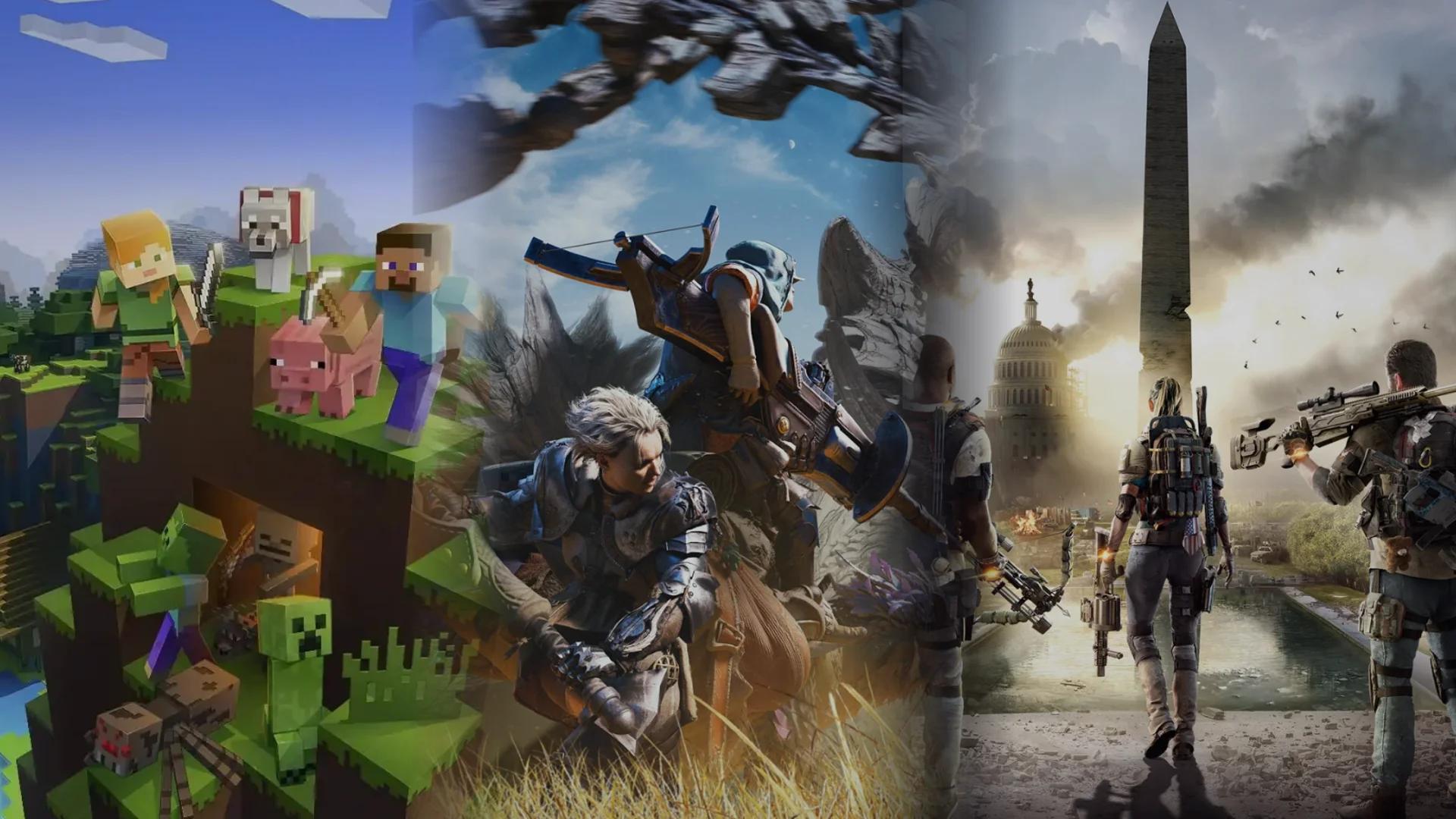
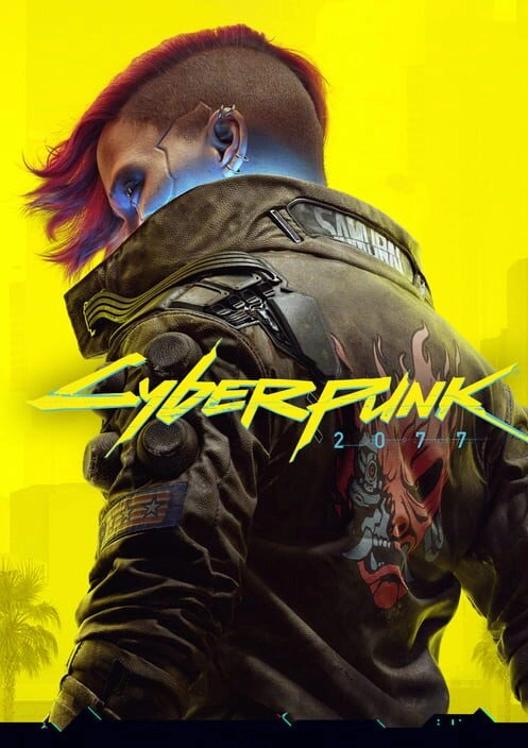
Night City is the most convincing urban open world I have ever walked around in. Not because it is the most fun at every moment, but because it feels like a city that exists for reasons beyond the game needing a map. The density of environmental detail, the way districts have distinct personalities, the sidequest that suddenly turns into an hour-long storyline about a detective you did not expect to care about. Post-2.0, the perk overhaul and cyberware rework mean the build variety is genuinely interesting now in a way it was not at launch. I ran a stealth-hacking build through Phantom Liberty and barely touched a gun for 20 hours. The sci-fi setting makes it a natural companion pick to the fantasy-heavy top four, and it currently plays better than it ever has.
- Released
- 20202020
- Genre
- ShooterShooter
- Platforms
- macOS, PC, PS4, PS5, Switch 2, Xbox One, Series X|SmacOS, PC, PlayStation 4, PlayStation 5, Nintendo Switch 2, Xbox One, Xbox Series X/S
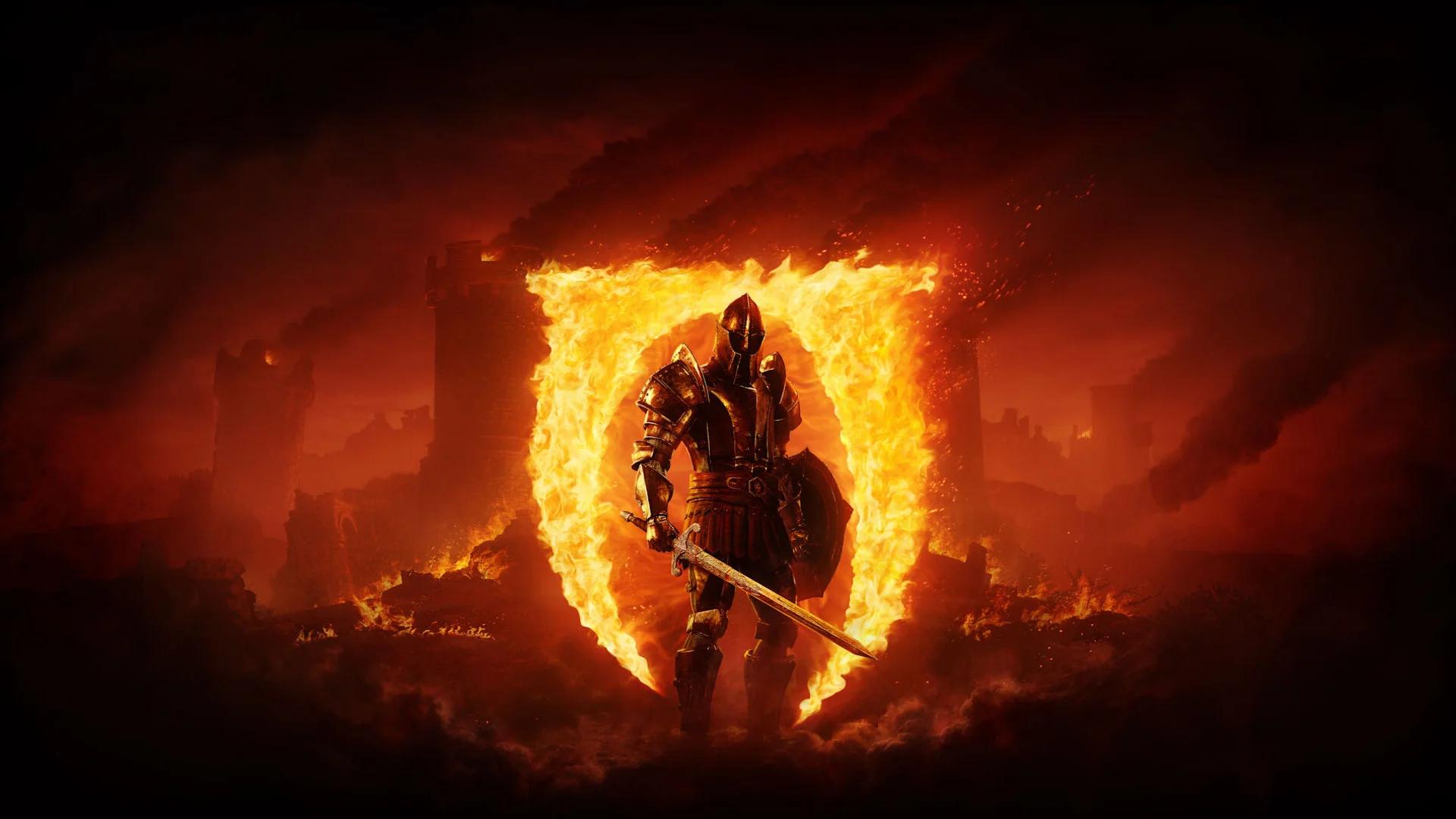
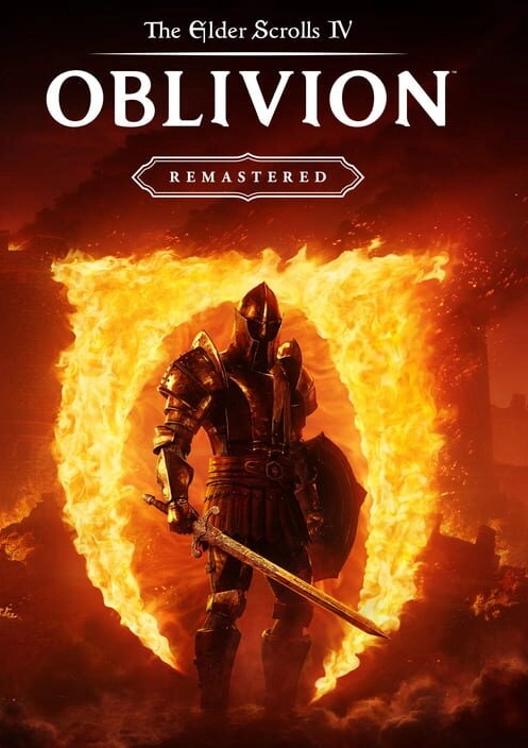
This remaster surprised me. I went in expecting a polished nostalgia trip and came out thinking it actually belongs on a 2026 recommendation list on its own merits. The guild questlines here, the Thieves Guild especially, have a narrative tightness that Skyrim never quite matched. The attribute and skill systems are more involved than Skyrim's, which makes levelling feel more deliberate. Visually the remaster is not flawless, but it is a genuine improvement and makes a 2006 game genuinely comfortable to play today. It sits below Skyrim in the ranking because it is the harder sell to someone brand new to the series, but for anyone who already loves Skyrim and wants more of the same formula with different flavour, this is exactly that.
- Released
- 20252025
- Genre
- RPGRPG
- Platforms
- PC, PS5, Switch 2, Series X|SPC, PlayStation 5, Nintendo Switch 2, Xbox Series X/S
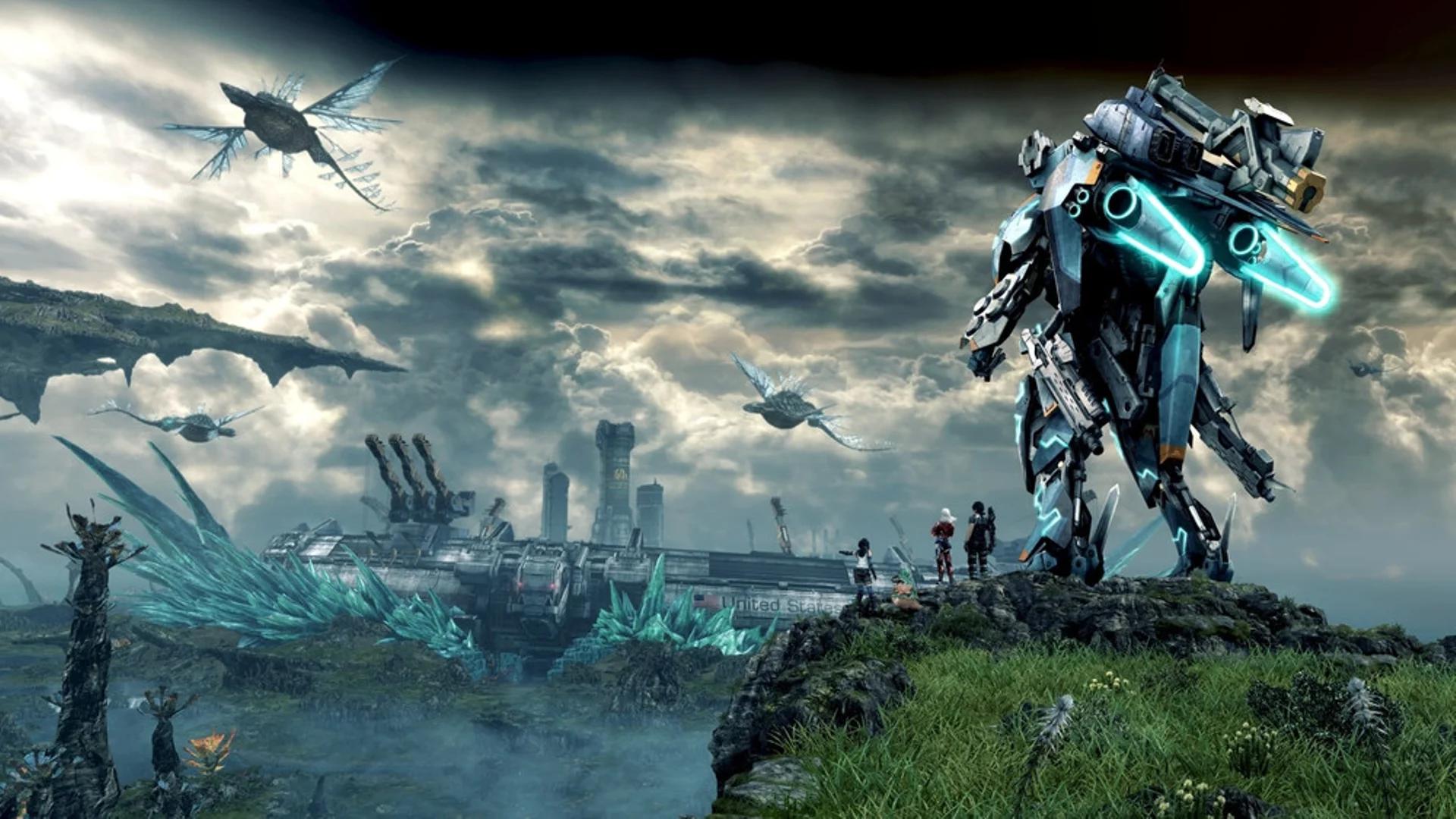
I play my Switch in handheld mode mostly because gaming in the gaps is the reality with two kids. Xenoblade Chronicles X on Switch is a different category of game for handheld: the planet Mira is genuinely vast in a way that is almost disorienting at first, and when you eventually unlock a Skell mech and start crossing those alien plains at full speed, it is one of the best traversal moments in any open-world game I can think of. The JRPG-adjacent systems take time to understand. Party composition and class development run deep, and the game does not rush to explain any of it. That opacity will put some people off. If you stay with it, the payoff in exploration and progression is real. The Definitive Edition cleaned up some of the rougher edges from the Wii U original.
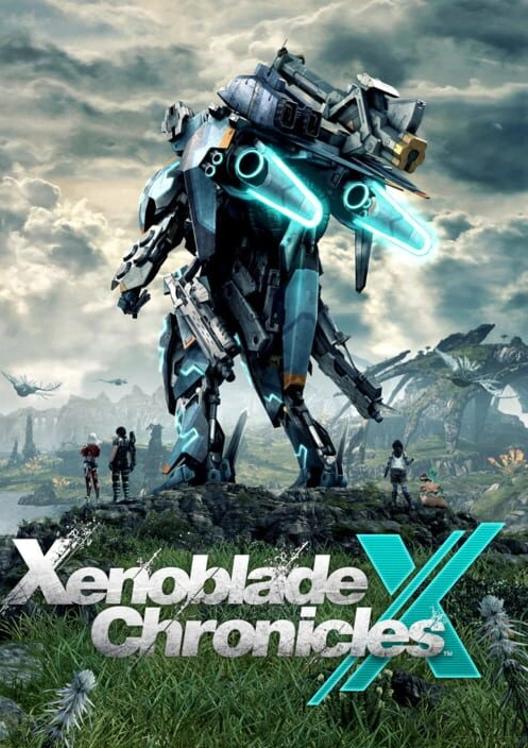
- Released
- 20152015
- Genre
- RPGRPG
If you are looking for open-world RPGs specifically optimised for portable play, check out our Best Open World Games for Steam Deck guide for picks that run well on handheld hardware.
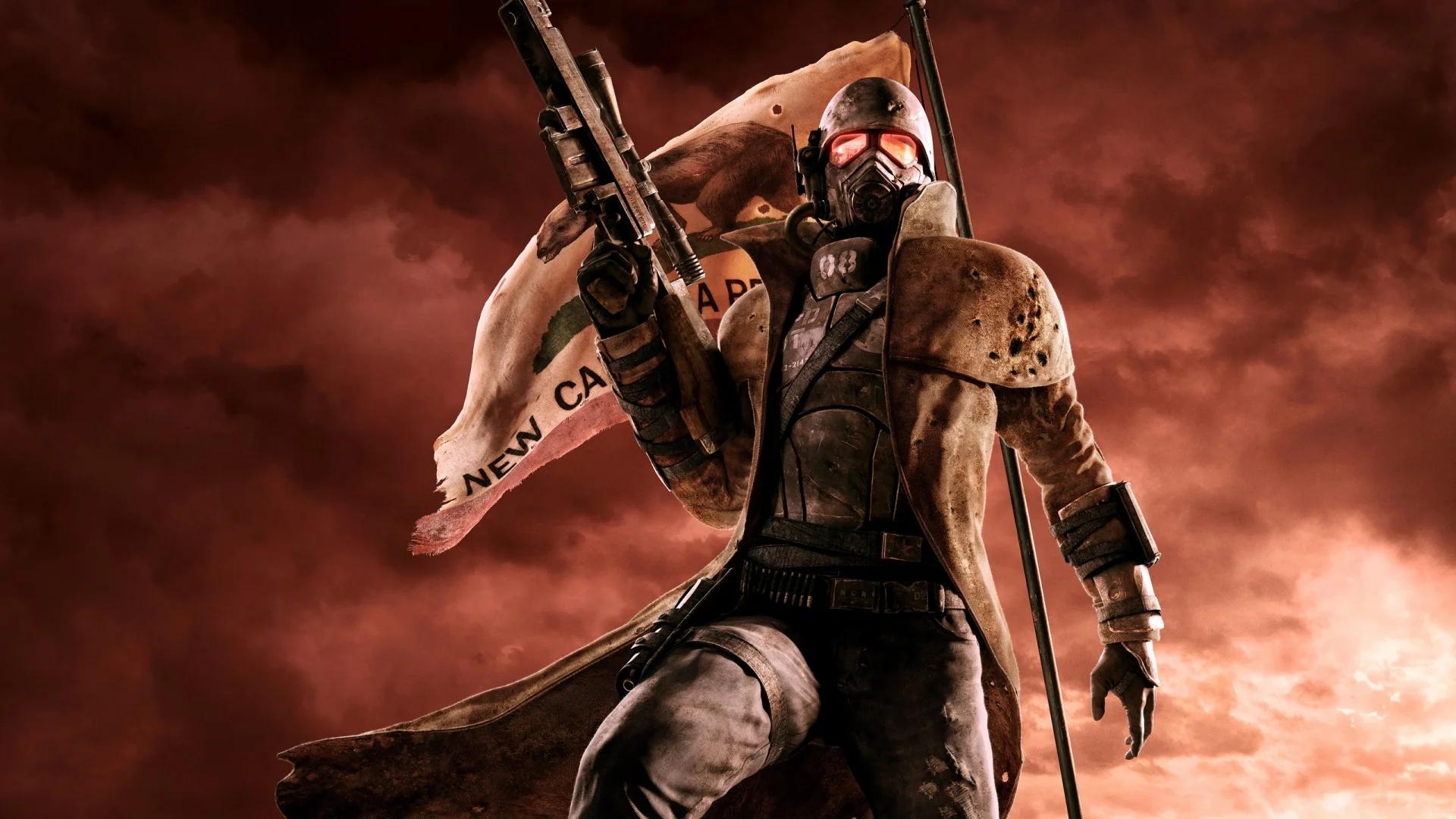
No open-world RPG on this list gives you more meaningful agency over how a story actually ends than Fallout: New Vegas. Four major factions, each with a legitimate philosophy, each capable of producing an ending that feels earned based on choices you made over 60 hours. I first played it on Xbox 360 and I still think about how the battle of Hoover Dam unfolded in my run. Playing it in 2026 requires tolerance for engine jank and the occasional crash. That friction is real and worth naming honestly. But if you can make peace with the age, the quest design is still in a class that even newer RPGs have not surpassed. A compatibility patch from the PC modding community helps considerably if you are on that platform.
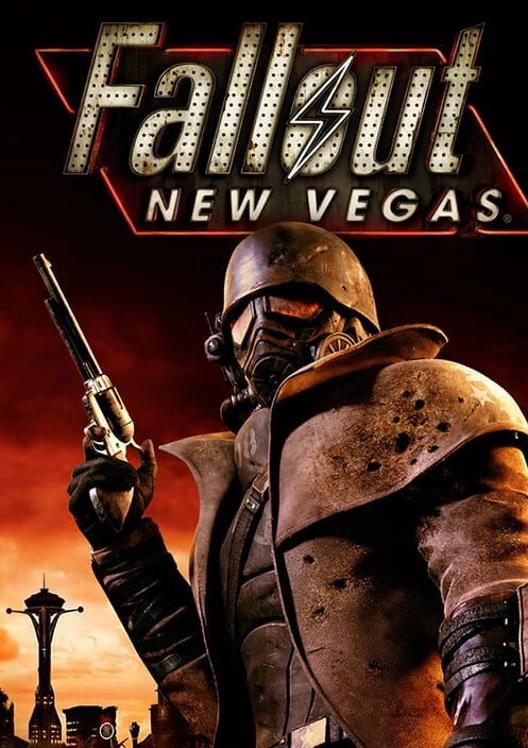
- Released
- 20102010
- Genre
- ShooterShooter
- Platforms
- PCPC
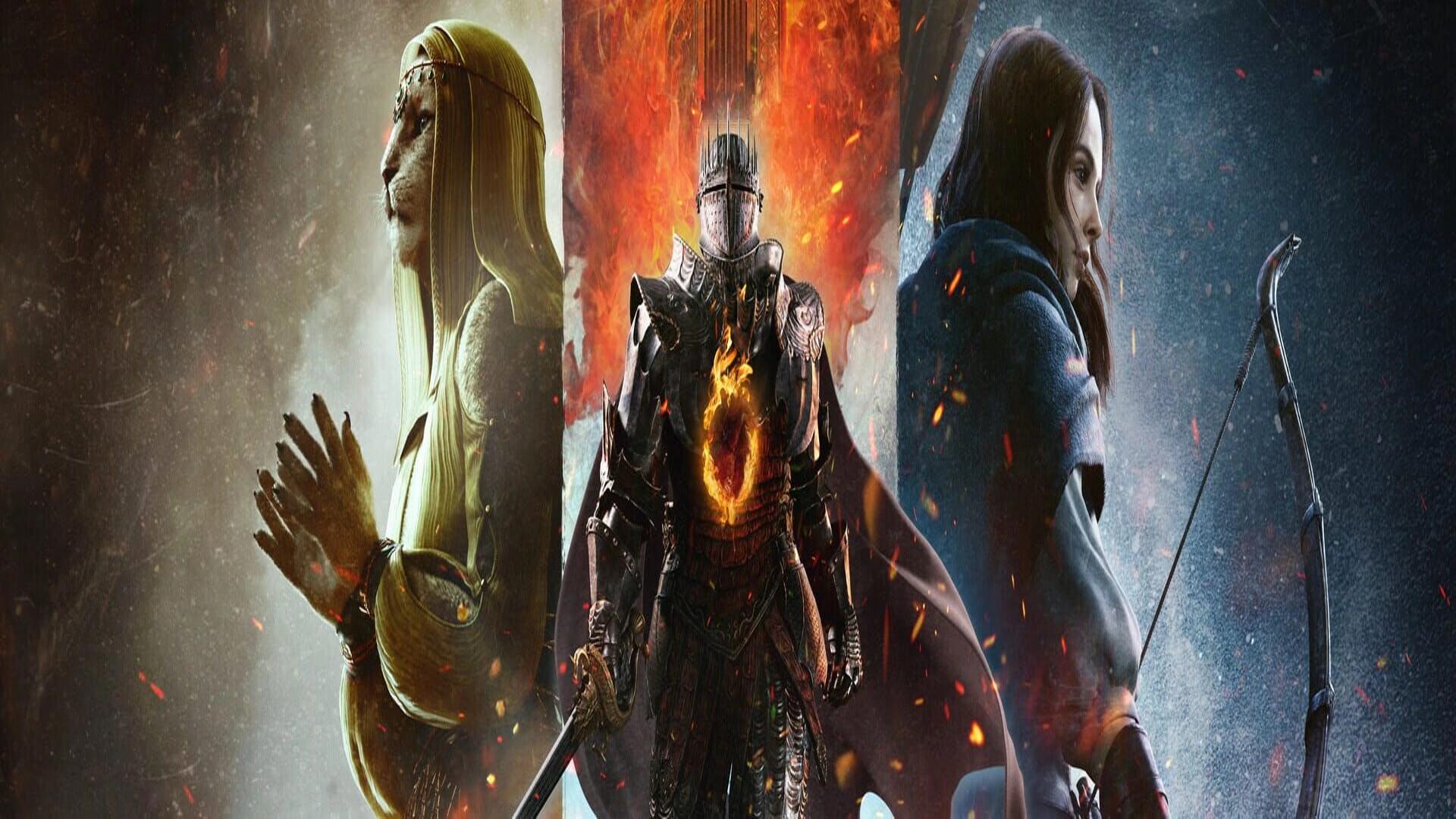
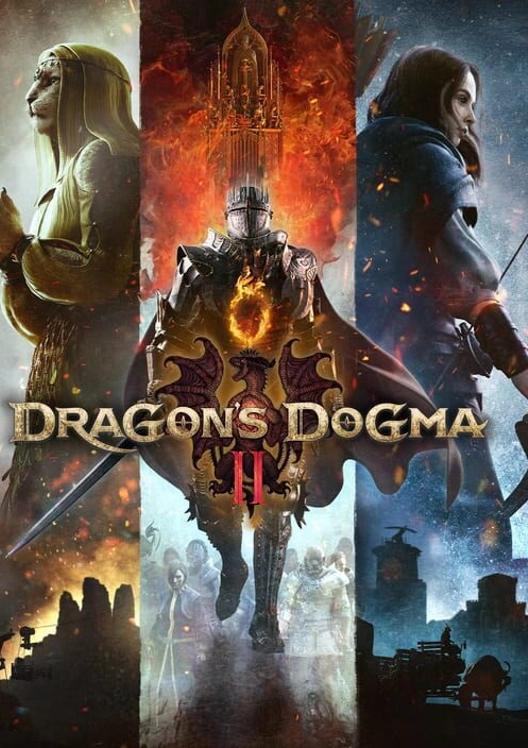
Dragon's Dogma 2 is at its best when something goes wrong. You set out for a quest, a griffon attacks your party mid-journey, you spend 20 minutes managing the fight in the dark with a torch-lit forest backdrop, and then you cannot remember what you were originally doing. That emergent quality is genuinely rare. The vocation system gives you real reasons to experiment with builds rather than just upgrading the same tree. Where it falls short is quest reactivity: the world does not remember your choices the way New Vegas does, and some of the later storyline pacing is uneven. But for pure moment-to-moment adventure, the combat and traversal feel unlike anything else on this list. It sits at nine not because it is a weak game, but because the games above it are exceptional.
- Released
- 20242024
- Genre
- RPGRPG
- Platforms
- PC, PS5, Switch 2, Series X|SPC, PlayStation 5, Nintendo Switch 2, Xbox Series X/S
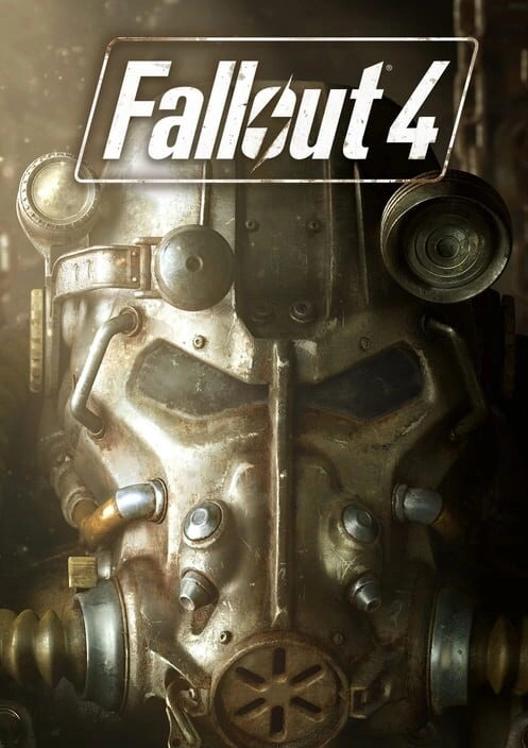
Fallout 4 is the Fallout game I actually finished. I know that says something unflattering about me, given New Vegas sits above it on this list, but the smoother shooting, cleaner presentation, and the sheer density of the Commonwealth map made it easier to live in for extended sessions. The RPG depth is genuinely shallower than New Vegas: the dialogue system is more limited, faction choices carry less weight, and build specialisation matters less. What it does well is loot-and-explore momentum, the kind where you tell yourself one more building and it is suddenly 1 AM. The next-gen update improved performance on modern hardware. For someone new to Fallout who wants to start somewhere approachable rather than somewhere demanding, this is the answer.
- Released
- 20152015
- Genre
- ShooterShooter
- Platforms
- PC, PS4, PS5, Xbox One, Series X|SPC, PlayStation 4, PlayStation 5, Xbox One, Xbox Series X/S
Honorable Mentions
These five games narrowly missed the top 10, either because they are more niche in their appeal, slightly rougher around the edges, or just edged out by stronger competition at the same tier.
This one is for players who genuinely miss the feeling of an older Bethesda-style RPG but want something newer. First-person, dark fantasy, open world, with stats and choices and quest variation that do not feel like afterthoughts. It only left the top 10 because the overall polish and breadth of world design are not quite at the level of the games above it. But as an underdog pick for genre fans who have exhausted the obvious list, it is worth your time.
12. Kenshi
82%Kenshi is one of those games I cannot comfortably recommend to most people, but for the right person it is unlike anything else. Your squad of characters levels through doing, the world has no mercy, and the stories you accumulate are entirely emergent. The isometric view and harsh onboarding will send many players away in the first two hours. If you stay, and if that kind of oppressive freedom appeals to you, it earns its place on any honest open-world RPG list.
13. Gedonia
80%A solo-developed indie that delivers more of the explore-and-build fantasy loop than several bigger productions manage. Class freedom and build variety are the main hooks. The world is not as dense or visually striking as the top 10, and the production values reflect the budget. But if you have played through the obvious picks and want something that takes the genre seriously without requiring a AAA price tag, Gedonia is a genuine find.
Comfort food. There is no kinder way to put it. The combat is snappy, the loot loop is satisfying, and the respec system means you never feel locked into a bad decision. What it lacks is the kind of world density or narrative consequence that earns a spot in the main list. The zones feel broad rather than lived-in. Still, if you want a lower-friction fantasy action RPG with a lot of quest content and no desire to think too hard between sessions, Re-Reckoning delivers that reliably.
Outward will tell you to prepare for a journey and then punish you for not preparing enough. Travel has weight here in a way most open-world RPGs do not bother with. You manage food, sleep, temperature, and equipment durability before you can think about a dungeon. That friction is the point, and it is also why this is a specialist recommendation rather than a general one. Players who find the top 10 too polished and predictable may find exactly what they want here. Everyone else should start higher on the list.
Frequently Asked Questions
A few questions that come up regularly when people are trying to pick their next open-world RPG.
What makes a game an open-world RPG rather than just an open-world game?
The RPG part has to mean something. That means builds, stats, gear progression, skill trees, quest choices, faction systems, dialogue role-play, or some combination of those things that actually changes how the game plays. A large map with light levelling is not enough. Every game on this list has substantial role-playing systems alongside the open world, not just a thin progression layer on top of an action game.
Is Elden Ring really an RPG or is it more of an action game?
It is both, and it belongs here. The build system runs genuinely deep: stat allocation, weapon scaling, magic schools, and gear choices all matter and change how combat plays out. You can finish the game as a pure intelligence caster, a strength bruiser, or a bleed-focused dexterity build and the experience will feel meaningfully different each time. The narrative role-play is lighter than something like The Witcher 3 or New Vegas, but the character-building and exploration systems are absolutely RPG-tier.
Which game on this list is best for someone new to open-world RPGs?
Skyrim is still the answer in 2026. It is the most forgiving entry point in terms of onboarding, class commitment, and general approachability. Fallout 4 is a close second if you want something more modern in feel. Both give you a large world to explore without demanding that you understand a dozen interlocking systems before the game becomes fun.
Is Cyberpunk 2077 worth playing after the 2.0 update?
Yes, without hesitation. The 2.0 update overhauled the perk system and cyberware in ways that make build choices feel meaningful rather than cosmetic, and Phantom Liberty added a substantial chunk of high-quality content on top of that. The game that launched in 2020 had serious problems. What you are playing in 2026 is a different thing. If you bounced off it at launch or avoided it due to the reputation, it is worth revisiting.
Why is Fallout: New Vegas ranked above Fallout 4 if it is older and rougher to play?
Because RPG depth matters more on this list than surface polish. New Vegas has faction systems, reputation mechanics, and quest outcomes that remain unmatched by most games released since. Fallout 4 is more playable in 2026 and more accessible to new players, and that is why it still made the list. But if you care about what you choose actually mattering to how the game ends, New Vegas is not close.
Conclusion
The ten games on this list cover a genuine range: dark fantasy action, historical immersion, narrative quest-writing, sci-fi urban exploration, post-apocalyptic faction politics, and alien planet traversal. The right pick depends on what you want out of the genre. If you want a starting point, Elden Ring or The Witcher 3 are the safest recommendations I can make in 2026. If you want something newer and underexplored, Kingdom Come: Deliverance II is the one I keep bringing up in conversation.
For platform-specific picks, our Best Open World Games on PlayStation Plus guide covers what is available through subscription right now, and if budget hardware matters to your group, Best Open World Games for Low-End PCs and Laptops covers the performance angle in detail.
Ready for more tailored picks? Try our Recommendations Engine for suggestions that match your play style.