

Games Genie
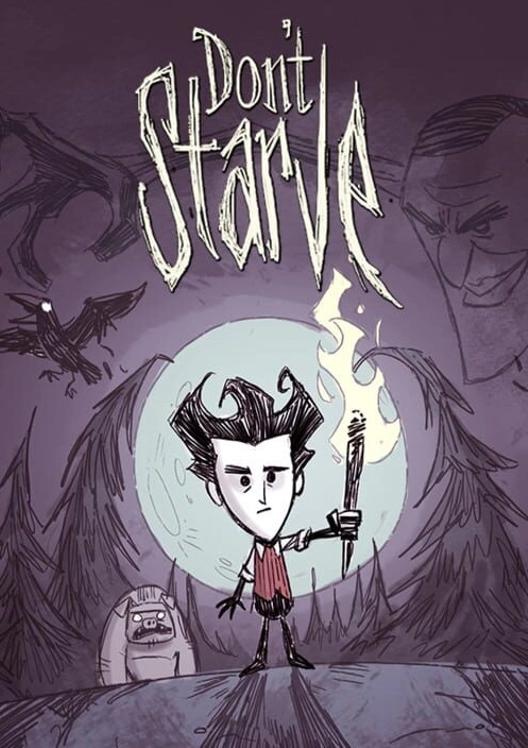
Don't Starve cover art

Don't Starve

Best if you want a brutally honest survival sandbox where every mistake matters, wrapped in darkly whimsical Tim Burton-style art that runs flawlessly on any PC.

Released
April 22, 2013
Metacritic
79
View reviews
Genre
INDIE
User Rating
3.9

Why We Recommend This Game

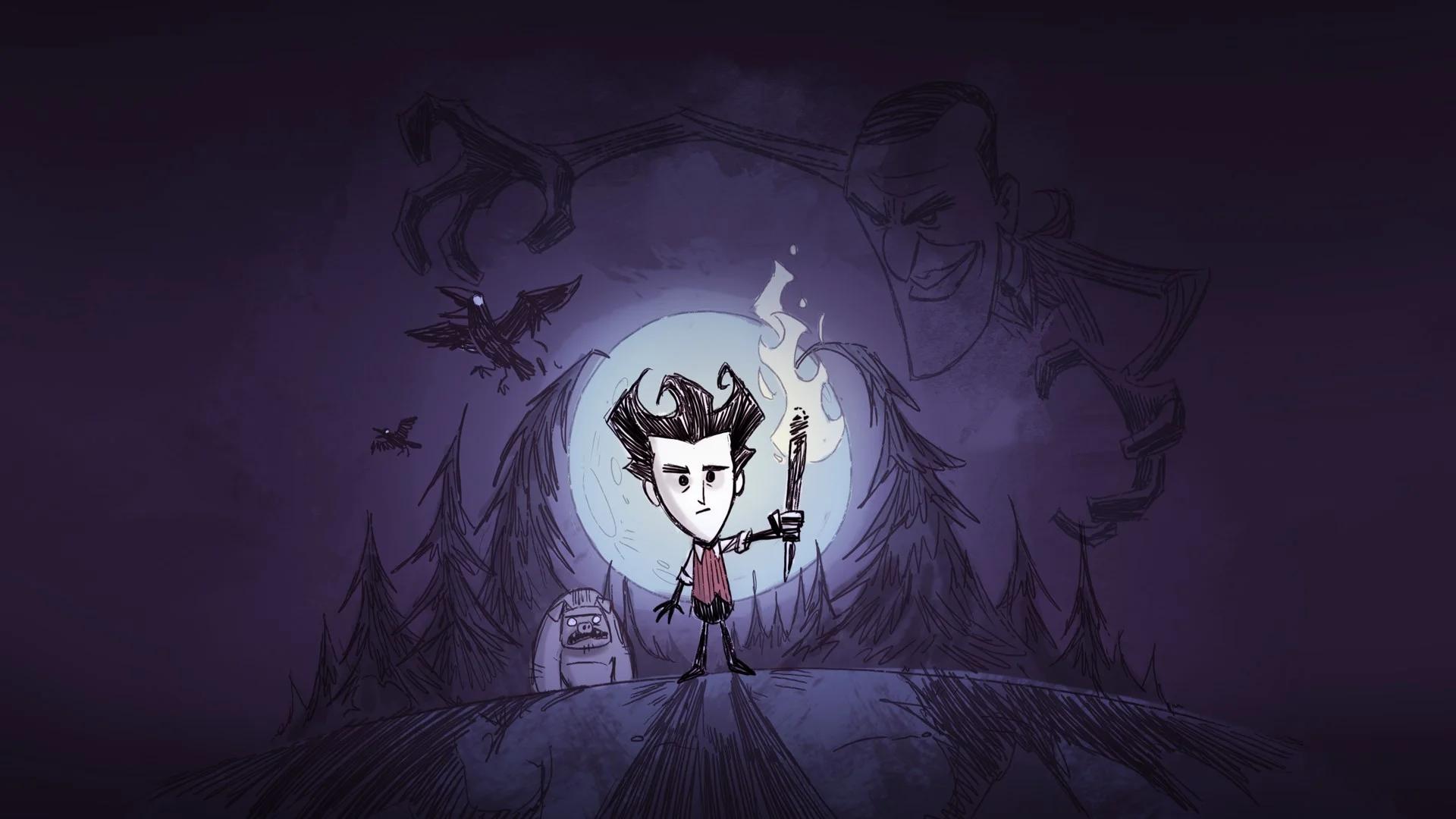
Don't Starve is survival distilled to its purest form: gather, craft, explore, and try not to die—then die anyway, learn something, and start over. Each procedurally generated world is a fresh puzzle of resources, biomes, and threats that unfold across day/night cycles and changing seasons. Days are spent frantically gathering twigs, grass, and food while scouting for better terrain. Nights demand fire and vigilance as darkness itself becomes lethal. The loop is relentless but never random—success hinges on internalizing crafting recipes, seasonal hazards, and enemy patterns. The learning curve is steep by design. The game explains almost nothing upfront, so early runs end quickly as you starve, freeze, or wander into something hostile. But each death teaches: which foods spoil fastest, where spiders nest, how sanity drains when you pick flowers or stay in darkness. Knowledge becomes your currency. By your tenth run, you're planning farms, securing sustainable fuel sources, and surviving winters that once killed you in days. Sessions naturally clock in around 20–30 minutes for new players, though experienced survivors can stretch single worlds across hours or even in-game years. The pacing shifts with the seasons—autumn is forgiving, winter is a resource crunch, spring floods your base, summer scorches everything. Each phase demands different strategies, keeping long-term play tense and varied. Replayability is staggering. Procedural generation ensures no two worlds share the same layout, and unlockable characters introduce radically different playstyles—one might be a pyromaniac who starts with a lighter but takes fire damage, another a robot who eats gears instead of food. World customization sliders let you tweak resource abundance, season length, or enemy aggression, so you can ease the difficulty or crank it into nightmare territory. The hand-drawn aesthetic isn't just stylish—it's functional. High-contrast visuals and minimal UI clutter keep everything readable, even on older monitors or low resolutions. The game runs flawlessly on integrated graphics, making it perfect for laptops or budget rigs. It's fully offline, installs light, and demands no online features or updates to function. Don't Starve rewards patience, experimentation, and the willingness to fail. If you thrive on mastering harsh systems and finding efficiency in chaos, this is one of the genre's best.

Best For

  • Roguelike fans who enjoy learning through repeated failure and knowledge retention
  • Survival-crafting enthusiasts seeking deep resource management without handholding
  • Players with low-end PCs needing a high-replayability game that runs anywhere

Not For

  • Those expecting clear tutorials or forgiving early-game progression
  • Players who dislike permadeath or starting over after long runs
  • Anyone seeking narrative structure or story-driven gameplay

Multiplayer & Game Modes

Don't Starve does not support crossplay.

Features

Crossplay(No Crossplay)

Play Modes

Single Player

Additional Details

Don't Starve (2013 original) is a single-player game and does not include multiplayer/co-op. Multiplayer is available in the separate standalone title Don't Starve Together.

Edition and Platform Information

Important details about which version to buy and where to play.

Platform Recommendations

Runs on DirectX 9 and OpenGL with minimal system requirements. Performs smoothly on integrated graphics at 1080p with low settings. Fully offline with no server or bandwidth dependencies. Controller and keyboard/mouse supported across PC platforms.

Accessibility Features

High-contrast 2D art aids visibility at lower resolutions. UI is readable and clean. Keyboard fully remappable. No difficulty assist options beyond world-gen sliders. Minimal in-game guidance—learning is trial-and-error by design.

Screenshots

Click any screenshot to view in full size

Frequently Asked Questions

Common questions about this game answered by our team.

How hard is it?

Punishing by default. Early runs end quickly as you learn through failure. World customization sliders let you reduce threats or extend seasons, but the core loop demands careful resource management and planning.

How long does a run last?

New players often die within 20–30 minutes. Experienced survivors can stretch a single world across hours or in-game years as they master seasonal cycles and sustainable bases.

Is it good for beginners to survival games?

Only if you're comfortable with steep learning curves and no tutorials. The game teaches by letting you fail. Patient players who enjoy mastering systems will find it rewarding; others may find it frustrating.

How much replayability does it have?

Immense. Procedural worlds, unlockable characters with unique mechanics, seasonal challenges, and customizable difficulty ensure hundreds of hours of varied runs. Each death refines your strategy.

Will it run on my old laptop?

Almost certainly. It runs smoothly on integrated graphics, supports DirectX 9, and has minimal install size. Even budget hardware from the early 2010s handles it at playable framerates.