




SCP: Secret Laboratory appears as an honorable mention because it lacks traditional survival systems—no crafting, base-building, or resource management. It's an asymmetrical multiplayer horror game where surviving each round involves stealth and teamwork, not long-term progression. Highlighted for players seeking social, round-based horror with survival flavor rather than deep survival mechanics.

SCP: Secret Laboratory
Best if you want unpredictable multiplayer horror where every round creates new chaos through proximity voice chat, shifting team alliances, and asymmetric roles that reward map knowledge and improvisation over twitch reflexes.
On This Page
Why We Recommend This Game
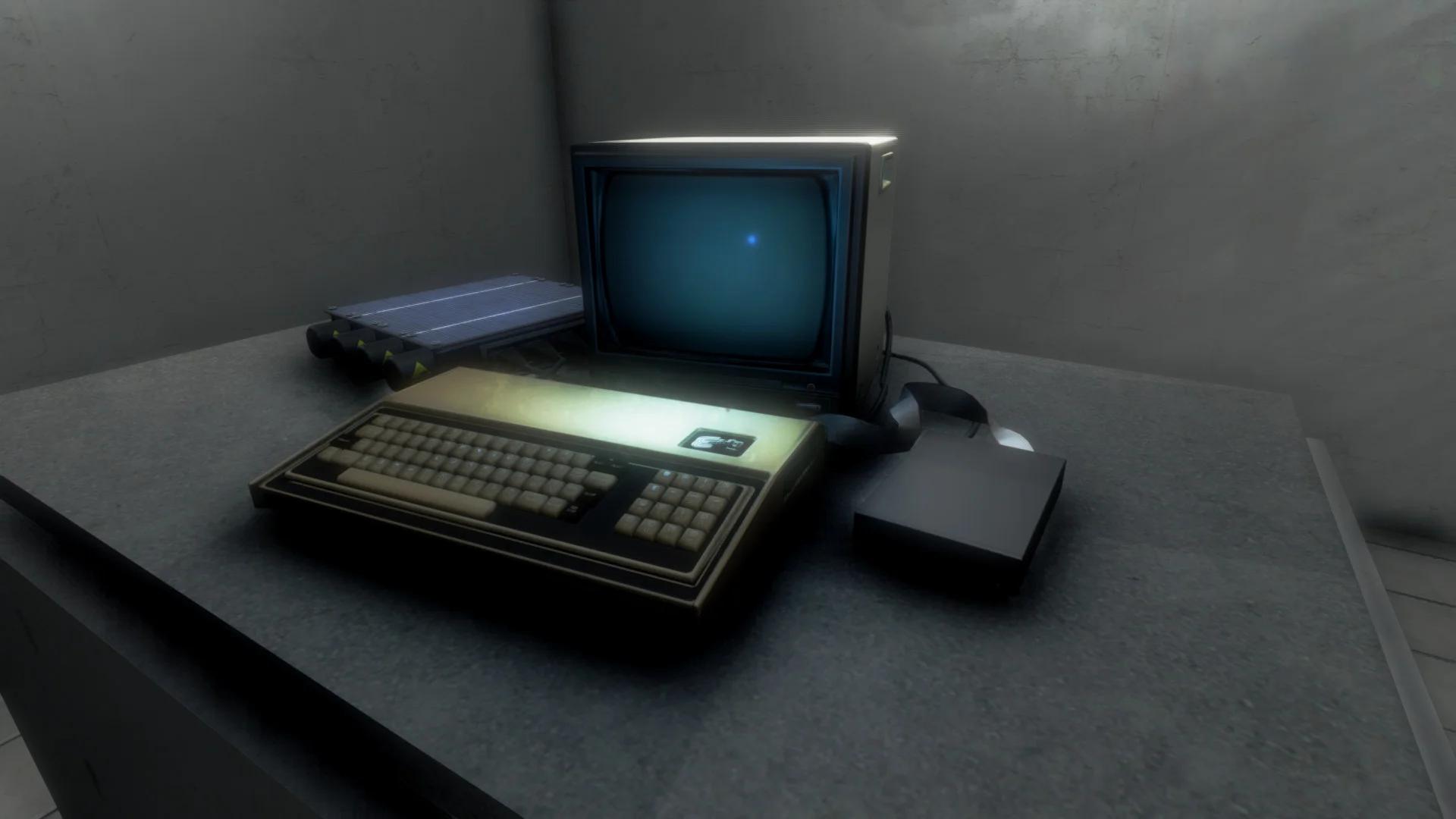
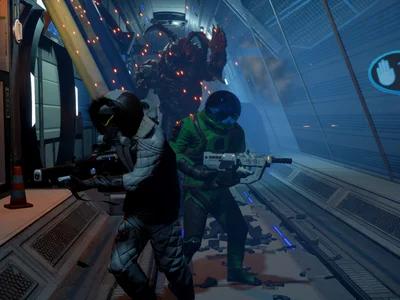
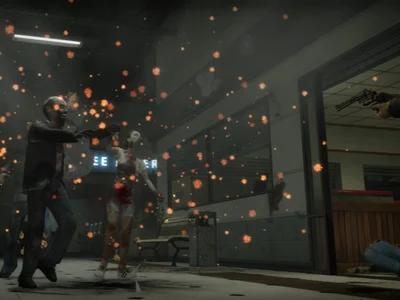
SCP: Secret Laboratory thrives on social chaos. Each 20–30 minute round drops up to 30 players into randomly generated facility layouts as competing factions: prisoners trying to escape, scientists fleeing for their lives, armed guards hunting threats, monstrous SCPs slaughtering everyone, and shadowy teams with conflicting agendas. The magic lies in proximity voice chat turning corridors into stages for negotiation, betrayal, and improvised comedy before the horror kicks in. The learning curve is steep and deliberately opaque. You'll spend early sessions lost in maintenance tunnels, accidentally triggering lockdowns, or getting pummeled by SCP-173 because you blinked. Map knowledge becomes currency—knowing shortcuts, item spawns, and chokepoints separates veterans from fresh meat. Each faction plays differently: SCPs rely on ambush tactics and special abilities, humans need teamwork and resource scavenging, and the AI-controlled SCP-079 manipulates doors and power systems. Mastery takes dozens of hours, but the chaos stays fun even while you're learning. Sessions feel like contained horror improv shows. One round you're a scientist sweet-talking guards into an elevator escape. The next you're SCP-049 "curing" a dozen players while they scream coordinates over voice. Rounds end decisively—escape, die, or watch the nuke timer count down—so there's constant closure and reason to jump back in. Replayability is functionally infinite because human unpredictability and procedural layouts ensure no two matches feel identical. The free model is genuinely fair—cosmetics only, no pay-to-win, full game access from minute one. Community servers add custom rules, role variants, and quality-of-life tweaks, though public lobbies can be chaotic free-for-alls with minimal moderation. Technical rough edges persist: occasional jank, variable server performance, and UI that assumes you'll learn by doing. But the community stays large and active, updates arrive regularly, and the core loop of tense cooperation collapsing into screaming panic remains unmatched in free horror. Best experienced with friends on voice, though brave solo players will forge stories worth retelling.
Best For
- SCP Foundation fans craving multiplayer chaos in that universe
- Players who love emergent, voice-driven social gameplay over scripted scares
- Groups of 4+ seeking high-replayability horror without spending money
Not For
- Solo players uncomfortable with proximity voice chat and social dynamics
- Those wanting polished tutorials or structured onboarding
- Players seeking traditional single-player horror or narrative experiences
Multiplayer & Game Modes
40 online
Features
Play Modes
Single Player • Multiplayer • Co-op • PvP • Online Multiplayer • LAN Multiplayer • Asymmetric Multiplayer
Player Count
- Local
- 1
- Online
- 1-40
- LAN
- 1-40
- Team Sizes
- Asymmetric teams up to 40 players
Additional Details
PC-only multiplayer horror game with dedicated and community servers. Servers are typically configured for up to 40 players per match (e.g. 30-40 slots). No couch/local split-screen; each player needs their own device. Supports LAN hosting via direct IP/server browser as well as standard internet servers. Gameplay is round-based, team- and role-based, mixing cooperative objectives (e.g. scientists and MTF working together) and PvP between factions. Players can usually join or leave in the middle of rounds depending on server settings. No official cross-play or console versions.
Edition and Platform Information
Important details about which version to buy and where to play.
Platform Recommendations
PC only. No controller support—keyboard and mouse required for menu navigation and gameplay. Community servers may have custom clients or mods; stick to official servers initially.
Accessibility Features
Basic key remapping and audio sliders available. Relies heavily on positional voice chat for coordination and survival cues, creating barriers for players with hearing difficulties. No subtitles for player speech. Push-to-talk options help manage audio. Limited visual accessibility aids; brightness controls present but color-coding can be important for some roles.
Screenshots
Click any screenshot to view in full size
Featured In Our Articles
We've included this game in 5 articles.
This asymmetrical SCP horror game ranks #8 for its community-driven moments—proximity voice, shifting alliances, and up to 30 players produce constant emergent stories. Fair cosmetic-only monetization and frequent updates keep it lively. Rough edges and variable server quality are the trade-offs, but groups wanting social tension and high replay without spending a cent will thrive here.
SCP: Secret Laboratory earns #3 for its asymmetrical 16-player facility escapes where proximity chat and shifting alliances create genuine fear. Active 2024–2025 support, thriving servers, and fair free access deliver infinite replay through emergent social horror. The trade-off is chaotic public lobbies and a steep learning curve, but groups seeking unpredictable scares from real people will find unmatched value.
Round-based SCP facility escapes where voice chat, shifting alliances, and map knowledge drive survival. Every match creates different stories through asymmetrical roles and proximity communication. Active playerbase, fair free access, and endless replay make it a standout social horror experience. Best for groups comfortable with emergent chaos and steep learning curves.
SCP: Secret Laboratory ranks #5 for emergent faction-based teamwork—scientists and guards coordinate escapes while SCPs hunt. Voice chat and asymmetric roles forge on-the-fly strategies in tense, memorable sessions. Zero monetization and active servers deliver fair access. The trade-off: steep learning curve and reliance on communication quality. Best for large groups seeking social tactics and unpredictable horror.
Frequently Asked Questions
Common questions about this game answered by our team.
How hard is it for new players?
Expect 5–10 rounds feeling lost. No tutorial explains faction goals, map layouts, or SCP abilities—community knowledge and trial-and-death are your teachers. Map memorization is essential for effective play.
How long are matches?
Individual rounds last 15–30 minutes depending on faction efficiency and nuke timer. You can drop in/out freely between rounds, making it flexible for short or marathon sessions.
Can I play solo or do I need friends?
Solo play works but is chaotic—public servers vary wildly in coordination and moderation. Having 3–4 friends on voice dramatically improves teamwork, strategy, and fun, especially early on.
Is it actually free or pay-to-win?
Completely free with zero gameplay advantages for sale. Monetization is cosmetic-only. You get full faction access, all maps, and every update without spending a cent or grinding unlocks.
How much does communication matter?
Absolutely critical. Voice coordination separates winning teams from massacred ones. Proximity chat creates tension and enables betrayals, but success requires callouts, role coordination, and adapting plans on the fly.