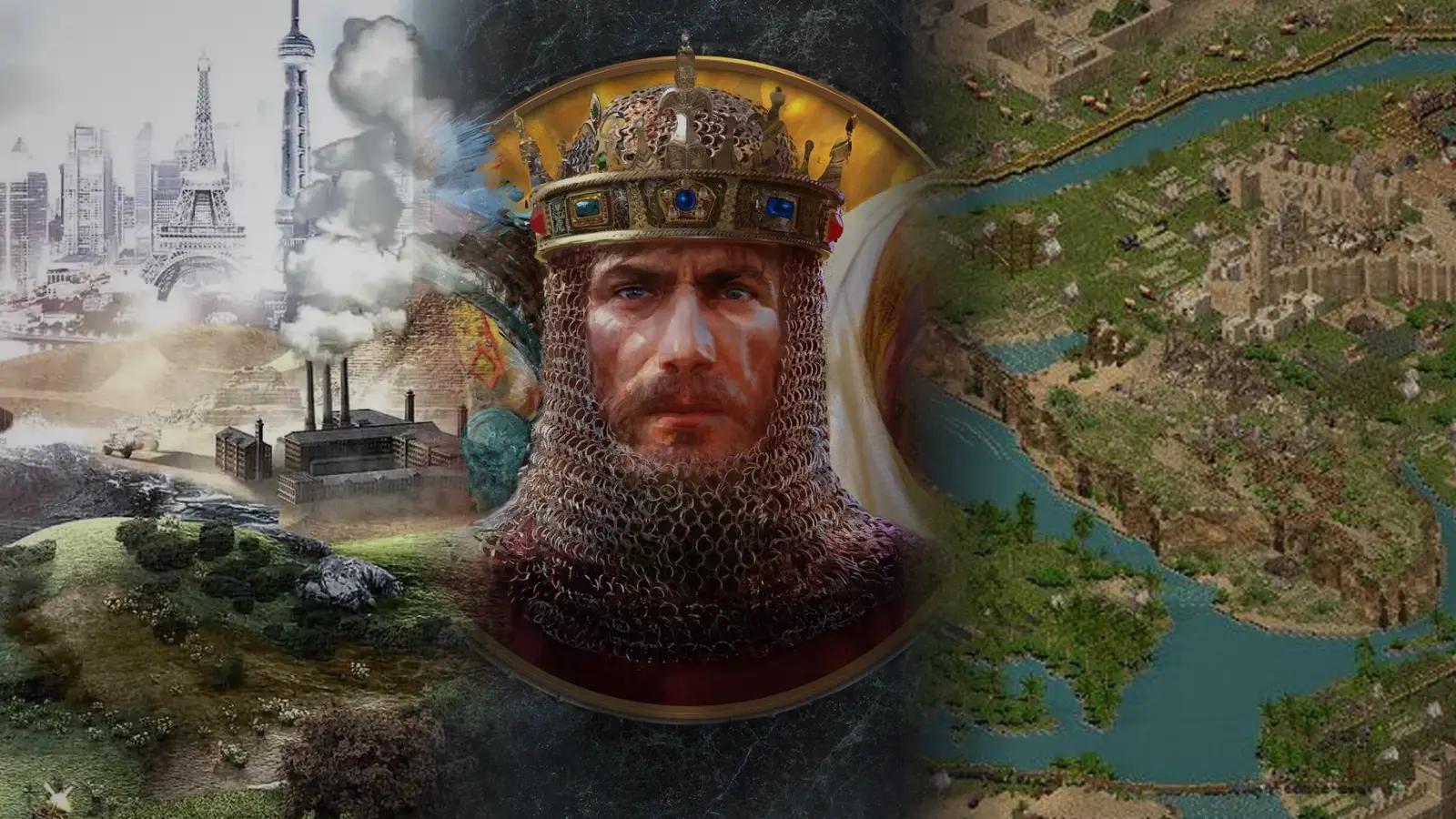

Strategy games have a reputation for needing powerful hardware, and most of the time that reputation is wrong. The genre's best designs are built around decisions, not pixels. If your laptop has an Intel UHD chip, 8GB of RAM, and a processor that came out in the last decade, you have enough to play some genuinely excellent strategy games. I run LAN sessions with friends on non-gaming laptops and strategy is always on the table, so I have tested most of these under conditions that would make a spec sheet blush.
I ranked each game on five equal criteria: low-end compatibility, strategic depth, replay value, accessibility, and how enjoyable the core loop actually is. Every pick was tested on i3-class hardware with integrated graphics.
For the full picture on low-end PC gaming across every genre, see our Best Low-End PC and Laptop Games guide. This article focuses specifically on strategy games that hold up on budget hardware.
Quick Picks
Best for very old laptops: Into the Breach
Best free option: OpenTTD
Best RTS classic: Age of Empires II: Definitive Edition
Best for factory fans: Factorio
Best for 4X fans: Sid Meier's Civilization V
The Top 10 Best Strategy Games for Low-End PCs
Ranked from best to tenth, these picks cover tactics, factory building, RTS, 4X, and tower defense. Each one has been tested on modest hardware and earns its place on merit, not nostalgia.
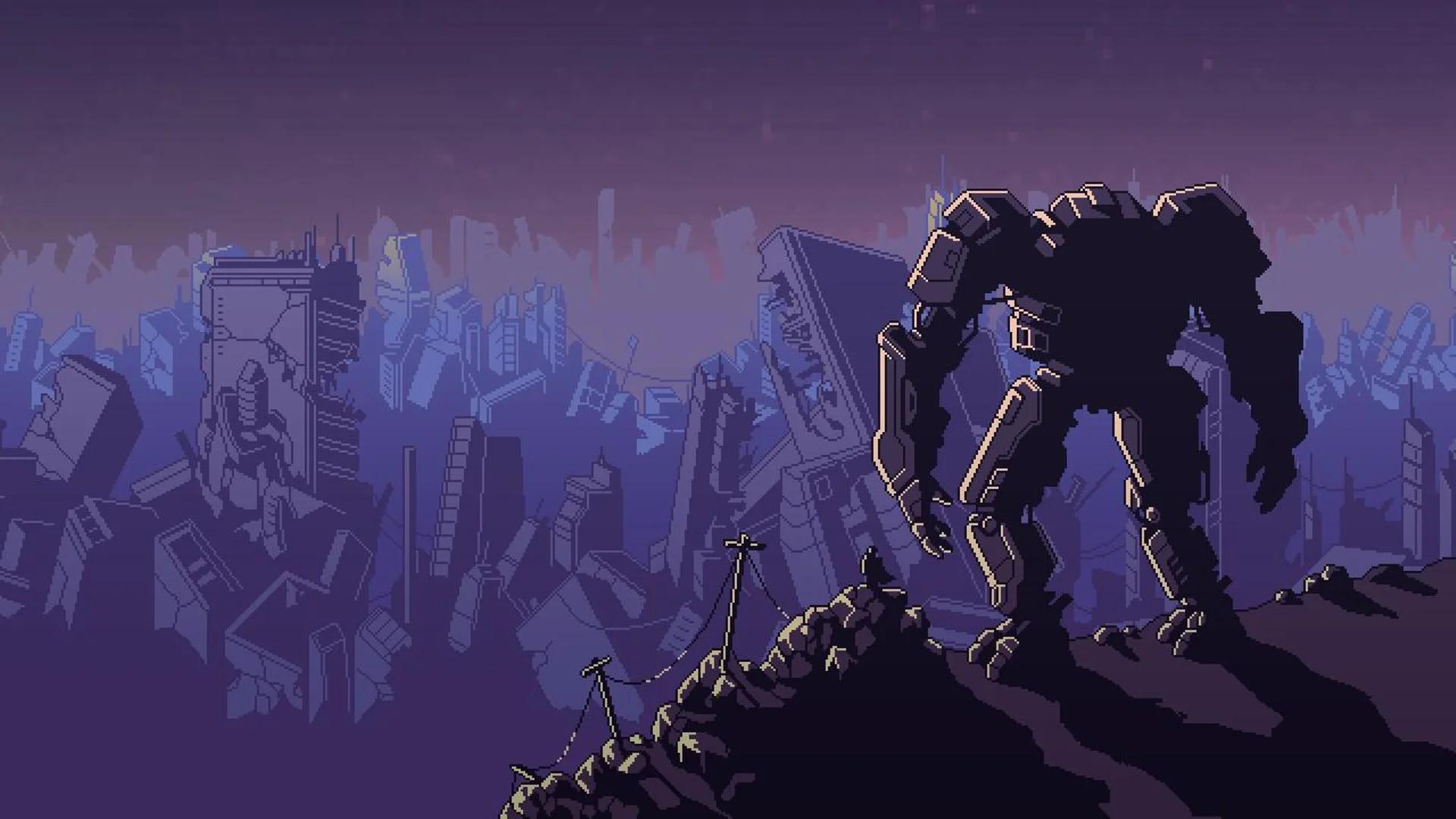
At one of our LAN sessions I put Into the Breach on a laptop that had no business running games and it ran perfectly. Every enemy shows you exactly what it is about to do. Your job is to figure out how to survive it. That sounds simple and it is not. The mech squads are distinct enough that starting a new run with a different loadout feels like a different game. It is also tiny. Under 300MB installed. If someone in your group has ancient hardware, this is the first thing I recommend. Nothing else on this list combines tactical depth with that kind of hardware footprint.
- Released
- 20182018
- Genre
- PuzzlePuzzle
- Platforms
- Android, iOS, Linux, macOS, PC, SwitchAndroid, iOS, Linux, macOS, PC, Nintendo Switch
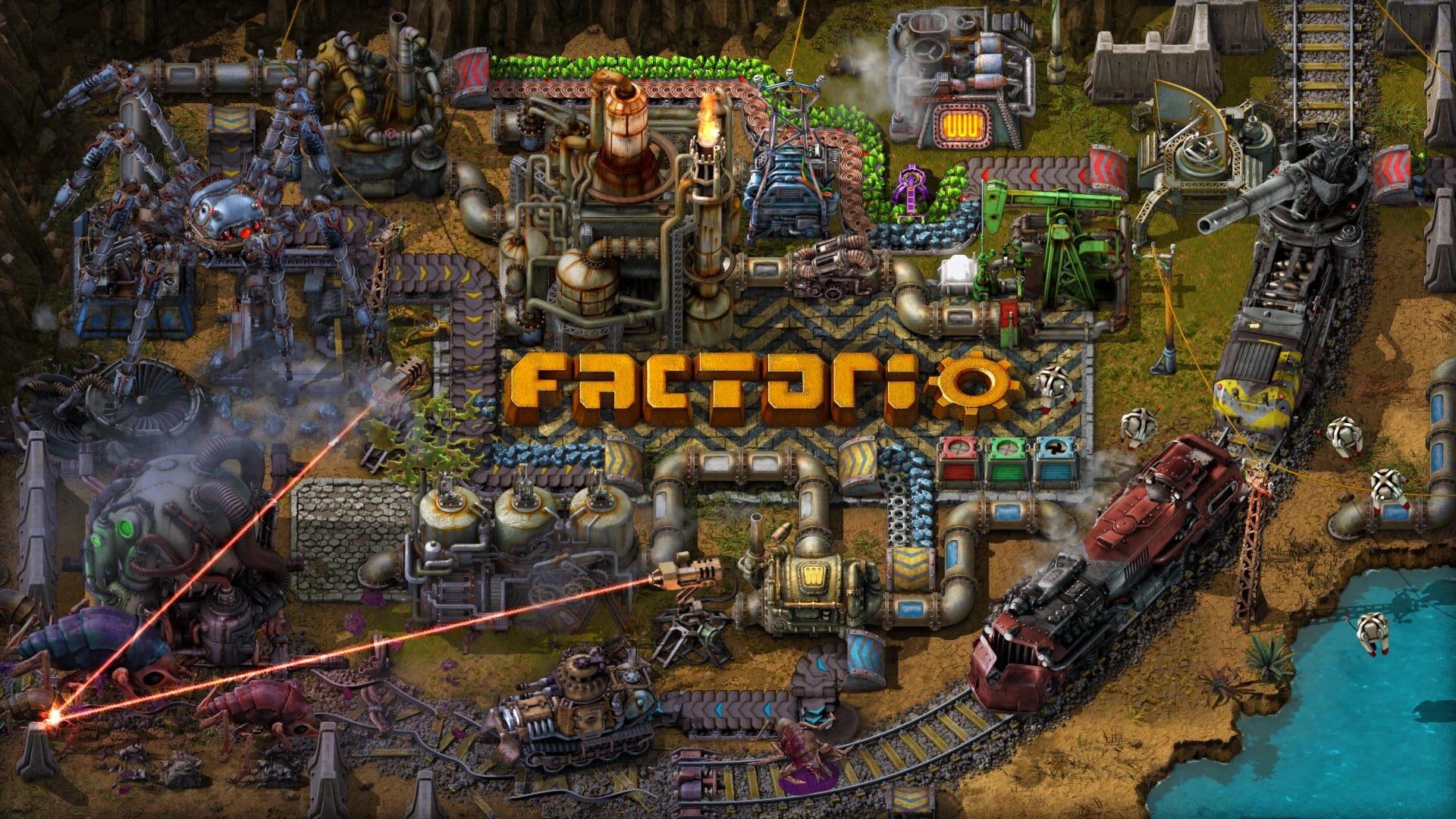
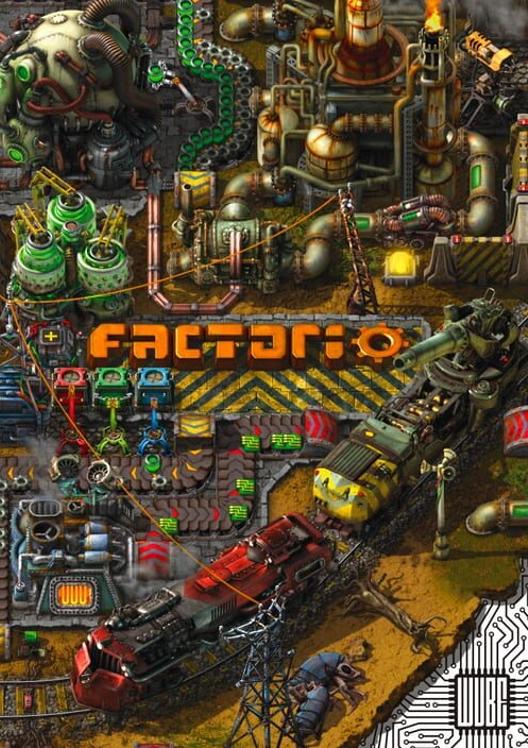
Factorio is the only game I have started at 9pm and looked up to find it was 2am without any sense that time had passed. The loop is gather, build, automate, expand, and then do all of it again at a larger scale. On modest hardware it runs well for most of the game. The catch is late-game megabases. Once your factory covers half the map, weaker CPUs start to feel it. Keep your builds focused and it holds up fine. If you want a game that rewards systems thinking and does not care about graphics, this is the deepest option on the list.
- Released
- 20202020
- Genre
- SimulationSimulation
- Platforms
- Linux, macOS, PC, Switch, Switch 2Linux, macOS, PC, Nintendo Switch, Nintendo Switch 2

FTL fits exactly how I play on weeknight evenings: a session that has a natural end point, real decisions throughout, and enough randomness to feel different each time. You manage a spaceship jumping sector by sector toward a final boss that will destroy you the first several times. Resources are always tight. Every crew assignment matters. It runs on hardware so old that calling it low-end is generous, and the install is under 200MB. The early runs are brutal because the game does not hold your hand at all. Push through that and you get one of the sharpest roguelike strategy games ever made.

- Released
- 20122012
- Genre
- RPGRPG
- Platforms
- iOS, Linux, macOS, PCiOS, Linux, macOS, PC
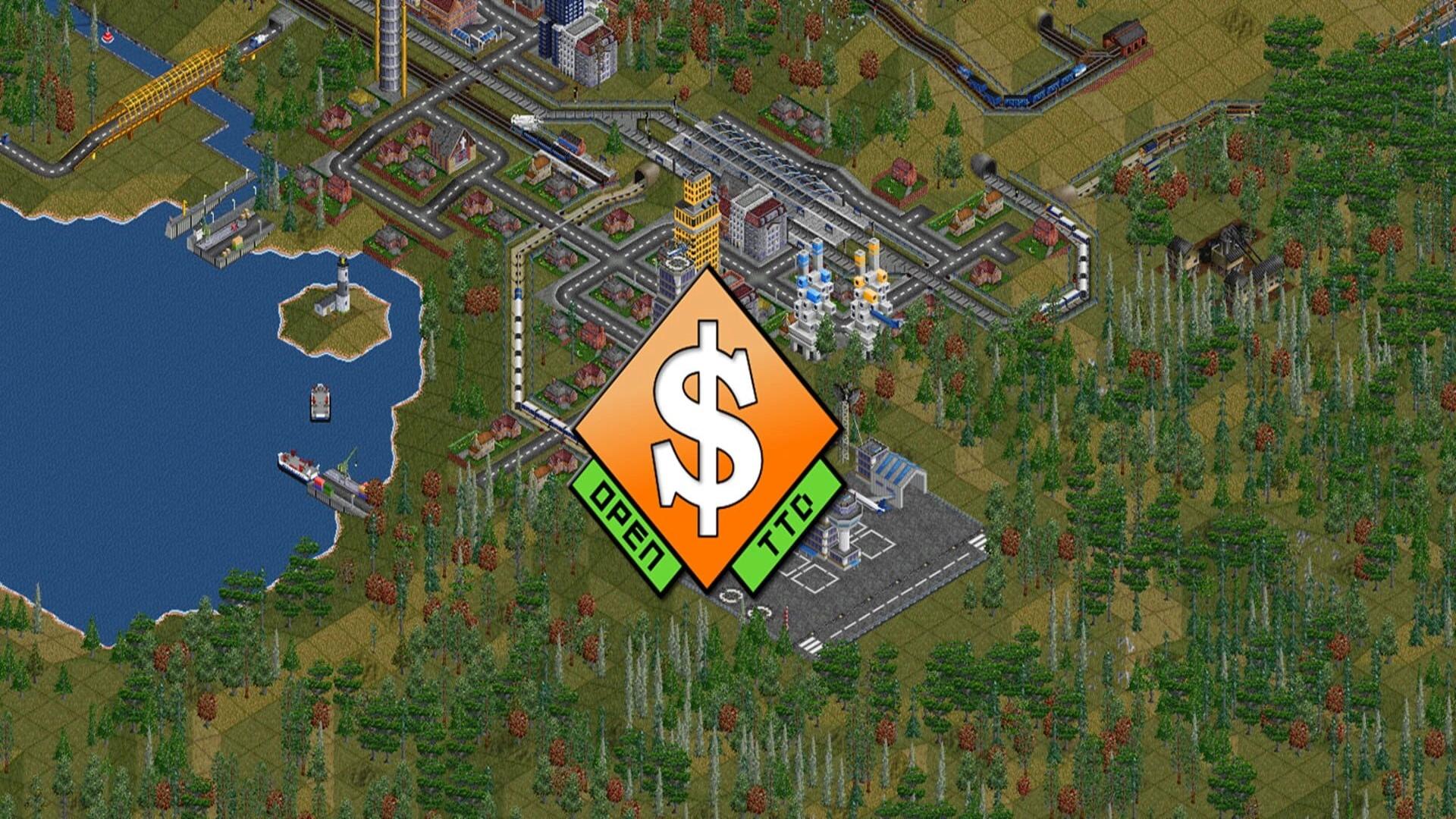
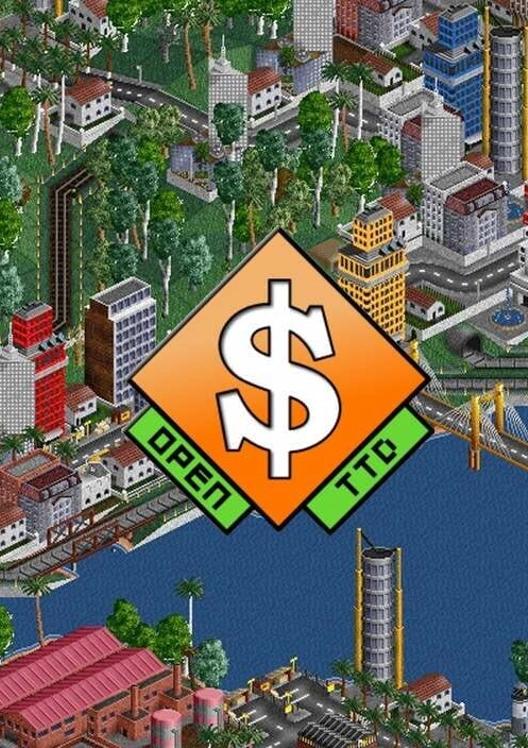
Free and lighter than almost anything on this list. OpenTTD is a transport logistics sandbox where you build rail networks, bus routes, and shipping lines across procedurally generated maps. My LAN group has a rule: if someone shows up with a laptop from 2012, we pick something from the OpenTTD era of games. This qualifies easily. The interface is old-school and takes adjustment, but once it clicks you get absorbed into optimising junctions and chasing profit margins for hours. No purchase required. No server fees. Just download it and go.
- Released
- 20042004
- Genre
- SimulationSimulation
- Platforms
- Android, Linux, macOS, PCAndroid, Linux, macOS, PC
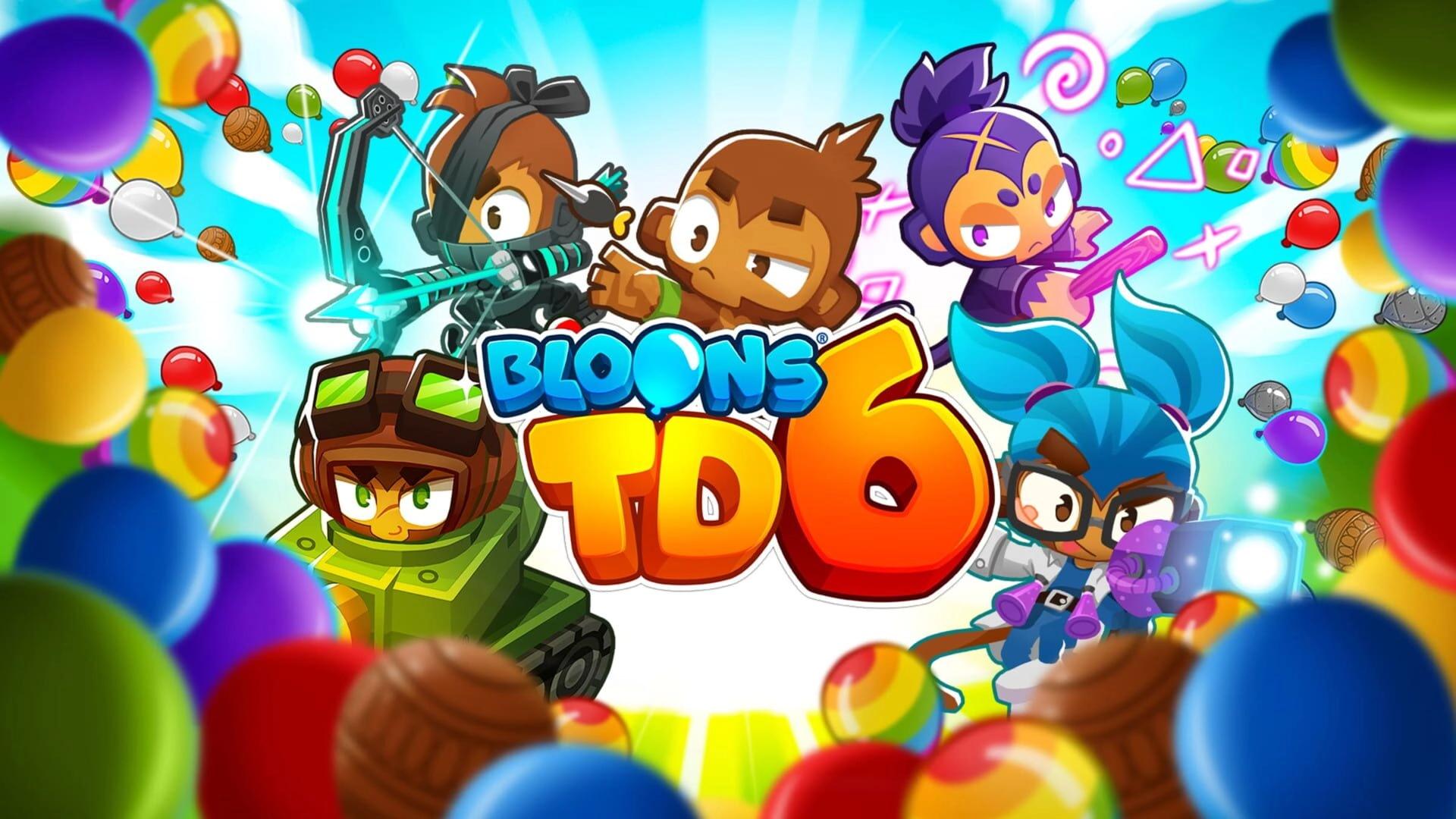
Bloons TD 6 looks like a children's game. It is not a children's game. The upgrade trees interact in ways that take real experimentation to understand, and the late-game maps punish careless placement hard. I picked this up expecting to unwind for an hour and found myself replaying the same map four times trying to crack the geometry. Runs well on budget hardware, supports co-op, and gets regular content updates so there is always something new to attempt. Tower defense does not get more polished than this at the low-end price point.
- Released
- 20182018
- Genre
- StrategyStrategy
- Platforms
- Android, iOS, macOS, PC, PS4, Switch, Xbox OneAndroid, iOS, macOS, PC, PlayStation 4, Nintendo Switch, Xbox One
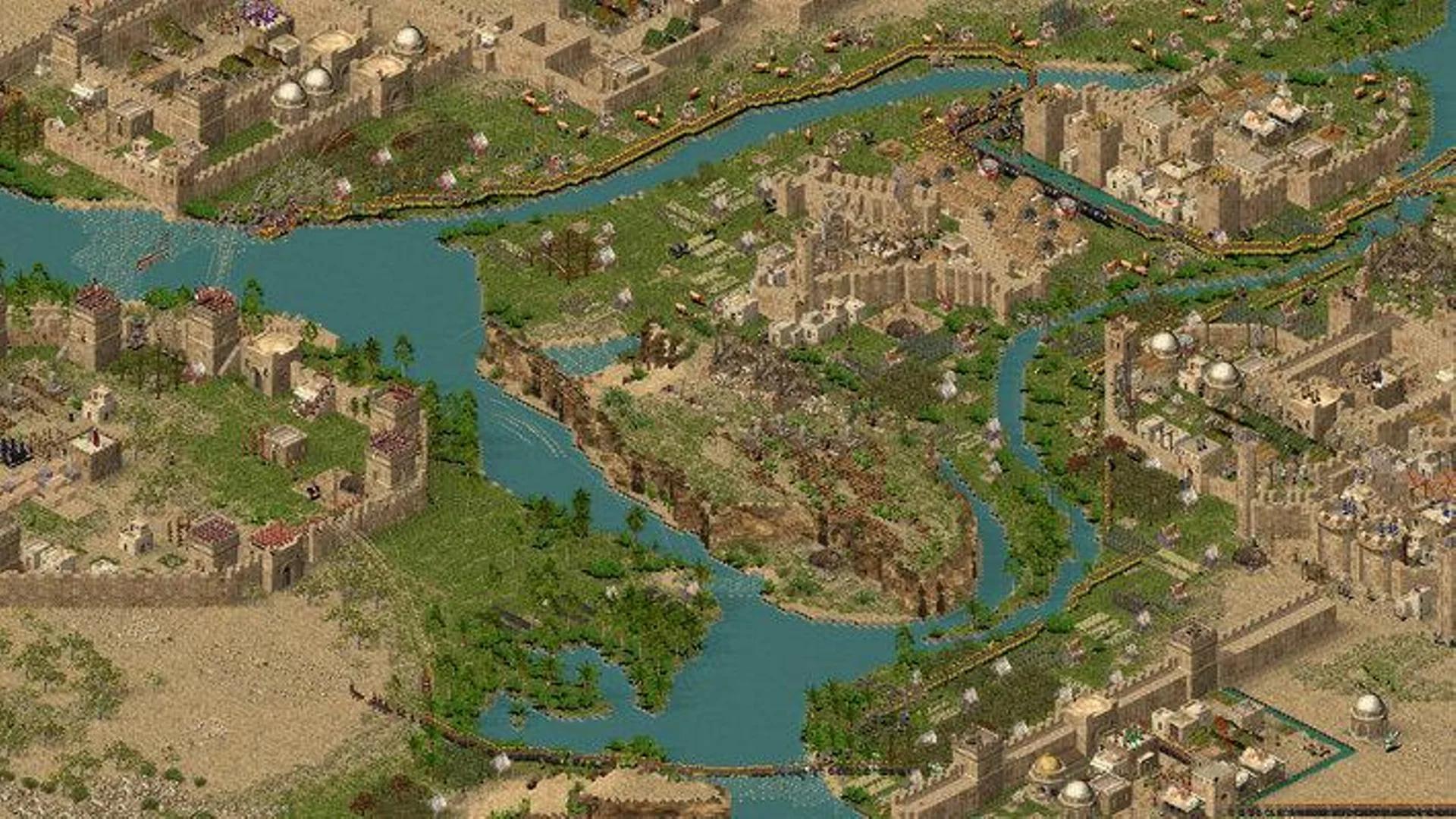
Stronghold Crusader is what happens when an RTS commits fully to castle economics and siege warfare. You build a granary, manage food, keep your population from starving, and then watch it all burn when the enemy sends a wave of assassins through your poorly defended gatehouse. The loop is distinct from Age of Empires in a way that matters: the castle-building side genuinely changes how you approach the combat. Hardware demands are negligible by any standard. I grew up playing this series and coming back to the HD version felt immediately familiar. If classic RTS is your genre, this belongs in your library.
- Released
- 20132013
- Genre
- StrategyStrategy
- Platforms
- PCPC
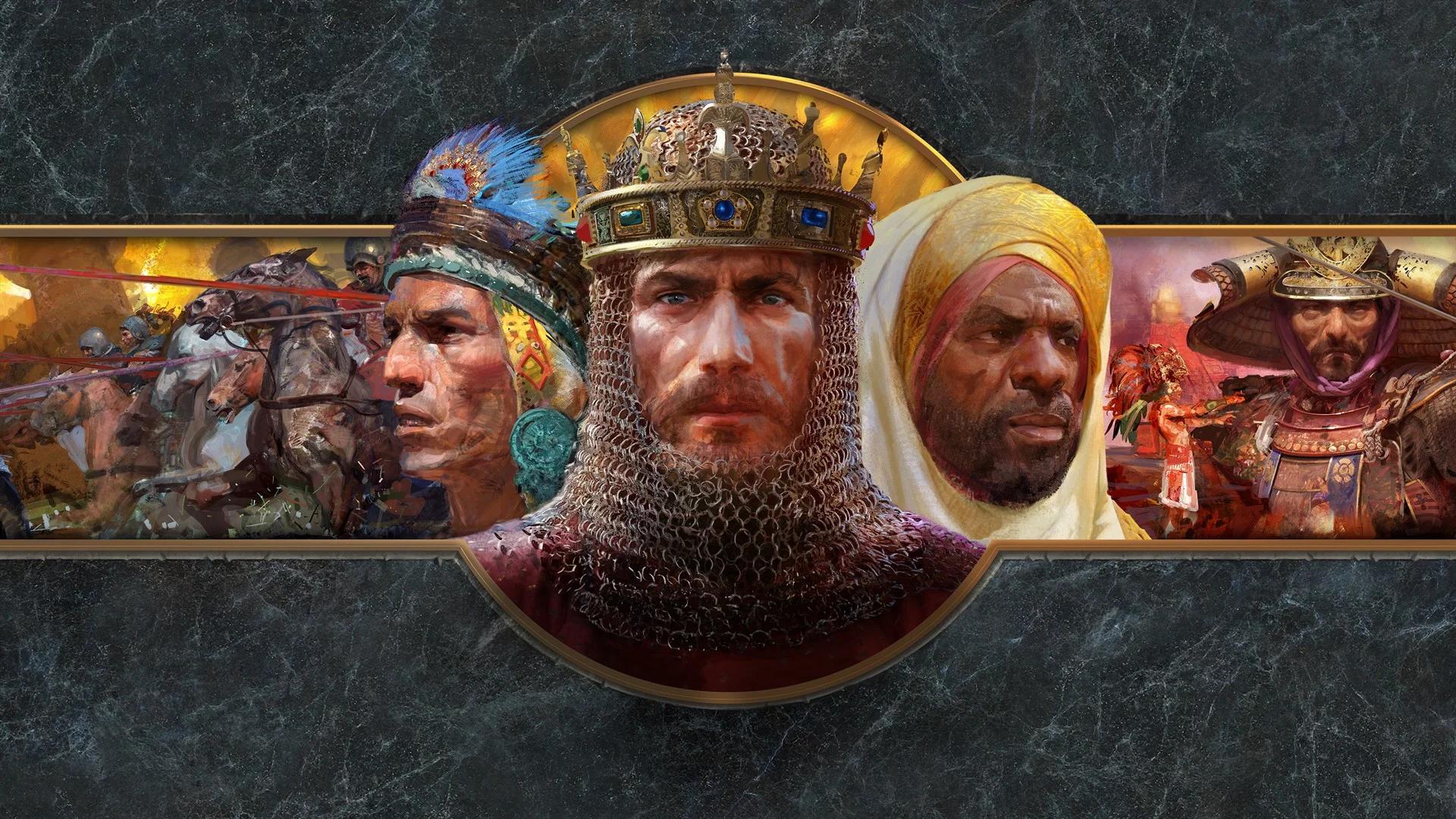
Age of Empires II is the game my LAN group returns to more than any other strategy title. We have been playing it for over twenty years across multiple versions and the Definitive Edition is the best it has ever been. The caveat for low-end hardware is real: keep match sizes small, avoid eight-player games, and drop the graphics settings. Do that and it runs acceptably on integrated graphics. Ignore those limits and a mid-game battle will turn into a slideshow. The campaigns are outstanding and the civilization variety keeps random map games fresh long after you have finished them.

- Released
- 20192019
- Genre
- StrategyStrategy
- Platforms
- macOS, PC, PS5, Xbox One, Series X|SmacOS, PC, PlayStation 5, Xbox One, Xbox Series X/S
If you are looking for single-player games beyond the strategy genre that still run on modest hardware, check out our Best Single-Player Games for Low-End PCs and Laptops guide.

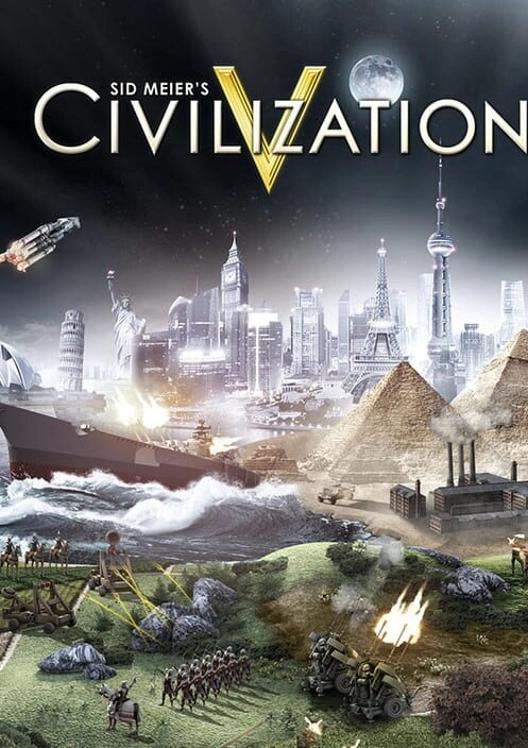
One more turn. It is always one more turn. Civilization V is the most reliable way I know to lose a Saturday afternoon to a game about building an empire from a single settler. For low-end hardware, it is the right Civ to recommend: newer entries push specs harder and the performance gap matters on budget machines. Enable Strategic View when performance dips and reduce map size. The hex combat system still holds up, the victory conditions are clear, and the diplomacy is just opaque enough to keep you second-guessing. Not the flashiest pick, but consistently the right one for older hardware.
- Released
- 20102010
- Genre
- SimulationSimulation
- Platforms
- Linux, macOS, PCLinux, macOS, PC
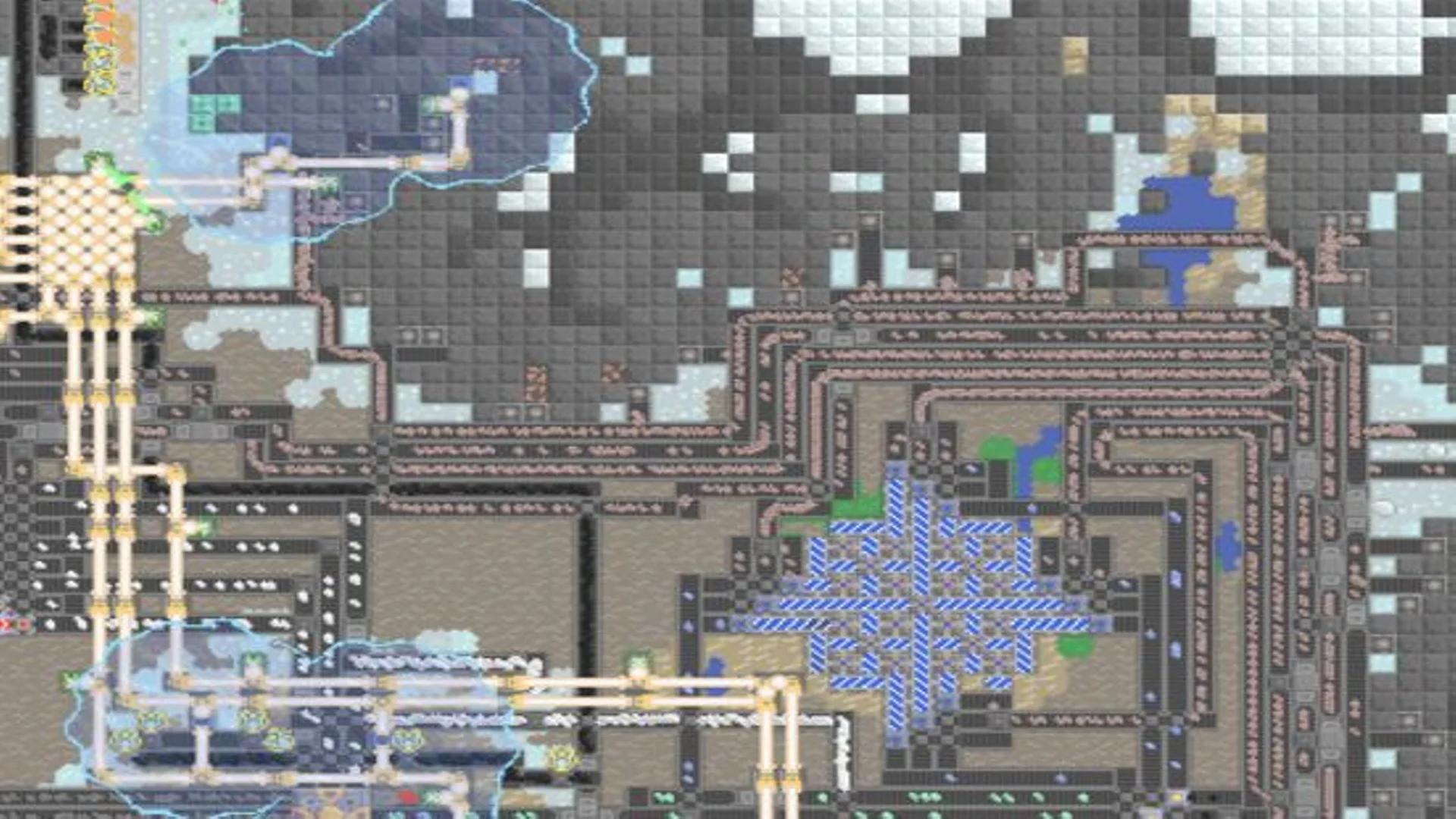
Mindustry is what you play if Factorio interests you but you want something free, faster to get into, and easier on your CPU. It fuses conveyor-belt logistics with tower defense, so you are routing materials to turrets while simultaneously optimising production chains. The game runs on anything. I tested it on a budget laptop with Intel UHD 620 and it held 60fps without complaint throughout a full campaign mission. The learning curve is steeper than the visual style suggests, but the moment the supply chain clicks and your base defends itself without intervention, you will understand why this one earned its spot.
- Released
- 20172017
- Genre
- PuzzlePuzzle
- Platforms
- Android, iOS, Linux, macOS, PCAndroid, iOS, Linux, macOS, PC
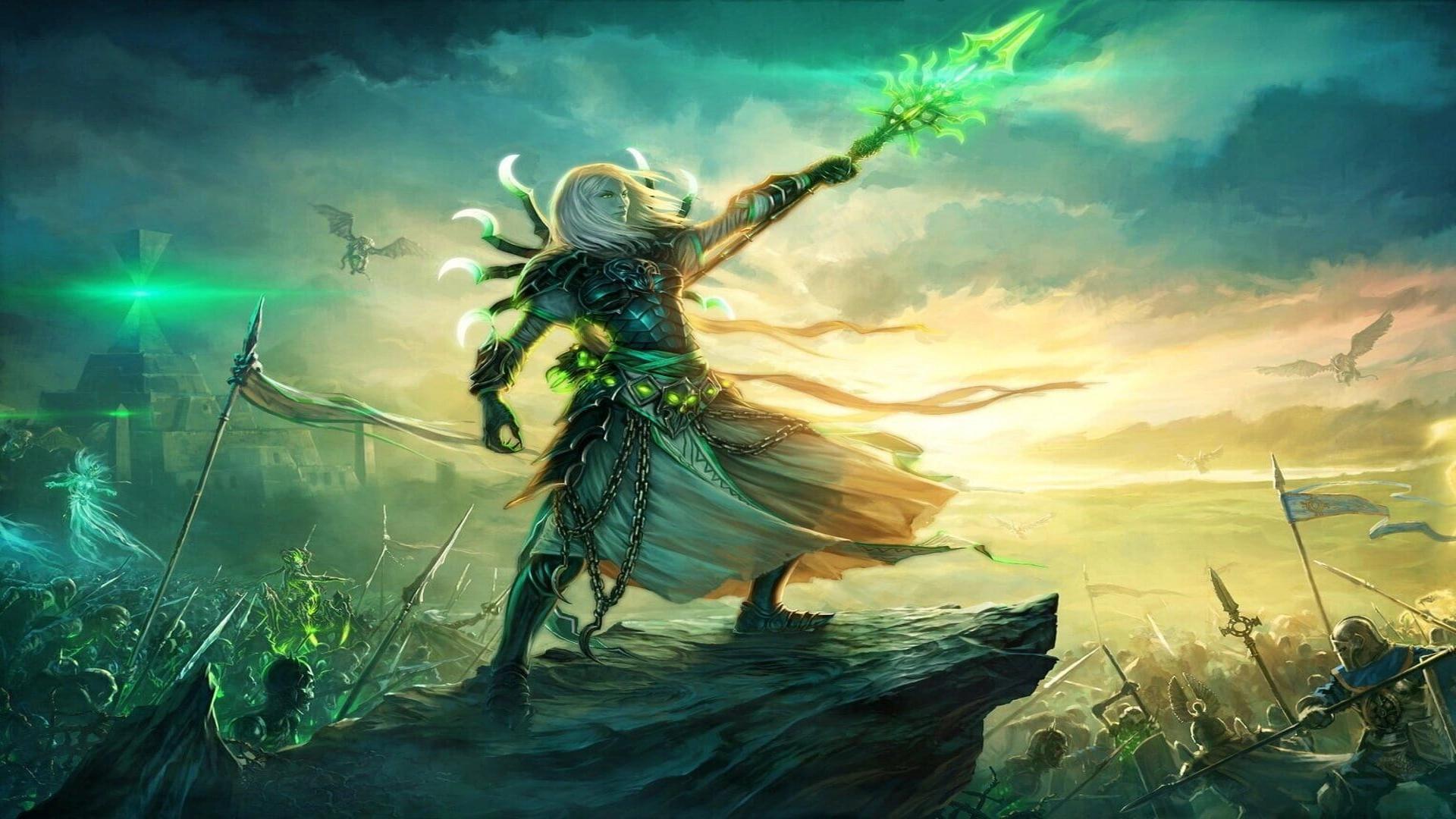
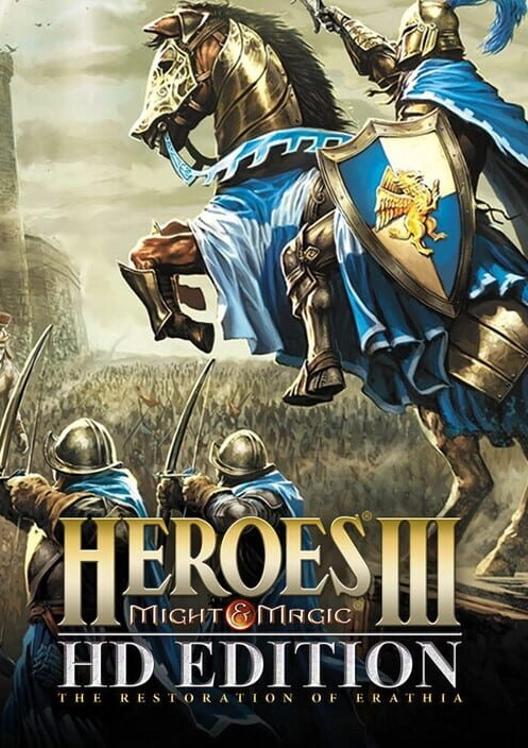
Heroes of Might and Magic III is a genre landmark. Exploring a map, timing your hero's army growth against an opponent's, then committing to a battle you are not sure you can win: the tension of that loop has not aged. Hardware demands are trivial. The caution worth flagging is edition-specific: the HD Edition is not the most complete version and the strategy community largely prefers the original or fan-maintained alternatives. If you already own it, play it. If you are buying fresh, check whether the base version suits you better before choosing this one.
- Released
- 20152015
- Genre
- RPGRPG
- Platforms
- PCPC
Honorable Mentions
These games missed the main list for specific reasons, but each one is still worth your time depending on what you are looking for.
11. SlipWays
82%Slipways does one thing: it asks you to connect planets in a way that makes economic sense, then scores you on how well you did it. Each run takes under an hour. The puzzle logic is clean and the hardware demands are close to zero. What kept it out of the main list is range: it sits closer to an economy puzzle than a full strategy game, and readers looking for campaigns, combat, or large-scale management will want something broader. For short-session strategy on a low-spec laptop, though, it is quietly one of the best options available. I keep coming back to it on evenings when I have 45 minutes and want something that actually requires thought.
Kingdoms and Castles is the version of city-building I would hand to someone who has never played the genre. The systems are readable, the raids give you something to defend against, and the whole thing runs on hardware that most low-spec lists would consider borderline. It missed the main list because the strategic ceiling is lower than the games above it: once you understand the resource loop and basic wall placement, there is not a lot pulling you back for another run. But as an entry point for players who want to build something without drowning in menus, it is an excellent starting place.
My wife watched me play Dorfromantik for ten minutes and immediately wanted to try it herself. Tile placement, biome matching, extending chains for score: the loop is immediate and the visuals are genuinely lovely. It runs on anything and the onboarding is basically nonexistent. What pushed it to honorable mentions rather than the main list is genre fit. Compared to the tactics and management games above it, Dorfromantik sits at the meditative end of the strategy spectrum. If you want to switch off rather than plan aggressively, that is exactly what it delivers. Calling it a strategy game at all is a mild stretch.
Wargroove 2 is the clearest recommendation for anyone who played Advance Wars as a kid and wants that formula on a modern laptop. Grid tactics, readable unit types, bright pixel art, and a campaign that teaches you the systems without being condescending. It runs comfortably on integrated graphics and the map editor extends its life beyond the base content. What kept it here rather than the main list is depth: seasoned tactics players will reach the ceiling faster than with Into the Breach or FTL. For newcomers to the genre, though, it is a friendlier starting point than most of the ranked entries above it.
XCOM: Enemy Within is the game that convinced me turn-based tactics could carry genuine emotional stakes. When a squad member you have been using for fifteen missions gets one-shot by a Muton, you feel it. The base management layer adds a strategic dimension that pure tactics games skip, and the campaign structure gives the whole thing direction. It landed here rather than the main list because the hardware requirement is less forgiving than the games above it: older CPUs show hitches during transitions and effects-heavy moments. On a modern low-end machine it runs acceptably. On something truly ancient, manage your expectations.
Frequently Asked Questions
Quick answers to the questions that come up most often about running strategy games on budget hardware.
Will these games run on Intel UHD or Iris Xe integrated graphics?
Yes. Every pick was chosen specifically for playability on integrated graphics with i3 or Ryzen 3 class CPUs and 8GB RAM. A few entries, notably Age of Empires II and Civilization V, need modest settings adjustments. The rest run without much configuration at all.
Should I play at 1080p or drop to 720p on a low-end machine?
Start at your native resolution with settings on low and see how the game handles it. Most titles on this list are not visually demanding enough to need a resolution drop. For the exceptions, like AoE II in large battles, dropping to 900p or enabling simplified rendering modes is enough to smooth things out.
Do any of these games have multiplayer, and does that work on weak hardware?
Several do. Into the Breach added cross-platform co-op, OpenTTD has had multiplayer for years, Bloons TD 6 supports co-op, and Age of Empires II has an active online community. For LAN sessions specifically, OpenTTD and AoE II are the easiest to get running across a mixed group of laptops.
Which game is best if I only have an hour to play?
FTL or Into the Breach. Both are built around sessions that have a natural end point, and both give you something meaningful to think about from the first five minutes. Slipways in the honorable mentions is also worth considering for short sessions.
Is Factorio really playable on low-end hardware?
For the first several dozen hours, yes. Early and mid-game factory builds run well on i3-class machines. The performance issue arrives when megabases grow to thousands of entities, which is deep into late-game territory. If you are not chasing launch rockets on an industrial scale, the hardware concern is largely theoretical.
Conclusion
The ten games above cover most of what the strategy genre has to offer, all without needing a gaming rig. Start with Into the Breach if you want the safest possible recommendation on old hardware, or OpenTTD if free matters more than anything else. Age of Empires II remains the one my group keeps returning to despite knowing every map.
For more low-end options across other genres, see our Best Survival Games for Low-End PCs and Best Indie Games for Low-End PCs guides.
Ready for more tailored picks? Try our Recommendations Engine for suggestions that match your play style.