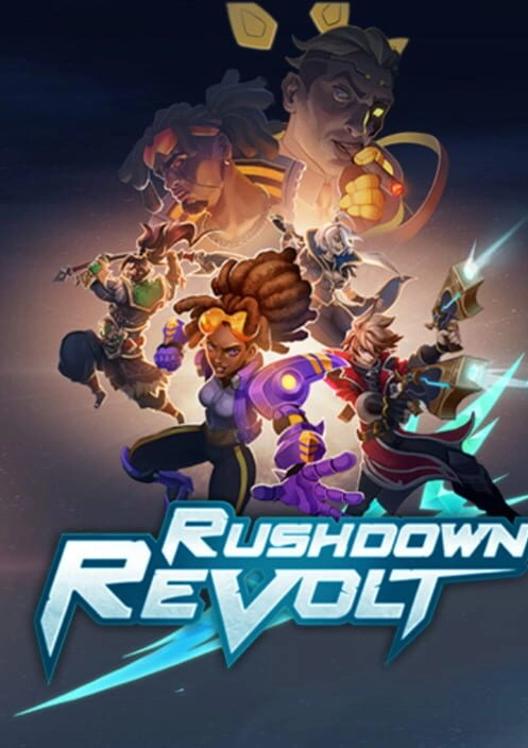


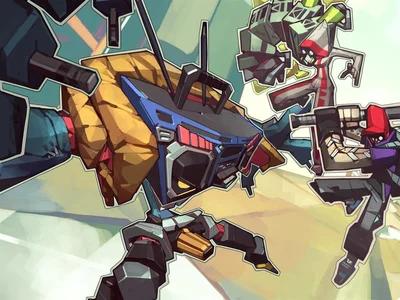
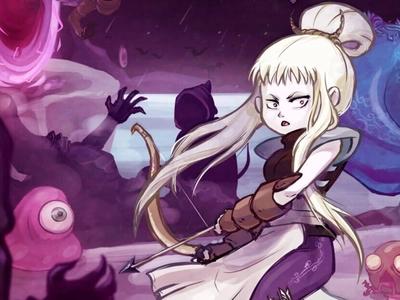
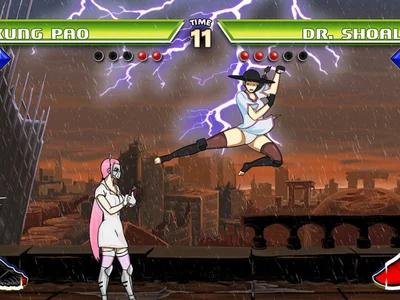
Rushdown Revolt earns its #4 spot as a free technical platform fighter with the depth that competitive players crave. While Brawlhalla dominates the casual free brawler space, Rushdown offers long combos, tight movement, and anime-inspired mechanics for lab monsters. The entire roster is free, rollback netcode is solid, and training tools support serious practice—but expect a learning curve and smaller playerbase than top-tier alternatives.

Rushdown Revolt
Best if you want a combo-heavy platform fighter that rewards technical execution and lab time, with mechanics designed for players seeking anime fighter depth in a free, competitively-tuned package.
On This Page
Why We Recommend This Game
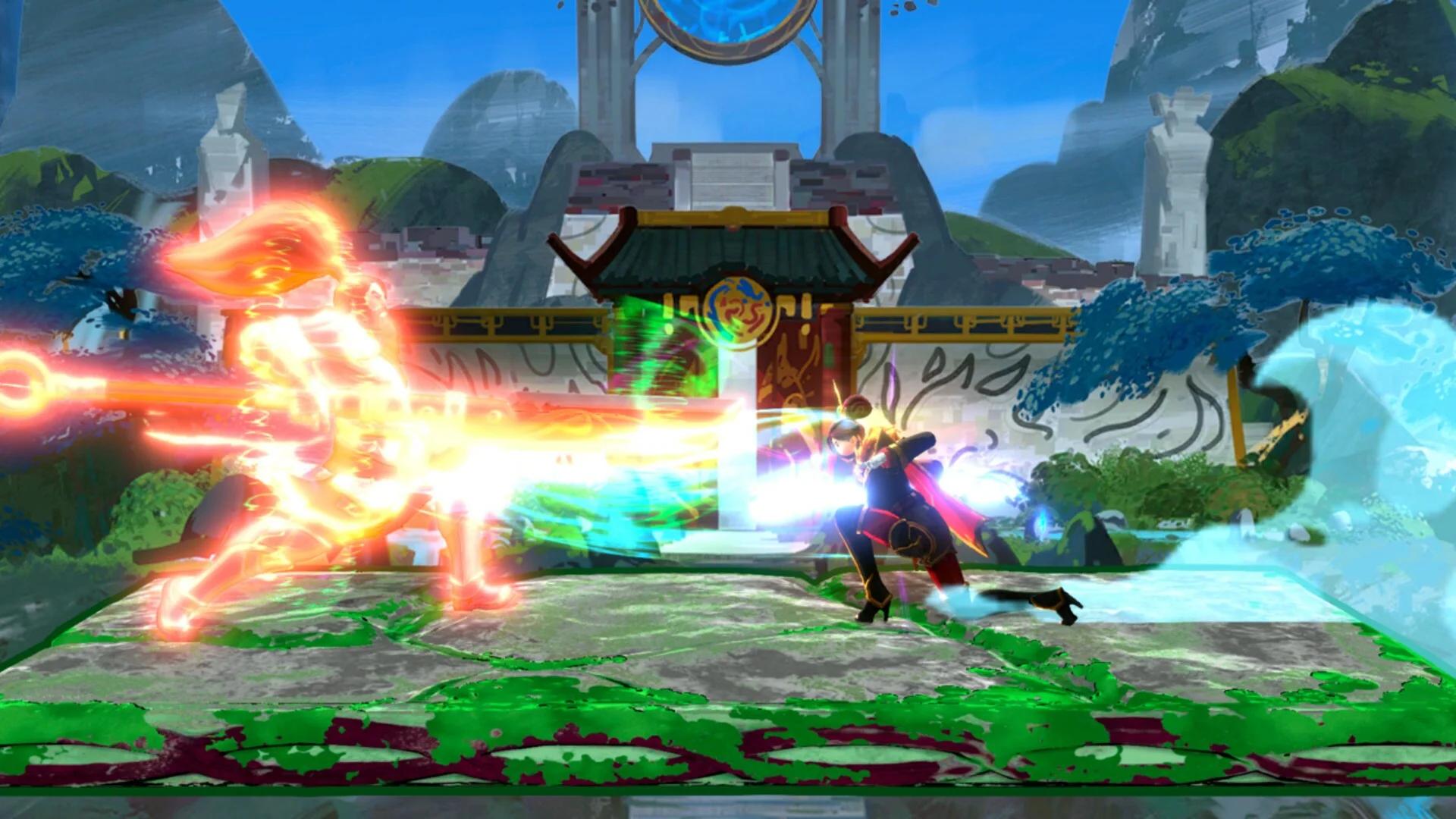
Rushdown Revolt is built for players who find satisfaction in mastering intricate combo systems and expressive movement. The defining Sparks mechanic threads through every move, creating a rhythm-based flow state where chaining attacks feels like dribbling a ball—awkward at first, then deeply natural once muscle memory kicks in. This isn't a party brawler where button mashing gets results; it's a technical showcase where investing time in training mode unlocks increasingly creative combo routes and pressure sequences. The learning curve is steep but transparent. Training tools, visual combo displays, and tutorial content help decode the system, but you'll need genuine practice hours to feel comfortable. Once the mechanics click, the skill ceiling stretches endlessly upward—perfect for players who love labbing new tech and refining execution. Matches feel electric when you're flowing, with tight movement options and character-specific tools enabling personal expression within the combo framework. Online play centers around Gauntlet mode, a king-of-the-hill rotation where players cycle through challenging the current ruler until they're dethroned. It's perfect for quick sessions where you can jump in, take your shot, and rotate out without commitment. Tag Team modes (2v2 and 3v3) add cooperative depth, letting benched teammates assist with special abilities and unleash PowerPlay attacks after knockouts—creating dramatic comeback moments and team combo opportunities. The Vortex Rollback netcode is genuinely excellent, supporting up to six players with minimal delay even across continents. This matters enormously for a game where frame-tight execution defines success. Sessions naturally land around 20-30 minutes—enough time for several Gauntlet rotations or focused practice. The entire roster is free, removing barriers for competitive players who want to explore every character's toolkit. The main trade-off is community size. You'll find matches, but the player base skews dedicated rather than casual, meaning you'll often face opponents who've put in serious work. This creates a high floor for enjoyable competition but also means new players should expect to get bodied while learning. If you thrive on technical mastery, enjoy the process of getting better through repetition, and want platform fighter mechanics with fighting game depth, Rushdown Revolt delivers exceptional value at no cost.
Best For
- Combo enthusiasts who enjoy labbing tech and optimizing execution
- Competitive platform fighter players seeking deeper mechanics than casual brawlers
- Fighting game fans who want anime fighter-style expression in a platform fighter framework
Not For
- Casual party game seekers—this demands practice and won't reward button mashing
- Players frustrated by smaller online communities or limited matchmaking pools
- Anyone wanting immediately accessible gameplay without investment in learning systems
Multiplayer & Game Modes
4 local • 6 online
Rushdown Revolt does not support crossplay, supports up to 6 players online.
Features
Play Modes
Multiplayer • Co-op • PvP • Online Multiplayer • Local Couch Co-op • Shared Screen
Player Count
- Local
- 1-4
- Online
- 1-6
- Team Sizes
- 1v1, 2v2, 3v3 (plus Gauntlet up to 6)
Additional Details
Steam version supports online play up to 6 players and local play up to 4 players. Online modes include Gauntlet-style lobbies with drop-in/drop-out support and team-based Tag Team (2v2 or 3v3). Uses rollback netcode (Vortex Rollback). No current evidence of LAN or cross-platform play support on the Steam/PC release.
Edition and Platform Information
Important details about which version to buy and where to play.
Accessibility Features
Full controller support with customizable button mapping. Training mode includes visual combo notation and frame data tools. Tutorials cover core mechanics, but the complexity may still overwhelm newcomers. No assist modes or simplified control schemes for accessibility.
Screenshots
Click any screenshot to view in full size
Featured In Our Articles
We've included this game in 1 article.
Frequently Asked Questions
Common questions about this game answered by our team.
How hard is it really?
High difficulty. Inputs are straightforward, but movement tech, combo execution, and defensive options require dedicated practice. Expect 5-10 hours before feeling competent, much longer for competitive play. It's designed for players who enjoy mastery curves.
Is the playerbase active?
Smaller but dedicated community. You'll find matches, especially during peak hours, but matchmaking isn't instant. The playerbase skews competitive, so expect skilled opponents. Discord communities help coordinate matches and learning resources.
Can I play solo or is it multiplayer-only?
Primarily multiplayer-focused (online and local). Training mode lets you practice solo extensively, but the core experience centers on fighting other players. No traditional single-player story or arcade mode—it's about competitive play and skill development.
How long are typical sessions?
20-30 minutes works well for Gauntlet rotations or practice. Matches themselves are quick (2-5 minutes), but the flow of rotating through opponents or labbing combos naturally extends sessions. Easy to jump in and out of Gauntlet mode casually.
Do I need a controller?
Highly recommended. Keyboard works technically, but the game is designed around analog stick movement and simultaneous button inputs that feel much better on a controller. Most competitive players use standard console controllers or fight sticks.


