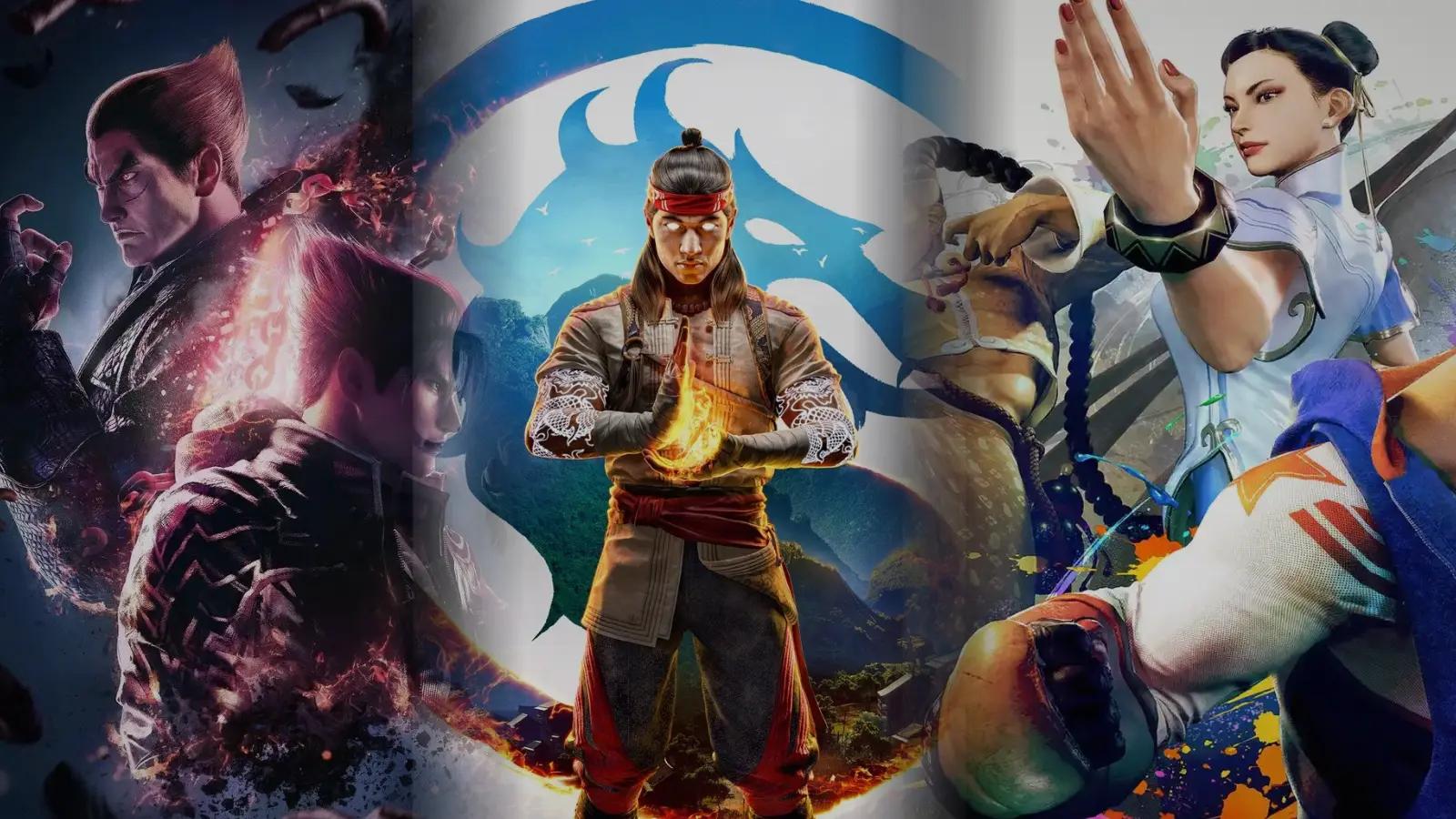

Two players, health bars, and a clean win condition. That sounds simple until you sit down with someone who knows what they are doing and discover that the spacing on your normal was wrong, your anti-air was two frames late, and you have been pressing the wrong button after every blocked string for forty minutes. Fighting games have been part of my rotation since the PS1 era and they are still the genre where I feel most honestly outmatched. That friction is exactly what makes them worth it.
I ranked these ten games on core fighting systems, competitive viability, onboarding quality, online and local experience, and presentation, weighted equally across all five criteria.
For the full picture on competitive multiplayer on PS5, see our Best Competitive Multiplayer PS5 Games 2026 guide. This article focuses specifically on traditional versus fighters built around 1v1 and structured team formats.
Quick Picks
Best for newcomers: Street Fighter 6
Best 3D fighter: Tekken 8
Best anime fighter: Guilty Gear -Strive-
Best for learning fundamentals: Granblue Fantasy Versus: Rising
Best spectacle pick: DRAGON BALL FighterZ
The Top 10 Essential Fighting Games on PS5
Every game here has a real ruleset, a skill ladder you can actually climb, and a versus mode worth sticking with past the first week.
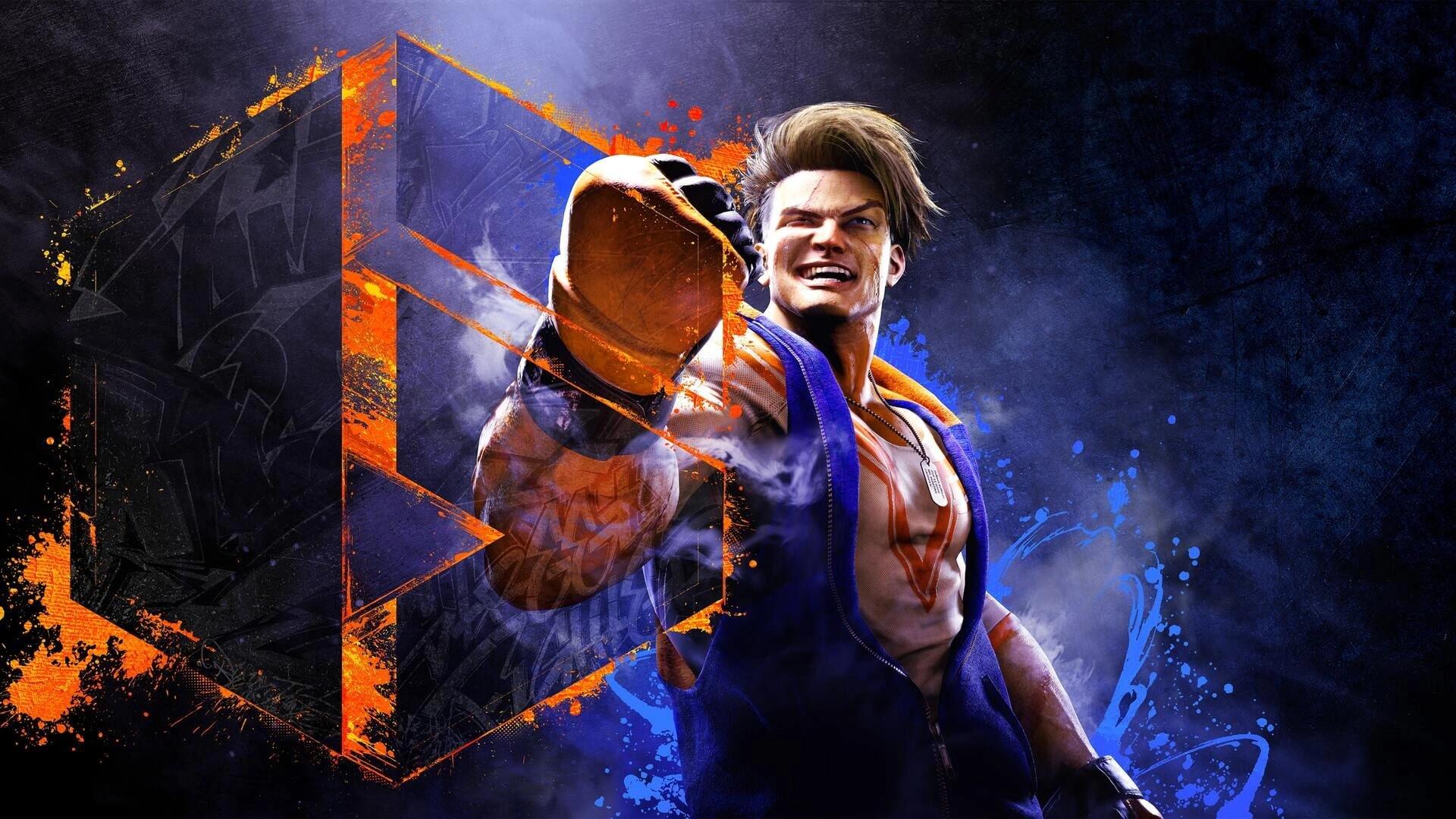
Street Fighter 6 is the one I keep coming back to when I want a clean competitive session without friction. The Drive System means every single round has a risk-reward layer that matters regardless of whether you are a newcomer trying to understand anti-airs or a veteran managing meter under pressure. I have finished every Street Fighter campaign since the PS1 days, and this one wraps those fundamentals in the best teaching tools the genre has ever produced. Frame data in training mode. Detailed character guides. A retry button that does not make you feel stupid. If you own one PS5 fighter, it is this one. Nothing else is close.
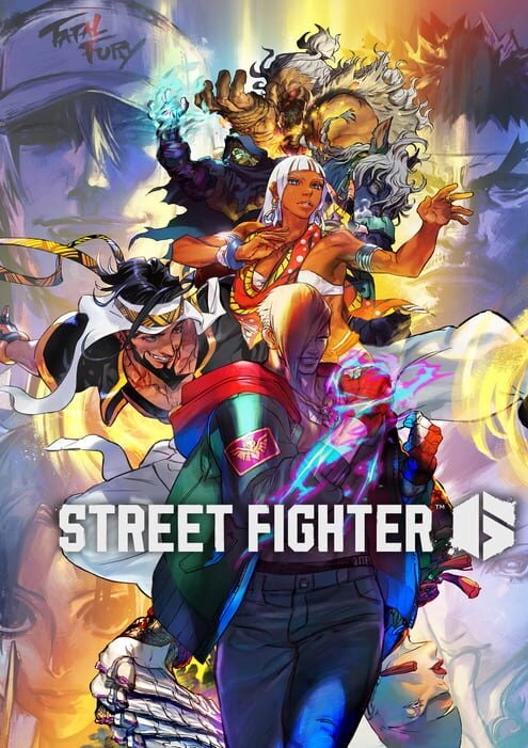
- Released
- 20232023
- Genre
- FightingFighting
- Platforms
- PC, PS4, PS5, Series X|SPC, PlayStation 4, PlayStation 5, Xbox Series X/S
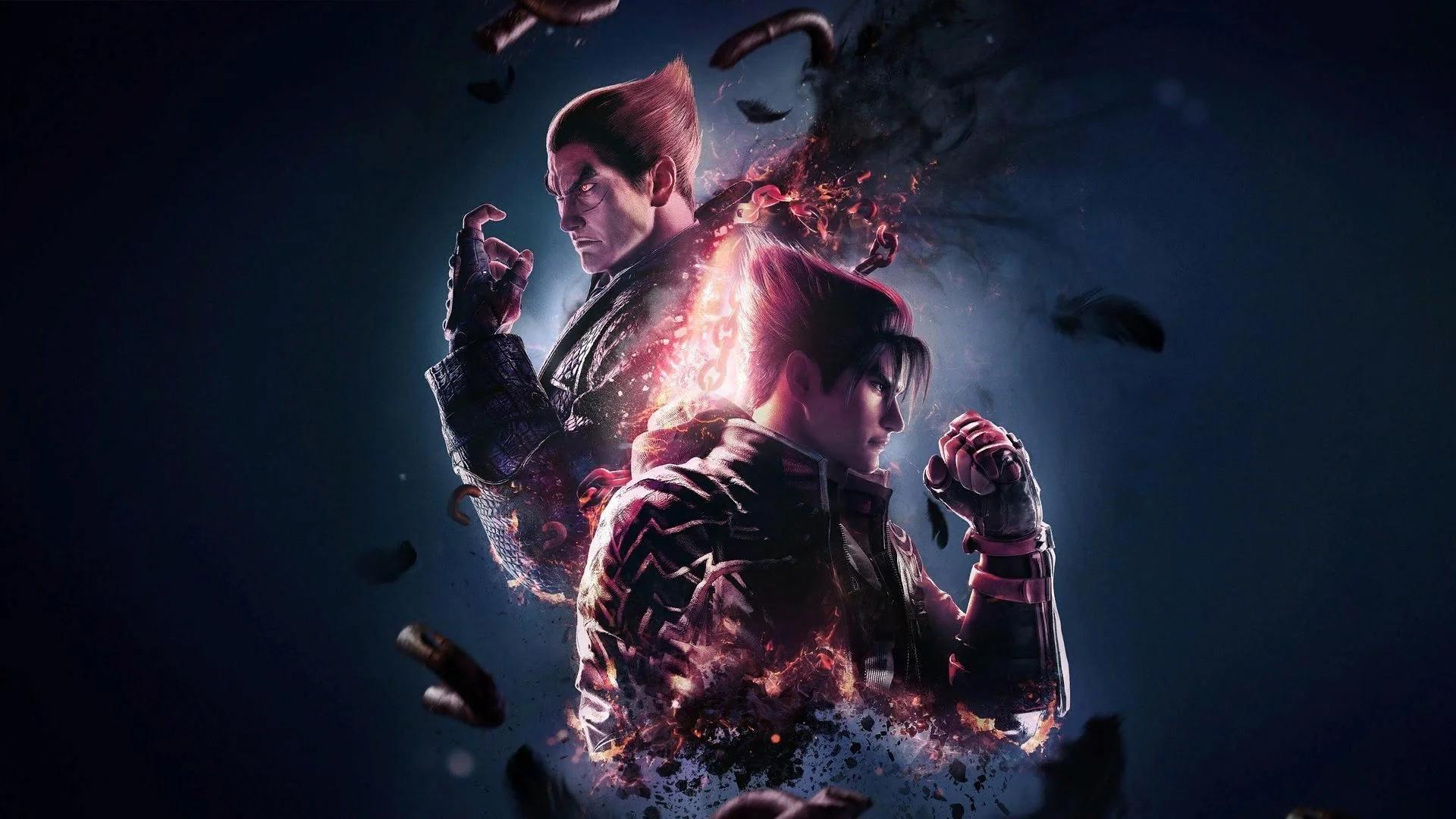
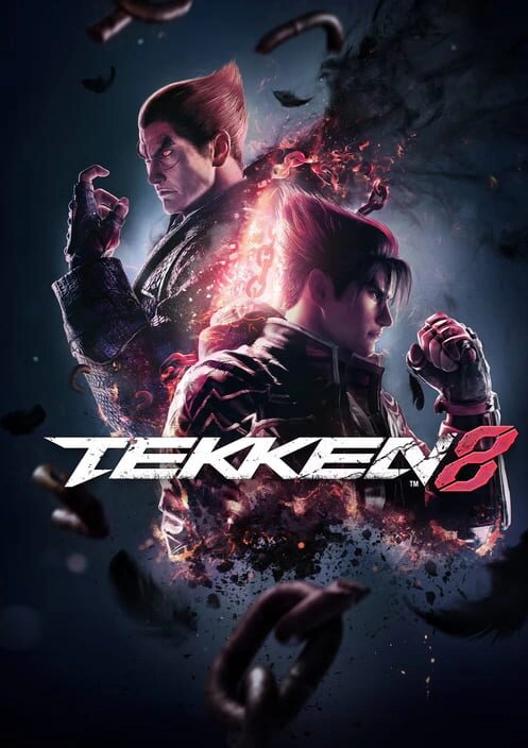
Every Tekken is better than the one before it, and I have played almost all of them since the PS1 era. Tekken 8 keeps that streak alive. The Heat system pushes aggressive play without removing the need for disciplined spacing, and sidestepping still decides sets in ways that 2D fighters simply cannot replicate. The learning curve is real. You will spend sessions losing to punishes you did not know were punishes. But once matchup knowledge starts clicking, it becomes less a game you play and more a habit you maintain. The production values are absurd. Worth every hour of the lab time it demands.
- Released
- 20242024
- Genre
- FightingFighting
- Platforms
- PC, PS5, Series X|SPC, PlayStation 5, Xbox Series X/S

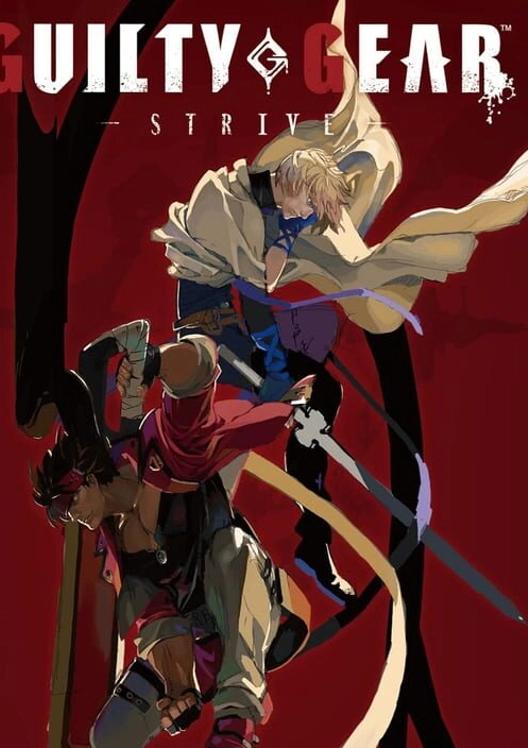
Guilty Gear -Strive- is the game that convinced me anime fighters were worth taking seriously. I had bounced off the genre before, put off by input density and legacy system weight. Strive strips enough of that away to let you actually learn. Roman Cancels reward creative players rather than punishing everyone who did not play the older entries. The wall break system keeps rounds moving and readable. On my QD-OLED it is one of the best-looking games on the platform, full stop. Some long-time series fans found the trimmed complexity a step too far, and that is fair. For anyone else, this is the entry point.
- Released
- 20212021
- Genre
- FightingFighting
- Platforms
- PC, PS4, PS5, Xbox One, Series X|SPC, PlayStation 4, PlayStation 5, Xbox One, Xbox Series X/S
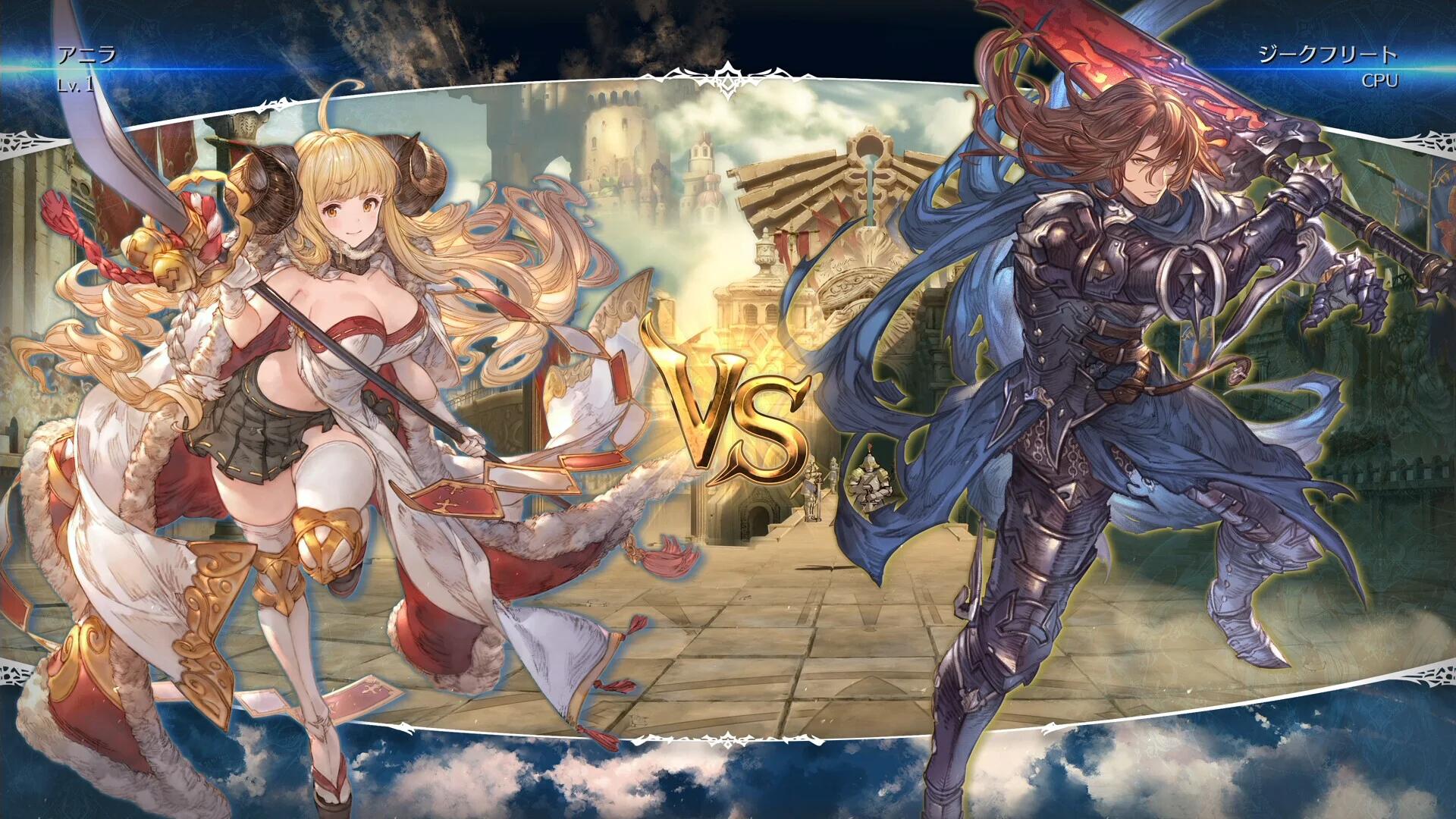
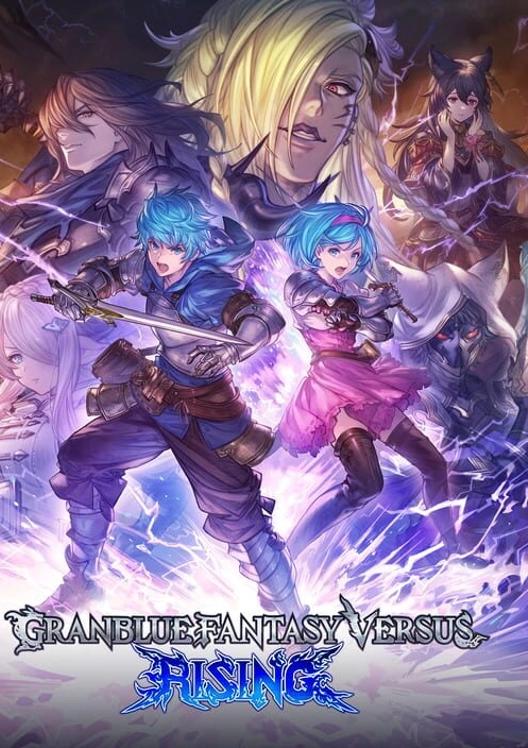
Granblue Fantasy Versus: Rising deserves its place in the top half because it teaches the right things. Skill cooldowns sit in place of full motion-input execution, which means your first twenty hours go toward learning spacing, anti-airs, and turn-taking rather than wrestling with quarter-circles. That is a smarter trade than it sounds. I ran a few sessions with friends who do not normally play fighters, and this was the one where they understood what was happening and why they lost. The competitive ceiling is genuine. It is not a simplified experience that runs out of depth; it just removes the execution tax on the way in. Rare combination.
- Released
- 20232023
- Genre
- FightingFighting
- Platforms
- PC, PS4, PS5PC, PlayStation 4, PlayStation 5
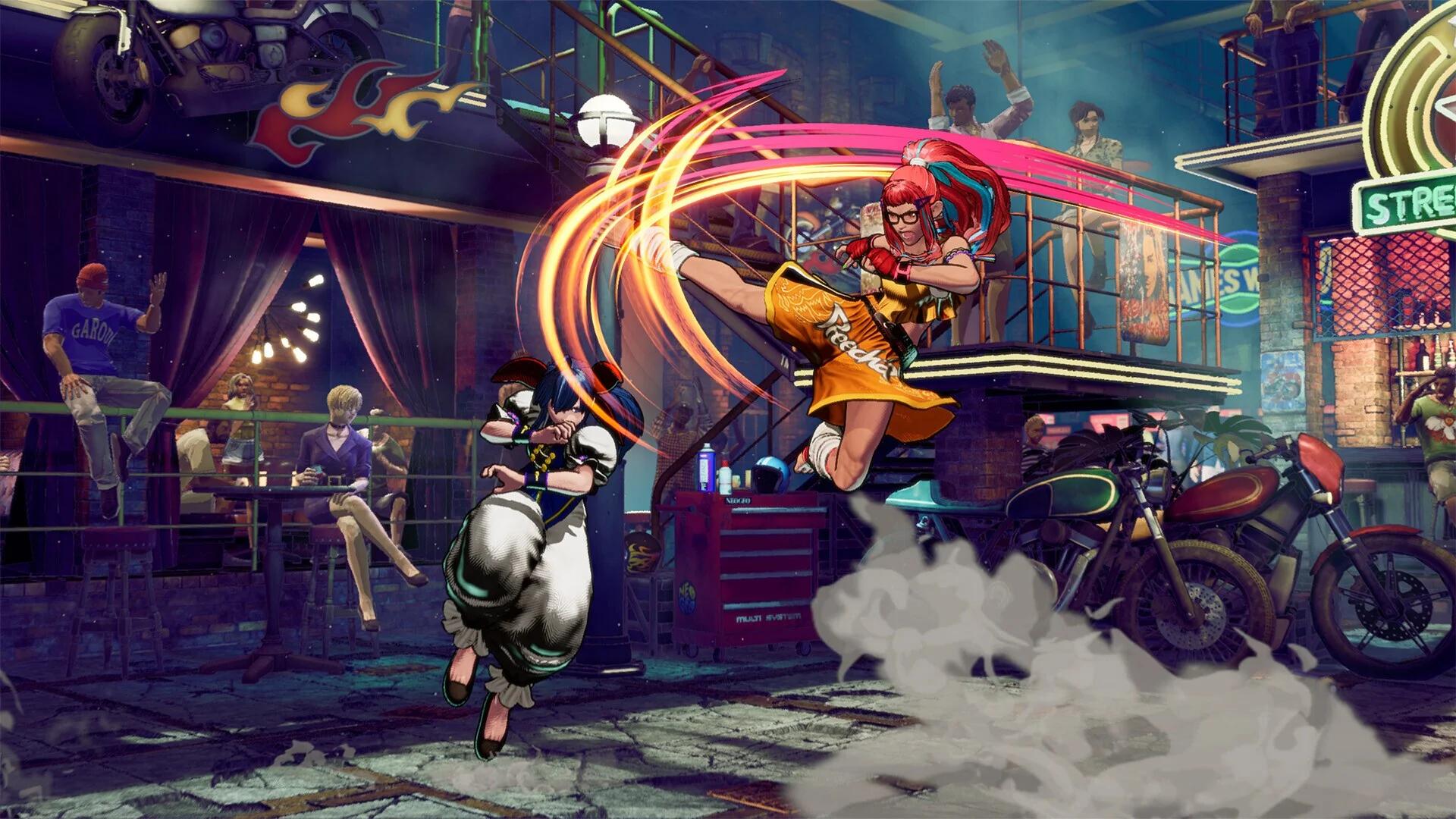
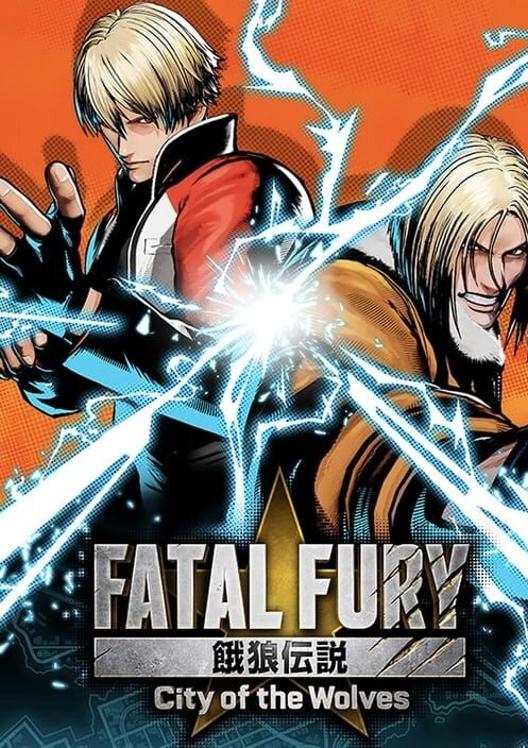
SNK's comeback fight landed well. Fatal Fury: City of the Wolves has the REV system at its center, and it changes how patience pays off. You build tension deciding when to spend meter on offense versus when to hold it defensively, and that decision keeps coming back every round. It feels grounded in a way that some anime-adjacent fighters do not. The onboarding is not as polished as Street Fighter 6 or Granblue, and the competitive scene is still finding its shape as a relatively recent release. But as a fresh addition to the PS5 fighting library in 2025, it earns the spot. Growing scenes have their own kind of energy.
- Released
- 20252025
- Genre
- FightingFighting
- Platforms
- PC, PS4, PS5, Series X|SPC, PlayStation 4, PlayStation 5, Xbox Series X/S
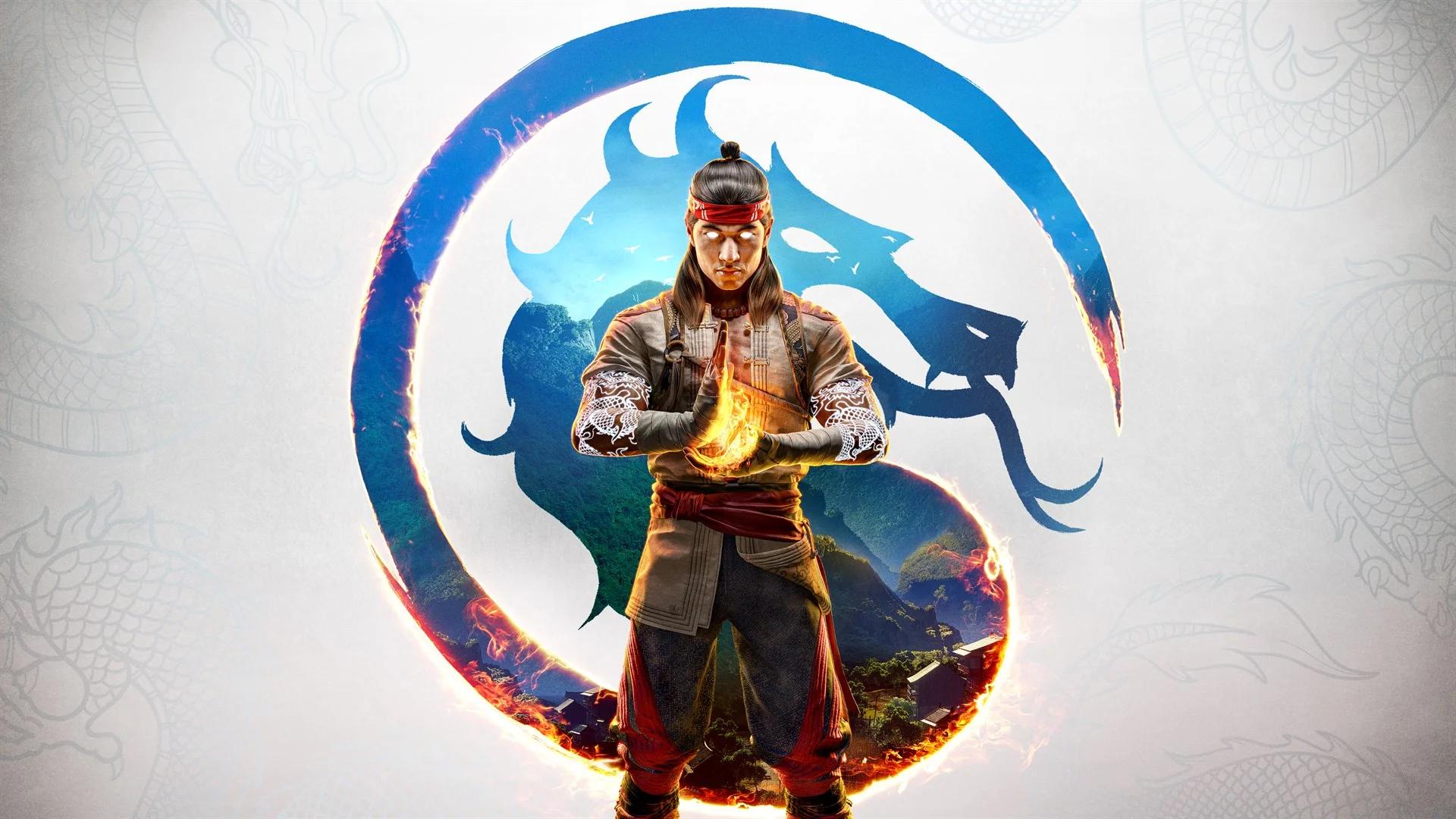
I have played every Mortal Kombat since the PS1 era, campaigns included. At this point the roster is old friends as much as it is game characters, which is part of why the Kameo system landed well for me. Calling in familiar faces as assists reshapes pressure and combo routes in ways that feel specific to this series rather than borrowed from elsewhere. The presentation is top-class. Fatalities are still ridiculous in the best way. The honest caveat is that balance has had turbulent patches, and the meta perception has shifted enough that it sits below the genre leaders right now. Still worth it. Just go in knowing the competitive landscape shifts.
- Released
- 20232023
- Genre
- FightingFighting
- Platforms
- PC, PS5, Switch, Series X|SPC, PlayStation 5, Nintendo Switch, Xbox Series X/S
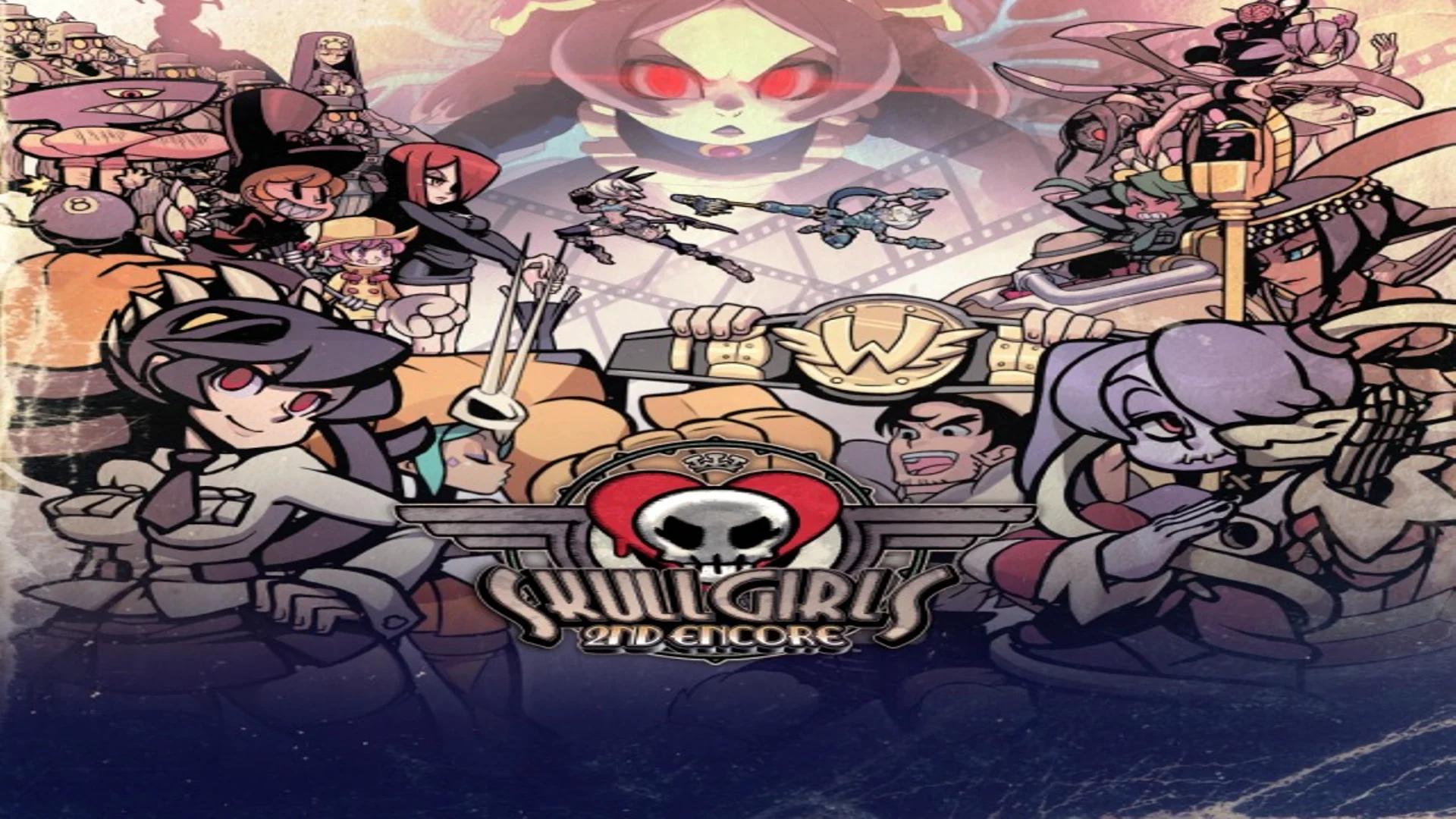
Skullgirls 2nd Encore has the best fighting game tutorial suite I have played. Not the most approachable game, but the most thorough teaching experience. It explains resets, assists, team size trade-offs, and the logic behind pressure in a way that transfers to other fighters. My group tried it at a LAN session expecting a short detour and stayed for most of the evening. Development has officially ended, which is worth knowing before you invest. Servers are still running. The game itself is mechanically excellent and the team system scales well with different group sizes. It is a connoisseur's pick now more than a mainstream must-have, and that is fine.
- Released
- 20152015
- Genre
- FightingFighting
- Platforms
- Linux, macOS, PC, PS4, Switch, Xbox OneLinux, macOS, PC, PlayStation 4, Nintendo Switch, Xbox One
If you want competitive PS5 action beyond the fighting genre, our Best Racing Games for PS5 2026 guide covers a completely different kind of head-to-head.
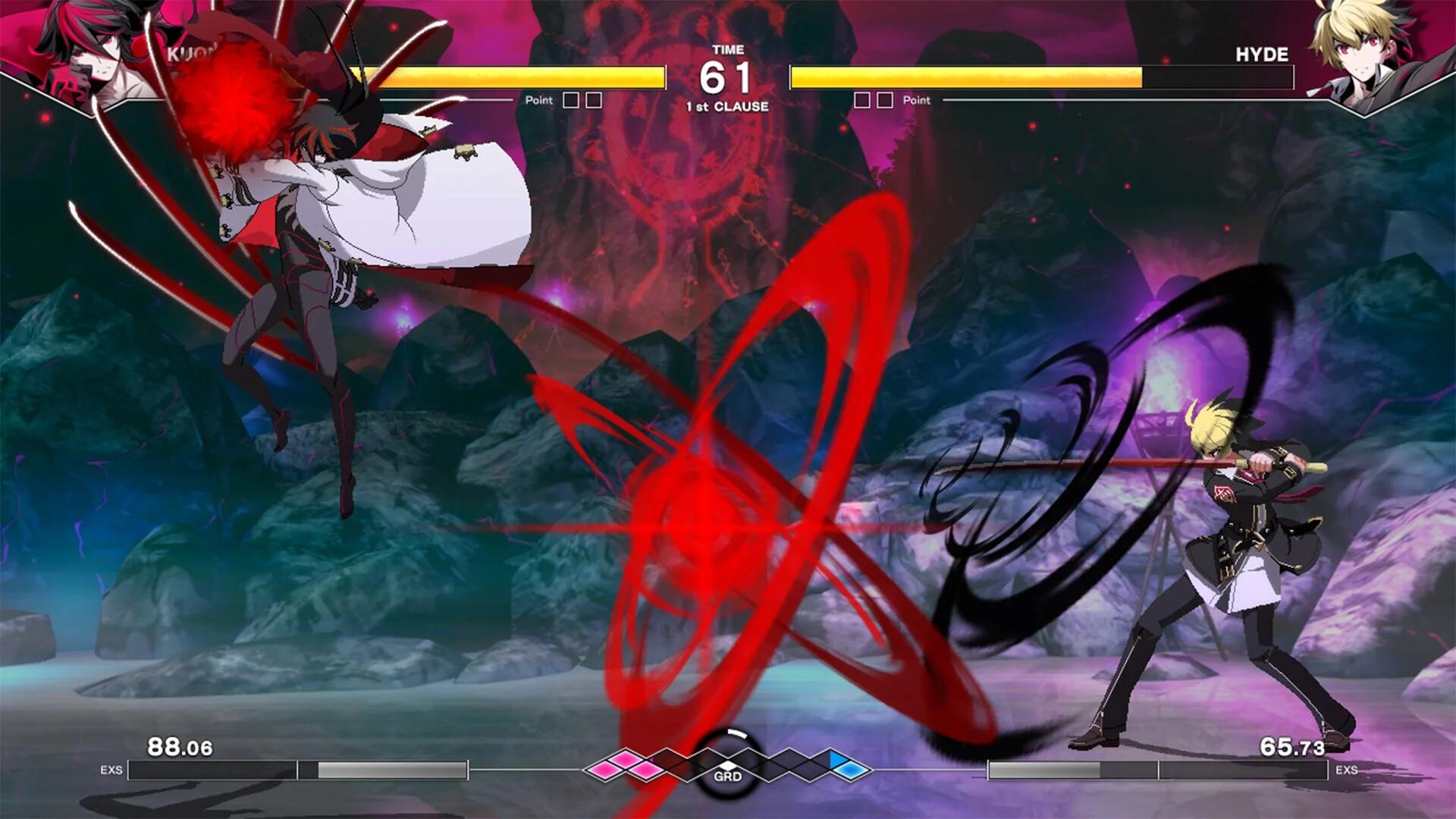
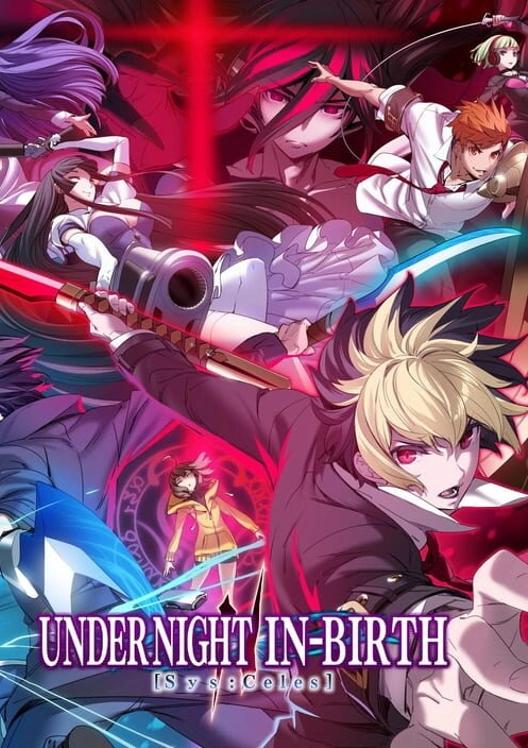
Under Night In-Birth II Sys:Celes is not the easiest game on this list to get into. The GRD cycle is its core trick: a momentum meter that changes based on who is attacking, blocking, and challenging in neutral. You are not just fighting for health; you are fighting for the right to be the one pressing buttons. That extra strategic layer is what keeps it in the ranking. Once it clicks, the system depth is genuinely satisfying in a way the broader anime fighter genre often promises but does not deliver. Niche, yes. But niche with a clear identity, and that is better than generically approachable with nothing to say.
- Released
- 20242024
- Genre
- FightingFighting
- Platforms
- PC, PS4, PS5, SwitchPC, PlayStation 4, PlayStation 5, Nintendo Switch
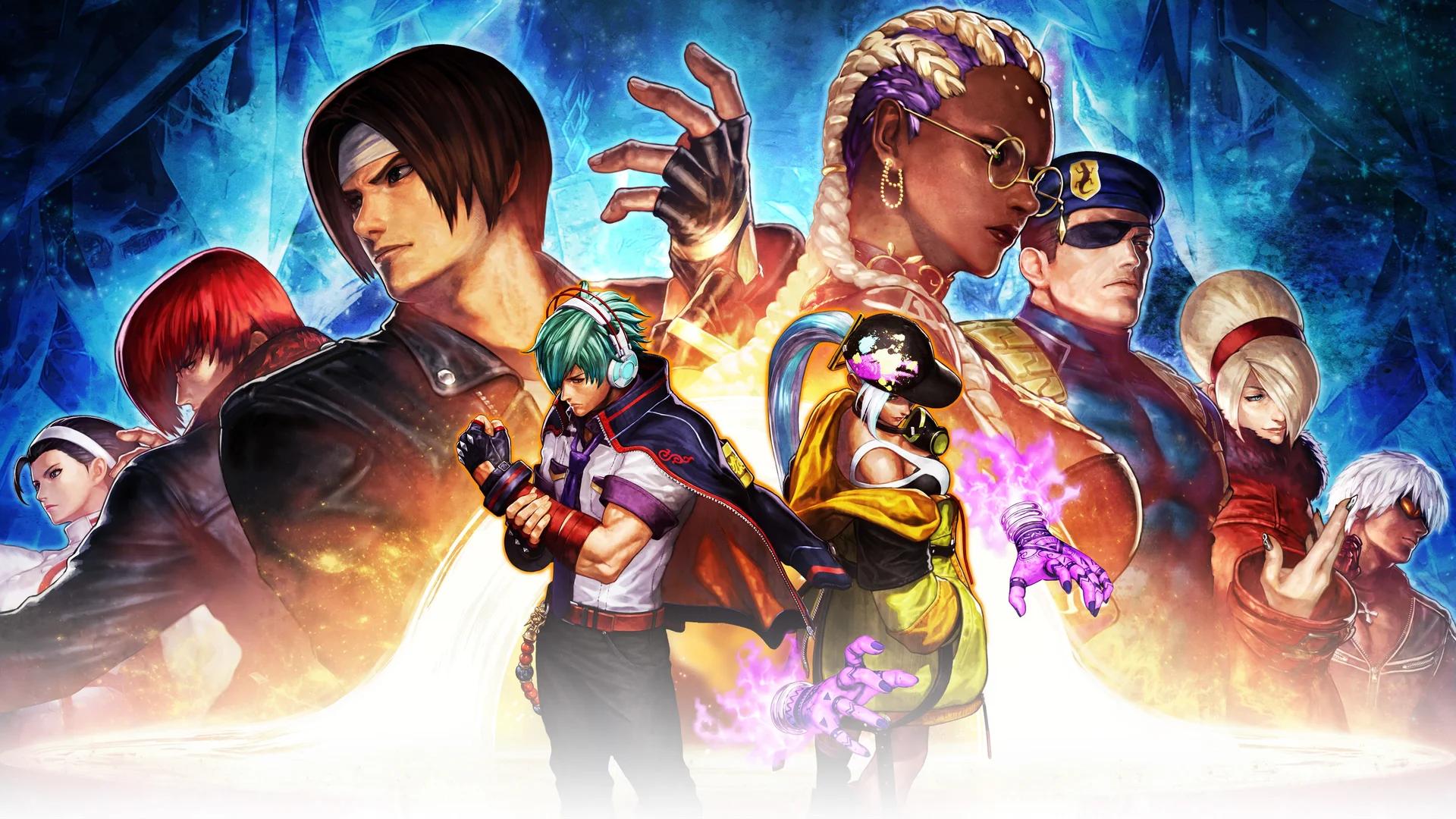
The King of Fighters XV does something most of this list does not: it makes team order a genuine strategic layer, not just cosmetic variety. Which character you save for last, how you route meter across the squad, and when to spend resources mid-match on a losing character are all real decisions with real consequences. The neutral feels different from Street Fighter or Tekken because of hops and short jumps that close distance differently than standard jumps. The honest warning is that KOF expects you to meet it halfway. The onboarding is sparse. If you come in with no fighting game background, the first few sessions are rough. Worth it for SNK fans and traditionalists who want fast neutral.
- Released
- 20222022
- Genre
- FightingFighting
- Platforms
- PC, PS4, PS5, Xbox One, Series X|SPC, PlayStation 4, PlayStation 5, Xbox One, Xbox Series X/S
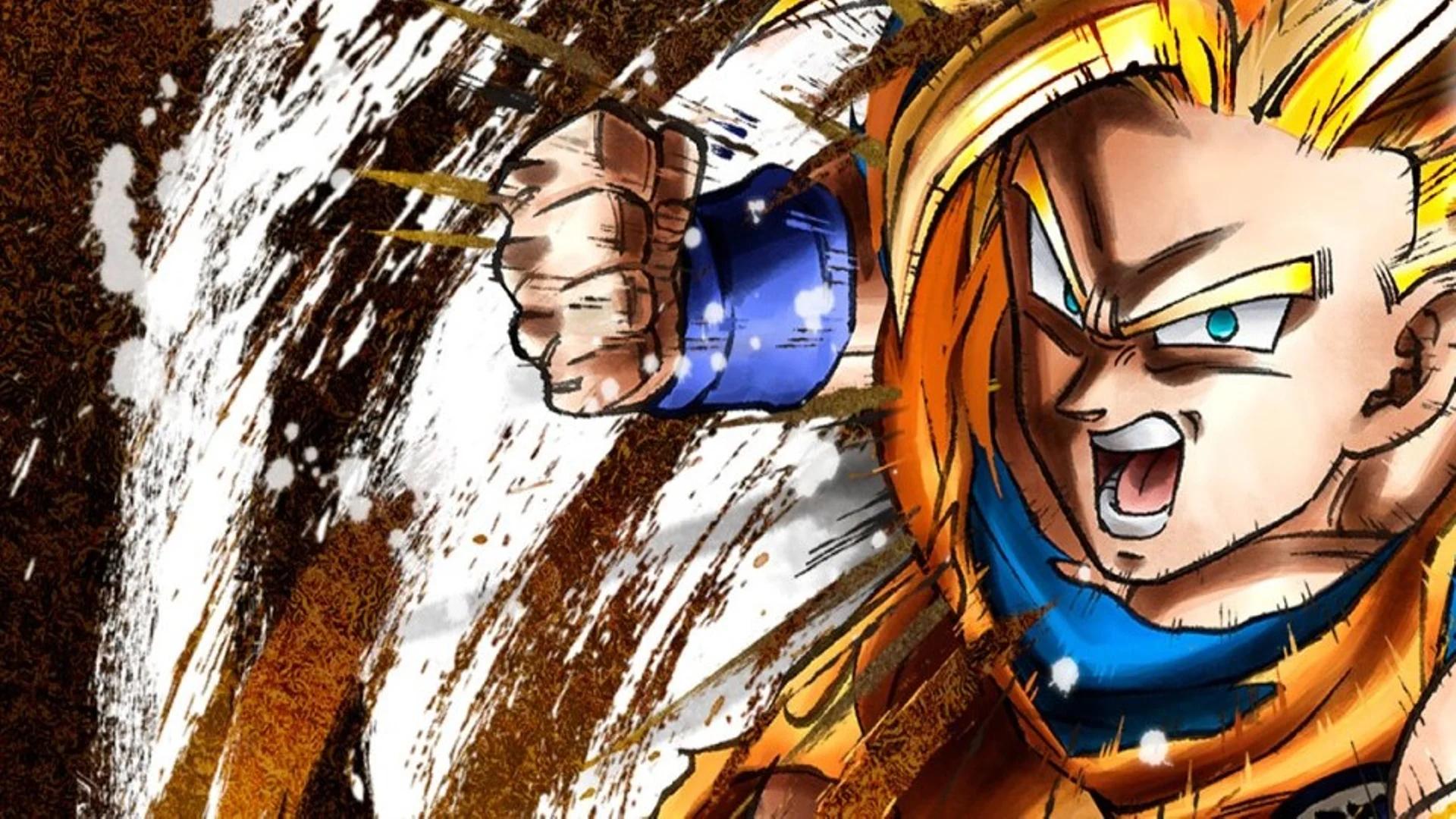
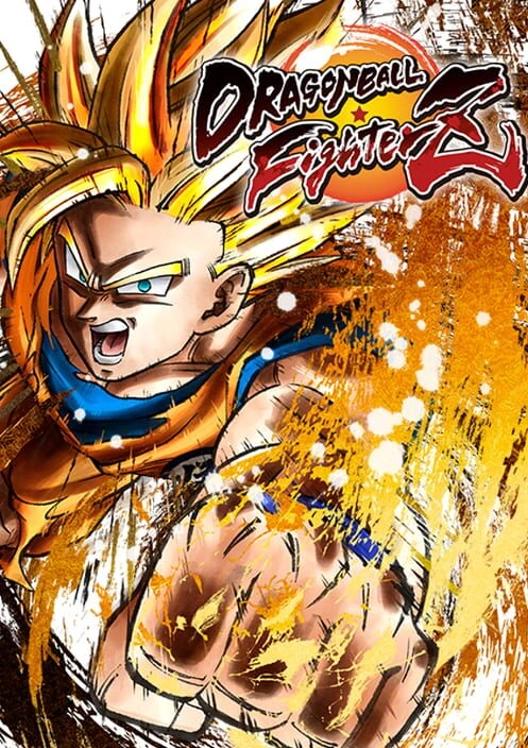
Dragon Ball FighterZ is getting older now, and the onboarding and online activity reflect that compared to newer entries. But it is too good to leave off. As an adaptation of animated source material into a real versus game, it is still the standard bearer. The 3v3 assists and explosive confirms create moments that feel specific to the Dragon Ball fantasy in a way that pure mechanics cannot replicate. I picked it up after a run of Tekken sessions and the speed difference is jarring in the best possible way. Fast, spectacular, and still competitively honest despite the age. Not the first pick for serious ranked grinders, but easily the pick for spectacle with substance.
- Released
- 20182018
- Genre
- FightingFighting
- Platforms
- PC, PS4, PS5, Switch, Xbox One, Series X|SPC, PlayStation 4, PlayStation 5, Nintendo Switch, Xbox One, Xbox Series X/S
Honorable Mentions
These did not make the final ten due to smaller competitive scenes, aging online infrastructure, or being a more specialized fit than the list needed.
Persona 4 Arena Ultimax caught my attention because of how it handles character design: each fighter manages a Persona alongside their own moveset, which creates pressure, coverage, and setplay combinations you do not see in a standard two-button fighter. For Persona fans the crossover appeal is obvious. For fighting game players specifically, it is a distinctive system that rewards the kind of patient setplay study I associate with the better anime fighters. What kept it out of the main list is audience size. The competitive footprint is genuinely smaller than every ranked entry above it, and the scene is specialist territory rather than broadly active. Worth finding if anime setplay is what you are looking for.
SoulCalibur VI is the only weapon-based fighter worth mentioning on PS5, and it plays differently enough from everything else on this list that it is still worth flagging. Eight-way movement, ring positioning, and Guard Impact mind games are not things you experience anywhere else. I have played a few local versus sessions with friends who do not normally touch fighting games, and the weapon combat reads more intuitively to them than fist-fighting systems do. The problem is freshness. Online momentum is well behind the modern leaders, and the competitive scene has aged noticeably. Strong for local play. Less compelling as an online grind. That gap is what dropped it to honorable mention territory.
13. DNF DUEL
74%DNF Duel is the accessible entry I recommend when someone wants anime-style impact without the execution overhead of Guilty Gear. Simple inputs, oversized normals, and damage that lands with genuine weight make it easier to feel competent early. The visual style is clean on PS5. I tried it with a friend who wanted to understand why I spend time on fighting games, and the shorter path to landing something satisfying helped that conversation more than Street Fighter 6 would have. The honest limitation is that the competitive scene is not as central as the genre leaders. It is a good game with a smaller room, which is the specific reason it sits here rather than in the main list.
The Marvel vs. Capcom Fighting Collection bundles several foundational crossover tag fighters into a single PS5 package, which is something worth knowing about if you are building a fighting game library. I played Marvel vs. Capcom 2 with friends taking turns on the controller years ago, and having that history accessible on current hardware is genuinely good. The caveat is that these are preserved arcade experiences, not modernized competitive releases. The onboarding reflects that age. If you want a current ranked ladder, look elsewhere. If you want a concentrated piece of tag-fighter history with online play attached, this is the best way to access it on PS5 right now.
Injustice 2 Legendary Edition runs on PS5 via backward compatibility and holds up better than you might expect from a game of its age. The DC roster is recognizable in a way that lowers the barrier for people who would not normally approach a fighting game, and the Gear system gives it solo depth that most competitors skip. For local versus sessions with non-fighting-game friends, the character recognition does real work. What kept it off the main list is the competitive relevance gap: the online scene has aged and it cannot compete with current-generation fighters for ranked play. As a casual local pick or a solo campaign experience with versus attached, still worth it.
Frequently Asked Questions
If you are new to the genre or coming back after a long break, these are the questions that come up most often.
What counts as a traditional fighting game for this list?
Versus games built around rounds, health bars, defined movesets, and a clear win condition. That covers 1v1 and structured team formats like 3v3. Party brawlers and games where PvP is a side mode are out.
Which fighting game should I start with on PS5?
Street Fighter 6. The training tools are the best in the genre, the fundamentals are clearly communicated, and the competitive scene is large enough that you can find a match at any time. If you want something with lighter motion inputs, Granblue Fantasy Versus: Rising is the smarter second choice.
Do I need to play ranked online to get better?
No. Long sets against a friend locally, followed by time in training mode, is often faster for actual improvement than ranked matchmaking. Ranked helps because you tend to face players at a similar level, but it is one path in, not the only one.
What is the difference between 2D and 3D fighters?
In 2D fighters, spacing happens on a flat left-right axis and jump arcs matter enormously. In 3D fighters like Tekken 8, you can sidestep to avoid attacks, which changes how you approach, defend, and punish completely. Both reward deep study; they just ask you to think about space differently.
Why do fighting games keep players for so long?
Because the opponent is the content. Once you understand the basics, the game becomes about reads, adaptation, and solving matchups. That does not run out the way a campaign does, and a solid ruleset means you can stop for months and come back with something concrete to work on.
Conclusion
Start with Street Fighter 6 if you want the clearest path in. Move to Tekken 8 when you want 3D movement and matchup depth as a long-term project. The rest of the list fills out a rotation depending on whether anime fighters, team systems, or legacy rosters are where your interest sits. Fighting games reward patience in a way that most genres do not, and these ten make that patience worth it.
For more competitive PS5 picks, our best shooters guide and best sports games guide cover the rest of the head-to-head landscape.
Ready for more tailored picks? Try our Recommendations Engine for suggestions that match your play style.