
I have been running LAN parties with the same group of friends for years, and the hardware situation has always been the same: a mix of laptops, most of them not gaming machines, some of them embarrassingly old. That reality shapes everything. A game that runs fine on a mid-range desktop can turn into a slideshow on a colleague's work notebook with integrated graphics, and nothing kills a LAN night faster than half the group sitting out while the other half waits for someone to reduce every setting to minimum and still drop below 30 FPS. Every game on this list I would either genuinely run at one of our sessions or already have.
Rankings were weighted equally between true LAN functionality and low-end performance, with multiplayer fun counting for the remaining fifth. Setup accessibility and group scalability also factored in, because a game nobody can figure out how to host is not a LAN game, it is a tech support exercise.
For the full picture on gaming without modern hardware, see our Best Low-End PC and Laptop Games guide. This article focuses specifically on LAN-capable multiplayer that works on modest machines.
Quick Picks
Best for ancient hardware: Counter-Strike 1.6
Best free RTS for mixed groups: OpenRA
Best pure arena shooter: Quake III Arena
Best for party-style chaos: FlatOut 2
Best for strategy nights: Warcraft III
The Top 10 Best LAN Party Games for Low-End PCs and Laptops
These ten earned their spots by actually working over a local network on hardware your group realistically owns, and by being genuinely fun once everyone is connected.

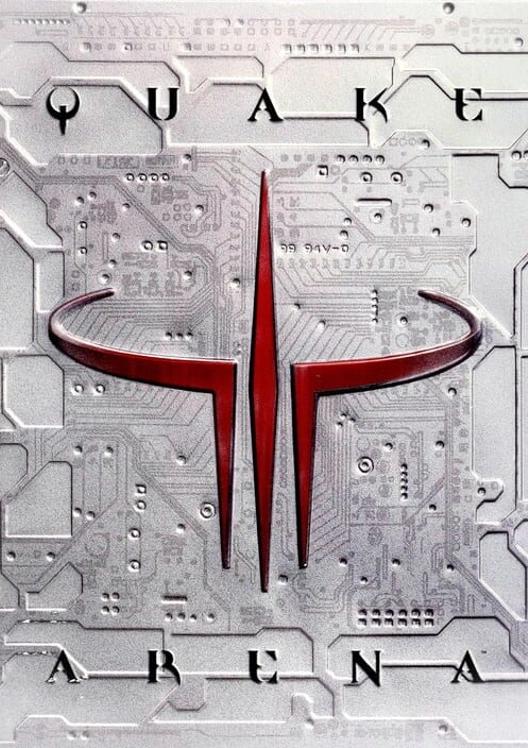
Quake III Arena has been on our LAN rotation for years for one simple reason: it asks nothing from the hardware and gives everything back in raw speed. I have run it on a laptop that was already old when I bought it and it never dropped a frame. The LAN setup is about as native as it gets. One person hosts, everyone connects, you are fragging within two minutes. No accounts, no patches required mid-session, no servers going offline. The bots fill in when the group is an odd number, and they are actually decent. It is not a subtle game, but at a LAN party subtle is not what you came for.
- Released
- 19991999
- Genre
- ShooterShooter
- Platforms
- Linux, macOS, PCLinux, macOS, PC
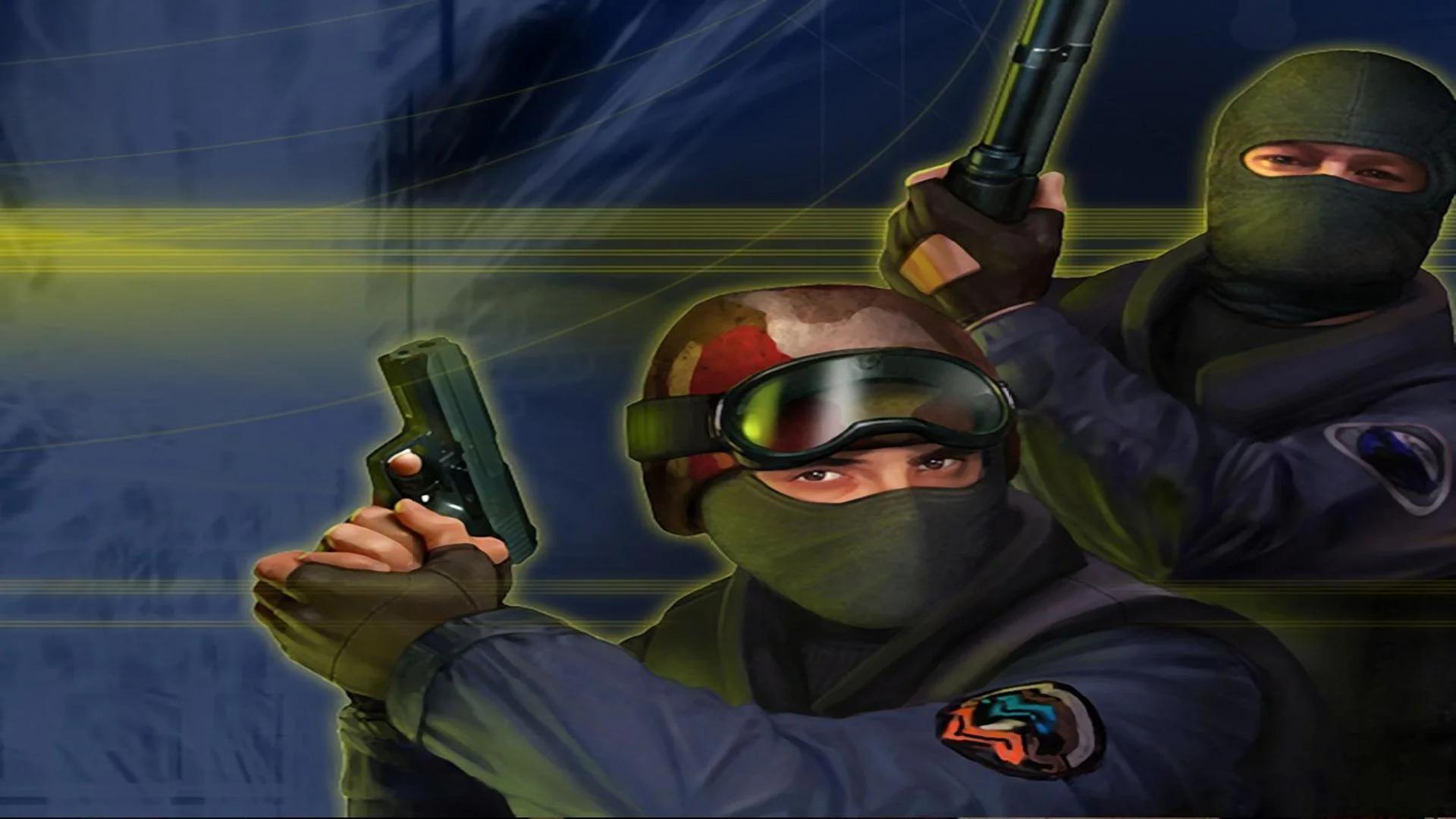
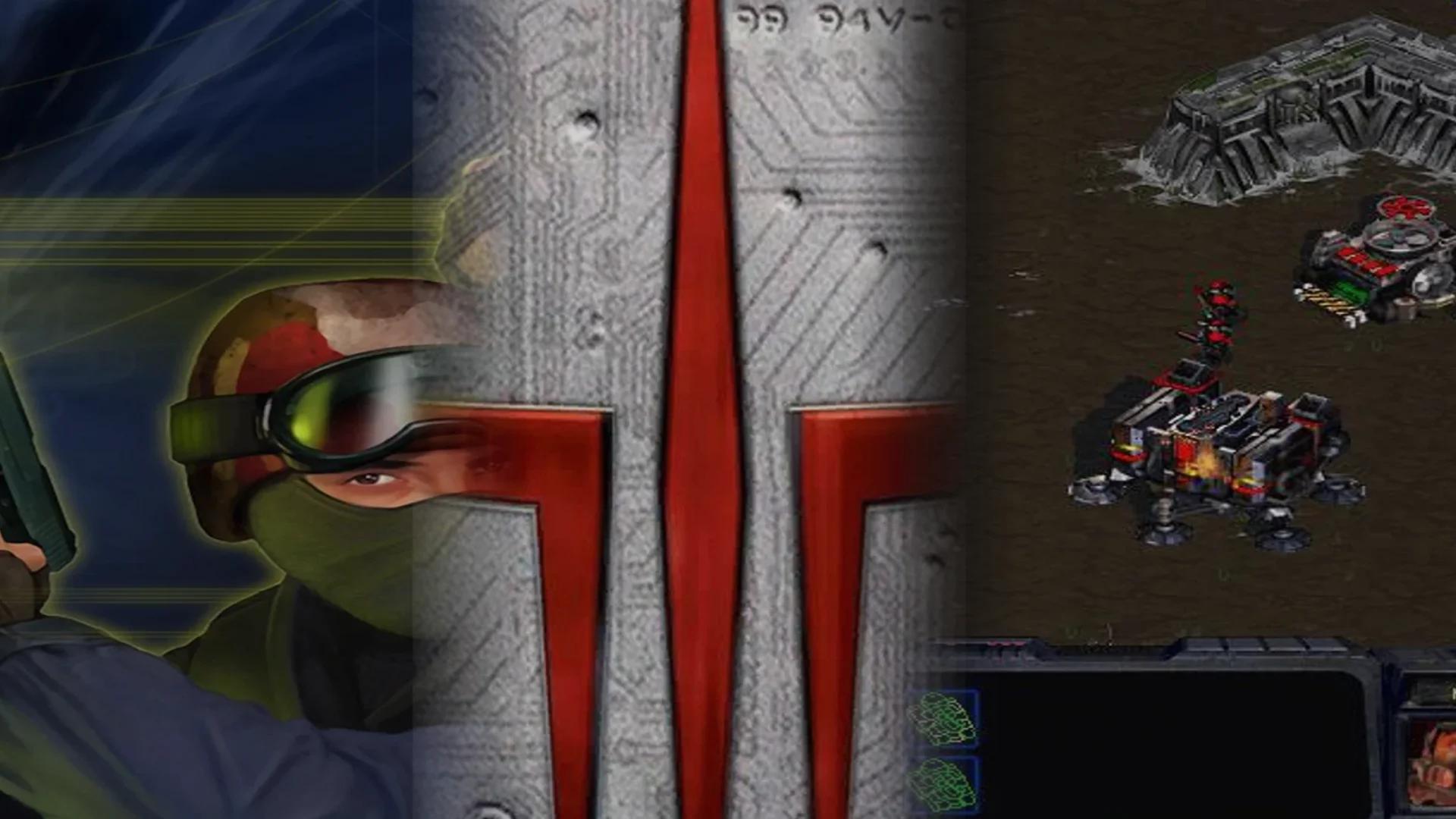
My group keeps coming back to 1.6 specifically because it is the one game we can guarantee will run on whoever shows up with whatever laptop they brought. I have seen it running on machines with 1GB of RAM and integrated graphics that were not even primarily gaming devices, holding steady without complaint. The tactical format suits LAN better than most shooters because the round structure gives everyone a moment to breathe, argue about what went wrong, and reset. Yes, it looks like it was made in 1999. It was. That has never once stopped anyone from playing one more round.
- Released
- 20002000
- Genre
- ShooterShooter
- Platforms
- Linux, macOS, PCLinux, macOS, PC
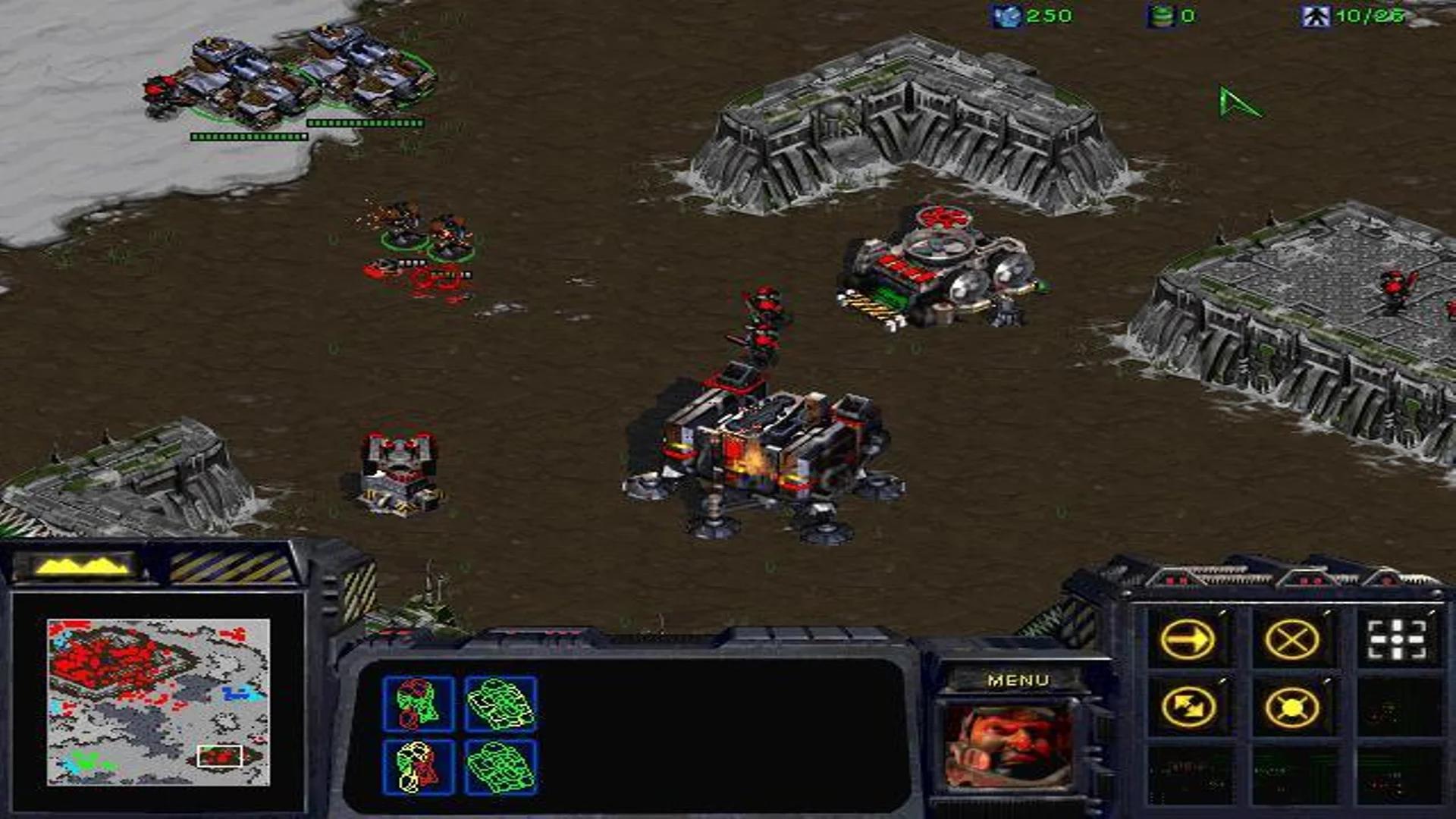
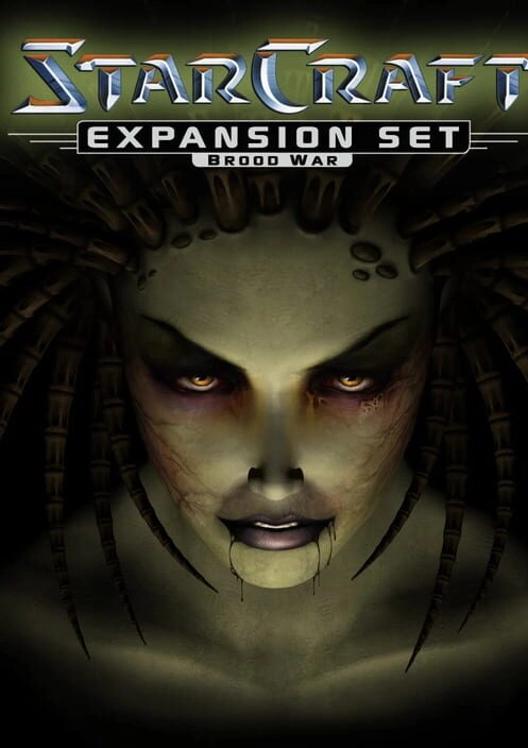
Age of Empires 2 is our usual RTS pick at LAN nights, but StarCraft: Brood War scratches a different itch. The pacing is harder, the skill gap between players is brutal if you have someone who knows what they are doing, and the custom maps give groups a way to sidestep pure competitive matches when they want something looser. Hardware is genuinely a non-issue here. If you can run Windows, you can run Brood War. The main honest caveat is that the learning curve makes it a tougher sell for groups where half the room has never touched an RTS. It rewards commitment in a way not every LAN crowd will have.
- Released
- 19981998
- Genre
- StrategyStrategy
- Platforms
- macOS, PCmacOS, PC
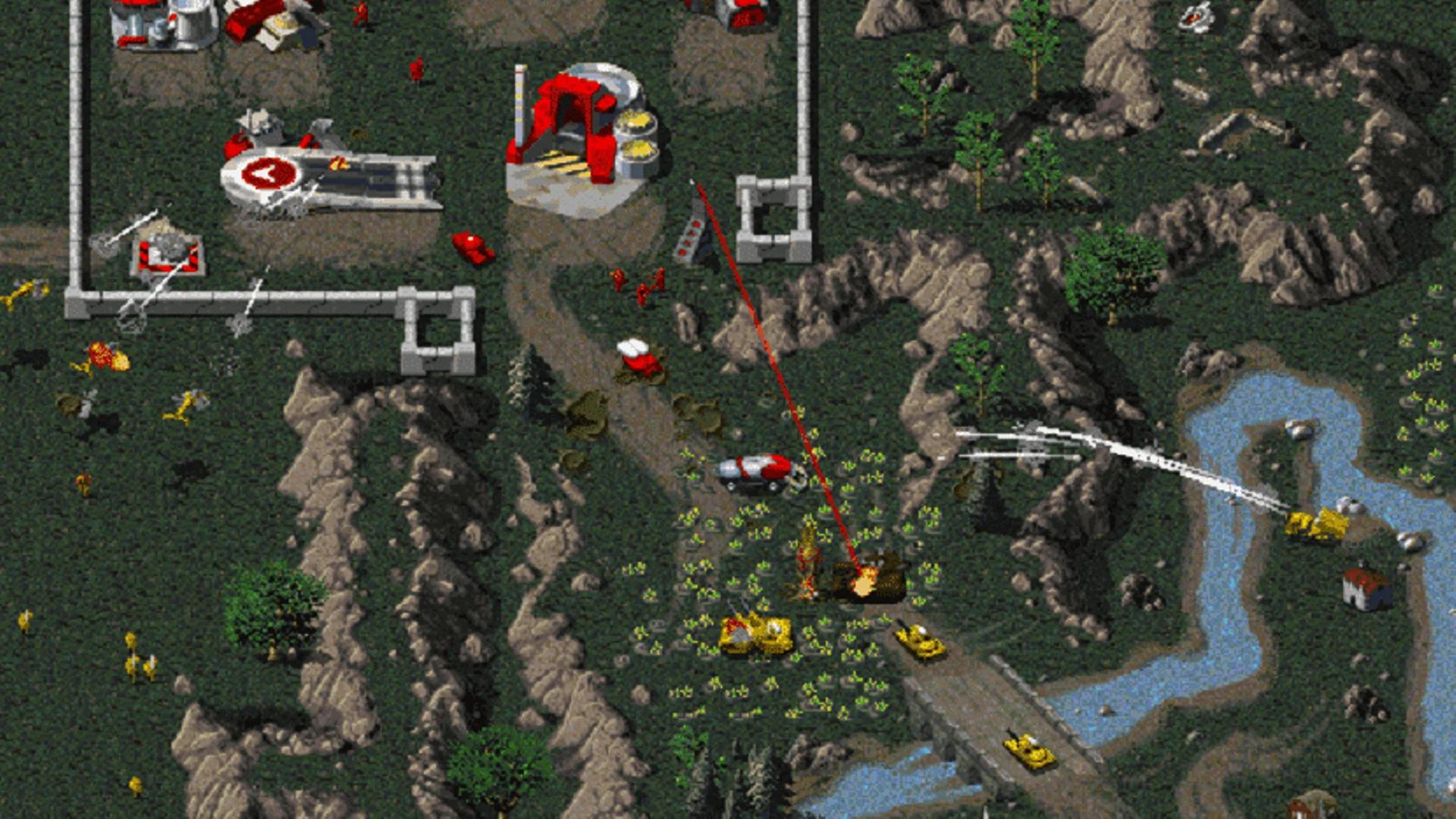
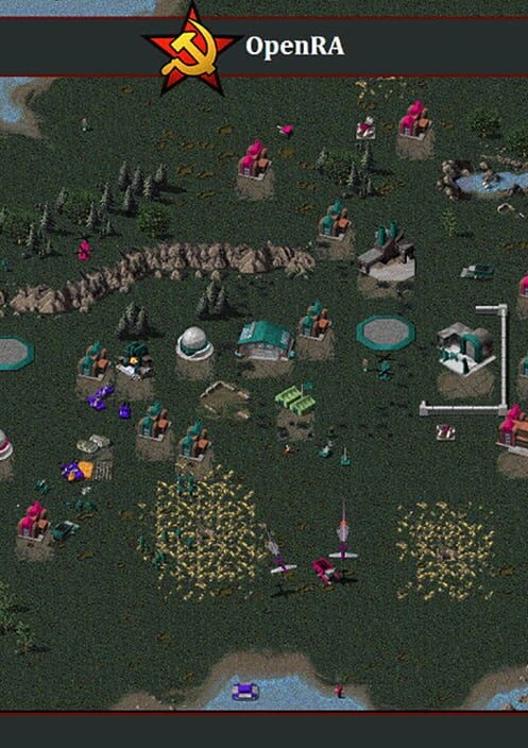
OpenRA is the one I recommend when someone asks for a Red Alert 2 alternative that actually sets up cleanly in 2025. I grew up with Red Alert 2 and the nostalgia is real, but the original install on modern Windows is its own adventure. OpenRA gives you that same C&C-era RTS feel with a rebuilt engine, proper local network hosting, and none of the compatibility headaches. It is free, the install is tiny, and you can be running a skirmish on a local network before the pizza arrives. For groups who want strategy without spending money or managing legacy installs, this is the answer.
- Released
- 20072007
- Genre
- StrategyStrategy
- Platforms
- Linux, PCLinux, PC
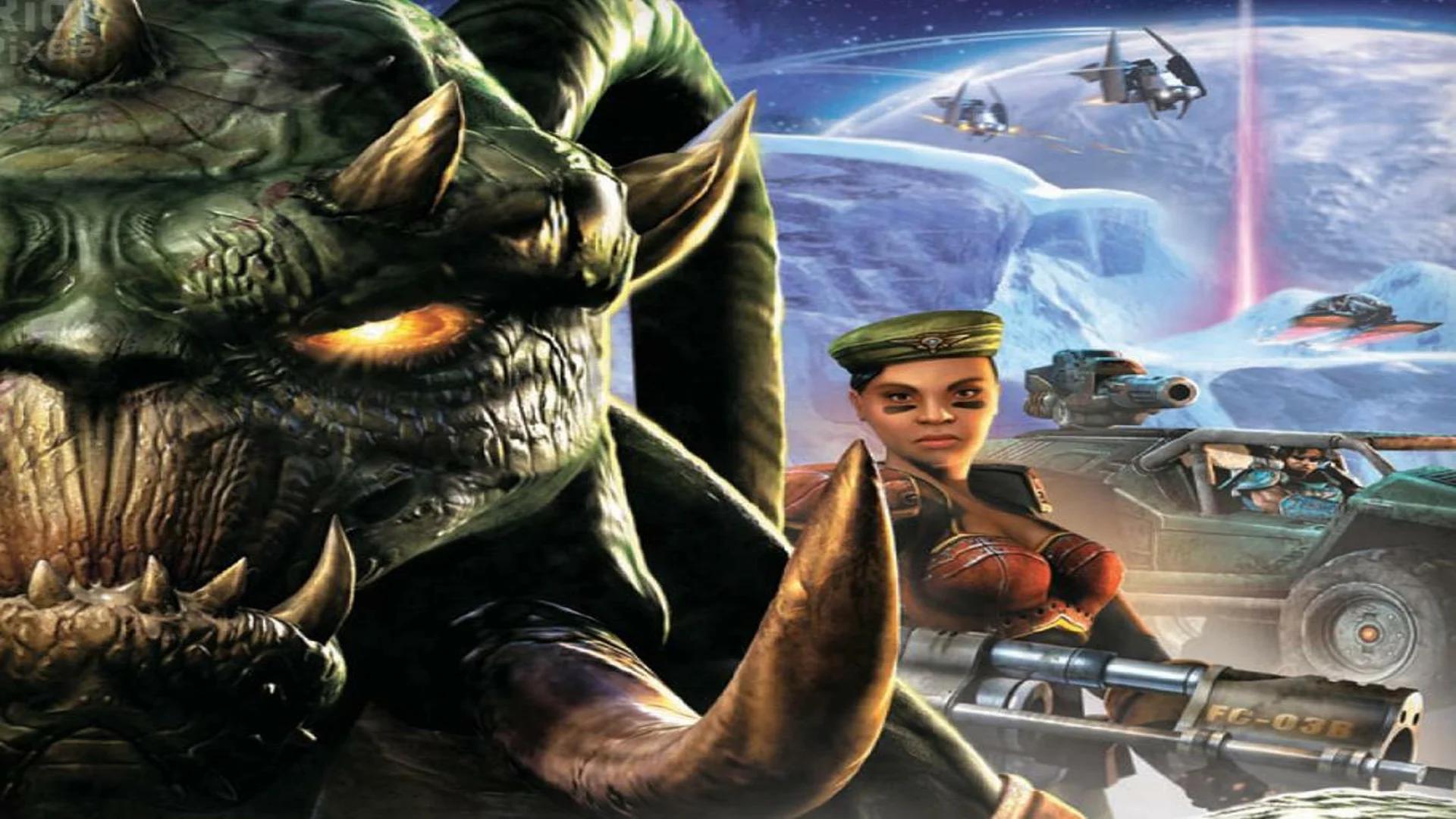
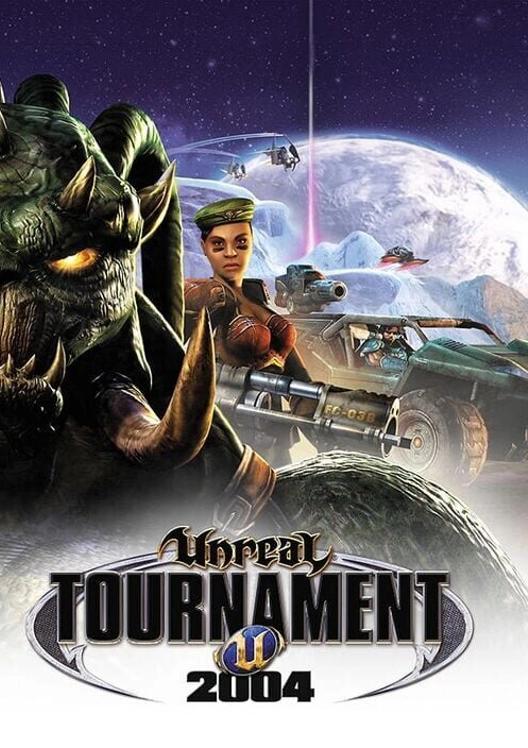
Unreal Tournament is the one game in our LAN rotation that the whole group immediately recognises the moment the music starts. UT2004 specifically sits at the sweet spot where the hardware demands are low enough for older laptops but the match variety, Onslaught mode included, is wide enough to keep a full evening interesting. The bot support is also genuinely good, which matters when you have an uneven number of players or someone steps away. Setup takes a bit more patience than the other classics here, mostly around getting everyone on the same version, but once you are in, the quality of the matches justifies the effort.
- Released
- 20042004
- Genre
- ShooterShooter
- Platforms
- Linux, macOS, PCLinux, macOS, PC
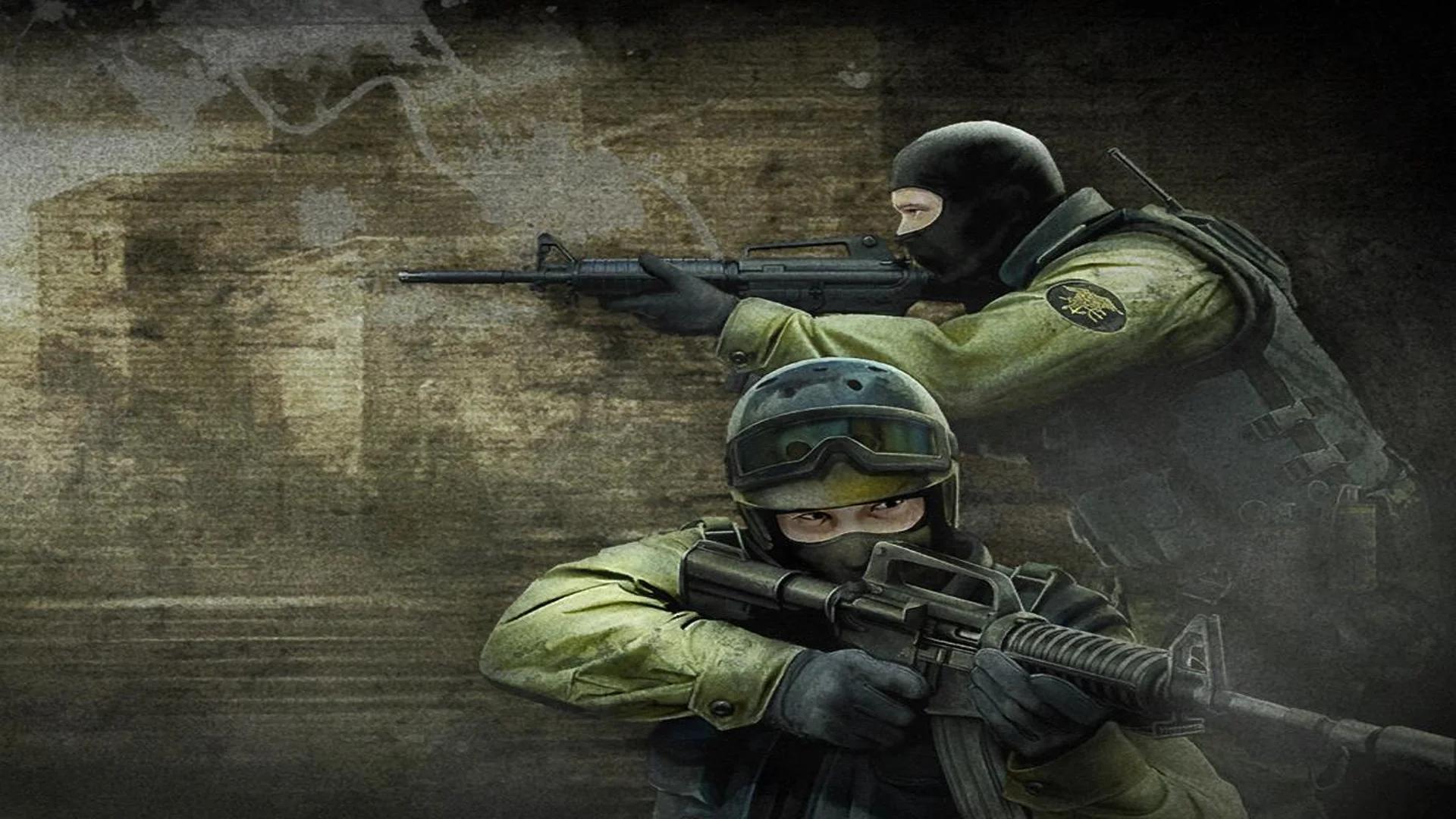
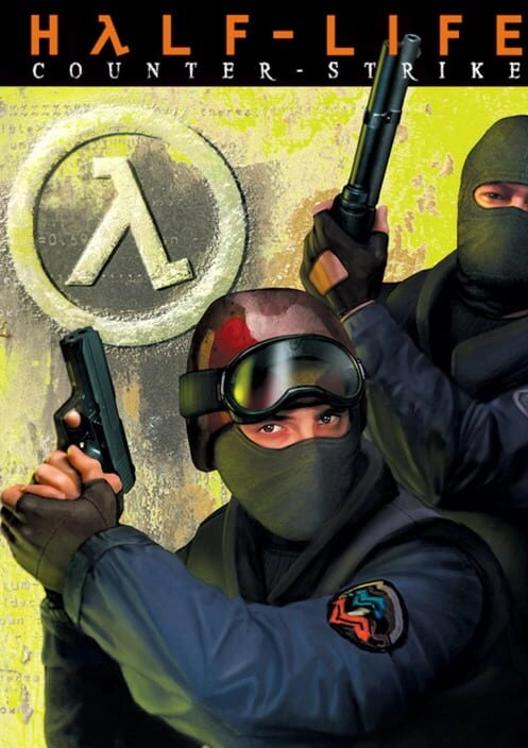
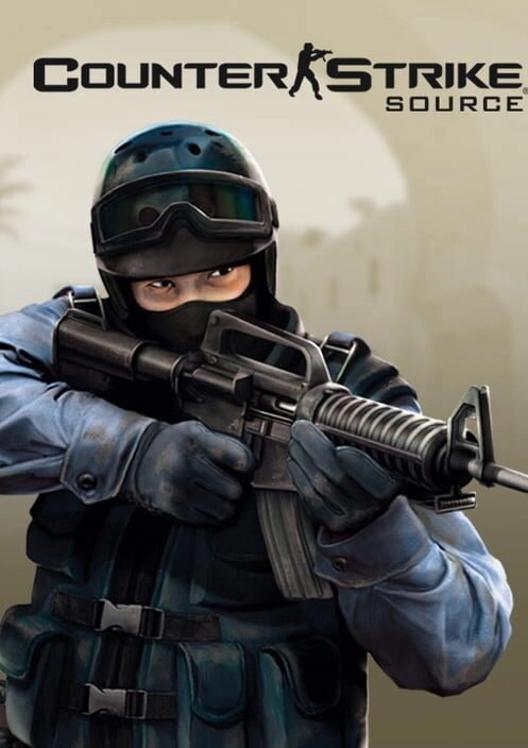
The honest reason Source sits below 1.6 on this list is the hardware floor, not quality. Source is a better-looking and in some ways more approachable game, and for groups where everyone has a laptop from roughly 2010 onwards it is the easier recommendation. I prefer it personally for groups who find 1.6's visual age a barrier, because the gameplay is close enough that the transition takes about five minutes. The Source engine also opens the door to community maps and game modes that keep LAN sessions fresh across multiple nights. Just know that on genuinely weak machines, 1.6 is the safer call.
- Released
- 20042004
- Genre
- ShooterShooter
- Platforms
- Linux, macOS, PCLinux, macOS, PC
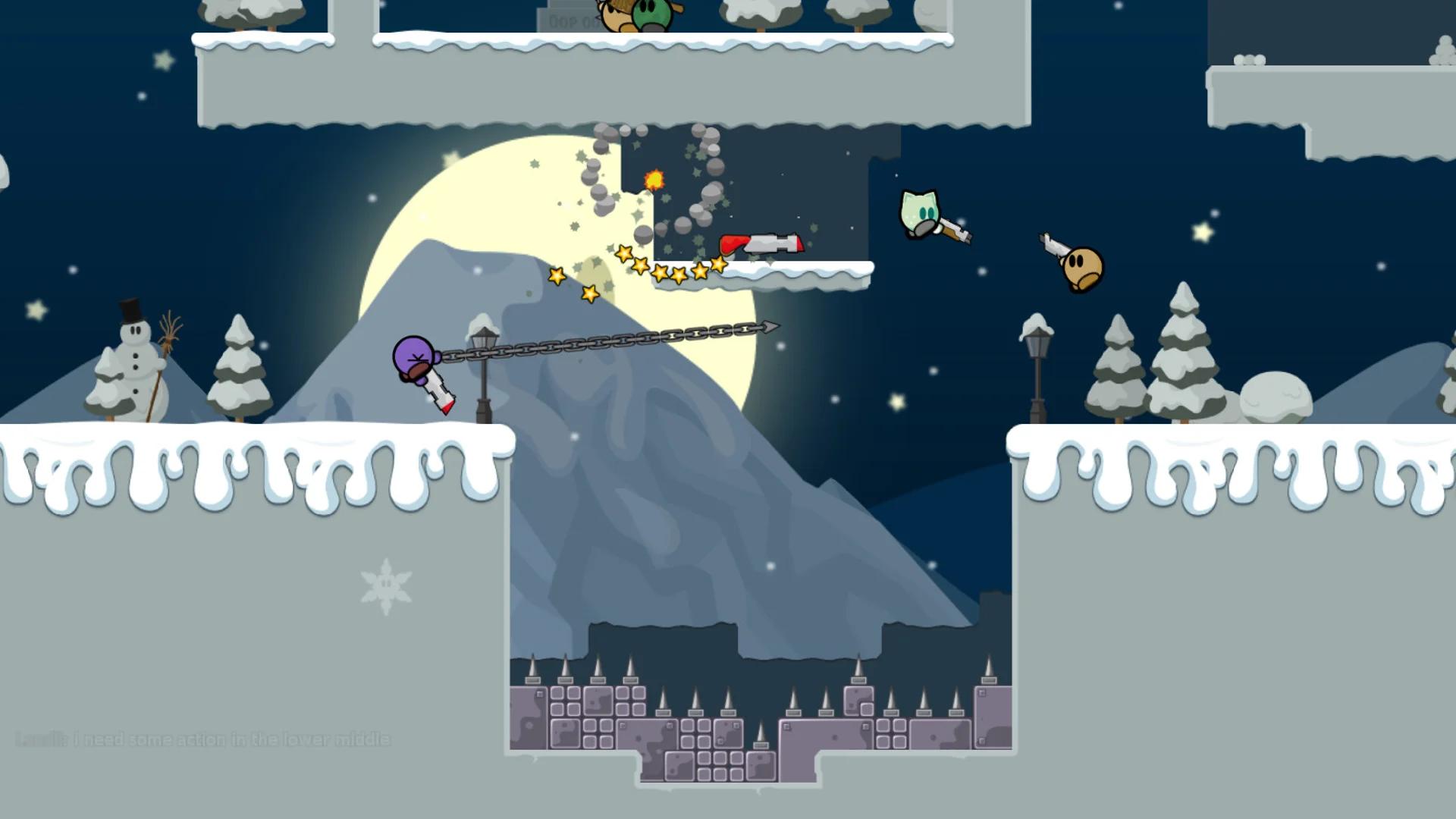
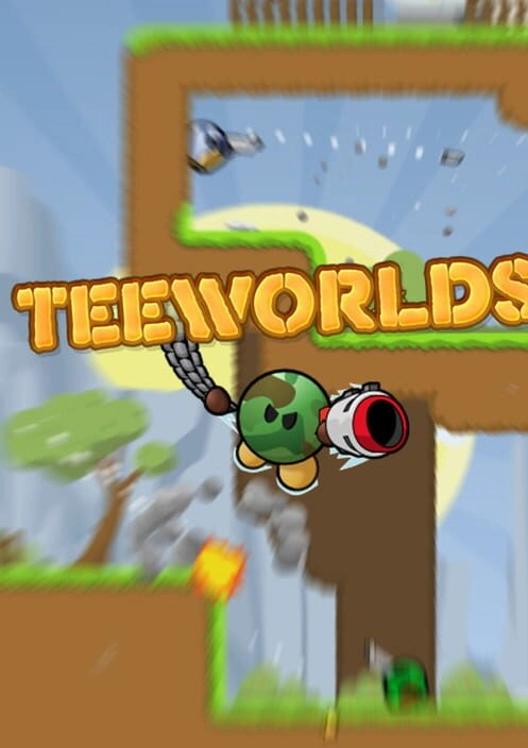
Teeworlds looks like a game you would dismiss immediately. Two-dimensional, cartoon blob characters, about 20MB installed. Then someone starts a CTF match and you realise the grappling hook movement has more depth than it has any right to, and forty minutes have passed. I have seen it work at LAN nights where nothing else would run, including on hardware that would struggle to load a browser with more than three tabs. Quick rounds, instant readability, and a server browser that works without fuss. It is not the headliner of any LAN party, but it might be the game you fall back on more than you expect.
- Released
- 20072007
- Genre
- PlatformerPlatformer
- Platforms
- Linux, macOS, PCLinux, macOS, PC
If you are after more competitive options that run on budget hardware beyond this list, our Best Shooting Games for Low-End PCs guide covers a wider range of shooters worth considering.
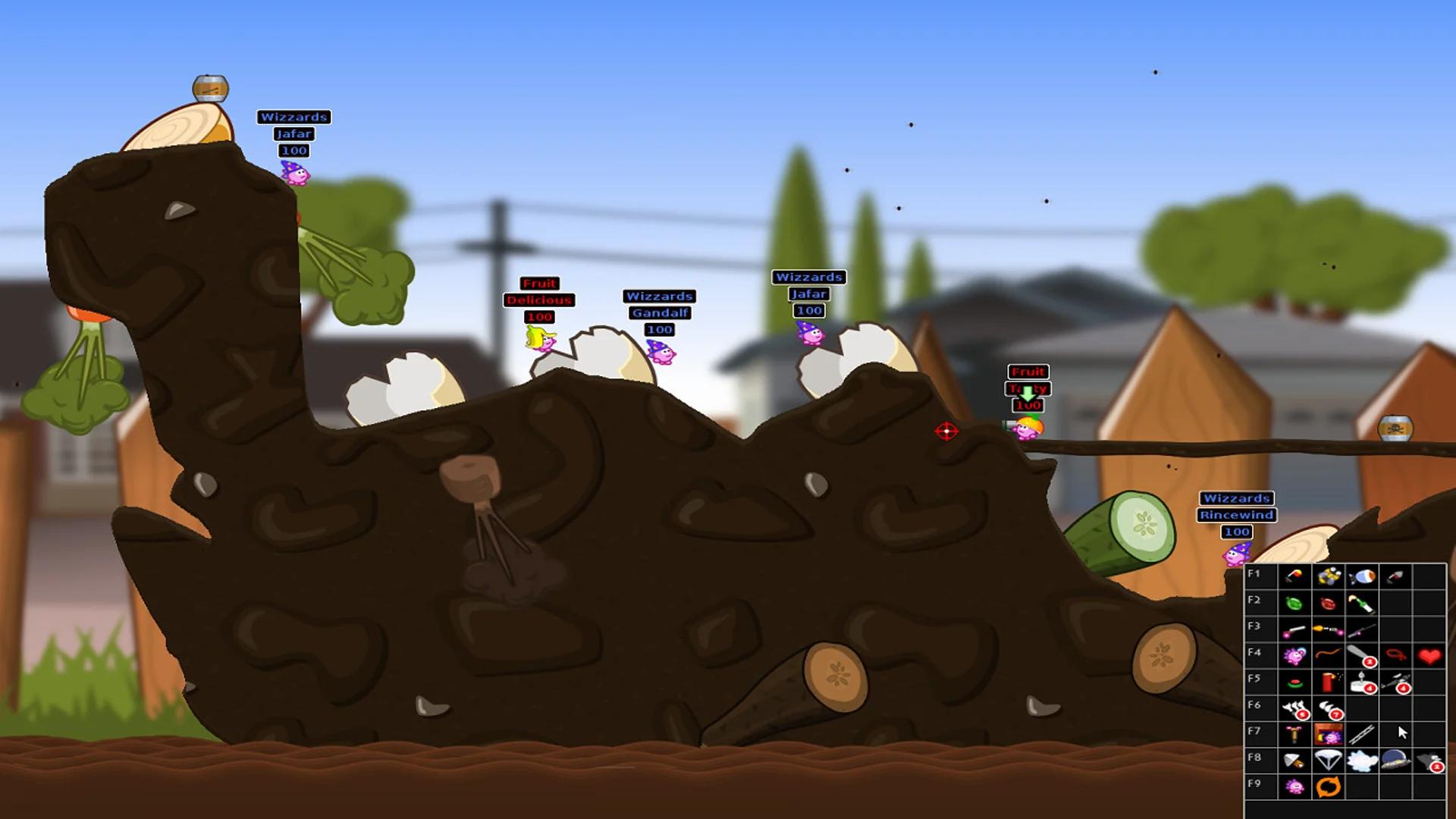
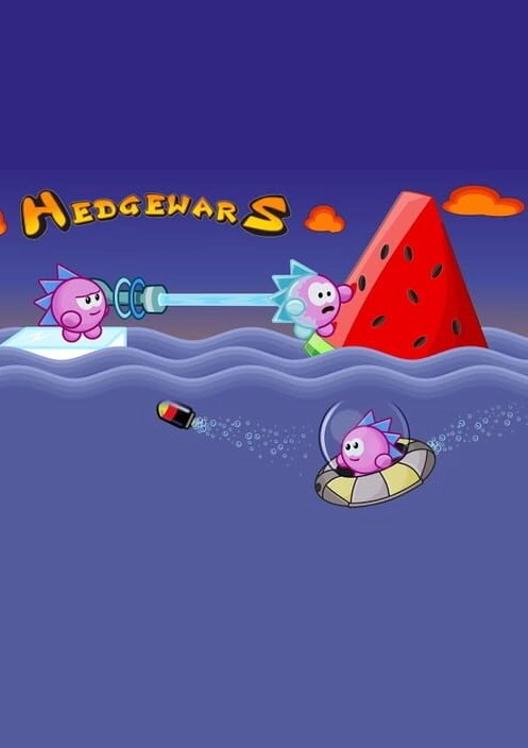
Hedgewars is Worms without the licensing cost, and for a certain kind of LAN session, that is exactly what you want. Turn-based artillery games have a specific social quality: everyone watches each turn, there is always a reaction when something goes badly wrong, and the pacing gives people time to grab a drink between moves. I would not put this on as the first game of the night, but as a palette cleanser between more intense sessions it earns its place. Hardware requirements are essentially zero. If the machine boots, it runs. The difficulty ceiling is also low enough that nobody gets left behind.
- Released
- 20192019
- Genre
- StrategyStrategy
- Platforms
- iOS, Linux, macOS, PCiOS, Linux, macOS, PC

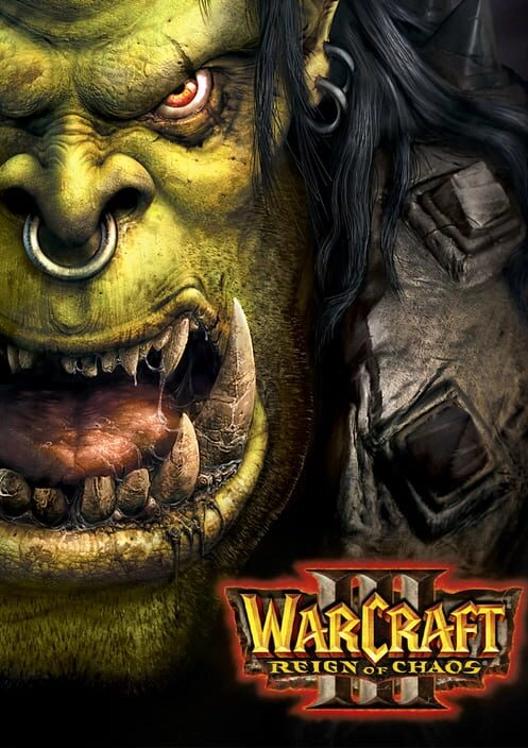
Warcraft III has one thing none of the other strategy games on this list can fully match: custom maps that turn a single install into about fifteen different game types. Tower defence sessions, hero arena nights, full competitive RTS matches, the variety per LAN is genuinely hard to beat. The reason it sits at nine rather than higher is that setup friction has increased over the years and the LAN functionality requires a bit more configuration than it once did. Still worth it for strategy-focused groups, especially if someone in the room already has it set up and knows the maps. That person is usually the one who has played it for twenty years and still acts surprised when the Lich King ability one-shots everyone.
- Released
- 20022002
- Genre
- StrategyStrategy
- Platforms
- macOS, PCmacOS, PC

FlatOut 2 has been in our LAN rotation for as long as I can remember, and it earns that spot every time by doing something most LAN games do not: it works for people who do not care about shooters or strategy. The demolition derby events in particular are the ones where someone who has never touched a PC game before is suddenly screaming at the screen. Native LAN multiplayer, forgiving hardware requirements, and the kind of chaotic racing that creates stories. It is not the most technically impressive game on this list. It does not need to be. The room gets loud when FlatOut is running, and that is the whole point.

- Released
- 20062006
- Genre
- RacingRacing
- Platforms
- Linux, macOS, PC, Xbox OneLinux, macOS, PC, Xbox One
Honorable Mentions
These five narrowly missed the top ten, each for a specific reason. Worth knowing about depending on what your group needs.
Left 4 Dead 2 is one of the best co-op games ever made for a group of four, and I say that from experience. The reason it missed the top ten is specifically the group size constraint. It is at its best with exactly four people in the co-op campaign, and LAN parties often have more than that. The versus mode handles larger numbers but shifts the feel considerably. Hardware-wise the Source engine is forgiving, though not as forgiving as 1.6 or UT2004. If your LAN group is reliably four people and enjoys co-op over competitive play, this arguably deserves a spot higher than tenth.
Warzone 2100 is the one for groups that want a free RTS with real depth and do not mind that almost nobody has heard of it. The base-building and research systems give long sessions something to sink into, and the hardware demands are negligible. What kept it out of the main list is that it lacks the broad name recognition that makes getting a group to install something easy. Warcraft III and OpenRA have decades of goodwill behind them. Warzone 2100 requires a small leap of faith, which is fine if you are the one organising the session and willing to set it up in advance.
Serious Sam HD is loud, stupid, and enormously fun with four people in a room. The co-op campaign scales well because more players means more enemies, and the enemy design is readable enough that even players who are not paying full attention contribute meaningfully just by shooting things. Hardware requirements are reasonable without being demanding. It missed the top ten because its LAN setup is slightly less straightforward than the classics, and because it overlaps enough with Left 4 Dead 2's co-op FPS lane that one of them had to give way. Still worth picking up if your group wants a campaign to chew through.
Dawn of War Soulstorm sits in an interesting position. For groups that are already Warhammer fans, this is an obvious yes. The squad-level RTS combat feels different enough from Warcraft III and StarCraft to justify a separate install, and it runs respectably on older hardware. What held it back from the main list is that the LAN setup has some rough edges and the game requires a bit more patience from new players than the other strategy entries here. Worth it for dedicated groups. Less ideal when half the room just wants to jump in and start playing.
TrackMania Nations Forever is free, tiny, and will run on hardware you forgot you owned. For a certain type of LAN session, especially ones where people want competitive play but the group includes mixed gaming experience levels, the time-trial format works well because everyone races the same track and competes against the clock rather than directly against each other. It missed the top ten because the competitive format is narrower than most of the main list entries and LAN play is less central to how most groups experience it. But as a free addition that costs nothing to install on every machine, it is hard to argue against including it.
Frequently Asked Questions
Common questions about setting up and running LAN parties on low-end hardware.
Do these games need an internet connection to play over LAN?
Most of the games on this list do not require an active internet connection once installed. They use direct IP connections or local server browsing to find each other on the same network. A few may require an initial Steam activation, but actual gameplay runs offline over your local network.
What is the minimum hardware needed to run these games?
The majority of this list will run on machines with integrated graphics, 2GB of RAM, and a CPU from the mid-2000s or later. Games like Counter-Strike 1.6, Teeworlds, and Hedgewars are genuinely playable on almost anything with a screen. Unreal Tournament 2004 and Counter-Strike: Source are the most demanding entries here, but both still run fine on hardware that would struggle with any modern game.
How do you set up a LAN game without a dedicated server?
Most of these games support a simple host-and-join setup where one player opens the game, starts a local server or lobby, and others connect via the in-game server browser or by typing a direct IP address. On a home or office network, this usually takes under two minutes. Quake III Arena and Counter-Strike 1.6 both have well-documented setups that haven't changed in decades.
Is Counter-Strike 1.6 still worth playing over CS2 for a LAN party?
For low-end hardware, yes. CS2 requires a significantly more capable machine and does not offer the same straightforward local server setup. Counter-Strike 1.6 runs on practically anything, sets up in minutes, and still plays well. If your group has modern gaming PCs, CS2 is the better competitive experience. If even one person is on a budget laptop with integrated graphics, 1.6 is the smarter call.
Can you mix older and newer PCs in the same LAN session?
Generally yes. These games communicate over standard network protocols and do not care what hardware the other players are running. The weakest machine in the room sets the ceiling for which games are viable, but the stronger machines do not need to limit themselves. Just keep an eye on whether the game supports the operating systems your group is actually running.
Conclusion
The best LAN parties I have had were never about having the latest hardware. They were about having the right games, the kind where nobody is waiting too long to respawn, everyone can actually run the thing, and someone ends up shouting about a comeback at 1 AM. Every game on this list fits that brief. If your group skews toward strategy, check out our Best Strategy Games for Low-End PCs guide for more options beyond Warcraft III and OpenRA. If you want to fill out your low-end library further, our Best Multiplayer Games for Low-End PCs article covers the broader multiplayer landscape.
Ready for more tailored picks? Try our Recommendations Engine for suggestions that match your play style.