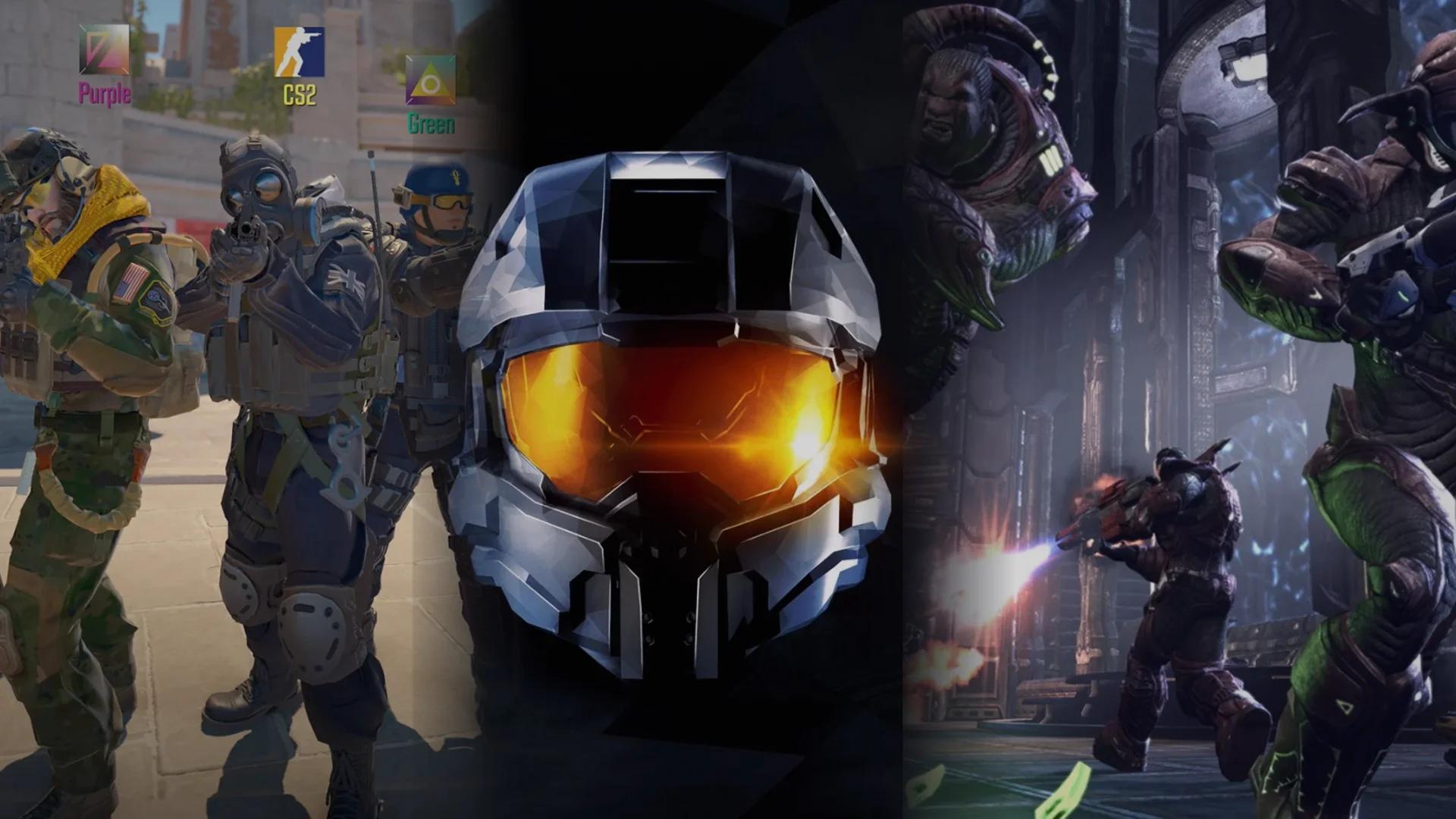

LAN parties and shooters were made for each other. Not online-lobby shooters where you queue into matchmaking and get placed with strangers, but the real thing: eight people in a room, all on the same network, where the person who just killed you is sitting two seats to your left and you can hear them laughing about it. I have been running sessions like this for years and the games that survive in our rotation are specific. They set up fast, they run on modest hardware, they produce rematches, and they are still fun at midnight when everyone has been playing for six hours.
We scored these on LAN practicality and private-match ease first, because a great shooter that takes forty-five minutes to configure is not a great LAN game. Group accessibility and session fun weighted almost as heavily, and raw shooter quality and long-term stability rounded out the criteria.
For the full picture on LAN party game recommendations across all genres, see our Best LAN Party Games in 2026 guide. This article focuses specifically on shooters and shooter-first titles that work for competitive or skirmish-style PC LAN sessions.
Quick Picks
Best all-round LAN package: Halo: The Master Chief Collection
Best for competitive brackets: Counter-Strike 2
Best for mixed-skill groups: Team Fortress 2
Best classic arena shooter: Quake Live
Best free option: Xonotic
The Top 10 Best LAN Party Shooter Games for PC
These ten earned their spots by actually working at a LAN, not just playing well in an online queue.
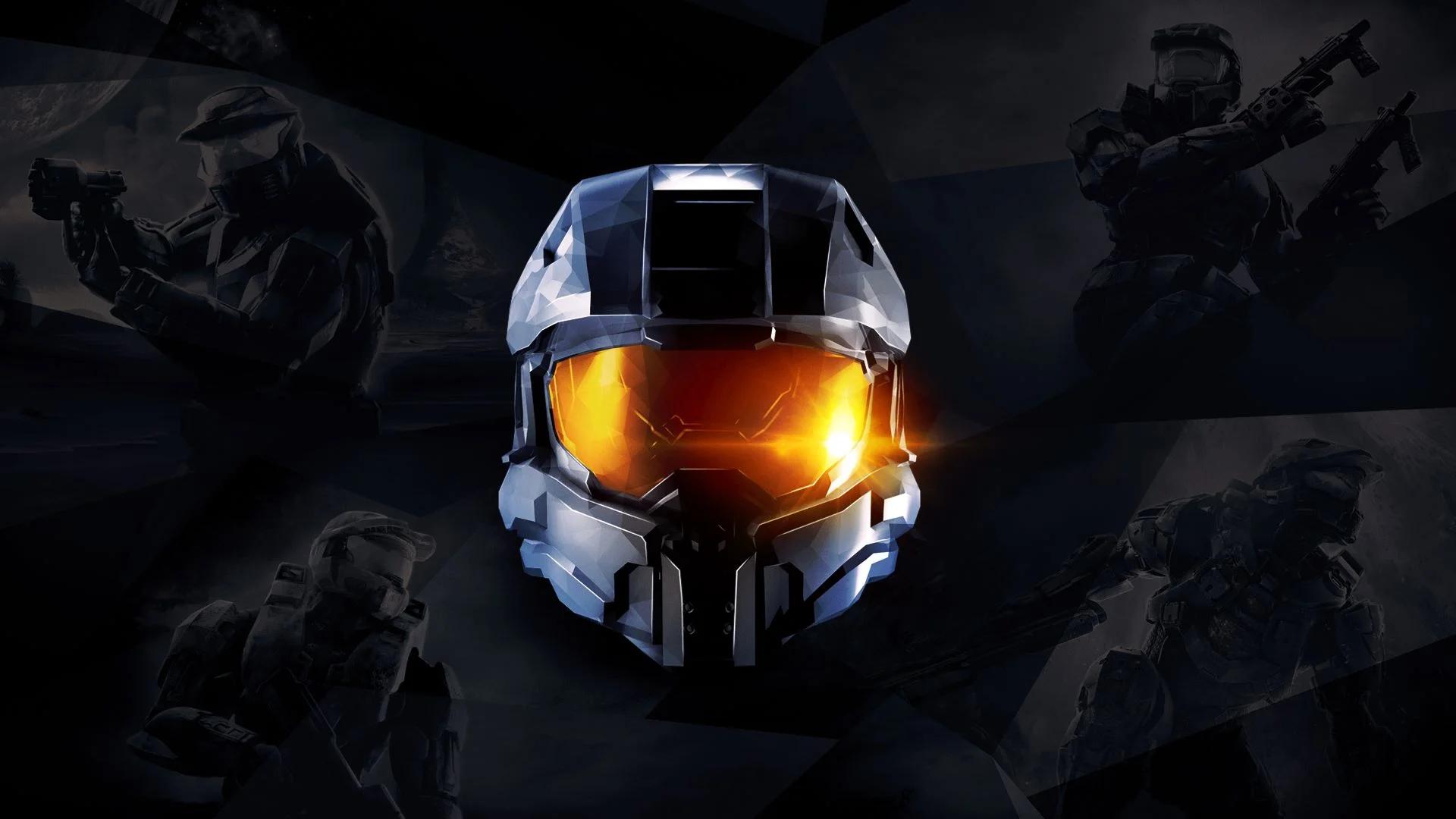
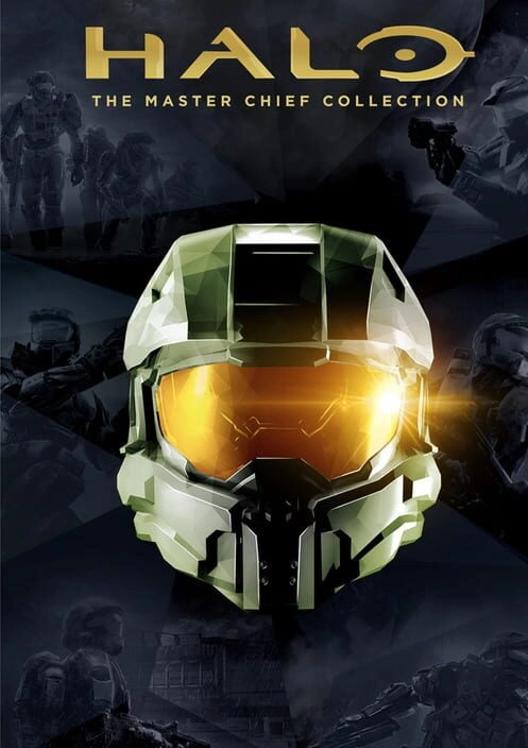
My LAN group has played Unreal Tournament for years, and the thing I always wished for was a single package that could shift tone mid-evening without everyone reinstalling. Halo MCC is that package. You get six Halo sandboxes, custom game options that go deep enough to keep veterans busy, and a shooting feel that new players can grasp inside two minutes. One round you are playing Halo CE pistol starts on Blood Gulch, next you are running Halo 3 BTB. The variety is unmatched on this list. It runs well on PC, supports LAN-style private matches, and has bots for filling seats when someone drops. Nothing else here covers as many groups in as many moods.
- Released
- 20142014
- Genre
- ShooterShooter
- Platforms
- PC, Xbox One, Series X|SPC, Xbox One, Xbox Series X/S
I have been in enough rooms where someone sets up a CS bracket and watched the evening completely rearrange itself around it. The round structure does something specific to a LAN crowd: losing stings, winning feels earned, and the fifteen seconds between rounds while everyone argues about economy is genuinely some of the best noise a game room produces. CS2 is the modern standard for that. Private lobbies work without drama, bots fill gaps, and the gunplay rewards practice in a way you notice over a long session. The accessibility score is lower for good reason though. If half your group has never played it before, they will spend the first hour feeding. Worth managing expectations before you start.

- Released
- 20232023
- Genre
- ShooterShooter
- Platforms
- Linux, PCLinux, PC
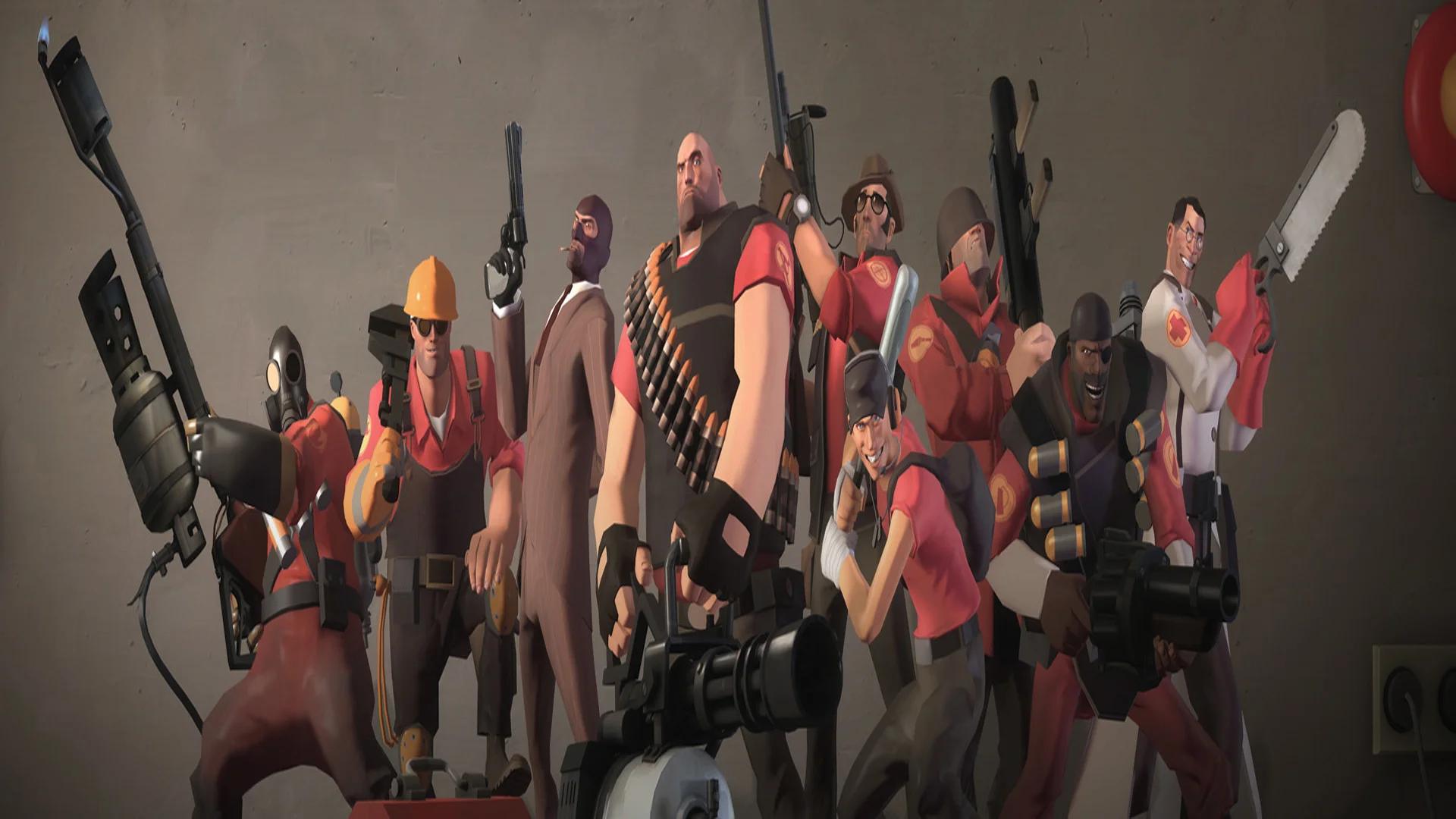
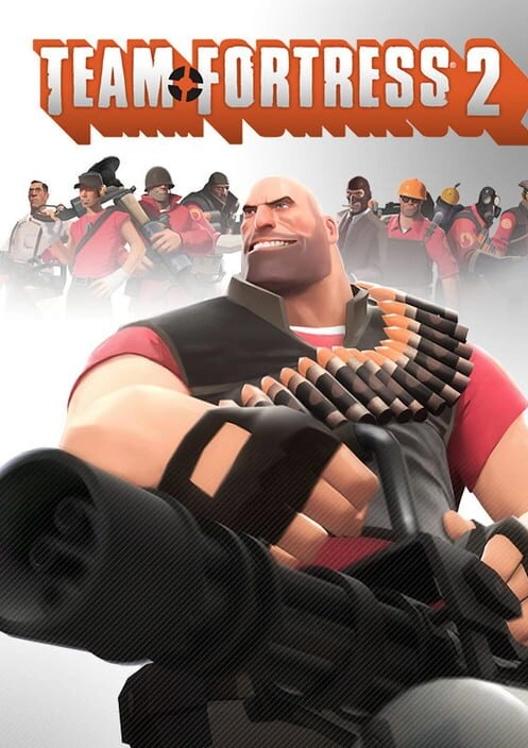
TF2 is probably the game I would pick first if I needed every person at the table to be having fun within ten minutes. The class system does something smart for mixed-skill groups: a new player can pick Pyro, hold a chokepoint, and contribute without understanding half the game's mechanics. A veteran can play Spy and spend the whole session cackling. Community servers make LAN setup straightforward and Payload maps create a shared objective that even distracted players follow naturally. The caveat is real though. The game is old, the bot situation on public servers has been rough for a while, and the live-service layer has gotten cluttered. Stick to private community servers and it still delivers one of the best group sessions on this list.
- Released
- 20072007
- Genre
- ShooterShooter
- Platforms
- Linux, macOS, PCLinux, macOS, PC
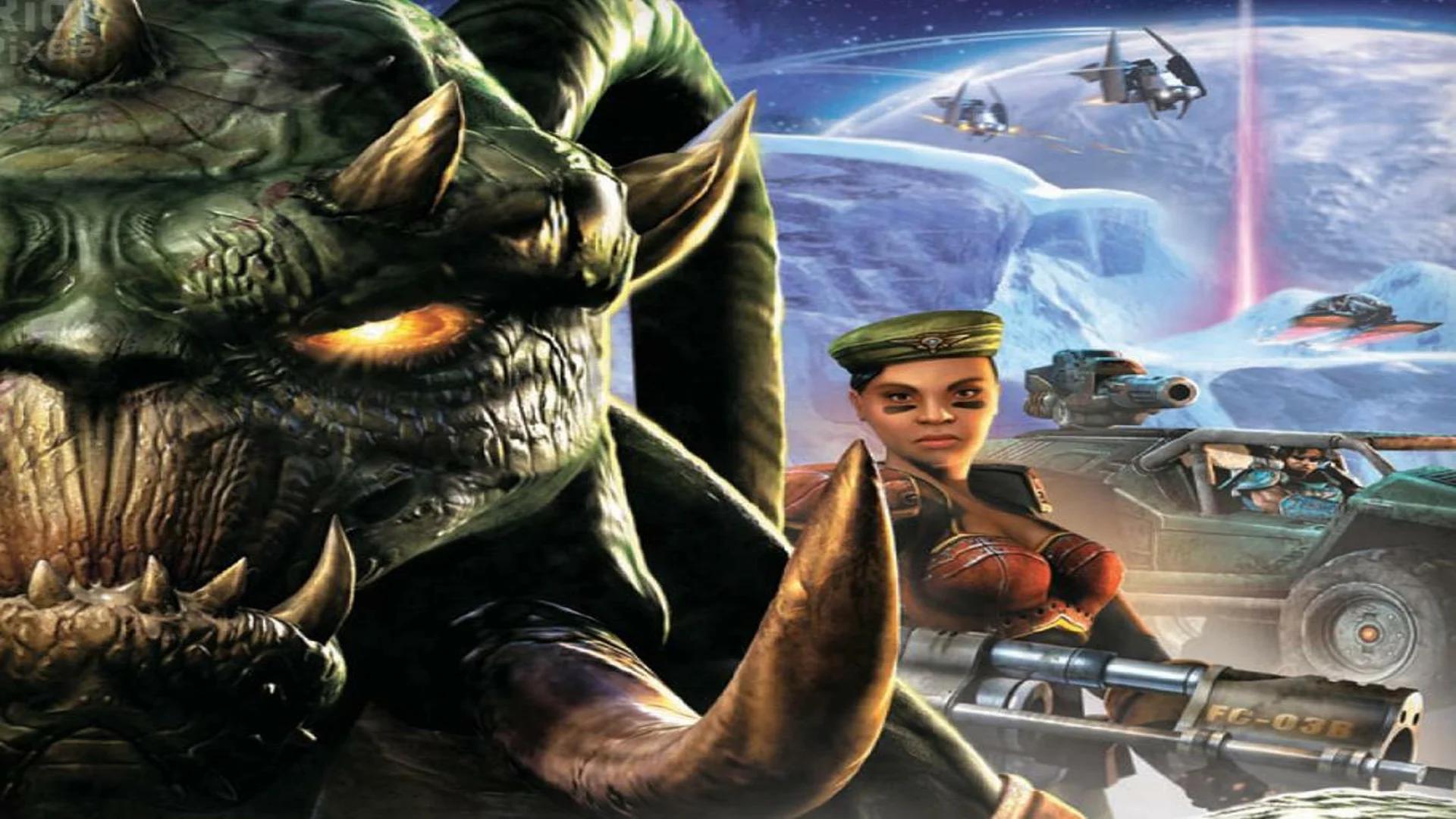
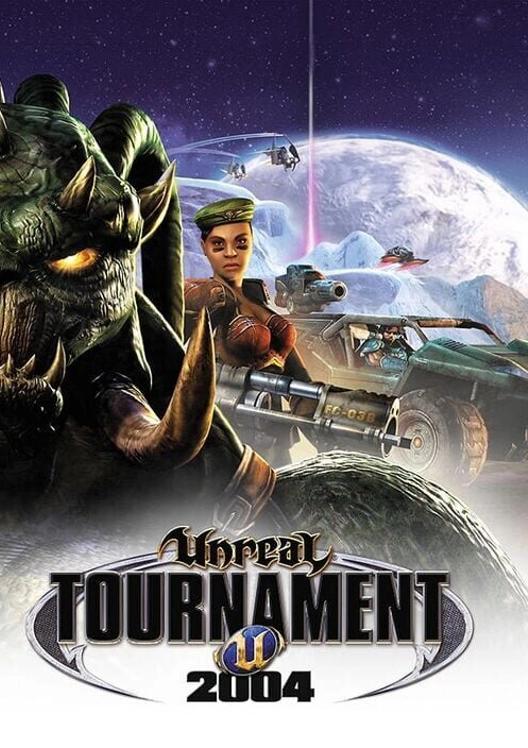
UT2004 is a permanent fixture in our LAN rotation, and I say that as someone who watched people install it on laptops that were already struggling with everything else we brought. It still runs. That matters. The dedicated server setup is straightforward, bots scale to fill any lobby size, and Onslaught gives you something sprawling enough to run for a couple of hours when you want a break from deathmatch. Is it showing its age? Yes. The UI takes a few minutes to navigate if you haven't touched it in a while, and some maps look rough on modern monitors. But for sheer LAN practicality, nothing on this list beats its score. It was built for exactly this use case and it shows.
- Released
- 20042004
- Genre
- ShooterShooter
- Platforms
- Linux, macOS, PCLinux, macOS, PC
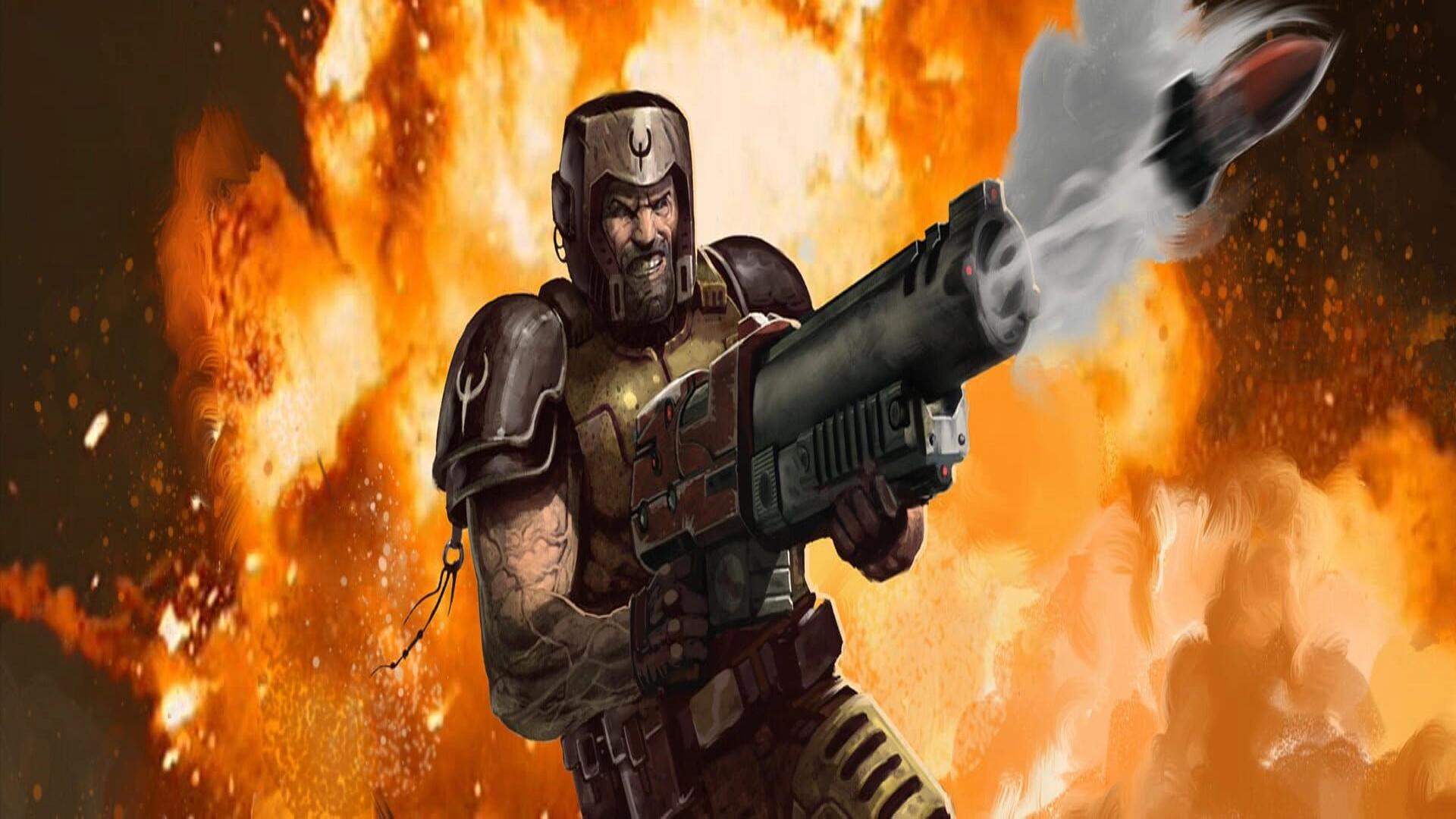
There is a specific kind of LAN session where someone asks for a duel room, the group thins out to watch two players, and the room goes quiet in a way that only happens when the movement is fast enough to be genuinely impressive. Quake Live produces that. Free on Steam, lightweight enough to run on almost anything, private server setup takes minutes. The problem is the gap between experienced and new players is not a gap, it is a canyon. I wouldn't put this on at a LAN where half the group is casual. For groups with at least a few arena veterans, though, the duel and FFA modes deliver some of the cleanest fragging you can get on a local network.
- Released
- 20102010
- Genre
- ShooterShooter
- Platforms
- PCPC
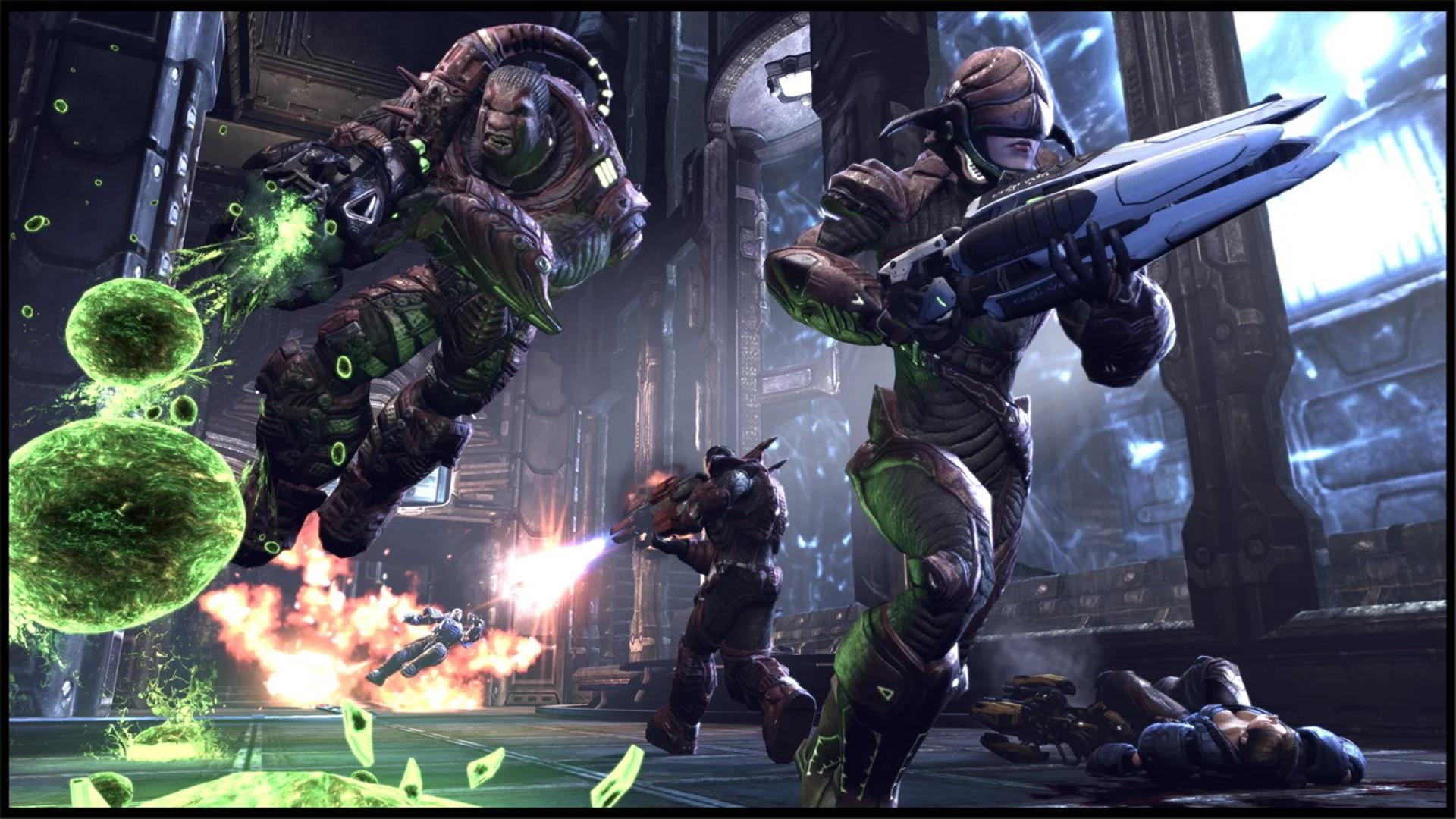
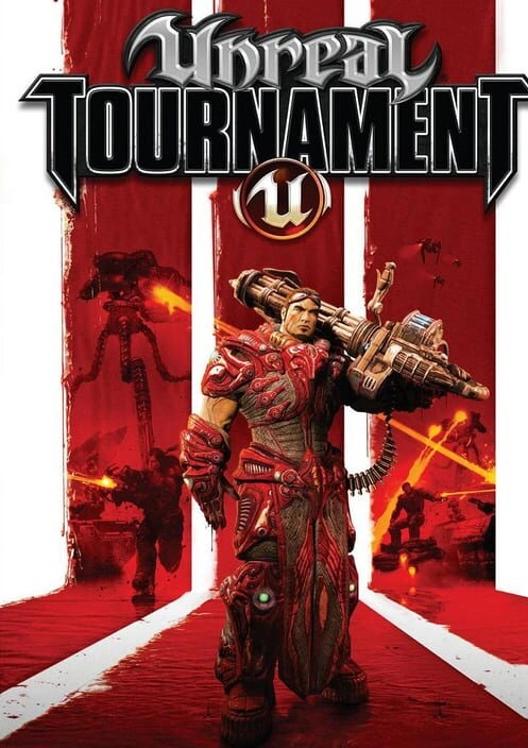
UT3 is the version I'd suggest if your group finds UT2004 too rough around the edges visually. The Warfare mode is underrated for LAN play specifically because it gives each player a clear role in the power node chain, which naturally breaks up the 'everyone just fragges randomly' dynamic you get in straight deathmatch. Bot support is solid, dedicated server setup is clean, and the weapons feel punchy. It didn't have UT2004's legacy in the community when it launched and it still doesn't, but as a practical LAN tool it earns its spot. Sits one rank below its older sibling mostly because the variety and mod ecosystem aren't quite at the same level.
- Released
- 20072007
- Genre
- ShooterShooter
- Platforms
- PCPC
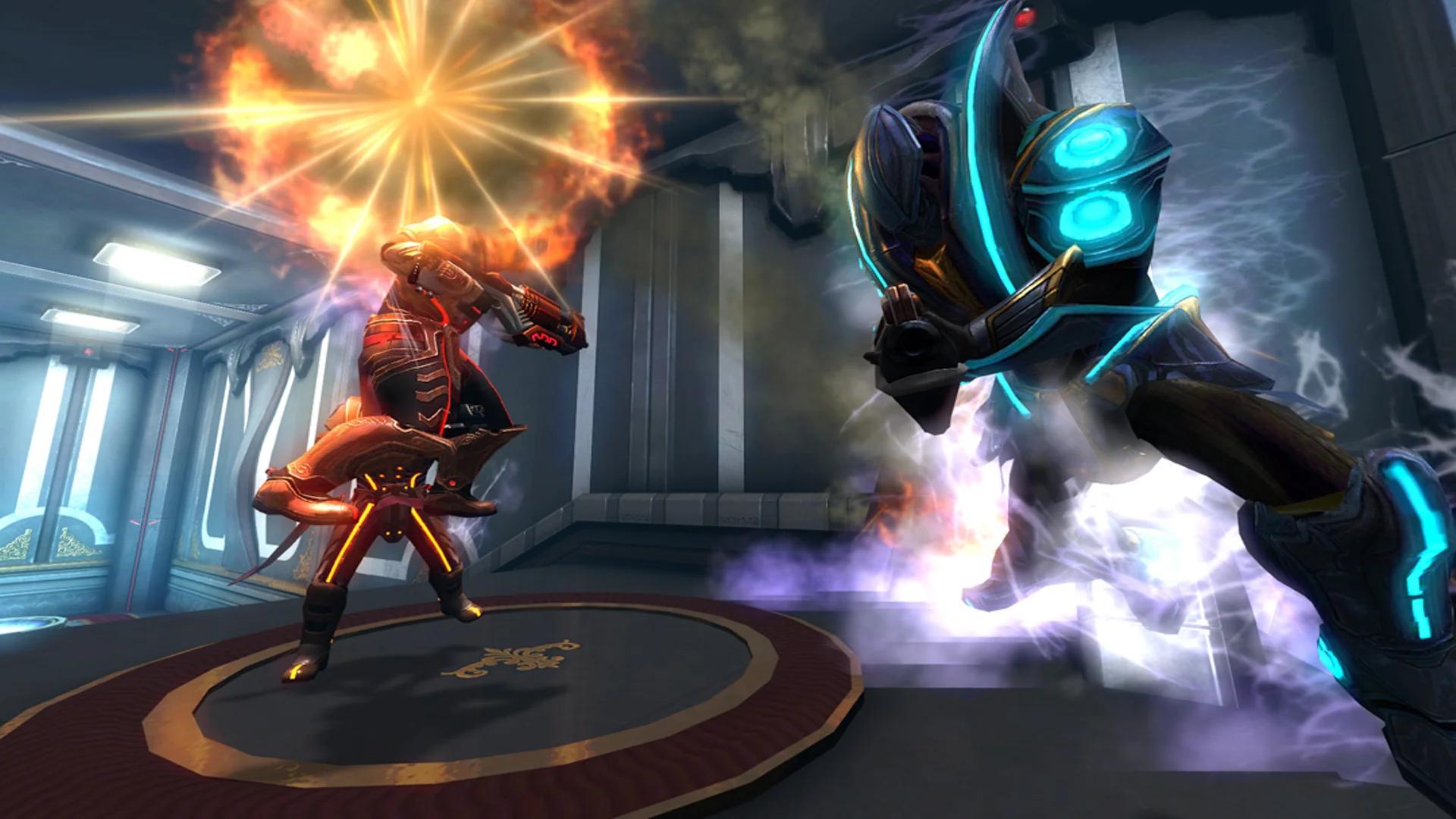
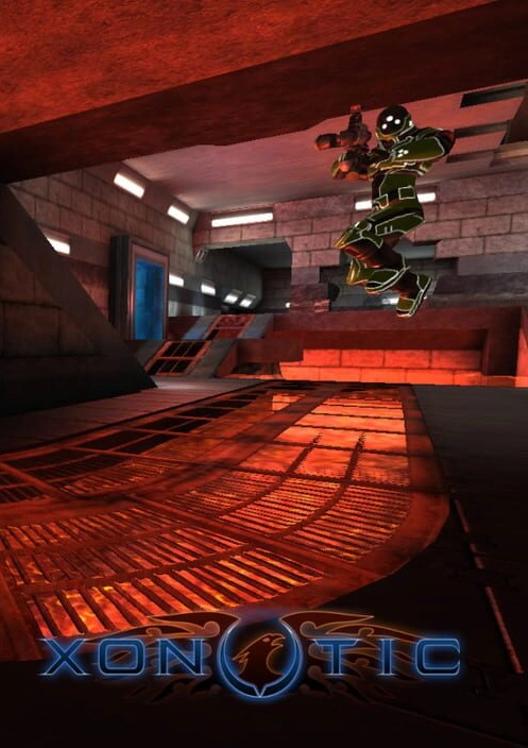
Free, open-source, runs on hardware from 2012 without complaint. Xonotic is the answer when someone at your LAN forgot to bring a gaming machine and is on a work laptop with integrated graphics. I've tested arena shooters on modest hardware repeatedly for exactly this reason and Xonotic holds up in a way that most of its genre peers don't. The movement is fast, the weapons have personality, and the server browser makes private match setup trivially easy. It's not going to replace Quake Live for arena purists or TF2 for mixed groups, but as a zero-cost fallback that actually plays well, it's invaluable for a LAN host who wants options.
- Released
- 20112011
- Genre
- ShooterShooter
- Platforms
- Linux, macOS, PCLinux, macOS, PC
If you are planning a LAN event from scratch and want guidance on setup, switches, and what to actually prepare before people arrive, our LAN Party Gaming: The Ultimate Setup and Hosting Guide covers the practical side of running the event itself.
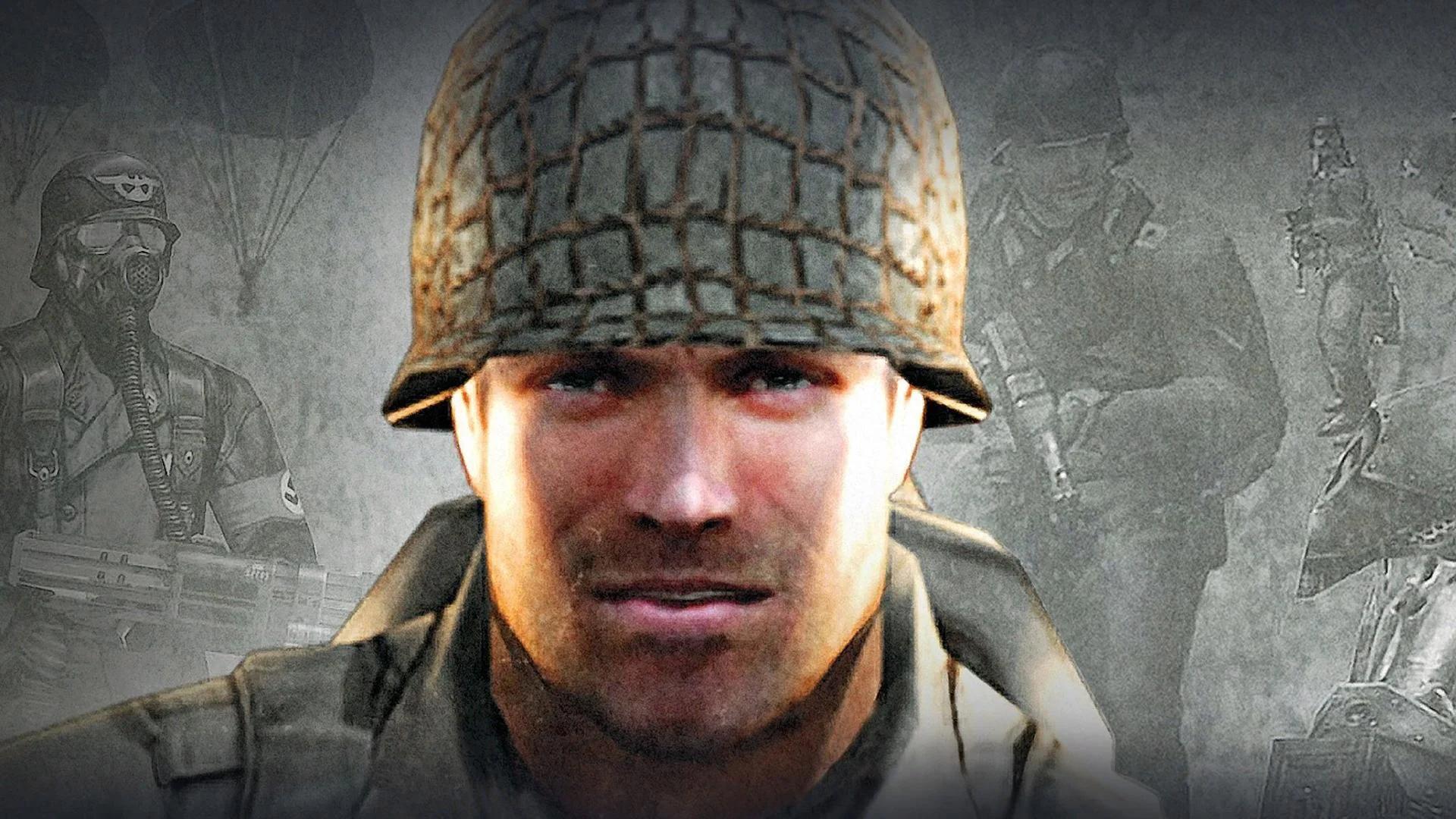
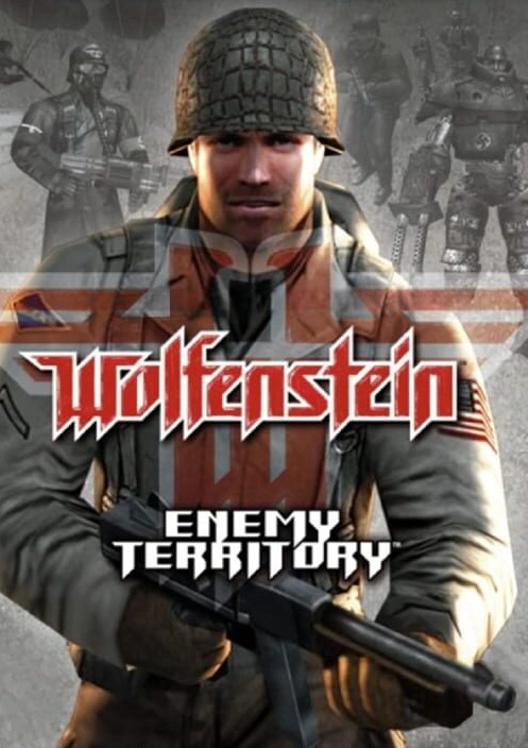
Enemy Territory was always the game at LAN parties where the serious players migrated once the casual rounds finished. Class roles are clear, objectives give the match direction, and the team communication that emerges from a good round of Radar or Goldrush is the kind of thing people still talk about an hour after the match ends. It's free, the dedicated server setup is well-documented, and the map design on the classic rotation is still some of the best objective-based work in the genre. The one real limitation for modern groups is there are no bots. If you can't fill both teams with real players, you need another game. With full teams, it's outstanding.
- Released
- 20032003
- Genre
- ShooterShooter
- Platforms
- Linux, macOS, PCLinux, macOS, PC
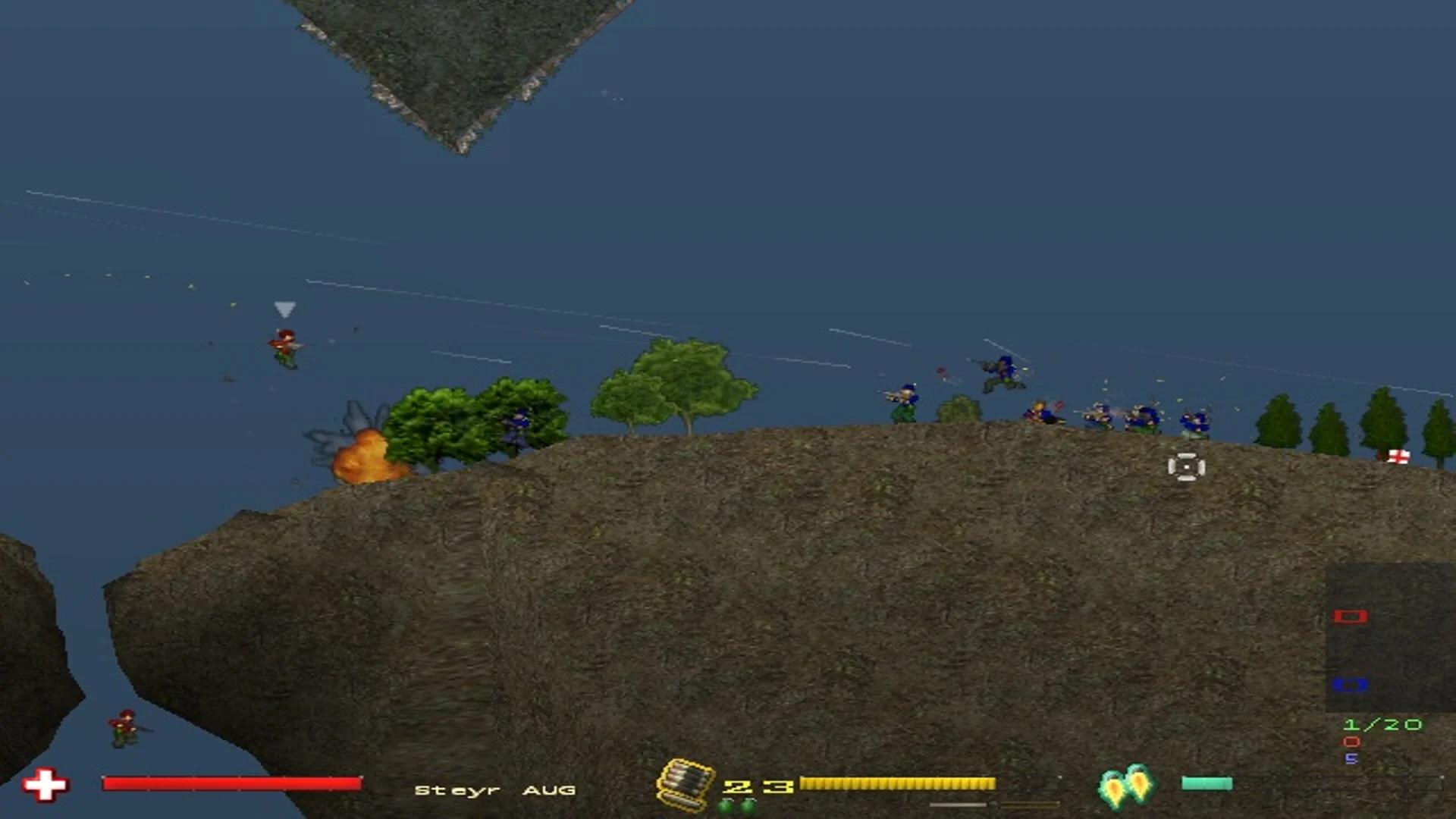
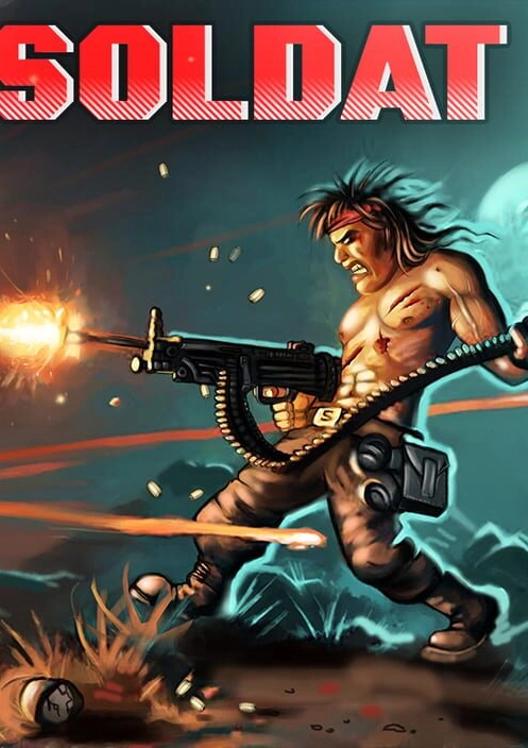
Soldat is the wildcard on this list and I mean that as a compliment. It's a side-scrolling shooter where you jetpack between cover, grapple hook across maps, and try to hit people who are moving in four directions at once. Rounds are short and chaotic in a way that's very different from everything else here, which makes it a genuinely useful palette cleanser in a long LAN evening. I tried this with a group who had never seen it before and within two rounds everyone was shouting about who killed them and demanding a rematch. Private servers work well, it runs on anything, and bots are available when you're short on players. Not a main event pick, but a memorable one.
- Released
- 20022002
- Genre
- ShooterShooter
- Platforms
- PCPC
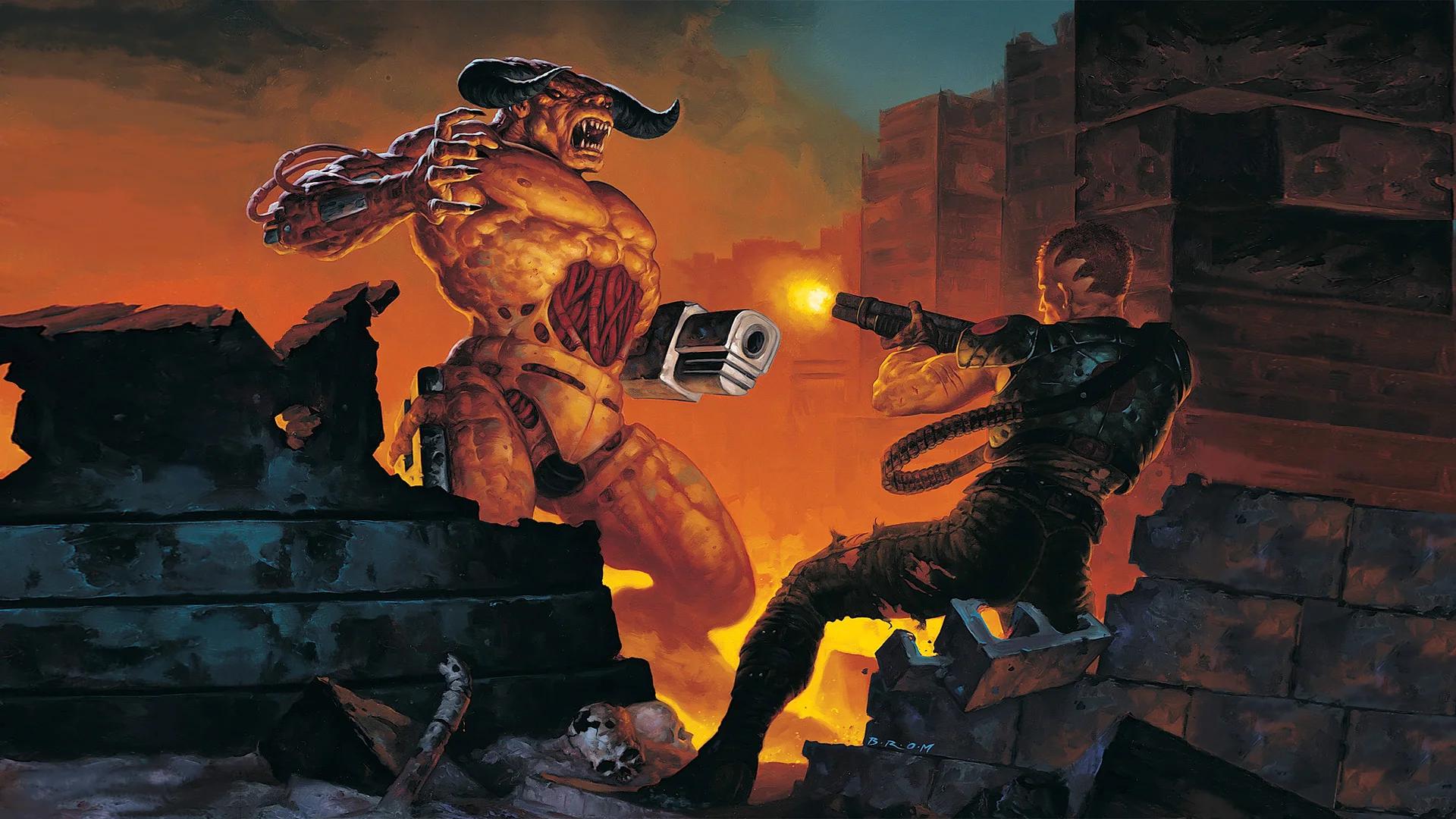
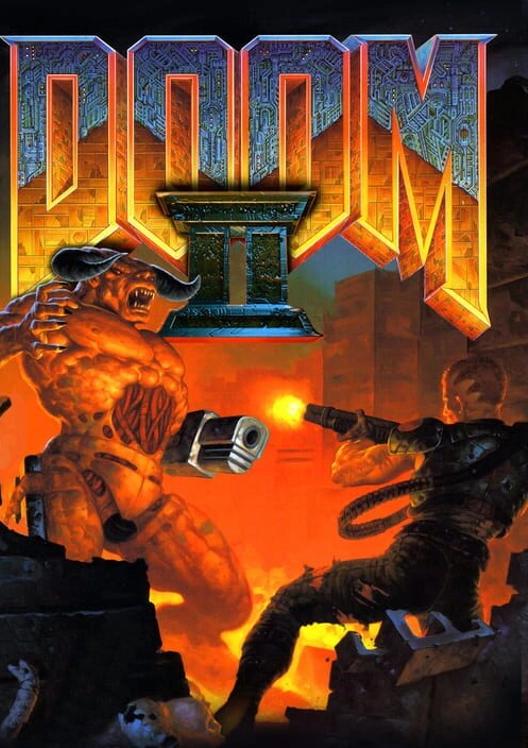
DOOM II deathmatch on a LAN has a specific texture to it that nothing modern really replicates. The instant movement, the chaotic item pickups, the way a Rocket Launcher on a tight map turns into pure havoc. Modern source ports like Zandronum make hosting a private session genuinely easy and the game runs on anything with a power cord. I'd be honest with you though: this is mainly a pick for groups that have a fondness for where all of this came from. Newer players without that context may find it stripped-down in a way that doesn't land. For retro deathmatch nights or anyone who wants to feel where PC LAN fragging started, it belongs.
- Released
- 19941994
- Genre
- ShooterShooter
- Platforms
- macOS, PCmacOS, PC
Honorable Mentions
These five games came close. Each has a specific use case or audience that makes them worth knowing about, but something specific kept them out of the top ten.
The concept is the joke and the joke is the game: everyone is invisible so you have to screencheat to figure out where opponents are. I've watched this game turn a room of moderately tired LAN attendees at midnight into people who are suddenly very awake and arguing. It's not a serious shooter and it doesn't pretend to be. Screencheat missed the top ten because its gameplay depth is limited and it works best as a session break rather than a main event. But if your LAN needs something funny and immediately readable that absolutely everyone can participate in without explanation, this is the pick.
DOOM II earns rank 10 because the expanded weapon set and larger map variety give it a slight edge in deathmatch depth. The original DOOM is right behind it and for a lot of people it will be the preferred choice purely for historical reasons. Source port setup through something like Zandronum keeps it straightforward for a modern host, and there's a whole ecosystem of custom maps if the group wants to go further down that rabbit hole. Worth having in your LAN library. Just probably not ahead of its sequel for pure deathmatch replay value.
Cold War is the most accessible entry on this entire list for players who don't have a history with PC shooters. The controls feel familiar, the time-to-kill is forgiving, and bot lobbies let you fill a private match without needing ten people online simultaneously. I have friends who would bounce immediately off Quake or UT2004 but would settle right into a Cold War private match. It missed the main list because true LAN support is limited and the setup involves more launcher friction than any of the top ten. For a casual group that wants something recognisable and fast, it's a reasonable choice. For LAN purists, there are better options above it.
The spectacle is real. Watching a Star Destroyer come in during a Heroes vs Villains round on a big monitor at a LAN gets a reaction from people who weren't even playing. Instant Action mode with bots fills out sessions when you're short on warm bodies, and the controls are readable enough that non-shooter players can participate without embarrassing themselves. What keeps it out of the top ten is that it's more of a private-session approximation of LAN play than the genuine article. The setup involves EA infrastructure that adds friction, and the LAN practicality score reflects that. Fun crowd-pleaser though, especially for a Star Wars crowd.
ShootMania strips arena shooting down to almost nothing: you have one shot that recharges, and winning is entirely about movement and prediction. For small groups of two to four competitive players who want a precision-focused private tournament, it delivers something very clean. The reason it's here and not higher is accessibility. New players find the stripped-down format disorienting rather than liberating and the community is small enough that finding public matches outside your own private server is genuinely difficult. For an arena-specialist group that knows what they're signing up for, it's worth a look. For a mixed LAN crowd, start with something else on this list first.
Frequently Asked Questions
Common questions from people putting together a LAN shooter session for the first time.
Do these games require an internet connection at a LAN party?
Most of them don't need one once installed, but some require an initial online activation or Steam authentication. Games like UT2004, Xonotic, Wolfenstein: Enemy Territory, and DOOM II are the safest bets for offline or air-gapped setups. CS2 and Halo MCC benefit from having at least one machine online to handle initial auth, though once authenticated they can generally run private sessions locally. Check the specific game's offline mode support before the event if your venue has no internet.
Which game on this list is best for players who don't usually play shooters?
Team Fortress 2 is the clearest answer. The class system gives new players a role that contributes without requiring precision aiming, and the maps telegraph objectives clearly enough that someone unfamiliar with the genre can participate meaningfully within a few minutes. Halo MCC is a close second, especially on the lower sensitivity settings. Avoid Quake Live and UT2004 for genuinely new players unless you want them to spend the evening getting demolished.
Can I run a LAN tournament with these games?
Counter-Strike 2 is the standard choice for a bracketed tournament format. The round structure, economy system, and clearly defined win conditions make it the cleanest competitive framework on the list. Enemy Territory works well for longer objective-based matches if your group wants something team-focused rather than pure elimination. For more casual tournament brackets, Halo MCC's custom game options give you enough flexibility to design whatever format the group wants.
What are the minimum PC specs I should be thinking about for these games?
Xonotic, DOOM II, Soldat, and Quake Live will run on almost anything. A machine from 2012 with integrated graphics handles all four without complaints. TF2 and UT2004 need slightly more but are still very low demand by modern standards. CS2 and Halo MCC are the most hardware-hungry entries on the list and will struggle on older integrated graphics hardware. If your LAN group has a mix of machines, it's worth having one of the lighter options available as a fallback.
Is Wolfenstein: Enemy Territory still worth playing in a modern LAN setup?
Yes, but with one important caveat: no bots. You need real players on both sides for it to work, which means you need enough people at the event who are willing to commit to a full objective-based match. When that condition is met, the experience is genuinely excellent and the classic maps hold up well. The game is free, the community has maintained server tools and documentation, and a host who spends thirty minutes reading the setup guide should have no trouble running private matches.
Conclusion
The best LAN shooter nights usually start with something everyone knows, shift into something competitive mid-session, and end with something weird and funny. Halo MCC handles the first, CS2 and Enemy Territory own the middle, and Screencheat or Soldat takes care of the rest.
If you want to branch out from shooters entirely and see what else holds up on a local network, our Best Free LAN Party Games for PC guide is worth a look for zero-cost additions to your session. And if your group leans more toward playing together than against each other, check out Best LAN Party Horror Games for PC for a completely different kind of room energy.
Ready for more tailored picks? Try our Recommendations Engine for suggestions that match your play style.