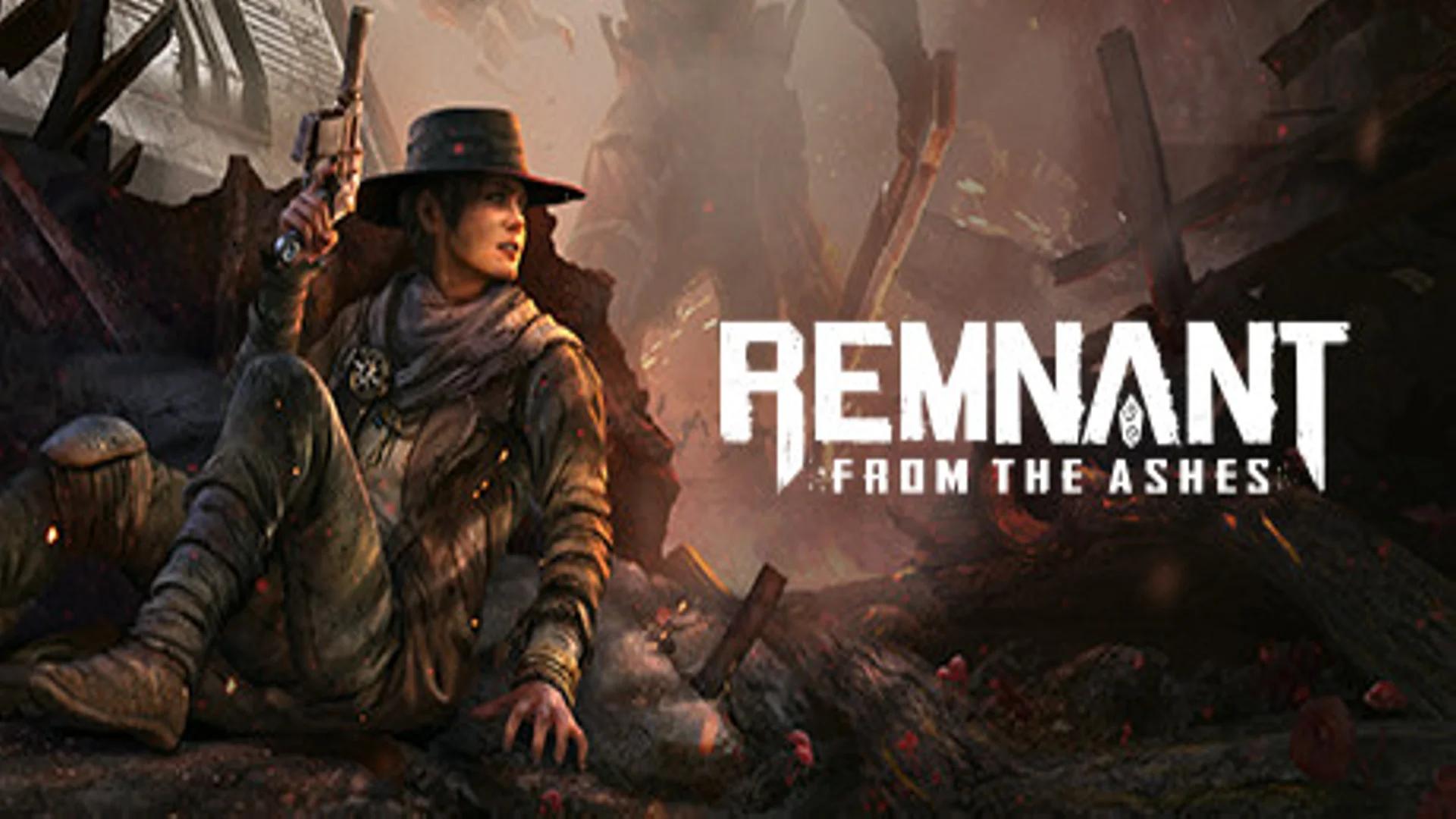
Remnant: From the Ashes
Remnant: From the Ashes is a third-person survival action game where players create characters to suit their playstyle and set out alone or alongside a team of up to three other players to explore and
On This Page
Why We Recommend This Game
Remnant: From the Ashes occupies a unique niche: it's a Souls-like that trades melee combat for gunplay, wrapping punishing boss fights and deliberate combat pacing in a loot-driven shooter framework. The result is a game that feels immediately accessible to anyone comfortable with third-person shooters, yet demands the same patience, pattern recognition, and build optimization that defines FromSoftware's formula. The core loop revolves around exploring procedurally-generated zones, harvesting crafting materials, and tackling challenging boss encounters that gate your progress. Combat sits somewhere between methodical and reactive—you'll dodge-roll through attacks, manage stamina, and learn enemy patterns, but you're doing it while landing headshots and managing ammunition rather than timing sword swings. This shooter foundation makes the difficulty curve less punishing than pure Souls games for newcomers, though veteran players will still find genuine challenge, especially solo. What sets Remnant apart is its commitment to replayability through procedural generation. Each campaign playthrough shuffles boss encounters, side dungeons, and loot drops, meaning your friend's playthrough might feature entirely different challenges and rewards. This randomization extends to gear acquisition—specific weapons and mods are tied to particular bosses or secret encounters, encouraging multiple runs and experimentation. The trait system lets you invest in permanent stat upgrades, creating meaningful build diversity between tank, DPS, and support roles. Sessions are naturally chunky—expect 60-90 minute play windows to meaningfully progress through a zone and tackle a boss. The game autosaves generously at checkpoints, but boss fights themselves demand full commitment. Co-op fundamentally changes the experience: three-player teams can specialize roles, revive downed allies, and tackle content that feels nearly impossible solo. The difficulty scales with player count, but coordinated teams have a clear advantage. The learning curve front-loads weapon feel and dodge timing, then gradually introduces mod management, trait allocation, and build synergies. Expect the first 3-5 hours to feel punishing as you learn enemy behaviors and find gear that clicks with your playstyle. Once you've assembled a coherent build and internalized the combat rhythm, the game opens up significantly. Endgame involves hunting specific gear across rerolled campaigns and tackling higher difficulty tiers that remix enemy placements and behaviors.
Best For
- Souls-like fans who want to try the formula with shooter mechanics instead of melee combat
- Co-op groups seeking challenging boss fights that reward coordination and role specialization
- Players who enjoy build crafting and hunting specific loot across multiple playthroughs
Not For
- Those seeking a story-driven experience—the narrative is functional but minimal
- Players frustrated by procedural generation that can create unbalanced difficulty spikes
- Anyone wanting quick drop-in sessions—meaningful progress requires sustained play windows
Multiplayer & Game Modes
3 online • Partial Crossplay
Remnant: From the Ashes has partial crossplay support, supports up to 3 players online, features co-op campaign mode.
Features
Play Modes
Single Player • Multiplayer • Co-op • Online Multiplayer • LAN Multiplayer
Player Count
- 0
- Online
- 1-3
- LAN
- 1-3
- Team Sizes
- Co-op (up to 3 players)
Additional Details
Online co-op supports up to 3 players total (host + 2). No couch co-op/split-screen. Sessions are joinable in-progress (drop-in/out). PC version supports LAN play. Cross-play is partial: supported between Steam and Epic Games Store on PC; not full cross-play across all console/PC platforms. Console online play requires platform subscription (PlayStation Plus on PlayStation; Xbox Game Pass Core/Gold on Xbox).
Edition and Platform Information
Important details about which version to buy and where to play.
Which Edition to Buy
The Complete Edition includes all three DLC packs (Swamps of Corsus, Subject 2923, Survival Mode) which add new biomes, bosses, game modes, and gear. Base game offers 20-30 hours of content; Complete Edition can extend that to 50+ hours for completionists.
Platform Recommendations
Switch availability is uncertain and may be cloud-only or region-restricted. Verify platform compatibility before purchase, as the Complete Edition's status on Switch is unclear. PC and console versions offer stable performance.
Screenshots
Click any screenshot to view in full size
Games Similar to Remnant: From the Ashes
If you enjoyed Remnant: From the Ashes, you'll love these similar games. We've handpicked titles based on gameplay style, difficulty, atmosphere, and what players like you are enjoying. Whether you're looking for something with a similar vibe, more challenge, or the same multiplayer features, these recommendations have you covered.
Great for Co-op
4Cooperative multiplayer games that emphasize teamwork and shared objectives, building on the social aspects of Remnant: From the Ashes.
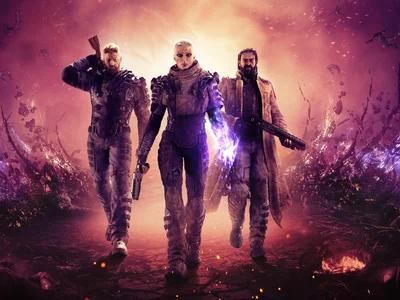
A mission-based, loot-forward third-person shooter built around 3-player co-op synergy, aggressive abilities, and constant gear upgrades like Remnant’s loop.
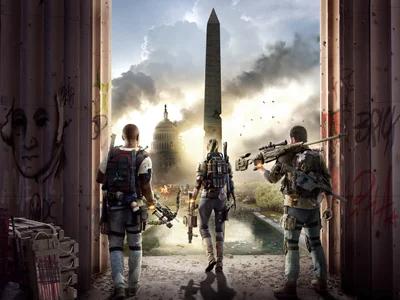
Cover-shooter combat plus buildy loot and endgame co-op activities; group composition and gear sets make teamwork matter beyond just shooting well.
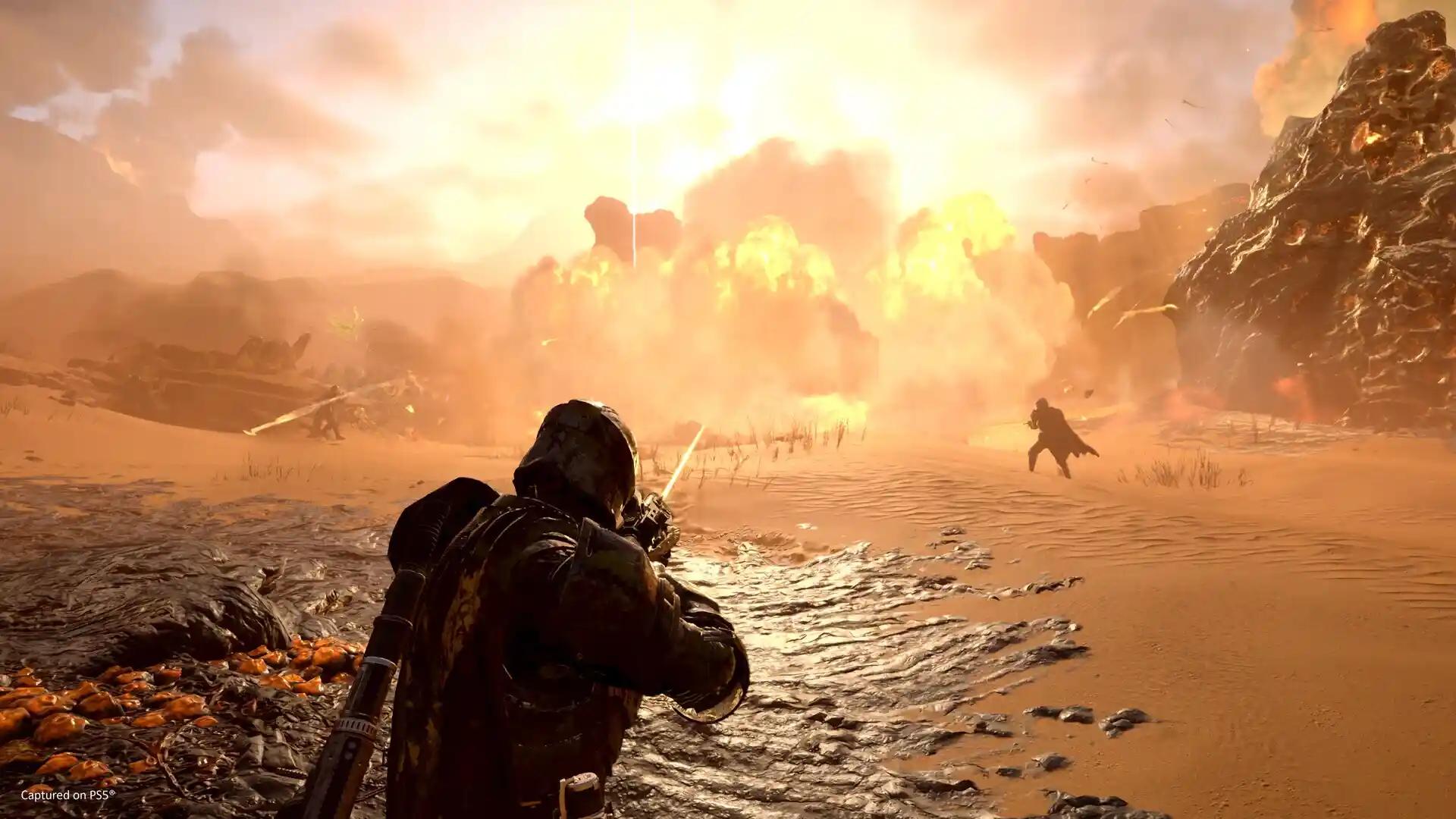
Four-player PvE with demanding teamwork, friendly-fire chaos, and objective pushes that feel like Remnant firefights—just with bigger squads and shared tactics.
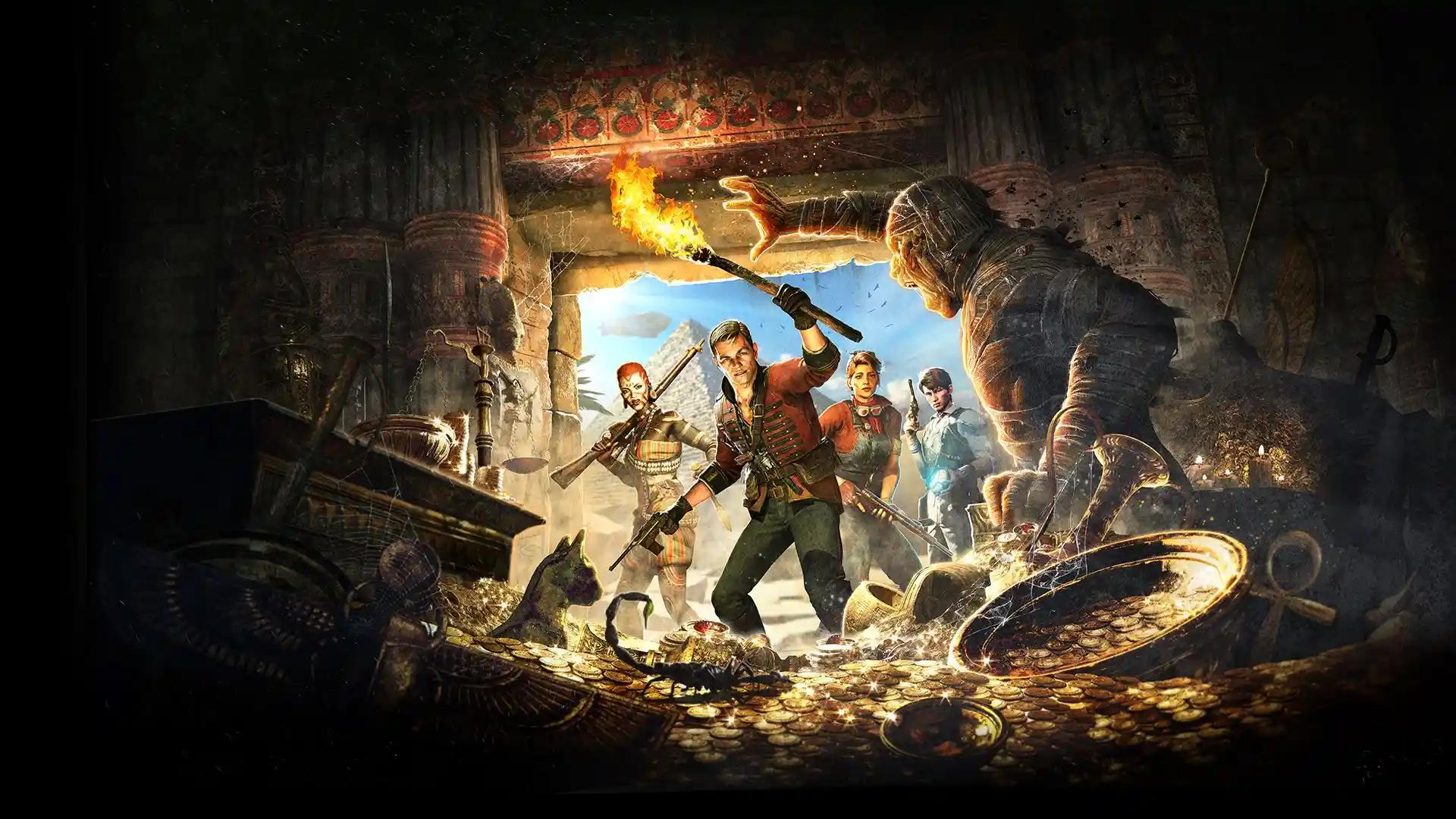
Drop-in co-op campaign with clear roles, chunky gunplay, and swarms of enemies; it scratches the “run dungeons with friends” itch with lighter friction.
Deeper Systems & Mastery
3Games with deeper mechanical complexity than Remnant: From the Ashes, rewarding players who enjoy mastering intricate systems and advanced strategies.
Deep weapon move-sets, crafting loops, and co-op hunts reward long-term mastery; build choices and preparation feel like the ultimate progression sandbox.
A massive PvE looter with frames, mods, and endless build optimization; mastery comes from experimenting with synergies and chasing precise upgrade paths.
If you want maximum buildcraft, this ARPG’s passive tree and itemization are a rabbit hole; planning and optimization become the main “boss fight.”
More Challenging
3For players who mastered Remnant: From the Ashes and want to test their skills against harder difficulty, punishing mechanics, and unforgiving gameplay.
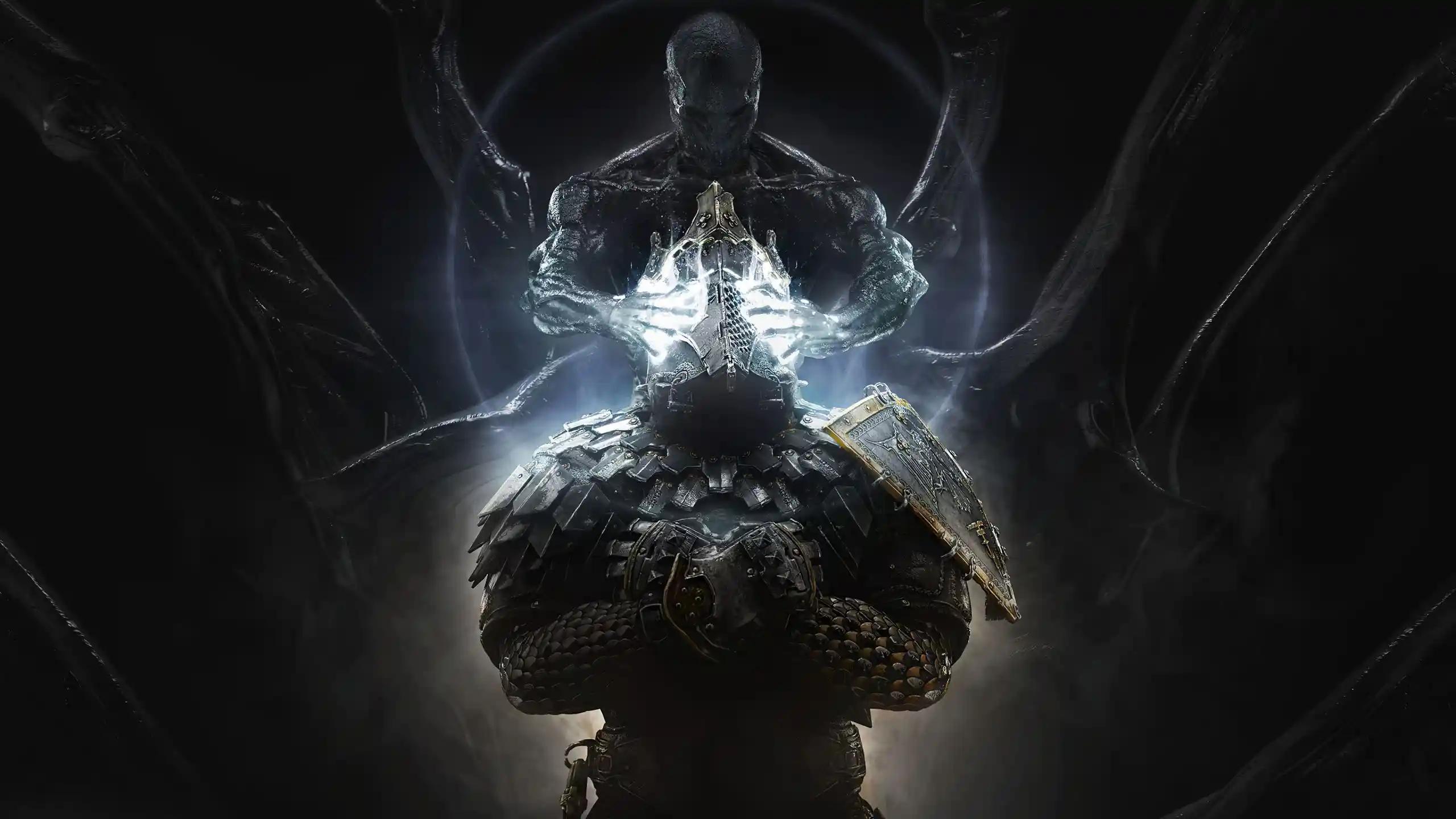
A brutal action-RPG with relentless bosses, tight stamina management, and punishing mistakes—ideal if Remnant’s difficulty felt like a warm-up.
A grim soulslike with tough encounters, risky traversal, and boss-heavy progression; it leans into relentless pressure and dark fantasy grit.
Soulslike pacing with deliberate strikes, punishing enemy patterns, and minimal handholding—great if you want harsher combat fundamentals and tension.
Similar Vibe, Bigger Scope
2Expansive alternatives to Remnant: From the Ashes featuring larger worlds, deeper progression systems, and extended campaigns for players seeking more content.
Souls DNA scaled into a huge open world: boss-driven progression, tense exploration, and build variety—similar atmosphere, vastly more places to get lost.
Shared-world shooting with raids, dungeons, and constant loot chase; it expands the co-op “fight, upgrade, repeat” loop into a long-term endgame grind.
Frequently Asked Questions
Common questions about this game answered by our team.
How hard is it compared to Dark Souls?
Moderately easier solo due to ranged combat giving you more control over engagements, but boss fights still demand pattern recognition and precise execution. Co-op makes it significantly more forgiving with revives and aggro management.
How long does a full playthrough take?
First campaign runs 12-18 hours depending on exploration thoroughness. Subsequent runs for gear hunting take 6-10 hours since you'll skip optional content. Completionists chasing all items will invest 40-60+ hours.
Is it good solo or do I need co-op partners?
Fully playable solo with adjusted difficulty scaling, though some boss encounters feel deliberately tuned for team play. Solo is more methodical and demands stronger build optimization. Co-op is more forgiving and social but less strategic.
Does procedural generation mean it's a roguelike?
No—it's a campaign with procedurally-arranged content, not a roguelike. You keep all gear and progress on death, respawning at checkpoints. Procedural generation affects which bosses/events appear and where, not run structure.
Can I respec my character?
Trait points can be reallocated freely once you find the respec item a few hours in. Gear and weapons are swappable anytime, encouraging experimentation. Your starting archetype choice has minimal long-term impact.