


Games Genie
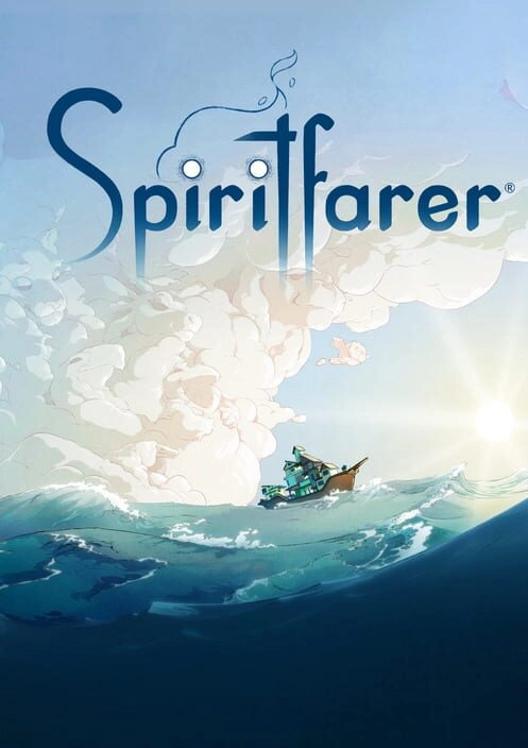
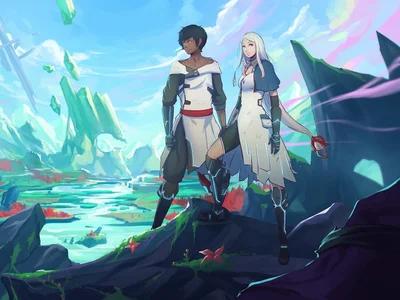
Spiritfarer cover art

Spiritfarer

Best if you want a gentle management game where progress feels like tending a garden—calming resource loops, light platforming, and deeply emotional character moments that stick with you long after the credits roll.

Released
August 18, 2020
Metacritic
84
View reviews
Genre
ADVENTURE
User Rating
4.1

Why We Recommend This Game

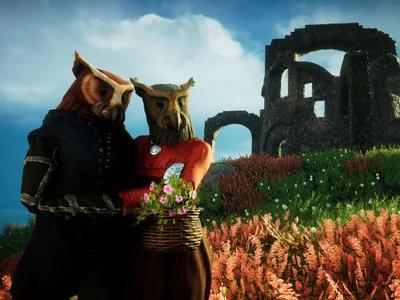
Spiritfarer wraps resource management, crafting, and base-building into a gameplay loop that feels soothing rather than stressful. You'll spend your time sailing a customizable boat across hand-drawn seas, harvesting materials, cooking meals, weaving fabric, and building new structures—all at a pace that invites you to breathe. The management systems are accessible enough for newcomers but layered with enough variety (farming, fishing, mining, cooking, weaving) to keep veterans engaged across 30+ hours. What sets it apart is how it interweaves light platforming exploration with its management core. You'll glide and jump through islands to gather resources, and these sequences feel fluid and satisfying without demanding precision. The boat itself becomes a puzzle: you'll configure and reconfigure rooms, balancing guest needs with production chains, and watching your floating home grow from a simple raft into a sprawling vessel is genuinely rewarding. Co-op elevates the experience for the right pairs. Player two joins as Daffodil the cat, handling any task—gathering, crafting, platforming—while player one focuses on navigation and relationships. It's ideal for couples or duos where one partner wants to lead while the other enjoys supporting, creating a gentle collaborative rhythm. The assist role is real and helpful, not tacked on, though it's asymmetrical by design. Sessions naturally break every 30–60 minutes around milestones—completing a guest request, finishing a building, reaching a new island—so it respects your time without punishing short play windows. There are no fail states or time pressure; you set the pace. The difficulty curve is flat by design: light platforming, forgiving resource availability, and minimal challenge outside optional collectibles. This makes it welcoming but might feel underbaked for players craving mechanical depth or resource scarcity. The emotional weight is the real hook. Spiritfarer treats themes of mortality, grief, and care with rare sincerity, and those moments land because you've spent hours building routines with each passenger. It's not sad for sad's sake—it's reflective, often warm, and earns its tears. If you're open to games that prioritize feeling over challenge, this is one of the most graceful examples on Switch.

Best For

  • Players seeking emotional, character-driven experiences with light mechanical demands
  • Couples wanting a shared narrative journey with asymmetrical but meaningful co-op
  • Fans of cozy management sims who value atmosphere and routine over challenge

Not For

  • Players expecting tight difficulty curves, fail states, or resource scarcity pressure
  • Co-op groups wanting symmetrical roles or competitive mechanics
  • Those uncomfortable with themes of death, grief, and saying goodbye

Multiplayer & Game Modes

2 local

Spiritfarer does not support crossplay, supports up to 2 players locally, features co-op campaign mode.

Features

Crossplay(No Crossplay)
Local Multiplayer
Co-op Campaign

Play Modes

Single PlayerMultiplayerCo-opLocal Couch Co-opShared Screen

Player Count

Local
1-2

Additional Details

Spiritfarer supports an optional 2-player local co-op mode where the second player controls Daffodil the cat on the same screen. There is no online or LAN multiplayer, no split-screen, and no hotseat mode. Co-op applies to the full main campaign, but joining and leaving is done from the main menu rather than seamless drop-in/out mid-session. No cross-play exists as there is no networked multiplayer.

Edition and Platform Information

Important details about which version to buy and where to play.

Platform Recommendations

Switch performance is smooth, and the art style scales beautifully to handheld mode. Clear UI and comfortable text size make it ideal for portable play, and local co-op works seamlessly on a single console.

Accessibility Features

Readable fonts, high-contrast UI, and relaxed timing windows make it approachable. No fail states reduce pressure, and the gentle pacing accommodates mixed skill levels. Button remapping is limited, but forgiving mechanics compensate.

Screenshots

Click any screenshot to view in full size

Frequently Asked Questions

Common questions about this game answered by our team.

How hard is Spiritfarer?

Very easy mechanically—light platforming, no fail states, and generous resource availability. The emotional themes carry more weight than any gameplay challenge, making it accessible to nearly all skill levels.

How long does it take to finish?

Main story runs 25–35 hours, with optional collectibles and completion pushing past 50. Sessions naturally chunk into 30–60 minute loops, so it's easy to pick up and put down without losing momentum.

Is co-op good for beginners?

Yes—player two can join or drop out anytime, handling any task without needing deep system knowledge. The asymmetrical design works well for mixed-skill pairs or one partner introducing the other to games.

Does it get repetitive?

Resource loops are intentionally meditative, so if you find routine calming, it's perfect. If you need constant novelty or challenge spikes, the gentle pacing may feel samey after 10–15 hours.

Can I play solo, or is co-op required?

Fully playable solo—co-op is optional and drop-in/drop-out. Solo feels complete; co-op adds a companion presence but doesn't change the core experience significantly.