
Survival co-op on PS5 covers a lot of ground. Some of these games will have your group laughing about a failed base defense at midnight. Others will have someone pulling up a crafting guide on their phone because the game refused to explain what sanity actually does. I have been through both ends of that spectrum, and the difference between a survival game that works for a regular group and one that slowly kills the session is usually not the survival systems themselves. It is whether the game trusts you to figure things out together.
How We Ranked These Games
The survival loop itself carried the most weight here. A game that calls itself survival but where hunger or crafting barely registers during actual play did not rank well regardless of how polished it looked. Co-op integration was the second major factor, covering whether playing with others meaningfully improves gathering, building, and staying alive, not just whether a multiplayer button exists. Progression and longevity mattered too, because the best survival games give a group something to work toward over multiple sessions. Accessibility and overall polish rounded things out, with the understanding that rougher edges are tolerable when the survival loop underneath them is genuinely strong.
The Top 10 Best PS5 Survival Co-Op Games
These ten earned their spots by making survival feel like a shared problem rather than a solo chore with extra players attached.
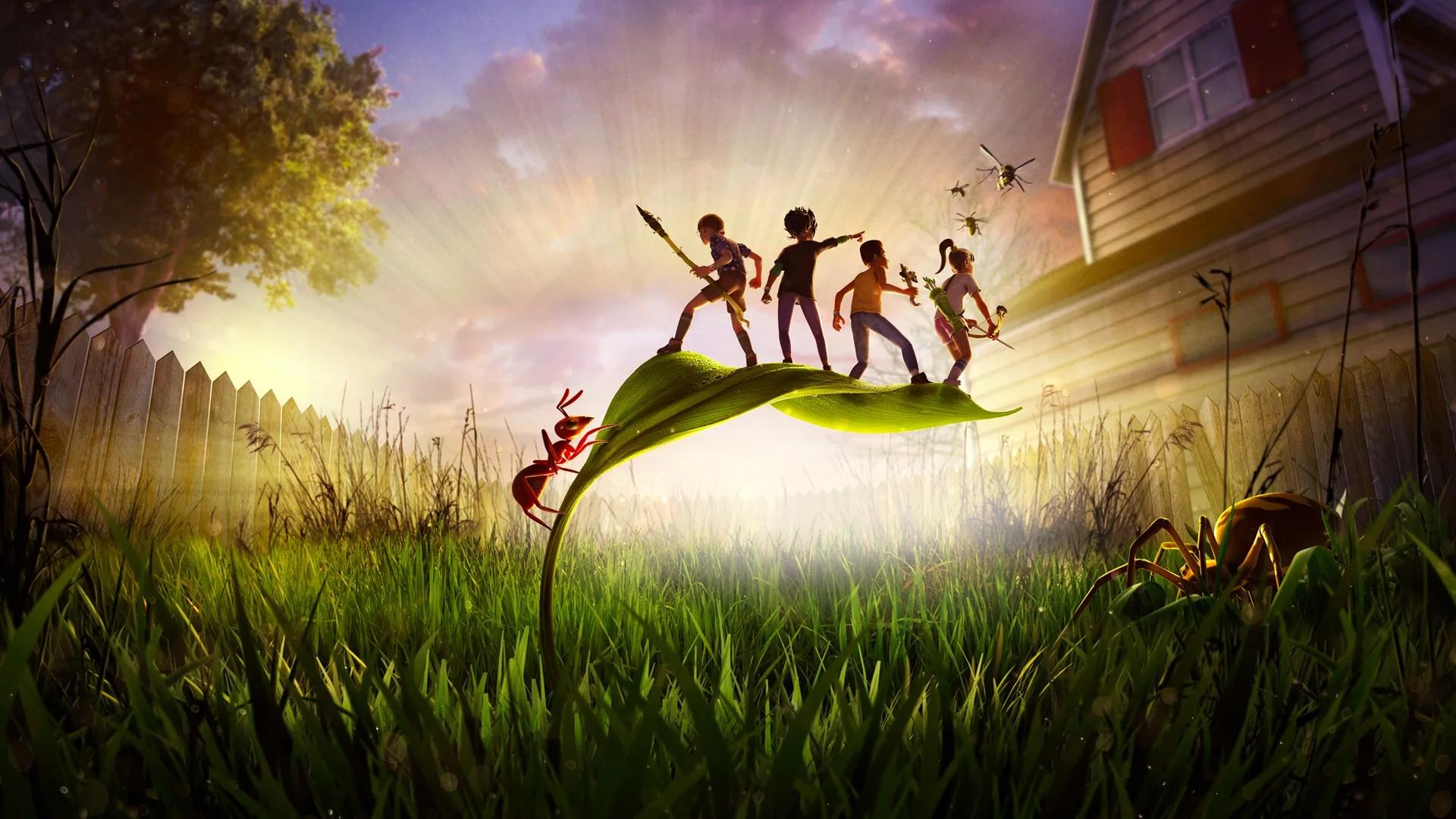
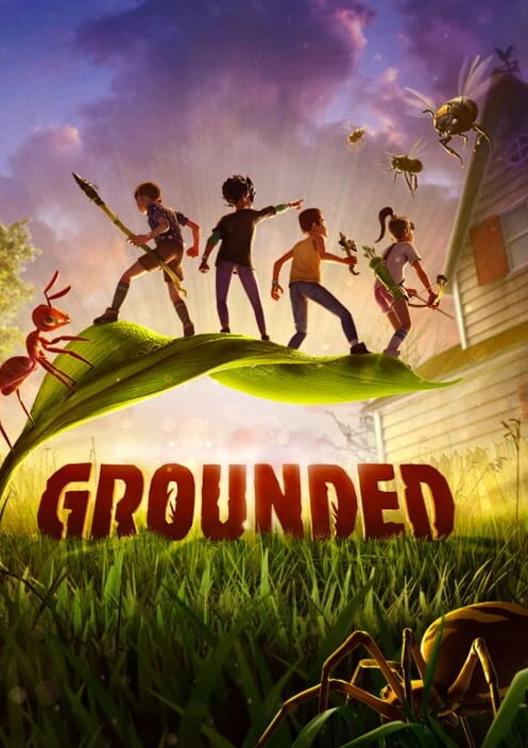
Grounded is the reason I keep recommending survival games to people who claim they do not like survival games. You are shrunk to the size of an ant, and suddenly your backyard is a genuinely hostile wilderness. The survival loop, hunger, thirst, gear progression, base building, stays approachable enough that a first session never stalls, but there is real depth underneath it when your group starts fortifying against raids. Four-player co-op here is not tacked on. Everyone has a role during a spider attack or a resource run, and the shared base means every session contributes to something permanent. Easily the first recommendation I would give any PS5 group starting out in this genre.
- Released
- 20222022
- Genre
- RPGRPG
- Platforms
- PC, PS4, PS5, Switch, Xbox One, Series X|SPC, PlayStation 4, PlayStation 5, Nintendo Switch, Xbox One, Xbox Series X/S
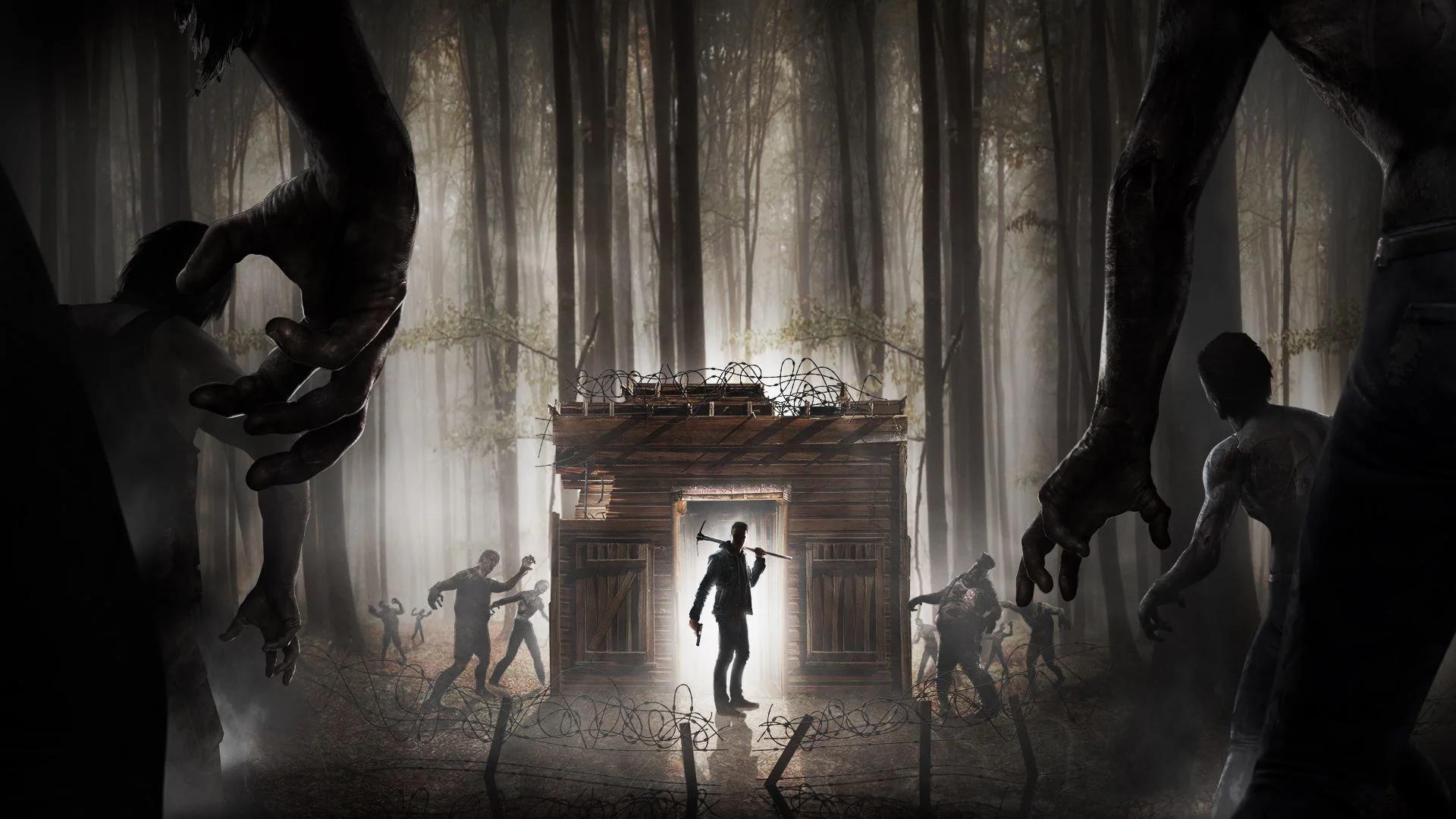
Every seven days, a horde comes. That one design decision shapes everything else in the game, and in co-op it turns a survival sandbox into something closer to a heist with a countdown. I played Left 4 Dead 2 for years with a regular group, and the rhythm of building toward a pressure moment before the chaos hits is familiar territory. 7 Days scratches that same nerve, except the preparation phase is a full week of scavenging, fortifying, and arguing about where to put the spike pits. The survival loop is genuinely demanding and the co-op improves every stage of it. Rougher around the edges than Grounded, but the horde night experience is hard to match.
- Released
- 20242024
- Genre
- ShooterShooter
- Platforms
- Linux, macOS, PC, PS4, PS5, Xbox One, Series X|SLinux, macOS, PC, PlayStation 4, PlayStation 5, Xbox One, Xbox Series X/S
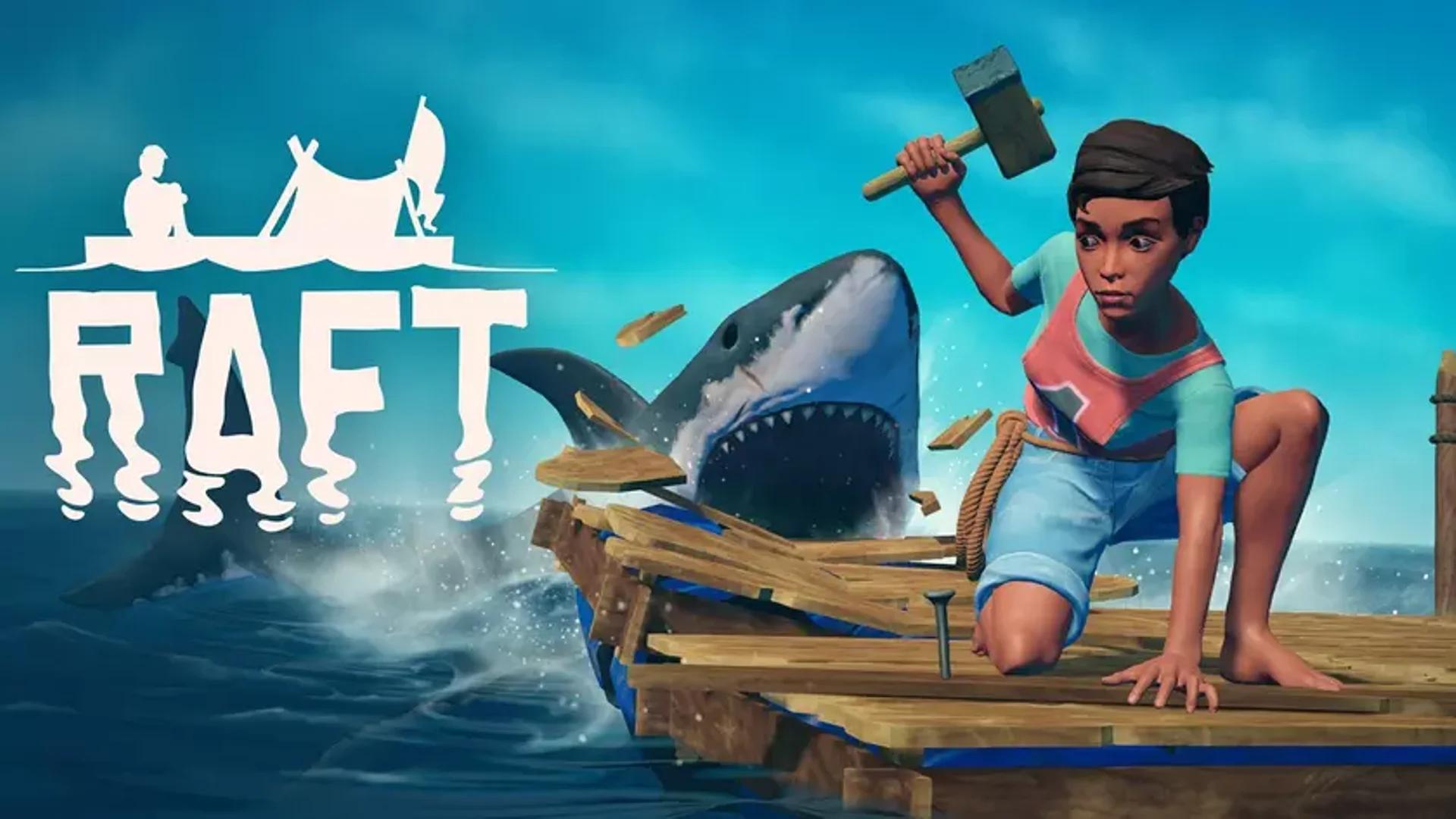
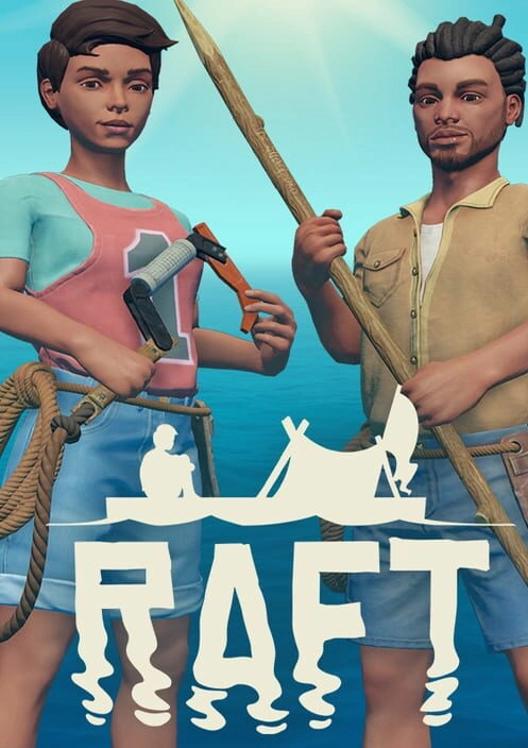
There is something about a game that starts with four people on a tiny raft in the middle of an ocean, staring at a shark circling below, that immediately creates shared purpose. Raft gets that moment right, and it stays right. Water and food management keep the pressure steady while the raft itself grows from a few planks into something you are genuinely proud of after a few sessions. The shark does not stop being a problem either, which I appreciated. For groups who want survival without the brutal punishment curves of the harder picks on this list, Raft sits in the right spot. Eight players is the cap, which makes it one of the few options here that scales to a larger group without falling apart.
- Released
- 20222022
- Genre
- SimulationSimulation
- Platforms
- PC, PS5, Series X|SPC, PlayStation 5, Xbox Series X/S
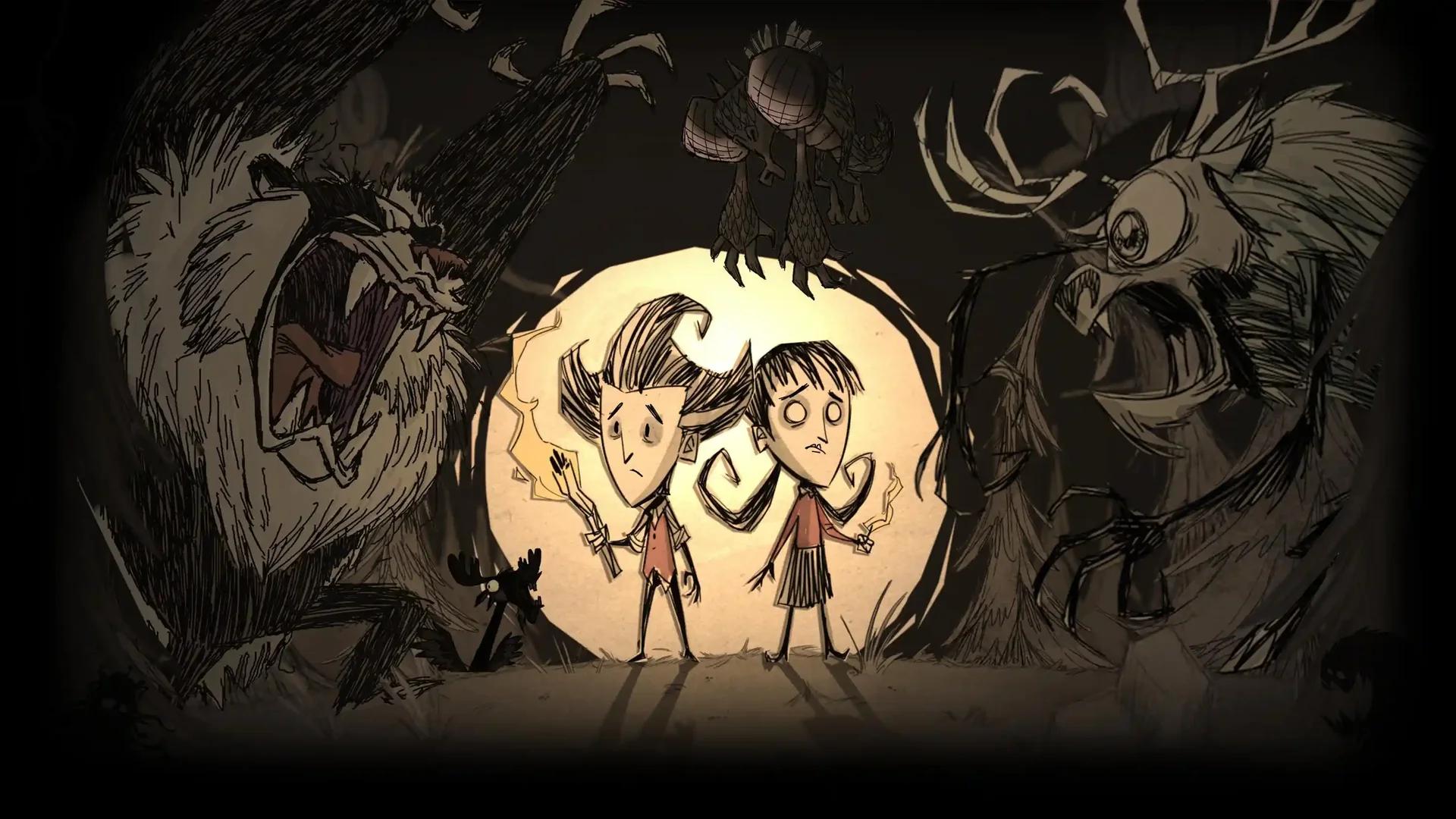
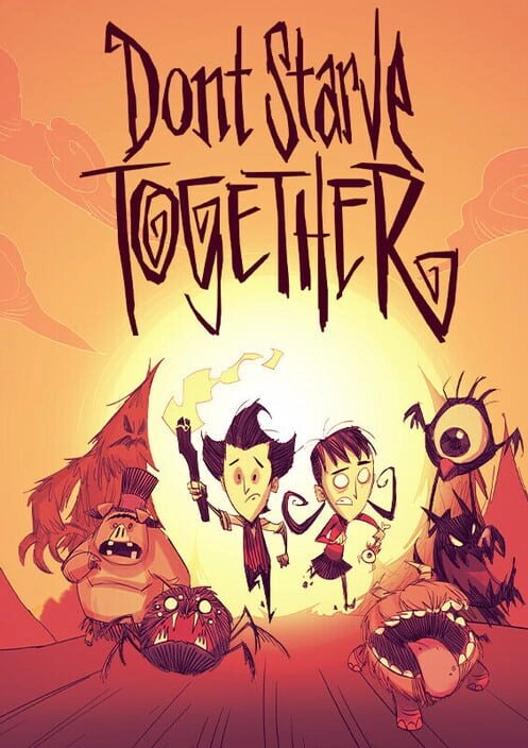
Don't Starve Together does not explain itself and it does not want to. Your first run ends in winter because nobody built a thermal stone. Your second run ends faster for a different reason. By the third or fourth attempt, your group starts talking through the season cycle, dividing up roles, and treating each death as a data point rather than a failure. I like games that force actual communication rather than just recommending it, and DST earns that through genuine consequence. The accessibility score is low for a reason. New players will struggle. But if your group has patience for a real learning curve, what comes out the other side is one of the most satisfying survival co-op experiences on PlayStation.
- Released
- 20162016
- Genre
- SimulationSimulation
- Platforms
- Android, iOS, Linux, macOS, PC, SwitchAndroid, iOS, Linux, macOS, PC, Nintendo Switch
Enshrouded leans RPG more than the other games on this list, and that is both its appeal and the honest reason it sits at five rather than higher. The survival and crafting systems are real, but what pulls you forward between sessions is more likely the gear upgrade you are chasing or the next story dungeon than the pressure of keeping your character alive. I find that a compelling trade-off rather than a flaw. The building tools are some of the best in the genre, the world is genuinely worth exploring, and a group with a persistent shared base can sink serious hours into this without the loop wearing thin. Just go in knowing this is survival-adjacent territory, not the brutal end of the spectrum.
- Released
- 20162016
- Genre
- ShooterShooter
- Platforms
- macOS, PC, PS4, PS5, Switch 2, Xbox One, Series X|SmacOS, PC, PlayStation 4, PlayStation 5, Nintendo Switch 2, Xbox One, Xbox Series X/S
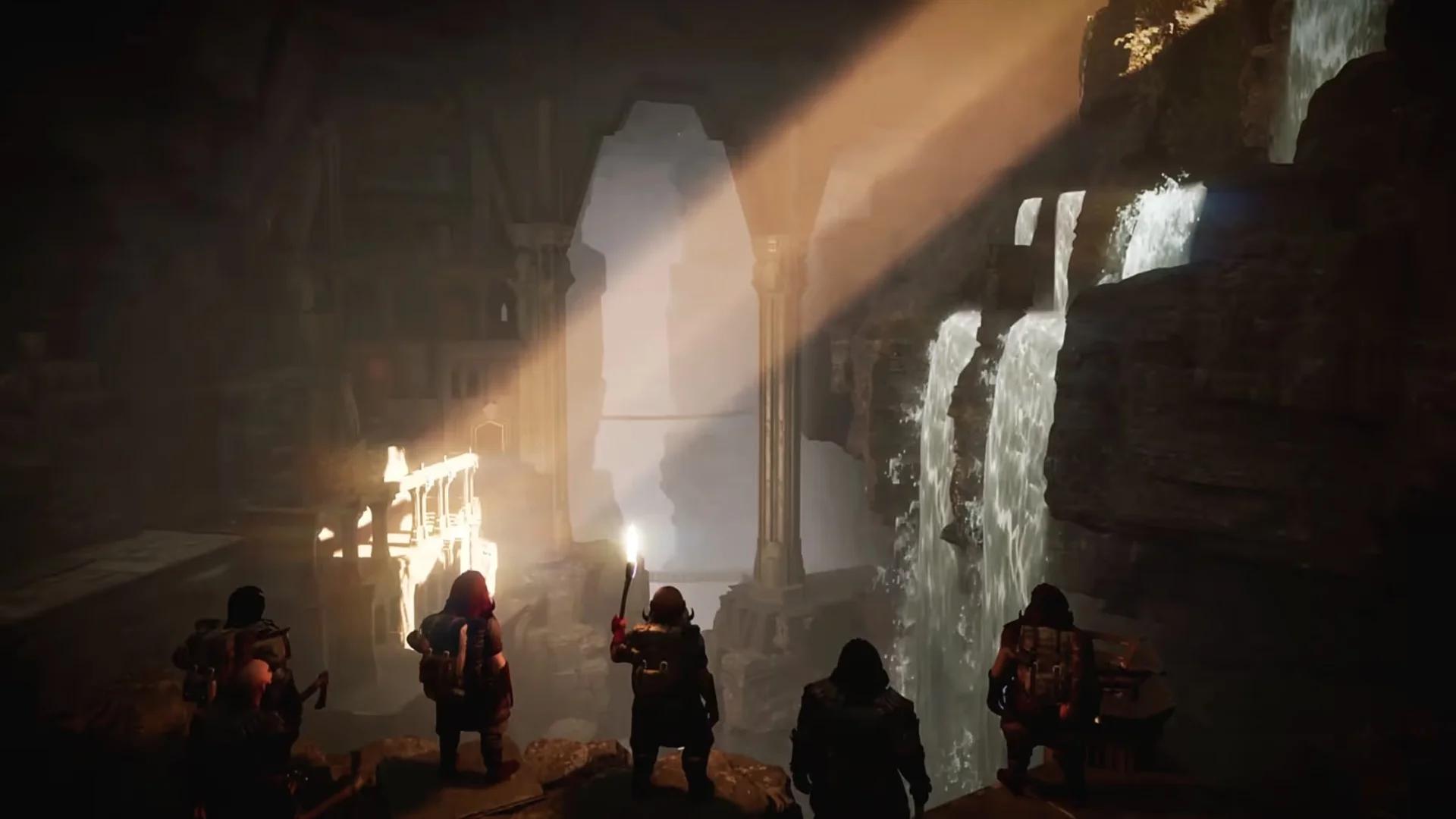
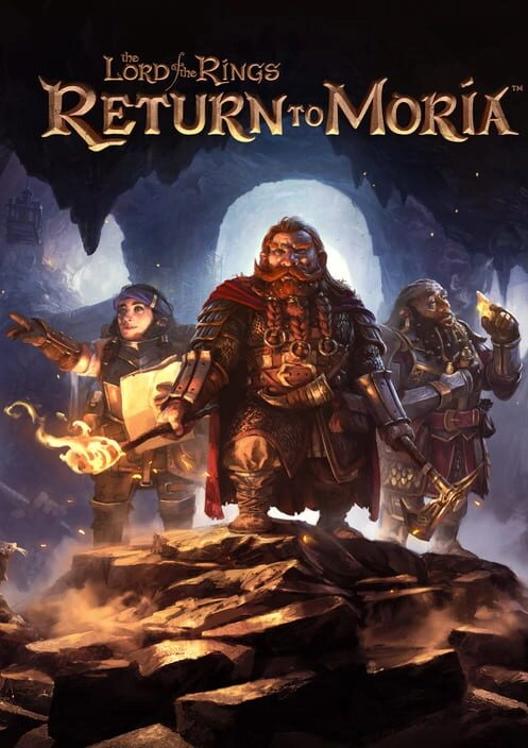
Return to Moria surprised me. I went in expecting a relatively thin Lord of the Rings tie-in and found a genuinely competent survival crafter built around the specific pressure of being underground in the dark with limited supplies. Food, sleep, temperature, and noise management all feed into the expedition structure in ways that feel considered rather than checklist-driven. The fantasy setting is the draw for anyone who grew up with Tolkien, but the survival loop holds up independently of the license. Up to eight players in a hosted persistent world is generous, and the co-op encourages the kind of natural role division, fighters out front, builders back at camp, that makes these sessions memorable. The polish is not quite top-tier, but for fantasy survival on PS5 this is the clearest recommendation.
- Released
- 20232023
- Genre
- RPGRPG
- Platforms
- PC, PS5, Series X|SPC, PlayStation 5, Xbox Series X/S
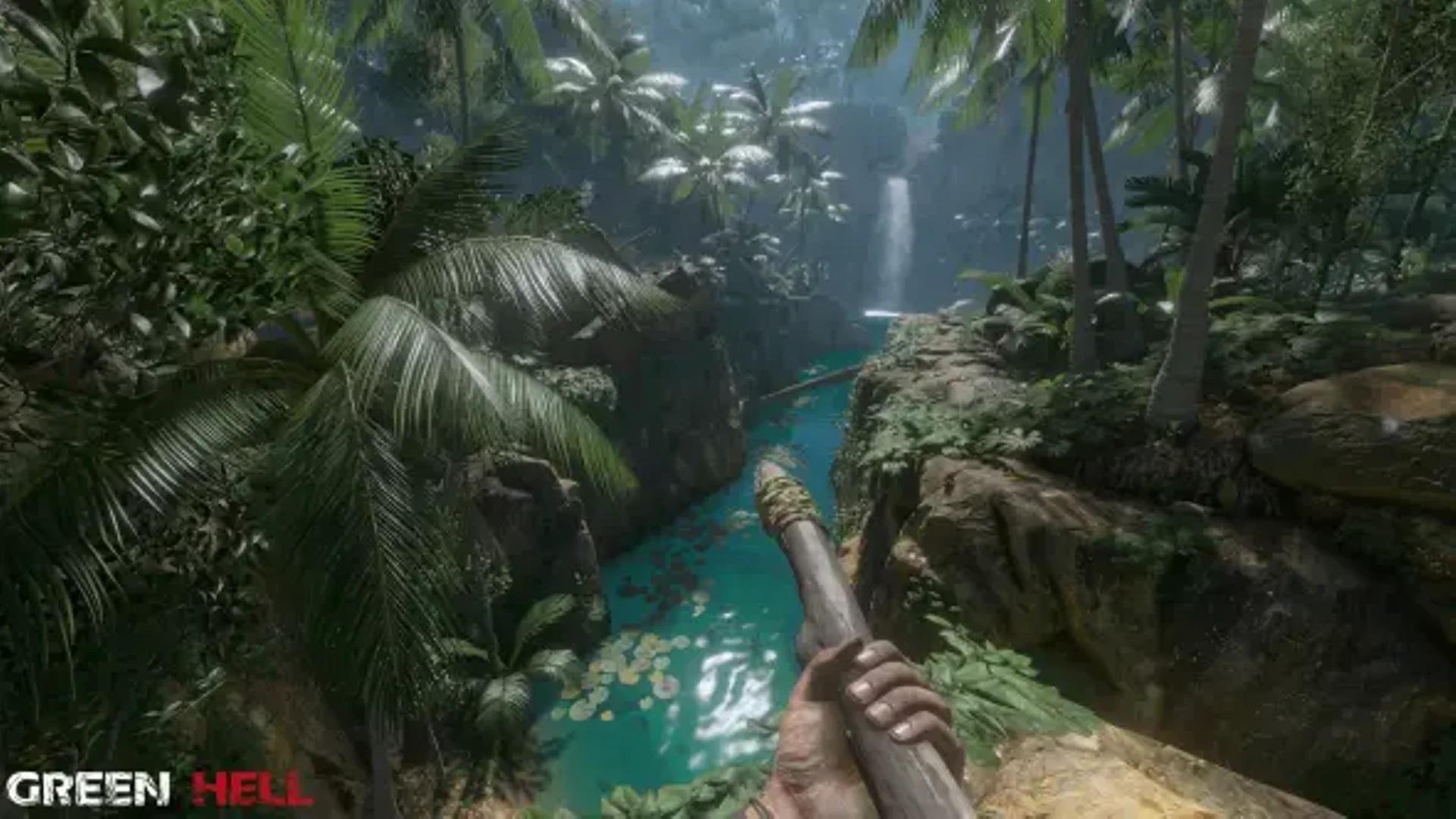
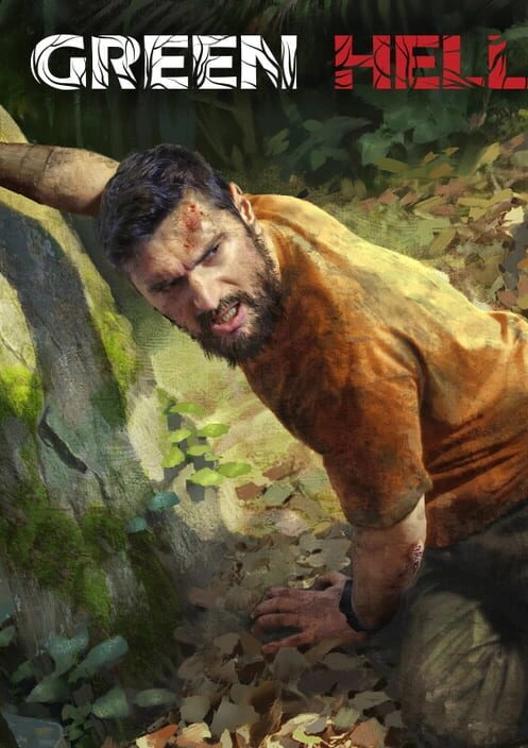
Green Hell is not for everyone and it knows it. You will get a parasite before you fully understand the nutrition system. You will try to treat a wound with the wrong leaf and make it worse. The jungle does not care about your session schedule. I have a decent tolerance for survival punishment after years of Don't Starve and similar games, but even I found Green Hell demanding in ways that made me genuinely respect the co-op design. Having a second player who can manage your injuries while you focus on camp setup is not just convenient, it is functionally necessary on harder difficulties. The survival loop scores near the top of this list for a reason. If your group wants the real thing, this is it.
- Released
- 20192019
- Genre
- SimulationSimulation
- Platforms
- PC, PS4, PS5, Switch, Xbox One, Series X|SPC, PlayStation 4, PlayStation 5, Nintendo Switch, Xbox One, Xbox Series X/S
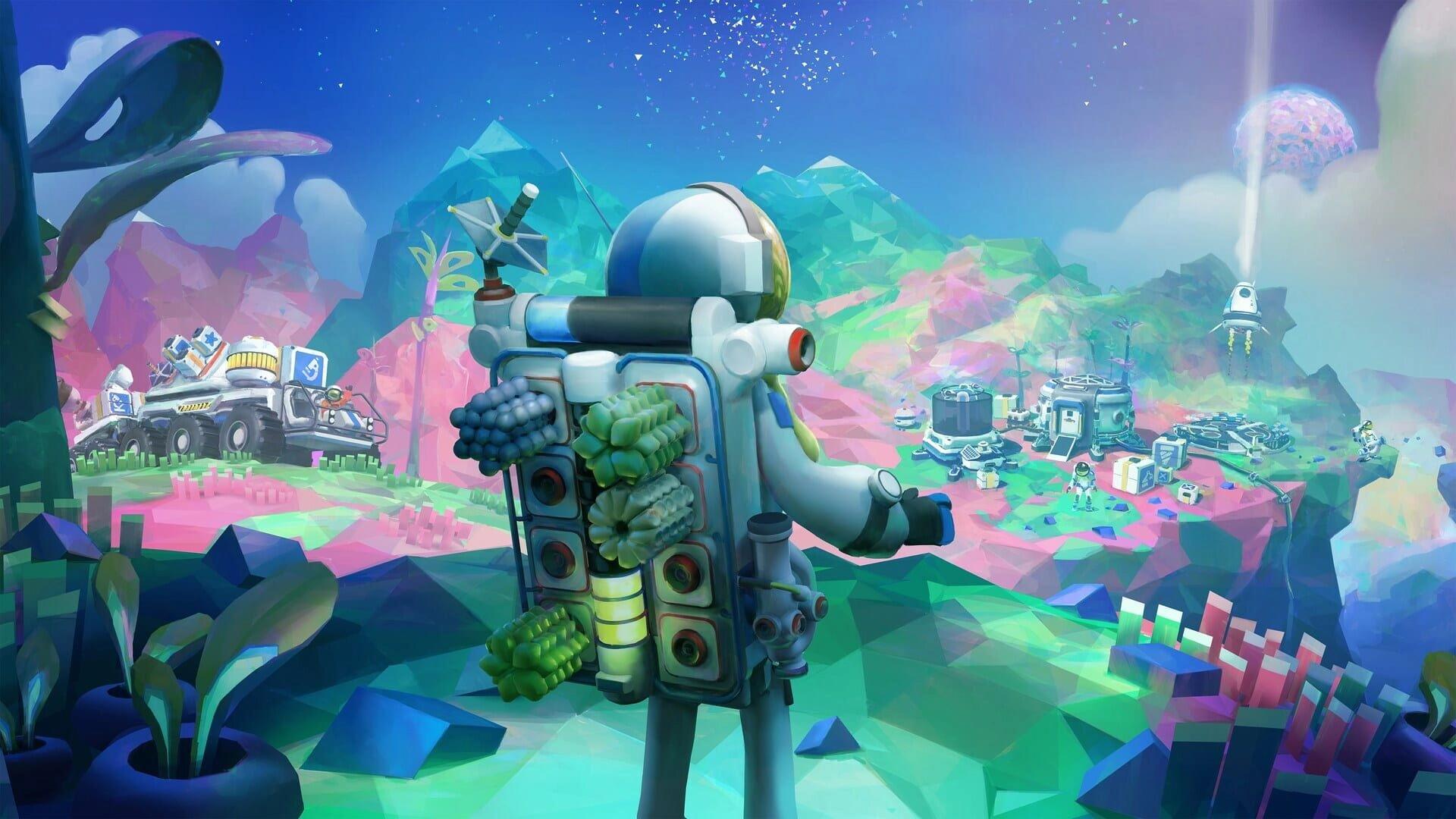
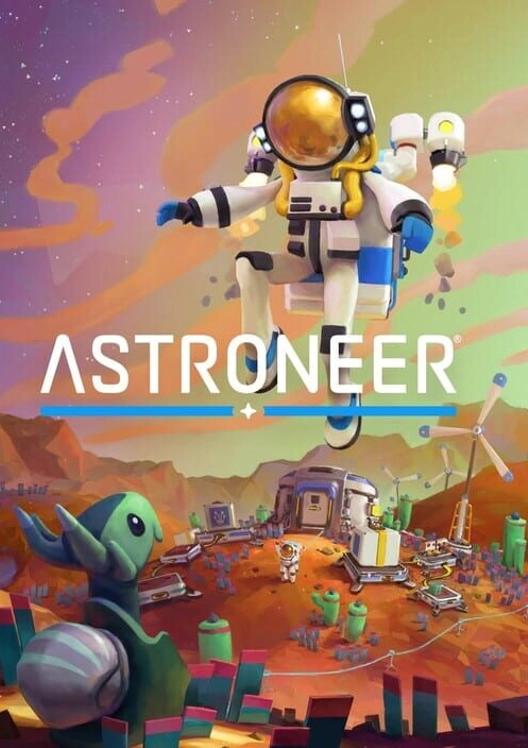
ASTRONEER is the game I would put in front of someone who liked the idea of Grounded but wanted something quieter. The survival pressure is lighter. Oxygen management is the real constraint, and while it creates some genuinely tense moments early on, the game has a warmth to it that the harder picks on this list deliberately avoid. I played a session with my wife once, watching over her shoulder, and she stayed engaged longer than most games manage. The crafting chains are satisfying without requiring a spreadsheet, and the base expansion has the same compulsive quality as good city builders. It runs on PS4 via backward compatibility on PS5, which is worth knowing, though performance holds up fine.
- Released
- 20192019
- Genre
- SimulationSimulation
- Platforms
- PC, PS4, PS5, Switch, Xbox OnePC, PlayStation 4, PlayStation 5, Nintendo Switch, Xbox One

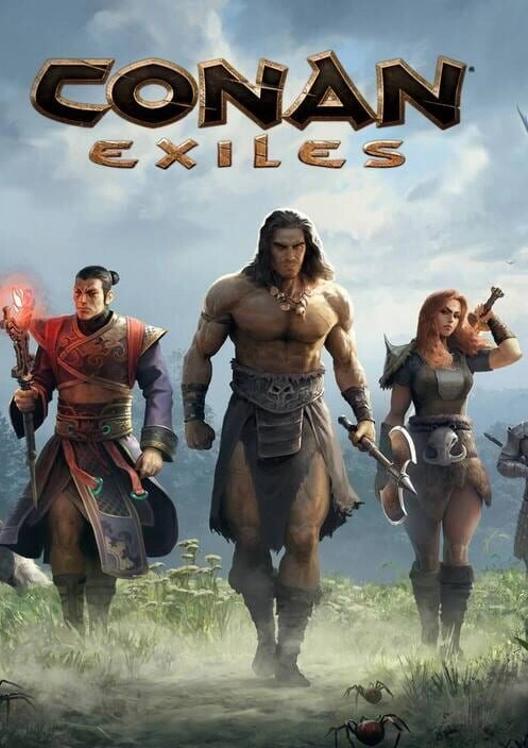
Conan Exiles has more survival depth than its reputation suggests. The harvesting, crafting, temperature management, and thrall systems add up to a genuinely substantial PvE sandbox, and a small group running a private server can carve out a compelling long-form experience. The reason it missed the top ten is a combination of age, rough onboarding, and the fact that its identity is tangled up with PvP server culture in ways that make it a harder sell for groups specifically searching survival co-op. Worth it if the scale appeals and your group is willing to invest the setup time.
- Released
- 20182018
- Genre
- FightingFighting
- Platforms
- PC, PS4, Xbox OnePC, PlayStation 4, Xbox One
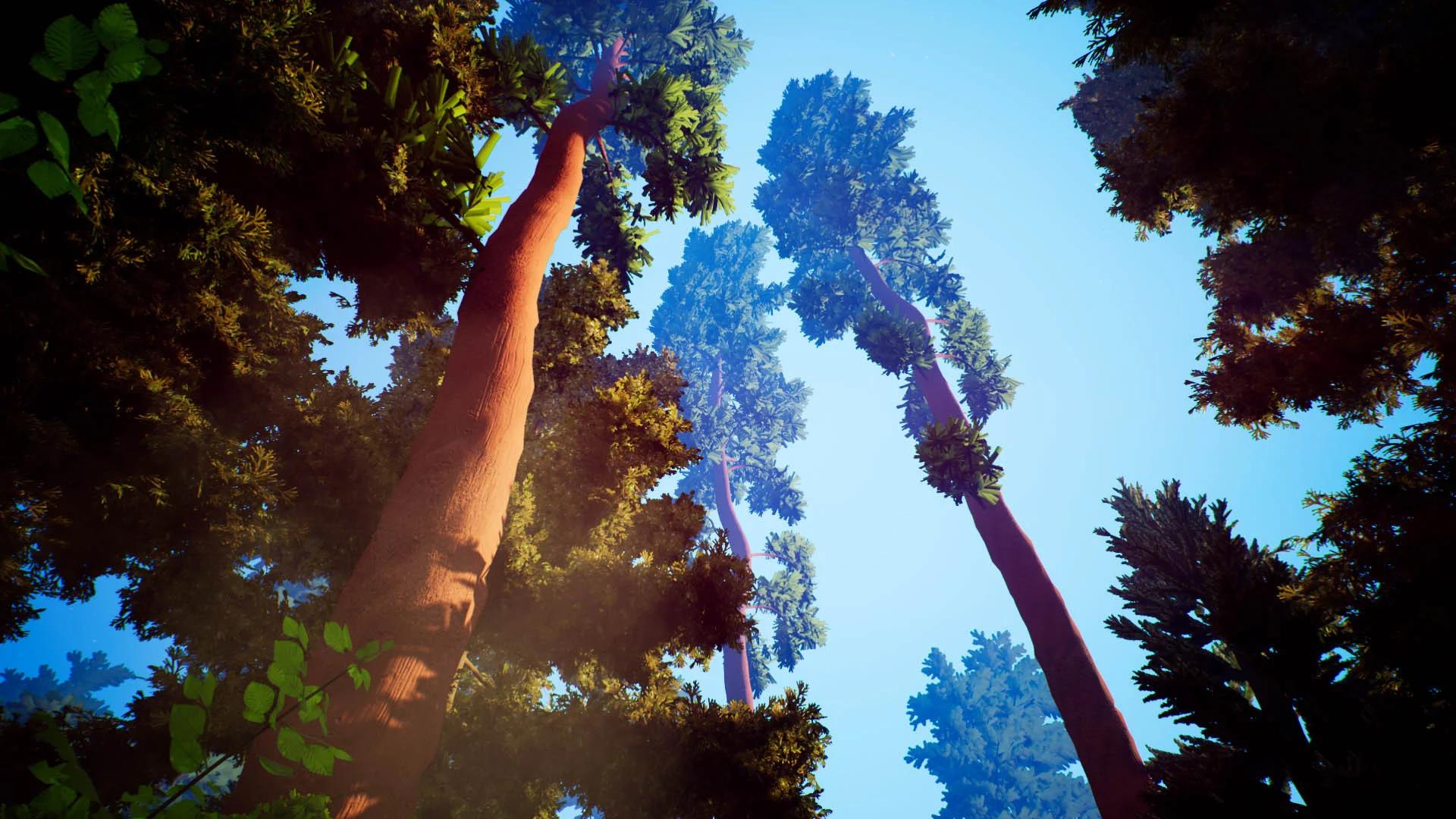
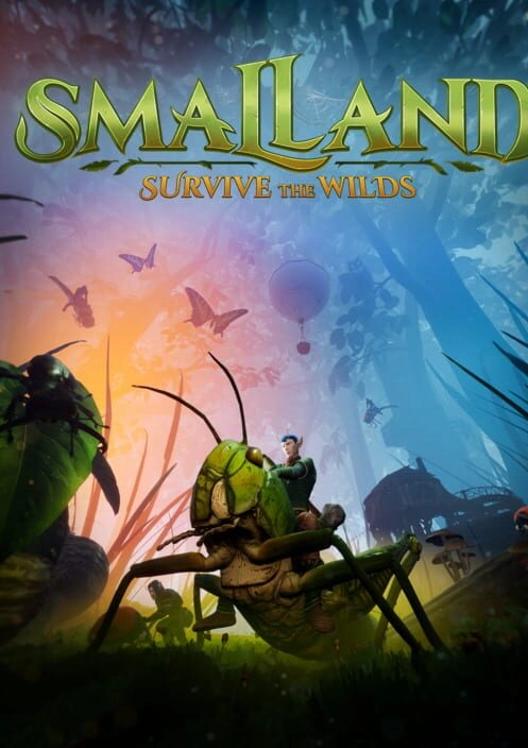
If your group played through Grounded and wants something in a similar vein without repeating the same world, Smalland is worth a look. The tiny-scale wilderness survival with mount taming, weather exposure, and base building covers familiar ground but puts its own mark on it. Up to ten players is unusually generous. The polish and long-term progression do not quite reach Grounded's level, which is why it sits in the honorable mentions rather than the main list, but for a newer PS5 sandbox that delivers a real survival loop, it is a legitimate option.
- Released
- 20242024
- Genre
- RPGRPG
- Platforms
- PC, PS5, Switch 2, Series X|SPC, PlayStation 5, Nintendo Switch 2, Xbox Series X/S
Honorable Mentions
These five missed the main list for specific reasons, but each one is worth a look depending on what your group is after.
Forever Skies is the most distinct premise in the whole field here. You and up to three friends maintain and pilot an airship above a ruined toxic Earth, scavenging ruins and managing disease alongside the usual survival systems. That vehicle-as-home structure creates a co-op dynamic you do not get elsewhere, everyone on board together with a shared stake in keeping the ship functional. It is not as expansive or as proven as the genre leaders, which is why it lands in the mentions rather than the list, but for groups that want something genuinely different from the standard wilderness sandbox, this is the one to try.
The Forest is older than most games on this list and it shows in places. The presentation has aged, some systems feel less refined than what came after it, and Sons of the Forest on PC has superseded it for players with that option. But Sons is not on PS5, and The Forest still is, which matters for this list. The survival loop works. Resource gathering, shelter building, food management, and the constant creeping hostility of the cannibal-infested island combine into something that genuinely unsettles a co-op group in ways most games on this list do not aim for. If your group wants that tension alongside the survival systems rather than instead of them, The Forest earns its spot here despite the years on it.
Medieval Dynasty sits at the slow end of the survival spectrum. The pressure here comes from seasonal cycles, managing food stores before winter, and gradually growing a settlement rather than fighting off waves of hostile enemies. The co-op integration is less tight than the top picks, sessions feel slightly more parallel than interdependent, but the long-form progression of watching a village grow from nothing over multiple sessions has its own appeal. I would only point groups here if they specifically want that builder-survival pace. As a pure survival recommendation it is too mild to compete with the main list.
Frequently Asked Questions
A few questions that come up often when people are trying to pick a survival co-op game for PS5.
Do these games require an active PlayStation Plus subscription for co-op?
Most online co-op on PS5 requires PlayStation Plus. A few titles support local co-op or have limited free online options, but if you are planning regular online sessions with friends, assume you will need an active PS Plus membership. Don't Starve Together supports local co-op as an exception worth noting.
Which game on this list is best for someone who has never played a survival game before?
Grounded or ASTRONEER. Both have approachable systems, clear feedback, and enough visual warmth that dying does not feel like a punishment designed by someone who hates you. Grounded in particular onboards new players well while still having enough depth to keep experienced players busy.
Which game has the most demanding survival systems for groups that want a real challenge?
Green Hell, without much competition. Nutrition tracking, injury treatment, parasite management, sanity pressure. It does not hold your hand and it does not apologize for that. Don't Starve Together is the runner-up if you want something equally unforgiving but with a different visual style and less simulation depth.
Can you play most of these games in shorter sessions or do they require long commitments?
It varies more than you might expect. Raft and Grounded work reasonably well in shorter bursts because you can always log back into a shared world and pick up where you left off. Green Hell and Don't Starve Together are harder to put down mid-session because the pressure does not pause while you do. Baldur's Gate 3 is the extreme case, but it is not on this list for a reason.
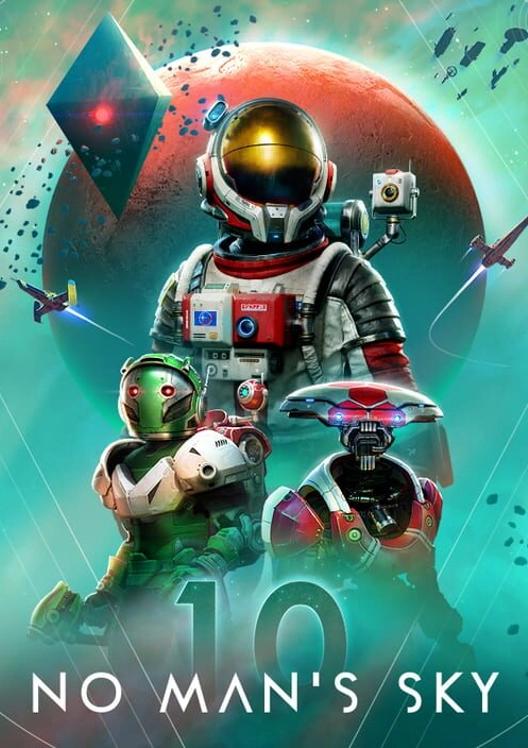
Is No Man's Sky still worth recommending as a survival game in 2026?
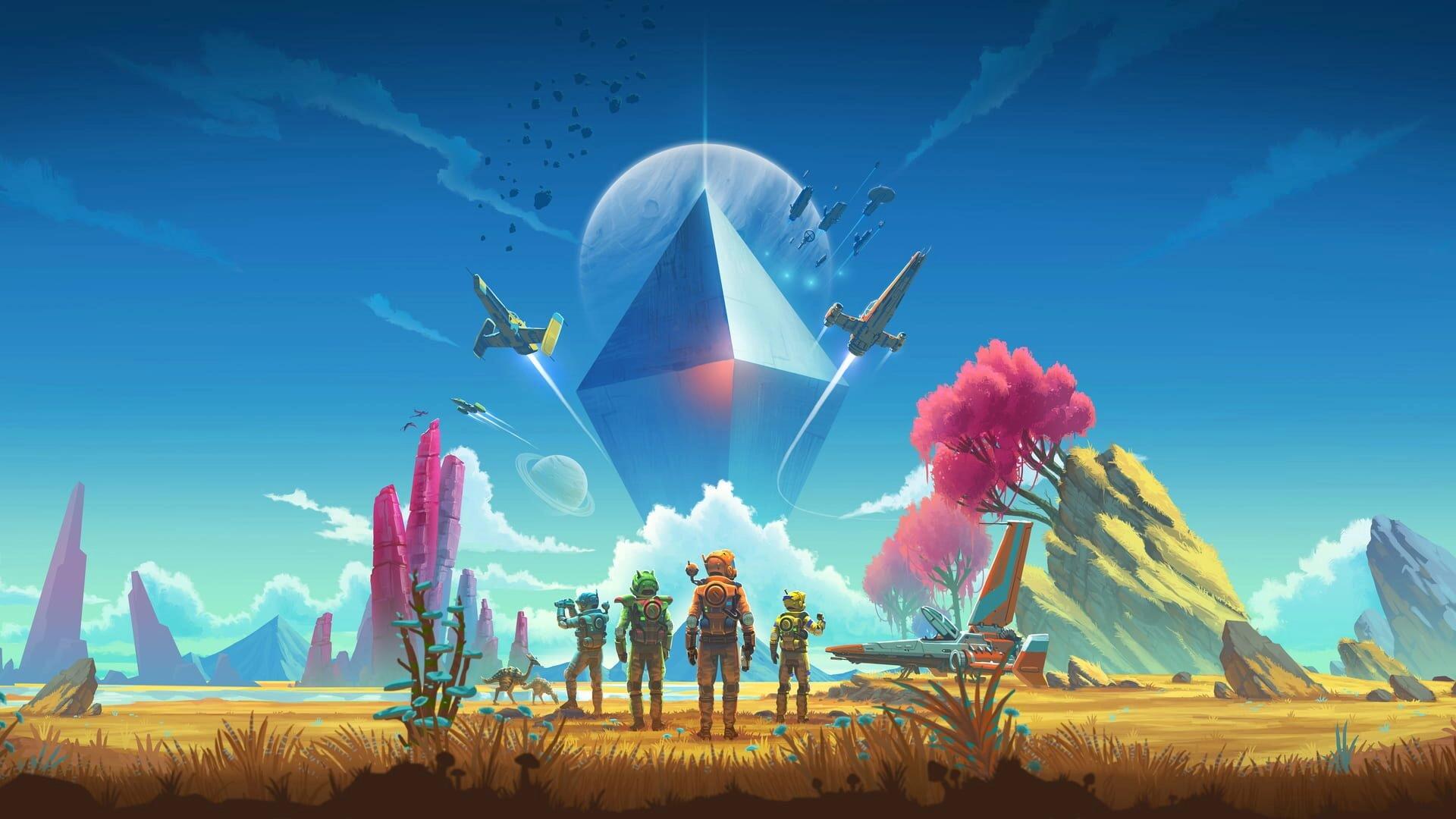
Yes, with an honest caveat. The survival systems are real, especially early on when hazard management and resource pressure actually matter, but by midgame you have upgraded your suit enough that survival becomes background noise. If your group wants exploration and building with survival framing rather than constant pressure, it is one of the best-polished options on PS5. If you want the survival loop to stay demanding all the way through, look elsewhere.
Conclusion
The range on this list is intentional. Grounded and ASTRONEER are there for groups easing into survival. Green Hell and Don't Starve Together are there for groups who want the world to actively resist them. Most people land somewhere in the middle, which is where Raft, Enshrouded, and No Man's Sky live. Pick based on how hard you want things to be, not on which game has the highest score. Ready for more tailored picks? Try our Recommendations Engine for suggestions that match your play style.