
The Switch library has a reputation problem. People think of it as a party console, something you pass around at family gatherings or pull out for Mario Kart. That reputation is not entirely wrong, but it misses what the platform is actually best at: giving a solo player an excuse to disappear for fifty hours into a world they do not want to leave.
The games on this list were chosen specifically for that purpose. No party games, no co-op headliners. Just the best experiences the Switch has to offer when it is you, a pair of Joy-Cons, and some time to yourself.
I ranked every pick on solo quality, overall game quality, Switch version strength, value for solo players, and how easy each game is to get into without external coordination. Solo quality carried the heaviest weight at 35 percent of the total score.
For a broader look at what Switch has to offer across all play styles, see our Best Nintendo Switch Co-Op Games in 2026 guide. This article focuses entirely on solo play.
Quick Picks
Best overall solo pick: Super Mario Odyssey
Best open-world adventure: The Legend of Zelda: Tears of the Kingdom
Best for short sessions: Hades
Best long-form RPG: Persona 5 Royal
Best atmospheric exploration: Metroid Prime Remastered
The Top 10 Best Single-Player Switch Games
These ten earned their spots by being excellent to play alone, not just excellent in general. The ranking reflects solo quality first, everything else second.
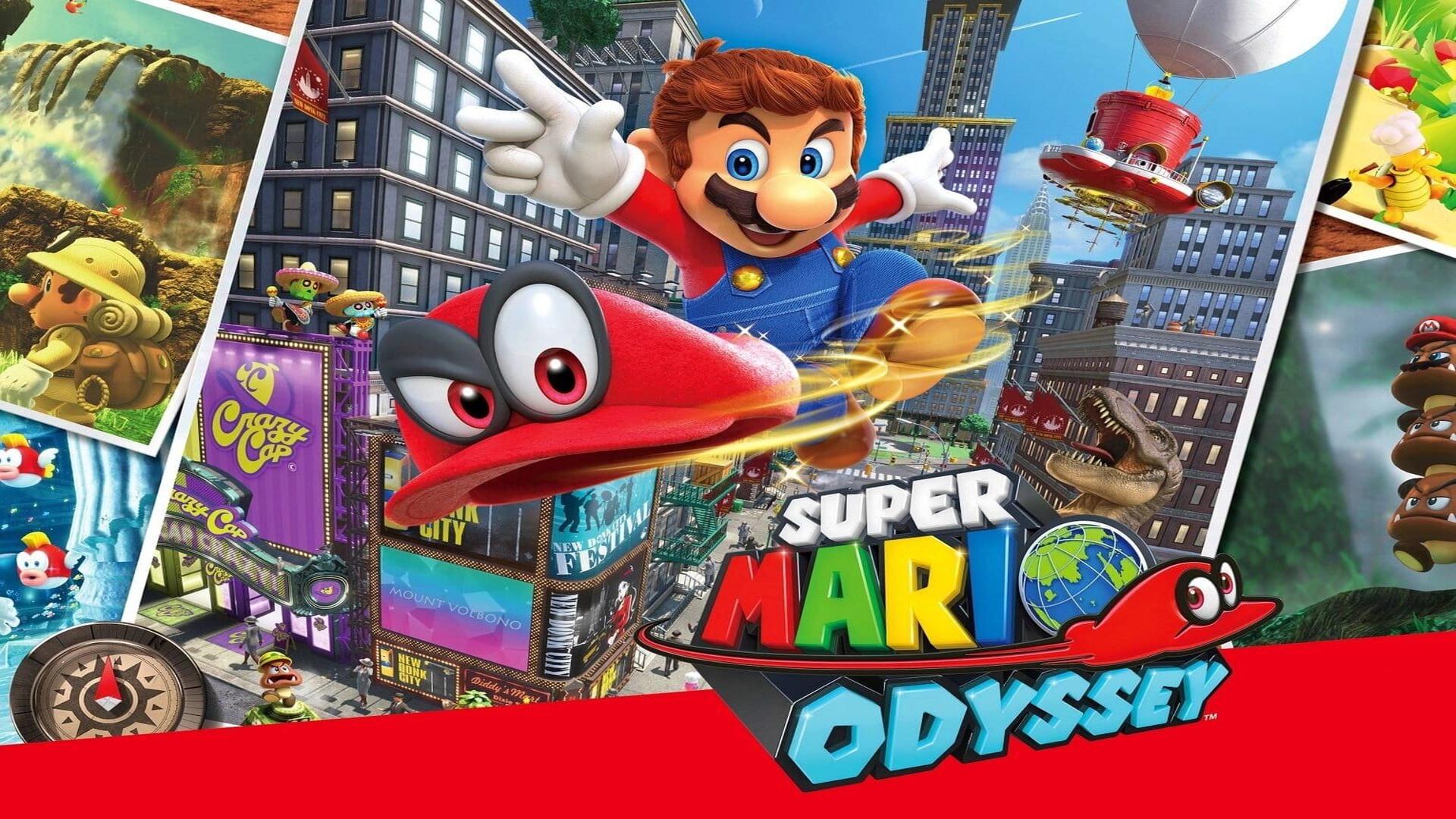
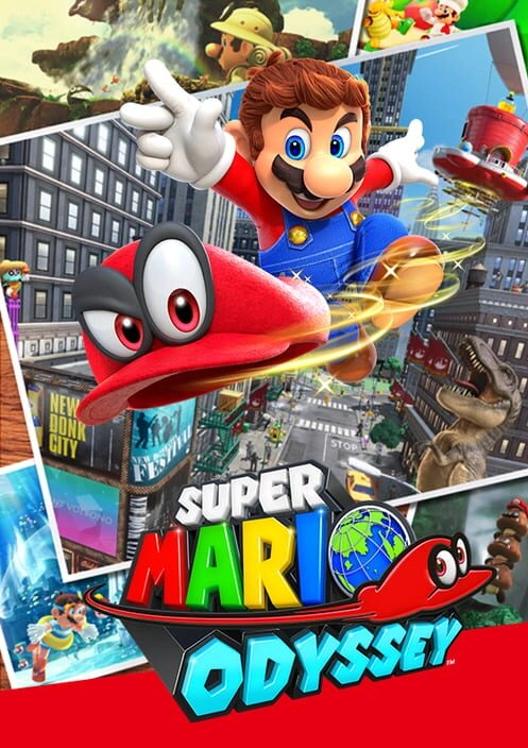
I have played a lot of open-world games that promise discovery and deliver checklist tourism. Odyssey is not that. Each kingdom is compact, dense, and full of moments that feel genuinely handcrafted rather than procedurally distributed. You find a Power Moon by noticing something slightly odd in the background and following the instinct. That loop stays satisfying for sixty hours. The post-game doubles down on it. On Switch it runs flawlessly, looks great in both handheld and docked, and has never given me a single technical reason to complain. No caveats. For anyone picking up a Switch and wanting one game to justify the purchase, this is the one.
- Released
- 20172017
- Genre
- PlatformerPlatformer
- Platforms
- Switch, Switch 2Nintendo Switch, Nintendo Switch 2
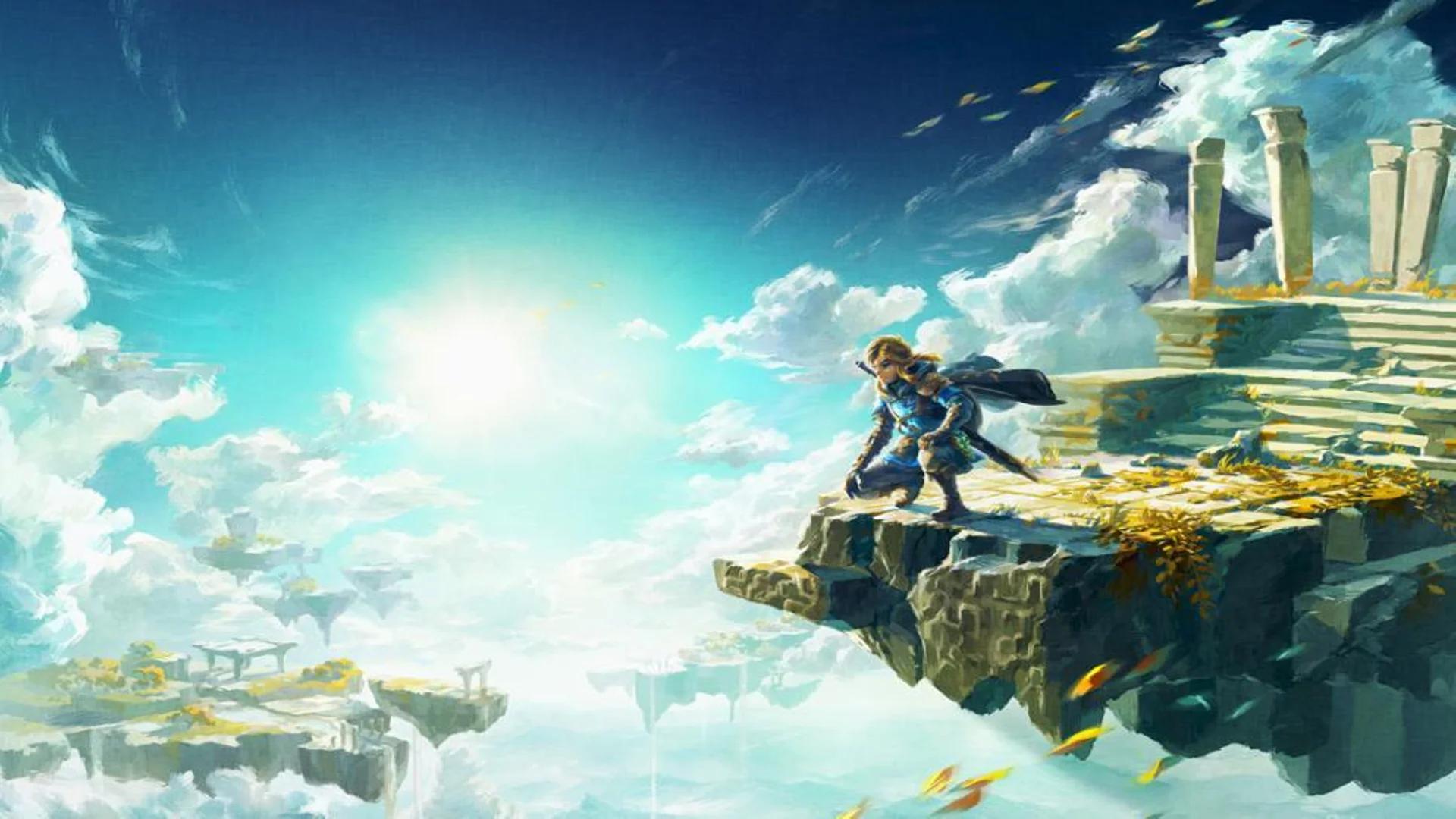
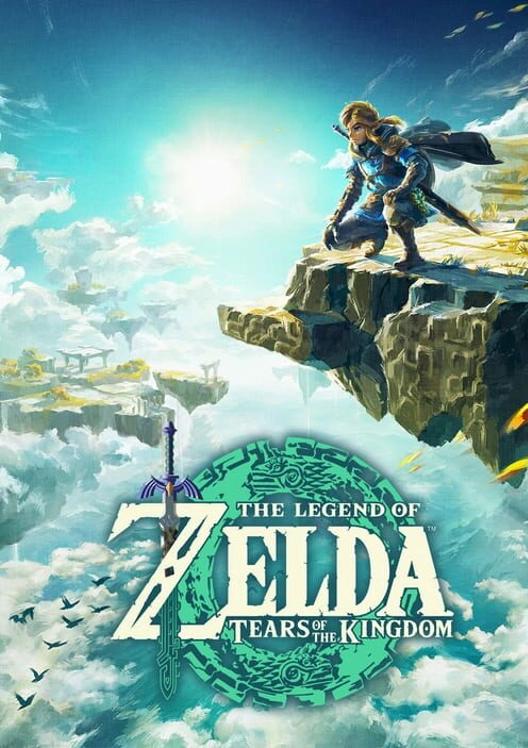
Tears of the Kingdom is the game I kept thinking about between sessions. Not because of where the story was going, but because I had built something embarrassing out of Zonai parts and was genuinely curious whether it would solve the next cave puzzle. The Ultrahand and Fuse systems reward people who like to think sideways, and the vertical world design means even returning to familiar ground from Breath of the Wild felt new. The Switch version does drop frames in dense areas, which is worth knowing. It is not game-breaking, but it is noticeable. Still the more ambitious and systems-rich of the two Zelda open worlds on this list, which is why it ranks above its predecessor despite that caveat.
- Released
- 20232023
- Genre
- PuzzlePuzzle
- Platforms
- SwitchNintendo Switch

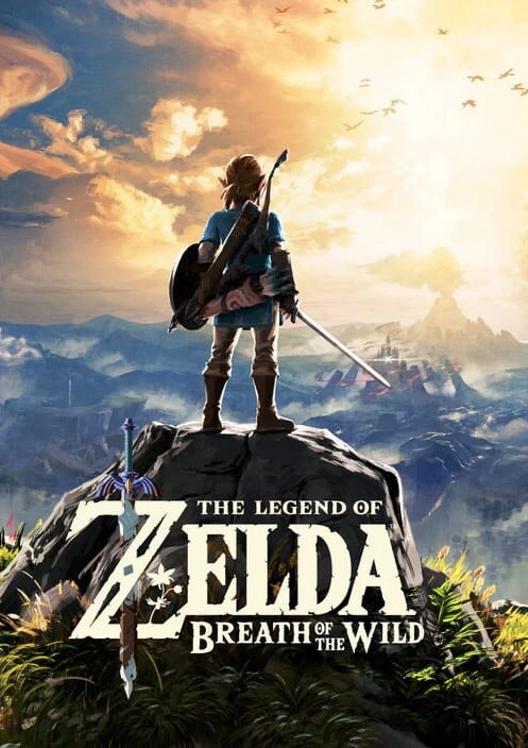
Both Zelda open worlds are on this list because they genuinely earn separate placement. Breath of the Wild got here on its own merits, not as a consolation pick. The difference from its sequel is feel. Breath of the Wild is quieter, more meditative, and the systems sit lighter. You can pick it up after a long day and just walk across a ridge for twenty minutes without feeling like you are missing a crafting opportunity. Ghost of Tsushima gave me a similar feeling, that particular satisfaction of a world worth moving through slowly. Breath of the Wild was doing that years earlier on Switch hardware that had no business making it look that good.
- Released
- 20172017
- Genre
- PuzzlePuzzle
- Platforms
- SwitchNintendo Switch
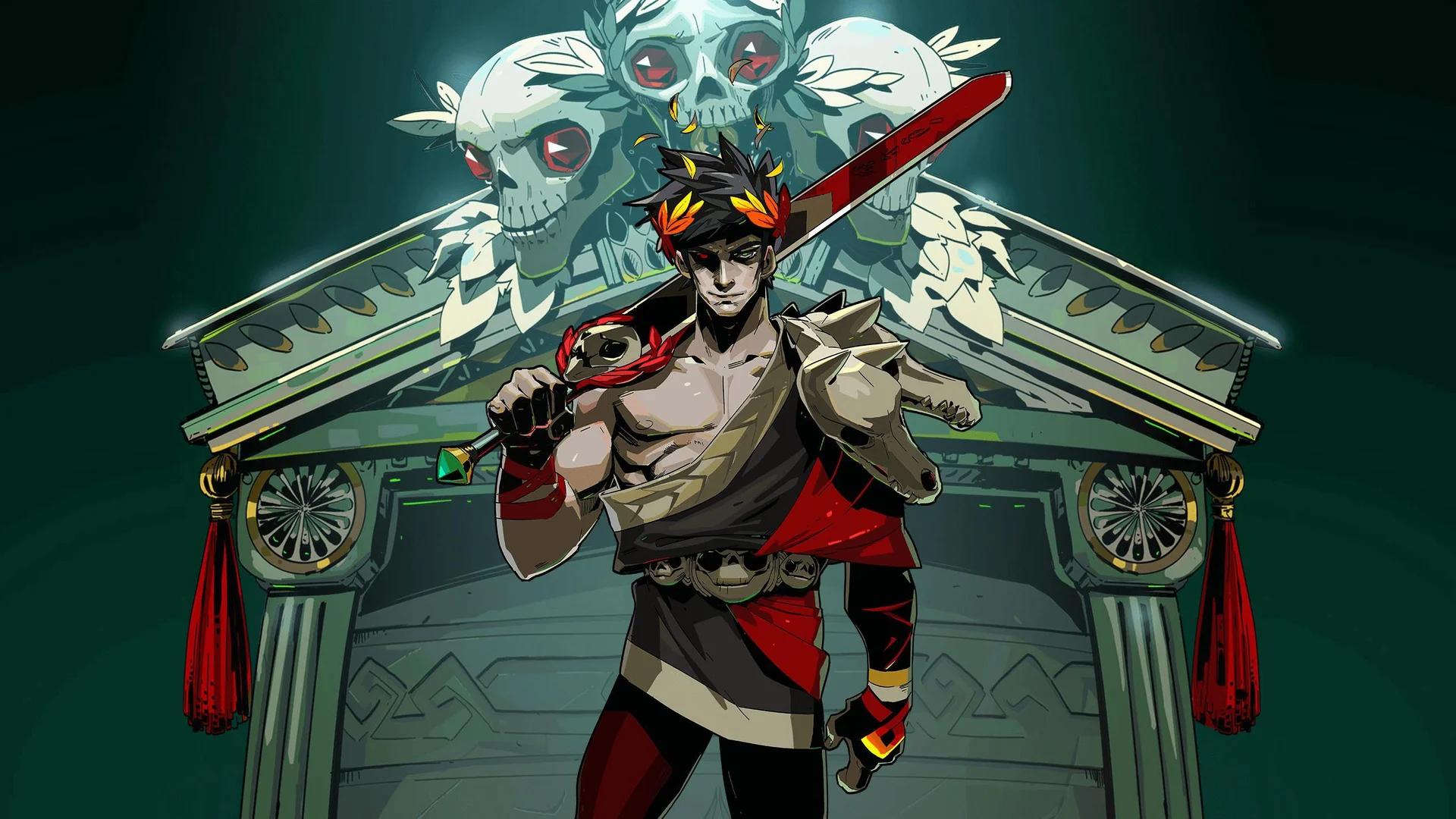
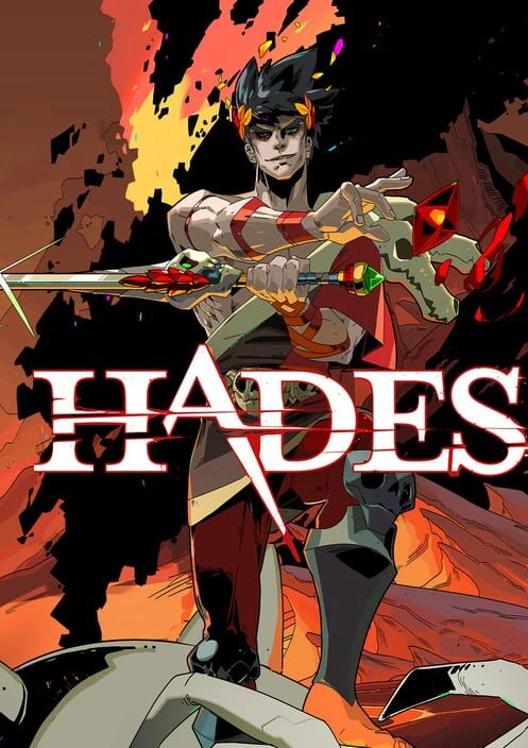
Hades is the game I recommended to a friend who said he had no time for games anymore. He has 80 hours in it. A run takes twenty to forty minutes, you die, the story advances anyway, and you start again with a slightly different build. That structure fits a life where gaming happens in late-evening gaps rather than dedicated sessions. I gravitate to the Shield in the same way I gravitate to tanky builds in any game, plant yourself, absorb hits, punish. Whatever your style, the boon combinations reward experimentation across dozens of runs without ever feeling arbitrary. The narrative momentum that keeps building between deaths is the part most roguelikes never figure out.
- Released
- 20202020
- Genre
- RPGRPG
- Platforms
- iOS, macOS, PC, PS4, PS5, Switch, Xbox One, Series X|SiOS, macOS, PC, PlayStation 4, PlayStation 5, Nintendo Switch, Xbox One, Xbox Series X/S
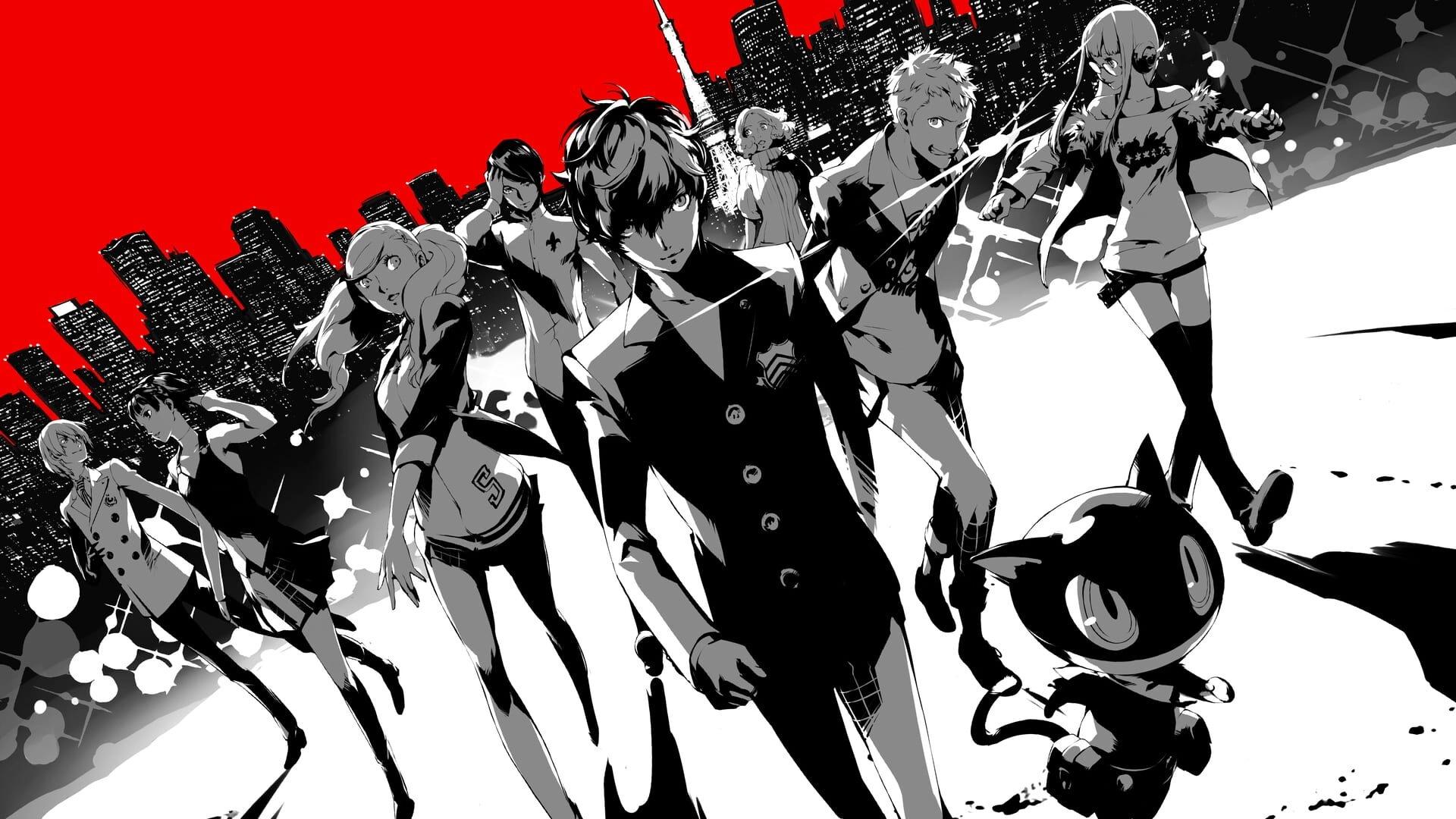
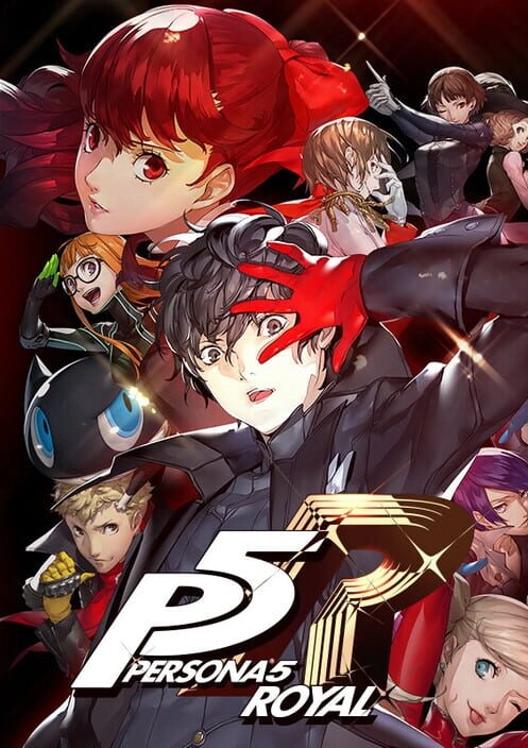
Fantasy is my favourite genre but Persona 5 Royal hooked me with a completely different kind of world-building: the mundane rhythm of Tokyo school life punctuated by dimension-hopping heists in the warped psyches of corrupt adults. It is a hundred-plus hours long and I am not going to pretend that is nothing. As someone with two kids and a full-time job, I spread this over months. That is actually fine. The game is structured around daily routines that make it easy to put down and pick back up without losing the thread. The Switch port handles it well. Not quite as sharp as on more powerful hardware, but entirely playable and portable, which matters.
- Released
- 20192019
- Genre
- RPGRPG
- Platforms
- PC, PS4, PS5, Switch, Xbox One, Series X|SPC, PlayStation 4, PlayStation 5, Nintendo Switch, Xbox One, Xbox Series X/S
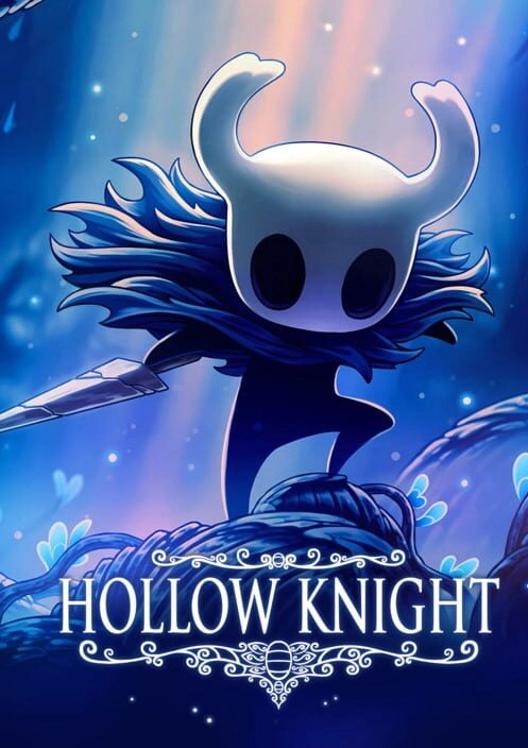
Hollow Knight asks you to accept that you will be lost for significant stretches and that this is the point. The map fills in as you explore, the lore arrives in fragments from silent NPCs and environmental detail, and the world is enormous in a way that genuinely surprises you the first time you think you are near the end and a new biome opens up. I went in expecting something comparable in scope to a standard indie and came out having played something closer in scale to a full-price release. For the price it costs on the eShop, it might be the best value on this list. The difficulty is real, though. Not everyone will see the final boss.
- Released
- 20172017
- Genre
- PlatformerPlatformer
- Platforms
- Linux, macOS, PC, PS4, PS5, Switch, Switch 2, Xbox One, Series X|SLinux, macOS, PC, PlayStation 4, PlayStation 5, Nintendo Switch, Nintendo Switch 2, Xbox One, Xbox Series X/S
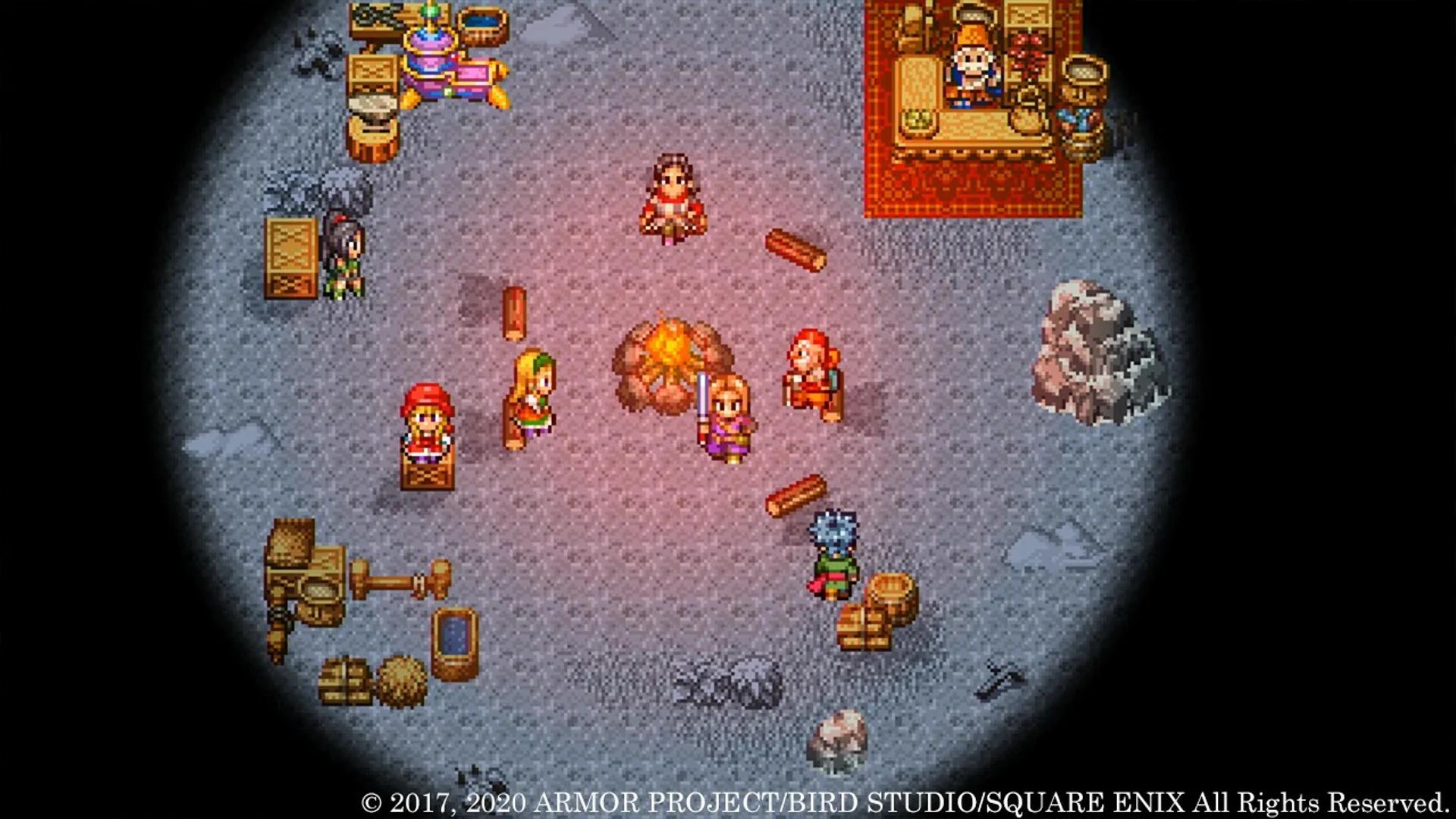
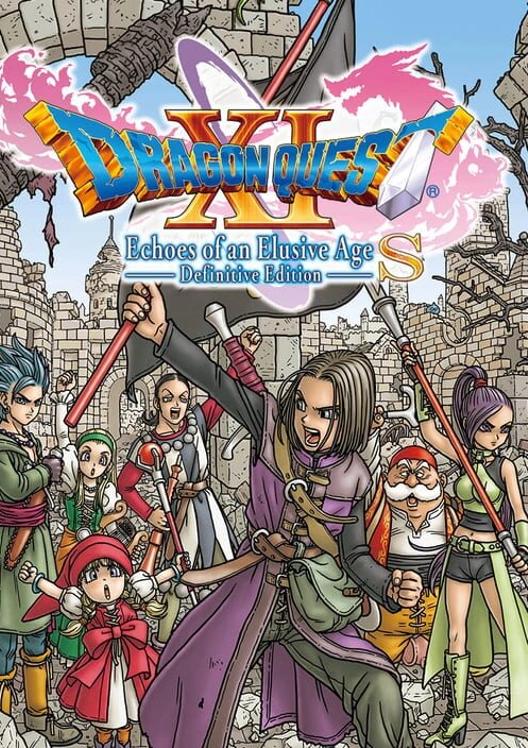
Some games want to be your whole personality. Dragon Quest XI does not. It is warm, unhurried, and extremely comfortable to spend time in, which makes it a different kind of recommendation from the more demanding RPGs on this list. The turn-based combat is not going to challenge Persona's depth, but it has a clean rhythm that makes even random encounters feel satisfying rather than tedious. The Definitive Edition adds orchestrated music, extra story content, and a 2D mode that is a neat novelty. I started this during a period when I did not want to be challenged, just taken somewhere pleasant for a while. It delivered exactly that.
- Released
- 20192019
- Genre
- RPGRPG
- Platforms
- PC, PS4, Switch, Switch 2, Xbox OnePC, PlayStation 4, Nintendo Switch, Nintendo Switch 2, Xbox One
If you are shopping for Switch games for younger players or a mixed household, our Best Nintendo Switch Games for Kids in 2026 guide covers that angle specifically.
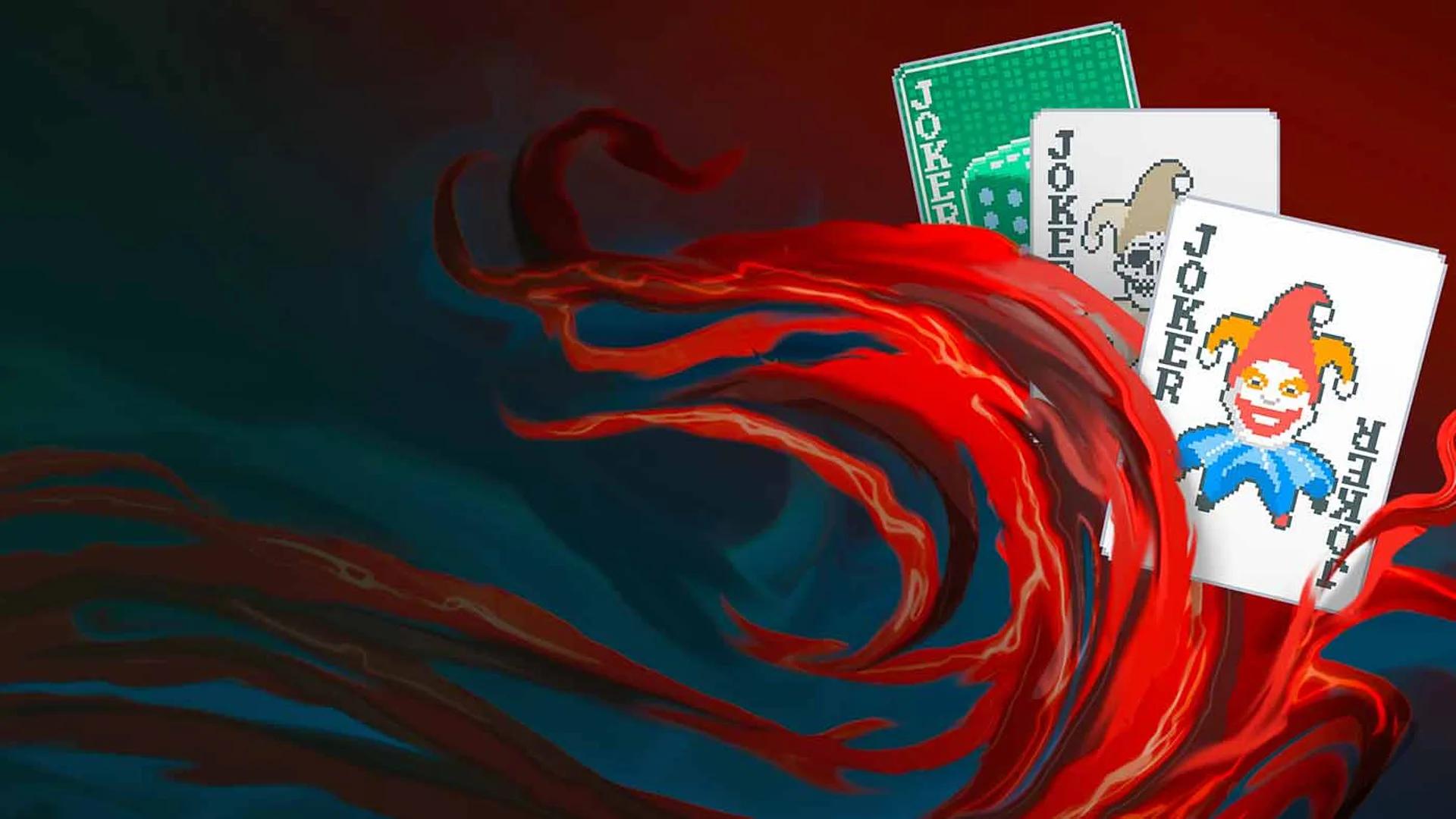
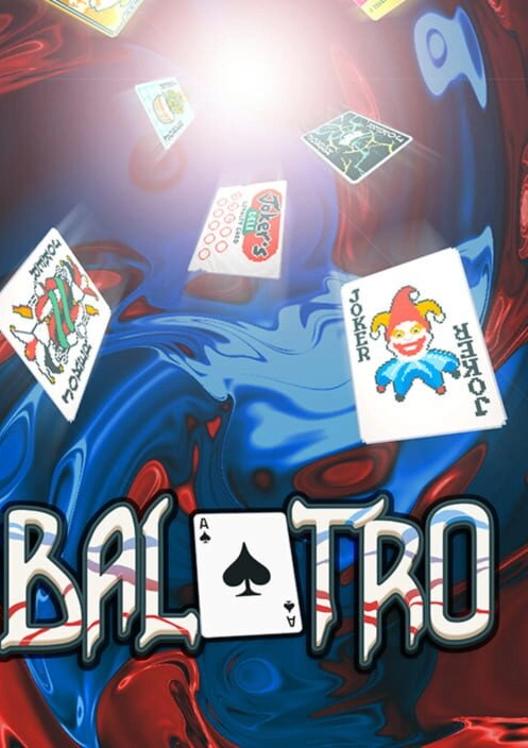
Balatro is the game I did not expect to lose an evening to. It is technically poker, technically a deckbuilder, and technically neither of those things in any way that prepares you for how it actually plays. You are scaling numbers through multiplier chains and Joker synergies until a hand that started at face value is dealing hundreds of thousands of points, and the moment that clicks is genuinely funny. Runs last thirty to sixty minutes. Switch is arguably the ideal platform for it, handheld on a couch, one more run before bed. Four runs later it is midnight. The only honest warning here is that it has no narrative, no world to explore, nothing to return to except the loop itself.
- Released
- 20242024
- Genre
- StrategyStrategy
- Platforms
- Android, iOS, macOS, PC, PS4, PS5, Switch, Switch 2, Xbox One, Series X|SAndroid, iOS, macOS, PC, PlayStation 4, PlayStation 5, Nintendo Switch, Nintendo Switch 2, Xbox One, Xbox Series X/S
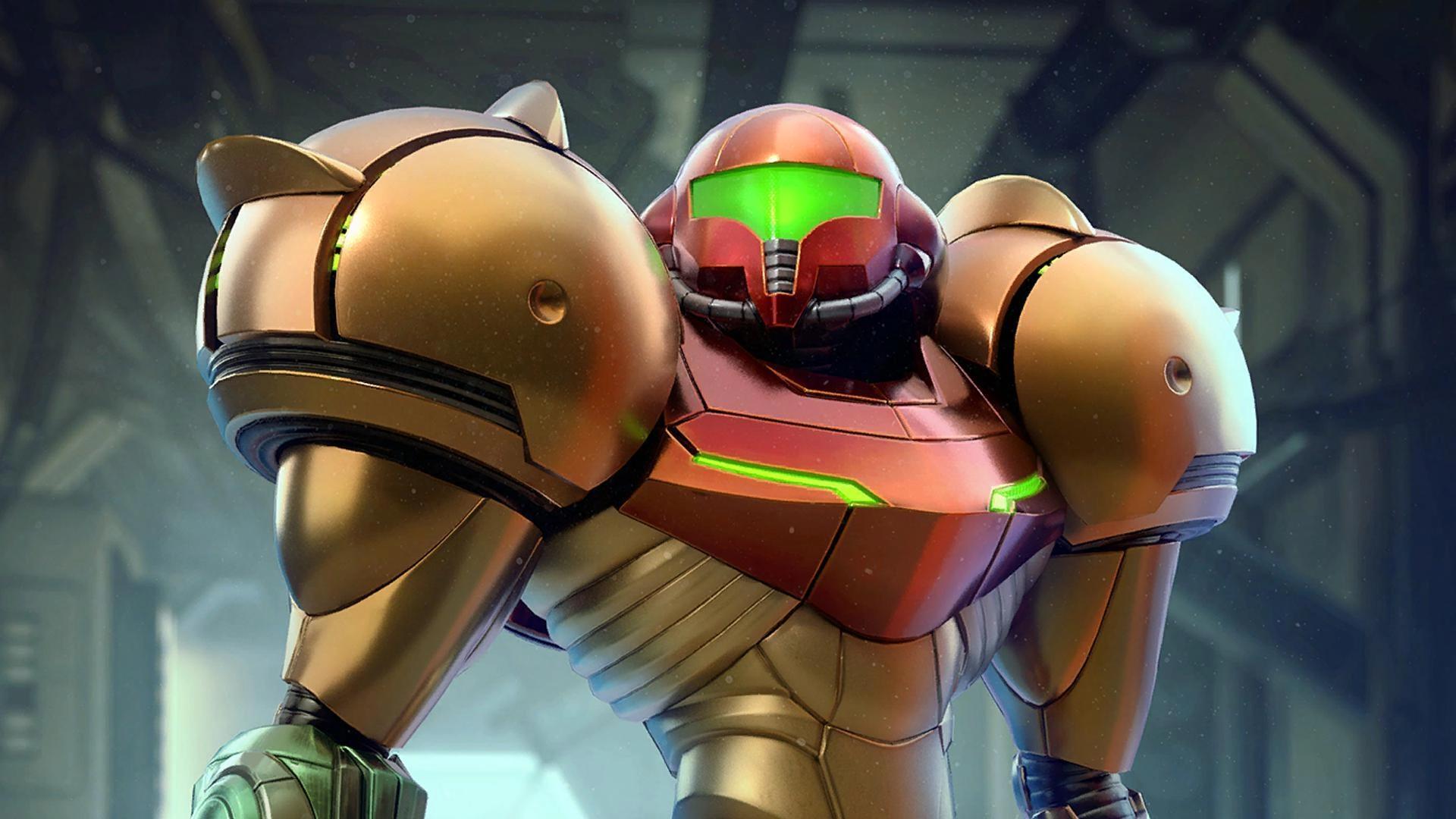
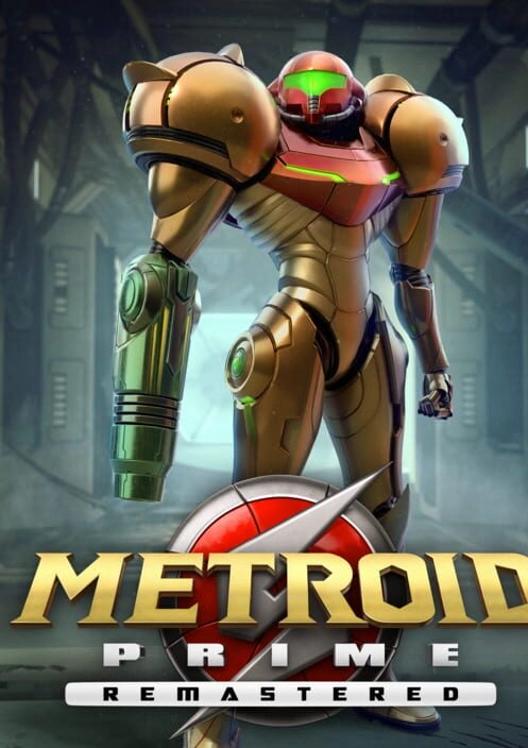
Metroid Prime Remastered is the loneliest game on this list and I mean that as high praise. No companions, minimal dialogue, a world that communicates through environmental detail and scan entries rather than cutscenes. I have spent time with games like Hollow Knight that do isolation well, but Prime does it in three dimensions with a first-person perspective that makes the claustrophobia of Tallon IV feel genuinely physical. The remaster work is remarkable. This is one of the best-looking games on Switch, which is not something you expect to say about a twenty-year-old title. If atmospheric solo exploration is what you are looking for, nothing else on this list delivers quite that specific thing.
- Released
- 20232023
- Genre
- ShooterShooter
- Platforms
- SwitchNintendo Switch
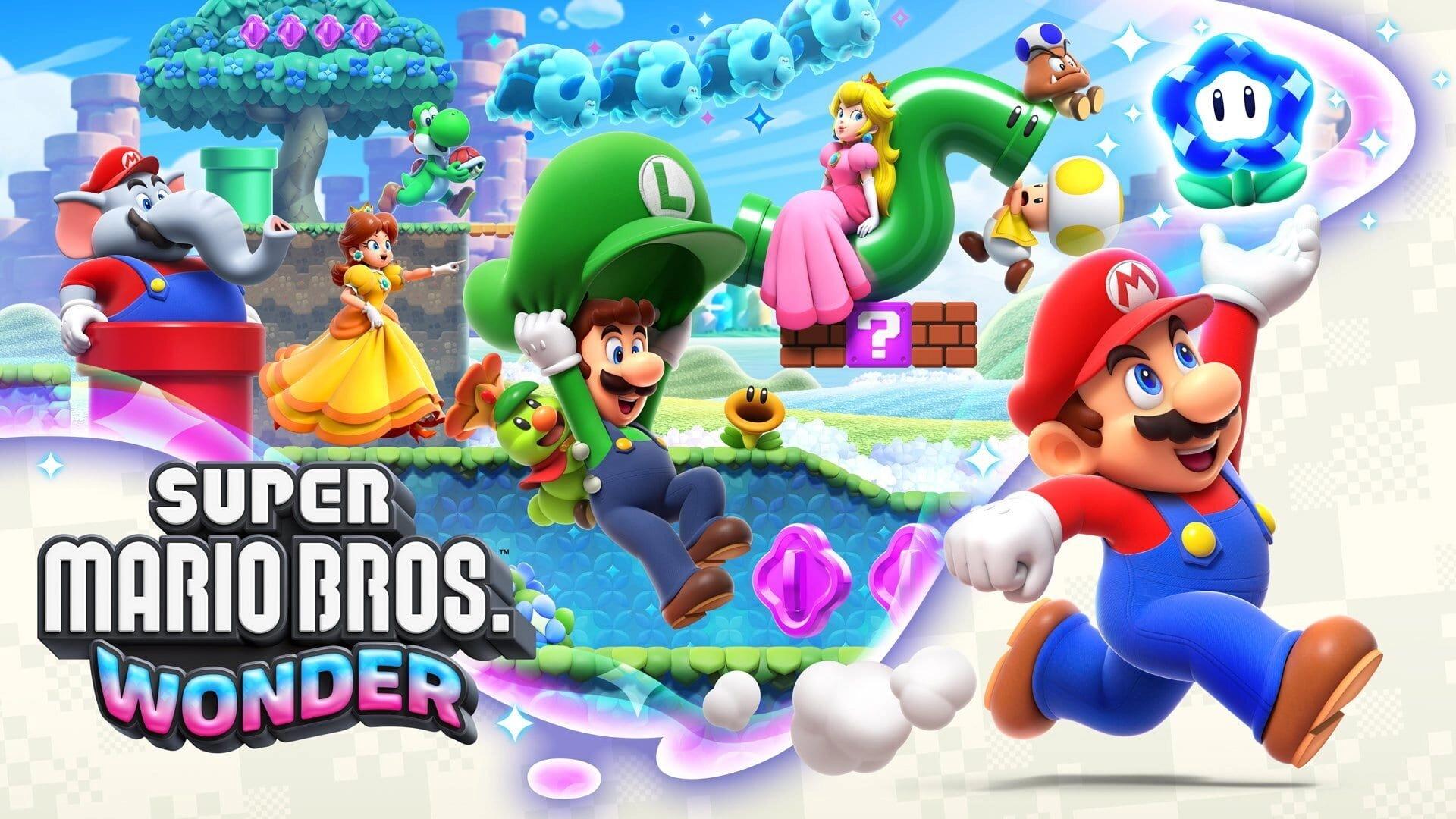
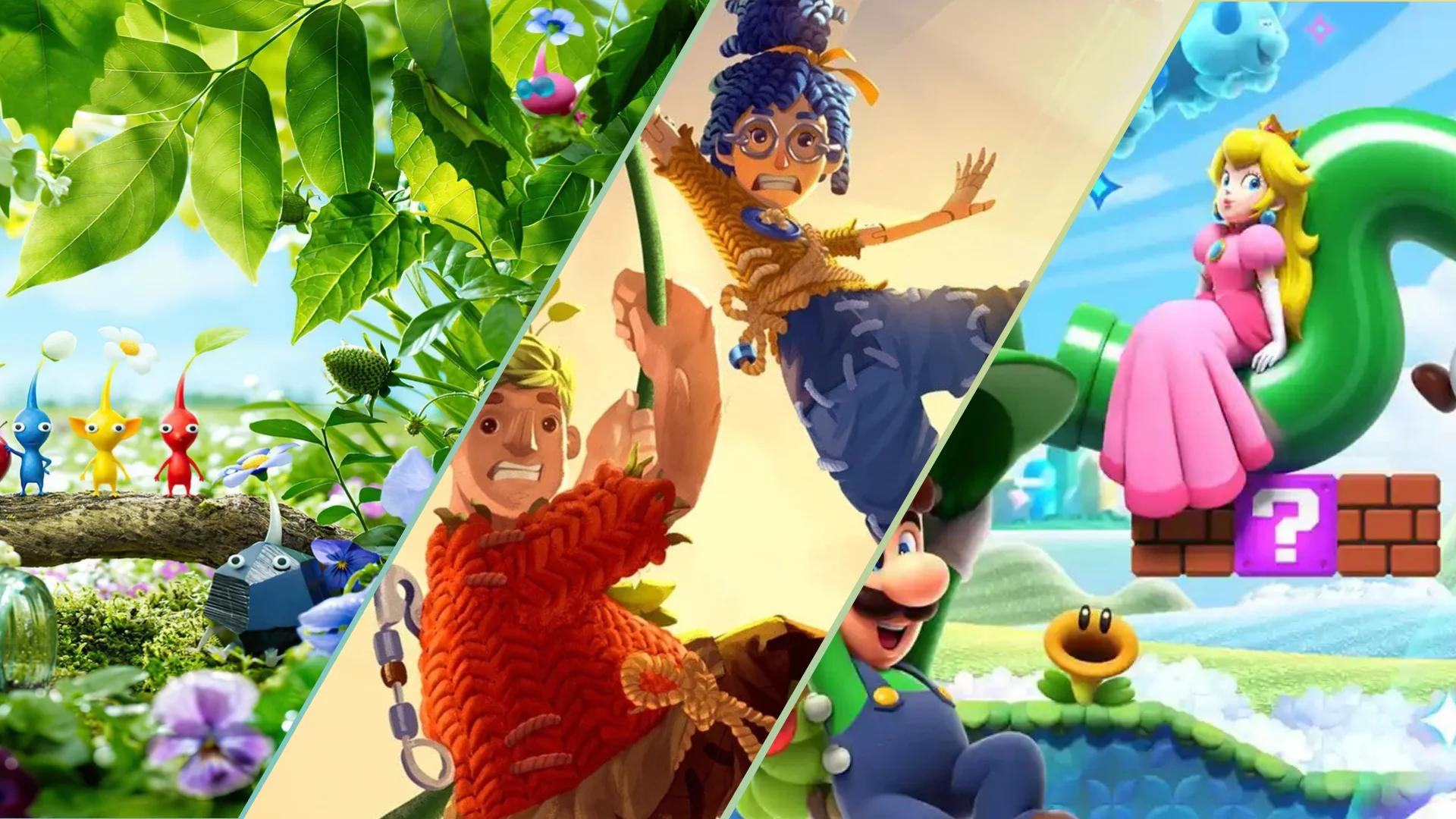
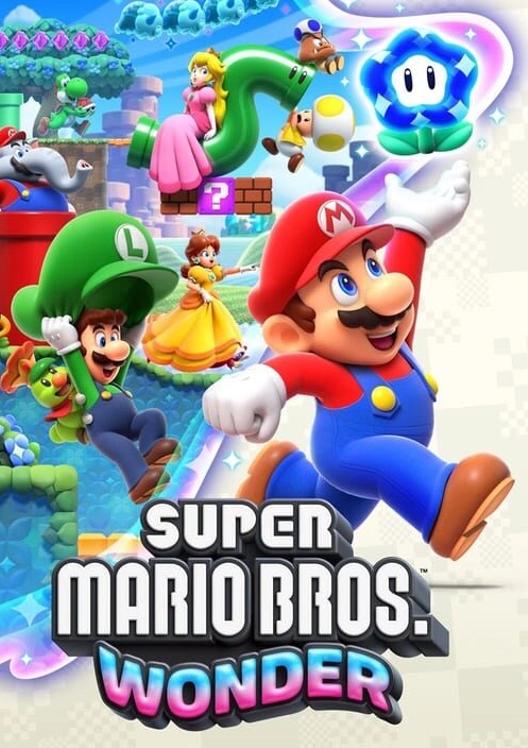
Wonder earns its place here because the solo campaign is consistently inventive from the first level to the last. The Wonder Flower mechanic means you genuinely cannot predict what the next stage is going to do, and Nintendo uses that surprise budget wisely rather than blowing it all in the first world. It supports multiplayer but you do not need it. Played alone it moves at exactly the pace you set, and the difficulty curve is one of the gentlest on this list without ever feeling condescending. Shorter than Odyssey. That is fine. Not every single-player game needs to be a hundred-hour commitment, and sometimes a tight, polished campaign that respects your time is exactly what you want.
- Released
- 20232023
- Genre
- PlatformerPlatformer
- Platforms
- SwitchNintendo Switch
Honorable Mentions
These five games narrowly missed the top ten. Each is a strong solo recommendation for the right player, and a few of them will land higher on your personal list depending on what you are looking for.
Forgotten Land is the game I would recommend to someone who bounced off the difficulty of Hollow Knight or found Odyssey's post-game hunt too demanding. The solo campaign is polished, cheerful, and built around a 3D structure that Kirby had never attempted before at this scale. My wife watched me play the opening hour and asked what it was, which almost never happens with action games. It did not crack the top ten only because the ceiling is lower than anything above it. But as accessible solo Nintendo comfort food, it delivers without compromise.
Unicorn Overlord is the strategy RPG I keep meaning to go back to. The army-building systems reward careful unit composition in a way that feels genuinely tactical rather than just numerical, and Vanillaware's art direction is stunning in handheld mode. It missed the top ten because the genre is niche enough that it will not land for everyone, and the opening hours demand patience before the systems open up. For players who enjoy building and optimising a force rather than controlling individual characters, this is one of the best recent examples of the genre on any platform.
The Thousand-Year Door remake surprised me with how well the writing holds up. The humour is dry and self-aware in a way that a lot of Nintendo games avoid, and the timed-action combat gives turn-based battles an active quality that keeps them from going on autopilot. It is shorter than the JRPGs on this list, which some people will see as a feature. The Switch remake is clean and respectful, not a complete overhaul. It missed the top ten mainly because the value and longevity score keeps it behind heavier experiences, but as a moderate-length solo RPG with genuine wit, it is very easy to recommend.
NieR:Automata is the kind of game that stays with you after the credits roll and then makes you replay it because the second and third playthroughs recontextualise everything. The story is genuinely bold in ways that most action RPGs never attempt. The Switch version runs well enough to recommend without hesitation. It missed the top ten primarily because the onboarding is deliberately strange and the accessibility score reflects that. If you want a third-party solo experience with real narrative ambition and stylish combat, this belongs on your list.
Ori and the Will of the Wisps moves like almost nothing else on Switch. The traversal is fluid and precise in a way that makes every biome feel like a playground once you have the full movement set. Visually it is stunning, one of the most beautiful games on the platform, and the Switch port handles it impressively. It missed the top ten because Hollow Knight occupies the same genre space and goes deeper on both scale and challenge. But if you have already played Hollow Knight or want something less punishing with more emphasis on feel and visual spectacle, Ori delivers something genuinely distinct.
Frequently Asked Questions
A few questions that come up regularly when people are choosing their next solo Switch game.
Is the Switch still worth buying in 2026 for single-player games?
Yes, with one caveat. The Switch 2 is now available, and if you are buying new hardware it is the better choice going forward. The original Switch library is enormous, though, and almost everything on this list plays on both systems. If you already own an original Switch, there is no reason to feel like you are missing out on solo games.
Should I play Breath of the Wild or Tears of the Kingdom first?
Breath of the Wild first, without question. Tears of the Kingdom builds on the same world and references events from its predecessor in ways that matter. Playing them out of order does not break anything, but you lose some of the satisfaction of returning to a place you already know and finding it changed.
Are any of these games good for portable play specifically?
Hades and Balatro are the two best fits for short handheld sessions, both are designed around run structures that complete in under an hour. Hollow Knight and the two Zelda titles work well in handheld mode too, though they demand more attention. Persona 5 Royal is technically portable but the font becomes small enough in handheld mode to be a mild annoyance over long sessions.
Which games on this list are best for players who do not usually play games?
Super Mario Odyssey and Super Mario Bros. Wonder are the safest recommendations for less experienced players. Both have forgiving difficulty, clear controls, and immediate visual feedback that makes progress feel rewarding from the first level. Kirby and the Forgotten Land in the honorable mentions is worth considering too if you want something even gentler.
How long does it take to finish the games on this list?
Ranges widely. Super Mario Bros. Wonder can be completed in around fifteen hours. Persona 5 Royal will take most players over a hundred. The middle ground is well covered: Hollow Knight runs forty to sixty hours, Metroid Prime Remastered around fifteen to twenty, and the two Zelda titles anywhere from forty hours to well over a hundred depending on how much you explore. None of them pad their time dishonestly.
Conclusion
Whatever kind of solo player you are, this list has something for you. If you want pure mechanical joy without commitment, start with Odyssey or Wonder. If you want to lose yourself in a world for weeks, either Zelda entry will do it. Hades is the one to reach for when time is short.
For more Switch recommendations by play style, the Best Nintendo Switch Games for Kids guide covers family-friendly picks, and if co-op ever becomes relevant, Best Nintendo Switch Co-Op Games has that covered.
Ready for more tailored picks? Try our Recommendations Engine for suggestions that match your play style.