
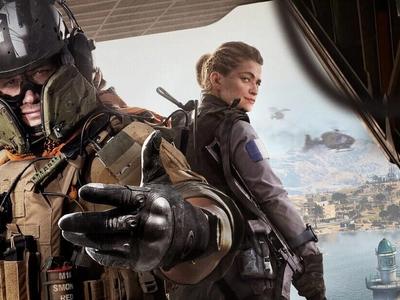

Apex Legends does something Fortnite does not: it gives you defined roles. Playing Lifeline feels genuinely different from playing Pathfinder, and in a three-person squad where everyone picked something different, that matters. The movement system is still some of the best in the genre, and crossplay keeps queues healthy enough that you are not waiting long regardless of when you play. I have dropped into matches with friends on PC through crossplay and the experience has been consistent. The ranked mode is unforgiving if that is where you spend your time, but for casual squad play, it holds up well.

Apex Legends
Best if you want a fast, team-focused battle royale where movement mechanics and hero abilities matter as much as raw aim, with a ranked grind that rewards coordination and smart positioning over luck.
On This Page
Why We Recommend This Game
Apex Legends stands out in the crowded battle royale space by combining kinetic, movement-heavy gunplay with hero abilities that genuinely shift how firefights play out. The core loop—drop, loot, rotate, and fight until one squad remains—gets depth from character synergies, vertical map design, and a movement system that rewards sliding, climbing, and repositioning. Matches typically run 20–30 minutes, short enough to squeeze in a few rounds but long enough for tactical decisions to compound. What sets Apex apart is how it makes team coordination feel natural. The ping system is genre-leading: you can mark loot, call out enemies, suggest rotations, and coordinate pushes without ever touching a mic. Random squads become workable, and premade teams gain a powerful tactical vocabulary. Each Legend brings unique abilities—defensive shields, recon scans, mobility boosts, healing drones—that complement different playstyles and create room for creative squad compositions. The learning curve is moderate to high. Movement mechanics like slide-jumping, wall-climbing, and momentum conservation take time to master, and higher-level play demands map knowledge, rotation timing, and ability synergy awareness. The firing range and tutorials introduce basics, but expect dozens of hours before advanced techniques click. Ranked mode offers a clear progression path that favors consistency and teamwork over flashy solo plays, though solo-queue players will find the climb steeper without regular teammates. Seasonal updates keep the meta shifting—new Legends, weapon tweaks, map rotations, and limited-time modes arrive regularly. The free-to-play model is generous with core content, though unlocking the full roster of Legends takes time or money. Monetization sticks to cosmetics, so you're never paying for competitive advantage. Crossplay and healthy player counts mean fast matchmaking across platforms. The main friction points: network performance can hiccup during peak hours or endgame pressure, and unlocking certain Legends can feel slow if you're fully free-to-play. The aggressive pace and reliance on squad play also mean it's less forgiving for lone-wolf players or those who prefer slower, more methodical BRs. But for players who prize mobility, team synergy, and a battle royale that respects coordination and mechanical skill, Apex delivers a polished, high-activity experience with staying power.
Best For
- Battle royale players who value movement mechanics and verticality
- Fans of hero shooters seeking ability-driven team synergy
- Competitive squad players who want a ranked grind that rewards coordination
Not For
- Solo players who prefer lone-wolf or stealth-focused battle royales
- Those seeking slower, more methodical tactical shooters
- Players frustrated by hero unlock gating in free-to-play models
Multiplayer & Game Modes
60 online • Full Crossplay
Apex Legends supports full crossplay across all platforms, supports up to 60 players online.
Features
Play Modes
Multiplayer • Co-op • PvP • Online Multiplayer • Battle Royale • Asymmetric Multiplayer
Player Count
- 0
- Online
- 1-60
- Team Sizes
- Up to 60; squads (2-3 typical)
Additional Details
Online-only. Standard Battle Royale matches support up to 60 players. Squad-based play (typically trios/duos; limited-time modes may vary). No split-screen/couch co-op and no LAN mode. Cross-play supported across PC (Steam/EA app), PlayStation, Xbox, and Nintendo Switch; console cross-progression is supported, but cross-progression between PC and console is not supported. PlayStation requires PS Plus for online play; Xbox requires Game Pass Core/Ultimate (or equivalent online membership).
Edition and Platform Information
Important details about which version to buy and where to play.
Platform Recommendations
Crossplay enabled across PC, PlayStation, Xbox, and Nintendo Switch. Console versions offer aim assist tuning, and PS5/Xbox Series X versions run at higher framerates. Large console player base ensures quick matchmaking.
Accessibility Features
Offers colorblind filters, full key/button remapping, FOV slider, subtitle and audio caption options, adjustable audio mixes, and the industry-leading ping system for low-voice or no-mic communication. Tutorials cover movement and Legend basics, though mastering advanced techniques requires practice.
Screenshots
Click any screenshot to view in full size
Featured In Our Articles
We've included this game in 10 articles.
Apex does movement better than any other battle royale and it is not particularly close. The first time you chain a slide into a wall jump into a zip line and somehow land a shot while doing it, something in your brain rearranges itself. I came back to it after a long gap and was impressed by how much of that feeling remained. Player numbers have settled from the peak, but the queues are still healthy and the game itself has been well maintained. The free-to-play value is solid. Cosmetics cost money, character unlocks take a while if you are not paying, but nothing paywalled affects how well you can shoot.
Apex is the battle royale for people who find Fortnite too chaotic and want movement that feels mechanical rather than just fast. The legend abilities add a hero-shooter layer without overwhelming the gunplay, and the ranked leagues give dedicated players a proper ladder. It runs on PS5 via backward compatibility and the PS5 service remains fully active, whatever you may have read about 2026 shutdowns, which apply only to the Nintendo Switch version. It landed in honorable mentions rather than the top ten because Fortnite covers the battle royale slot in the main list more convincingly for most PS5 players, and Apex's onboarding curve is among the steeper ones on this page.
Apex Legends has the best movement in any battle royale on PS5. The sliding, climbing, and zipline mechanics give it a physicality that Fortnite doesn't match, and the squad dynamics, built around legend abilities and passive synergies, reward teams that actually communicate. Mixtape modes (Team Deathmatch, Control, Gun Run) are genuinely good for players who don't want to commit to a full BR match. The accessibility caveat is real, though. The learning curve is steeper than Fortnite, and ranked lobbies are unforgiving. If your group is new to shooters, starting in casual Mixtape modes before touching battle royale is the move.
Apex Legends crosses PS5 with Xbox, PC, and Switch. One of a handful of big battle royales that includes Nintendo's platform. The pool rule matters and deserves a plain explanation: PS5 and Xbox players default to a console-only matchmaking pool. The moment anyone in your squad is on PC, the whole party moves into the PC pool. That's fine for a group that knows what they're signing up for, but it can be a rough surprise the first time. Cross-platform invites go through an EA account and the in-game friends system. Squads who embrace the movement mechanics and character abilities will find one of the deepest BRs on this list.
Apex Legends is the most rewarding pick here if you love mastering movement and tight gunfights, but I can’t pretend it’s gentle. You’ll get punished for bad positioning, and playing solo in a squad-focused battle royale can feel rough. With a couple friends, though, it becomes a different game: callouts matter, legend synergies matter, and winning fights feels earned. Spending is cosmetics and a battle pass, not raw power. The downside is the learning load and occasional “why did that happen?” moments that can frustrate new players. Best for experienced FPS players chasing depth.
Apex Legends is a movement-heavy battle royale where smart rotations and confident fights win more consistently than raw loot luck. It ranks this high because the gunplay rewards tracking and recoil control, while hero kits add layered decision-making without replacing aim entirely. Ranked play gives squads a clear reason to improve, and the ring-and-rotation game creates meaningful strategy beyond chasing kills. The trade-off is BR variance: third parties and unpredictable circles can swing outcomes. Best for coordinated trios (or strong communicators) who like fast movement, crisp duels, and long-term ranked goals.
Apex Legends delivers squad-based BR action with fluid movement, hero synergies, and a ranked ladder that rewards consistent teamwork. Its long-running competitive system and fast PS5 matchmaking make it ideal for players who want aggressive, movement-heavy combat that favors smart positioning over lucky firefights. Network hiccups during peak hours are the main trade-off for an otherwise polished competitive experience.
Apex Legends ranks near the top for its exceptional movement mechanics, responsive gunplay, and consistent updates that keep the battle royale fresh. The ping system enables smooth coordination even with randoms, while rotating modes and seasonal tweaks maintain variety. Hero unlock gating is the only real barrier, but for players who value mobility, teamwork, and a polished free shooter experience, Apex delivers high-activity matches.
Apex Legends stands out as a hero-driven battle royale that balances kinetic firefights with team synergy and the genre's best ping system. Its reliable servers, quick matchmaking, and seasonal content keep squads engaged without pay-to-win pressure. The only friction is Legend unlock time for free players, but fair monetization and strong social tools make random squads workable and ranked play rewarding for coordinated teams.
Frequently Asked Questions
Common questions about this game answered by our team.
How hard is Apex Legends for beginners?
Moderate to high difficulty. Movement mechanics and ability synergy take time to learn, but the firing range, tutorials, and ping system ease onboarding. Expect a learning curve before you're competitive in Ranked.
How long is a typical match?
Most matches run 20–30 minutes, though early eliminations can end your session sooner. Quick enough for a few rounds in an evening, long enough for tactical decisions to matter.
Can I play solo, or do I need a team?
You can queue solo and match with randoms, and the ping system helps coordination without voice chat. But Apex rewards team synergy heavily—premade squads have a clear edge, especially in Ranked.
Is it pay-to-win?
No. All monetization is cosmetic. New Legends can be unlocked with in-game currency earned through play, though it takes time. You're never paying for competitive advantage.
How's the replayability and content updates?
Excellent. Seasonal updates bring new Legends, map changes, weapon tweaks, and rotating limited-time modes. Ranked seasons reset regularly, giving long-term players fresh competitive goals.