
VALORANT is a precise, round-based tactical shooter where clean aim meets carefully timed utility. It narrowly misses the main list not for competitive quality—its structured ranked mindset and clear objectives are excellent—but because PS5 availability and feature parity need to be verified by region, and the console scene is still less established than the long-running PC ecosystem. When the ladder is healthy, the game’s information economy and readable duels keep results strongly skill-driven. Best for tactical teams who want disciplined executes and tight retake scenarios, as long as ranked access is solid in the local region.

Valorant
Best if you want a competitive tactical shooter where smart utility use and precise aim matter more than twitch reflexes—and you can run it on a potato PC.
On This Page
Why We Recommend This Game
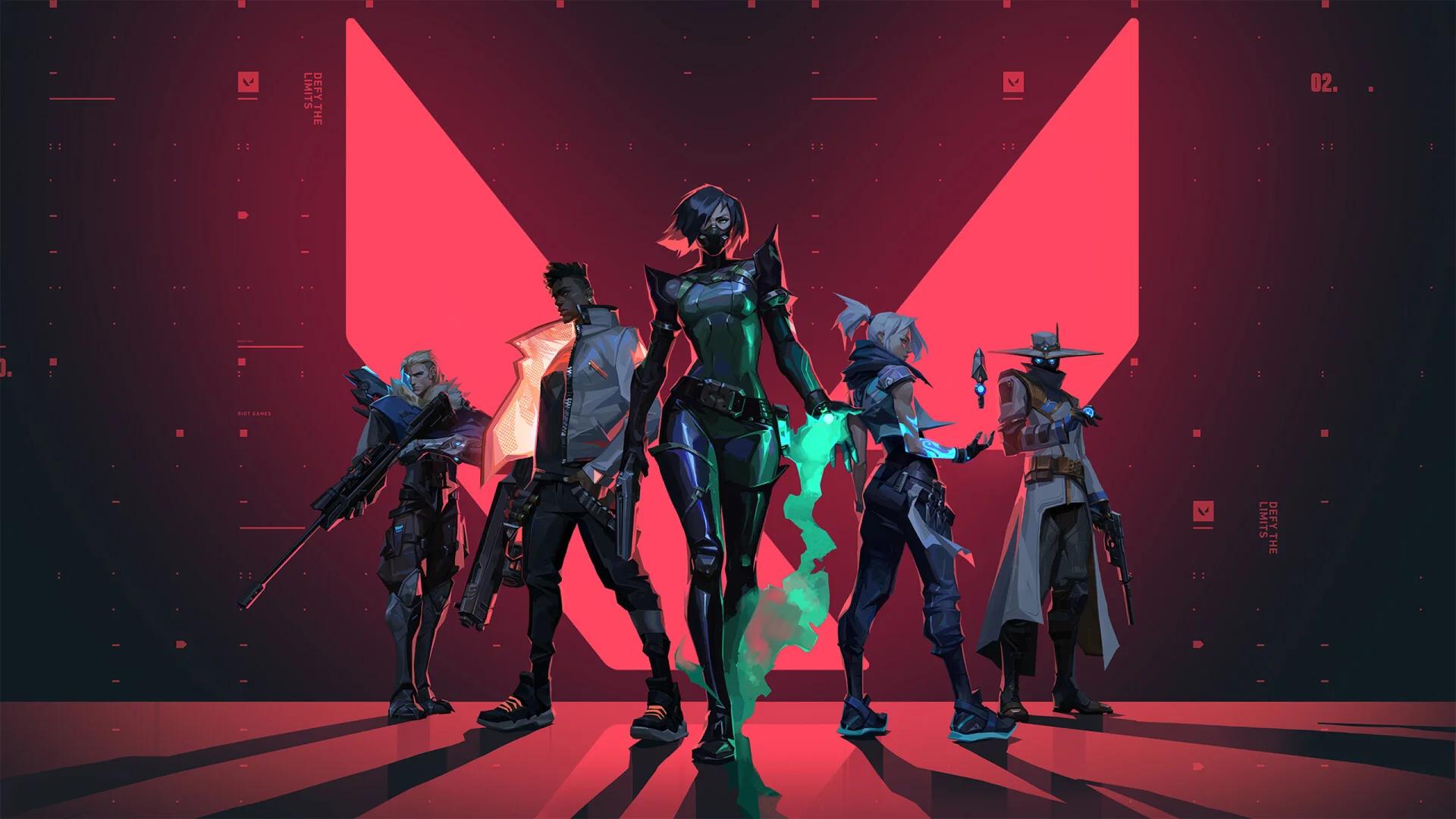
Valorant fuses Counter-Strike-style tactical shooting with hero abilities, creating a 5v5 game where each round is a tightly wound puzzle of positioning, economy, and teamwork. You'll pick an Agent—roles split into Duelists, Initiators, Controllers, and Sentinels—whose signature abilities can smoke sightlines, reveal enemies, or lock down chokepoints. But abilities only set the stage; crisp crosshair placement and recoil control still decide most gunfights. Each match is first-to-13 rounds, with one life per round and an economy system that rewards disciplined play. Losing a round means saving credits or forcing a risky buy; winning streaks let you upgrade to better rifles and armor. That macro layer adds strategic depth beyond raw aim, especially when coordinating with your team to combine utilities for site takes or retakes. The learning curve is steep. New players face spray patterns, ability synergies, map callouts, and the mental stamina for 30–40 minute matches where one mistake can cost the round. Riot softens this with an excellent shooting range, unrated queues, and Spike Rush—a faster mode with randomized loadouts that teaches core mechanics in 8–12 minutes. Once fundamentals click, ranked mode delivers one of the clearest competitive ladders in shooters, with visible MMR tiers and a transparent progression system that rewards consistency. Valorant's biggest strength for budget setups is optimization. Riot built it to deliver stable 60+ FPS on integrated graphics, with resolution scaling, low bandwidth netcode, and 128-tick servers that keep hit registration fair even on modest connections. The install is lean, menus are clean, and matchmaking is fast thanks to a massive global playerbase. Sessions demand focus. Rounds are short but tense, and matches can swing on a single clutch or economy decision. The tactical depth—peeking angles, utility timing, team roles—rewards hundreds of hours of mastery, but that same complexity can feel exhausting if you're not in the mood for cerebral competition. There's no story mode or AI to unwind with; this is pure competitive PvP, best enjoyed when you're ready to think, communicate, and improve.
Best For
- Competitive tactical shooter fans who value strategy over twitch reflexes
- Players seeking transparent ranked progression and structured competitive play
- Budget PC gamers needing stable performance on integrated graphics
Not For
- Casual drop-in-drop-out players—matches are long and leaving hurts your team
- Players who dislike steep learning curves or economy management
- Those seeking single-player content or non-competitive modes
Multiplayer & Game Modes
10 online
Valorant does not support crossplay, supports up to 10 players online.
Features
Play Modes
Multiplayer • PvP • Online Multiplayer
Player Count
- Online
- 1-10
- Team Sizes
- 5v5
Additional Details
Online-only team-based shooter. Standard matches are 5v5 (10 players total). No couch/local multiplayer, split-screen, hotseat, or LAN mode listed on PCGamingWiki. Cross-play: not supported between PC VALORANT and VALORANT Console (separate ecosystems); console cross-play exists between PS5 and Xbox Series X|S.
Edition and Platform Information
Important details about which version to buy and where to play.
Platform Recommendations
Available on PC and PS5 (with Xbox in development). PC version is the competitive standard with 128-tick servers and the largest playerbase. Console versions include controller aim assist and adapted menus but share the same tactical depth and ranked systems.
Accessibility Features
Full keybind remapping, raw mouse input, and extensive sensitivity tuning. Colorblind modes and frame rate overlays aid visibility. Resolution scaling helps maintain readability on low-end hardware. No single-player or bot-match modes for offline practice, but the shooting range is always accessible.
Screenshots
Click any screenshot to view in full size
Featured In Our Articles
We've included this game in 4 articles.
VALORANT ranks high because its competitive mode is one of the clearest and most structured in modern shooters, with visible progression and serious focus on fair matches. Every round feels like a mini mind game layered over razor-sharp gunplay. Hero abilities deepen strategy without drowning out map knowledge, best fitting players who enjoy team roles and climbing a transparent ranked ladder.
Valorant tops this list because it's engineered to stay responsive on low-end hardware while preserving crisp gunfeel. Players routinely report stable 60 FPS at 720p Low on integrated graphics, helped by a lean DX11 path and resolution scaling. Input latency is excellent, netcode is reliable, and the practice range supports onboarding—setting the standard for tactical shooting on iGPUs.
Valorant was engineered for competitive play on modest hardware, delivering 60–120 FPS on integrated graphics. Riot's 128-tick servers keep hit registration consistent, and the massive playerbase ensures stable matchmaking. Community benchmarks regularly show playable performance on UHD-class iGPUs, making it the gold standard for low-end competitive shooters.
Frequently Asked Questions
Common questions about this game answered by our team.
How hard is Valorant for beginners?
High difficulty. Spray patterns, ability combos, and map knowledge take weeks to learn. The shooting range and unrated mode help, but expect to lose often while building fundamentals.
How long is a typical match?
Unrated and Competitive matches run 30–40 minutes for a full best-of-24 rounds. Spike Rush offers faster 8–12 minute sessions with simplified economy.
Can I play solo or do I need a team?
Solo queue is viable—matchmaking balances teams by rank. Voice chat and coordination help, but you can climb ranked alone if your fundamentals are strong.
Is it actually free-to-play?
Yes. All Agents and maps are free; monetization is cosmetic skins and battle passes. No pay-to-win mechanics.
Will it run on my low-end PC?
Very likely. Riot optimized for integrated graphics—players report stable 60 FPS on UHD 620-class iGPUs at 720p Low. Resolution scaling and DX11 support maximize compatibility.