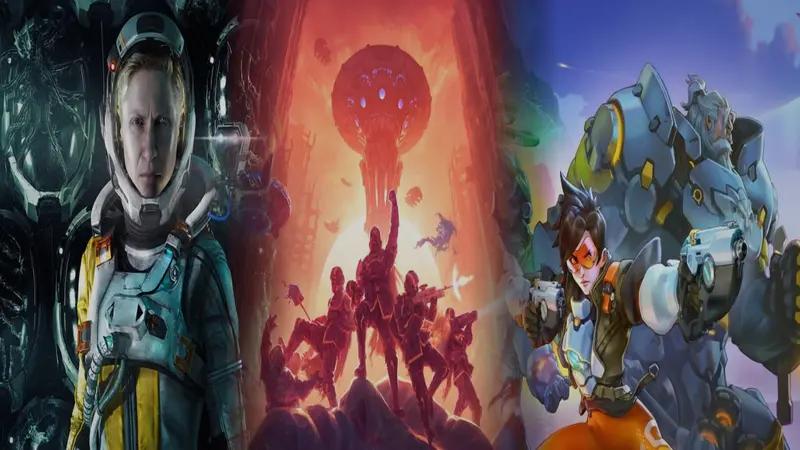

Overwatch 2 is still one of the best hero shooters for moment-to-moment team fights, especially when you find a role you like and learn a small starter pool of heroes. Public matchmaking is always there, and the controls feel tight on PS5. It ranks lower because onboarding can be confusing: hero interactions are a lot, and team composition matters more than the game admits upfront. Monetization is mostly cosmetics and a season model, but hero availability has created friction for some players who want full flexibility right away. Best for friend groups who enjoy learning systems together.

Overwatch 2
Best if you want polished hero-shooter combat where team roles and ability timing matter as much as aim, with quick matches and a deep roster that rewards tactical swaps.
On This Page
Why We Recommend This Game
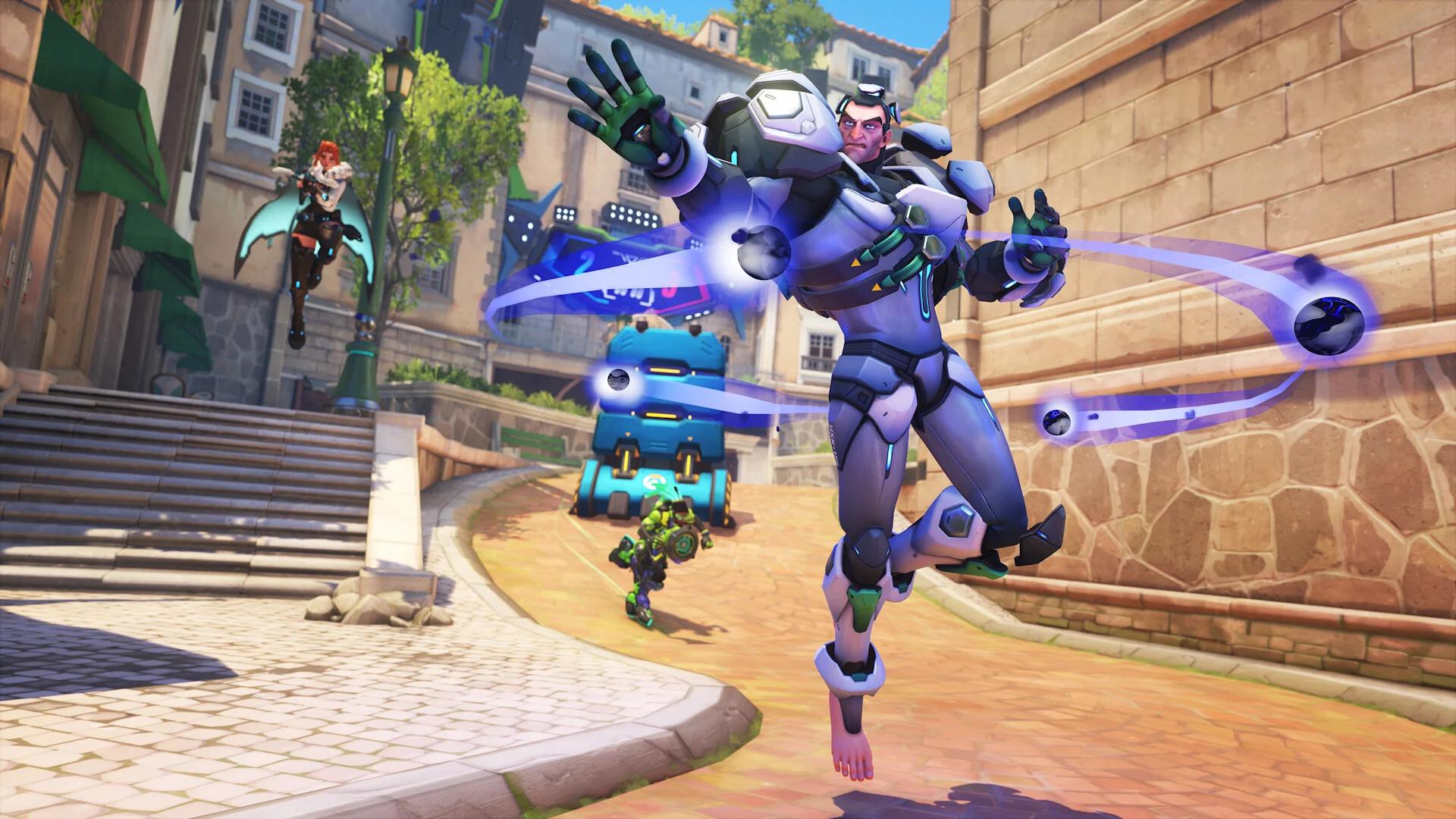
Overwatch 2 is built around readable, high-energy 5v5 matches where your hero pick and role discipline define the fight as much as mechanical skill. You'll choose from a roster of 35+ heroes split into Tank, Damage, and Support roles, each with distinct kits—jetpack snipers, shield-bearing anchors, wall-climbing assassins, and tempo-controlling healers. Matches revolve around objective control: escort payloads, capture zones, or hold key points, and success hinges on counter-picking, ultimate timing, and coordinated pushes. The core loop is immediate: queue, pick a hero that complements your team, then fight in bite-sized rounds that last 20–30 minutes. Between rounds you can swap heroes to adapt—switching from a flanker to a shield tank mid-match to counter enemy pressure is not just allowed, it's often the winning move. This flexibility makes every game feel dynamic, but it also means you'll need a working knowledge of multiple heroes to climb ranks or respond to enemy compositions. Learning curve is moderate. Tutorial modes, role queues, and clear visual language (blue = ally, red = enemy, glowing = ultimate ready) help newcomers contribute quickly. You'll understand the basics in a few matches, but mastering positioning, cooldown management, and ultimate economy takes dozens of hours. Ranked play separates tiers cleanly: lower ranks reward good aim and staying alive, while higher tiers demand communication, ult combos, and map-specific strats. Seasonal updates every nine weeks bring new heroes, maps, and balance tweaks, keeping the meta fresh but also locking new heroes behind Battle Pass tiers or post-season unlock grinds. Core gameplay is entirely free, but cosmetic-heavy monetization and slow hero unlocks for newcomers can feel friction-heavy if you want immediate access to the full roster. Crossplay pools are healthy, matchmaking is fast, and Arcade modes offer lower-stakes variety when you need a break from ranked intensity. If you thrive on team coordination, enjoy mastering multiple playstyles, and want a shooter where positioning and ability usage rival raw aim, Overwatch 2 delivers a polished, endlessly replayable experience. Just be ready for the occasional unlock grind and the need to adapt your hero pool as opponents counter your comfort picks.
Best For
- Hero shooter fans who enjoy role-based teamwork over lone-wolf fraggers
- Players who like mastering multiple characters and counter-picking mid-match
- Competitive teams seeking structured ranked play with clear skill tiers
Not For
- Solo players unwilling to coordinate or fill needed roles
- Completionists frustrated by cosmetic grinding and hero unlock pacing
- Fans of persistent progression or long-term character investment beyond cosmetics
Multiplayer & Game Modes
10 online • Full Crossplay
Overwatch 2 supports full crossplay across all platforms, supports up to 10 players online.
Features
Play Modes
Multiplayer • PvP • Online Multiplayer
Player Count
- 0
- Online
- 1-10
- Team Sizes
- 5v5
Additional Details
Online-only team shooter. Standard match size is 5v5 (10 players total). Cross-play supported across PC (Battle.net/Steam) and consoles (PlayStation, Xbox, Nintendo Switch); competitive play uses separate PC vs console pools (console players join PC pool only when grouped with PC). No split-screen/couch local and no LAN support. Console online play generally requires platform subscription (e.g., PS Plus / Xbox Game Pass Core); Nintendo Switch Online not required for free-to-play titles like Overwatch 2. Players can join/leave in many unranked modes; competitive has leaver penalties.
Edition and Platform Information
Important details about which version to buy and where to play.
Platform Recommendations
Steam version requires linking a Battle.net account. Crossplay enabled across PC, PlayStation, Xbox, and Switch with unified progression. Console players get aim assist; PC pools often separate in competitive ranks.
Accessibility Features
Extensive options include full button remapping, colorblind filters, subtitle scaling, HUD customization, audio mix presets, and aim-assist tuning. Visual clarity is high with distinct silhouettes and ability colors.
Screenshots
Click any screenshot to view in full size
Featured In Our Articles
We've included this game in 4 articles.
Overwatch 2 is a 5v5 hero shooter where fights are decided by roles, timing, and ability coordination as much as aim. It places well because its competitive ladder and role queue create a structured environment for improvement, and the objective maps reward teamwork, tempo control, and smart ultimate usage. Each hero kit offers a different kind of skill expression, giving teams multiple ways to outplay opponents. The trade-off is readability: heavy visual effects and ability overlap can make some moments harder to parse, and balance debates can be loud. Best for coordinated teams and role specialists.
Overwatch 2 stands out for team-driven gameplay where abilities and positioning matter as much as gunplay. Its diverse hero roster and steady seasonal support keep queues healthy, while modes span competitive ranked to casual Arcade. Core PvP is entirely free, though new hero unlocks require grind. A strong pick for players who value coordinated objectives, role-swapping to counter enemies, and a meta where teamwork defines victory at every skill tier.
Overwatch 2 earns its spot as a polished hero shooter with role-based 5v5 combat that rewards coordination over raw aim. Smooth matchmaking, crossplay support, and a diverse hero pool make grouping easy across platforms. Monetization focuses on cosmetics rather than power, though hero unlocks can feel grindy. Best for squads who enjoy tactical teamwork, readable fights, and competitive ladders that value positioning as much as mechanics.
Frequently Asked Questions
Common questions about this game answered by our team.
How hard is it to learn?
Moderate. Role tutorials and clear ability readouts help you contribute in hours, but mastering positioning, cooldowns, and team synergy takes weeks. Lower ranks are beginner-friendly; higher tiers demand coordination.
How long are matches?
Most matches last 20–30 minutes across multiple rounds. Quick Play and Arcade modes can finish faster; Competitive matches may extend if overtime triggers on contested objectives.
Do I need to spend money?
No. All maps, modes, and core gameplay are free. New heroes unlock via Battle Pass tiers or post-season challenges. Paid content is cosmetic, though hero unlock speed is slower for new accounts.
Is it good for solo players?
Mixed. Matchmaking works solo, but team coordination heavily influences outcomes. Role queue helps balance teams, yet lack of communication or willingness to swap heroes can frustrate at all ranks.
How often does the meta change?
Balance patches drop every few weeks, with major updates each nine-week season adding heroes, maps, or modes. Meta shifts are frequent enough to keep play fresh without invalidating learned strategies.