The Verdict
Best if you want a skill-focused ARPG that rewards active dodging and build creativity over rigid class systems, with flexible co-op options that include both local and online 4-player support.

Software architect and father of two based in the Netherlands. Been gaming since MS-DOS Mario. Writes honest recommendations for people with limited evenings and too many games left to play.
What It's Like to Play
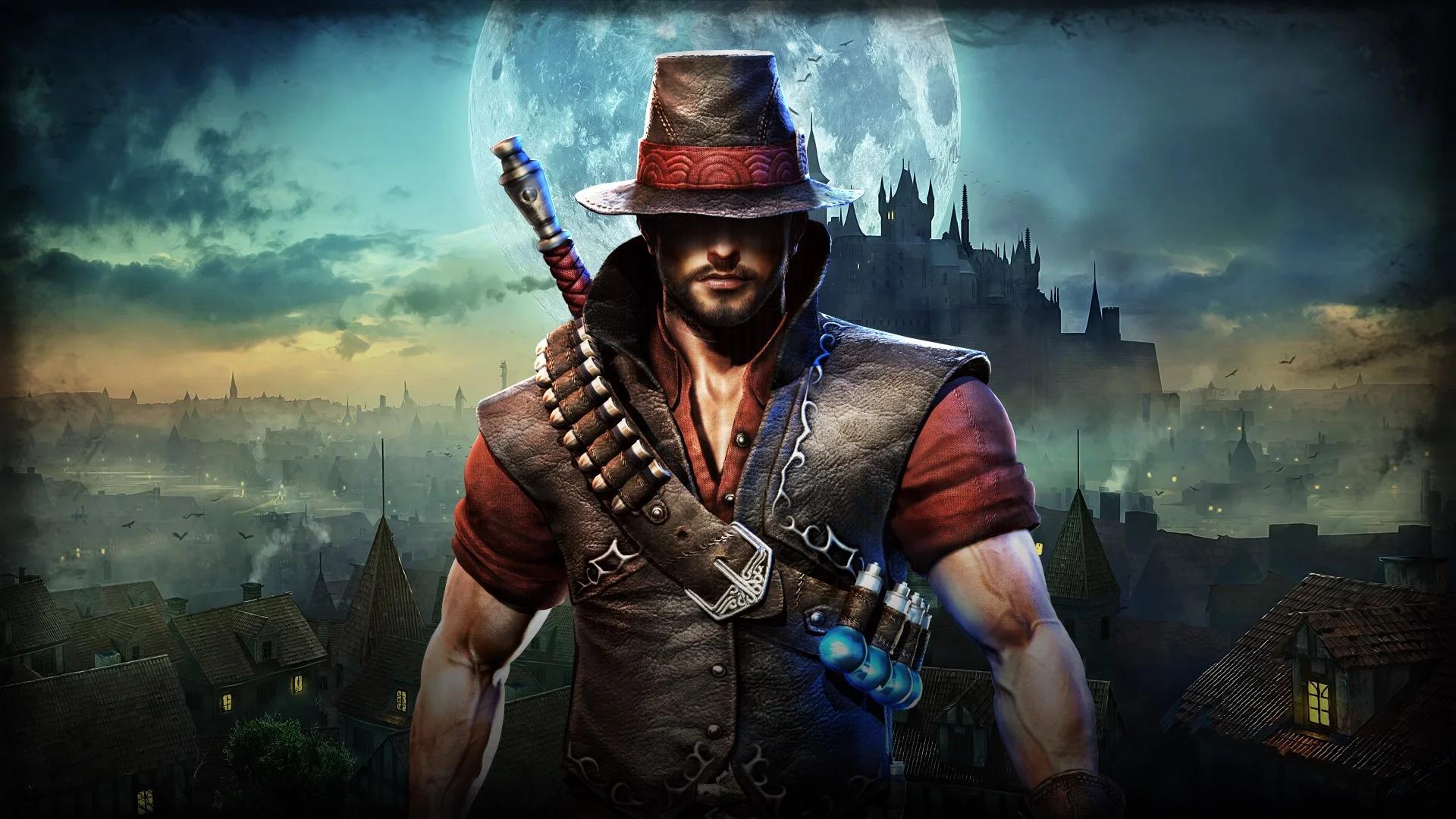
Victor Vran distinguishes itself in the crowded isometric ARPG space by making moment-to-moment reactions matter as much as your stat sheet. Unlike genre peers where success hinges on gear grinding and cooldown rotations, this demands constant movement—you'll dodge-roll through bullet patterns, leap over enemy attacks, and position carefully rather than standing still and trading blows. Combat feels more arcade-action than spreadsheet management, though loot still plays a meaningful role in defining your capabilities. The classless progression system gives unusual freedom to experiment. Instead of locking into Barbarian or Wizard at character creation, you swap between weapon types (each with distinct movesets), equip demon powers for special abilities, choose outfits that modify core stats, and layer on destiny cards for passive bonuses. This modularity means you can pivot from melee tank to ranged caster between missions, and co-op groups can coordinate complementary builds without worrying about redundant class picks. The learning curve stays manageable—weapons have straightforward skill sets, and the destiny card system adds depth without overwhelming newcomers. Sessions break naturally into 20–30 minute chunks as you clear monster-infested areas, complete optional challenges, and hunt for gear upgrades. The challenge modifier system deserves special mention: you can stack difficulty mutators (faster enemies, environmental hazards, reduced healing) for better loot rewards, creating a flexible difficulty curve that scales to your skill and mood. This keeps encounters fresh across repeat runs and gives experienced players room to push themselves without separate difficulty modes. Co-op integration feels thoughtful rather than tacked-on. Four-player support works both locally and online, letting you mix couch partners with remote friends or tackle everything solo. Enemy scaling adjusts for group size, and the build variety means coordinated teams can experiment with synergies—one player kiting with ranged attacks while another locks down clusters with area control, for instance. The presentation leans heavily into gothic horror aesthetics with demon-haunted towns and a grim fantasy tone, though it won't match the visual polish or mechanical depth of genre leaders like Diablo or Path of Exile. Systems are streamlined compared to those titans—fewer skill trees, simpler itemization, more focused scope. But that focus translates to accessibility: you'll spend more time playing and less time studying optimization guides or navigating labyrinthine menus.
Best For
- ARPG fans wanting responsive, skill-based combat that rewards dodging and positioning over stat optimization
- Co-op groups seeking flexible local or online multiplayer with classless build experimentation
- Players who prefer streamlined progression systems without sacrificing meaningful build variety
Not For
- Those expecting the sprawling endgame depth and complex itemization of Diablo or Path of Exile
- Players who prefer methodical, slower-paced dungeon crawlers without bullet-hell elements
- Anyone seeking cutting-edge visuals or extensive narrative content
About Victor Vran
At a glance
- Released
- July 24, 2015
- Platforms
- Linux, PC, PlayStation 4, macOS, Xbox One
- Genres
- RPG, Action, Adventure, Indie
- Play modes
- Single Player, Multiplayer, Co-op, Online Multiplayer, Local Couch Co-op, LAN Multiplayer
- Age rating
- ESRB M
- Time to beat
- 4 hours
- Multiplayer
- By platform
- Metacritic
- 75
- Player rating
- 3.4
Screenshots
Click any screenshot to view it full size.
How long to beat
Player-reported completion times for Victor Vran.
- Typical
- 4hoursStory plus some extras
Multiplayer by platform
How Victor Vran supports playing with other people, broken down per platform.
| Platform | Local | Online | LAN | Split-screen | Co-op campaign | Drop-in/out |
|---|---|---|---|---|---|---|
| PC | Yes, up to 2 players | Yes, up to 4 players | No | No | Yes | No |
- Supported (a number is the player cap)
- Not supported
- Not documented for this platform
CrossplayNo Crossplay
Team sizes · Co-op up to 4 players
Supports 1–4 player co-op in the campaign. PC version supports online co-op and LAN. No split-screen/couch co-op listed for PC. No PvP modes. No official cross-platform play support indicated.
Age ratings
How rating boards around the world have classified Victor Vran. Open a board for its content descriptors.
ESRBM
- Blood
- Partial Nudity
- Strong Lyrics
- Violence
PEGI16
- Bad Language
Edition and platform notes
Which version to buy, and what differs between platforms.
Which Edition to Buy
The Overkill Edition bundles additional content including Motörhead-themed expansions with unique levels and soundtrack integration. Console versions typically include this expanded content, while the base PC release may require separate DLC purchases.
Platform Recommendations
Nintendo Switch version supports both local wireless and online co-op with stable performance in portable mode. PC version offers smoother performance at higher resolutions and faster load times.
Accessibility Features
Clear visual combat telegraphs and readable UI fonts help with information parsing. The classless system avoids complex skill tree navigation. However, the action-focused combat demands quick reflexes with limited assist options for reduced mobility or reaction time.
Games similar to Victor Vran
Titles we've handpicked for readers who liked Victor Vran, grouped by what they share with it — a similar vibe, more challenge, or the same multiplayer setup.
Great for Co-op
5Cooperative multiplayer games that emphasize teamwork and shared objectives, building on the social aspects of Victor Vran.
Lightweight co-op dungeon crawling with fast loot drops, clear classes, and mod support; easy for a group to jump in, quest together, and keep progression shared.
Drop-in co-op ARPG built for brawling through mobs as distinct classes; simple loot chase and shared objectives make it a straightforward party hack-and-slash.
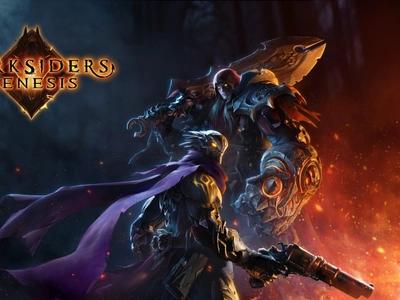
Isometric hack-and-slash built around two-character synergy in co-op; brisk combat, upgrades, and replayable missions make it an easy shared alternative to ARPG looting.
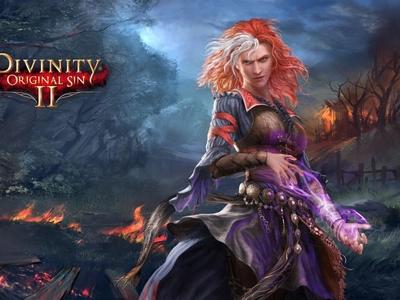
If your group wants deeper teamwork than pure ARPG, its co-op lets you split roles, combine elemental effects, and make story choices together across a huge campaign.
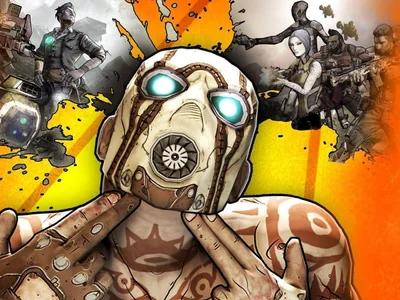
Co-op loot chase translated into an FPS: constant gear drops, skill trees, and build roles for a party—captures the same “farm, optimize, repeat” loop in a new angle.
Similar Vibe, Bigger Scope
3Expansive alternatives to Victor Vran featuring larger worlds, deeper progression systems, and extended campaigns for players seeking more content.
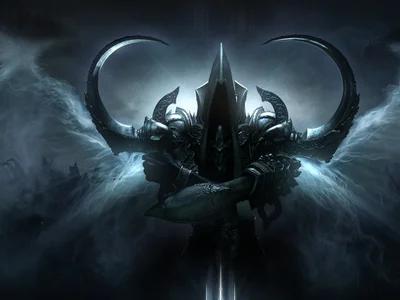
Same loot-chasing ARPG flow but on a grander scale: huge endgame loops (Adventure Mode, rifts), many builds, and tons of content for long-term grinding.

Classic isometric ARPG made expansive: long campaign across mythic regions, dual-class mastery system, and lots of gear chasing for players who want more world to clear.

Similar gothic demon-hunting vibe, but bundled into a big package: three campaigns unified, lots of loot and skills, plus steady progression for extended play.
Deeper Systems & Mastery
2Games with deeper mechanical complexity than Victor Vran, rewarding players who enjoy mastering intricate systems and advanced strategies.
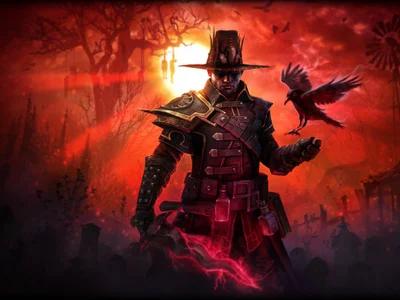
Deep buildcraft with dual masteries, devotion constellations, faction choices, and resist juggling—perfect if you want more knobs to tune than a straightforward ARPG.
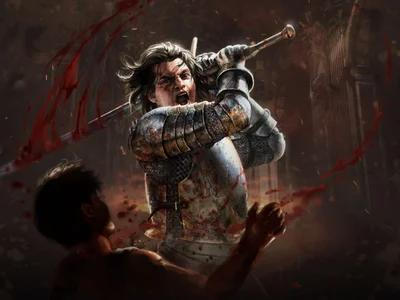
A sprawling theorycraft playground: giant passive tree, skill gems, crafting, leagues, and layered endgame maps—rewards planning and long-term character mastery.
Darker & Grittier
2Mature, atmospheric alternatives to Victor Vran featuring darker themes, grittier visuals, and more serious storytelling.
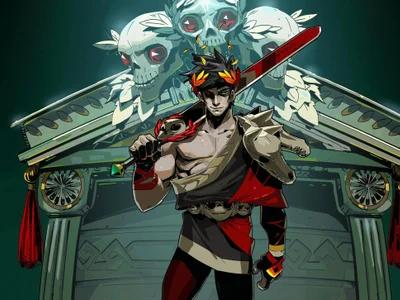
Dark underworld tone with razor-tight isometric combat; runs are punchy and lethal, and the boon-driven builds scratch the same “kill, loot, upgrade” compulsion.
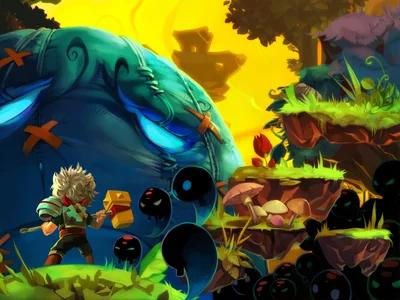
Isometric action with weighty hits and a somber atmosphere; less loot-heavy, but it delivers that satisfying dodge-and-strike rhythm with a darker, ruined-world mood.
Frequently asked questions
Common questions about this game, answered by our team.
How hard is it?
Moderately challenging with emphasis on dodging over stats. Base difficulty is approachable, but optional challenge modifiers let you stack difficulty for better rewards, creating a wide skill range.
How long to beat?
Main campaign takes roughly 15–20 hours. Challenge hunting, DLC content, and build experimentation can extend playtime considerably, especially in co-op.
Good for beginners to ARPGs?
Yes—streamlined systems and weapon-swap mechanics are easier to grasp than complex skill trees. Action focus may challenge those unfamiliar with dodge-heavy combat, but difficulty modifiers offer flexibility.
Can I play solo or do I need co-op?
Fully playable solo with balanced scaling. Co-op adds variety through build synergies and is well-implemented, but entirely optional.
Is there endgame content?
Less robust than genre leaders—primarily challenge modifiers on existing areas and DLC dungeons. Strong for casual replay, lighter for hardcore min-maxers seeking infinite progression.
Game data and imagery provided by IGDB.com