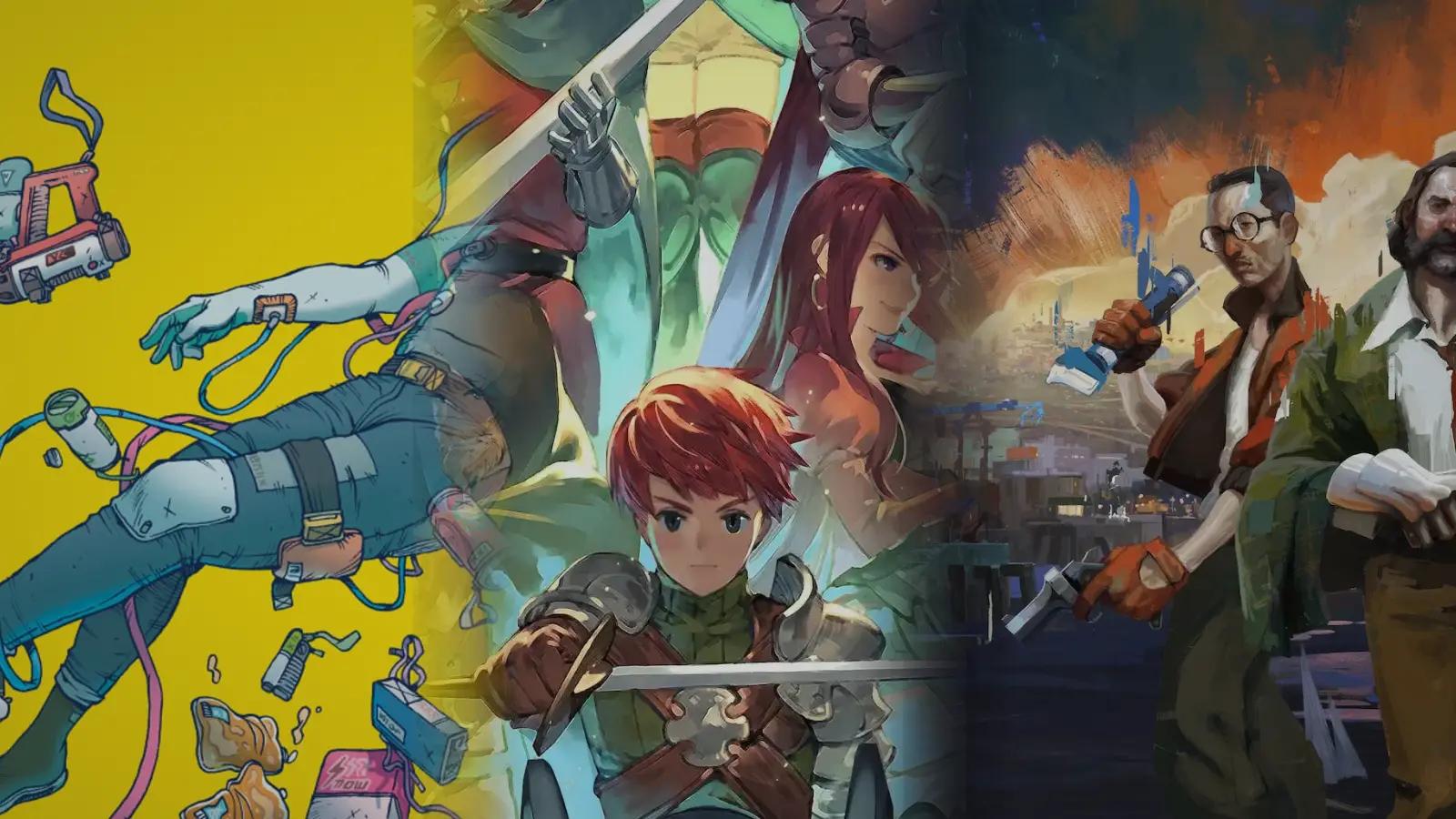

The best indie RPGs do not try to out-budget the AAA space. The ones that last are the ones that had something specific to say and built their systems around saying it. Disco Elysium could not exist at a major studio. Neither could Caves of Qud, or Wildermyth, or a game where a solo developer spent years recreating the feeling of a Super Nintendo epic entirely on his own. That specificity is what this list is about.
I ranked each game on RPG depth and progression most heavily, followed by worldbuilding and story, then overall quality, combat execution, and indie distinctiveness. Games where role-playing systems are incidental rather than central did not make the cut regardless of overall quality.
For the full picture on indie games across all genres, see our Best Indie Games of All Time guide. This article focuses specifically on role-playing games where progression, builds, quests, or character systems are the core of the experience.
Quick Picks
Best for story-first players: Disco Elysium - The Final Cut
Best action RPG: CrossCode
Best JRPG-inspired: Chained Echoes
Best for deep systems: Caves of Qud
Best recent release: Citizen Sleeper 2: Starward Vector
The Top 10 Best Indie RPGs
Ten games that represent the full breadth of what indie role-playing looks like right now, from narrative CRPGs to tactical party builders to action RPGs with build depth that rivals anything in the genre.
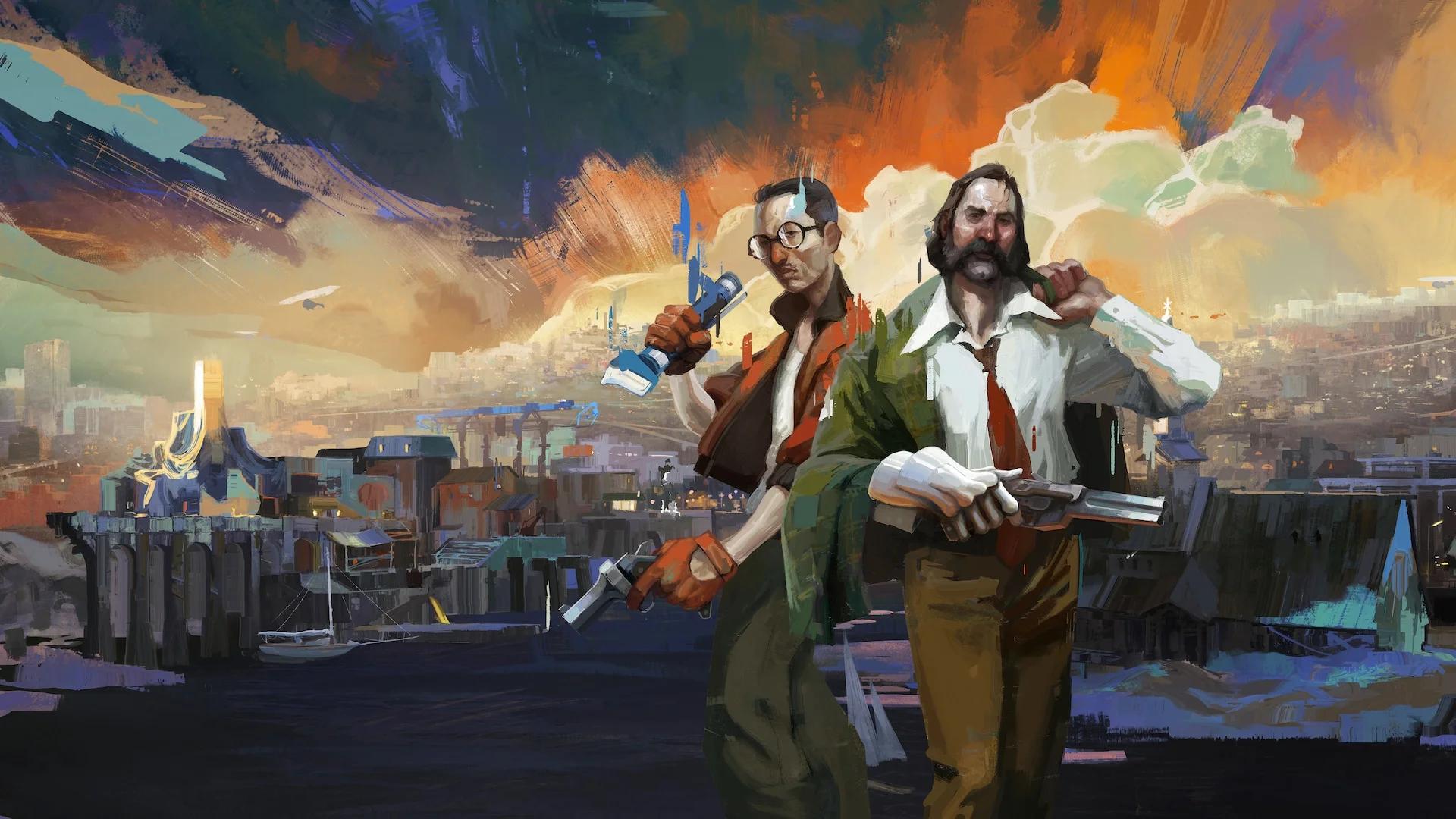
There is a moment early in Disco Elysium when your own Inland Empire skill interrupts a conversation to insist that your jacket has feelings. I sat there for a full minute just reading it. The whole game is like that. No conventional combat, just skill checks, dialogue choices, and a detective slowly assembling himself from the rubble of a lost weekend. RPG depth comes from 24 psychic skills that function as your inner voices, each buildable into a distinct character identity. The worldbuilding is extraordinary. Nothing in the indie space writes like this. Nothing.
- Released
- 20212021
- Genre
- AdventureAdventure
- Platforms
- macOS, PC, PS4, PS5, Switch, Xbox One, Series X|SmacOS, PC, PlayStation 4, PlayStation 5, Nintendo Switch, Xbox One, Xbox Series X/S
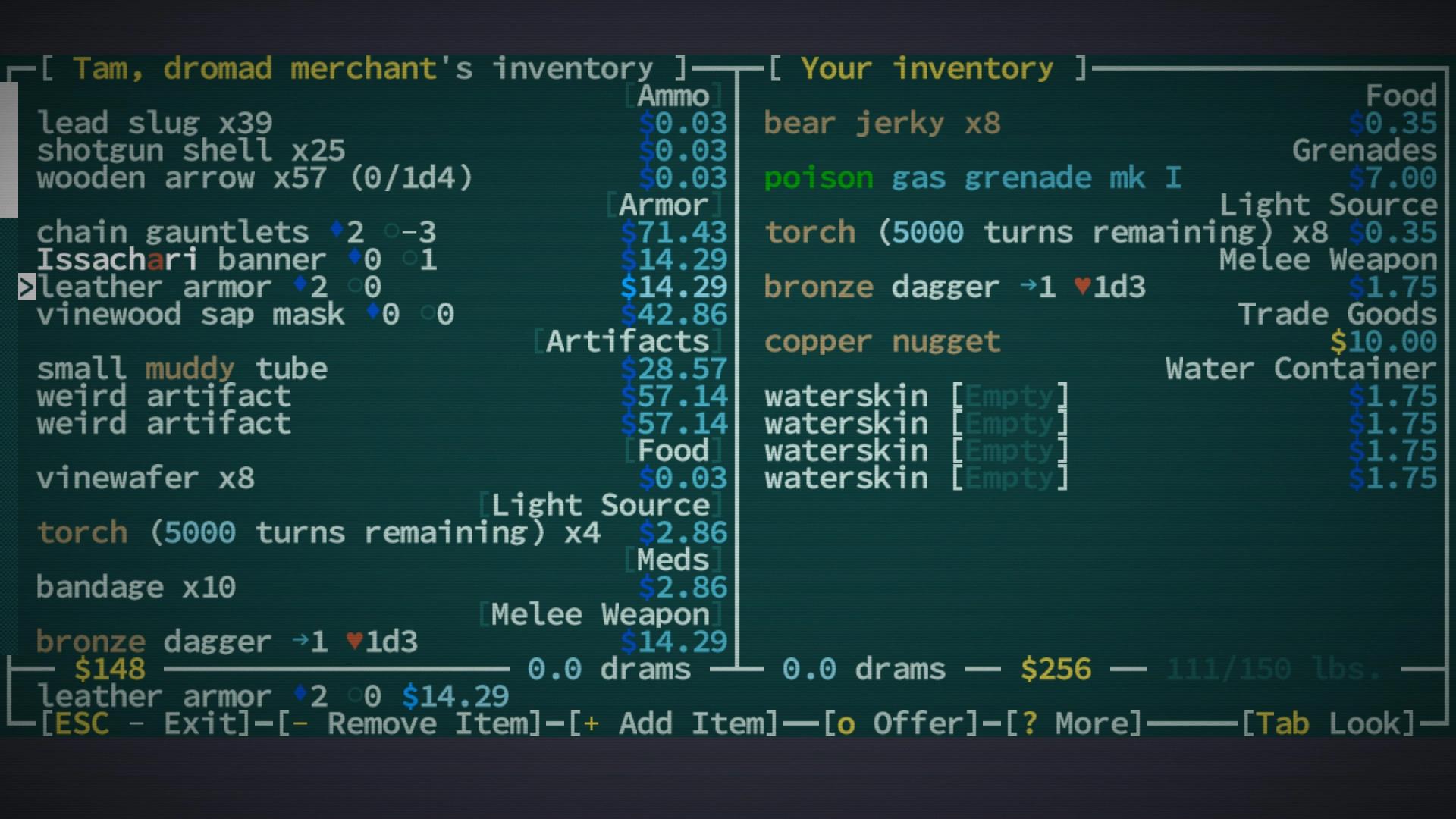
I went in expecting a retro curiosity and stayed for forty hours because the world just keeps producing things I had not anticipated. You can start as a mutant who shoots bursts of light from their hands and spend three hours building a settlement before the main quest has even introduced itself. The RPG depth is genuine: faction relationships, stat-driven dialogue, procedural quests, and a character creation system that produces genuinely different playstyles. It is not a smooth game. The interface asks patience. But players who want a systems-first RPG that actually surprises them will not find a better sandbox in the indie space.

- Released
- 20242024
- Genre
- RPGRPG
- Platforms
- Linux, macOS, PC, Switch, Switch 2Linux, macOS, PC, Nintendo Switch, Nintendo Switch 2
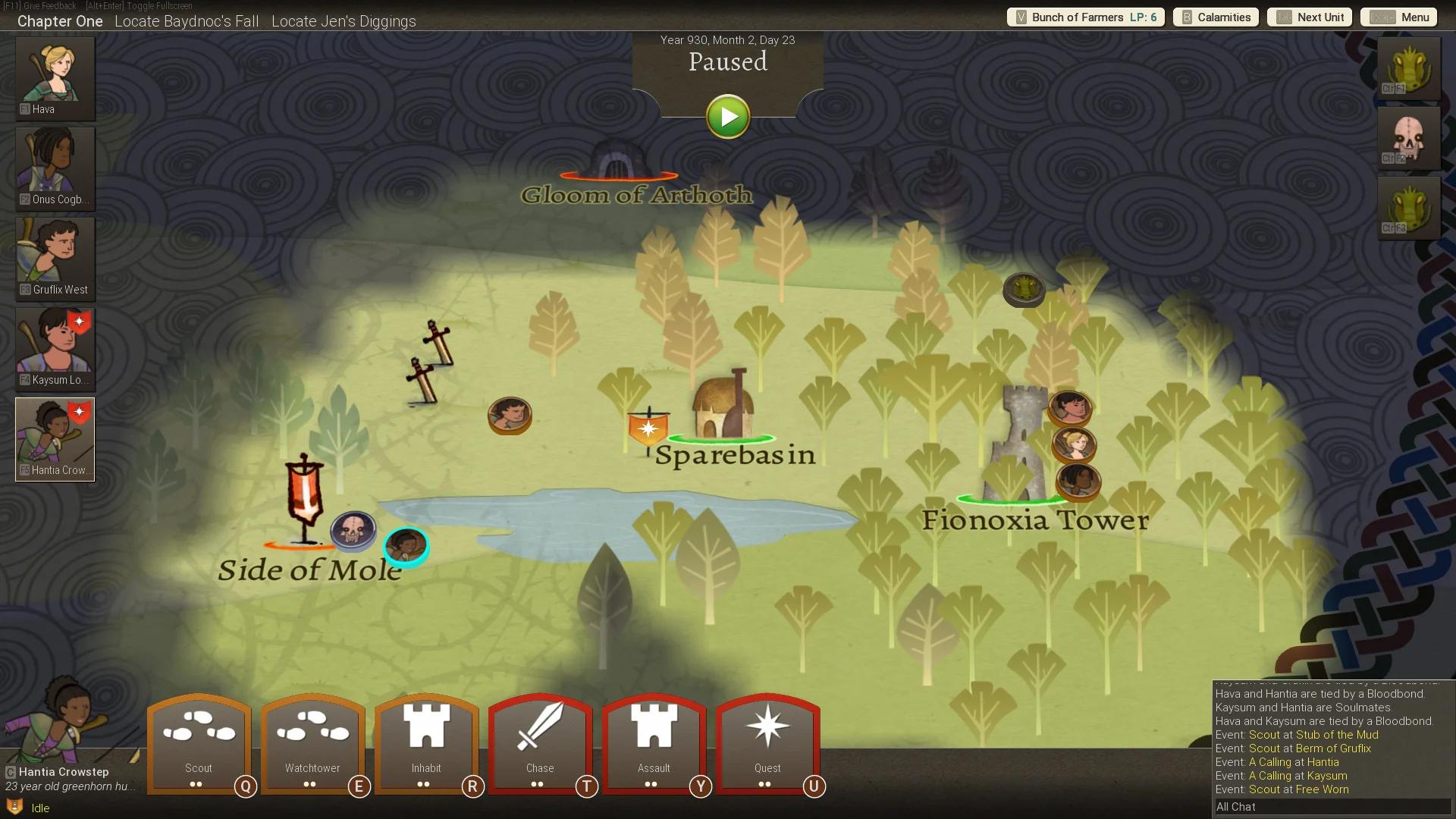
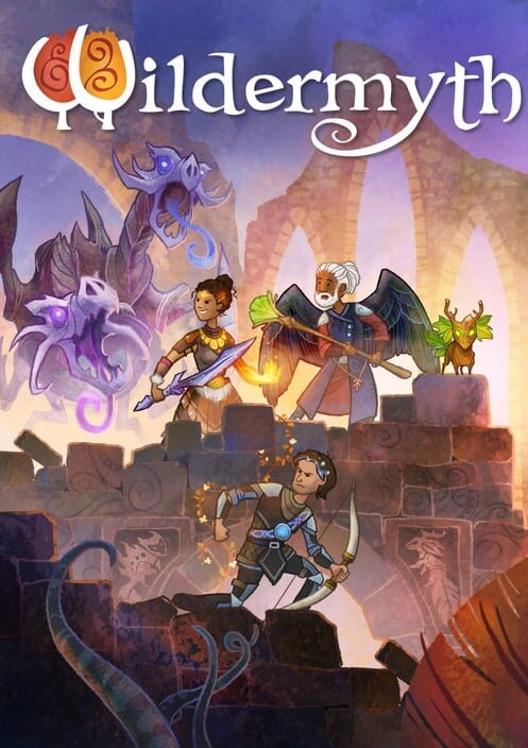
Wildermyth is what happens when a tactical RPG cares as much about who your party becomes as about how well they fight. Characters merge with mythic creatures mid-campaign and carry those transformations into the next story. One of my rangers fused with a fire spirit three missions in and I immediately changed how I was playing her, not because a tooltip told me to, but because it felt right to. The procedural storytelling means no two campaigns run the same way. If you enjoy the feeling of building a party that feels like yours rather than the game's, this is the one.
- Released
- 20212021
- Genre
- RPGRPG
- Platforms
- Linux, macOS, PC, PS4, PS5, Switch, Xbox One, Series X|SLinux, macOS, PC, PlayStation 4, PlayStation 5, Nintendo Switch, Xbox One, Xbox Series X/S

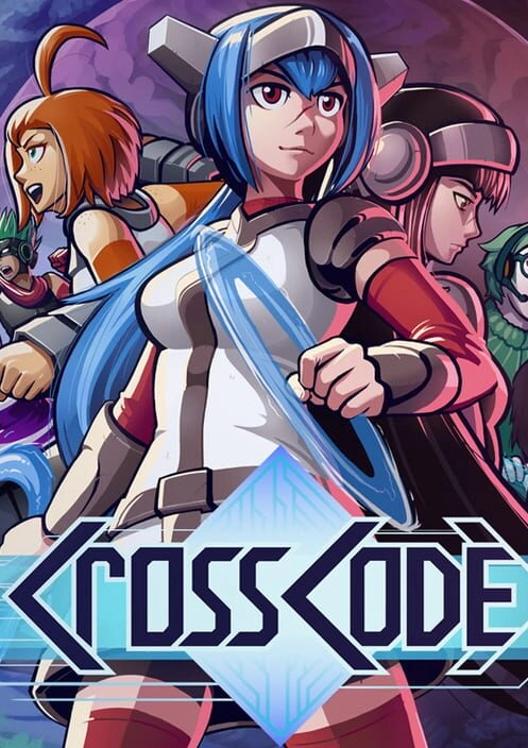
CrossCode sells itself as an action RPG set inside a fictional MMO, which sounds like a gimmick until you are two hours in and realising the build system alone could fill a separate game. Skill circuits, elemental modes, and gear tuning stack into a customisation layer that rewards attention. The combat is fast, demanding, and satisfying in the way a well-designed puzzle is satisfying. I played it thinking I would bounce off the story, which leans into anime tropes without apology. The story held. Dungeons in the later third are some of the best designed in the indie space. Not a short game, but it earns the length.
- Released
- 20182018
- Genre
- ShooterShooter
- Platforms
- Linux, macOS, PC, PS4, PS5, Switch, Xbox OneLinux, macOS, PC, PlayStation 4, PlayStation 5, Nintendo Switch, Xbox One
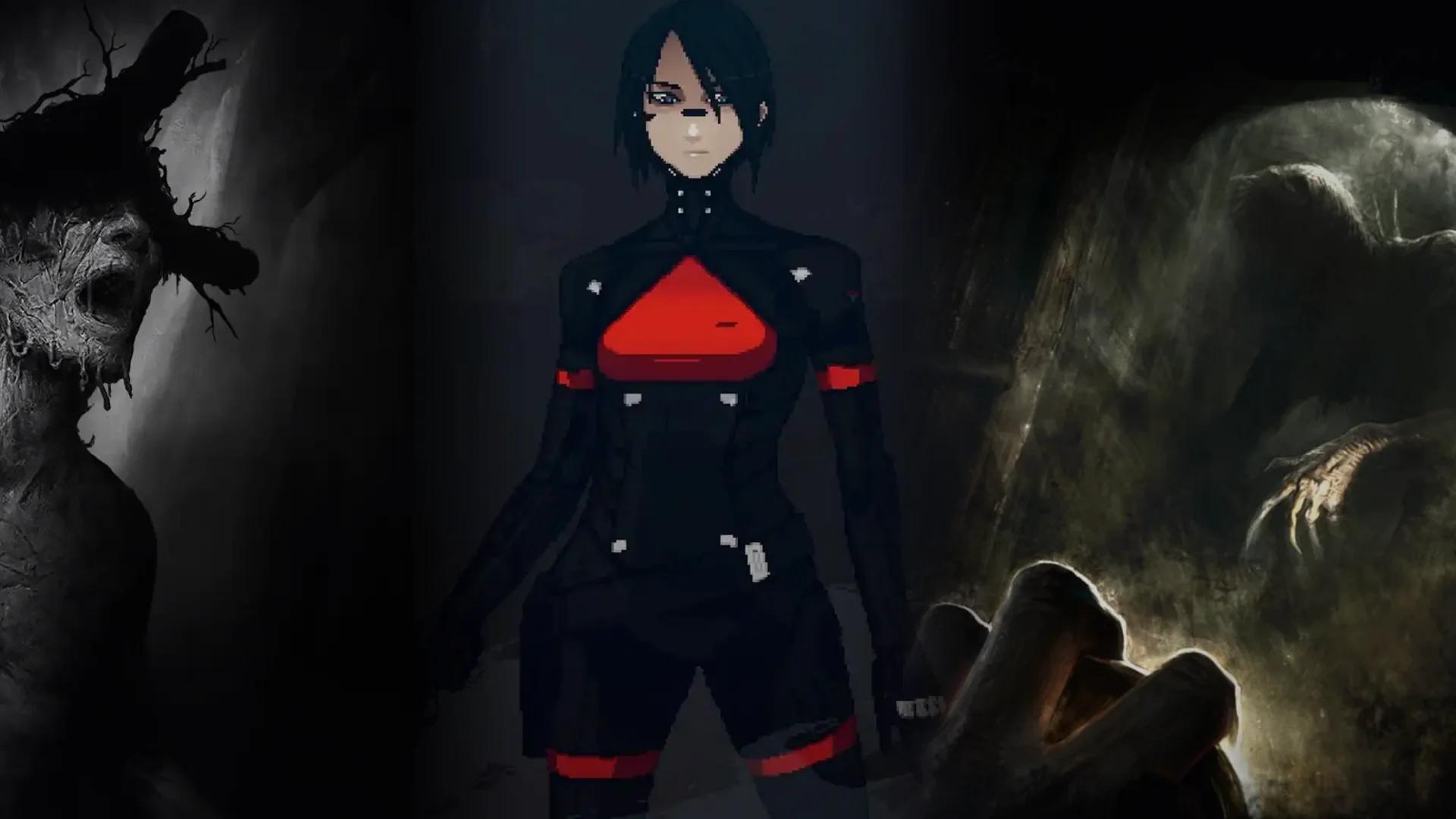
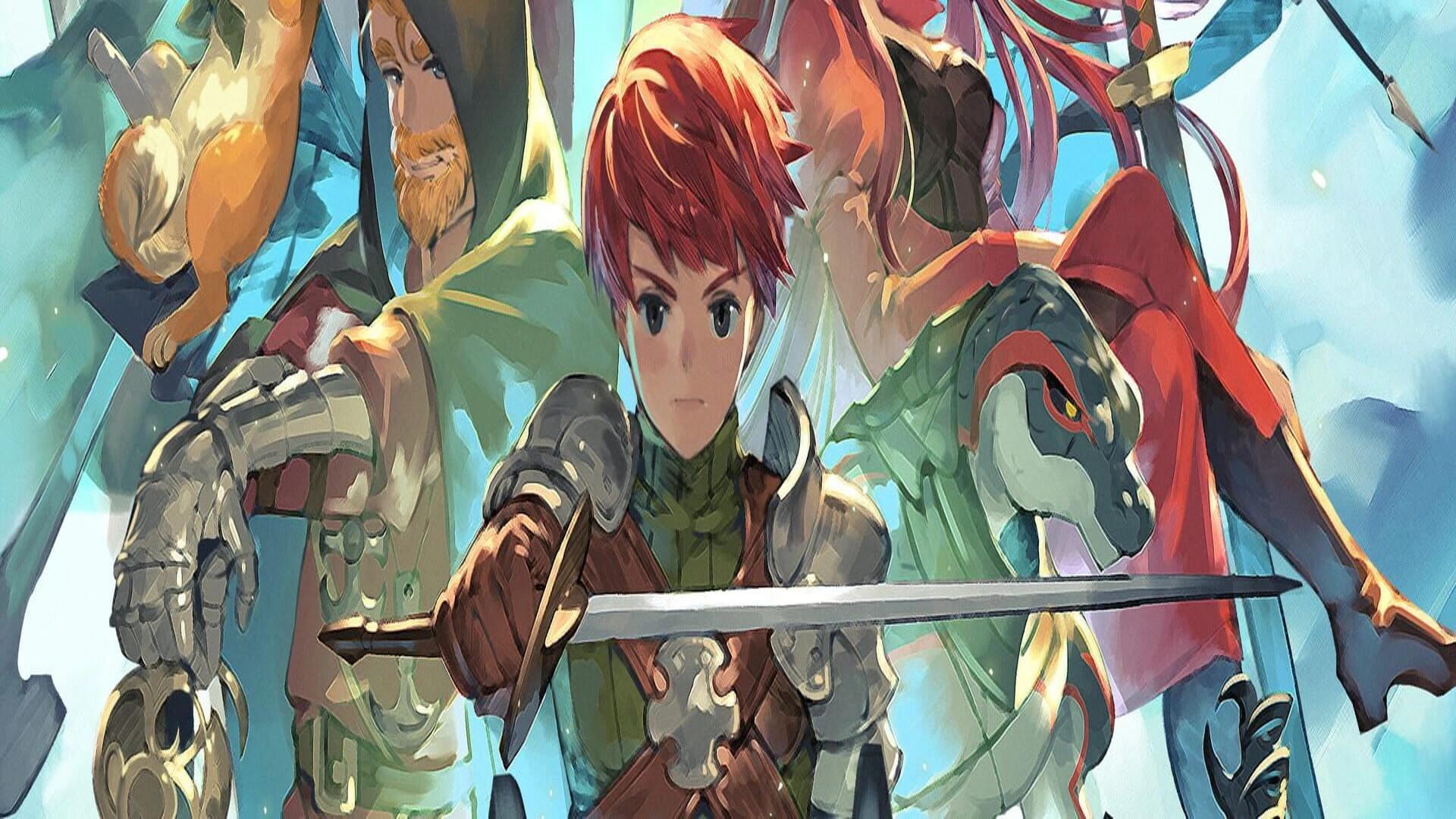
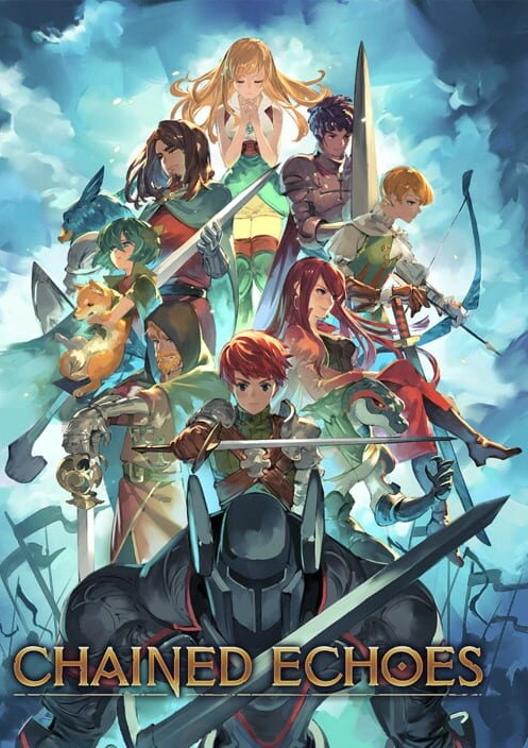
One person made this. That fact becomes harder to believe the longer you play. Chained Echoes has better pacing than most studio JRPGs, a combat system built around an overdrive meter that keeps you actively managing rather than grinding on autopilot, and a party roster that actually develops. It wears its 16-bit influences clearly but does not feel like nostalgia bait. The mech combat mid-game is a surprise that the story earns. For anyone who grew up on Chrono Trigger or Final Fantasy VI and wants something that honours those games without just copying them, this is the recommendation.
- Released
- 20222022
- Genre
- RPGRPG
- Platforms
- Linux, macOS, PC, PS4, Switch, Xbox OneLinux, macOS, PC, PlayStation 4, Nintendo Switch, Xbox One
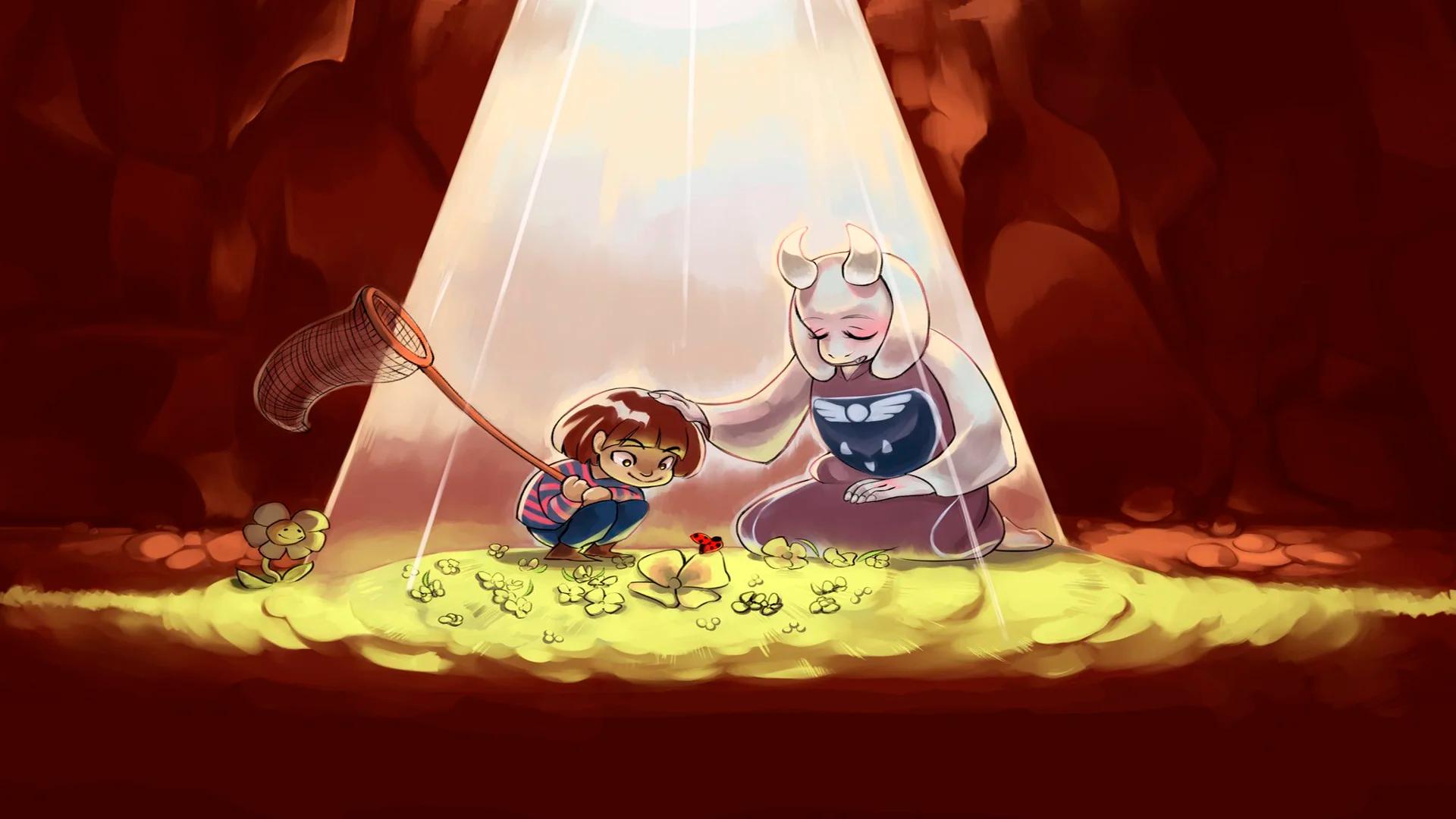
Undertale is eleven years old and still the game people mention first when someone asks what indie RPGs can do that AAA titles cannot. The pacifist route, the genocide route, and the space between them are not just design choices; they are a conversation about why you fight in RPGs at all. The progression is lighter than anything else on this list. That kept it out of the top five. But the writing, the characters, and the way the game uses its own mechanics against your expectations remain genuinely remarkable. Play it once without looking anything up. That first run through is worth protecting.
- Released
- 20152015
- Genre
- PuzzlePuzzle
- Platforms
- Linux, macOS, PC, PS4, Switch, Xbox OneLinux, macOS, PC, PlayStation 4, Nintendo Switch, Xbox One
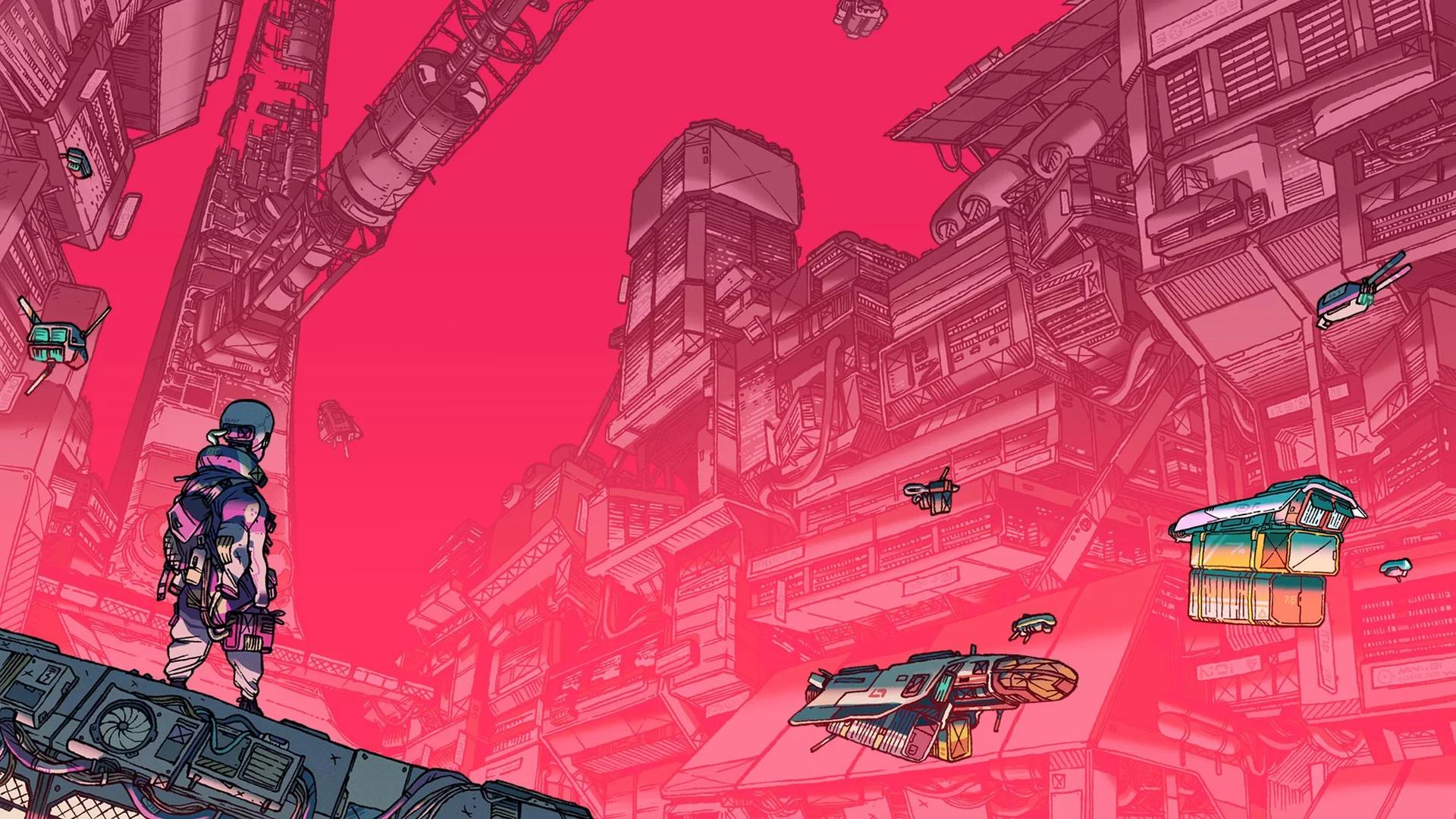
Citizen Sleeper builds its RPG loop around dice allocation, which sounds abstract until you are three days from running out of stabiliser and rationing your best dice for the job that might actually pay. The pressure is real. The station of Erlin's Eye feels inhabited in a way that most open worlds four times its size do not. I played this on PS5 late evenings when I wanted a game that moved at my pace, and the short session structure fits that kind of play perfectly. Each run of days ends naturally. You always know when to stop. That is rarer than it sounds.

- Released
- 20222022
- Genre
- RPGRPG
- Platforms
- macOS, PC, PS4, PS5, Switch, Switch 2, Xbox One, Series X|SmacOS, PC, PlayStation 4, PlayStation 5, Nintendo Switch, Nintendo Switch 2, Xbox One, Xbox Series X/S
If you are looking for indie RPGs and co-op games that work on modest hardware, our Best Indie Games for Low-End PCs guide covers what actually runs well outside of gaming setups.
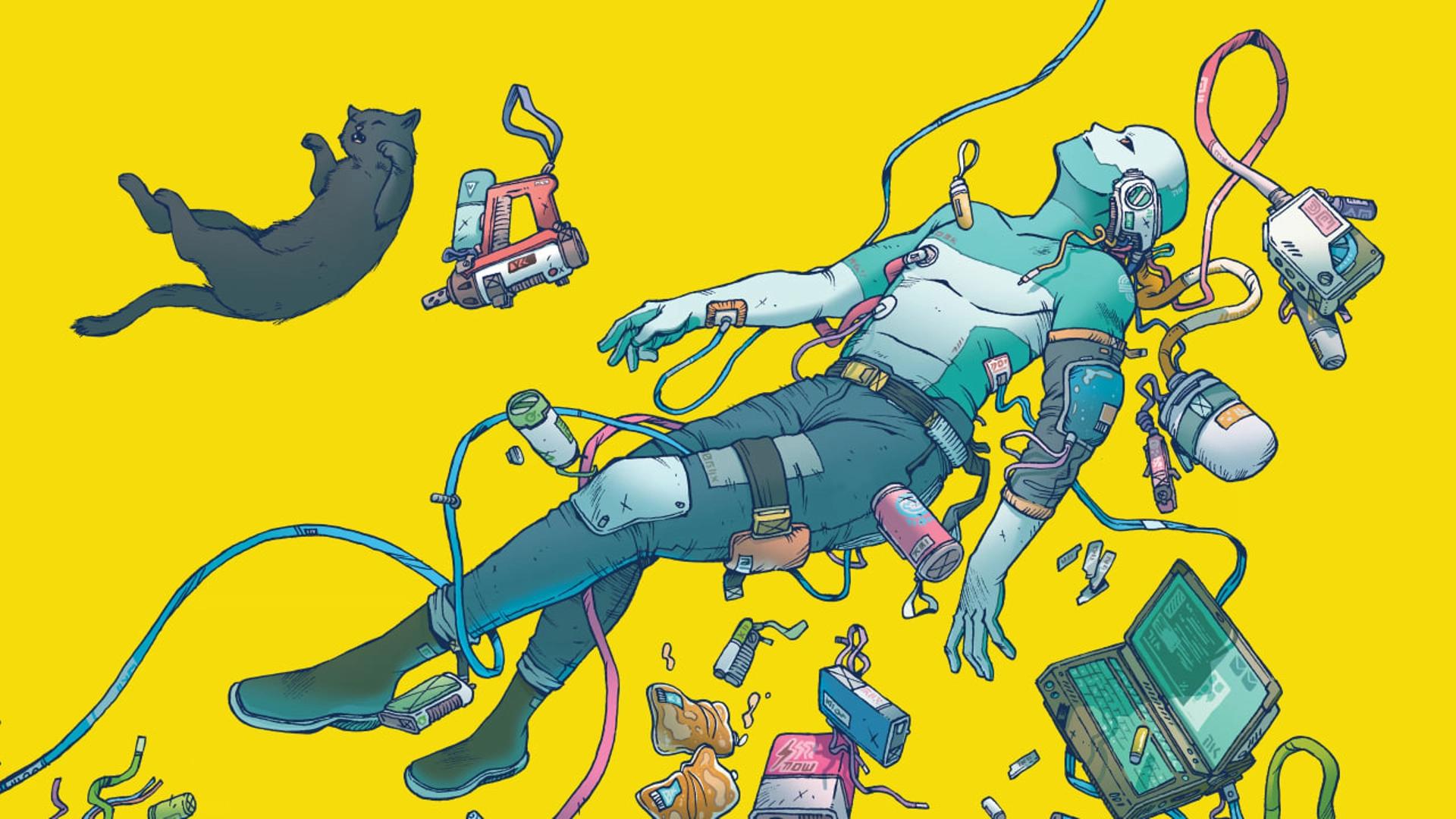
The sequel expands the original's systems into crew management and interstellar travel, which adds stakes without losing the intimate tone. Your decisions affect people who depend on you, and the game lets you feel that weight through resource scarcity rather than cutscenes. It released in 2025 and landed as one of the clearest examples of an indie developer improving on their own template rather than just scaling it. If you played the original and want more, this is the obvious next step. If this is your entry point to the series, it works there too, though the original's slightly tighter focus gives it a minor edge overall.

- Released
- 20252025
- Genre
- RPGRPG
- Platforms
- macOS, PC, PS5, Switch, Switch 2, Series X|SmacOS, PC, PlayStation 5, Nintendo Switch, Nintendo Switch 2, Xbox Series X/S
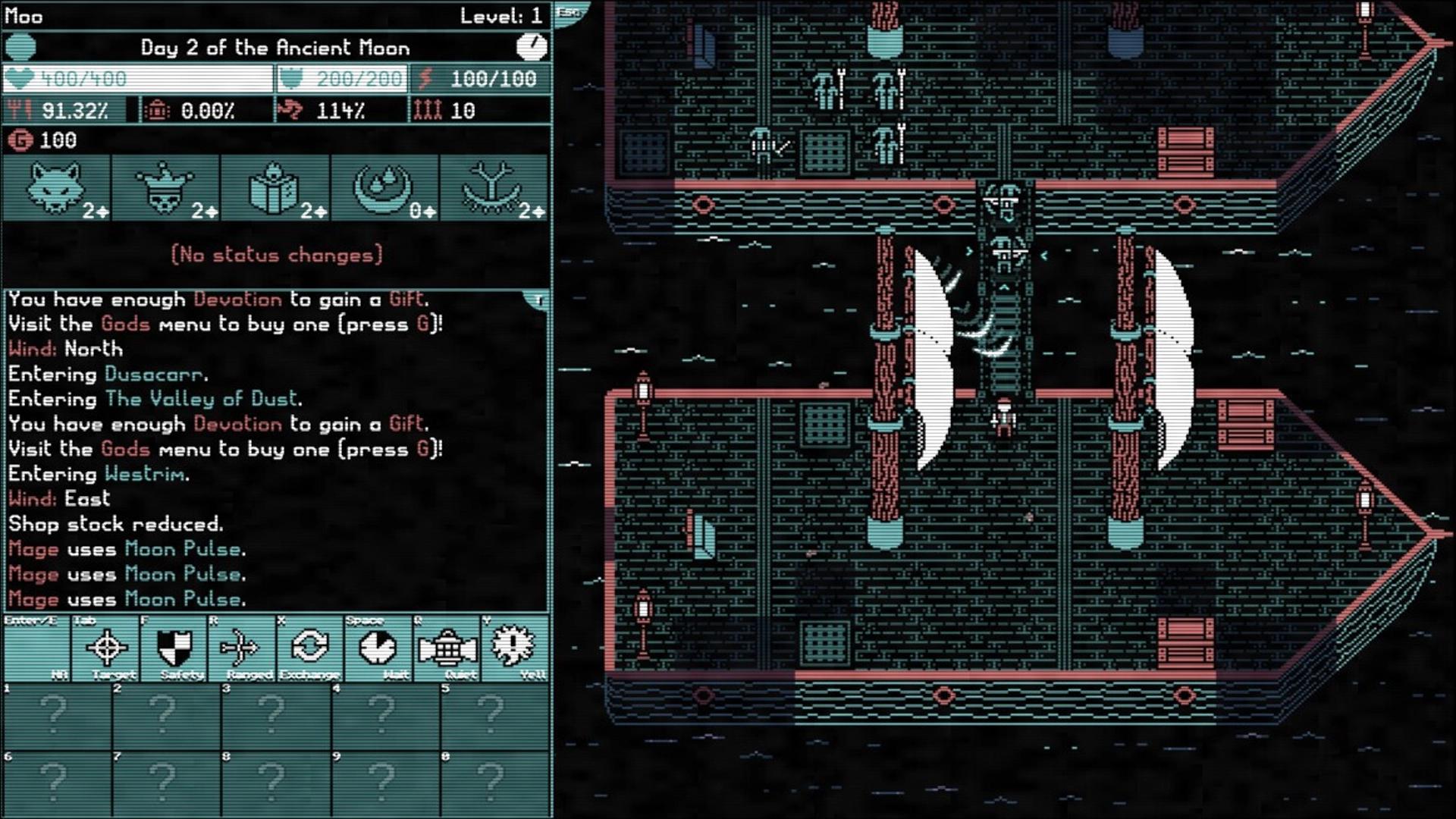
Moonring is free. No upsell. Every dungeon, every quest, the whole game. The developer is the co-creator of the Fable series, which makes the scope of what he built alone worth stopping to think about. Mechanically it draws from Ultima: open world, turn-based encounters, a god system that shapes your character. The interface is deliberately old-school and will not be for everyone. But if you grew up on games that respected your intelligence and expected you to take notes, this delivers that feeling more honestly than most paid retro callbacks. Discovery value is extremely high. Worth an evening of your time at minimum.

- Released
- 20232023
- Genre
- RPGRPG
- Platforms
- PCPC

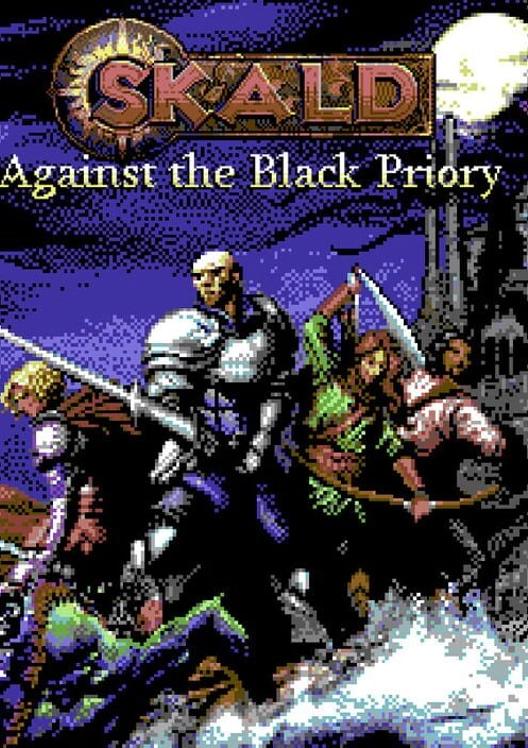
SKALD earns its place by doing one thing very well: it makes you care about keeping your party alive. Characters can die permanently on higher difficulties, inventory management is genuinely tense, and the grim Nordic-flavoured setting is consistent throughout. The pixel art is dense and atmospheric rather than nostalgic for its own sake. It launched in 2024 and filled a gap on this list for players who want a proper old-school party CRPG without the friction that comes with decades-old design. Not the flashiest entry here. The systems hold up, the atmosphere is strong, and it knows exactly what it is trying to be.
- Released
- 20242024
- Genre
- RPGRPG
- Platforms
- macOS, PCmacOS, PC
Honorable Mentions
These five narrowly missed the main list, each for a specific reason, but every one of them is worth playing if a particular subgenre or tone from the top ten caught your attention.
11. LISA
83%LISA: The Painful is not comfortable. Choices carry real cost, party members can die from decisions you make outside combat, and the world it builds is bleak in ways that feel intentional rather than gratuitous. The turn-based system is competent without being exceptional. What keeps it off the main list is that the cult-classic reputation somewhat outpaces the mechanical depth relative to the entries above it. But for players who want an indie RPG that genuinely unsettles and commits to its vision without flinching, few games match it. Go in knowing what you are getting into.
I picked up Cassette Beasts expecting something that would scratch the Pokémon itch and found a fusion system deeper than anything the mainline series has attempted in years. Combining two monster forms creates hybrid types with unpredictable results, and the build experimentation that opens up mid-game is genuinely absorbing. The world and story are lighter than the top ten entries, which is why it missed the cut. But for anyone who wants a monster-collecting RPG with actual mechanical ambition rather than just familiar comfort, this is the one to play.
Crystal Project is a buildcraft game wearing an open-world JRPG as a disguise. The job system lets you mix abilities across classes in ways that reward planning over grinding, and the exploration is non-linear in a way that keeps surprising you with optional encounters tuned well above the expected difficulty. The narrative is minimal. That is the honest reason it sits here rather than in the top ten. But systems-focused RPG players who find the story-heavy entries above less interesting will likely rank this higher on their personal list.
Jimmy and the Pulsating Mass operates in the same register as EarthBound: surreal suburban nightmare, a child protagonist, and emotional weight hidden under increasingly strange imagery. The turn-based combat is traditional enough to feel accessible, and the party members are distinct and memorable. It sat in the cult-classic category for years before more players found it. The relative obscurity is why it narrowly missed the ranked list. If you have already worked through the top ten and want something genuinely odd and heartfelt, this is the deep cut worth finding.
In Stars and Time uses a time-loop structure the way Undertale uses pacifism routes: as a lens that changes how you read everything around it. The character writing is strong, the party chemistry is warm, and the repetition the loop creates is handled with more patience than most games would risk. It missed the main list because the RPG systems are lighter than the entries above it. The story does the heavy lifting. For players who prioritised Citizen Sleeper and Disco Elysium on this list for their narrative quality, this is the next natural recommendation.
Frequently Asked Questions
Common questions about finding and choosing indie RPGs worth your time.
What counts as an indie RPG?
For this list, an indie RPG is a game developed outside the major AAA studio system where role-playing systems, including progression, character building, questing, stats, or meaningful dialogue choices, are central to the experience rather than incidental. Games where RPG elements are decorative on top of another genre identity did not qualify.
Do any of these work well on a laptop or low-end PC?
Most of them do. Disco Elysium, Undertale, Wildermyth, Citizen Sleeper, Chained Echoes, SKALD, and Moonring all run comfortably on non-gaming hardware. CrossCode and Caves of Qud are lightweight enough that integrated graphics handle them without much trouble. If low-end performance is a priority, our Best Indie Games for Low-End PCs guide has more targeted picks.
Are any of these good for players new to RPGs?
Chained Echoes and Wildermyth are the two I would point to first. Both have clear onboarding, approachable combat systems, and enough story to carry players who are not there primarily for the mechanics. Undertale is also an excellent starting point if the player is open to something short and unusual.
How long are these games?
It varies significantly. Undertale and Citizen Sleeper run eight to twelve hours each. Chained Echoes and CrossCode sit in the thirty to forty hour range. Caves of Qud and Wildermyth are effectively open-ended, and Disco Elysium runs around twenty to twenty-five hours depending on how much of the dialogue you read, which should be all of it.
Is Disco Elysium still available to buy?
This is worth checking at the time of purchase. The game has faced availability complications in some regions following the dissolution of the original studio. On platforms where it remains listed, it is fully playable and complete. Verify availability on your preferred storefront before committing.
Conclusion
The ten games on this list cover more ground than most AAA RPG releases manage in a decade. Whether you want a game that reads like a novel, a sandbox that generates its own stories, or a JRPG built by one person in a bedroom, the indie space has it. Start with Disco Elysium if writing matters to you most, CrossCode if you want combat-forward depth, or Chained Echoes if the JRPG itch is the one that needs scratching.
For more unusual picks in the broader indie space, the Free Indie Steam Games guide and our Best Nintendo Switch Indie Co-Op Games list are worth a look.
Ready for more tailored picks? Try our Recommendations Engine for suggestions that match your play style.