
The best indie games do not ask for your patience while they warm up. They are already doing something interesting by the time you figure out the controls. I have spent more evenings than I can count starting something that looked promising and abandoning it an hour later, and the games that made this list are the ones I kept coming back to, or the ones I finished and immediately thought about recommending to someone specific. That is the actual test. Not review scores. Not cultural chatter. Whether you would tell a real person to play it.
I ranked each game across six criteria, with overall quality and execution carrying the heaviest weight, followed equally by originality and recommendation value today. Reputation, replayability, and platform availability filled out the rest. With just how much I like playing it as the tie-breaker!
Quick Picks
Best overall starting point: Hades
Best comfort game: Stardew Valley
Best exploration experience: Hollow Knight
Best for short sessions: Balatro
Best story-first pick: Disco Elysium
The Top 10 Best Indie Games
Ten games. Different genres, different paces, different reasons to play. This is where indie gaming earns its reputation.
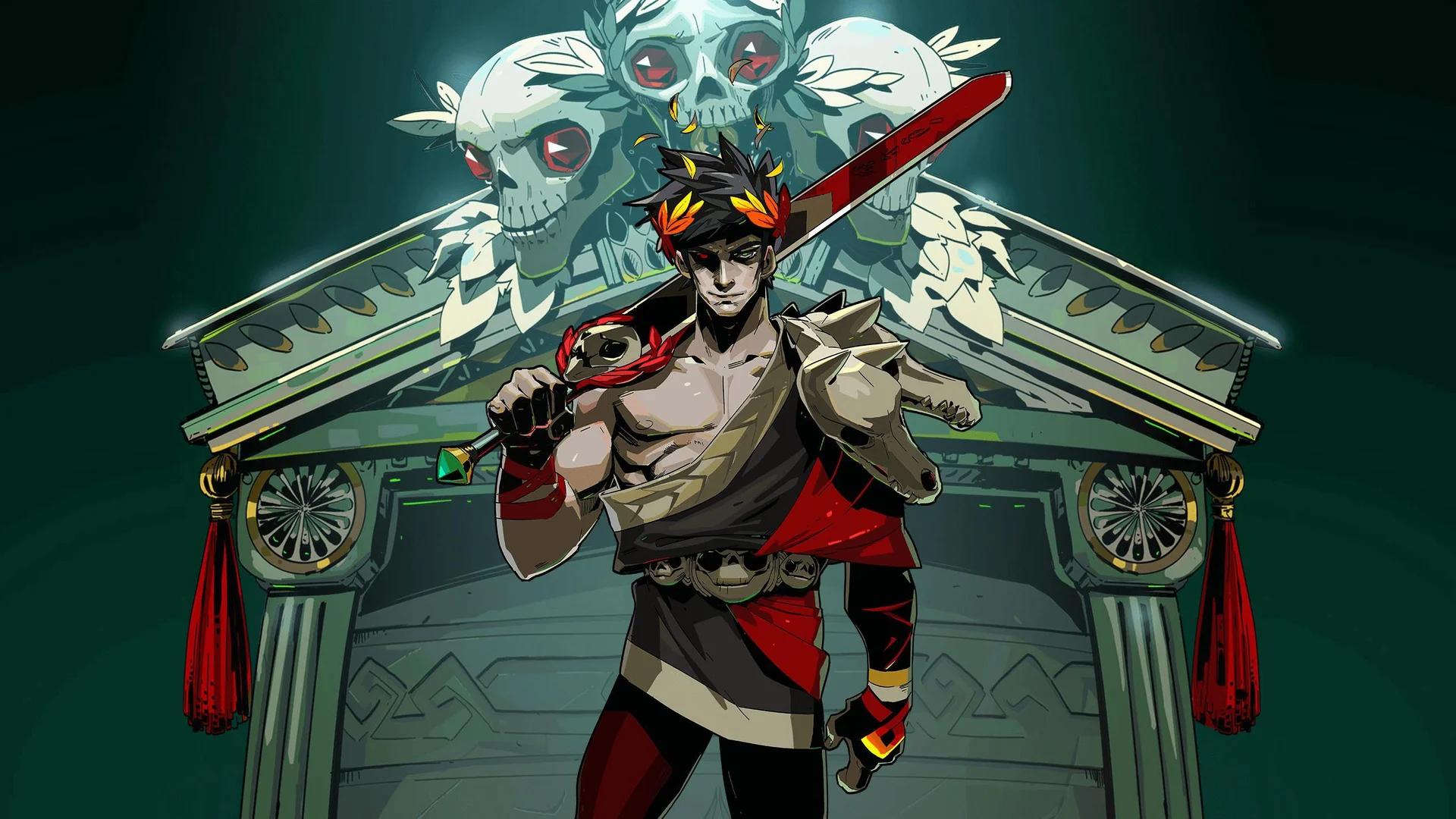
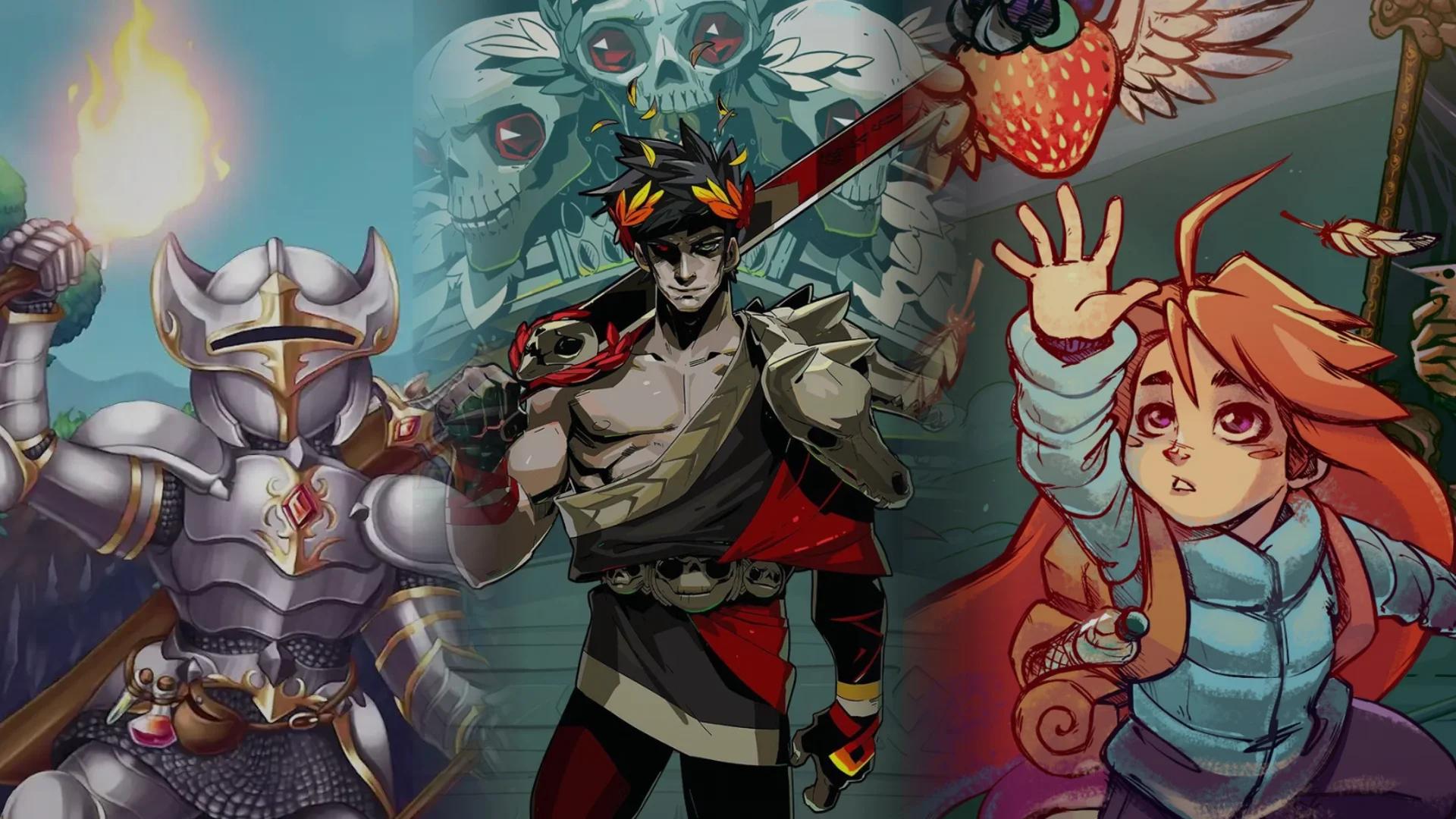
I went in expecting a decent roguelike and stayed for thirty hours I did not plan to spend. That is a rare thing for me. Hades earns the top spot because it solves the only real problem with roguelikes: the story progresses whether you win or lose. Every failed run still moves something forward. The combat is fast, readable, and satisfying in a way that most action games twice its budget cannot manage. It runs on everything, it onboards quickly, and it does not waste your time. If you hand this to someone who has never played a roguelike, they will get it within twenty minutes. Nobody else on this list can make that claim.
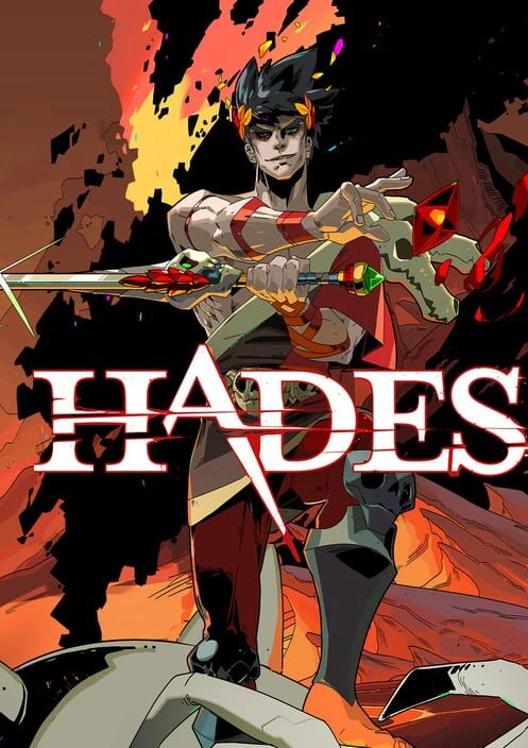
- Released
- 20202020
- Genre
- RPGRPG
- Platforms
- iOS, macOS, PC, PS4, PS5, Switch, Xbox One, Series X|SiOS, macOS, PC, PlayStation 4, PlayStation 5, Nintendo Switch, Xbox One, Xbox Series X/S
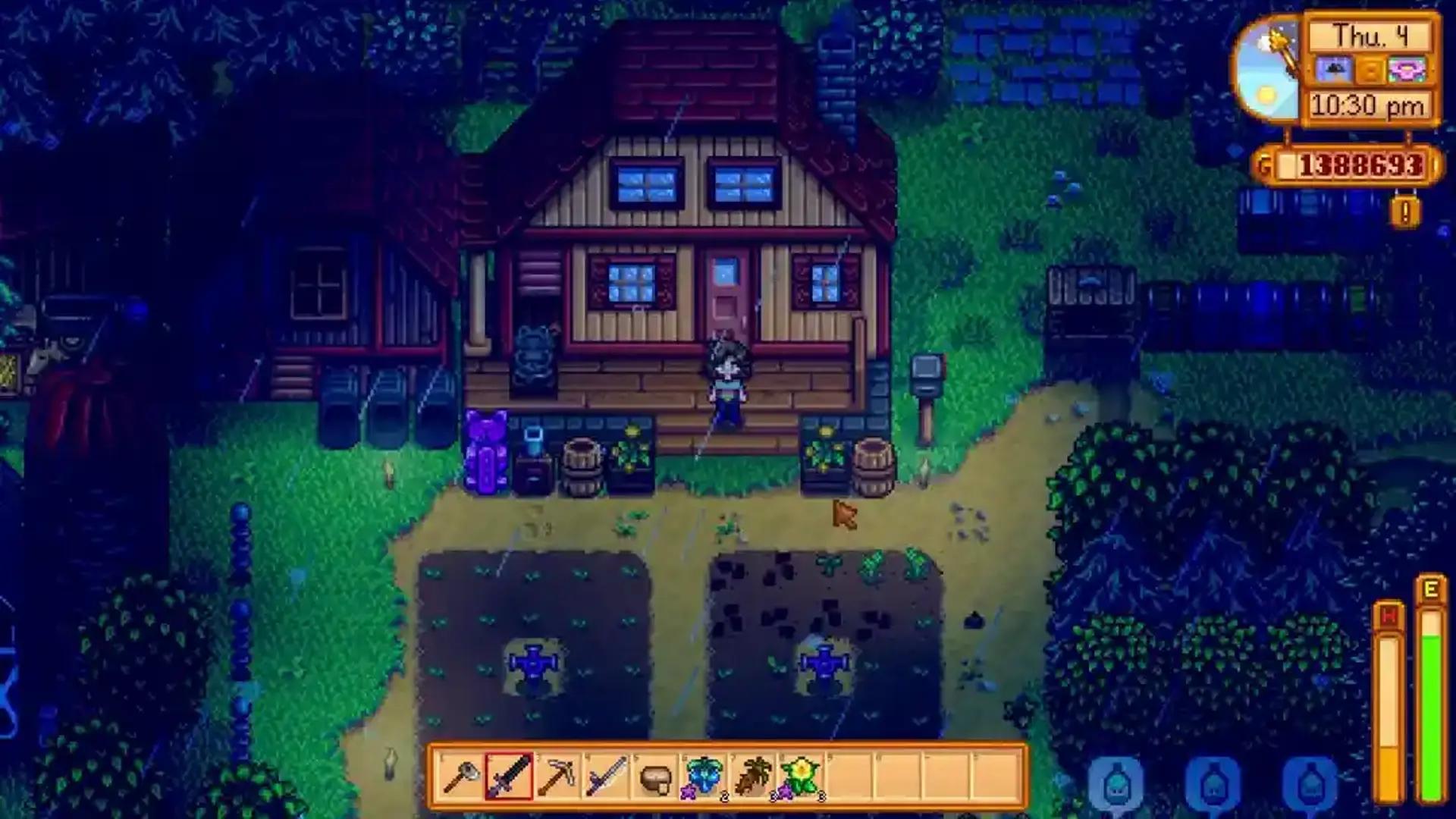
My wife does not play games. She played Stardew Valley. That alone tells you something. It is the comfort game that became an institution, built by one person over four years, and it still gets free updates. The loop of farming, fishing, talking to villagers, and slowly upgrading your land has an almost therapeutic pull that is hard to explain until you are an hour in and realize you have forgotten to check your phone. Its recommendation value for almost any type of player is as high as any indie game I know. The slight knock is that it lacks mechanical tension. If you need challenge to stay engaged, this is not the game.
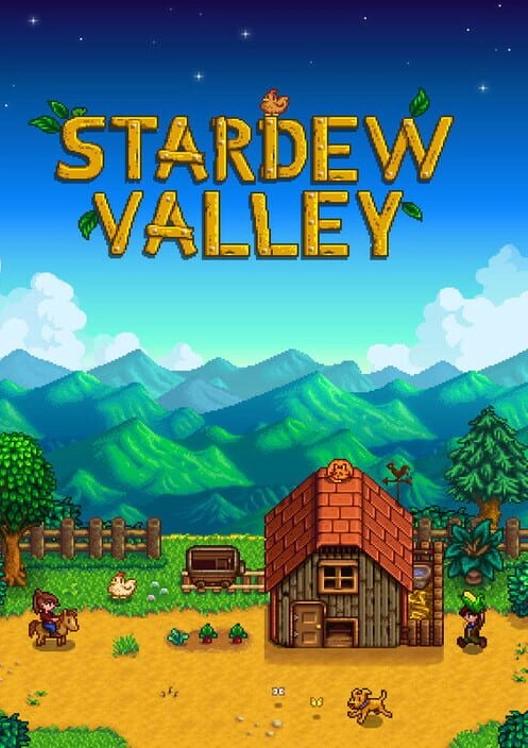
- Released
- 20162016
- Genre
- RPGRPG
- Platforms
- Android, iOS, Linux, macOS, PC, PS4, Switch, Switch 2, Xbox OneAndroid, iOS, Linux, macOS, PC, PlayStation 4, Nintendo Switch, Nintendo Switch 2, Xbox One
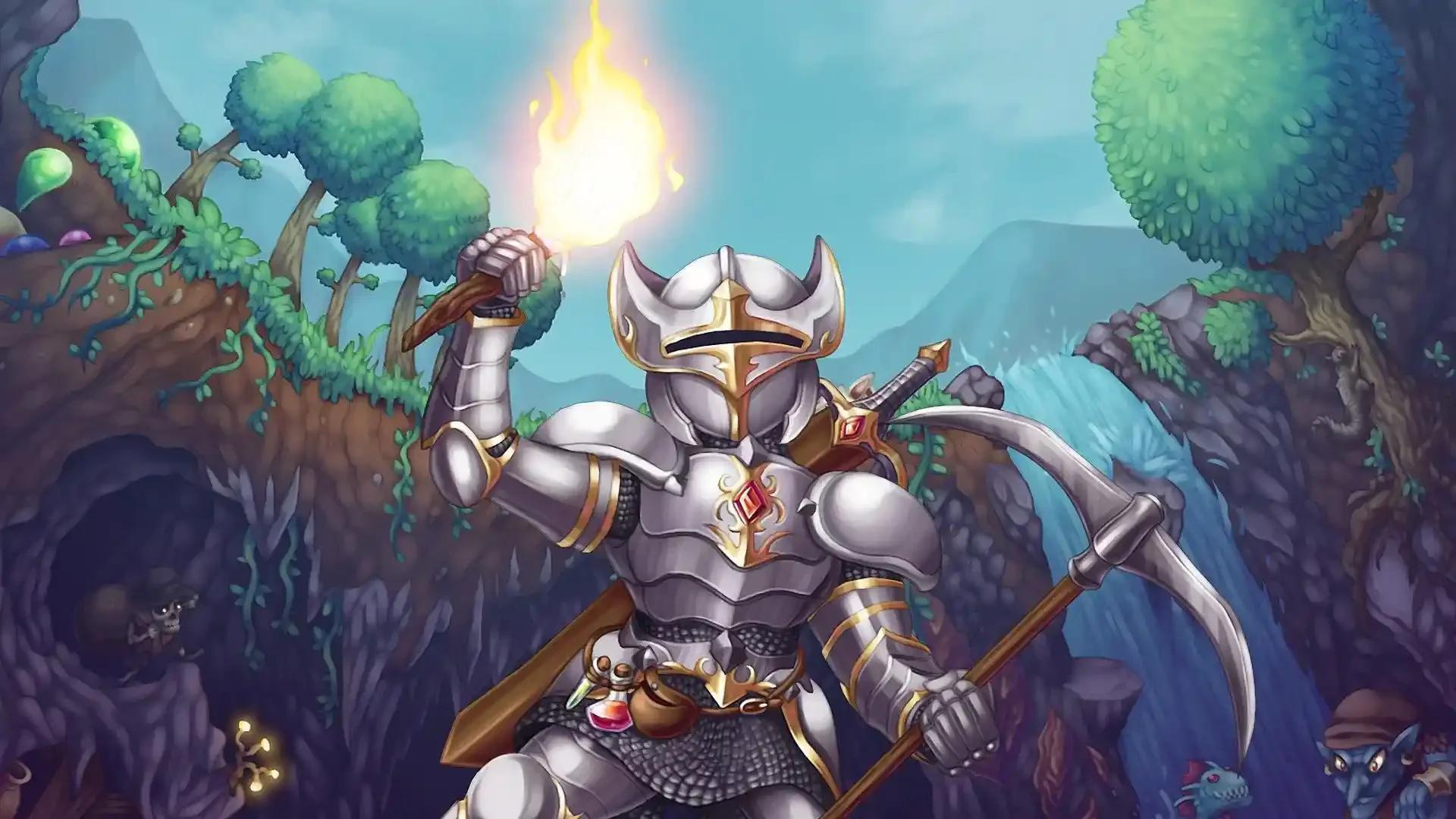
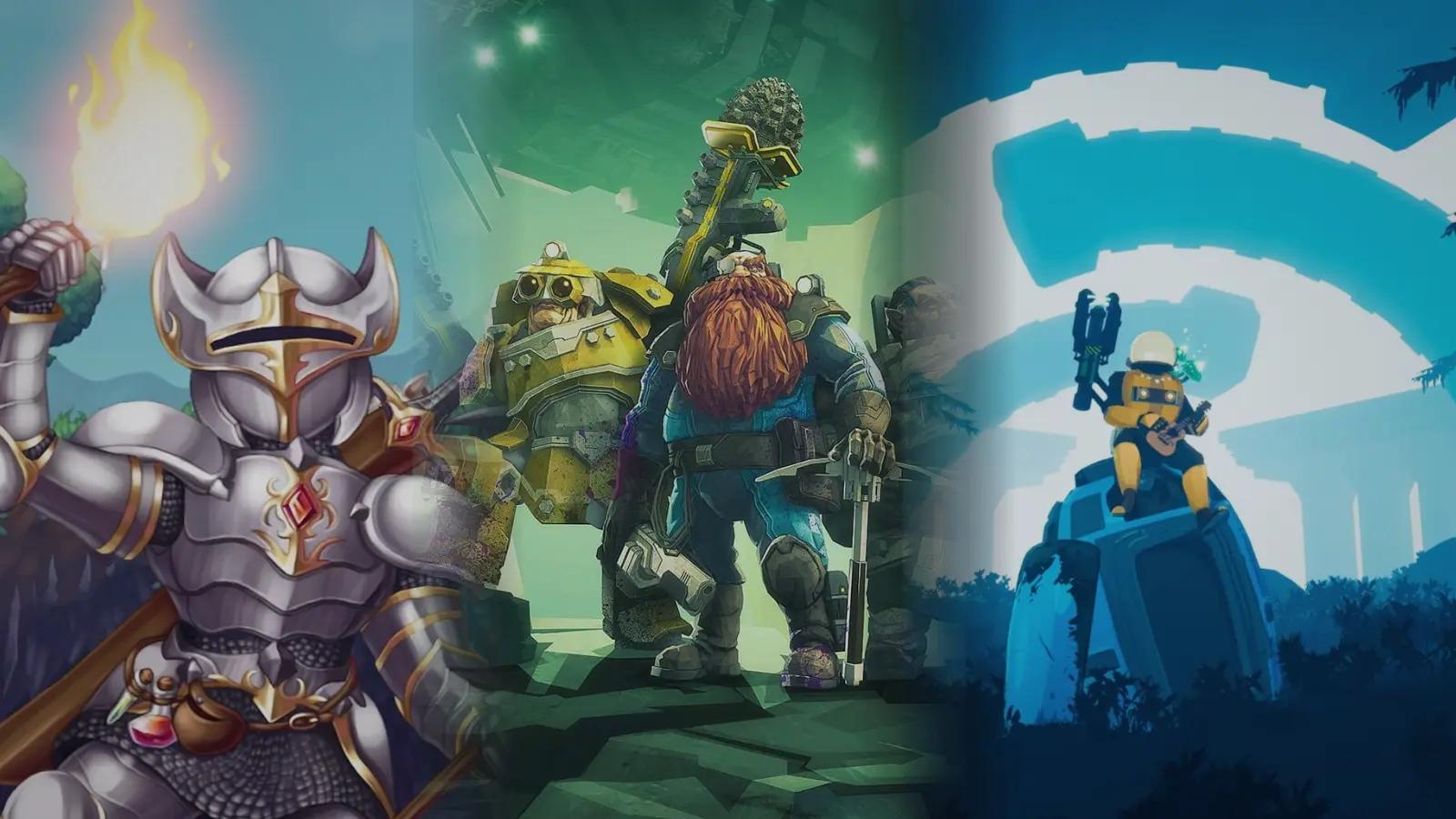
I have played Terraria in both modes this game deserves to be played: solo at midnight going further into a cave than I intended, and co-op at a LAN session where half the group had never touched it before and immediately started building something we had not planned. It rewards both completely differently. The first few hours are the price of admission. You will dig without direction, die to something embarrassing, and feel slightly lost. Push past that and you find one of the most content-dense games ever made for the price. We have come back to it across different years at LAN parties and it always holds up.
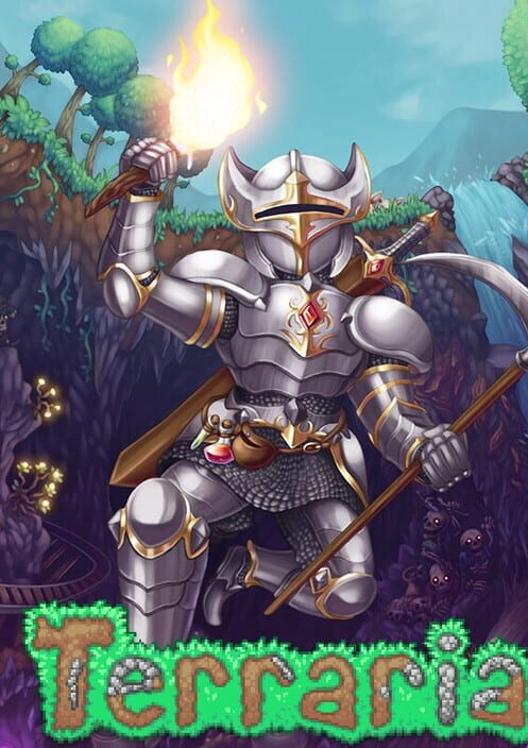
- Released
- 20112011
- Genre
- PlatformerPlatformer
- Platforms
- Android, iOS, Linux, macOS, PC, PS4, Switch, Xbox OneAndroid, iOS, Linux, macOS, PC, PlayStation 4, Nintendo Switch, Xbox One
Hollow Knight is the game I kept recommending to people who said they were not into metroidvanias, because the world does most of the work. Hallownest is genuinely mournful and strange in a way that pulls you forward even when you do not quite know where you are going. The map system will frustrate some players. The boss difficulty will stop others. But the movement, the atmosphere, and the sheer scope of what Team Cherry built on essentially no budget make it hard to leave off any serious indie list. Go slow. Explore before you push forward. The game rewards patience more than aggression.
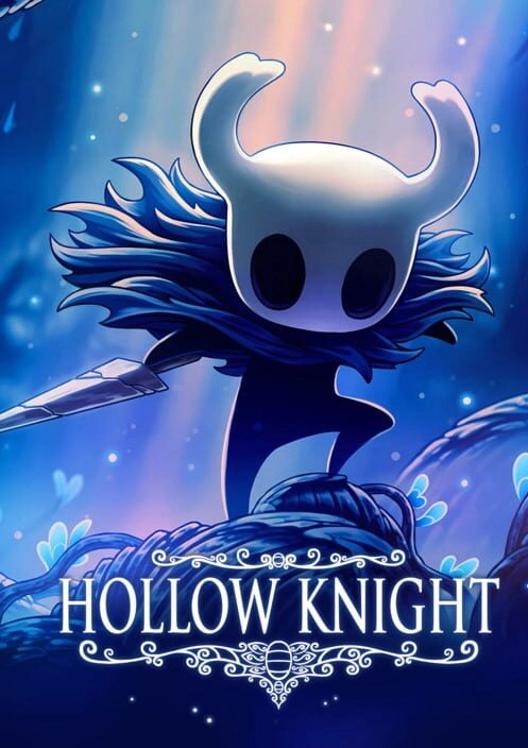
- Released
- 20172017
- Genre
- PlatformerPlatformer
- Platforms
- Linux, macOS, PC, PS4, PS5, Switch, Switch 2, Xbox One, Series X|SLinux, macOS, PC, PlayStation 4, PlayStation 5, Nintendo Switch, Nintendo Switch 2, Xbox One, Xbox Series X/S
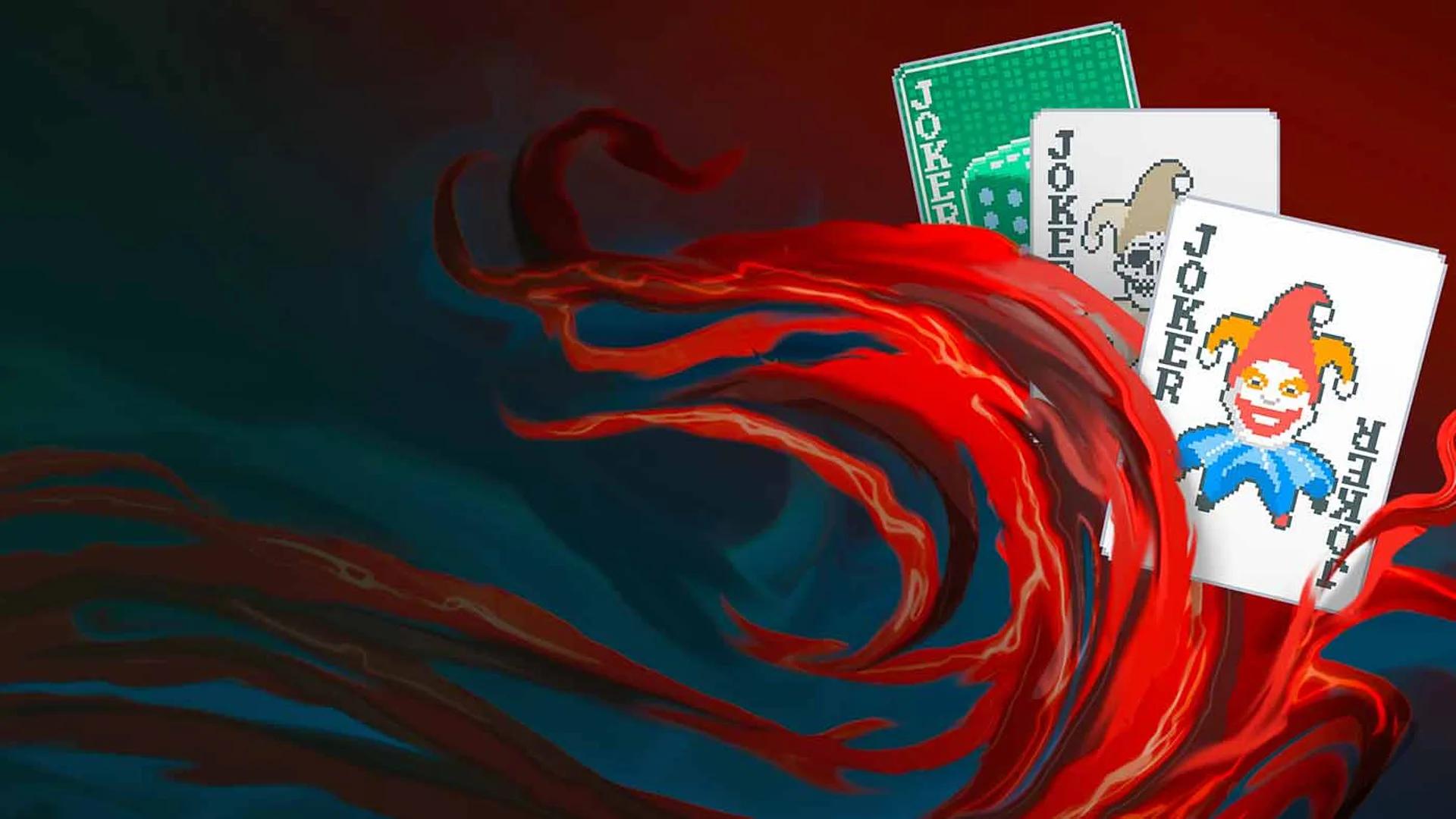
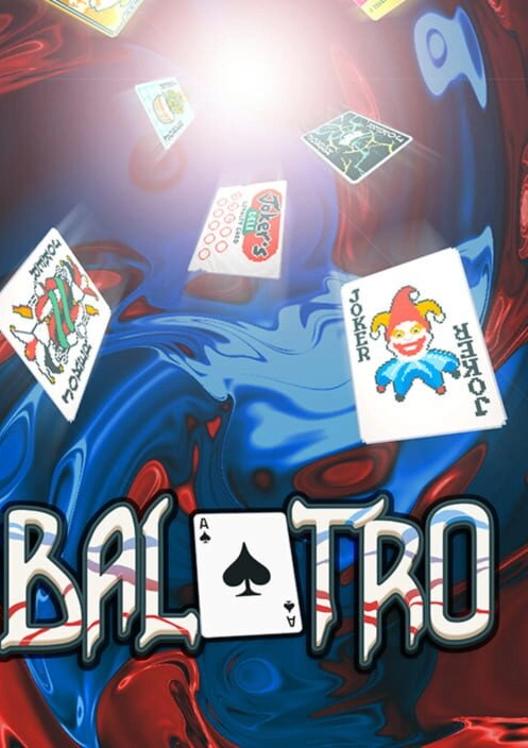
Late evenings are where Balatro lives. I started a run meaning to play for twenty minutes and looked up to find it was past midnight. The concept sounds dry: build a poker hand, add jokers that modify scoring, escalate until the numbers become absurd. In practice it is one of the most satisfying loops I have played in years. The runs are short enough to fit a tired evening, and the variety between them is wide enough that you rarely feel like you are repeating yourself. This is the clearest recent entry into the indie canon. No prior card game knowledge needed. No steep learning curve. It just works.
- Released
- 20242024
- Genre
- StrategyStrategy
- Platforms
- Android, iOS, macOS, PC, PS4, PS5, Switch, Switch 2, Xbox One, Series X|SAndroid, iOS, macOS, PC, PlayStation 4, PlayStation 5, Nintendo Switch, Nintendo Switch 2, Xbox One, Xbox Series X/S
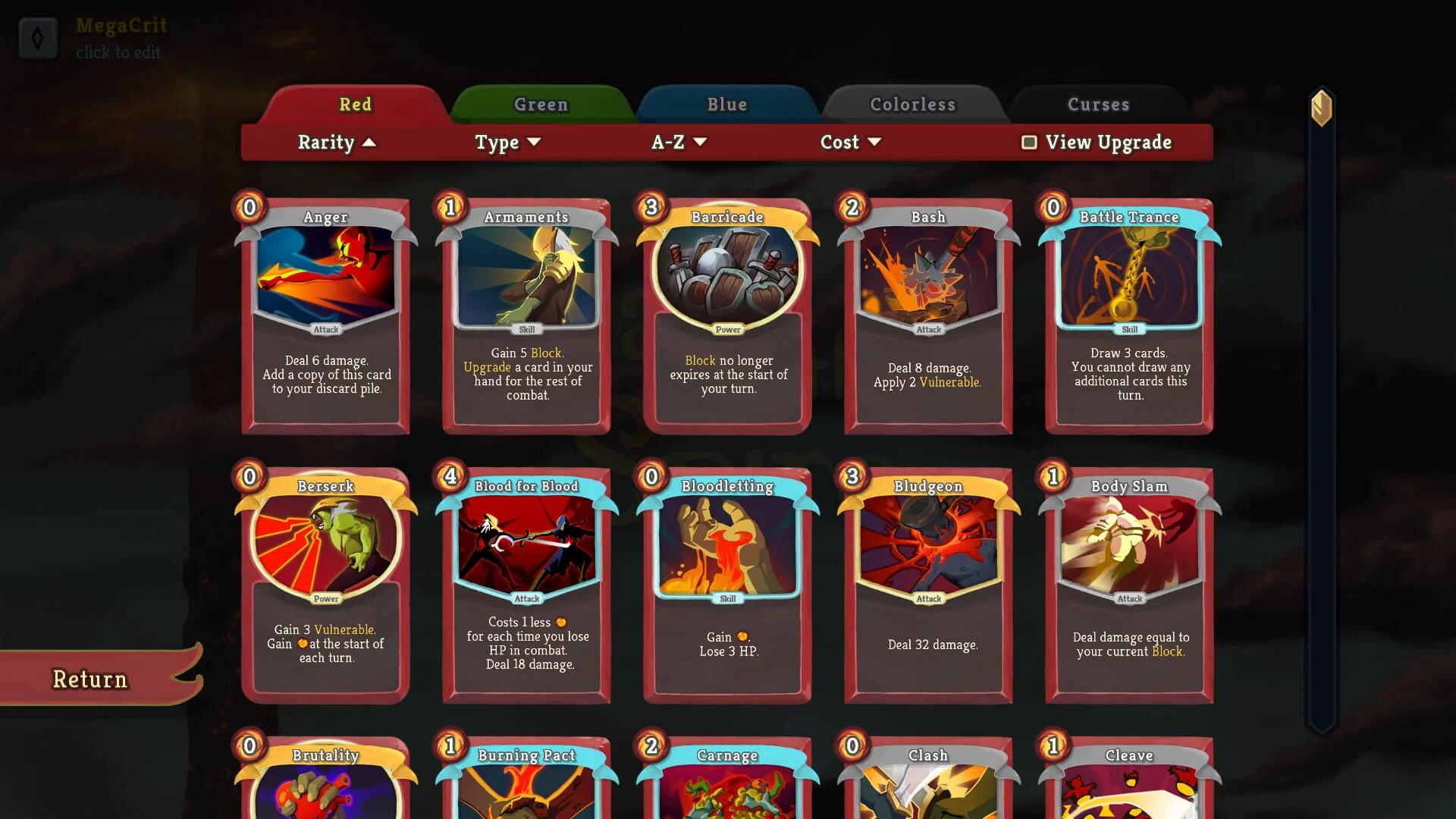
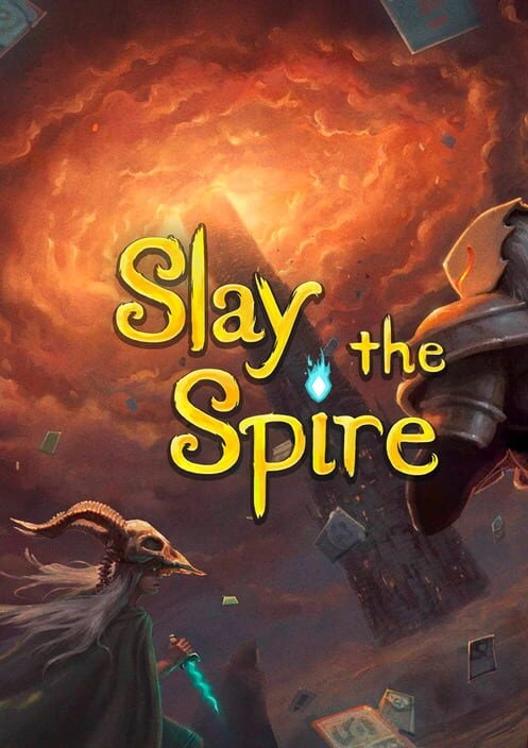
Slay the Spire is the reason Balatro exists. The deckbuilding roguelike genre as most people understand it today runs through this game. And it still holds up, which is the more interesting point. I have put well over a hundred hours across its four characters and the strategic depth has not bottomed out. Each run is a question of what the card pool gave you and whether you are smart enough to build around it. Balatro ranks higher because its hook is more immediately accessible and its replayability is even wider. Slay the Spire ranks just below because it rewards patience and build literacy that not every player will want to develop. If that sounds like you, though, this might be your game of the year regardless of when you play it.
- Released
- 20192019
- Genre
- RPGRPG
- Platforms
- Android, iOS, Linux, macOS, PC, PS4, Switch, Xbox OneAndroid, iOS, Linux, macOS, PC, PlayStation 4, Nintendo Switch, Xbox One
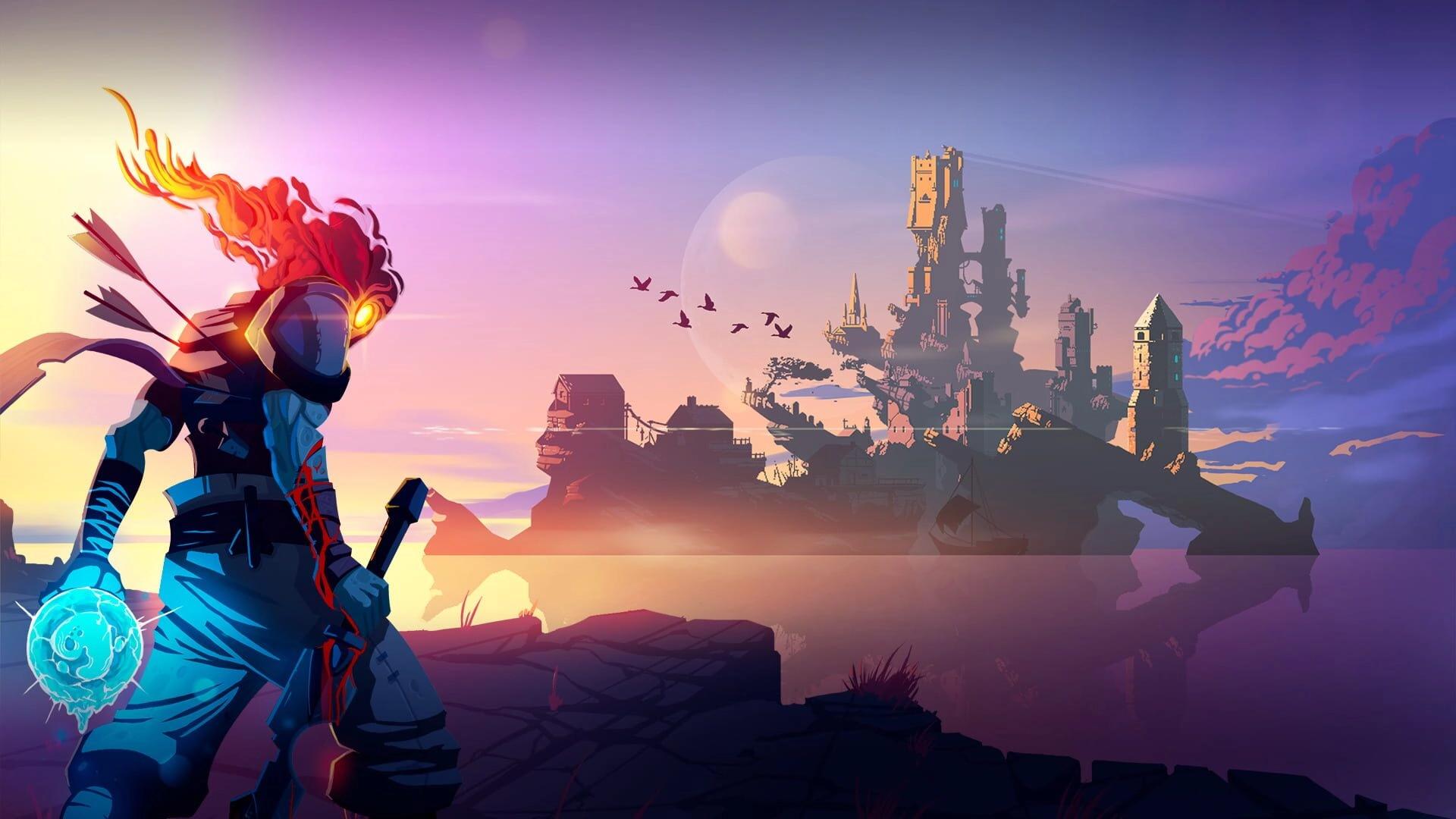
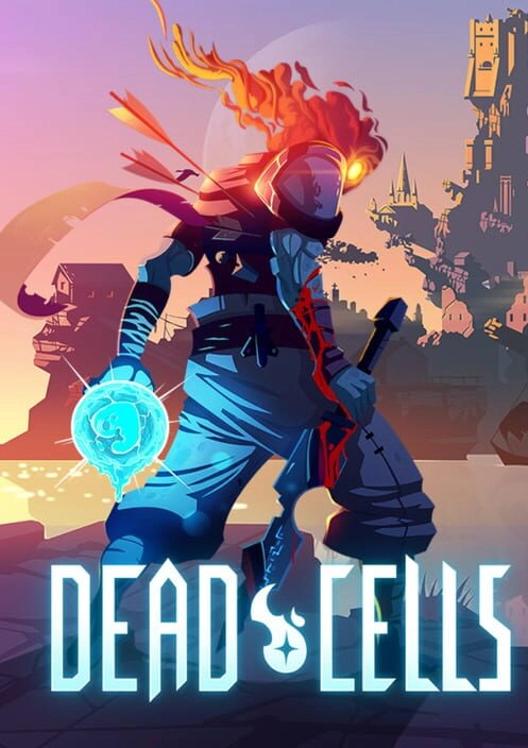
Dead Cells is the action roguelite I recommend to people who find Hades too narrative-forward. The emphasis here is pure movement and combat, and both are as tight as anything in the genre. The loop is run, die, unlock a little, run again. What keeps it from fading is how consistently good it feels to move through a biome when everything clicks. I ran it on a mid-range laptop to see how it held up away from my PS5 setup and it was essentially identical. Broad platform availability, consistent performance, and a combat system that stays interesting across dozens of hours make this an easy recommendation for anyone who wants action without story overhead.
- Released
- 20182018
- Genre
- PlatformerPlatformer
- Platforms
- Android, iOS, Linux, macOS, PC, PS4, PS5, Switch, Xbox OneAndroid, iOS, Linux, macOS, PC, PlayStation 4, PlayStation 5, Nintendo Switch, Xbox One
If you are looking for indie games that do not cost anything, check out our Free Indie Steam Games You Should Play in 2026 guide.
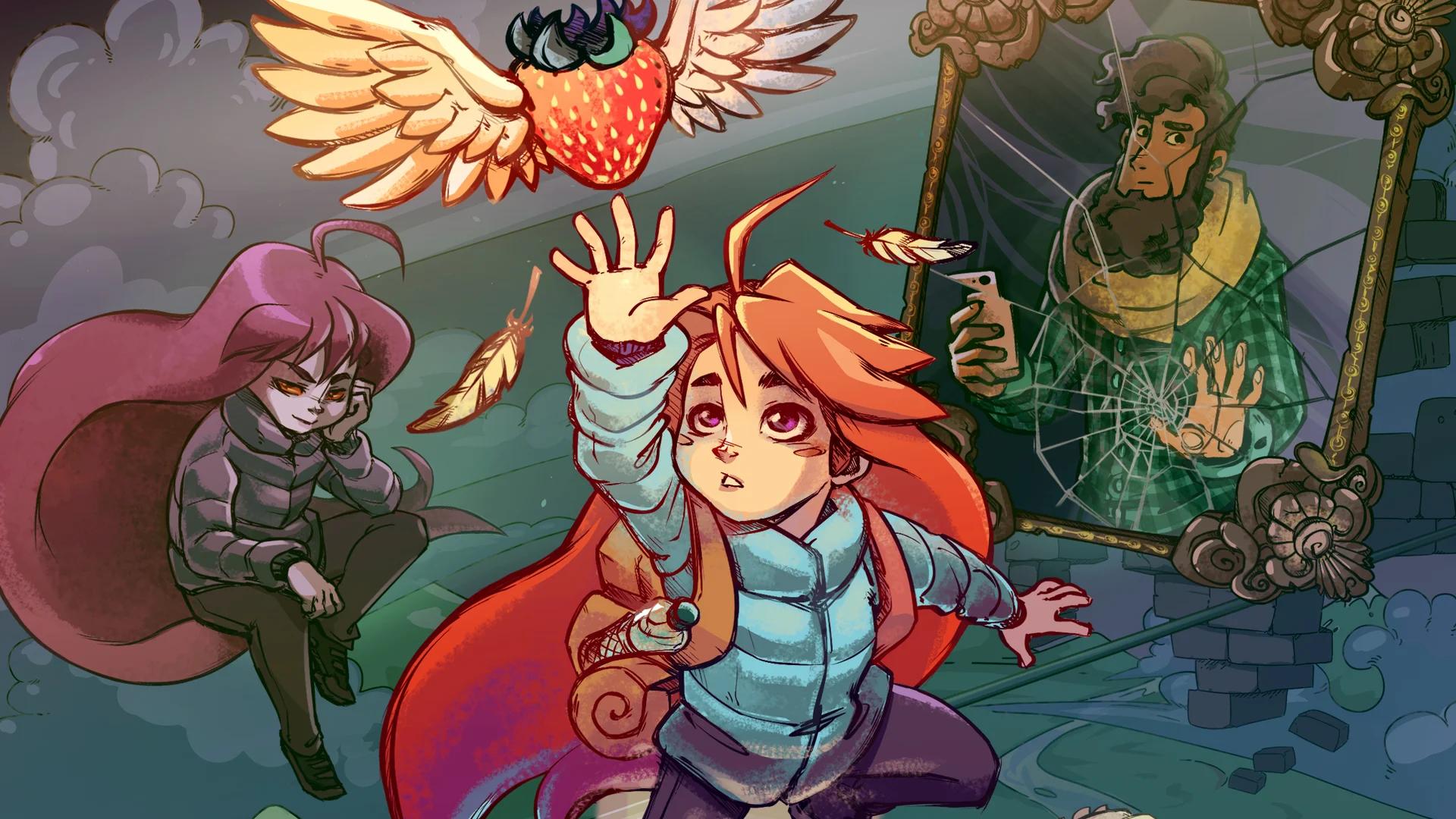
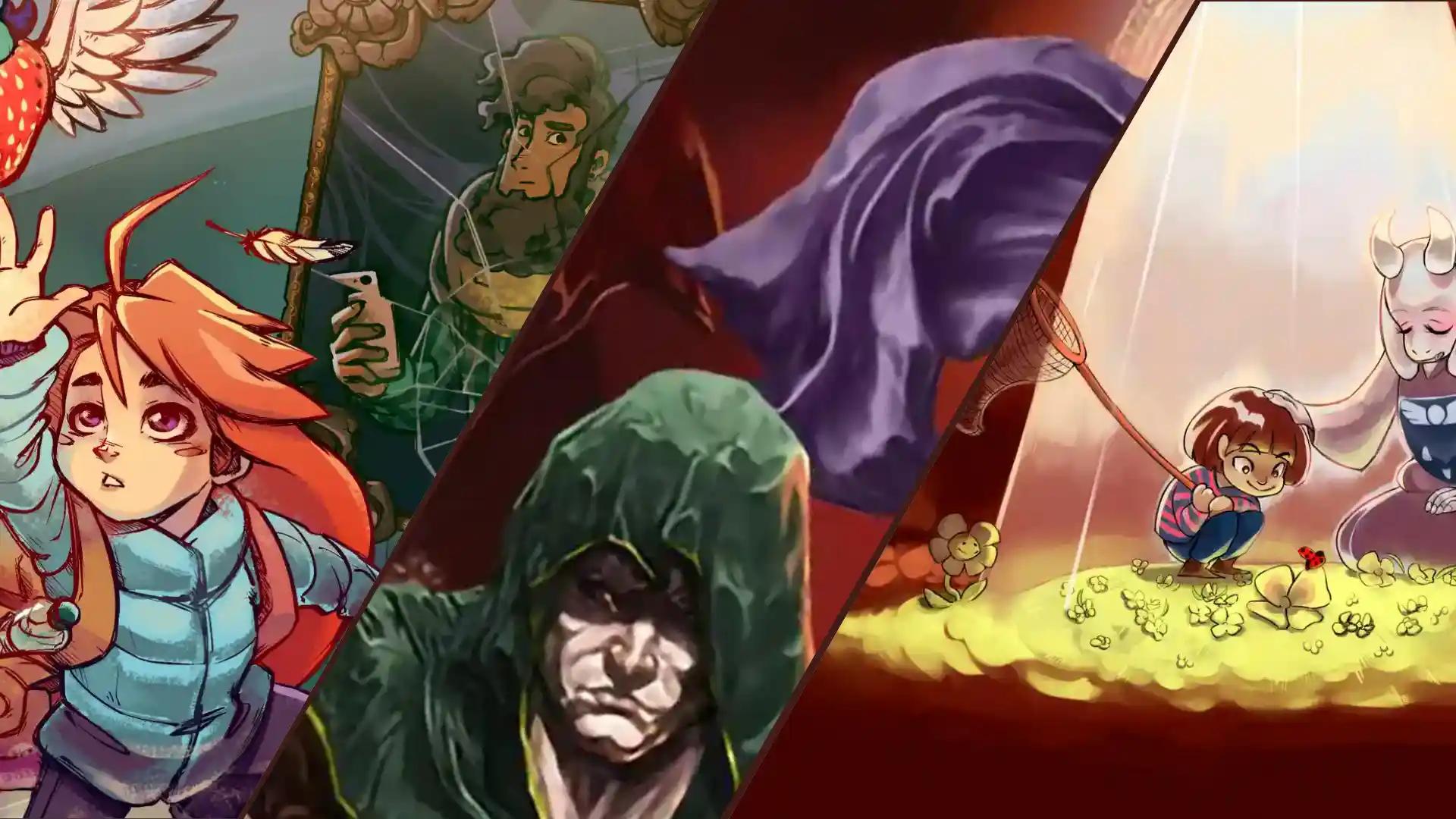
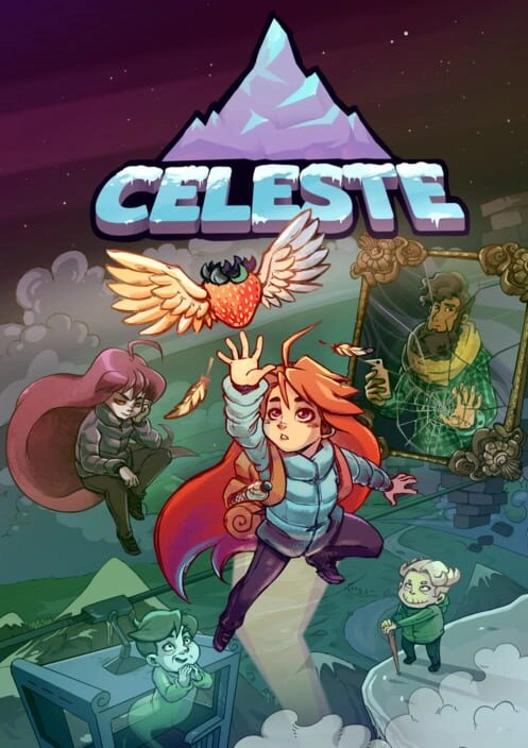
Celeste is where platform precision meets genuine emotional honesty. The central story about anxiety and self-doubt is handled without melodrama, which is harder than it sounds. The Assist Mode deserves specific mention: it lets you slow the game, add invincibility, or skip sections without the game shaming you for it. That decision made Celeste recommendable to people it would otherwise have excluded. My concern is that the replay value is lower than almost every other game in this top ten. Once you have finished it, you have essentially had the experience. The B-sides extend things, but only for players who want more challenge rather than more story. First playthrough is essential. Everything after is optional.
- Released
- 20182018
- Genre
- PlatformerPlatformer
- Platforms
- Linux, macOS, PC, PS4, Switch, Xbox OneLinux, macOS, PC, PlayStation 4, Nintendo Switch, Xbox One
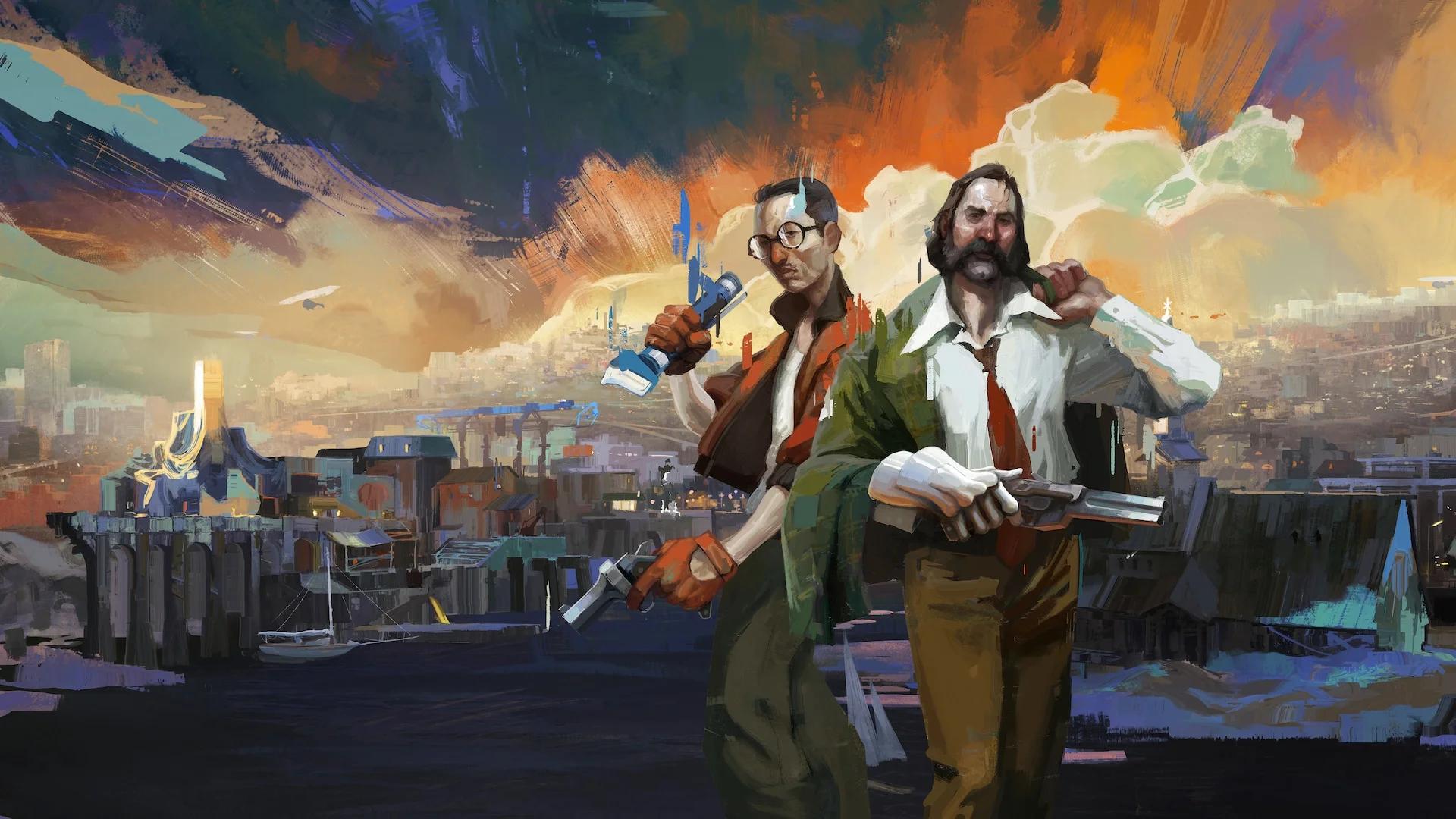
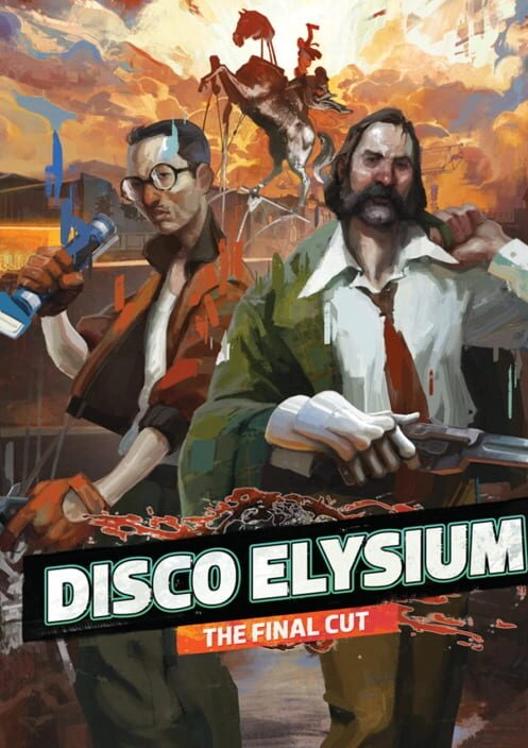
Fantasy is my default genre and Disco Elysium is not fantasy. It is a detective RPG set in a failed revolution where your character is an amnesiac disaster of a cop and your skill tree includes things like rhetoric, inland empire, and half light. I picked it up expecting to bounce off it within an hour. I finished it twice. The writing is the best in any game I have played, full stop. It sits at nine rather than higher because of one honest problem: it is not easy to recommend to everyone. There is no combat, almost no action, and the pace is slow by design. If you read fiction and enjoy unreliable narrators, this is yours. If you need things to happen fast, start somewhere else on this list.
- Released
- 20212021
- Genre
- RPGRPG
- Platforms
- macOS, PC, PS4, PS5, Switch, Xbox One, Series X|SmacOS, PC, PlayStation 4, PlayStation 5, Nintendo Switch, Xbox One, Xbox Series X/S
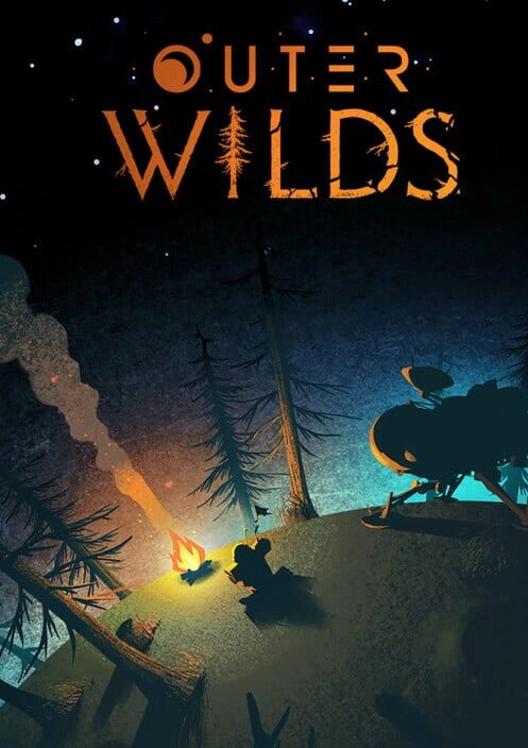
Go in knowing as little as possible. That is the only instruction Outer Wilds needs. The game drops you into a solar system on a 22-minute time loop and asks you to figure out what happened to a vanished civilization using nothing but observation and curiosity. No waypoints. No quest markers. Knowledge is the only progression. I spent my first session confused and slightly lost, came back the next evening, and something clicked. The moment a major piece of the mystery fell into place is one of the most satisfying things I have experienced in gaming. It ranks tenth not because it is tenth-best in quality but because its replayability is essentially zero. You only get to discover it once. That is the trade-off.
- Released
- 20192019
- Genre
- PuzzlePuzzle
- Platforms
- PC, PS4, PS5, Switch, Xbox One, Series X|SPC, PlayStation 4, PlayStation 5, Nintendo Switch, Xbox One, Xbox Series X/S
Honorable Mentions
These five narrowly missed the top ten, each for a specific reason that is worth understanding before you decide whether to play them anyway.
Minecraft probably should be on this list by pure metrics. Its cultural impact is unmatched, it is still actively played by millions, and the creative freedom it offers has not been replicated at the same scale. The reason it sits here instead of the top ten is an editorial one: Microsoft owns it now, and calling it an indie game requires treating the Microsoft acquisition as irrelevant to its current identity. By its origins it absolutely qualifies. By its current reality it is one of the largest gaming brands on earth. Make of that what you will. If you have kids, they probably already know it. If you do not, it is still worth an hour of your time to understand what the fuss was.
Undertale is one of those games I almost did not try because the pixel art looked unimpressive and the description did not hook me. Thirty minutes in I was completely wrong about both. The writing subverts RPG conventions in ways that felt genuinely surprising in 2015 and still land on a first playthrough today. The music is remarkable for a solo project. What keeps it from the top ten is honest: its production values are rougher than the games above it, and recommendation value has softened slightly as its cultural moment has passed. Still an essential indie landmark. Just not the strongest cold recommendation for someone with no existing context for it.
Blue Prince is the most interesting recent puzzle game I have come across. The structure is unusual: you are drafting rooms into a procedurally shifting mansion, taking notes on a real notepad, and slowly untangling what the house is actually trying to tell you. It missed the top ten because it is genuinely niche. The note-taking demands real patience and the puzzle layering will lose players who want clearer progress signals. But for the right person, specifically the type who enjoys the investigative side of Outer Wilds or the deduction angle of Obra Dinn, this is exactly that kind of game. Worth watching as it builds its legacy.
Animal Well landed in 2024 with a striking audiovisual identity and some of the most densely layered secrets I have seen in a metroidvania. The surface game is complete and satisfying. The deeper layers, the ones the developer hid specifically for the most obsessive players, go somewhere else entirely. I found it rewarding right up until the point where the secrets became too cryptic for me to follow without outside help, which is a personal threshold rather than a flaw in the game. Sits in honorable mentions rather than the top ten because the audience for its deepest content is narrower than most. The first eight hours are broadly excellent though.
Return of the Obra Dinn is the most purely satisfying deduction game ever made. You board a ghost ship with a magical pocket watch that lets you witness moments of death, and you must identify how each crew member died using only observation and logic. The monochrome art style looks striking on any screen. The problem for a broad indie recommendation list is that it has almost no replay value once solved, and the audience for pure deduction puzzles is smaller than the action or exploration crowd. If that is your genre, this is the best it gets. No caveat. For everyone else, start with something else on this list and come back when you want something slower and smarter.
Frequently Asked Questions
Common questions about indie games and how to get started with them.
What makes a game indie?
There is no hard technical definition, but the common understanding is a game developed without the financial backing of a major publisher. Indie games are typically made by small teams with creative control over their own projects. Some, like Stardew Valley, were made by a single person. Others, like Hollow Knight, came from a team of a few. When a game falls into a grey area because a studio was later acquired or grew significantly, we use the game's original release context to decide.
Where should I start if I have never played an indie game?
Hades or Stardew Valley, depending on whether you want action or something relaxing. Both have been described by players who do not normally play indie games as the thing that changed their minds about the genre. Celeste is another strong entry point if platformers appeal to you.
Do indie games run well on low-end hardware?
Most on this list do. Terraria, Stardew Valley, Celeste, Balatro, and Slay the Spire will run on almost anything. Hades, Dead Cells, and Disco Elysium need a bit more but are not demanding by modern standards. Outer Wilds is the one I would check against your specs before buying.
Are any of these games available on console?
Most of them are on PS5, Xbox Series, and Nintendo Switch as well as PC. Hollow Knight, Celeste, Hades, Dead Cells, Stardew Valley, and Terraria all have strong console ports. Disco Elysium had a console version but its status has been complicated by the studio's closure, so the PC version via Steam is the safest way to play it right now.
How long are these games?
It varies significantly. Outer Wilds is a single playthrough of around twenty hours, and replaying it is not really the point. Balatro and Slay the Spire can absorb hundreds of hours across short runs. Stardew Valley has no natural stopping point. If you are time-limited, Balatro, Dead Cells, and Celeste offer the best return on short sessions because a run or a chapter fits into an evening without demanding more.
Indie Games By Genre and Platform
In this article I focussed on the best Indie games overall, regardless of the platforms they are available on, or more specific subgenres. If you are looking for something more specific, I wrote more detailed guides on the best indie horror games, best free-to-play indie games on Steam, and much more, check them out below:

Conclusion
This list covers a lot of ground because the best indie games do not belong to one mood or one kind of player. Hades and Dead Cells are for evenings when you want to switch off and feel sharp. Stardew Valley and Terraria are for when you want to disappear for a few weeks. Outer Wilds and Disco Elysium are singular experiences that are genuinely hard to compare to anything else.
If you want to go further, our Best Nintendo Switch Indie Co-Op Games guide covers the best of the genre for shared play, and our Best Indie Games for Low-End PCs guide is worth bookmarking if hardware is a consideration.
Ready for more tailored picks? Try our Recommendations Engine for suggestions that match your play style.