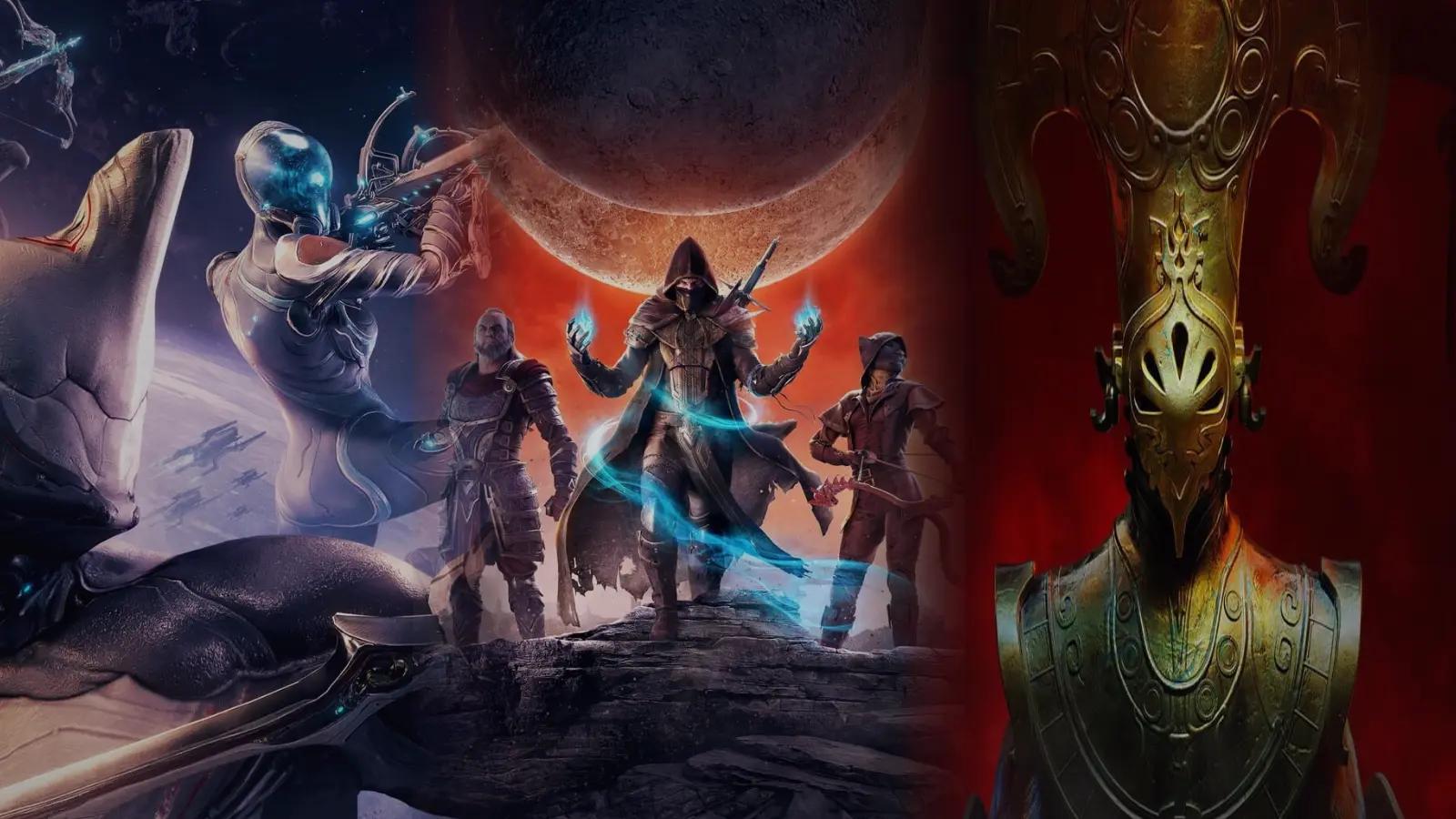

I've lost more evenings than I'd like to admit to multiplayer RPGs. RuneScape ate my teenage years, World of Warcraft ate a chunk of my twenties, and Baldur's Gate 3 has quietly been eating my thirties one campaign night at a time with a friend. Xbox has a genuinely strong lineup of RPGs built for playing with other people now, not just tacked-on drop-in modes, and this list is the ten that actually earn a recurring slot in your calendar.
I scored every pick on how central multiplayer is to the RPG loop, overall quality, session flow, accessibility, and build depth. Multiplayer fit and overall quality carried the most weight.
For the full picture on Xbox multiplayer games, see our Best Xbox Multiplayer Games guide.
This article narrows in on the titles where RPG progression, classes, and builds are the actual point, not just a lobby you happen to queue into.
Quick Picks
Best for story-first co-op campaigns: Baldur's Gate 3
Best for loot-chasing with friends: Diablo IV
Best free-to-play entry: Warframe
Best for build-obsessed solo play: Path of Exile
Best for couch co-op loot runs: Borderlands 4
The Top 10 Xbox RPG Multiplayer Games
These ten actually treat multiplayer as part of the RPG, not a bolted-on mode.
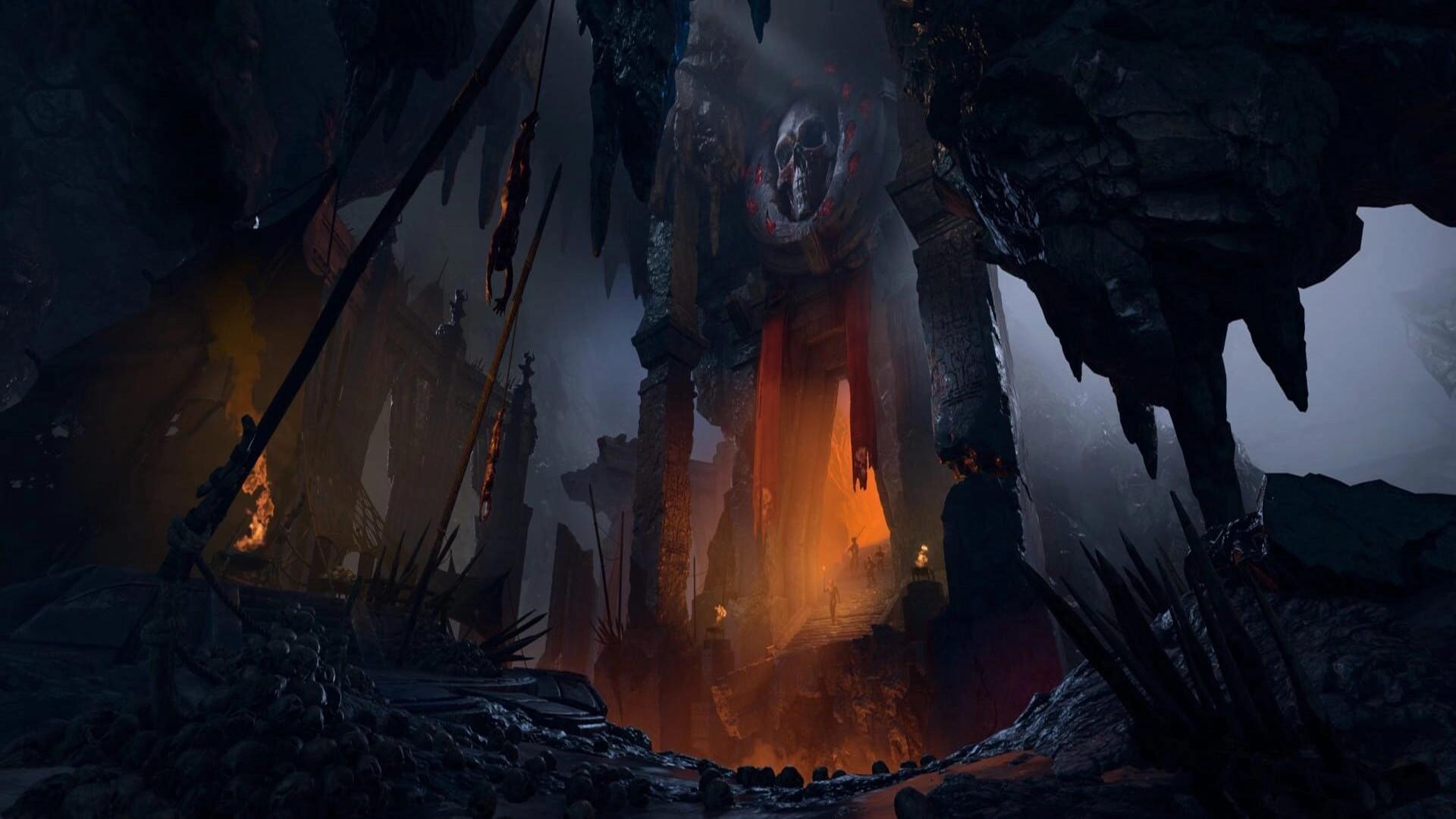
Baldur's Gate 3 is the game I measure every other multiplayer RPG against. I ran a full campaign with a friend, two sessions a week for months, and the thing that surprised me is how much better it plays with someone else than alone. One of us picks locks mid-conversation while the other tries to talk a vampire out of murder, and neither of us knows what the other is about to say. No shortcuts here. The class system runs deep without demanding a spreadsheet, and every dialogue choice actually branches the story. It wants real time, closer to a hundred hours than fifty, so bring a patient co-op partner and clear your calendar.
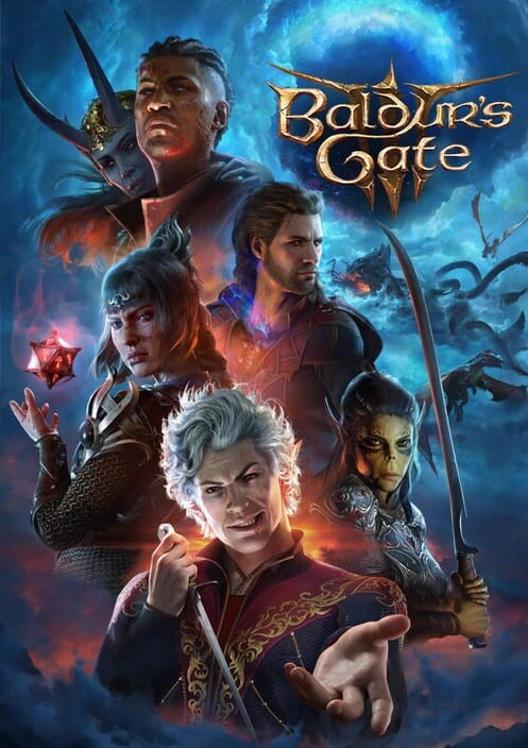
- Released
- 20232023
- Genre
- RPGRPG
- Platforms
- Linux, macOS, PC, PS5, Series X|SLinux, macOS, PC, PlayStation 5, Xbox Series X/S
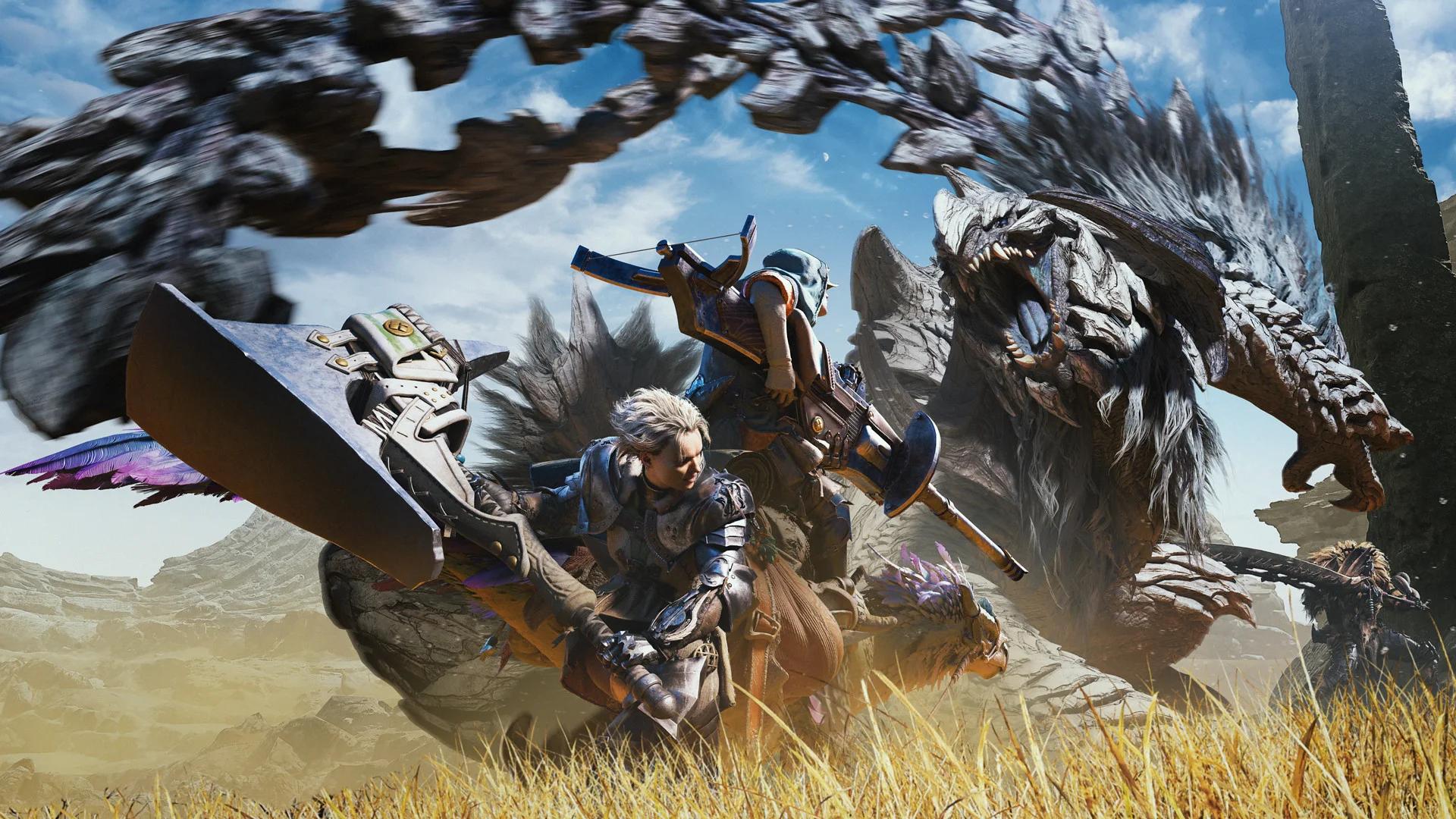
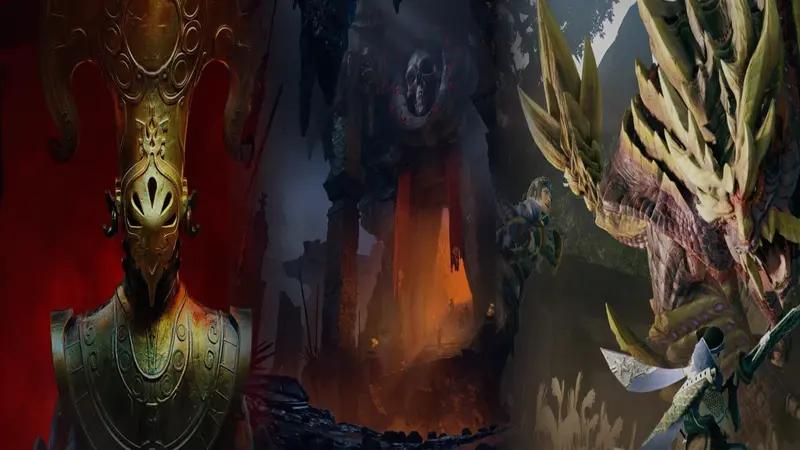
My group has been chasing Monster Hunter Wilds hunts since launch, and it's become the game we default to when nobody wants to commit to a full evening. Leveling through gear crafting works better here than in any hunting RPG I've played. You kill a monster, you build gear from its parts, and that gear lets you kill the next monster faster, which is a loop that sounds simple until you're three hours deep at midnight wondering where the time went. Onboarding beats older entries by a mile. The one catch is there's no couch co-op, so everyone needs their own Xbox and their own copy.

- Released
- 20252025
- Genre
- RPGRPG
- Platforms
- PC, PS5, Switch 2, Series X|SPC, PlayStation 5, Nintendo Switch 2, Xbox Series X/S
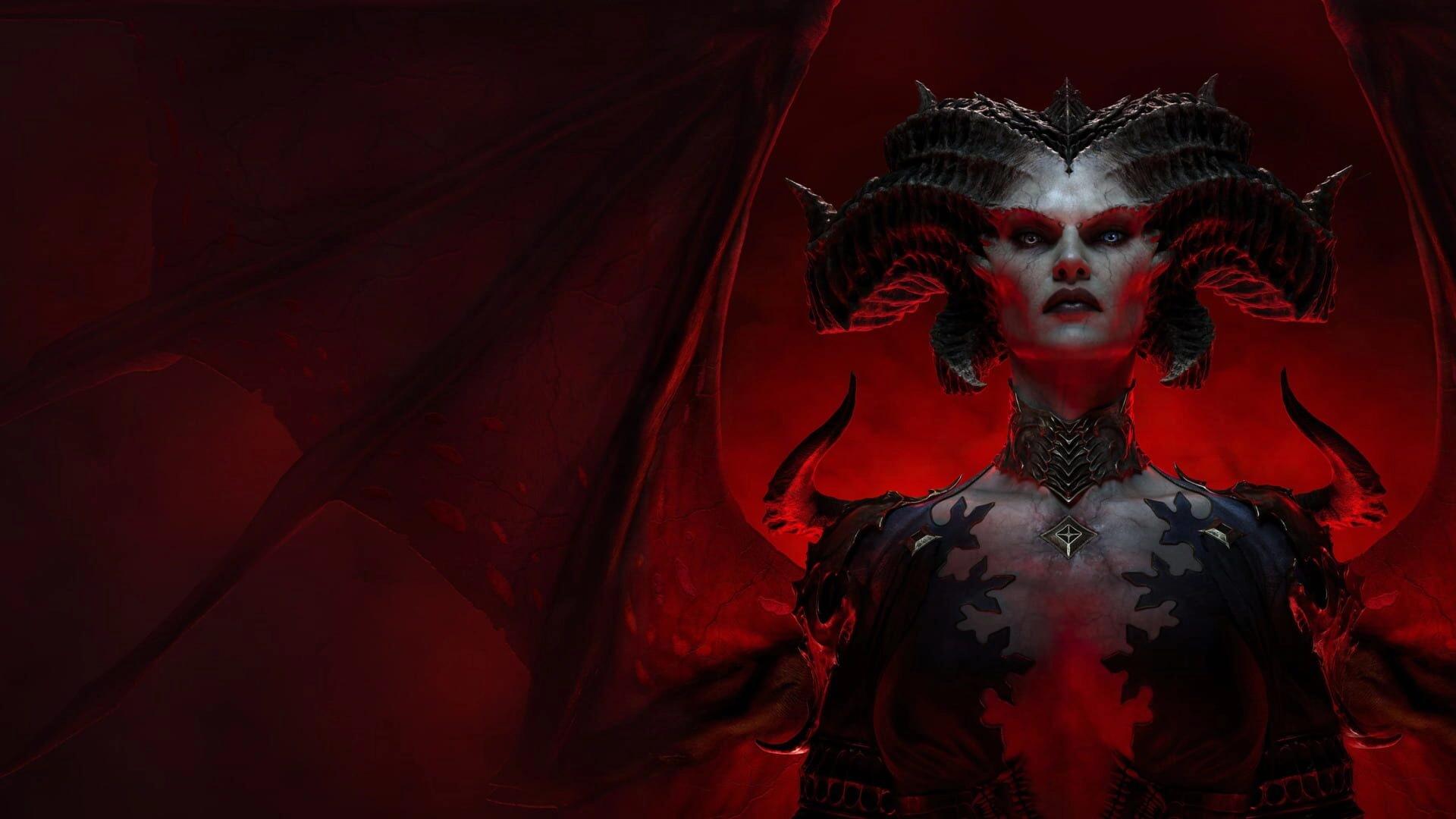
I started Diablo IV solo and quietly dropped it somewhere in Act 3. The grind felt like a chore with nobody to share it with. Then I picked it back up with three friends on a Friday night. It clicked, hard. The same old hack-and-slash rhythm that made the earlier games addictive, except now somebody's shouting about a legendary drop over the headset every twenty minutes. Four classes, a real loot chase, and seasonal content that resets the build conversation every few months. It's still online-only, so a bad connection night means nobody plays, not even solo.
- Released
- 20232023
- Genre
- RPGRPG
- Platforms
- PC, PS4, PS5, Xbox One, Series X|SPC, PlayStation 4, PlayStation 5, Xbox One, Xbox Series X/S
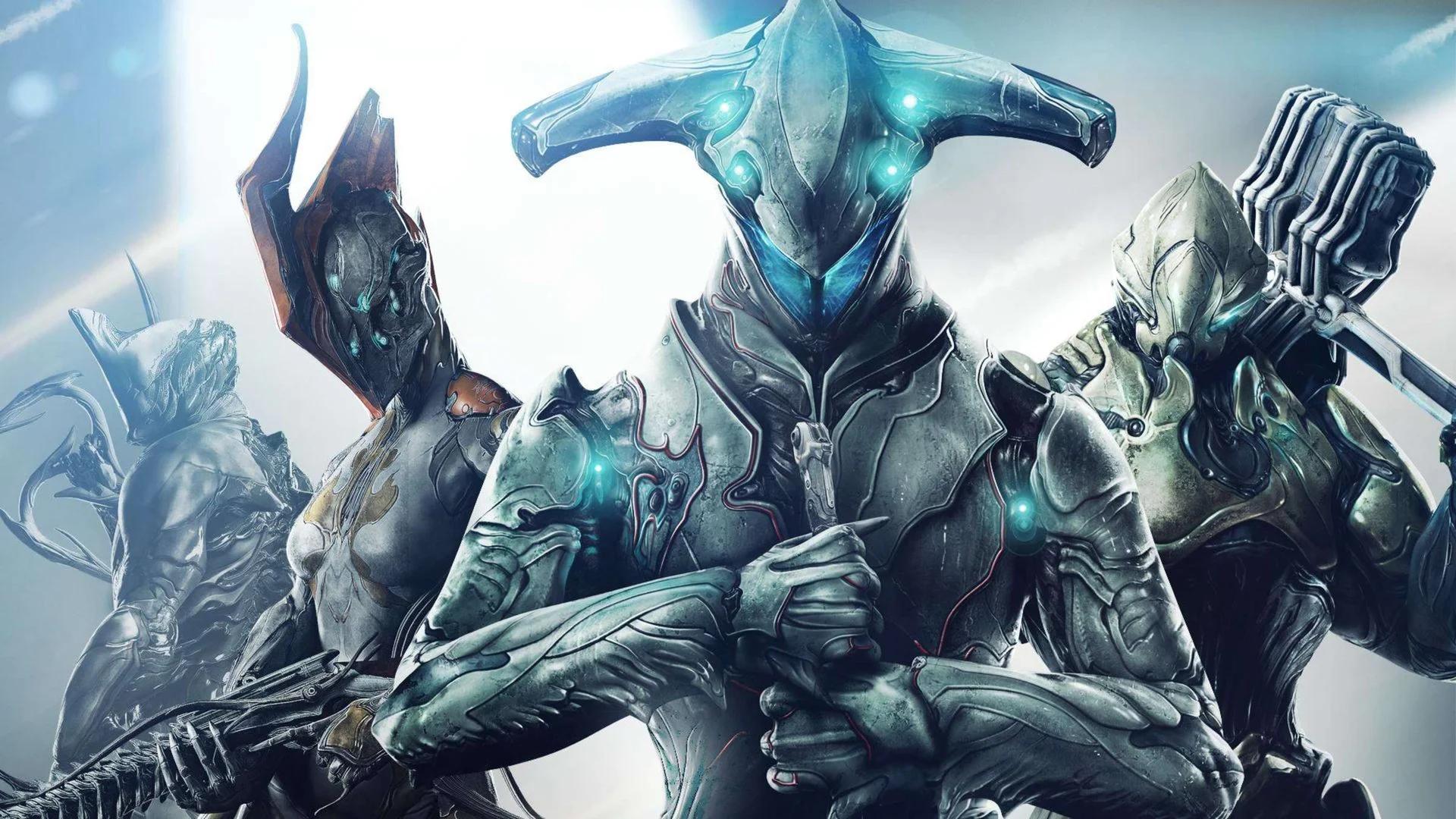
Warframe costs nothing to try, which matters when you've got maybe forty minutes free and don't want to gamble on a purchase. I dipped in for an evening once and closed the mod screen overwhelmed, which is the honest first impression most newcomers get. Stick with it past that wall, though, and the frame-and-mod system turns into one of the deepest buildcraft loops on Xbox, free or otherwise. Squad missions scale from a quick fifteen-minute run to hour-long endgame content depending on what your group has time for. No subscription, no paywalled progression. The learning curve is real, and it's steeper than it needs to be for how good the game becomes once you're through it.
- Released
- 20132013
- Genre
- ShooterShooter
- Platforms
- Android, iOS, PC, PS4, PS5, Switch, Switch 2, Xbox One, Series X|SAndroid, iOS, PC, PlayStation 4, PlayStation 5, Nintendo Switch, Nintendo Switch 2, Xbox One, Xbox Series X/S
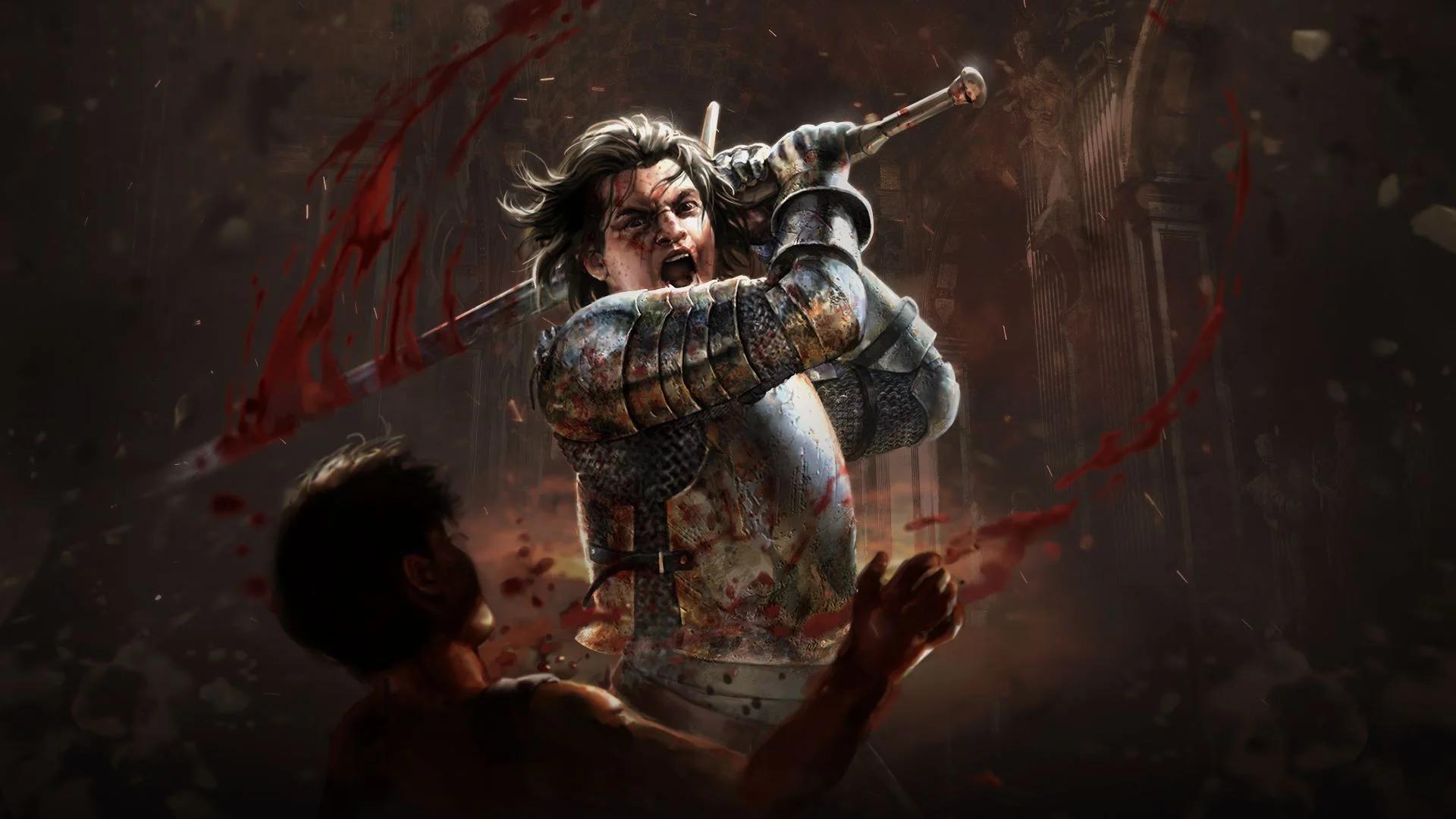
Path of Exile is one of the only online RPGs I regularly play solo, and that alone tells you something about how it's built. The passive skill tree looks like a subway map designed by someone who hates you, and it takes real time to master before you understand what you're looking at. I liked it more than expected once a build actually came together. Party play adds real value here, up to six players sharing loot instances and league mechanics, but the onboarding curve is steep enough that dragging a casual friend into it cold is a rough ask. Not a drop-in game. This is the one for players who want to theorycraft over a season, not spend one evening in it.
- Released
- 20132013
- Genre
- RPGRPG
- Platforms
- macOS, PC, PS4, PS5, Xbox OnemacOS, PC, PlayStation 4, PlayStation 5, Xbox One
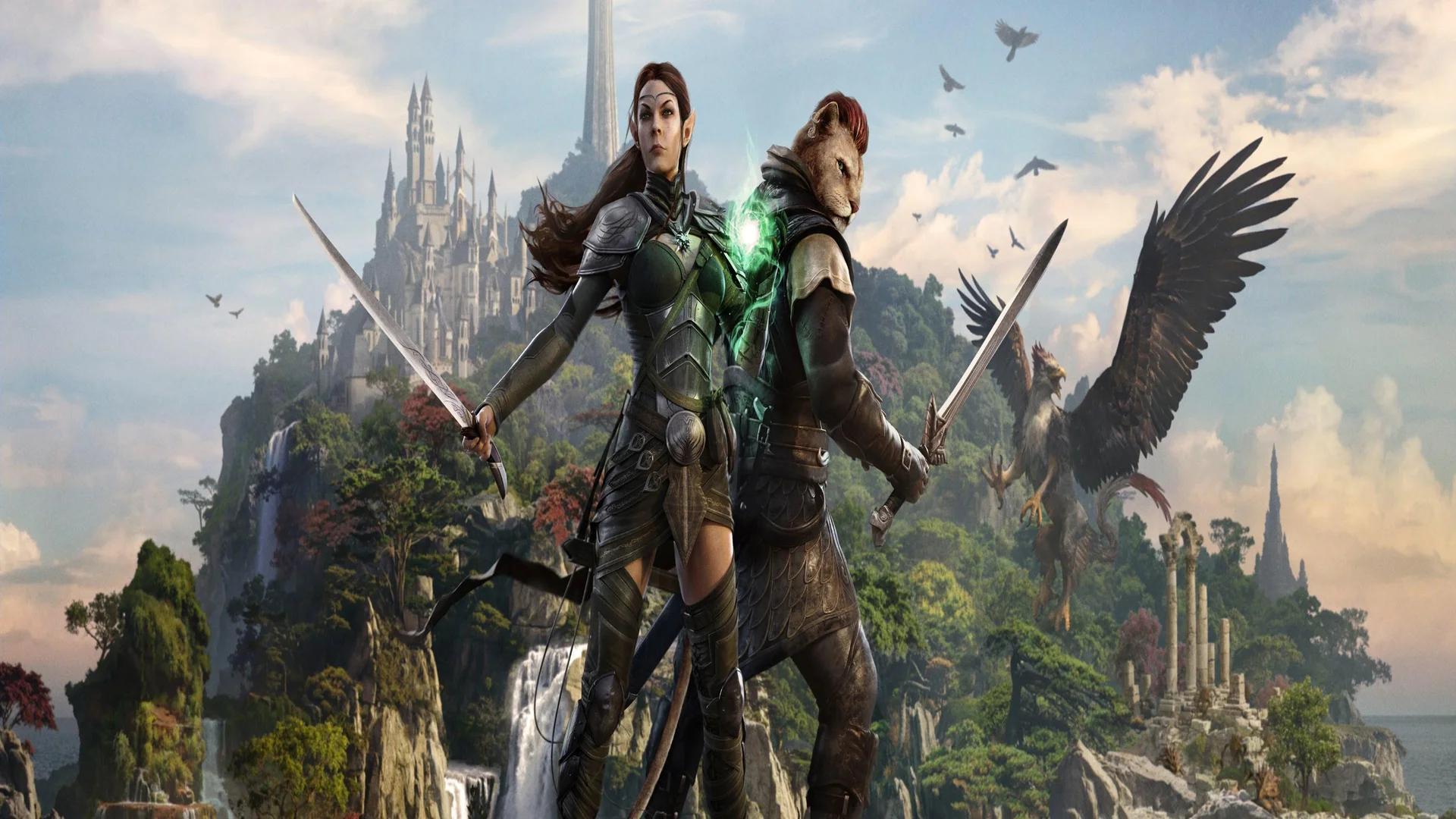
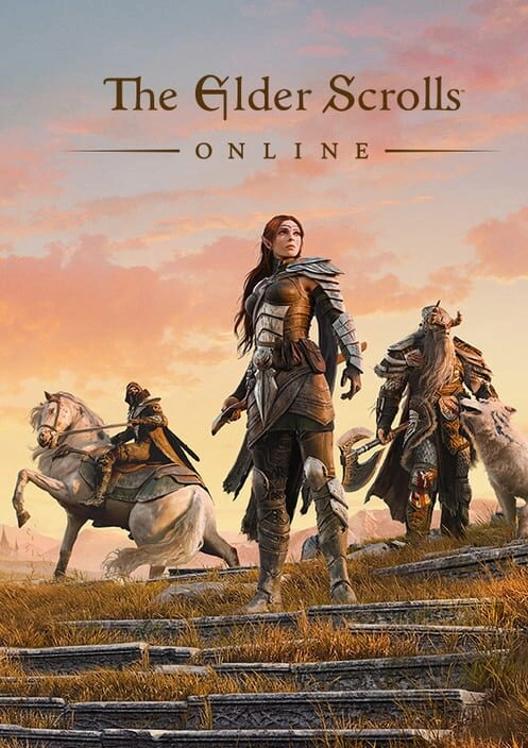
The last MMO that really had me was World of Warcraft, back when raid nights were the actual plan for the week, not something squeezed in around them. Elder Scrolls Online scratches a similar itch without demanding you rebuild your schedule around it. Dungeons queue in minutes, trials are there if your group wants the harder stuff, and the open world lets you group up loosely without a strict raid roster. It's a proper MMO, though, and that comes with proper MMO overhead: menus, currencies, and a story that assumes you've been paying attention since 2014. Worth it if your group wants a long-term home. Less so if you just want a weekend distraction.
- Released
- 20142014
- Genre
- RPGRPG
- Platforms
- macOS, PC, PS4, PS5, Xbox One, Series X|SmacOS, PC, PlayStation 4, PlayStation 5, Xbox One, Xbox Series X/S
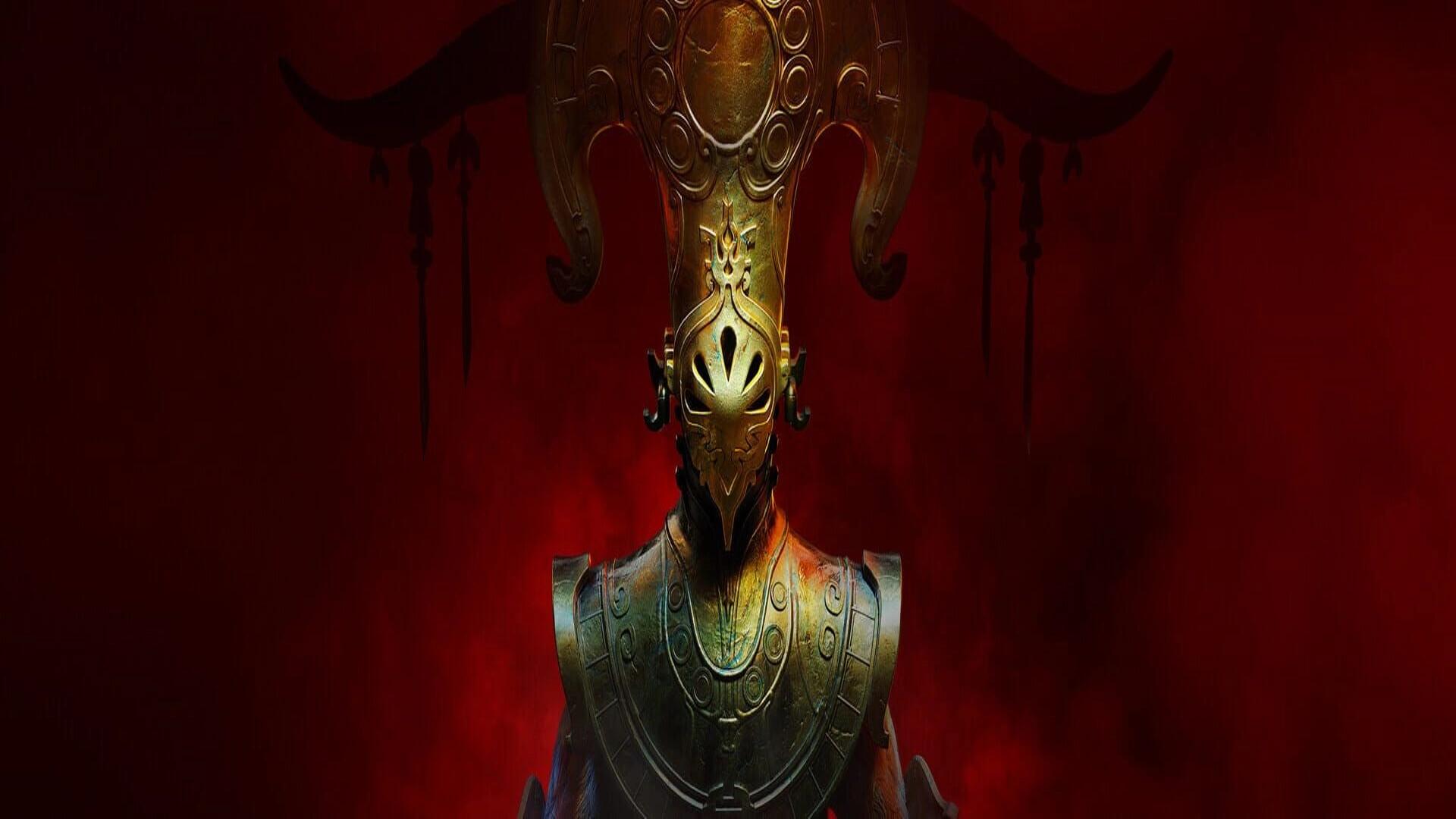
My Helldivers 2 group tried Remnant 2 on a whim during a slow week, and it turned out to be a surprisingly good fit for the same three-person energy. Archetypes here work like classes without the CRPG-level menu diving, and combining two of them on one character opens up builds you wouldn't expect from a game this focused on guns and bosses. Runs are randomized enough that a second playthrough doesn't feel like a rerun. Sessions land around two to three hours, which is close to ideal for a weeknight. Three-player cap, though. If your regular group runs four deep, somebody sits out.

- Released
- 20232023
- Genre
- ShooterShooter
- Platforms
- PC, PS5, Series X|SPC, PlayStation 5, Xbox Series X/S
If you want RPG progression left out of the equation and just want strong co-op partners for a rotating game night, check out our Best Xbox Co-Op Games guide.
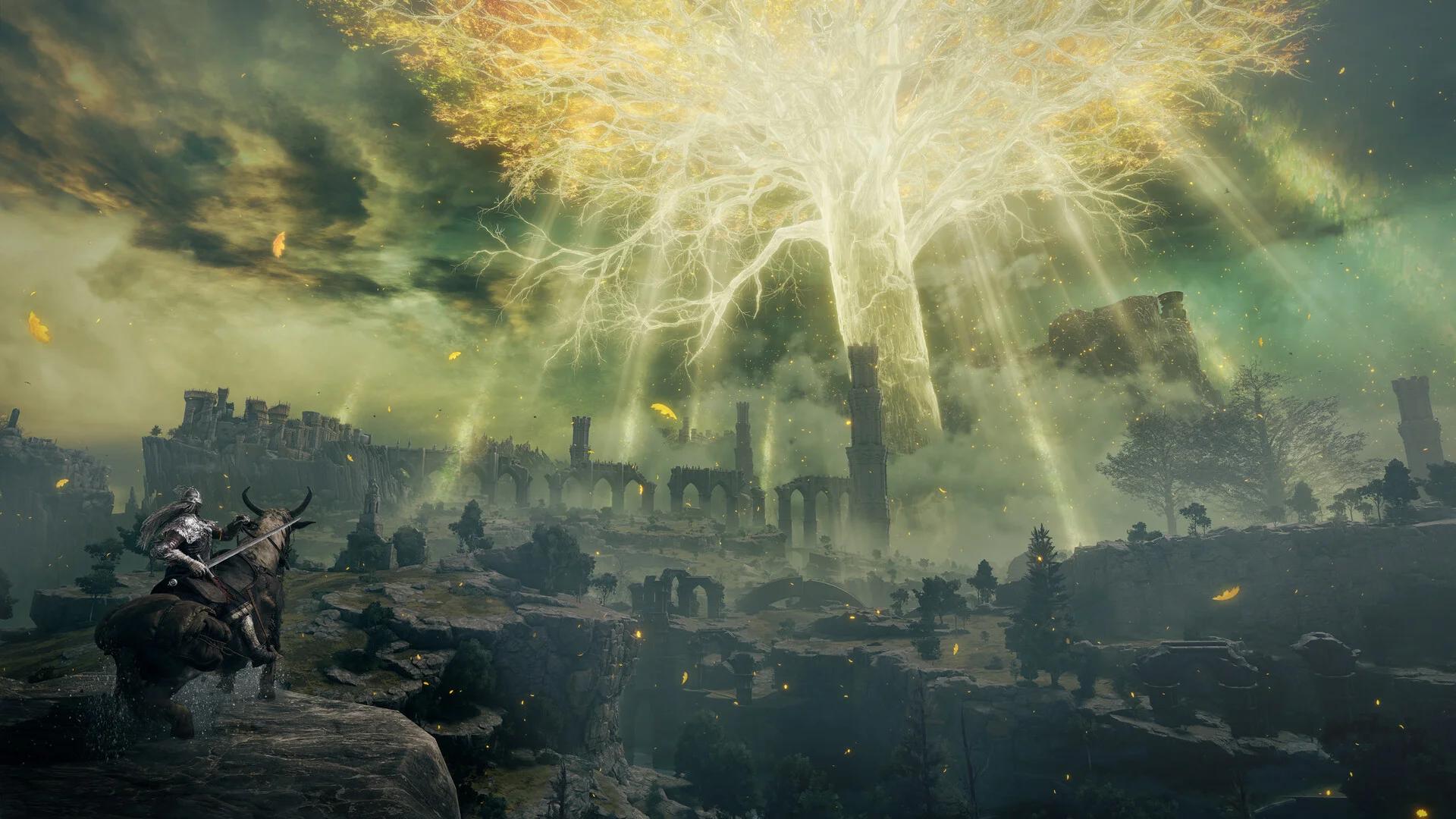
Elden Ring is the best game on this list by almost any measure, and the co-op is still the weakest link. Summoning a friend means burning an item, respecting an arbitrary level range, and getting booted back to your own world the moment the boss dies, which makes it feel more like inviting someone over for one specific job than actually playing together. The build variety is unmatched, incantations, colossal weapons, pure sorcery runs, and the Lands Between rewards exploring all of it. I still love this game. I just wish From Software let two people stay in one world for longer than a single fight.

- Released
- 20222022
- Genre
- RPGRPG
- Platforms
- PC, PS4, PS5, Switch 2, Xbox One, Series X|SPC, PlayStation 4, PlayStation 5, Nintendo Switch 2, Xbox One, Xbox Series X/S
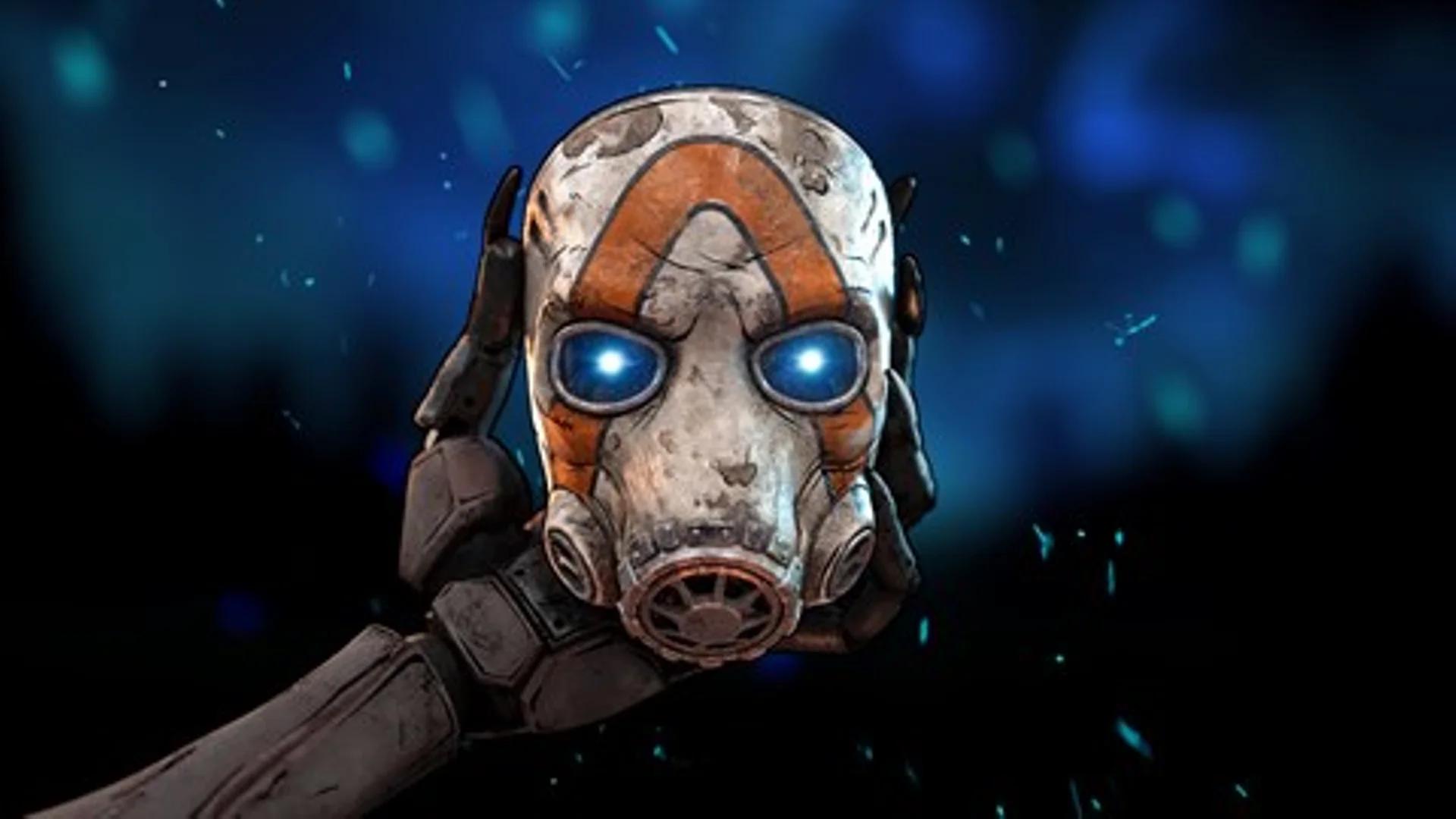
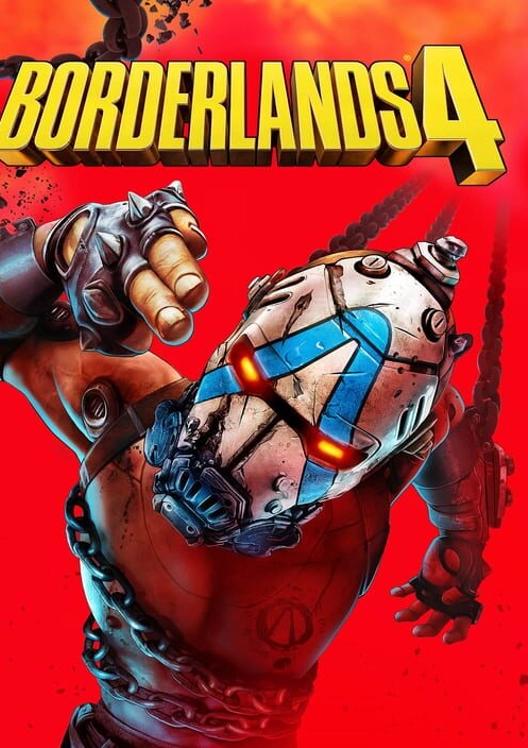
Borderlands 4 is the game on this list I'd hand a controller to someone who's never played an RPG before. Split-screen still works, which feels almost rebellious in 2026 when most publishers have quietly dropped it. Four skill trees per vault hunter give you enough build room to specialize without needing a wiki open on a second monitor, and the loot chase is exactly as chaotic and satisfying as the series has always promised. The story is the weakest part. Always has been, since the second game. Play it for the guns and the skill trees, not the plot, and bring a couch buddy if you can.
- Released
- 20252025
- Genre
- ShooterShooter
- Platforms
- PC, PS5, Switch 2, Series X|SPC, PlayStation 5, Nintendo Switch 2, Xbox Series X/S
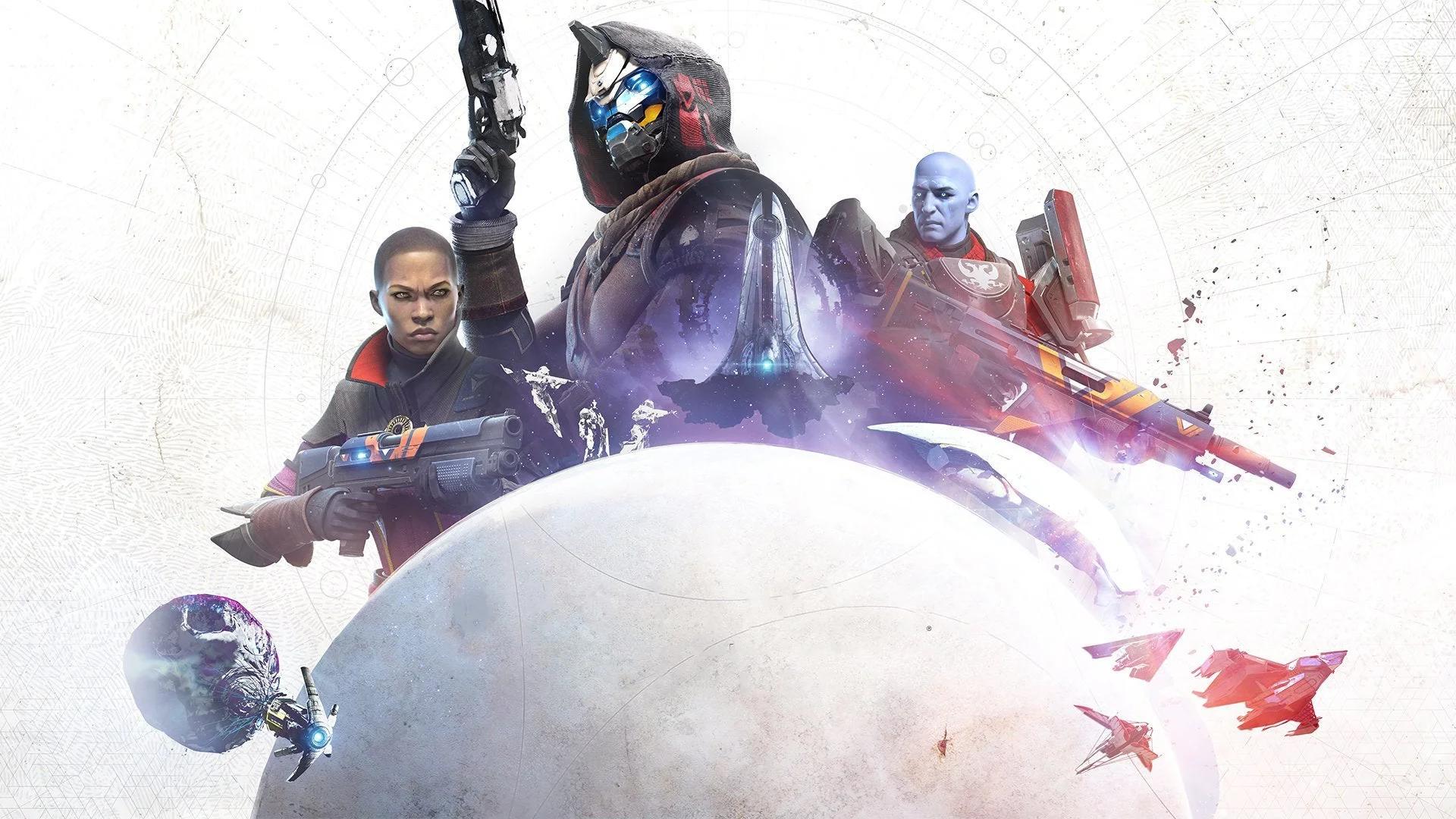
Destiny 2 raids are the one place on this list where a headset stops being optional. Coordinating damage phases on something like Salvation's Edge without voice chat is close to impossible, and my Arctis Nova 7P has gotten a real workout on raid nights. The RPG layer underneath the gunplay is deeper than people give it credit for: seasonal builds, exotic class fantasy, real stat tuning. It's free to start, which makes trying it low-risk. The catch is Bungie's support situation has been shaky enough lately that committing long-term feels less certain than it used to. Great endgame, uncertain future.
- Released
- 20172017
- Genre
- ShooterShooter
- Platforms
- PC, PS4, PS5, Xbox One, Series X|SPC, PlayStation 4, PlayStation 5, Xbox One, Xbox Series X/S
Honorable Mentions
These five didn't crack the top ten, mostly on account of a newer entry in the same series or a narrower RPG identity, but each is still worth a look for the right group.
Monster Hunter Rise got displaced by Wilds for the top ten, but it's still one of the fastest, most accessible co-op action RPGs on Xbox. Wirebug movement makes every hunt feel quicker than the older games, and I've cleared full hunts with two friends in under twenty minutes, gear already half-broken by the finish. Returning players who bounced off older Monster Hunter friction should try this one before Wilds if session length matters more than the newest gear system. Lighter and faster, not lesser.
The Division 2 is a cover shooter wearing an RPG's clothes: gear sets, talent builds, and a full skill tree sitting underneath the guns. My regular co-op group tried it years back. It never quite stuck, mostly because the Dark Zone's tension needs a squad that already trusts each other going in. The structured PvE missions are still genuinely well built for four players who want objectives instead of an open sandbox, and years of post-launch support mean there's plenty of endgame gear-set chasing left if that's your thing.
Borderlands 3 is the one I still boot up occasionally when a friend hasn't touched any Borderlands yet. Four fully realized classes, split-screen that actually works, and a completely settled base game with years of balance patches behind it by now. Old, but it still works. Nothing here beats the newer entry on raw quality, but it's the safer, more predictable choice if your group already owns it. No reason to wait for the new one if you've already got this installed.
Tiny Tina's Wonderlands takes the Borderlands loot formula and bolts on multiclassing, which gives it more build variety than the mainline games at this point. Fantasy wins, for me, so I liked the skin here more than expected, since straight-up fantasy is usually my favorite setting anyway. This leans into it harder than the sci-fi wasteland tone ever did. Split-screen works. Four-player runs stay chaotic in the good way, and it's shorter and sillier than the numbered entries. Just don't expect the story to hold up next to anything higher on this list.
Wayfinder had a rough launch as a live-service experiment nobody quite understood, then relaunched as a straight premium action RPG. That second version is the one worth talking about. Three-player co-op, character archetypes with real gear progression, and repeatable dungeon content that doesn't punish you for skipping a season. I skipped this one before its relaunch. The colorful fantasy art style pulled me back for a second look. It's not going to unseat anything in the top ten, but as a modern, focused alternative it earns its spot here.
Frequently Asked Questions
The same questions come up whenever this list gets shared around a group chat, so here they are answered straight.
Do any of these require Xbox Game Pass?
No, none of them require it, though several including Diablo IV and Baldur's Gate 3 have appeared on Game Pass at various points. Warframe, Path of Exile, and Destiny 2 are free to start regardless of subscription. Check current Game Pass listings before buying anything on this list at full price.
Can I play these solo if my friends aren't online?
Most of them, yes. Path of Exile and Warframe are built to support solo play comfortably, and Elden Ring and Diablo IV both work fine alone. Baldur's Gate 3 and Remnant 2 lean much harder on having a partner, so solo runs feel noticeably thinner.
Which of these has the best split-screen support?
Baldur's Gate 3, Diablo IV, and Borderlands 4 all support local split-screen co-op on Xbox Series X|S, which makes them the easiest pick for two people sharing one console and one screen.
Are any of these actually free to play?
Warframe and Path of Exile are both genuinely free with no paywalled progression gate. Destiny 2 is free-to-start with expansions sold separately, and the core loop is playable without spending anything upfront.
What if I don't want a hundred-hour commitment?
Remnant 2, Monster Hunter Wilds, and Borderlands 4 are all built around session lengths closer to twenty minutes to a couple of hours, rather than the sprawling campaign structure of Baldur's Gate 3 or Elder Scrolls Online.
Conclusion
Ten games, five different flavors of RPG: story-heavy co-op, loot-chasing action RPGs, deep build theorycrafting, and full MMO commitment. Baldur's Gate 3 tops the list because nothing else blends real choice with real teamwork this well, but Diablo IV or Monster Hunter Wilds serve a looser Tuesday night better.
Want a shared world instead of a gear grind? Our open world guide covers that ground, our two-player picks handle duos, and our shooter guide covers the loot-and-guns hybrids sitting just outside this list.
More tailored picks? Our Recommendations Engine has you covered.