
RPGs and LAN parties don't always get along. Hand a group a sprawling skill tree and you'll spend the first hour of the night explaining it instead of playing it. The ten games below are the exceptions, ones where character building adds to the session instead of stalling it, battle tested by yours truly, across actual LAN nights with my friends who don't want a lecture on build theory before the first quest even starts.
We scored each pick on RPG depth, LAN suitability, co-op chemistry, technical polish, and replay value. RPG depth and LAN-night reliability weighed heaviest, since those two decide whether the table actually plays.
For the full picture on LAN party gaming, see our Best LAN Party Games in 2026 guide. This article focuses specifically on RPGs with real character progression that hold up during a private group session.
Quick Picks
Best for a full campaign commitment: Baldur's Gate 3
Best for classic LAN speed: Divinity: Original Sin 2 - Definitive Edition
Best for gear-grind hunts: Monster Hunter Wilds
Best for low-friction loot chasing: Grim Dawn
Best for a long-term shared world: Project Zomboid
The Top 10 RPG LAN Party Games for PC
These are ranked by how well they hold a group's attention across a real session, not just how good they look on a store page.
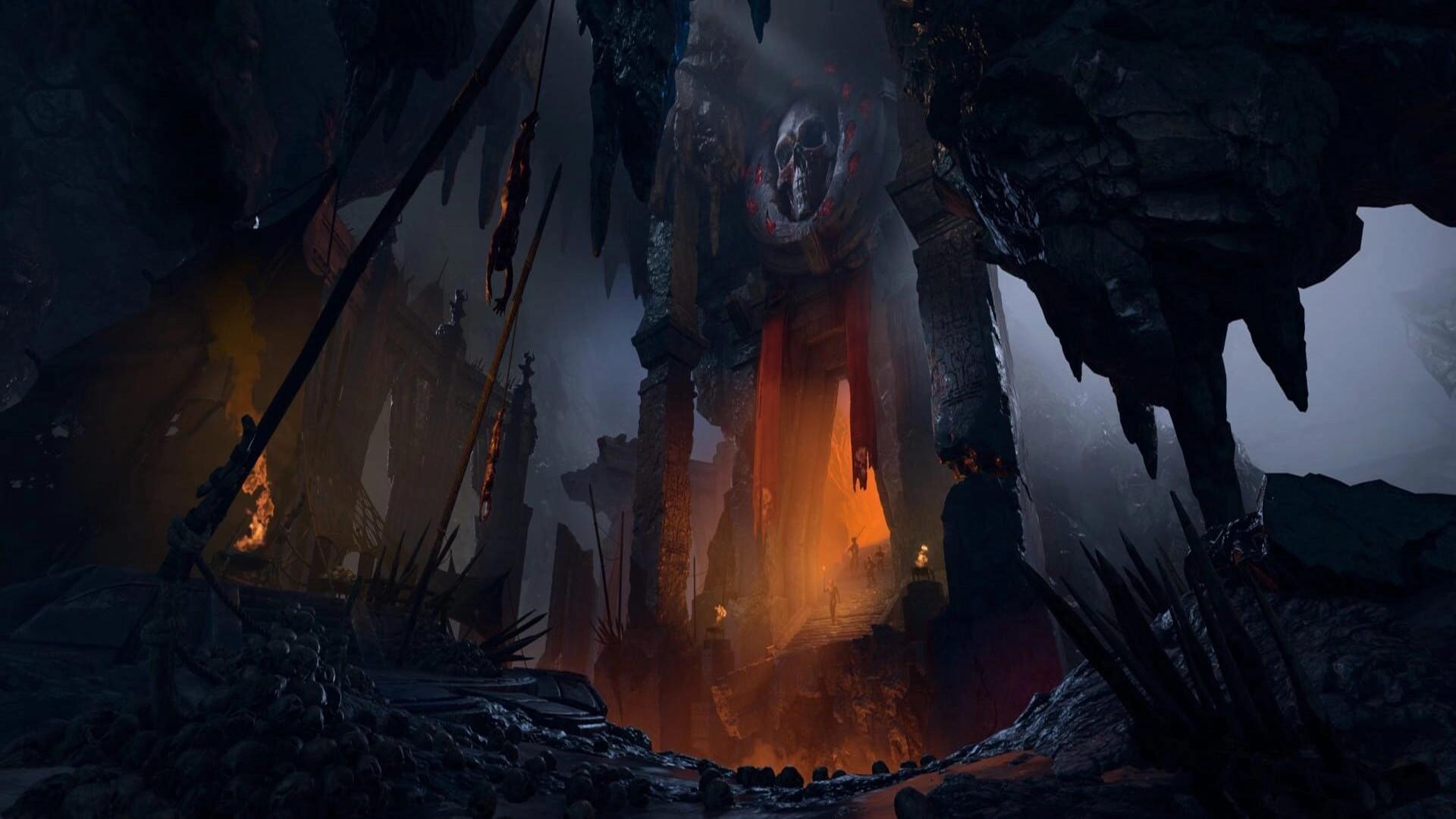
Baldur's Gate 3 topping this list is not exactly a surprise. I'm a big fan of the series going back years, but this is the first entry that actually made it onto our LAN table, and it plays like it was built for exactly that setup. Four players, four classes, and a camp full of decisions nobody agreed on beforehand, and the arguments that follow beat any scripted cutscene. For a game this size, the onboarding is surprisingly forgiving. You are not staring down a spreadsheet of a skill tree before you can throw your first spell. The catch is time: a single LAN weekend only gets you through the opening act. Plan for a recurring group, not a one-off night.
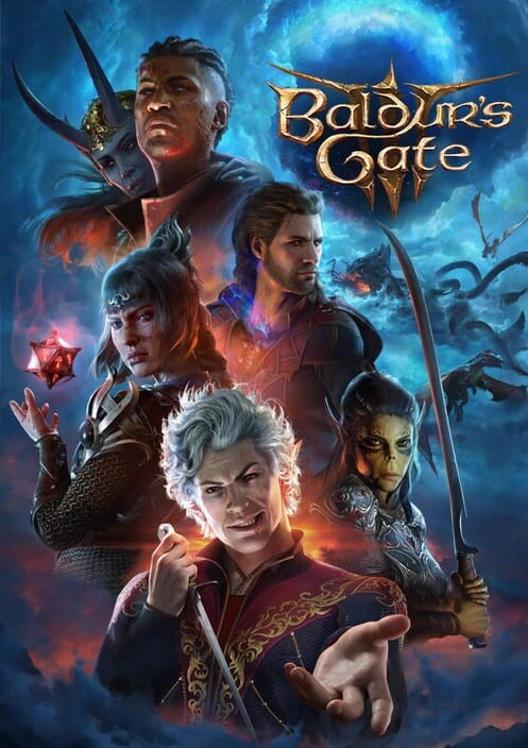
- Released
- 20232023
- Genre
- RPGRPG
- Platforms
- Linux, macOS, PC, PS5, Series X|SLinux, macOS, PC, PlayStation 5, Xbox Series X/S
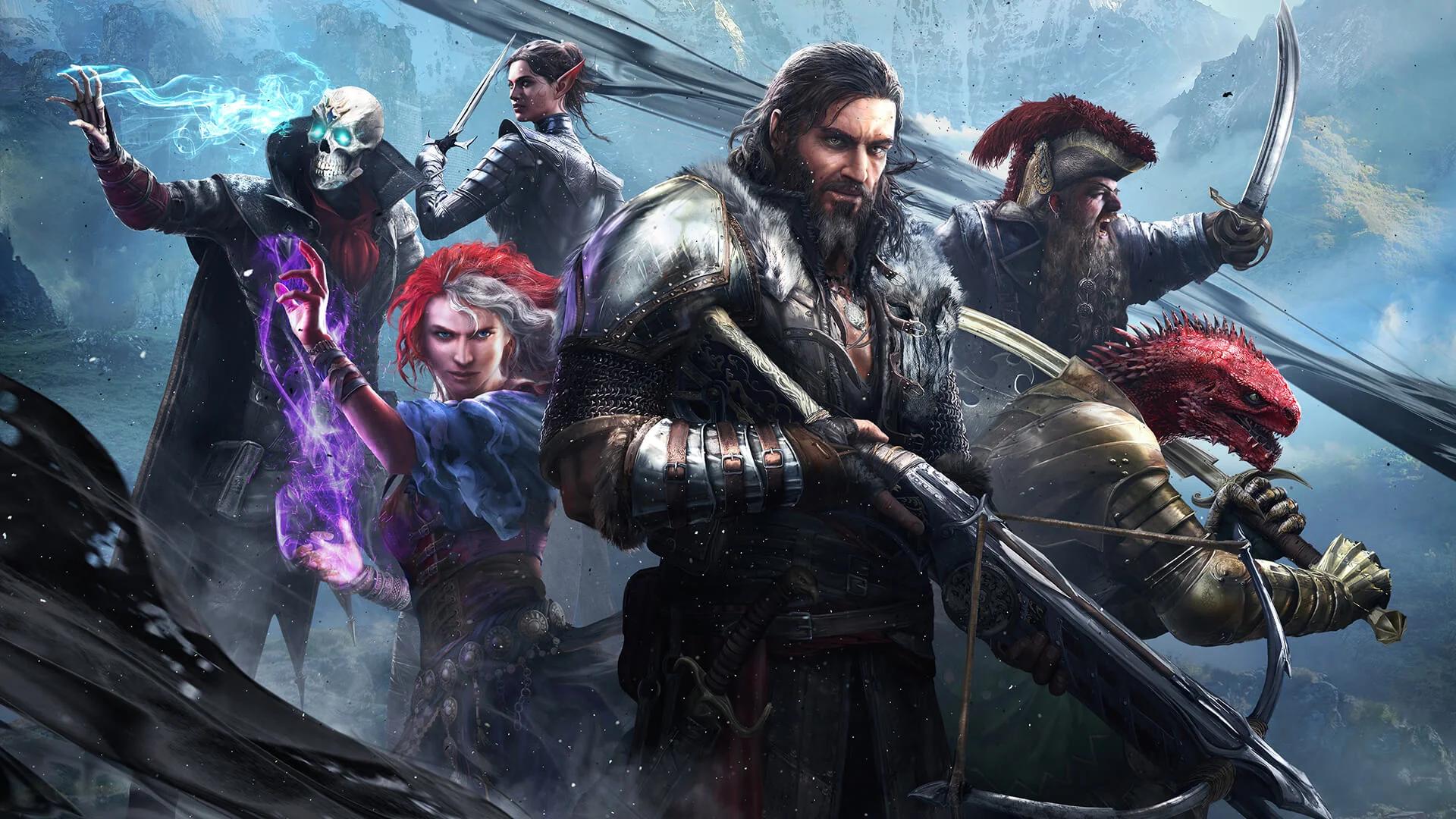
Divinity: Original Sin 2 keeps showing up across my lists, and there's a reason for that. Four players can spend as much time laughing at a botched elemental combo as they do winning the fight. Set an oil slick alight, forget your teammate is standing in it, and the whole table erupts. Character builds lean on a skill-school system instead of a sprawling tree, so new players are combat-capable by the first session, not the third. Multiplayer here was built for exactly this kind of private group play, years before Baldur's Gate 3 made it fashionable again. It runs lighter on hardware, which matters if your LAN rig is a few years old. If your group wants CRPG depth without BG3's big time investment, start here instead.
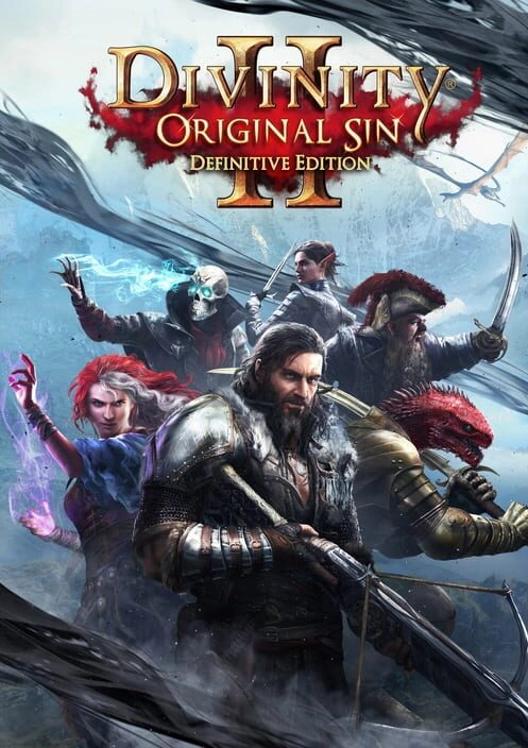
- Released
- 20182018
- Genre
- RPGRPG
- Platforms
- iOS, macOS, PC, PS4, PS5, Switch, Switch 2, Xbox One, Series X|SiOS, macOS, PC, PlayStation 4, PlayStation 5, Nintendo Switch, Nintendo Switch 2, Xbox One, Xbox Series X/S
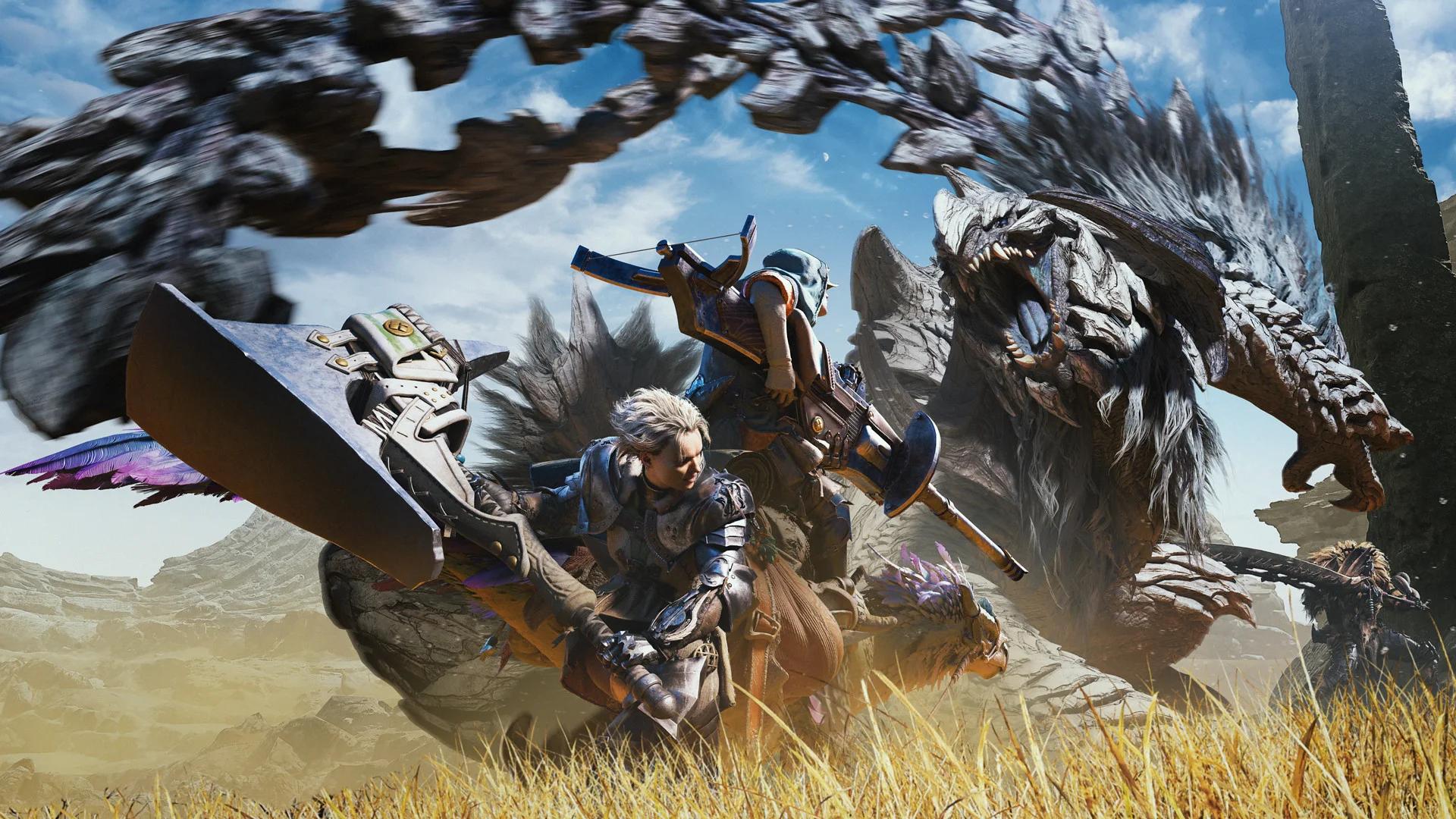
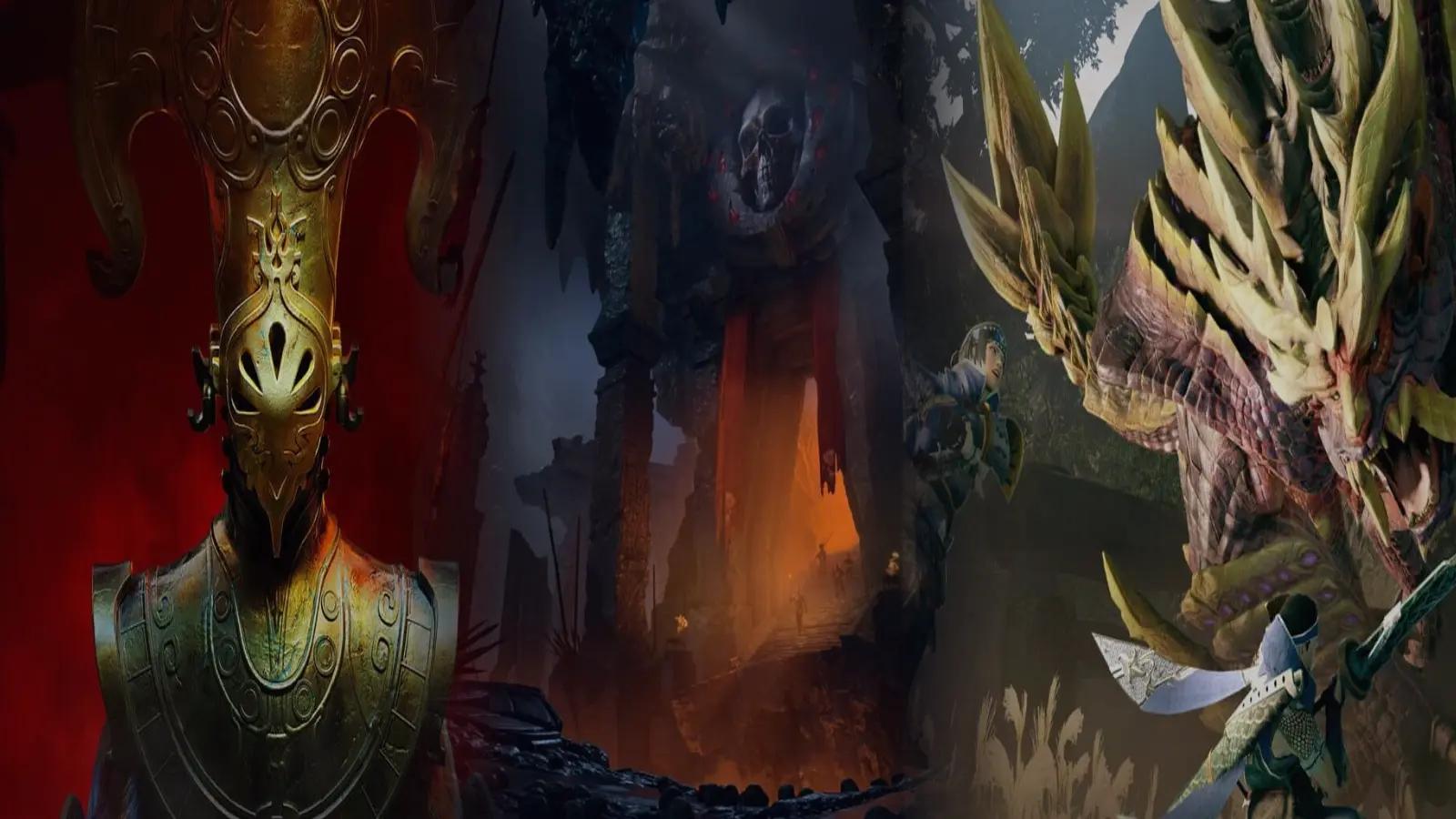
Monster Hunter Wilds is barely an RPG in the traditional sense, and that is exactly why it works so well for a LAN table. There is no skill point allocation to argue about. You level up by hunting monsters and crafting their parts into better gear, so progress stays visible instead of buried in a menu. My group has spent plenty of nights on Helldivers 2, and Wilds scratches a similar itch: pick a role, commit to a fight, repeat. A single hunt runs twenty to thirty minutes, short enough to slot into a session without derailing the night. The wound and focus mechanics take an evening to click, and the newest player at the table will feel that during the first few hunts.

- Released
- 20252025
- Genre
- RPGRPG
- Platforms
- PC, PS5, Switch 2, Series X|SPC, PlayStation 5, Nintendo Switch 2, Xbox Series X/S
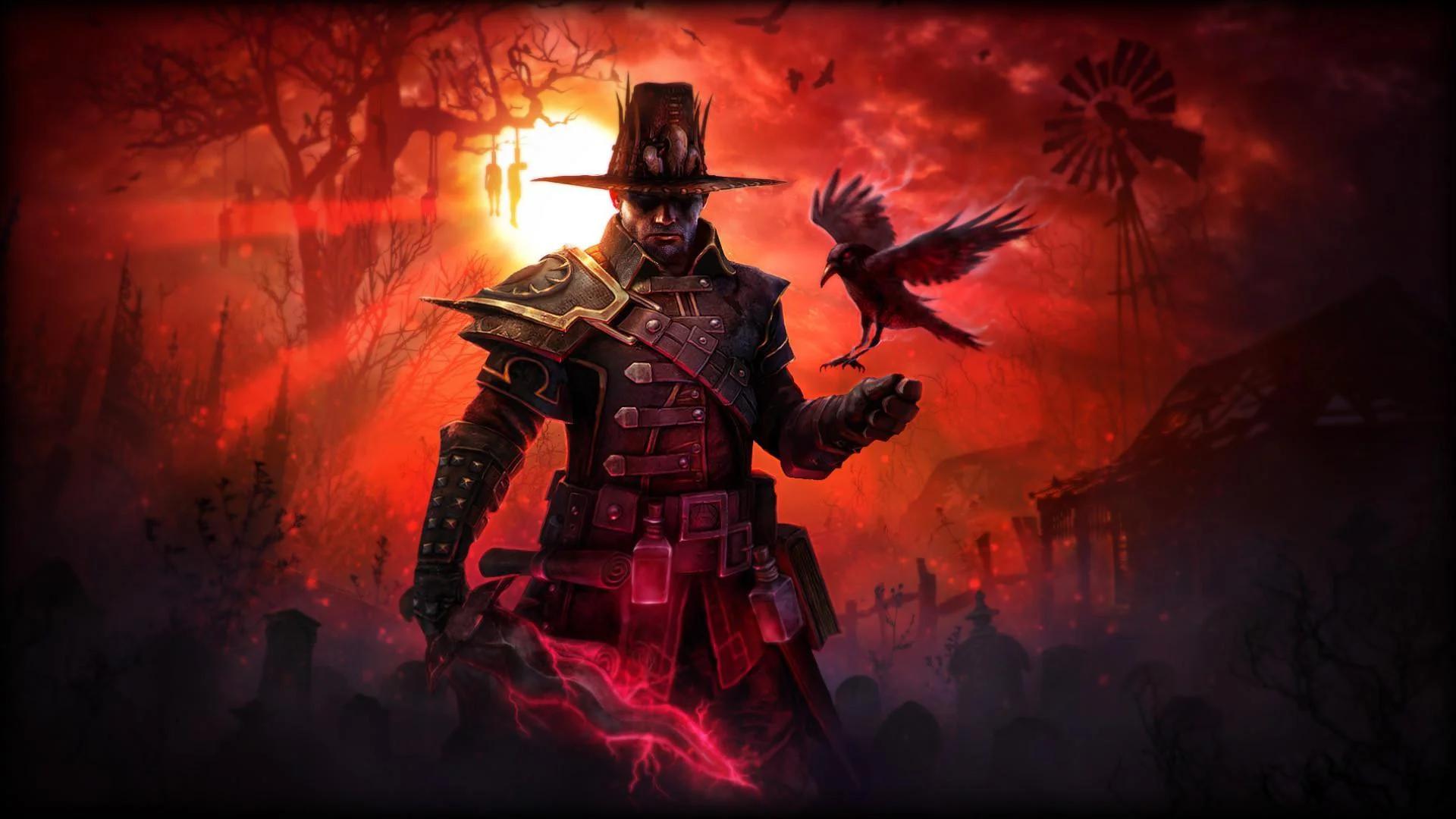
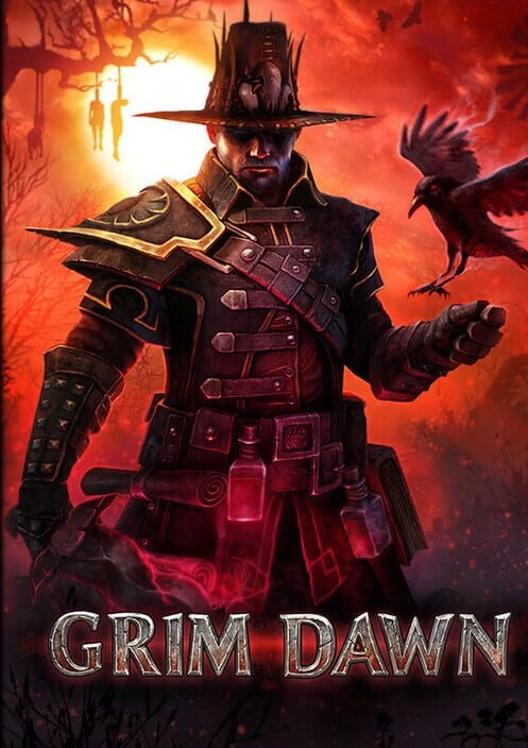
Grim Dawn doesn't get the attention of the bigger action RPGs here, but it might be the most LAN-native of them all. No login servers. No online requirement to babysit. I ran this on one of the non-gaming laptops from my regular LAN group and it held up fine, which is more than I can say for some newer entries. The dual-class system lets two players combine a Soldier and an Occultist into something neither class does alone, and that experimentation keeps a table engaged over multiple nights. It lacks the cinematic weight of Baldur's Gate 3, but the loot-chasing depth here comes with zero live-service dependency, and for a recurring group that reliability matters more than spectacle.
- Released
- 20162016
- Genre
- RPGRPG
- Platforms
- PC, Xbox OnePC, Xbox One
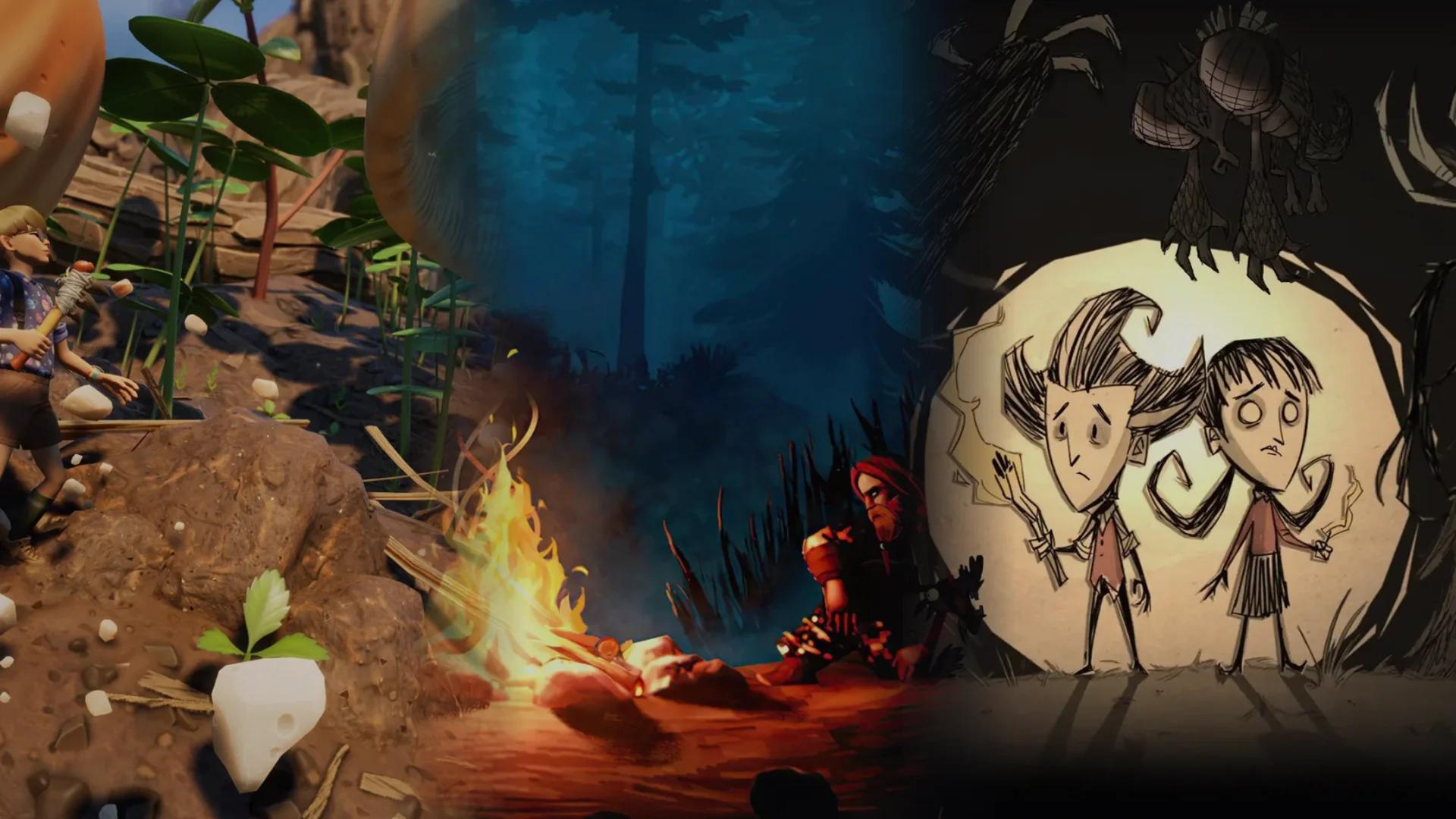
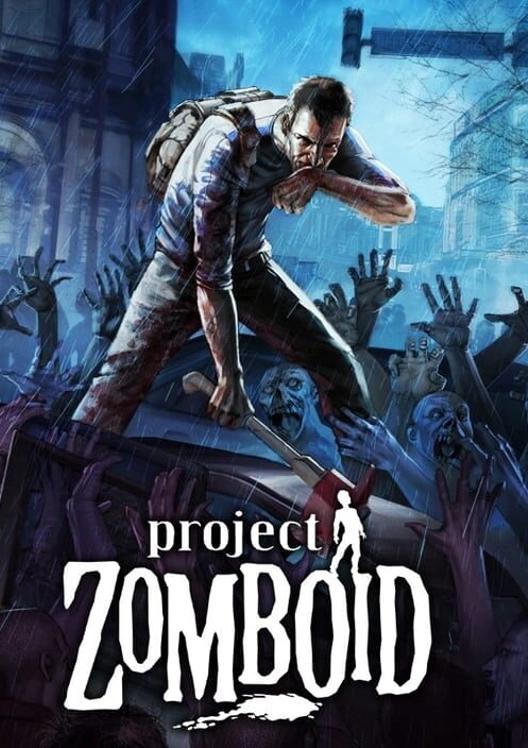
Project Zomboid is the odd one out on this list, closer to survival sim than RPG, but the skill and trait system gives it real character progression once you look past the zombies. My group set up a private server and kept coming back to the same characters across three separate LAN nights, which is not something that happens with most games here. Permadeath means every scavenging run actually matters, and there is a specific kind of tension in walking into a supermarket with a friend covering the door that no boss fight replicates. It is not fast. The learning curve on crafting and base-building takes a session or two before it clicks. Worth it for a group that wants an ongoing world instead of a single campaign.
- Released
- 20132013
- Genre
- RPGRPG
- Platforms
- Linux, macOS, PCLinux, macOS, PC
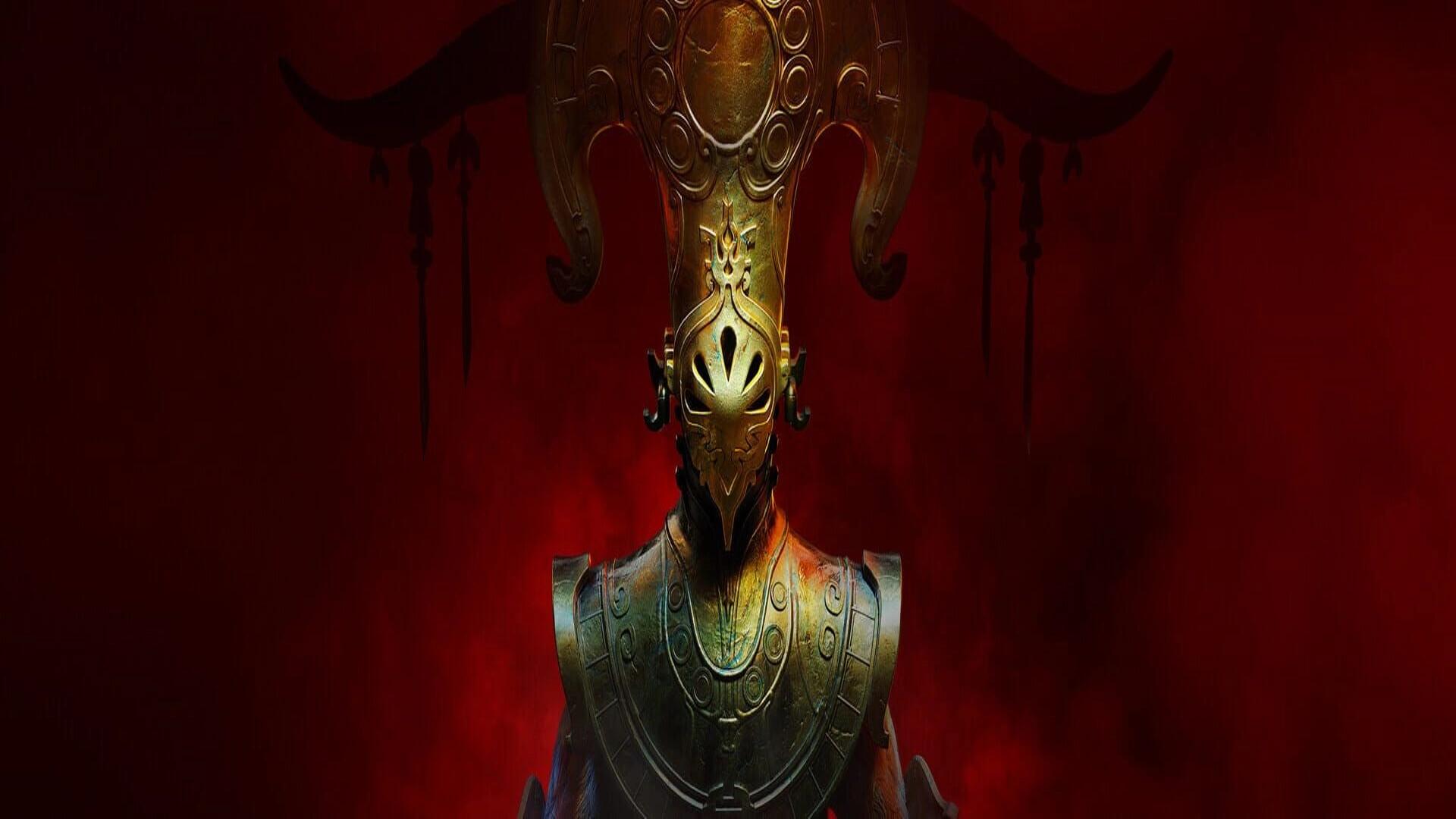
Remnant II sits at the shooter end of this list, but the archetype system underneath gives it a real RPG spine. Three players, each running a different archetype combo, and the build variety is deep enough that no two trios play the same way. It is a fast-paced shooter RPG at its core, and that speed is exactly why it slots so easily into a LAN night. Missions are short. Procedurally rerolled worlds keep runs from feeling repeated, and nobody sits out for long. The cap at three players instead of four is the one real limitation, and you will feel that gap the night a fifth friend shows up. Past that, it is one of the cleanest drop-in co-op sessions on this list.

- Released
- 20232023
- Genre
- ShooterShooter
- Platforms
- PC, PS5, Series X|SPC, PlayStation 5, Xbox Series X/S
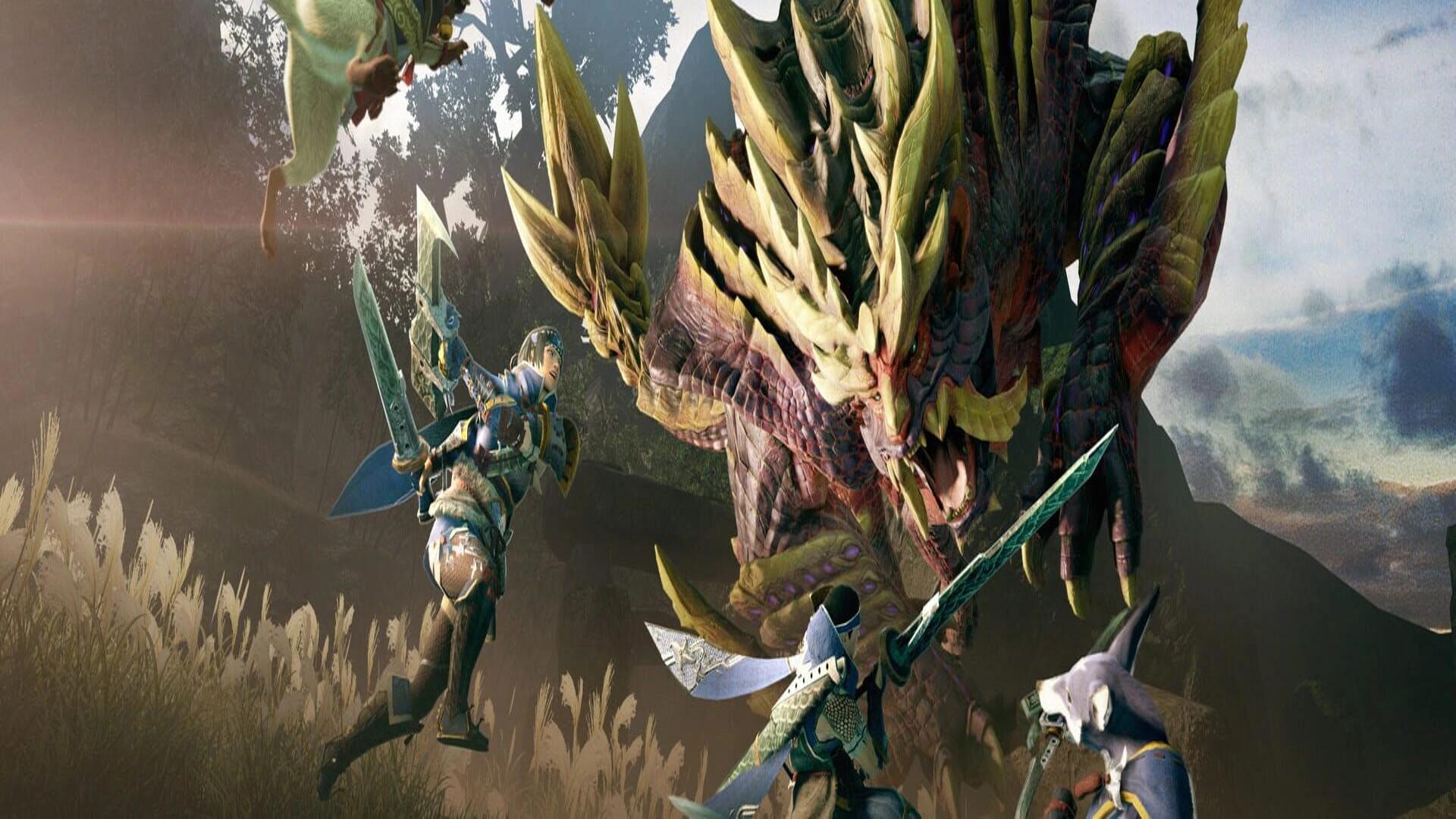
Monster Hunter Rise is the older, lighter sibling to Wilds higher up this list, and for some LAN groups it is actually the better pick. Hunts run shorter and the game asks less of your hardware, which matters when half your table is on a laptop not built for gaming. Load times are fast, too. Progression leans entirely on weapon mastery and gear crafting rather than stat menus, so a new player can join hunt three without anyone explaining a build first. I would put Wilds ahead of it for spectacle, but Rise wins on pure session efficiency. That efficiency is also its ceiling, the RPG systems here are thinner than anywhere else in this list's top half.

- Released
- 20212021
- Genre
- RPGRPG
- Platforms
- PC, PS4, PS5, Switch, Xbox One, Series X|SPC, PlayStation 4, PlayStation 5, Nintendo Switch, Xbox One, Xbox Series X/S
If you want broader co-op picks that don't require an RPG identity to qualify, check out our Best LAN Party Co-Op Games for PC guide.
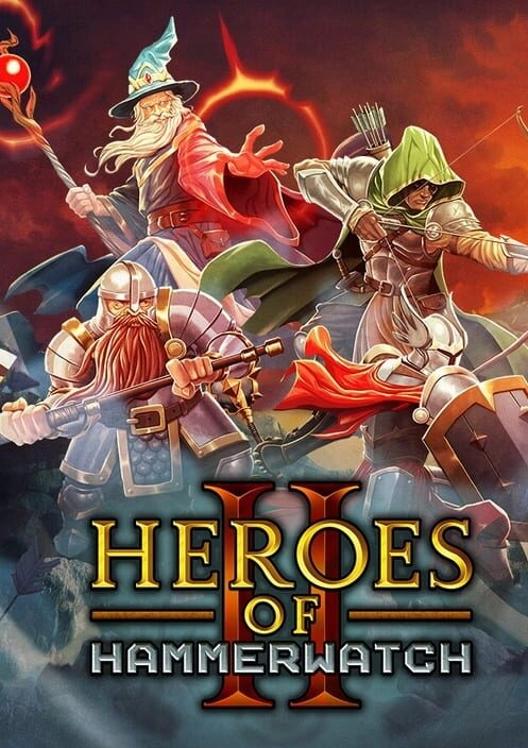
Heroes of Hammerwatch II is built around the kind of quick-restart loop that LAN nights actually need. A run ends, badly or well, and you are back in town spending loot within a minute. No lengthy reload, no long explanation. That restart speed reminds me of why Left 4 Dead 2 has stayed in my group's rotation for years, since nobody has to sit through a long setup to get back into it. Classes and loot give it a real RPG identity, and the persistent town upgrades mean a bad run still moves your group forward. It is a top-down roguelite first and an RPG second, which shows in how thin the character systems feel next to Grim Dawn or Divinity higher up this list.
- Released
- 20252025
- Genre
- RPGRPG
- Platforms
- PCPC
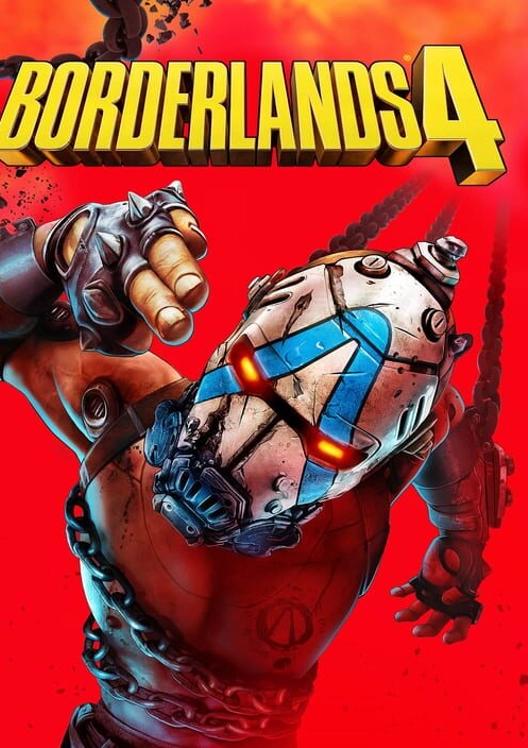
Borderlands 4 is borderline for a list like this, and I mean that literally. It leans looter shooter more than traditional RPG, but the class trees and skill choices are real enough that calling it an RPG holds up. Four players, four classes. Chaos on screen, loot raining down after every fight. It is a genuinely fun game to have running at a LAN party, and the co-op is built for exactly that kind of drop-in group energy rather than solo grinding. Where it loses ground on this list is depth: the build systems are shallower than Grim Dawn or Divinity. Nobody at your table needs a build guide to have fun here, and that ease of entry is worth something on its own.
- Released
- 20252025
- Genre
- ShooterShooter
- Platforms
- PC, PS5, Switch 2, Series X|SPC, PlayStation 5, Nintendo Switch 2, Xbox Series X/S
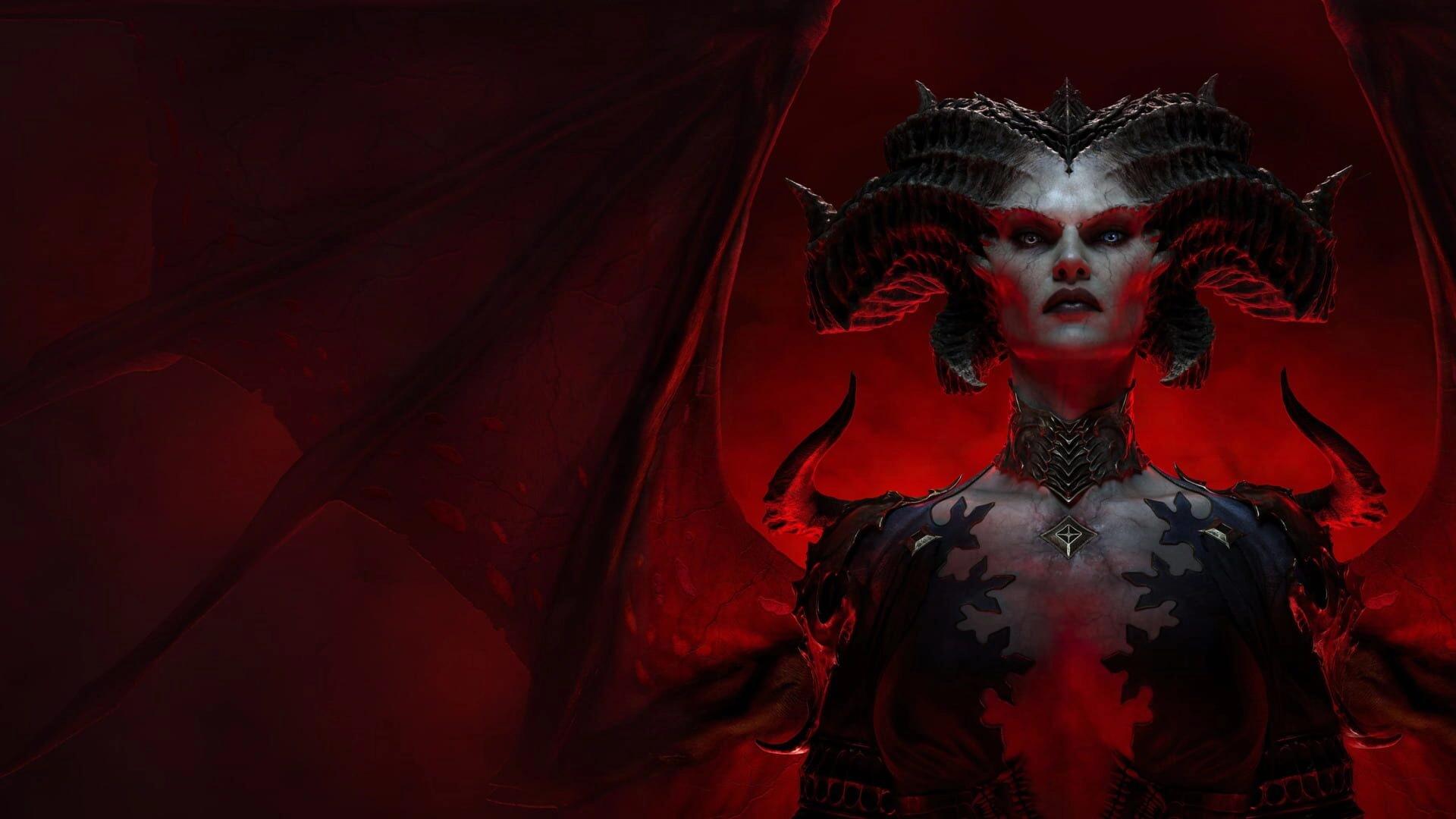
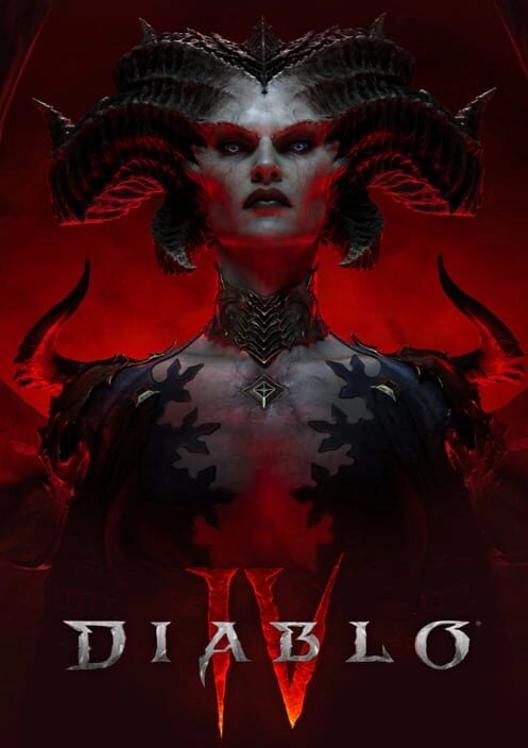
Diablo IV closes out this list partly out of loyalty. I have been playing Diablo since long before this genre had a name for itself, and these days I only have the patience for it in co-op. Solo, the loot grind wears on me fast. With three friends, the same grind turns into a genuinely fun evening of hack-and-slash chaos, and the class identity is strong enough that everyone builds differently by the second session. The always-online requirement is the real problem for a LAN-focused list like this one. You are tied to Blizzard's servers even when everyone at the table is three feet apart on the same network. It is worth having in the rotation. Just don't build your whole LAN night around it.
- Released
- 20232023
- Genre
- RPGRPG
- Platforms
- PC, PS4, PS5, Xbox One, Series X|SPC, PlayStation 4, PlayStation 5, Xbox One, Xbox Series X/S
Honorable Mentions
These five missed the ranked list by a narrow margin, usually on RPG depth, LAN practicality, or both, but they're still worth a slot in your rotation.
11. Barony
85%Barony feels like a hidden gem. We stumbled into it almost by accident. It is an indie first-person dungeon crawler, nowhere near as flashy as anything else on this list, but the class variety and permadeath tension make for a genuinely great small-group RPG. My group ran three sessions in a row without getting bored, restarting after every death because nobody wanted to stop there. Private multiplayer setup takes under a minute, which puts it ahead of several ranked entries on pure LAN practicality. It missed the top 10 only because the production values and depth can't quite match Grim Dawn or Divinity. Worth a slot in your rotation if your group likes classic dungeon-crawl chaos.
Last Epoch has some of the deepest build theorycrafting of any ARPG on this list: mastery classes, skill trees you can genuinely get lost in, loot filters that actually help. I spent an evening just tweaking a build before ever starting a real run, which tells you something about where its strength lies. For solo theorycrafters that is a feature. For a LAN night, it is closer to friction, since the online-first structure makes setup slightly less frictionless than Grim Dawn. It did not crack the top 10 for that reason, even though the systems underneath are arguably richer. Worth a look if your group already knows Grim Dawn and wants a newer build sandbox to dig into next.
13. V Rising
82%V Rising sets up a private vampire-survival world that is easy to keep coming back to across separate LAN nights, similar in spirit to Project Zomboid higher up this list. Base building, boss unlocks, and spell loadouts give it enough structure to hold a group's attention over several sessions. I like it as a change of pace. But the RPG identity is thinner than anything ranked above it, closer to a survival-crafting game with some class flavor bolted on. It missed the cut for exactly that reason. If your group already burned through Project Zomboid and wants something with a similar private-server rhythm, this is the next stop.
For The King II plays like a board game come to life, turn-based, tactical, and built for groups who want a shorter session than the sprawling CRPGs at the top of this list. Character classes and gear choices give it real party identity, and a full run can wrap in a single evening instead of eating your whole LAN weekend. It wraps fast. That compact structure is exactly why it missed the top 10, the progression is lighter than Divinity or Grim Dawn, and repeat runs start to feel familiar faster. Still, if your group wants something with actual RPG bones that does not demand a second night to finish, it is one of the easiest recommendations on this list.
Gloomhaven is the most board-game-like entry on this whole list, a scenario-based tactical campaign built around class synergy rather than reflexes. It asks for patience. It rewards a group that meets regularly, since the campaign persists between sessions the way a real board game night would. I found the card-based combat system took longer to click than anything else here, easily a full session before everyone stopped double-checking their hand. It stayed out of the top 10 because that structure is more rigid than the other picks, better suited to a standing weekly group than a one-off LAN party. If your group already plays board games together, this translates that habit almost directly to the screen.
Frequently Asked Questions
A few things that come up every time this list gets shared around a LAN group chat.
Do these RPGs need an internet connection to play at a LAN party?
Most do, since private online sessions are how modern multiplayer works even in the same room. Grim Dawn and Heroes of Hammerwatch II are the exceptions with true offline LAN support, while the rest connect through private online lobbies that work fine on a local network with a stable connection.
Which game here is easiest for a group that has never played an RPG together?
Monster Hunter Wilds and Monster Hunter Rise ask the least of new players, since progression comes from crafting gear rather than allocating stat points. Divinity: Original Sin 2 is close behind thanks to its skill-school system instead of a sprawling talent tree.
What is the best group size for most of these picks?
Four players is the sweet spot across most of this list. Remnant II caps out at three, and Project Zomboid scales up much further if your LAN has more people than that.
Will these games run on an older or non-gaming laptop?
Grim Dawn, Heroes of Hammerwatch II, and Divinity: Original Sin 2 all run comfortably on modest hardware. Baldur's Gate 3, Monster Hunter Wilds, and Diablo IV want a proper gaming rig, so check specs before your group shows up expecting them to run on office laptops.
Which pick has the best long-term replay value for a recurring LAN group?
Baldur's Gate 3 and Project Zomboid both reward a group that keeps coming back to the same characters and world across multiple sessions. Grim Dawn's build variety also holds up over dozens of nights once you start experimenting with dual-class combinations.
Conclusion
Ten RPGs, and not one of them will eat your whole LAN night explaining a skill tree. Baldur's Gate 3 and Divinity sit at the top for good reason, but Grim Dawn and Project Zomboid prove the genre works just as well without the cinematic budget. Different groups will land on different picks here, and that's fine.
If your table also wants fast reflex-driven matches, check our LAN party shooter guide, and our free LAN party games list if budget is tight.
Ready for more tailored picks? Try our Recommendations Engine for suggestions that match your play style.