
Most LAN nights at my place run on shooters and co-op survival until somebody needs a break from getting shot at. Keep Talking and Nobody Explodes might be the single most tense game I have ever played in a room full of friends: bomb, countdown, panicked shouting, and it happens to be a puzzle game. The best entries here force everyone to actually talk to each other, something the shooters never manage.
I ranked these on how central the puzzle-solving is, how well each holds up for same-room LAN sessions, and how forgiving it is for mixed-skill groups. Puzzle quality and LAN practicality carried the most weight.
For the full picture on LAN party gaming, see our Best LAN Party Games in 2026 guide. This article focuses specifically on puzzle-first picks that work for group play.
Quick Picks
Best for two-player brainpower: Portal 2
Best for pure tension: Keep Talking and Nobody Explodes
Best for bigger groups: Escape Simulator
Best for rowdy chaos: PICO PARK 2
Best for methodical duos: We Were Here Forever
The Top 10 Best Puzzle LAN Party Games for PC
These ten earned their spots by making puzzle-solving the reason to play, not a side activity bolted onto something else.
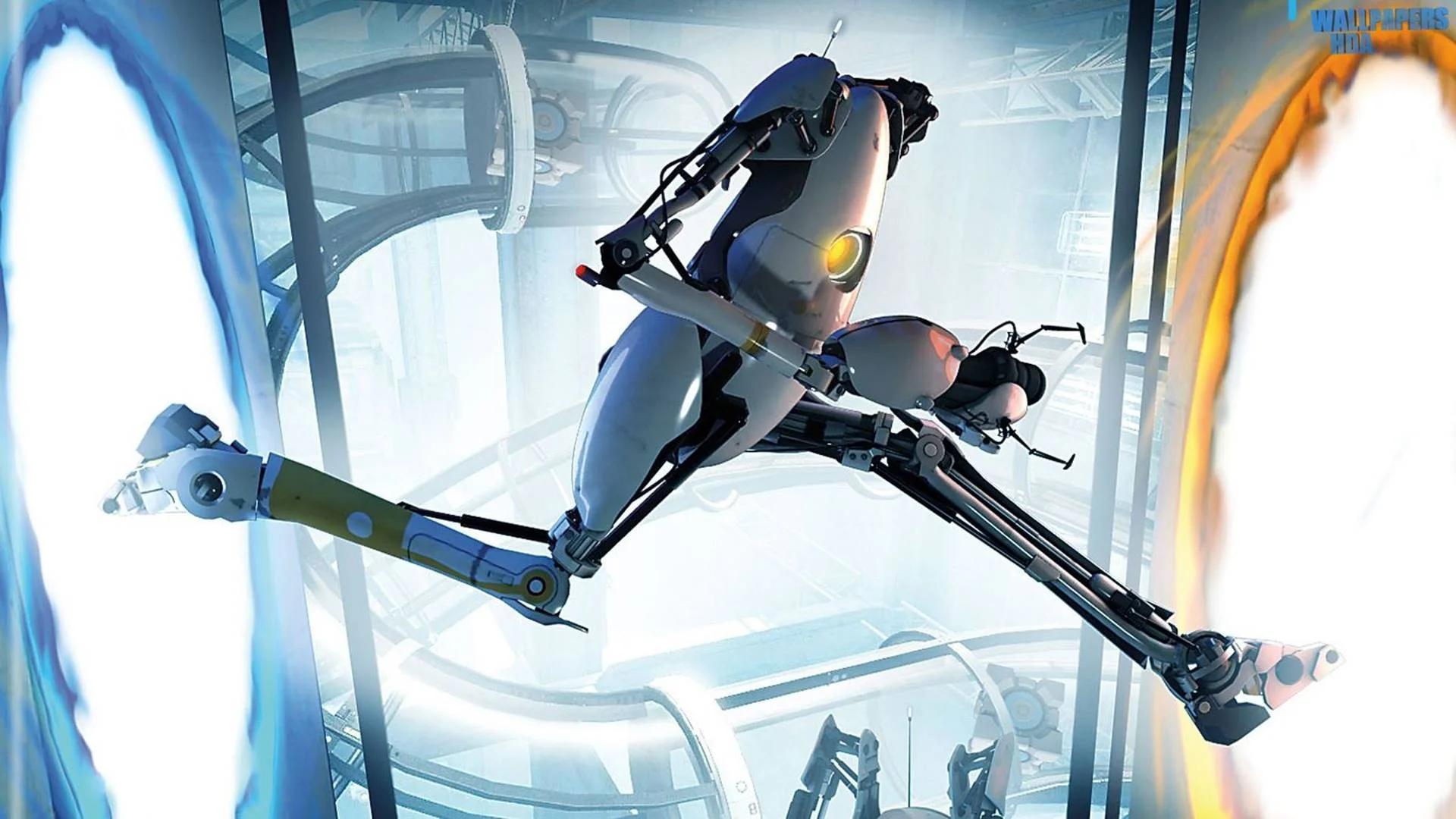
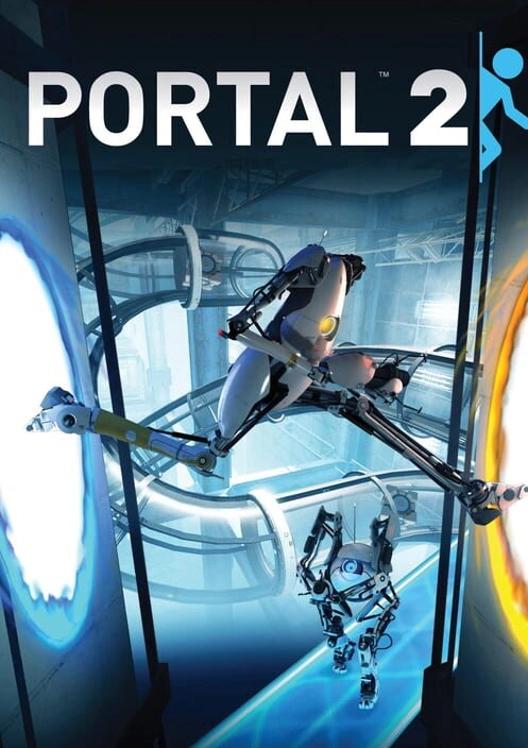
Portal 2's co-op campaign is the one puzzle game on this list I keep reinstalling years after finishing it. My group has played it more times than I can count, and it never stops being satisfying, watching two people work out that one portal needs to go on the ceiling and the other on a moving platform, and then watching it actually work. The communication is the whole point. You are narrating your half of the solution out loud while your partner narrates theirs, and the moment it clicks is one of the best feelings puzzle gaming offers. It only supports two players, which caps how many people at a LAN can jump in at once. Pair people up in shifts and this earns the top spot easily.
- Released
- 20112011
- Genre
- PlatformerPlatformer
- Platforms
- Linux, macOS, PC, SwitchLinux, macOS, PC, Nintendo Switch
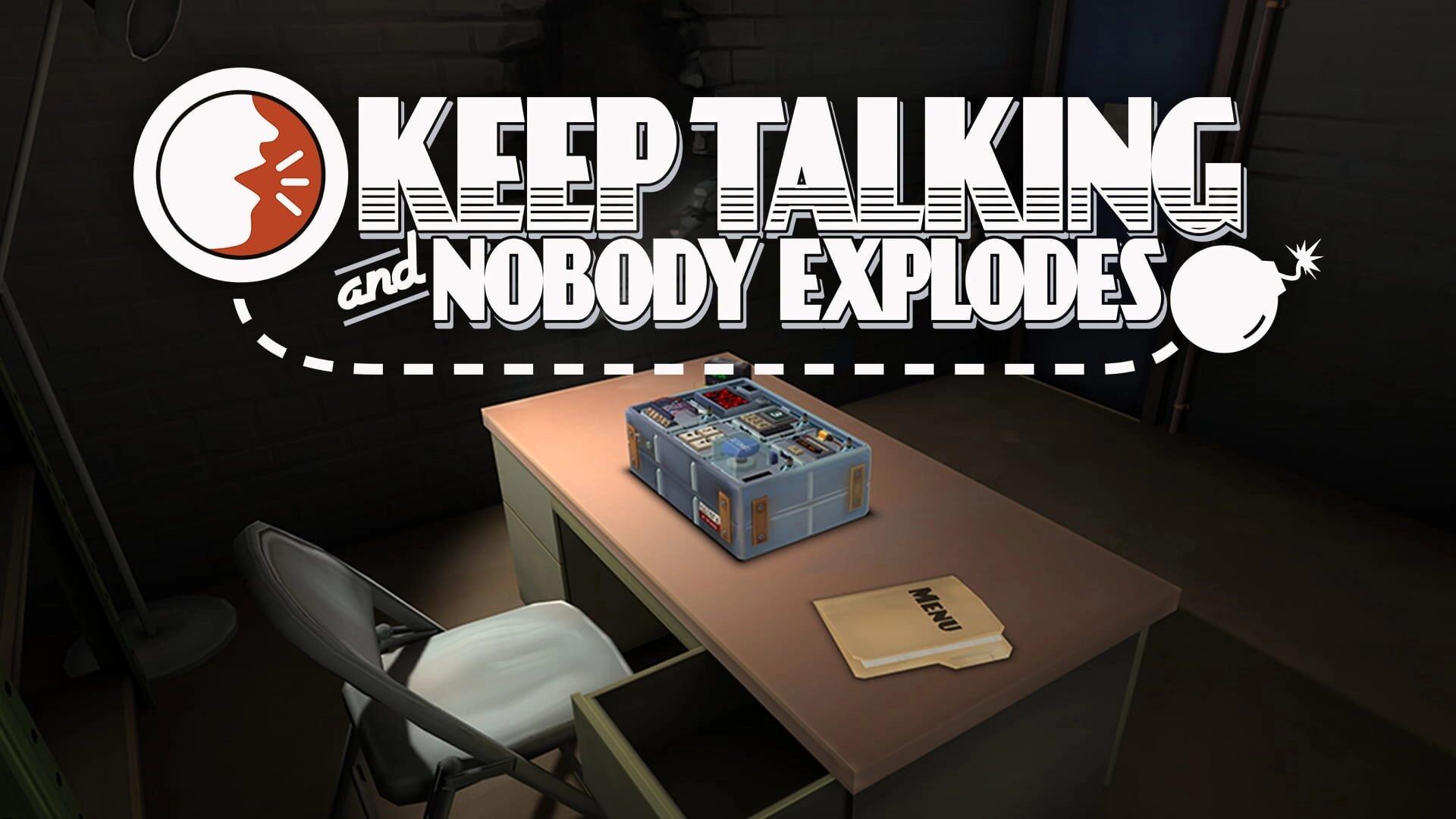
Keep Talking and Nobody Explodes might be the single tensest game I have ever played at a LAN party, and it does not even require a screen for most of the players. One person sits at the keyboard staring at a bomb. Everyone else huddles around a printed manual, shouting instructions they do not fully understand while the countdown ticks down. I have watched grown adults visibly panic over a wire diagram. The manual-reading role needs zero gaming skill, which makes this the rare puzzle pick where someone who has never touched a controller can carry the group. Sessions are short by design, so you can run five rounds back to back with a different defuser each time. One PC handles the bomb, and everyone else just needs a printed manual.
- Released
- 20152015
- Genre
- PuzzlePuzzle
- Platforms
- Android, iOS, Linux, macOS, PC, PS4, Switch, Xbox OneAndroid, iOS, Linux, macOS, PC, PlayStation 4, Nintendo Switch, Xbox One

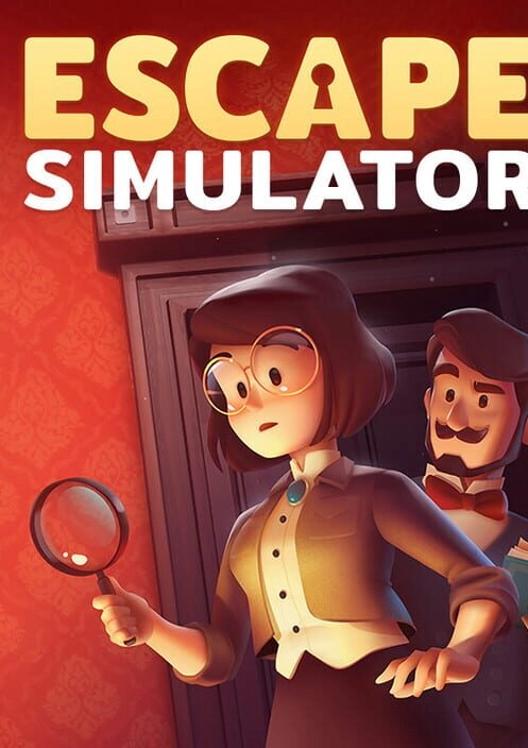
My group has done actual physical escape rooms together, so Escape Simulator was an easy sell the first time I brought it to a LAN night. Up to eight players can join a single room, more than double what most puzzle co-op games here allow, and the official rooms plus the pile of workshop content mean we have never run out of new places to get stuck. Bigger groups actually fit here. The pacing rewards splitting up, two people crack the safe while two others chase a hidden switch, then everyone converges when the puzzles start overlapping. It is not as tightly authored as Portal 2's campaign, and a few workshop rooms are rough. Still, for a group bigger than a pair, this is the one that scales without losing what makes escape-room puzzling good.
- Released
- 20212021
- Genre
- AdventureAdventure
- Platforms
- Linux, macOS, PC, Xbox One, Series X|SLinux, macOS, PC, Xbox One, Xbox Series X/S
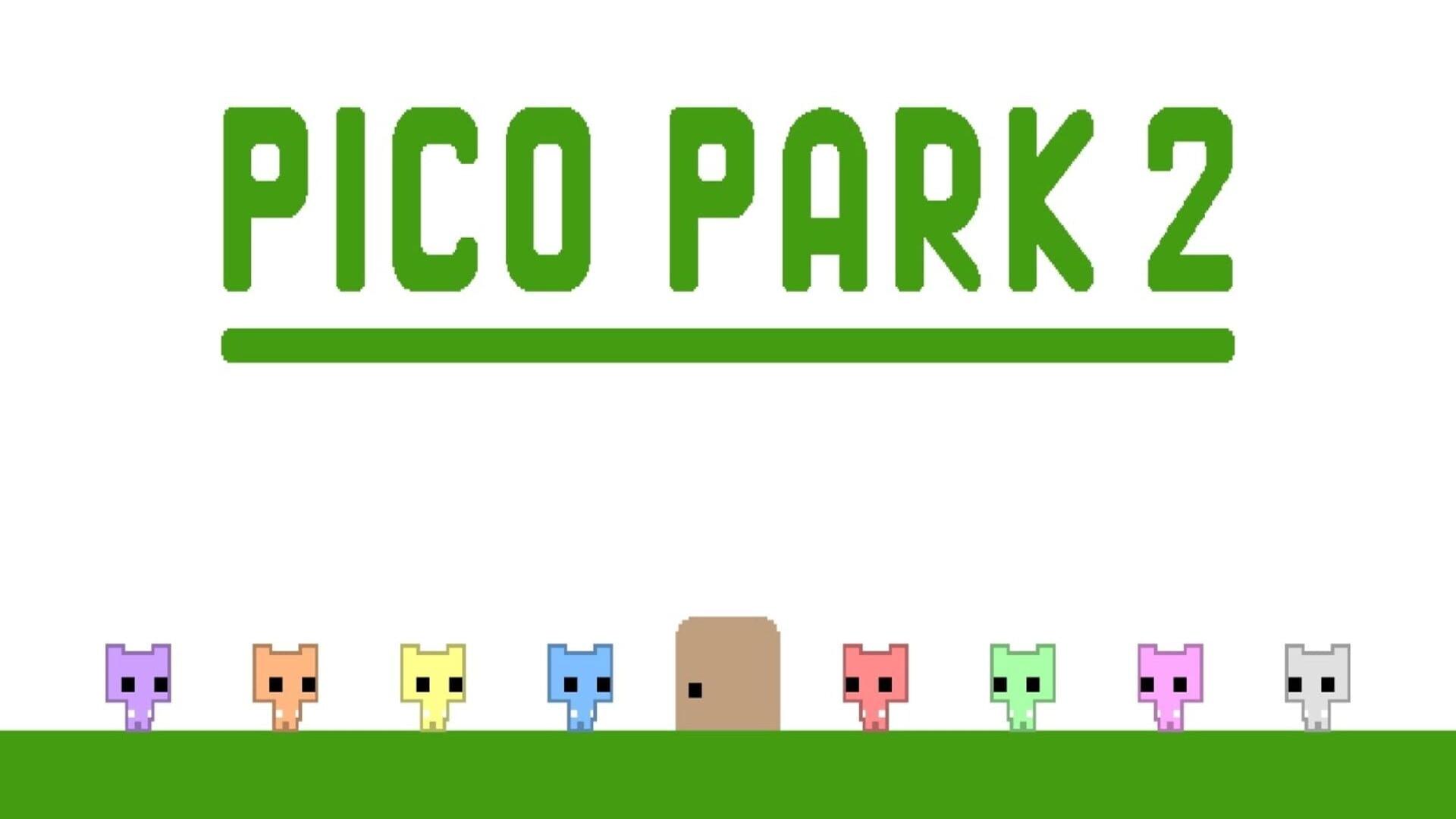
PICO PARK 2 plays closest to Overcooked out of everything on this list, chaotic, loud, and better with more bodies crammed around the LAN table. Levels are built around stacking players on top of each other and holding buttons at the same time from opposite ends of a level, needing everyone to move in sync or nobody moves at all. My LAN group has a rule for games like this: whoever causes the funniest failure has to explain what happened before the next attempt starts. Nobody stays frustrated long. Stages reset in seconds, so failing is just setup for the next try. It leans lighter on genuine logic than the specialists above it and more on group timing, which is why it sits at four instead of the top three. For a party of six to eight, it is close to ideal.
- Released
- 20242024
- Genre
- PlatformerPlatformer
- Platforms
- macOS, PC, Switch, Xbox OnemacOS, PC, Nintendo Switch, Xbox One
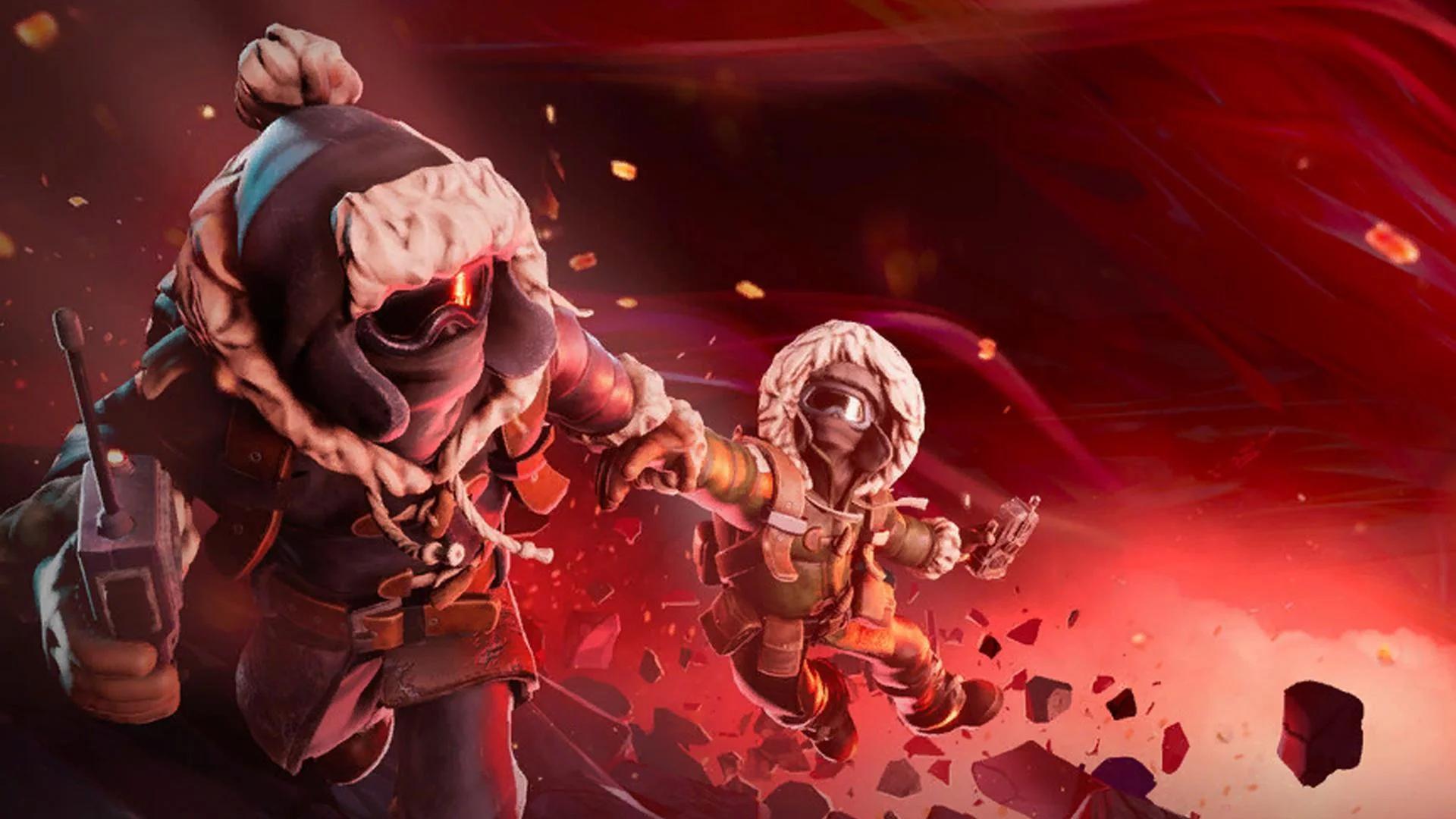
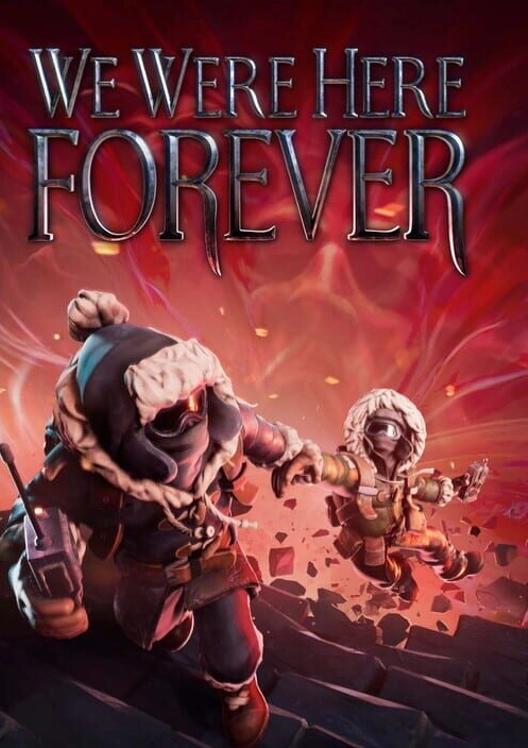
We Were Here Forever is the game here that most rewards a good headset, which is convenient, because I already use mine for online co-op sessions with my group. Two players are split into separate areas of a frozen fortress and can only solve puzzles by describing what they see to each other, symbols, levers, statues, things that mean nothing until your partner tells you what is on their side. It is slower and more methodical than Keep Talking's chaos, closer to a shared crossword than a shared panic attack. No replay value once solved. The campaign is a one-and-done affair, and there is no reason to run the same rooms twice. Strictly two players only, so this is a pairing game rather than a party game, best treated as a side activity at a bigger LAN rather than the main event.
- Released
- 20222022
- Genre
- PuzzlePuzzle
- Platforms
- PC, PS4, PS5, Xbox One, Series X|SPC, PlayStation 4, PlayStation 5, Xbox One, Xbox Series X/S
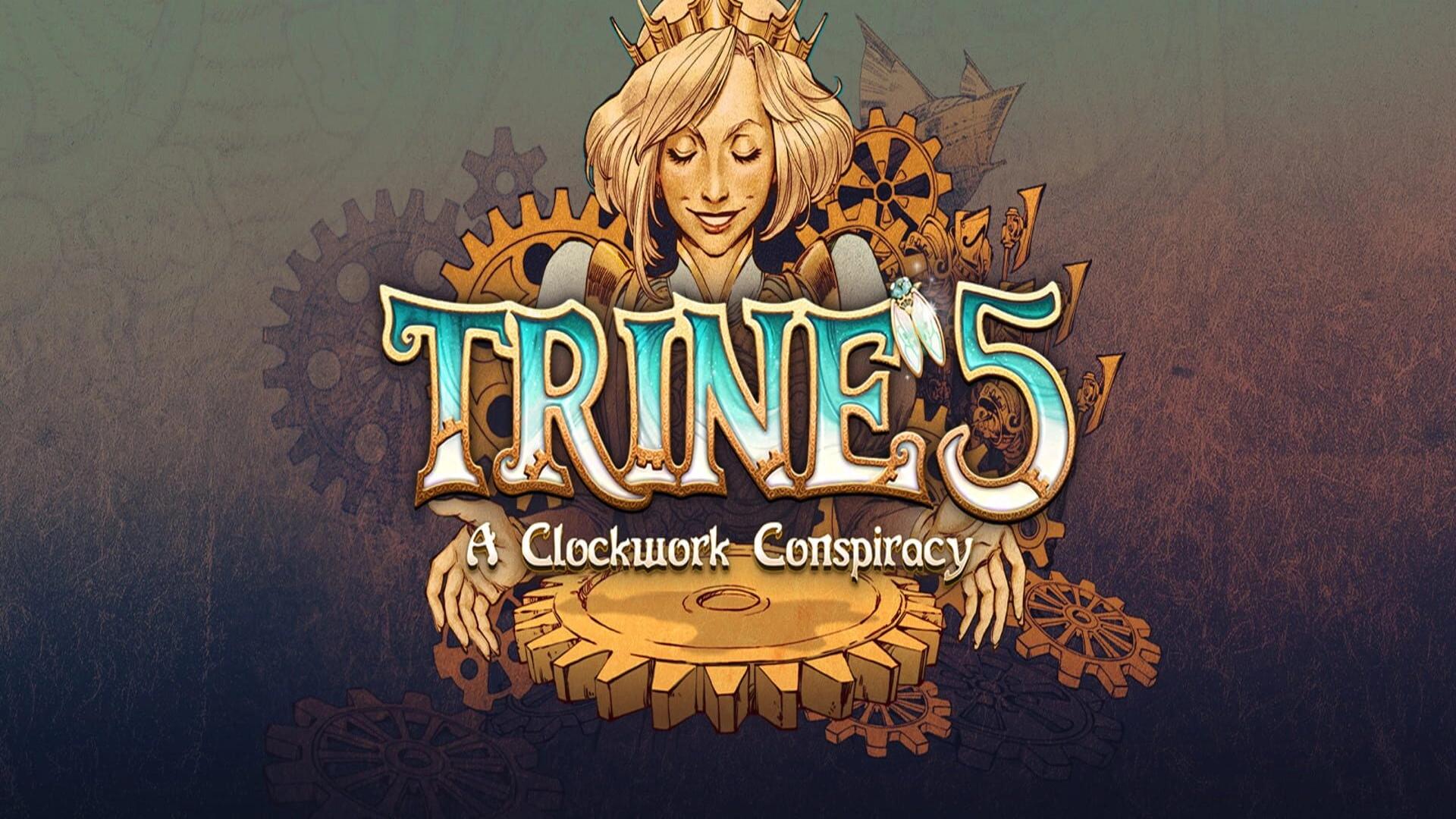
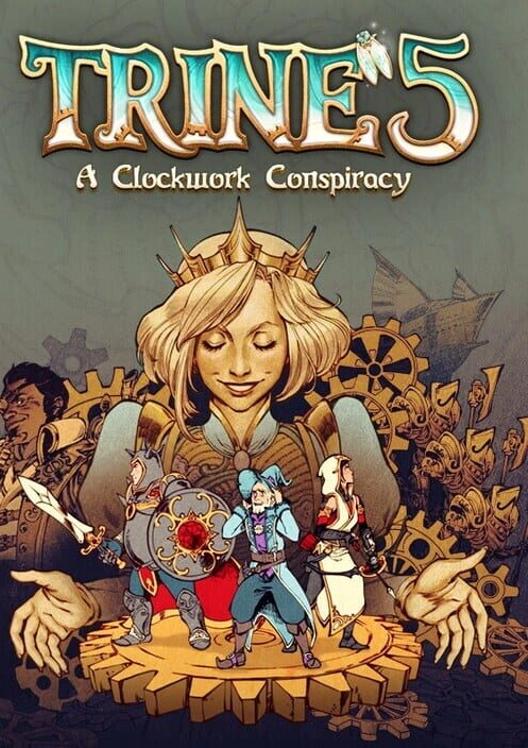
Trine 5 is the closest thing on this list to a proper fantasy campaign, and given how much I gravitate toward fantasy settings elsewhere, this was always going to land well with me. Thief, wizard, and knight each solve the same room differently, and the best moments happen when someone realizes their class ability solves a puzzle nobody else considered. Visually it is one of the prettier picks here, painterly fantasy backdrops worth just standing still to look at. The catch is time. This is a multi-chapter campaign, not a drop-in session game, so it fits a small standing group better than a rotating LAN crowd. Four players is the cap. Good pick if your LAN is the same four or five people every time rather than a rotating cast.
- Released
- 20232023
- Genre
- PlatformerPlatformer
- Platforms
- PC, PS4, PS5, Switch, Xbox One, Series X|SPC, PlayStation 4, PlayStation 5, Nintendo Switch, Xbox One, Xbox Series X/S
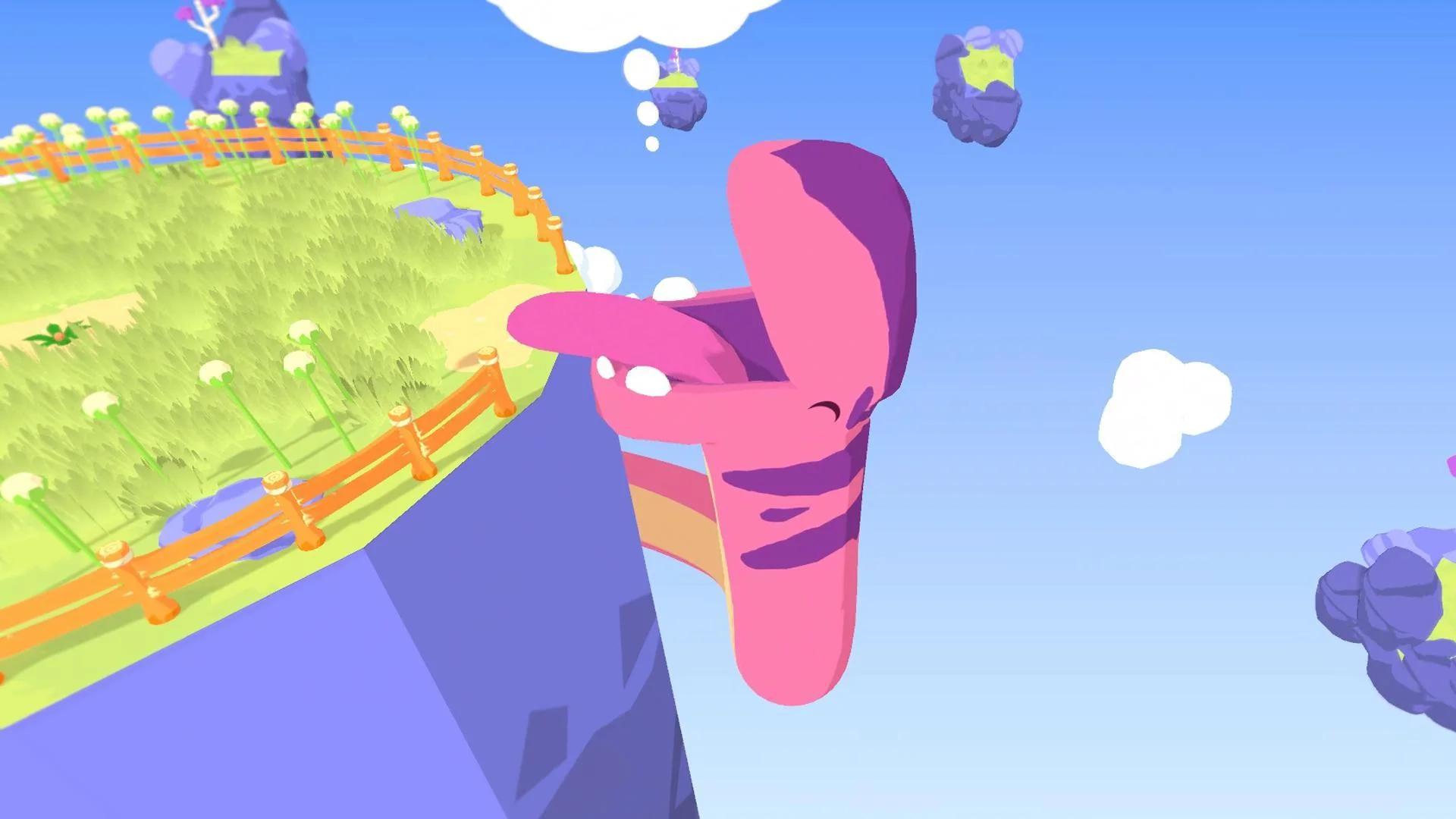
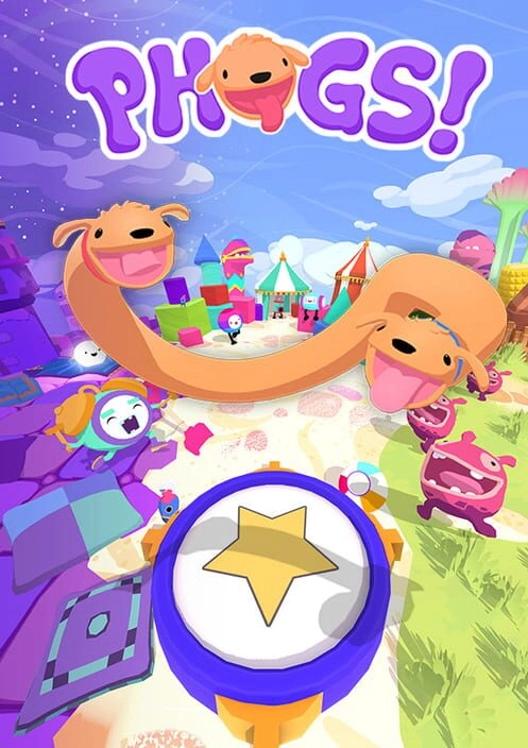
PHOGS! is the one game here I would actually hand to a non-gamer partner without worrying about it going badly, in the same way It Takes Two worked on my wife when nothing else did. Two players share one stretchy dog body, one controlling the front half and one the back, and every puzzle is really a puzzle about cooperating with someone attached to you whether you like it or not. The tone stays light and silly throughout. That makes it forgiving when someone yanks the wrong direction and both halves end up stuck in a fence. It is shorter and shallower than the specialists ranked above it, and nobody will remember individual chambers a year later the way they might with Portal 2. Still, for a mixed group where one person has never touched a controller, this is the safest bet on the list.
- Released
- 20202020
- Genre
- PlatformerPlatformer
- Platforms
- PC, PS4, Switch, Xbox OnePC, PlayStation 4, Nintendo Switch, Xbox One
If your LAN setup depends on laptops that were never built for gaming, check out our Best LAN Party Games for Low-End PCs and Laptops guide.
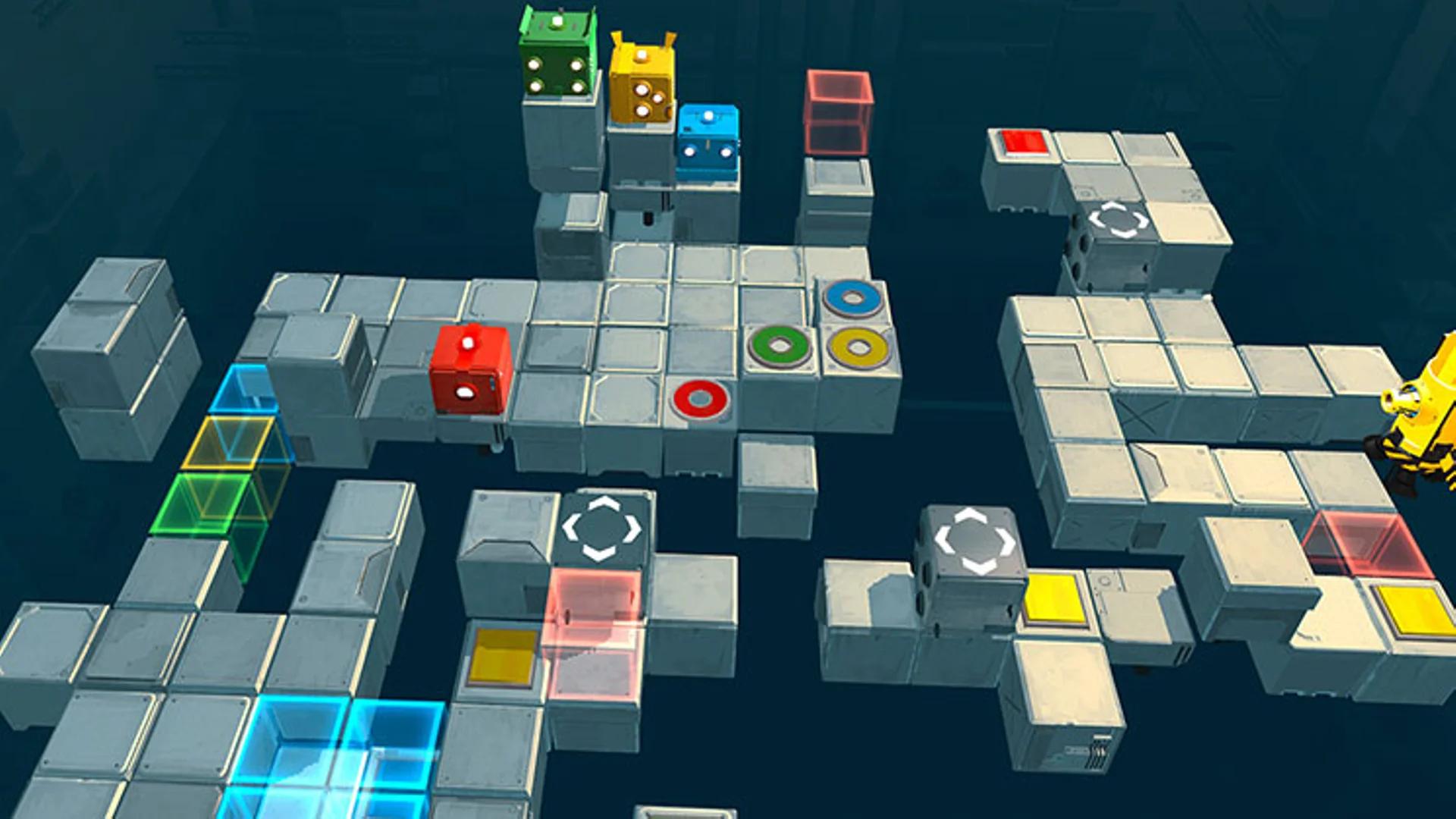
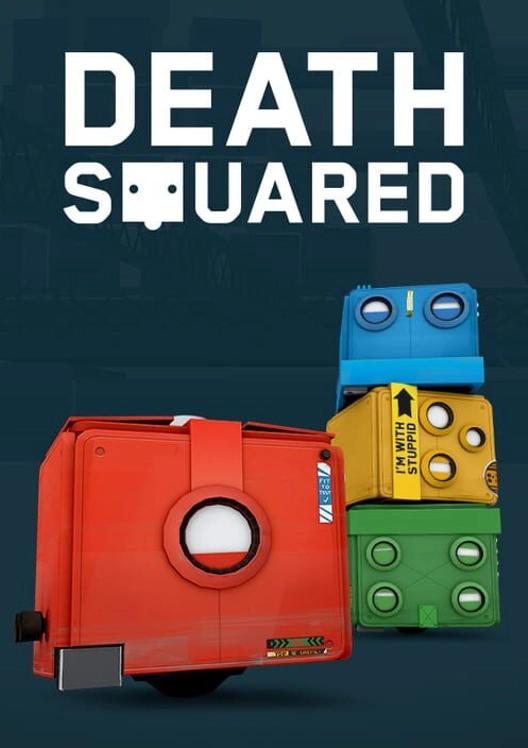
Death Squared is the pick I would install first if I were setting up a LAN station on one of the modest laptops my group actually plays on, because it needs almost nothing to run and the whole point is four players sharing one PC and one screen. Robots need to reach matching colored pads without triggering the wrong pressure plate, and one wrong move usually means watching everyone explode at once, which somehow never stops being funny. Nothing here needs a gaming PC. The stages are genuinely clever grid logic, closer to a shared puzzle box than a slapstick game. It is smaller in scale than the escape-room picks above it, no online mode, no big content library, just clean puzzle rooms in a tight local setup. For a couch-style same-PC session, nothing else on this list is this frictionless.
- Released
- 20172017
- Genre
- PlatformerPlatformer
- Platforms
- Android, iOS, Linux, macOS, PC, PS4, Switch, Xbox OneAndroid, iOS, Linux, macOS, PC, PlayStation 4, Nintendo Switch, Xbox One
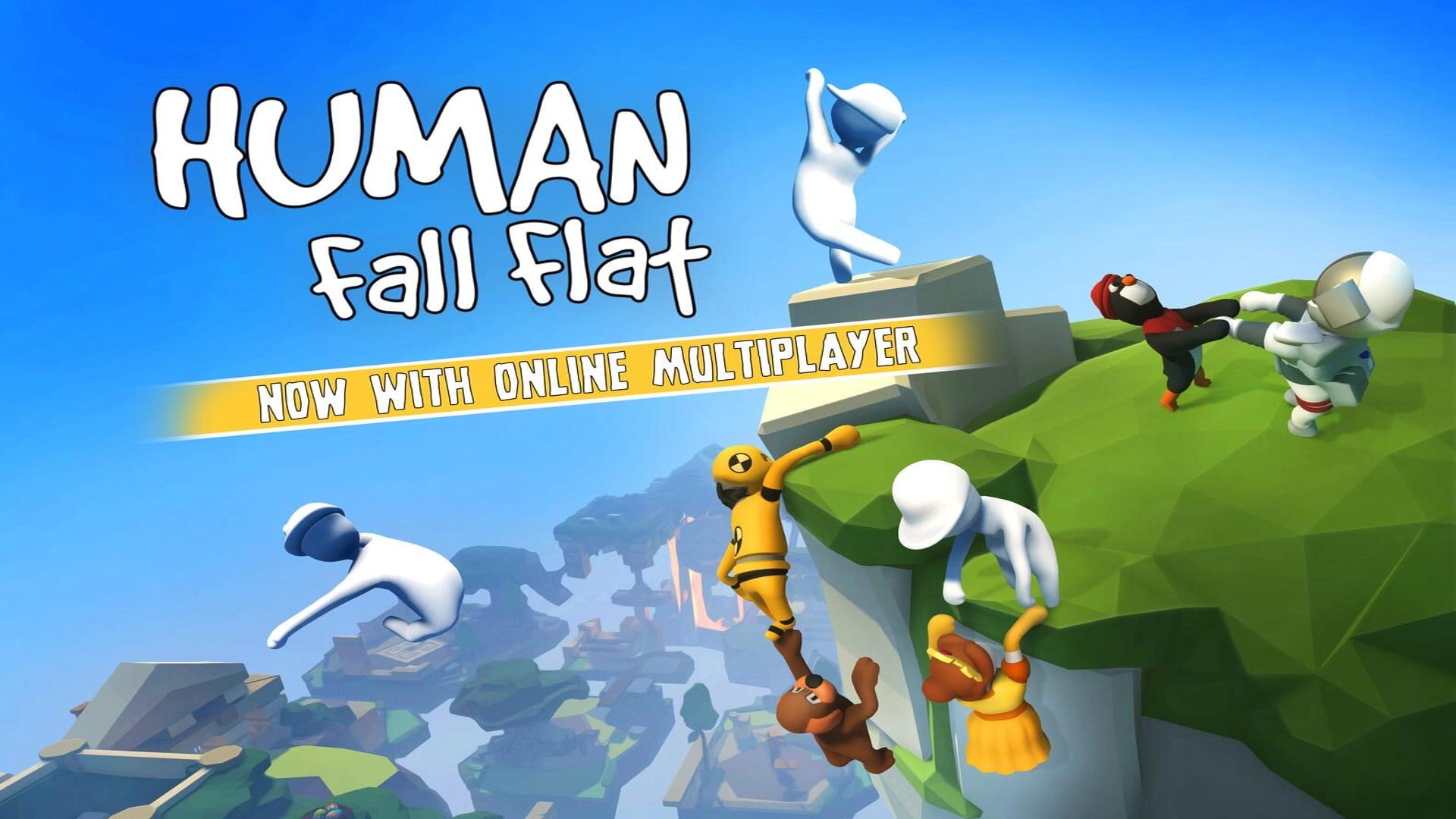
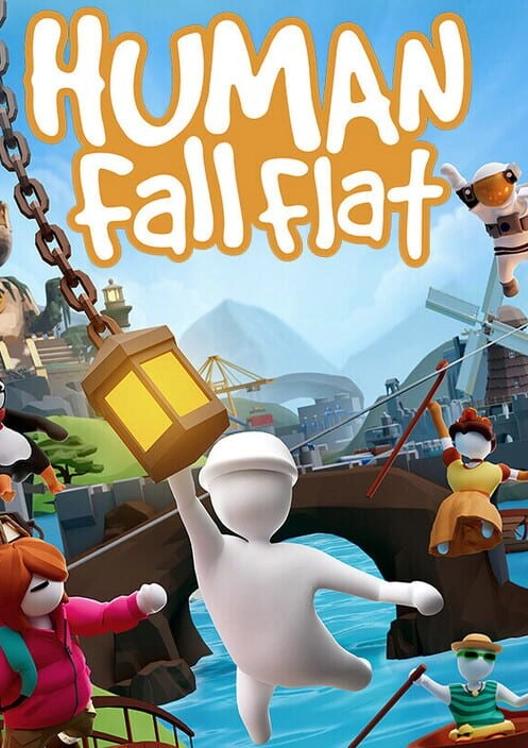
Human: Fall Flat is less a puzzle game and more a physics playground that happens to have puzzles in it, and I am ranking it lower than its reputation partly for that reason. Up to eight wobbly ragdoll characters climb, push, and occasionally fling each other off towers trying to reach a lever or a switch, and half the fun comes from watching someone fail spectacularly rather than from the puzzle design itself. It plays well at a LAN table because the chaos is visible and everyone watching finds it funny, the same reason Overcooked works at our sessions. But logic takes a back seat to slapstick here. If your group wants genuine puzzle-solving, look higher on this list. If your group just wants forty minutes of screaming and laughing before switching to something else, this delivers exactly that.
- Released
- 20162016
- Genre
- PlatformerPlatformer
- Platforms
- Android, iOS, Linux, macOS, PC, PS4, PS5, Switch, Switch 2, Xbox One, Series X|SAndroid, iOS, Linux, macOS, PC, PlayStation 4, PlayStation 5, Nintendo Switch, Nintendo Switch 2, Xbox One, Xbox Series X/S

Heave Ho is the game my group treats as a palate cleanser between longer sessions of something else, a few minutes of grabbing, swinging, and yeeting each other across a gap before moving on to whatever is next on the LAN schedule. Two to four players control limbless blobs that can only move by grabbing and letting go, so every level turns into a small negotiation about who releases their grip first. It is closer to party chaos than deliberate puzzle design, and the replay value drops off once you have seen most of the level gimmicks. Rounds run about two minutes. It never overstays its welcome. It rounds out the list rather than anchoring it, but every LAN night needs something this quick and this dumb somewhere in the rotation.

- Released
- 20192019
- Genre
- PlatformerPlatformer
- Platforms
- macOS, PC, SwitchmacOS, PC, Nintendo Switch
Honorable Mentions
These five missed the top 10 mostly on length, replay value, or track record, not on puzzle quality.
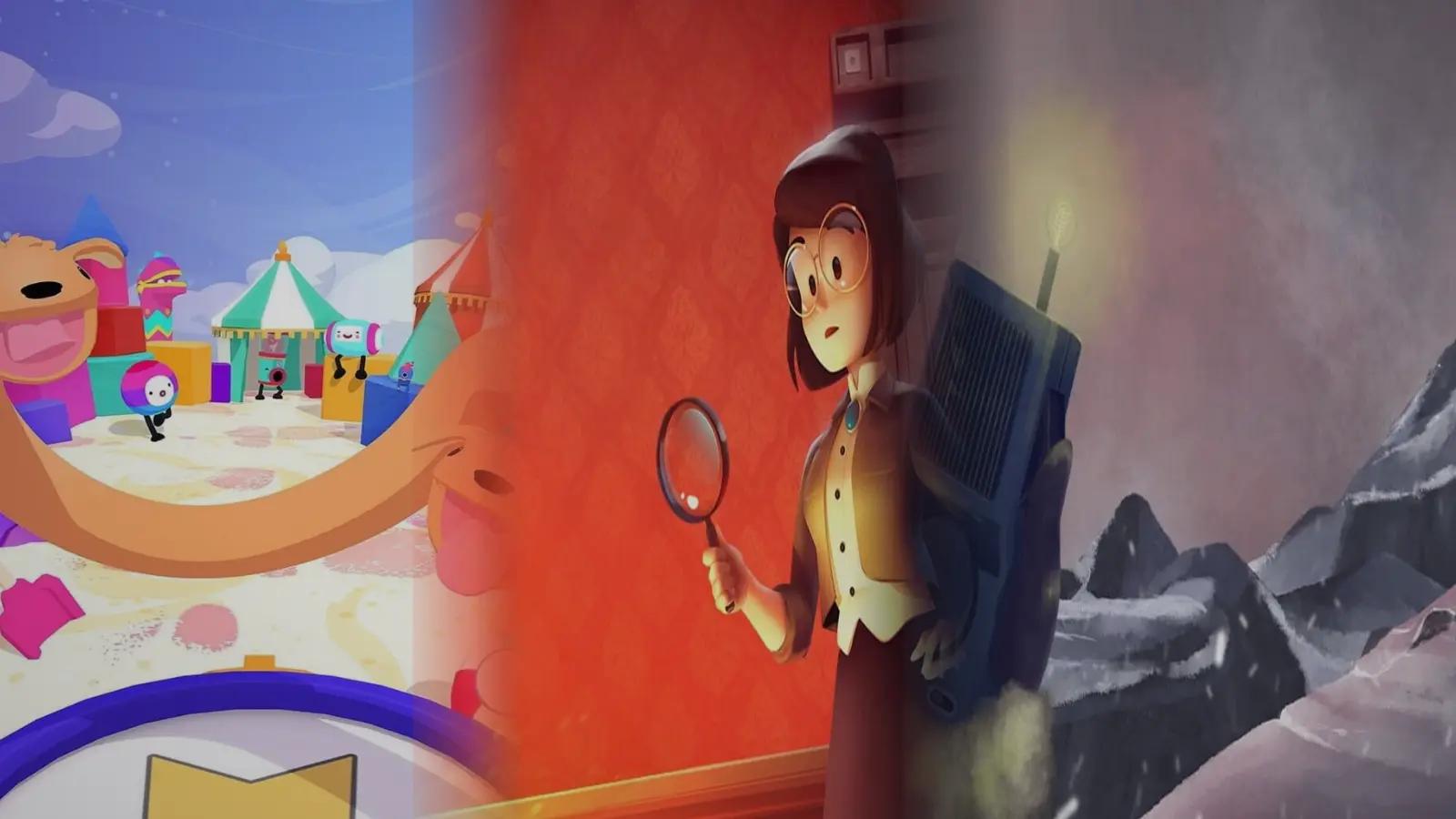
The Past Within very nearly made the top 10, and if I am honest it might belong there over Heave Ho on a different day. Rusty Lake built it entirely around two players seeing different time periods of the same location, one in the past, one in the future, solving puzzles that only make sense once you describe what you are looking at to your partner. It is short. A few hours at most, and strictly two-player. But the asymmetrical hook is genuinely clever, and if your LAN group already loved We Were Here Forever, this is the next one to try.
We Were Here is free, and that alone earns it a mention, since it is the easiest way to find out whether communication puzzles are your group's thing before spending money on the sequels. I always recommend starting here rather than jumping straight to Forever. It is shorter, rougher around the edges, and the puzzles are simpler, but the core idea, one player describing what they see while the other acts on it, is fully intact. No catch, no paywall. Just the original castle escape that started this whole subgenre. If it clicks, the sequels are worth the money.
BFF or Die did not have the pedigree to crack the top 10, but it solves a real gap on this list, local co-op for up to four players on a single PC without separate logins or online accounts. Rounds are short, the puzzle-and-defense hybrid keeps everyone doing something rather than watching one person solve it alone, and resets are fast. Nobody sits out for long. I would not build a whole LAN night around it. As a filler game between the bigger picks above, though, it earns its spot in the rotation, especially for groups still deciding who wants to lead.
14. Bokura
82%BOKURA is one of the strangest entries I looked at for this list, two players seeing entirely different versions of the same world, which means describing your screen to your partner is not a hint system, it is the entire mechanic. I found myself genuinely surprised by how well the concept held up across a full campaign. Two players only. It is also fairly short, so it will not anchor a LAN night on its own. If your group already burned through We Were Here Forever and wants one more communication puzzle before moving on, this is the one to grab next.
Brave Escape is the newest name on this list, and I am including it as a recommendation to watch rather than an established classic. Two players work through hazard-filled stages that need genuine coordination, closer to a puzzle-platformer than an escape room. Sessions run short. That makes it easy to rotate through quickly at a LAN table. It does not yet have the track record of the games ranked above it, and I would not build a whole night around it yet. Still, if your group has already exhausted PHOGS! and Trine 5, this is a reasonable next pick while it finds its audience.
Frequently Asked Questions
A few things come up every time this topic gets brought to a LAN group.
Do puzzle games actually work at a LAN party full of shooter fans?
Yes, and often better than expected. The communication-heavy ones like Keep Talking and Nobody Explodes generate more shouting and laughter than most shooters do, just from a different direction.
Do I need voice chat or headsets for these games?
For same-room play, no, you can just talk out loud, which is half the fun. Games like We Were Here Forever that split players into separate rooms benefit from a headset if you are not physically next to your partner.
Can more than two people play the top picks?
Some scale well beyond pairs. Escape Simulator supports up to eight, and PICO PARK 2 handles a full room of eight too. Portal 2, We Were Here Forever, and PHOGS! are strictly two-player experiences.
What if my LAN group has very different skill levels?
Look toward Keep Talking and Nobody Explodes or PICO PARK 2 first. Both let a complete beginner contribute meaningfully without needing prior puzzle-game experience.
Do these games need strong hardware for a LAN setup?
Most run comfortably on modest laptops. Death Squared and Keep Talking and Nobody Explodes are especially light, which matters when half your group is on borrowed hardware.
Conclusion
Puzzle games are not the first thing most people picture at a LAN party, but they might be the best palate cleanser between rounds of something louder. Whether your group leans toward the tense communication of Keep Talking and Nobody Explodes or the sprawling logic of Escape Simulator, there is a pick here for a mixed-skill group.
When everyone wants to shoot something again, our Best LAN Party Shooter Games guide picks up where this one leaves off, and our Best Free LAN Party Games roundup covers the no-cost options.
Ready for more tailored picks? Try our Recommendations Engine for suggestions that match your play style.